



Guide to Skincare Acids: What Each One Does for Your Skin
Not all skincare acids exfoliate. Here's what each one actually does, and how to choose the right one for your skin.
Author
askINKEY skincare advisor
Published
20 May, 2026
Time to read
20 minutes
This guide explains what each skincare acid actually does, which skin types they suit, and how to use them without irritating your skin. It is written for anyone who has stood in front of a shelf of bottles labelled glycolic, salicylic, hyaluronic and azelaic and quietly wondered whether they all do the same thing.
Here is the most useful thing to know up front: most people assume every skincare acid exfoliates. They do not. Hyaluronic acid hydrates. Tranexamic acid works on pigment. Azelaic acid calms visible redness. “Acid” is a chemistry label, not a job description, and treating it as one is why so many routines end up over-exfoliated.
The main types of acids in skincare fall into a few clear groups: AHAs, BHAs, PHAs, hydrating acids and specialty acids. This guide covers what each group does, who each one suits, and how to build them into a routine safely. If you are still assembling the basics, our complete skincare routine guide covers the structure this all sits on top of, and our 10 most common skin concerns page lets you jump straight to the issue you are actually dealing with.
Skincare has become needlessly complicated. The goal here is clarity you can trust, not a longer shopping list. And once you understand what acids physically do to skin, every choice that follows gets easier.
What Skincare Acids Actually Do to Your Skin
Your skin is already exfoliating itself, right now, without any help from you. The process is called desquamation, which simply means the shedding of dead cells from the skin’s surface. Cells are produced in the deeper layers of the epidermis, migrate upward over several weeks, flatten out, and eventually detach and fall away. You lose millions of them a day without noticing.
The problem is that this process is not reliable forever. Cell turnover slows with age. It also gets disrupted by dryness, by excess oil, by congestion, by hormonal shifts and by seasonal changes. When dead cells stop releasing cleanly, they linger on the surface and clump together. That is when skin starts looking dull, feeling rough, or developing the blocked, bumpy texture that no amount of moisturizer seems to fix.
Exfoliating acids intervene in that process directly. They loosen the bonds holding dead surface cells to one another, so those cells release more evenly and on schedule rather than accumulating in patches. That is the entire mechanism. Not stripping, not burning, not scouring: loosening.
Chemical Exfoliation vs Physical Exfoliation
A chemical exfoliant dissolves the glue between dead cells. A physical exfoliant, meaning a scrub, a brush or a cloth, removes cells by abrasion. Both work. They simply work differently.
The honest comparison is about control rather than one being good and the other bad. A chemical exfoliant acts across the whole surface it touches, at a rate governed by its formulation, which makes the result more even and more predictable. Physical exfoliation depends on how hard you press, how long you go for and how coarse the particles are. That variability is the trade-off. Plenty of people use a scrub happily for years. But if your skin is reactive, or if you have ever finished exfoliating and thought “that felt like a bit much,” a chemical exfoliant gives you a dial rather than a guess.
Molecular Size Is the Master Variable
If you remember one piece of chemistry from this entire guide, make it this one, because it quietly explains almost every difference between acid categories.
Smaller molecules penetrate deeper into the skin. Deeper penetration means more potency and more irritation risk. Larger molecules stay closer to the surface, which means a gentler, shallower action.
That is the whole principle. Glycolic acid has the smallest molecule of the common AHAs, which is precisely why it is the most potent and the most likely to tingle. Lactic acid has a larger molecule, so it works less deeply and tends to be better tolerated. Gluconolactone, a polyhydroxy acid, is larger still, which is why PHAs are the gentlest hydroxy acids available.
Same category of chemistry. Wildly different experiences on skin. The difference is size.
Why a Higher Percentage Is Not Automatically Better
Percentages are the most misread number in skincare. A 15% acid is not reliably “stronger” in any meaningful sense than a 10% one, because concentration is only one of the variables determining how much acid is actually active on your skin.
The other big one is pH. Hydroxy acids need an acidic environment to remain in the free, active form that can do anything at all. Formulate the same acid at a higher pH and a smaller proportion of it is available to work. Formulate it too low and you increase irritation without a matching increase in benefit. A peer-reviewed review of glycolic acid formulation published in the open-access journal Cosmetics examines exactly this balance between penetration, irritation and outcome, noting that irritation rises with concentration at a given pH, and rises as pH falls at a given concentration. Two dials, both of which matter, neither of which is visible from the front of a bottle.
Which is why the useful question is never “what percentage is this?” It is “is this formulated well, and does my skin tolerate it?” If you want to go deeper on this, our guide to how to balance pH in your skincare routine unpacks it further. And because many people meet acids for the first time in a toner, it is worth understanding what a toner actually does, since the delivery format shapes the experience as much as the ingredient.
One more thing worth flagging now, because it becomes a rule later: the FDA’s guidance on labeling cosmetics containing alpha hydroxy acids notes that AHAs may increase the skin’s sensitivity to the sun, both while you are using them and for up to a week after you stop. That single fact underpins everything this guide says about sunscreen.
The Critical Point: Not All Acids Exfoliate
Here is where most guides quietly mislead people. The types of acids in skincare split into two groups: exfoliating acids and non-exfoliating acids. They share a chemistry label and, functionally, very little else.
- Hyaluronic acid is a humectant. It draws water into the upper layers of skin. It does not exfoliate at all.
- Tranexamic acid interrupts the signaling pathway that drives excess melanin production. It works on pigment, not on dead cells.
- Azelaic acid calms visible redness and works on uneven tone through a different mechanism again.
Grouping these with glycolic and salicylic because they all end in “acid” is like grouping a scalpel with a spoon because they are both metal. The takeaway: never assume an acid exfoliates. Check what it actually does.
The largest and most familiar family of exfoliating acids is the alpha hydroxy acids, and that is where most people start.
Alpha Hydroxy Acids (AHAs) for Tone and Texture
AHAs are water-soluble acids that work across the surface of the skin. That solubility is the defining trait: they mix with water, not oil, so they spread over the skin’s outermost layer and act on the bonds between dead cells sitting there. They do not travel far below the surface, and they do not get inside pores in any meaningful way.
What they are genuinely good at: dullness, uneven tone, rough texture and the look of fine lines. If your complaint is that your skin looks tired, feels grainy under your fingertips or has lost its light-catching quality, an AHA is the direct answer.
They are also PM only. Because AHAs can increase sun sensitivity, they belong in your evening routine, with daily broad-spectrum sunscreen every morning as the non-negotiable companion.
You will see AHAs described by source: glycolic from sugar cane, lactic from milk, others from fruit. It reads nicely on packaging and it matters far less than you would think. What determines how an AHA behaves on your face is the size of its molecule and the quality of the formula around it. Origin story is marketing. Molecule size is chemistry.
Glycolic Acid: The Smallest Molecule, the Biggest Effect
Glycolic acid has the smallest molecule of the common AHAs. That is not a footnote, it is the entire reason it behaves the way it does. Small molecule, deeper penetration, more noticeable results, and a higher likelihood of tingling or irritation if you overdo it. Potency and irritation risk travel together. Anyone who tells you otherwise is selling something.
It is best suited to dullness, uneven tone, rough texture and that general lack of glow that is hard to describe but easy to recognize in a mirror. For the full breakdown of the ingredient itself, our page on what glycolic acid is and how it works is the proper deep dive.
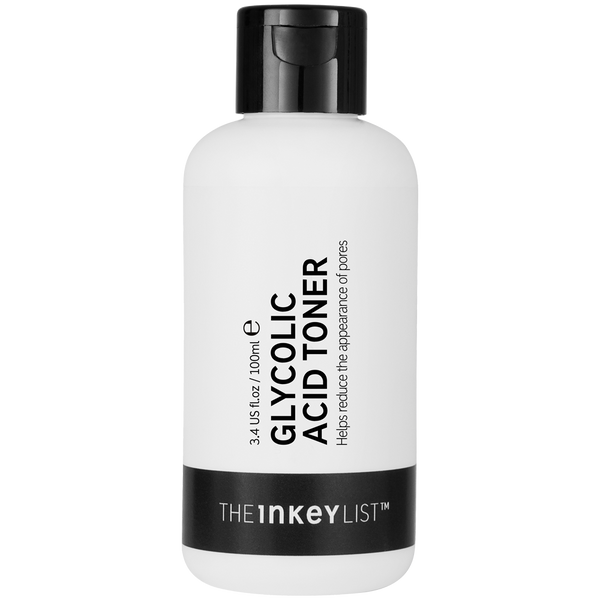
In practice, the leave-on toner format is where most people meet it. The Glycolic Acid Toner combines 10% glycolic acid with 5% witch hazel and is designed for PM use one to three times weekly. It is not a daily product and it is not meant to be. It can also be used on the chest and back, which matters more than people expect, since those areas get the same buildup as the face and roughly none of the attention.
For body skin specifically, the Glycolic Acid Exfoliating Body Stick exists because facial formats are impractical on arms, thighs and shoulders. It targets keratosis pilaris bumps, ingrown hairs and rough texture on the areas a toner and cotton pad were never designed to cover.
A few practical rules that prevent most problems:
- Apply to clean, dry skin. Damp skin can increase penetration unpredictably.
- Avoid the eye area entirely.
- Never apply over broken, raw or already irritated skin. Wait until the barrier has recovered.
- If it stings sharply rather than tingling briefly, that is your skin telling you the frequency is too high.
Lactic Acid: The Gentler, Slower AHA
Lactic acid is worth understanding even though we are talking about the ingredient here rather than any particular product.
Its molecule is larger than glycolic acid’s. Following the principle from earlier, that means it penetrates less deeply and is generally better tolerated by drier or more reactive skin. It works, it just works less aggressively and over a longer horizon.
It also has a mild humectant quality alongside its exfoliating action, meaning it attracts a small amount of water while it works. That is why lactic acid tends to feel less stripping than glycolic and why it is often the AHA of choice for people whose skin protests at anything stronger.
The honest positioning: lactic acid is gentler and slower. If you have skin that tolerates strong exfoliation well and you want visible change quickly, that is a limitation. If you have skin that does not, it is a genuine advantage. Neither is better in the abstract. Only one of them is better for you.
Glycolic and Lactic Acid Compared
- Molecule size: glycolic is the smallest common AHA, lactic is noticeably larger.
- Depth of action: glycolic penetrates more deeply, lactic stays closer to the surface.
- Likely tolerance: glycolic carries a higher chance of tingling and irritation, lactic is generally better tolerated.
- Best suited to: glycolic for normal to resilient skin chasing dullness and rough texture, lactic for drier or more reactive skin that still wants exfoliation.
- Typical frequency: both start at one to two nights a week, building toward three only if skin stays comfortable.
- Shared rules: both are PM only, and both require daily broad-spectrum sunscreen.
If you are weighing an AHA against a BHA, our comparison of glycolic acid vs salicylic acid is the natural next read. And if texture is your primary concern, how to improve skin texture goes further on the routine as a whole.
AHAs work across the surface, which raises the obvious next question: what happens when the problem is not on the surface, but inside a clogged pore?
Beta Hydroxy Acids (BHAs) and How They Reach Inside the Pore
The difference between an AHA and a BHA comes down to one property, and once it clicks, the entire aha vs bha debate resolves itself.
AHAs are water-soluble. BHAs are oil-soluble.
A pore is not a hollow tube. It is a follicle filled with sebum, the oil your skin produces. A water-soluble AHA cannot mix with that oil, so it sweeps across the pore’s opening and moves on. An oil-soluble BHA dissolves into sebum, travels down through it, and works on the congestion from inside.
The plain-English version: AHAs work on the surface, BHAs get inside the pore.
That single distinction explains the standard recommendations. BHAs are the default for oily skin, blackheads, congestion and breakouts, because those problems live inside the follicle. AHAs are the default for dullness and rough texture, because those problems live on top of it.
Like AHAs, leave-on BHA treatments are PM-focused, and daily broad-spectrum sunscreen remains essential alongside them.
Salicylic Acid: The Pore-Clearing Standard
Salicylic acid is the BHA nearly everyone means when they say BHA. Our page on what salicylic acid is and how it works covers the ingredient in full.
The mechanism is worth stating plainly, because it is frequently described badly. Salicylic acid dissolves into the oil within the follicle and exfoliates the pore lining from within. It loosens the plug of oil and dead cells that would otherwise harden into a blackhead or become the starting point for a breakout. Over time and with consistent use, it helps keep pores clear rather than clearing them once and letting them refill.
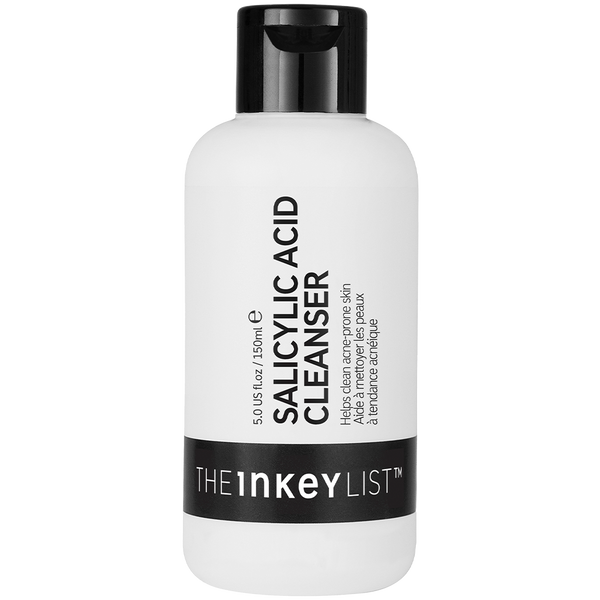
The Salicylic Acid Cleanser is a 2% Salicylic Acid Acne Treatment that helps clean and reduce acne. It helps reduce acne and blackheads, and 90% agree skin looks visibly clearer after 3 days. The formula pairs the 2% salicylic acid with 1% of a zinc compound for oil control and 0.5% allantoin to soothe, which is what allows it to be non-stripping and suitable for daily use. Like the glycolic toner, it works on the chest and back as well as the face, which is useful if congestion is not confined to your jawline.
If you would rather have a treatment step than a wash-off step, the Beta Hydroxy Acid (BHA) Serum is the leave-on format. Cleansers have contact time measured in seconds. A serum stays put, which suits anyone whose congestion needs more than a cleanser can deliver.
A pairing worth knowing: salicylic acid and niacinamide work well together for oily, breakout-prone skin. One clears inside the pore, the other helps manage oil production and visible redness. Our page on niacinamide explained covers why the combination is so well matched.
Before you commit to a clearing routine, one common misdiagnosis is worth ruling out. Those tiny grey dots across your nose may not be blackheads at all. Our guide to sebaceous filaments vs blackheads explains the difference, and it matters, because filaments are a normal structure and no amount of treatment will remove them permanently. If blackheads genuinely are the issue, salicylic acid for blackheads is the targeted read. For broader grounding, our page on what acne is is the place to start.
Succinic Acid: A Gentler Route for Reactive Skin
Not everyone with breakouts has skin that tolerates a full BHA routine. Reactive, sensitized skin that also gets congested is a genuinely awkward combination, and the usual advice serves it badly.
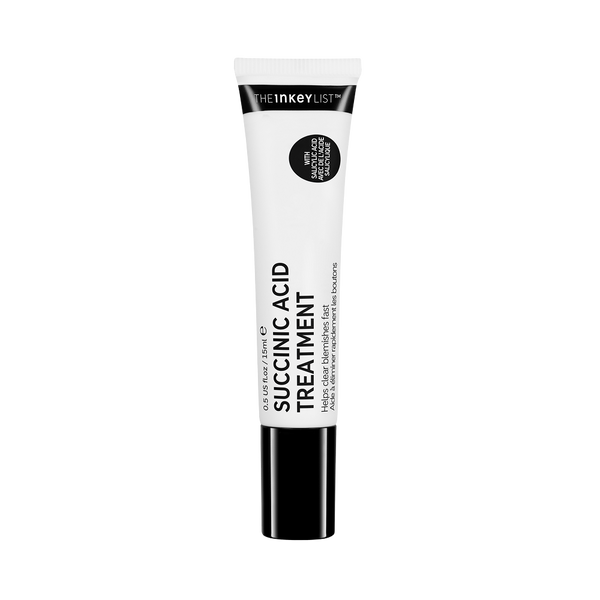
The Succinic Acid Treatment is built for exactly that situation. It contains 1% salicylic acid alongside succinic acid, so you still get oil-soluble pore action, at a level designed for skin that flinches at stronger formulas.
Frame it correctly and it performs well: this is a targeted treatment for individual spots, not an all-over exfoliant. Apply it where you need it, not everywhere you can reach.
Both AHAs and BHAs can be too much for some skin. Which brings us to the gentlest exfoliating family, and then to the acids that do not exfoliate at all.
PHAs, Hyaluronic Acid, Azelaic Acid and Tranexamic Acid
This is the section most acid guides skip, and it is the one that changes how people shop.
Polyhydroxy Acids: Gentle Exfoliation That Hydrates
A polyhydroxy acid is the next generation of hydroxy acid, and its defining feature is a noticeably larger molecular structure than an AHA.
Apply the principle from earlier and you can predict everything about how PHAs behave. Larger molecule means shallower penetration. Shallower penetration means gentler action. Gentler action means less irritation and the ability to use them more often. Nothing mysterious, just size.
Gluconolactone is the most widely used PHA, and it is worth knowing the name because it is what you will see on an ingredients list. It exfoliates like other hydroxy acids, but it carries an additional property they mostly lack: it is humectant, meaning it attracts and holds water. So a PHA hydrates while it exfoliates rather than trading one for the other. For the full explanation, our guide to what gluconolactone is breaks it down, and our page on what PHA is covers the wider category.
That combination is why PHAs suit sensitive, dry or reactive skin, and why they can typically be used more frequently than an AHA without pushing skin into irritation.
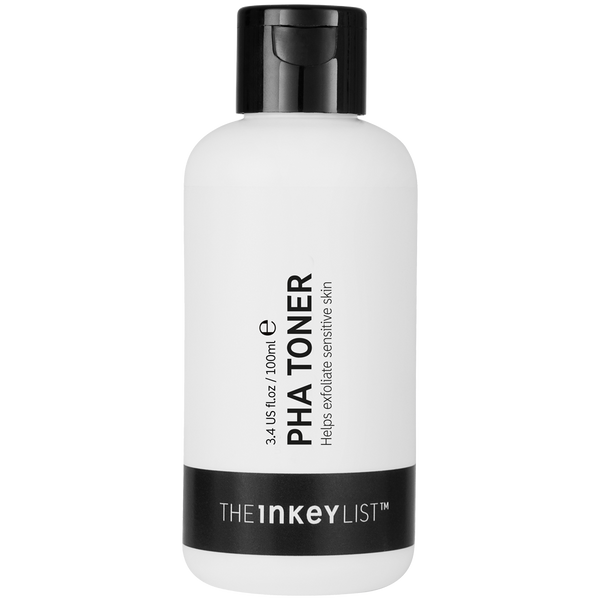
The PHA Toner uses 3% gluconolactone and is gentle enough for frequent use. For body skin, the PHA Body Water Cream applies the same approach to the larger, often drier areas below the neck.
If you are using an acid for the first time, or if your skin has reacted badly to a stronger exfoliant in the past, this is the honest recommendation. Not because it is a compromise, but because tolerable exfoliation you keep doing beats potent exfoliation you abandon after a week. If you are torn between formats, PHA toner vs glycolic acid toner settles it, and best exfoliator for sensitive skin widens the view.
Hyaluronic Acid: A Humectant, Not an Exfoliant
Hyaluronic acid does not exfoliate. It never has. It is a humectant, a molecule that binds water and pulls it into the upper layers of skin, which is close to the opposite of what an exfoliating acid does.
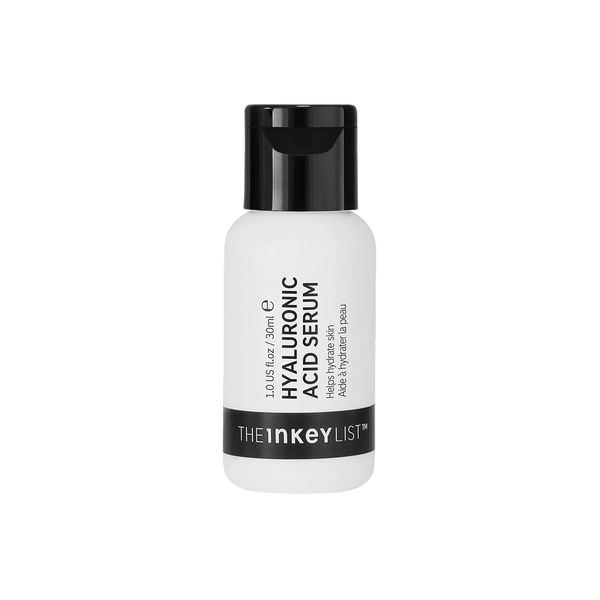
The Hyaluronic Acid Serum uses 2% pure hyaluronic acid across 3 molecular weights, plus Matrixyl 3000 peptide. The multiple weights matter for the same reason molecule size matters everywhere else: different sizes settle at different depths, so hydration happens at several levels rather than sitting purely on the surface.
The usage detail that decides whether it works for you: apply it to damp skin, then follow with moisturizer to seal it in. A humectant draws water from whatever is available. Give it damp skin and it has an immediate supply. Apply it to bone-dry skin in dry air and it has far less to work with. Then the moisturizer locks the water in place, because hydration that evaporates is not hydration.
It also pairs beautifully with exfoliating acids, offsetting the dryness that exfoliation can cause. For more, see what hyaluronic acid is.
Azelaic Acid: For Visible Redness and Uneven Tone
Azelaic acid is not a conventional exfoliant either. It works on visible redness, post-blemish marks and uneven tone through its own distinct route.
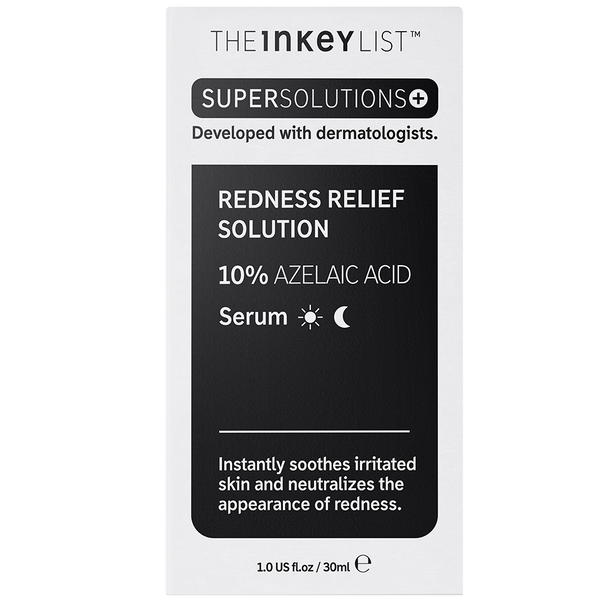
The 10% Azelaic Acid Serum for Redness Relief delivers it at a meaningful concentration. And it has one property that genuinely sets it apart: azelaic acid does not increase photosensitivity. Unlike AHAs and BHAs, it is safe for both AM and PM use, which makes it unusually easy to fit into a routine.
For anyone whose skin cannot tolerate stronger exfoliating acids but who still wants to work on tone and redness, this is a genuinely good option rather than a consolation prize. Our page on what azelaic acid is has the detail, and since it is the immediate follow-up question, can you use azelaic acid with retinol answers it directly.
Tranexamic Acid: Working on the Pigment Pathway
Tranexamic acid takes a different approach to pigment entirely. Rather than exfoliating pigmented cells away, it interrupts the signaling pathway that leads to excess melanin production. It works further upstream, on the instruction rather than the outcome.
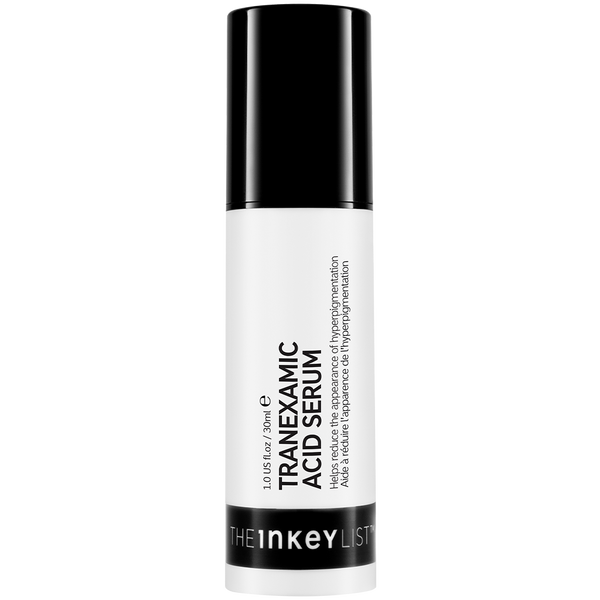
That makes it well suited to dark spots, post-blemish marks and uneven tone. The Tranexamic Acid Serum is the format, and our page on what hyperpigmentation is explains the concern.
Set your expectations honestly: this is a slow-and-steady ingredient. Pigment took time to form and it takes time to fade. Consistency over weeks is what produces results, not intensity over days.
Knowing what each acid does is only half of it. The other half is using them without overwhelming your skin.
How to Add Acids to Your Routine Safely
Most acid disasters are not caused by bad products. They are caused by good products used too often, too many at once, or too soon. Five steps prevent nearly all of it.
Step 1: Start With One Acid
One acid. One concern. Long enough to actually judge it.
Stacking multiple actives from day one makes it impossible to know what helped and what hurt. If three new things go on your face in the same week and your skin reacts, you have no way of identifying the culprit, and you will probably abandon all three.
Give a single acid four to six weeks before adding anything else. That is roughly how long a full turnover cycle takes, and it is the shortest honest window for a verdict.
Step 2: Less Is More Than You Think
Begin at one to two times weekly. Build toward three times weekly only if your skin stays comfortable throughout.
More frequent is not more effective. Past a certain point it is actively counterproductive, because you start removing surface cells faster than your skin can replace them and the barrier suffers.
Learn the signs of over-exfoliation honestly, because they are easy to mistake for progress:
- Tightness that does not resolve after moisturizer
- Stinging when you apply products that never used to sting
- An unusual shine, which is thinned, compromised skin rather than glow
- Increased sensitivity to weather, water or products you have used for years
- Flaking, particularly around the nose and mouth
If you recognize several of these, stop exfoliating entirely and let your barrier recover. Our guide to over-exfoliated skin: signs and how to repair it walks through the recovery route.
Step 3: Patch Test Before You Commit
Patch testing takes two minutes and saves considerable regret.
Apply a small amount to a discreet area, the inner forearm or just behind the jaw near the ear, and leave it for 24 hours. Check for persistent redness, itching, burning or bumps. If nothing happens, apply to the face as directed.
It matters most for first-time actives, because a reaction confined to a patch of forearm is an inconvenience. The same reaction across your whole face is a week of hiding. Our guide on why you need to patch test explains the method in full.
Step 4: Layer Thinnest to Thickest, and Know What Not to Combine
The order is simple: thinnest to thickest.
- Hyaluronic acid first, onto damp skin.
- Your acid treatment next.
- Moisturizer last, to seal everything in.
Thin, water-based formulas cannot penetrate a layer of cream, so they go first. Occlusive products go last because their job is to hold everything beneath them in place.
What not to combine in the same routine:
- Two exfoliating acids together. An AHA and a BHA in one sitting is compounding irritation with no compounding benefit. Your skin has a finite tolerance and you will spend it twice over.
- Acids with retinol. Both accelerate cell turnover through different mechanisms. Together they frequently push skin past its limit. See what not to mix with retinol and our page on what retinol is.
- Acids with vitamin C. Two issues here. The conditions each ingredient prefers do not align neatly, and layering them adds irritation risk without a proportionate payoff. Our page on what vitamin C is covers how to use it well on its own terms.
None of this means choosing one active forever. The practical workaround is skin cycling: alternate your actives across different nights rather than stacking them in one. Exfoliating acid one night, retinol another, recovery nights in between. Same ingredients, same week, a fraction of the irritation. For the wider picture, skincare ingredients you should never mix is the complete reference.
Step 5: Wear Broad-Spectrum Sunscreen Every Morning
AHAs and BHAs are PM only, and freshly exfoliated skin is more vulnerable to UV.
This is not a soft recommendation. The FDA’s guidance on AHA labeling states that these ingredients may increase skin’s sun sensitivity while in use and for up to a week after you stop, and recommends sunscreen, protective clothing and limited sun exposure across that whole window. Note the detail people miss: the week after you stop counts too.
Daily broad-spectrum sunscreen every morning is non-negotiable if you are using exfoliating acids. Without it, you are removing dull surface cells at night and generating fresh pigment and damage by day. If sun protection is new to you, our page on what SPF is covers the fundamentals.
Purging or Irritation: How to Tell the Difference
This is the single biggest reason people quit an acid too early, so it deserves a clear answer.
Purging is accelerated turnover bringing existing, already-forming congestion to the surface faster than it would have arrived naturally. It appears in the areas you normally break out. It typically settles within a few weeks. It is temporary and it is a sign the product is working.
Irritation is different. Persistent stinging or burning, redness that does not calm, and reactions in areas you do not usually break out. That is not a purge. That is your skin objecting, and it means stop.
The location test is the most reliable shortcut: usual spots, likely purging; new territory, likely irritation. Our complete guide to skin purging covers the timelines in more detail.
With the safety rules established, the only question left is which acid matches the concern you actually have.
Which Acid Is Right for Your Skin Concern
Answer first, reasoning second. Find your concern and start there.
Dull Skin and Uneven Texture
AHAs, glycolic in particular. Dullness is a light problem: accumulated dead cells on the surface scatter light instead of reflecting it evenly. Remove the buildup and the light behaves properly again. The Glycolic Acid Toner is the direct route, used PM one to three times weekly. For the wider routine, see how to improve skin texture.
Oily Skin and Blackheads
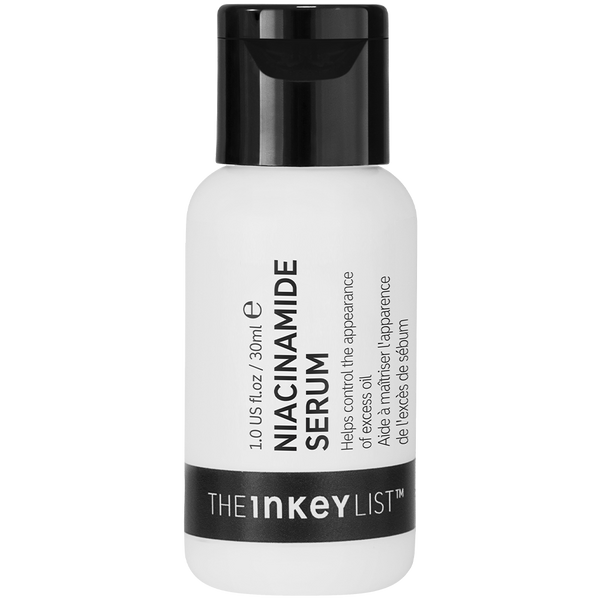
BHAs. Oil solubility is the entire reason: salicylic acid dissolves into sebum and reaches congestion where it actually sits, inside the pore. The Salicylic Acid Cleanser suits daily use. Add the Niacinamide Serum for ongoing oil control, since the two work well in tandem. First, confirm you are treating the right thing with sebaceous filaments vs blackheads.
Acne and Breakouts
Salicylic acid based options. The Salicylic Acid Cleanser is a 2% Salicylic Acid Acne Treatment that helps reduce acne and blackheads, and the Beta Hydroxy Acid (BHA) Serum is the leave-on treatment step.
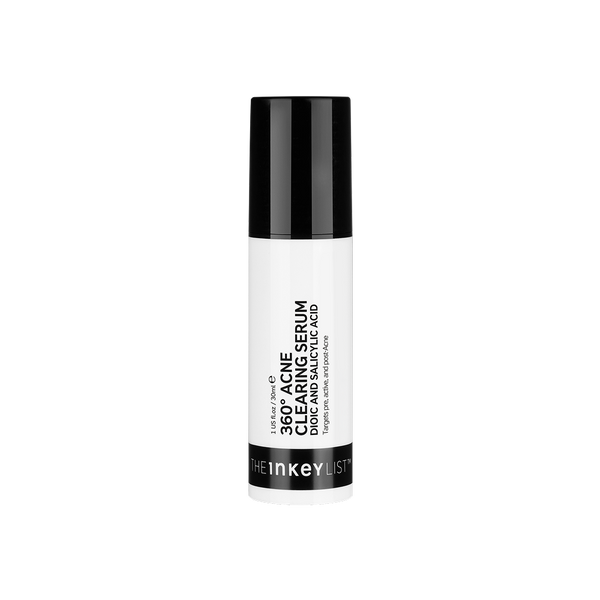
For a more comprehensive approach, the 360 Acne Clearing Serum combines 1% Dioic Acid, 2% Salicylic Acid and 0.4% Dendriclear, targeting three stages of breakouts: excess oil, active blemishes and post-blemish marks. Most breakout routines address only the middle stage, which is why marks linger long after the spot has gone.
For individual blemishes, Hydrocolloid Invisible Pimple Patches provide a physical barrier over the area, which also stops you touching it. For background, read what is acne vulgaris, and if breakouts arrived later than you expected, adult acne: why it happens after 25.
Sensitive Skin and First-Time Acid Users
PHAs. Larger molecule, gentler action, hydrating as it exfoliates. Start with the PHA Toner at 3% gluconolactone. It is the most forgiving entry point, and a gentle acid used consistently will always outperform a strong one abandoned after three days.
Dehydration
Hyaluronic acid, which is not an exfoliant and will not resurface anything. The Hyaluronic Acid Serum goes on damp skin, sealed immediately with moisturizer. Dehydration is a water problem, not a texture problem, and treating it with exfoliation makes it worse.
Visible Redness
Azelaic acid. The 10% Azelaic Acid Serum for Redness Relief calms visible redness and works on uneven tone, and because it does not increase photosensitivity, it fits AM or PM. That flexibility makes it one of the easier actives to stay consistent with.
Dark Spots and Hyperpigmentation
Tranexamic acid. The Tranexamic Acid Serum works on the pigment pathway rather than exfoliating pigmented cells away, so it addresses the cause rather than the visible result. Daily broad-spectrum sunscreen is what protects your progress, since UV exposure reactivates the exact process you are working to calm. See does sunscreen really help with hyperpigmentation.
Rough Body Skin
The Glycolic Acid Exfoliating Body Stick for keratosis pilaris bumps, ingrown hairs and rough texture. For the same areas on more sensitive skin, the PHA Body Water Cream. More detail in how to exfoliate body skin and treating keratosis pilaris.
Early Signs of Aging
AHAs for surface texture and tone, with retinol as the separate, stronger route. Starter Retinol and Advanced Retinal work on a different mechanism entirely, and our page on what retinol is explains how. Do not layer an acid and retinol in the same routine. Use skin cycling to alternate them across nights instead.
A handful of questions come up repeatedly, so here are the direct answers.
The Bottom Line
There is an acid for almost every concern, and the right one depends on what you are actually trying to change and how much your skin can comfortably handle. Not on strength. Not on whatever is currently everywhere online.
One well-chosen acid, used consistently, will outperform a shelf of actives used sporadically. That is the most valuable thing in this guide. Consistency compounds. Enthusiasm followed by a damaged barrier does not.
And it is worth repeating the reframe from the top, because it is the fastest way to shop smarter: acid is a chemistry label, not a job description. Hydrating, calming and pigment-focused acids all sit in the same category as the exfoliating ones, and knowing which is which saves you from treating dehydration with exfoliation, or redness with something that makes it worse.
That is what we are here for. Clear guidance, proven ingredients and honest formulas that do what they say. Everything in our range is built on the same principle: effective skincare should be understandable, and good ingredients should be within reach. When you know what you need, shop all skincare, and if you are still building the structure around it, our complete skincare routine guide will get you there.
Because at The INKEY List, We Give A Care.
Find the Right Acid for Your Skin
Still not sure which acid your skin needs? Take our skincare quiz and get a routine matched to your concern in a couple of minutes. If you already know what you are looking for, browse the full range and start with one thing, used well.
Frequently Asked Questions
Got a question?
Our askINKEY team are a friendly bunch of skincare experts with deep product knowledge and zero judgement. Whether you're an ingredient obsessive or just starting out, we'll make it make sense. No question too big. No question too small. We Give A Care, Every Day.


