



What Not to Mix with Retinol: Ingredients to Avoid
The complete guide to retinol ingredient conflicts — what to avoid, why it matters, and how to build a routine that works for your skin.
Author
askINKEY skincare advisor
Published
25 August, 2022
Time to read
15 minutes
Retinol is one of the most well-researched, clinically validated ingredients in modern skincare. Decades of dermatological study back its ability to smooth fine lines, refine skin texture, accelerate cell turnover, and support long-term skin renewal - making it a genuine cornerstone of any results-focused routine. A randomized controlled trial published in JAMA Dermatology found that topical retinol visibly reduced fine wrinkles in as little as four weeks, with continued improvement over six months. The science is clear: retinol works.
But here’s the part that often gets overlooked - how effectively retinol works depends heavily on how you use it. And that includes what you layer alongside it.
Knowing what not to mix with retinol is just as important as understanding what retinol itself does. Certain ingredient combinations can neutralize retinol’s efficacy, trigger irritation, compromise your skin barrier, or simply undo the progress you’ve worked toward. The good news? The rules aren’t complicated once you understand the reasoning behind them.
This guide covers every key conflict - what to avoid, why it matters, what to use instead, and how to build a smart, effective routine around retinol. If you want a complete breakdown of how retinol works at a molecular level, our retinol ingredient guide covers everything from the science to the correct order of application. But if you’re ready to get your ingredient combinations right, read on.
Why Your Skincare Ingredients Don’t Always Play Nicely Together
Most people think of skincare as a simple layering exercise - cleanser, then serum, then moisturizer. But the reality is more nuanced than that. Skincare ingredients are chemically active compounds, each formulated to perform at specific conditions. When you layer two incompatible actives, you’re not just applying two products - you’re potentially creating a chemical environment where neither can do its job properly.
The most important concept to understand here is pH compatibility. Every ingredient has an optimal pH range - the level of acidity or alkalinity at which it performs best and remains stable. Retinol functions optimally at a relatively neutral pH of around 5.5 to 6.5. Many of the most popular actives in skincare - including AHAs, BHAs, and Vitamin C - operate at a much lower, more acidic pH of around 3.0 to 4.0. When you layer a low-pH acid directly onto skin that you’ve just applied retinol to (or vice versa), you shift the surface pH environment in a way that can destabilize both ingredients and reduce their effectiveness.
Then there’s the problem of oxidation. Some ingredients - most notably benzoyl peroxide - are chemically reactive enough to break retinol down on contact. This doesn’t just mean your retinol is less effective; it means your retinol is effectively inactive. You’re applying a product and getting very little of the benefit you’re paying for.
A third issue is over-exfoliation. Retinol naturally promotes cell turnover, accelerating the rate at which your skin sheds and renews itself. That’s one of its most valuable mechanisms. But several other popular ingredients - AHAs, BHAs, physical scrubs - also exfoliate the skin. Stack multiple exfoliating actives in the same routine, and you risk stripping the skin faster than it can repair itself.
The result of all three of these conflicts is the same: a compromised skin barrier. When your barrier is weakened, you lose moisture faster, become more reactive to environmental stressors, and experience increased redness and sensitivity - the exact opposite of what you’re trying to achieve. If your skin barrier has already been damaged by ingredient mismatches, our damaged skin barrier guide explains what to look for and how to restore it.
The bottom line is straightforward: ingredients interact. Understanding those interactions is what separates a routine that delivers real results from one that keeps your skin in a cycle of irritation and stagnation. With that foundation in place, let’s look at each incompatible ingredient specifically.
Skincare Ingredients Not to Mix with Retinol
This is the core of what you need to know. Each ingredient below has a specific conflict with retinol - and a specific, practical solution. None of these conflicts mean you have to give up the ingredient entirely. In most cases, it’s simply a matter of when you use it, not whether you use it at all.
Vitamin C and Retinol: Use Them at Different Times of Day
One of the most common questions in skincare is: can you use retinol and Vitamin C together? The short answer is not in the same routine - but the longer answer is more nuanced and ultimately reassuring.
The most potent, clinically active form of Vitamin C is L-Ascorbic Acid. It’s highly effective at brightening skin tone, neutralizing free radical damage, and supporting collagen synthesis - but it’s also notoriously unstable. L-Ascorbic Acid requires a very low pH (around 3.0 to 3.5) to remain effective on the skin. Retinol, as we’ve covered, needs a considerably more neutral environment to function properly. Apply them together, and neither ingredient can perform at its best. Worse, the combination frequently triggers irritation - redness, stinging, and sensitivity - particularly for those newer to actives.
There’s also an oxidation dimension to consider. Both L-Ascorbic Acid and retinol are vulnerable to environmental degradation. Applying them simultaneously under the same conditions increases the likelihood that both become less stable, less effective, and more likely to cause skin reactions.
The solution, however, is beautifully simple: use Vitamin C in the morning and retinol at night. This AM/PM split means you get the full benefit of both ingredients - Vitamin C’s antioxidant protection during the day when UV exposure is highest, and retinol’s cell-renewal activity at night when skin is in repair mode. They work together as a team - just never simultaneously.
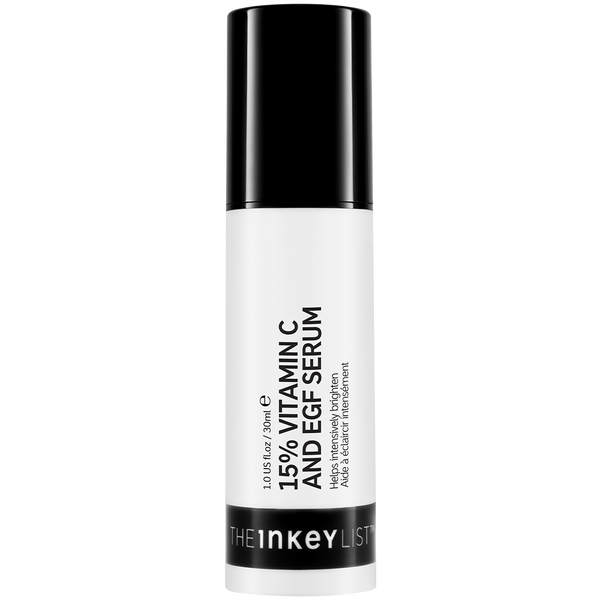
It’s worth noting that not all Vitamin C is created equal. The 15% Vitamin C + EGF Serum ($20.00) uses ascorbyl glucoside, a more stable form of Vitamin C that is gentler on the skin and less pH-dependent than L-Ascorbic Acid. That said, the AM/PM split remains best practice regardless of the form. For a deeper look at how to incorporate Vitamin C effectively, explore our Vitamin C ingredient guide or our guide on when to use Vitamin C.
AHAs (Glycolic Acid, Lactic Acid): Alternate Nights, Not the Same Session
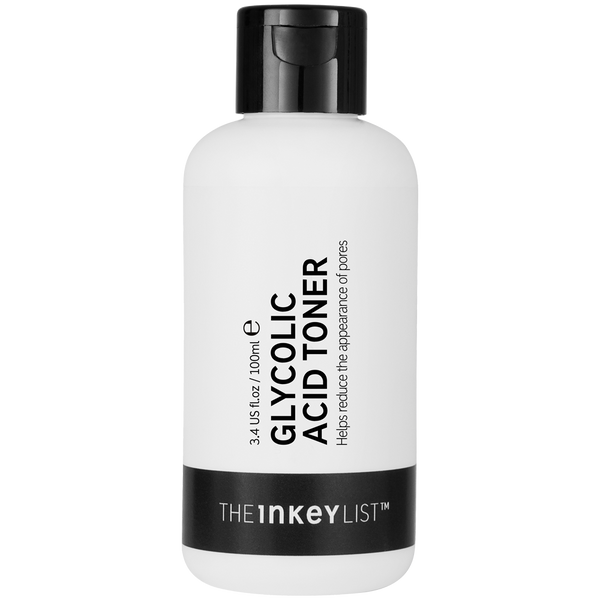
Alpha hydroxy acids like glycolic acid and lactic acid are chemical exfoliants that dissolve the bonds between dead skin cells, accelerating surface-level cell shedding. They’re highly effective for improving texture, tone, and radiance - but they operate at a low pH (around 3.5 to 4.0), and that creates a direct conflict with retinol.
The real issue when combining AHAs with retinol isn’t just pH - it’s the compounding effect of double exfoliation. Retinol already drives cell turnover from within. AHAs accelerate shedding from the surface. Running both processes simultaneously in one evening routine is too much for most skin types to handle. The result is predictable: over-exfoliation, a compromised skin barrier, redness, flaking, and increased sensitivity.
The practical fix is to alternate nights. Use AHAs on evenings when you’re not applying retinol - this allows you to enjoy the full benefit of both without stacking their exfoliating effects. A structured approach like skin cycling makes this simple to manage (more on that in the routine section below). For those with sensitive skin who want the benefits of exfoliation without the risk, take a look at our guide to the best exfoliator for sensitive skin.
BHAs (Salicylic Acid): Keep to Separate Evenings or the Morning Routine
Beta hydroxy acids - most commonly salicylic acid - are oil-soluble exfoliants that penetrate inside the pore lining, making them a go-to ingredient for oily, acne-prone skin. They’re highly effective. They’re also, like AHAs, low-pH exfoliants that share the same incompatibility with retinol.
For people managing acne alongside aging concerns, the temptation to combine salicylic acid and retinol in one evening routine is understandable. Both address breakouts - retinol by normalizing cell turnover and reducing pore congestion, salicylic acid by clearing dead skin and excess sebum from inside the pore. But pairing them in the same PM session increases the risk of significant irritation and barrier disruption, particularly in skin that is still adjusting to retinol.
The smart approach is to use salicylic acid in the morning, or on alternate evenings - never in the same nighttime session as retinol. Our salicylic acid ingredient guide covers its full range of benefits, and if you’re weighing up how to work both into your routine, our detailed post on salicylic acid and retinol gives a thorough breakdown.
Benzoyl Peroxide: A Strict AM/PM Split Is Essential
Benzoyl peroxide is one of the most effective antibacterial ingredients available for treating acne. It works by releasing oxygen into the pore, creating an environment hostile to acne-causing bacteria. It’s powerful - and it’s also chemically reactive in a way that makes it uniquely problematic when paired with retinol.
Benzoyl peroxide oxidizes retinol on contact, chemically breaking it down before it has a chance to absorb and work. The practical consequence is stark: if you apply benzoyl peroxide and retinol in the same routine, your retinol is essentially deactivated. You’ve paid for an active ingredient and received almost none of its benefit.
Beyond the efficacy issue, both benzoyl peroxide and retinol carry a degree of dryness and irritation potential individually. Combining them - even if the retinol weren’t being degraded - would place unnecessary stress on the skin barrier.
The fix is a strict AM/PM split: benzoyl peroxide in the morning, retinol at night. No overlap, no exceptions. This keeps both ingredients in their optimal conditions and ensures your skin is getting the full therapeutic benefit of each.
Azelaic Acid: Beginners Should Alternate Nights
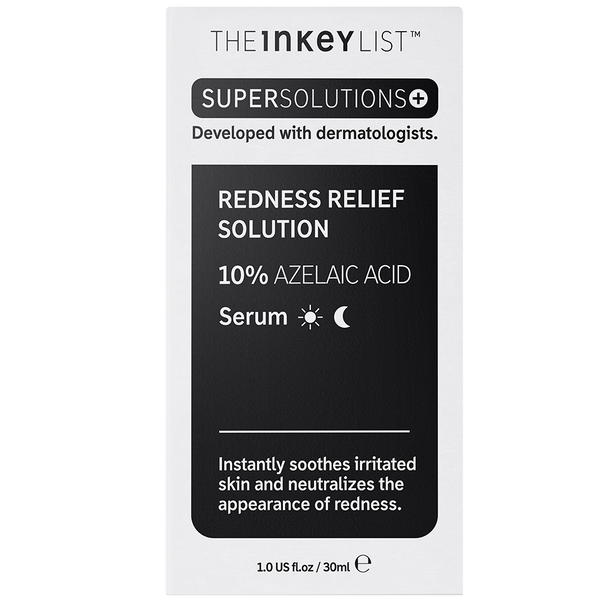
Azelaic acid occupies an interesting position in the skincare world. It’s genuinely multi-functional - it addresses hyperpigmentation, redness, acne, and rosacea with a gentler profile than most acids. It’s also less pH-dependent than AHAs or Vitamin C, which means the conflict with retinol is less about chemistry and more about cumulative load on the skin.
For beginners, or anyone whose skin is still adjusting to retinol, layering azelaic acid in the same evening routine adds unnecessary burden. Even gentle actives can compound irritation when the skin barrier is not yet robust. Early retinol users are particularly vulnerable during the adjustment period - typically the first two to four weeks of use.
The practical guidance: beginners should use azelaic acid and retinol on separate nights. For experienced users whose skin has fully adapted to retinol over several months, careful alternating may be possible - but this should not be the default starting point. Our azelaic acid ingredient guide offers a complete overview of the ingredient, and if you’re specifically asking can you use azelaic acid with retinol, our dedicated post on using azelaic acid with retinol answers that question in full.
Other Retinoids and Retinaldehyde: Choose One, Not Two
If retinol is good, is more retinol better? No - and this is a mistake worth addressing directly. Layering multiple retinoid products (such as a retinol serum followed by a retinaldehyde serum) does not compound the anti-aging benefit. What it does compound is the irritation risk.
Different retinoid forms - retinol, retinaldehyde, retinyl esters - convert to retinoic acid at different rates and with different potencies. Using more than one form simultaneously overwhelms the skin’s ability to process the active, leading to significant sensitivity, flaking, and barrier damage without any added benefit.
The rule is simple: choose one retinoid product appropriate for your current skin tolerance level, and use it consistently. If you’re weighing up the differences between product types, our guide on retinol vs retinal breaks down what each form offers and who each is suited for.
Physical Scrubs and Mechanical Exfoliants: Keep to Separate Days
Face scrubs, exfoliating cloths, and other mechanical exfoliants work through physical abrasion - manually loosening and removing dead skin cells from the surface. In the right context, they have their place. In a retinol routine, they’re a liability.
Retinol accelerates cell turnover and, particularly in the early weeks of use, leaves skin more sensitized and susceptible to surface damage. Physical exfoliation on top of an active retinol night creates micro-abrasions on skin that’s already in an accelerated renewal state. The combination can compromise the barrier significantly, leading to redness, irritation, and prolonged recovery.
The approach here is straightforward: keep physical exfoliants to a separate routine day - never the same evening as retinol. If you find physical exfoliants consistently irritating alongside an active routine, switching to a gentler chemical exfoliant on alternate nights is a smarter long-term strategy.
With a clear picture of what to avoid, the next step is just as important: knowing exactly which ingredients actively support retinol - and help your skin thrive while using it.
Ingredients That Work Beautifully Alongside Retinol
Here’s the important counterpoint to everything above: retinol pairs exceptionally well with a whole category of supportive, hydrating, and barrier-reinforcing ingredients. Far from being a difficult ingredient to work around, retinol becomes significantly more effective - and more comfortable to use - when paired with the right allies. These are the ingredients that belong in your retinol routine.
Hyaluronic Acid - Retinol’s Best Hydration Partner
If there is one ingredient that belongs in every retinol routine without reservation, it’s hyaluronic acid. The question can you mix retinol with hyaluronic acid comes up constantly - and the answer is an unambiguous yes. Hyaluronic acid is a humectant, meaning it draws moisture into the skin and holds it there. It has no chemical conflict with retinol, no pH incompatibility, and no exfoliating action.
More than just being compatible, hyaluronic acid actively counters one of retinol’s most common side effects - dryness. By applying the Hyaluronic Acid Serum ($13.00) on damp skin before retinol, or layering it on top after retinol has absorbed, you deliver continuous hydration to a skin barrier that is working hard to renew itself. For the full science behind this ingredient, visit our hyaluronic acid ingredient guide.
Niacinamide - The Calm to Retinol’s Intensity
Niacinamide is a form of Vitamin B3 with remarkable skin-calming and barrier-supporting properties. It reduces the appearance of redness, minimizes pore visibility, and strengthens the skin barrier - making it an ideal partner for an ingredient like retinol that can, in the early weeks, produce some sensitivity.
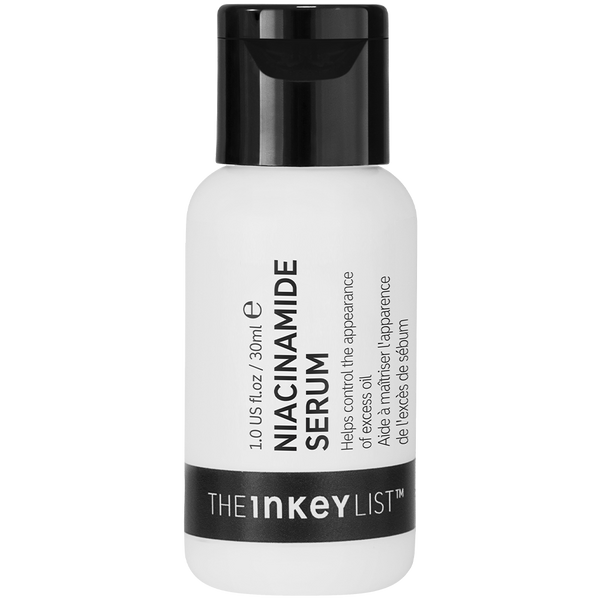
The question can you use retinol and niacinamide together is one we hear often. Yes - enthusiastically. Apply niacinamide after your retinol has absorbed in your PM routine, and it works to soothe and stabilize the skin that retinol is actively working on. The Niacinamide Serum ($13.00) is a staple addition to any retinol evening routine. Learn more in our niacinamide ingredient guide or our dedicated post on using niacinamide with retinol.
Peptides - Supporting What Retinol Builds
Peptides are short chains of amino acids that signal the skin to produce collagen and support barrier repair. They work in a complementary direction to retinol - while retinol drives cell renewal from within, peptides support the structural integrity of the skin matrix being rebuilt. There’s no pH conflict, no exfoliating competition, and the combination is well-tolerated by most skin types. Our peptides ingredient guide covers their full range of benefits.
PHA (Polyhydroxy Acid) - A Gentler Exfoliant Alternative
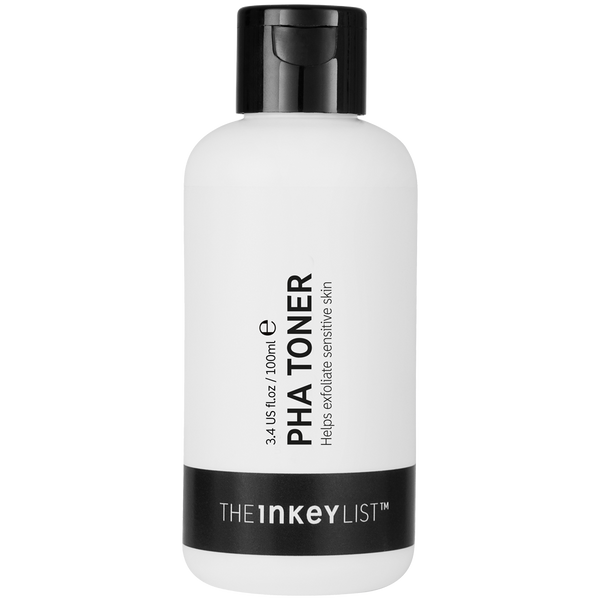
For those who want the benefit of occasional chemical exfoliation alongside a retinol routine, PHA is a standout option. Polyhydroxy acids exfoliate more gently than AHAs or BHAs, with a larger molecular structure that means slower, more superficial penetration and significantly less irritation potential. The PHA Toner ($18.00) can be used on non-retinol nights for those who want to maintain skin clarity without the barrier risks of stronger acids. Visit our PHA ingredient guide to understand how it compares.
Ectoin - Barrier Defense When Your Skin Needs It Most
Ectoin is a powerful barrier-buffering ingredient derived from extremophile bacteria - organisms that survive in extreme environmental conditions. It has a remarkable ability to stabilize the skin’s protective moisture barrier, reduce sensitivity, and calm reactive skin. For anyone introducing retinol for the first time, the Ectoin HydroBarrier Serum($17.00) is a valuable companion - particularly during the initial adjustment weeks. Learn more in our ectoin ingredient guide and our guide on how to use ectoin with retinol and other actives.
SPF - The Morning After Is Non-Negotiable
Retinol increases photosensitivity. During the cell renewal process it drives, newer, more delicate skin cells are closer to the surface - and they’re more vulnerable to UV damage. This makes SPF the morning after any night of retinol use not optional, but essential. Skipping sunscreen after using retinol effectively works against the investment you’re making in your skin. Our SPF ingredient guide covers everything you need to know about daily UV protection.
Now that you know which ingredients to pair with retinol, the next step is translating that knowledge into a practical, day-by-day routine framework.
How to Structure an Effective Retinol Routine
Understanding ingredient compatibility is one thing. Turning that knowledge into an actual daily routine is where the real results begin. The structure below is designed to incorporate all the guidance above into a clear, actionable framework - both for mornings and evenings, and for retinol and non-retinol nights.
Your Morning Routine
- Cleanser
- 15% Vitamin C + EGF Serum ($20.00) - antioxidant protection and brightening
- Hyaluronic Acid Serum (on damp skin) or Ectoin HydroBarrier Serum - for hydration and barrier support
- Moisturizer
- SPF - every single morning, no exceptions
Vitamin C belongs in the morning routine for two reasons: its antioxidant properties are most valuable when skin faces UV and environmental exposure, and keeping it in the AM avoids any conflict with your PM retinol.
Your Retinol Evening Routine
- Cleanser
- Hyaluronic Acid Serum (optional, applied to slightly damp skin before retinol)
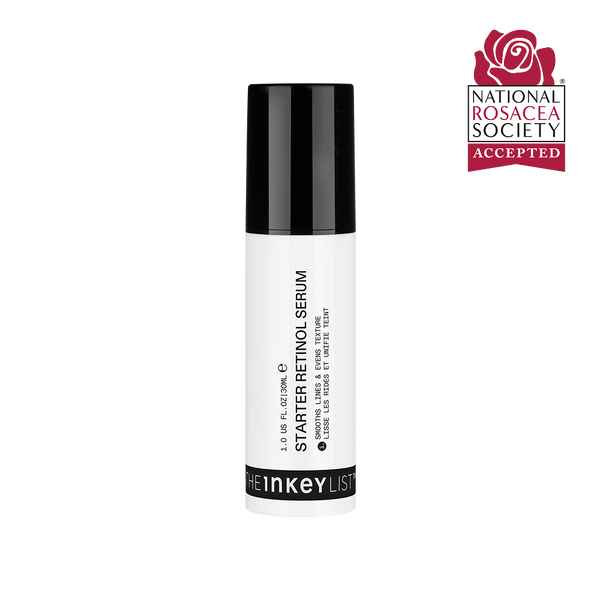
- Starter Retinol Serum ($15.00) - applied to dry skin
- Niacinamide Serum - to calm and support the barrier after retinol
- Moisturizer - to seal in hydration
No exfoliating acids on retinol nights. No physical scrubs. No benzoyl peroxide. Keep this evening focused on renewal and recovery.
Your Non-Retinol Evening Routine
- Cleanser
- Exfoliating acid (AHA or BHA) - on alternating nights when not using retinol
- Hyaluronic Acid Serum
- Moisturizer
This is where AHAs, BHAs, azelaic acid, and salicylic acid fit in - on the evenings you’re not using retinol, keeping exfoliation separate and controlled.
Skin Cycling: A Structured Rotation That Works
One of the most effective frameworks for managing a routine that includes multiple actives is skin cycling. The concept is simple - a four-night rotation that ensures retinol and exfoliants each get their dedicated nights, followed by dedicated recovery nights:
- Night 1: Exfoliant (AHA or BHA)
- Night 2: Retinol
- Night 3: Recovery (hyaluronic acid, niacinamide, ectoin - no actives)
- Night 4: Recovery (continue hydrating and barrier support)
Then repeat. This structured approach prevents the accumulation of irritation that comes from using actives too frequently, gives the skin barrier adequate time to repair between active nights, and makes it much easier to identify which ingredient your skin is reacting to if something isn’t working.
The Buffering Method for Beginners
If you’re new to retinol and find that even a starter formula causes sensitivity, the buffering method is your solution. Apply a thin layer of moisturizer first, allow it to absorb, and then apply your retinol on top. The moisturizer acts as a diluting layer, reducing the intensity of the retinol and allowing your skin to adjust gradually. As your tolerance builds, you can move to applying retinol directly on cleansed skin.
For a comprehensive guide to building a complete routine from scratch, our post on how to build your skincare routinewalks through every step. With the structural framework in place, it’s time to address the specific needs of beginners and those with sensitive skin.
Starting Retinol Safely: A Guide for Beginners and Sensitive Skin
Starting retinol doesn’t have to be daunting. The ingredient has a reputation for causing irritation that is, in many cases, entirely preventable - the result of starting at too high a concentration, too high a frequency, or alongside too many other actives at once. With the right approach, even reactive skin types can build an effective retinol routine.
Start Low, Go Slow
The most common mistake new retinol users make is starting at a higher concentration than their skin is ready for, or using it every night from day one. Neither approach is necessary or advisable. The Starter Retinol Serum ($15.00) is specifically formulated for beginners - a lower-concentration formula designed to deliver visible results while minimizing the adjustment period. Begin with two to three nights per week and maintain that frequency for at least four to six weeks before considering an increase.
Don’t Layer New Actives Simultaneously
Introducing retinol at the same time as other new actives - a new AHA, a new Vitamin C, a new exfoliating toner - makes it impossible to identify what your skin is reacting to if irritation develops. Introduce retinol as a single new addition to an otherwise stable routine, and give your skin four to six weeks to adjust before layering anything new on top.
Understand the Adjustment Period
Some mild flaking, tightness, or temporary redness in the first two to four weeks of retinol use is normal. This is sometimes called a “retinol purge” - not a sign that retinol is wrong for your skin, but rather an indication that cell turnover is accelerating as intended. Understanding what’s normal versus what’s a genuine reaction is important - our retinol purge guide explains what to expect and how to manage it.
Start slow, stay consistent, and let the skin adapt at its own pace. Retinol’s results are cumulative — the readers who see the most dramatic improvements are almost always the ones who build up gradually.
Timing Matters for Sensitive Skin
For those with reactive or sensitive skin, apply retinol to fully dry skin only - wait 20 to 30 minutes after cleansing before applying the serum. Skin that is still slightly damp is more permeable, which means retinol penetrates more quickly and more intensely, increasing the risk of irritation. Dry skin provides a natural buffer. Our guides on retinol for beginners and retinol and sensitive skin offer detailed, step-by-step support for those who need extra reassurance.
When Retinol Isn’t the Right Fit
Retinol is not appropriate for everyone. If you are currently pregnant or breastfeeding, avoid retinol and consult a medical professional about safe alternatives. If you have an active, undiagnosed skin condition, seek a dermatologist’s assessment before introducing any potent active.
For those who find even the gentlest retinol too much for their skin, bakuchiol is a plant-derived ingredient with skin-renewal and anti-aging properties comparable to retinol, but with a significantly gentler profile. It’s a genuine alternative - not just a compromise. Our bakuchiol ingredient guide and post on natural alternatives to retinol explore this option in full.
With the guidance for beginners covered, let’s look at the complete product toolkit for building your retinol routine.
The INKEY List Retinol Routine: Complete US Product Recommendations
Every product below has been chosen to support a complete, effective retinol routine - from the retinol itself through to the morning SPF step that protects everything you’ve built the night before. These are recommended in routine order.
The Retinol Itself
The Starter Retinol Serum ($15.00) is the natural starting point for anyone new to retinol or returning after a break. Formulated at a beginner-friendly concentration, it delivers clinically proven results on fine lines without overwhelming the skin during the adjustment period.
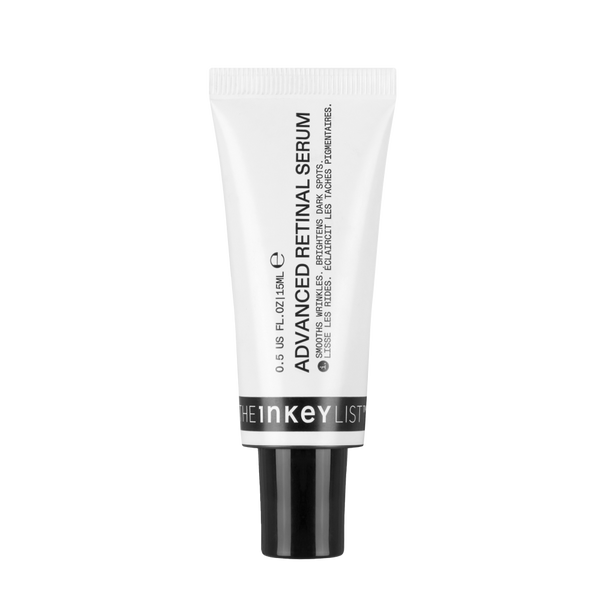
For those who have been using retinol consistently and are ready to step up in potency, the Advanced 0.2% Retinal Serum ($22.00) uses retinaldehyde - a more powerful retinoid that sits one step closer to retinoic acid in the conversion chain, meaning faster and more pronounced results for experienced users.
For targeted treatment around the eye area - where fine lines and crepey texture are often most visible and most delicate - the Retinol Eye Cream ($15.00) is specifically formulated for the thinner, more sensitive periorbital skin.
The AM Complement
The 15% Vitamin C + EGF Serum ($20.00) is the morning-routine partner to your PM retinol. Vitamin C in the morning, retinol at night - this combination covers antioxidant protection and cell renewal across the full 24-hour cycle, giving your skin continuous targeted support.
The Barrier and Hydration Support
The Hyaluronic Acid Serum ($13.00) is the most accessible hydration addition to any retinol routine - applied on damp skin before retinol, or layered after, to maintain moisture levels throughout the renewal process.
The Niacinamide Serum ($13.00) follows retinol in the PM routine to soothe visible redness and strengthen the skin barrier - one of the most important additions for anyone in the early weeks of retinol use.
The Ectoin HydroBarrier Serum ($17.00) is a premium barrier-support option, particularly valuable for those with reactive or sensitive skin who need additional protection during the retinol adjustment phase.
The Gentle Exfoliant for Non-Retinol Nights
The PHA Toner ($18.00) is the ideal exfoliant for alternating nights - gentle enough not to compromise a retinol routine while still maintaining clarity, smoothness, and tone.
The Best Value Starting Point
The Beginners Retinol Duo ($30.00) pairs the Starter Retinol Serum with the Retinol Eye Cream - a complete first step into retinol at an exceptional value. If you’re looking for a single, confident starting point that addresses both face and eye area, this is it.
Retinol Done Right: Final Takeaways
Retinol’s reputation as one of the most effective anti-aging ingredients in skincare is well-earned - but that effectiveness is conditional on how intelligently you use it. The rules around what not to mix with retinol aren’t designed to make your routine more complicated. They exist because following them is what actually unlocks retinol’s full potential.
The core guidance, distilled to its essentials: keep Vitamin C, AHAs, BHAs, benzoyl peroxide, and physical exfoliants in a separate routine from retinol. Pair retinol with hyaluronic acid, niacinamide, peptides, and ectoin for maximum hydration and barrier support. Apply SPF every morning after a retinol night - without exception. Structure your week with intention, whether through a skin cycling rotation or a simple alternating approach.
The adjustment period is real but manageable. Some mild sensitivity in the first few weeks is normal and expected. What’s not normal is persistent, escalating irritation - and that’s almost always the result of combining too many actives at once, starting at too high a concentration, or skipping hydration support. Our retinol purge guide covers everything you need to know about what to expect in the early weeks, so you can navigate that phase with confidence rather than confusion.
The results that consistent, correctly used retinol delivers - smoother texture, refined pores, reduced fine lines, more even tone - are among the most clinically supported outcomes available from a topical skincare ingredient. Getting the ingredient combinations right is simply how you make sure that investment pays off. For a complete deep-dive into retinol’s science, mechanism, and routine order, our retinol ingredient guide is the place to start.
Just starting out with retinol? The Starter Retinol Serum ($15.00) is clinically proven to smooth fine lines in just 7 days - gentle enough for beginners, effective enough to see real results.
Want to tackle fine lines and the eye area together? The Beginners Retinol Duo ($30.00) pairs our Starter Retinol Serum with the Retinol Eye Cream - a complete first step into retinol at great value.
Frequently Asked Questions
Got a question?
Our askINKEY team are a friendly bunch of skincare experts with deep product knowledge and zero judgement. Whether you're an ingredient obsessive or just starting out, we'll make it make sense. No question too big. No question too small. We Give A Care, Every Day.


