



Peptides vs Retinol: Which One Does Your Skin Actually Need?
Peptides or retinol - which is right for your skin? Discover the key differences, who each ingredient is best for, and why using both together can deliver stronger anti-aging results with minimal irritation.
Author
askINKEY skincare advisor
Published
12 July, 2026
Time to read
13 minute
Peptides and retinol are two of the most talked-about anti-aging ingredients in skincare - and for good reason. Both have strong clinical backing. Both target visible signs of aging. But they work in completely different ways, suit different skin types and timings, and come with very different expectations around how and when to use them. The peptides vs retinol conversation is one that comes up constantly - and it deserves a clear, science-grounded answer rather than a vague “it depends.” If you’ve been wondering which ingredient belongs in your routine, or whether you need both, this is the breakdown you need.
This blog covers what peptides actually do and how they work, what retinol is and how it functions at a cellular level, the key differences between the two, practical guidance on when to use each one, and whether combining them is a good idea. By the end, you’ll know exactly where to start.
Peptides in Skincare: The Science Behind the Signal
To understand why peptides have become a cornerstone of modern anti-aging routines, it helps to start with the basics. Peptides are short chains of amino acids - the same building blocks that make up the proteins your skin relies on most heavily, including collagen, elastin, and keratin. When the skin has a full, healthy supply of these proteins, it looks firm, bouncy, and resilient. As we age, collagen production slows, elastin weakens, and the skin barrier becomes less efficient at retaining moisture. This is where peptides enter the picture.
In skincare formulations, peptides function as signaling molecules. Rather than being passive ingredients that simply sit on the skin, they actively communicate with skin cells - essentially sending messages that tell the skin to produce more collagen, repair its barrier, and retain hydration more effectively. Think of them as a prompt: a reminder to your skin to behave the way it did when it was younger and more resilient. A 2024 study published in PubMed demonstrated that collagen peptides directly influence gene expression in dermal fibroblasts, upregulating the production of collagen, elastin, and versican - the structural proteins responsible for skin’s firmness and elasticity.
There are three main categories of peptides relevant to an anti-aging skincare routine. Signal peptides are the most widely studied and recognized - these include ingredients like Matrixyl 3000, which is made up of Palmitoyl Tripeptide-1 and Palmitoyl Tripeptide-7, and which has extensive clinical evidence supporting its ability to stimulate collagen synthesis and visibly reduce fine lines. Carrier peptides help transport trace minerals like copper into the skin, supporting enzymatic functions involved in collagen formation. Neurotransmitter-inhibiting peptides work differently again - they target the muscle contractions responsible for expression lines, helping to soften the appearance of fine lines caused by repeated facial movement.
Understanding the peptide serum benefits that most people are looking for helps clarify what this ingredient category actually delivers. Consistent use of a well-formulated peptide product can visibly reduce fine lines over time, improve skin firmness, support the skin barrier, and significantly increase hydration levels. A 2025 systematic review and meta-analysis of 19 randomized controlled trials found that both oral and topical peptides demonstrated meaningful improvements in skin hydration, elasticity, and the reduction of wrinkles - confirming what the ingredient’s growing clinical literature has been building towards for years.
One of the most important things to understand about peptides is what they do not do. They do not cause irritation. They do not increase photosensitivity. They do not trigger a purging response. They are compatible with sensitive skin, reactive skin, and all skin types. They are also considered safe to use during pregnancy and breastfeeding - which makes them one of the very few effective anti-aging ingredients available to people in those life stages. Results are gradual and cumulative, typically becoming visible with consistent use over four to eight weeks. The mechanism is supportive and building rather than aggressive - which makes peptides a low-risk, high-reward inclusion in almost any skincare routine.
The contrast to this gradual, signaling approach is what makes retinol so interesting when you place the two ingredients side by side. Where peptides work with the skin’s natural communication pathways, retinol takes a more direct and accelerating approach to skin renewal - which the next section explains in full.
Retinol Explained: How Vitamin A Transforms Skin at a Cellular Level
Retinol is a Vitamin A derivative - specifically a retinoid that, when applied topically, converts in the skin to retinoic acid, the active form your skin cells can directly use. It is one of the most extensively researched anti-aging ingredients in dermatology, with decades of clinical evidence supporting its ability to resurface skin, stimulate collagen, and reduce the visible signs of aging. If peptides are the supportive, signaling ingredient in the anti-aging toolkit, retinol is the active resurfacer - and understanding the difference between those two approaches is essential to knowing when each one is right for you.
The mechanism behind retinol is distinct from most other skincare actives. When retinol converts to retinoic acid in the skin, it binds to retinoid receptors within skin cells and triggers a cascade of activity: it accelerates cell turnover, stimulates the production of collagen types I and III, and encourages the shedding of older, duller surface cells in favor of newer, more even-toned skin beneath. This process of accelerated renewal is what gives retinol its reputation for delivering visible results on texture, tone, and fine lines. A landmark study published in the Archives of Dermatology demonstrated that topical retinol improved fine wrinkles associated with natural aging, with significant increases in glycosaminoglycan production and collagen synthesis. A comparative study of retinol and retinoic acid further confirmed that retinol upregulates collagen gene expression and increases epidermal thickness - even without the irritation profile of prescription-strength retinoic acid.
Because retinol works by accelerating cell renewal rather than simply supporting it, it requires a period of skin acclimation. Starting at too high a frequency - nightly use from the beginning, for example - is one of the most common mistakes people make with this ingredient. The standard approach is to begin using retinol two to three nights per week, then gradually increase frequency over four to six weeks as the skin builds tolerance. During this adjustment period, some temporary dryness, mild flaking, or redness is normal. This is not damage - it is the skin adapting to a new rate of cell turnover. The adjustment period is temporary and manageable, and it is significantly reduced when a slow-release retinol formula is used.
Retinol must be used in the evening only. Because it accelerates cell turnover, it increases the skin’s sensitivity to UV exposure, making daily SPF use during the day non-negotiable when retinol is part of your routine. This is not optional - it is fundamental to using the ingredient both safely and effectively. Retinol is also not suitable during pregnancy or breastfeeding, which is an important consideration for many people choosing between anti-aging actives.
It is also worth noting that “retinol” is just one of several retinoid forms available in skincare. Standard retinol converts to retinoic acid through a multi-step process in the skin - it is gradual and well-tolerated. Retinal, also known as retinaldehyde, is one step closer to retinoic acid and therefore faster-acting and more potent. Retinyl acetate is a slower-release, gentler ester form, often found in formulations designed for beginners or those with reactive skin. For a deeper exploration of retinoid forms and how to choose between them, the Retinol vs Retinal: Which Vitamin A is Right for You? guide covers this in full. The What is Retinol? pillar page is also a thorough starting point for anyone new to this ingredient.
Now that both ingredients are clearly understood on their own terms, the real work begins: comparing them directly, dimension by dimension, so that the decision about which one belongs in your routine becomes straightforward.
Peptides vs Retinol: A Direct Comparison Across What Matters Most
This is the section that most people searching “peptides vs retinol” or “peptide vs retinol” actually need. The answer is not simply “one is better than the other” - it is more nuanced than that, and the nuance is genuinely useful. Below, each comparison dimension is broken down clearly so you can identify exactly where each ingredient fits for your skin.
How Each Ingredient Works
Peptides work by signaling skin cells to behave more youthfully - they support collagen production, repair the barrier, and encourage hydration from within. The approach is collaborative and building: peptides give the skin what it needs to help itself. Retinol works by accelerating and resetting the skin’s cell renewal cycle - it actively resurfaces, stimulates collagen synthesis, and drives the production of fresh skin cells. The approach is more interventional. Both produce real, clinically measurable results; they simply arrive at those results through completely different routes.
Irritation Potential and Skin Tolerance
This is where the two ingredients differ most significantly in practice. Peptides carry virtually zero irritation risk. They have no adjustment period, no purging phase, and no reaction risk even on sensitive or reactive skin. You can introduce them to your routine immediately and at full frequency without concern. Retinol is a different matter - the adjustment period is real, and for some skin types, particularly those that are very reactive or compromised, it can be significant. The temporary dryness and flaking that many people experience in the first few weeks of using retinol is normal, but it does require patience and careful routine management. For skin that is already sensitized or barrier-damaged, introducing retinol without support can make the experience unnecessarily uncomfortable. This does not mean retinol should be avoided - it means it should be introduced thoughtfully.
Who Each Ingredient Suits
Peptides are suitable for all skin types, at any age, and at any life stage. Whether your skin is oily, dry, combination, sensitive, or acne-prone, peptides can be incorporated without adjustment. They are also safe during pregnancy and breastfeeding - making them one of the only meaningful anti-aging actives available during those periods. Retinol is generally best suited to adults aged 25 and over who are ready to commit to a gradual introduction process. It is not appropriate during pregnancy or breastfeeding, and for those with very reactive or compromised skin, a careful, slow approach is essential. The Use of Retinoids in Topical Antiaging Treatments review in PubMed outlines the clinical basis for retinoid use in aging skin and confirms the importance of appropriate patient selection and gradual introduction protocols.
Timing in Your Skincare Routine
Peptides are highly versatile in terms of routine placement. They can be used in the morning, in the evening, or both - they are photostable, compatible with SPF, and work well layered alongside most other skincare actives. Retinol is firmly an evening-only ingredient, due to its photosensitizing effect. It should not be used in the same routine application as Vitamin C, AHAs, or BHAs - combining these with retinol in a single routine risks unnecessary irritation. For a full guide to what should and should not be layered with retinol, What Not to Mix with Retinol is essential reading.
How Quickly Results Appear
Peptides deliver gradual, cumulative improvements. Most people notice meaningful changes in fine lines, firmness, and skin texture after four to eight weeks of consistent use. The improvements build over time rather than arriving dramatically. Retinol can show visible improvements in skin texture from as early as four weeks with consistent use - though collagen remodeling and deeper structural changes build over several months of sustained use. The more dramatic and faster-visible results of retinol come with the trade-off of the adjustment period and the requirement for careful routine management.
What Skin Concerns Each Addresses
Peptides are particularly effective for fine lines, early loss of firmness, skin barrier damage, dehydration, dullness, and improving lip volume. They are an excellent first step into anti-aging skincare and a valuable complement to more active ingredients. Retinol addresses a broader and deeper set of concerns: fine lines, deeper wrinkles, uneven skin tone, rough texture, hyperpigmentation, dullness, and significant skin renewal. For those dealing with acne-prone skin, retinol’s cell turnover-accelerating effect can also help with post-breakout marks and skin texture over time. For deeper reading on how peptides specifically deliver their results, Peptides: What You Need to Know is a valuable resource.
The retinol vs peptides comparison makes one thing clear: these are not competing ingredients fighting for the same space. They address overlapping concerns through different mechanisms and suit different skin situations - which leads naturally to the question of which one is right for you specifically.
Choosing Between Peptides, Retinol, or Both: A Practical Decision Guide
With the differences clearly mapped, the next step is making a decision for your skin. Here is a straightforward framework for working out which ingredient - or combination - makes sense for where you are right now.
Go With Peptides If…
Peptides are the right starting point if your skin is new to anti-aging ingredients and you want to begin without any risk of irritation or adjustment. They are ideal if your skin is sensitive, reactive, or has a compromised barrier - conditions that would make retinol’s adjustment period uncomfortable rather than manageable. Peptides are also the clear choice if you are pregnant or breastfeeding and want to continue supporting your skin’s firmness and hydration during that time.
If your skincare priorities include an effective morning anti-aging step that layers well under SPF, peptides are the answer - they are photostable, non-sensitizing, and work seamlessly within a daytime routine. They are also an excellent choice if your primary concerns are hydration, early fine lines, and a loss of plumpness or bounce rather than deep wrinkles or significant texture irregularities. And if your skin is acne-prone and you have concerns about introducing a potentially irritating active, peptides allow you to address anti-aging goals without the risk of further disrupting the skin’s balance.
Go With Retinol If…
Retinol is the right choice if you are ready to level up with a clinically proven cell-renewal ingredient. If you have been using skincare consistently, your barrier is in good health, and you are prepared to commit to the gradual introduction process, retinol is the clear next step. It is the upgrade for those who are seeing persistent fine lines, uneven texture, or dullness that have not responded sufficiently to gentler approaches.
The commitment retinol requires is real but entirely manageable. Starting two to three nights per week with a gentle, slow-release formula, maintaining daily SPF use, and supporting the skin barrier with a good moisturizer during the adjustment phase are the fundamentals that make the experience positive rather than uncomfortable. If you are not sure retinol is right for you yet, it is worth knowing there are natural retinol alternatives that can bridge the gap before making the full commitment.
Use Both Peptides and Retinol If…
Using peptides and retinol together is not only possible - it is often the most comprehensive approach to anti-aging skincare available without prescription-strength actives. If you are already using retinol at night and want to extend your anti-aging routine into the morning hours, adding a peptide product to your AM routine is an ideal next step. If you want to support your skin’s recovery from retinol’s adjustment period, peptides are specifically well-suited to that role - they support the barrier, replenish hydration, and maintain the skin’s structural integrity even as retinol is doing its resurfacing work.
If your skin is experienced with actives and you want to optimize rather than simply maintain, the combination of a peptide AM routine and a retinol PM routine represents a comprehensive strategy that addresses both the supportive and renewal sides of anti-aging skincare. The two ingredients do not compete - they complement. The next section explains exactly how to structure that combination in practice.
Can You Use Peptides and Retinol Together? Yes - Here Is How
The short answer is yes. Peptides and retinol are fully compatible and can be used together in the same routine without any risk of interaction, neutralization, or reduced efficacy. They have entirely different mechanisms of action, which means there is no competition between them - and in fact, the way they work together is genuinely complementary rather than just additive.
Here is why the pairing is particularly smart: retinol, during its adjustment period, can temporarily weaken the skin barrier. This is a side effect of accelerated cell turnover - the newer cells rising to the surface are not yet fully keratinized, and the barrier can feel more reactive or dehydrated than usual. Peptides support the barrier directly. They signal the skin to maintain its protective function, replenish hydration, and restore structural integrity. Using a peptide product alongside retinol essentially means you are supporting the skin through the very process that retinol is driving.
The practical approach for combining both is straightforward: split them by time of day. Use peptide-containing products in the morning - they are photostable, non-sensitizing, and work beautifully under SPF. Use retinol in the evening, when it can do its resurfacing work without UV interference. The routine looks something like this:
Morning: Cleanse - Hyaluronic Acid Serum (with Matrixyl 3000 peptide) - Peptide Moisturizer - SPF.
Evening: Cleanse - Starter Retinol Serum or Advanced 0.2% Retinal Serum - Retinol Eye Cream - Peptide Moisturizerto support the barrier and buffer the skin through the adjustment period.
You can also apply a peptide moisturizer directly after your retinol step in the evening. This helps buffer the retinol without interfering with its efficacy, and significantly reduces the dryness and sensitivity that some people experience during the adjustment phase. This is a well-established approach for making the retinol introduction period more comfortable - and it means peptides are doing double duty: supporting your skin in the morning and helping your skin handle retinol at night.
It is also worth being clear about what the combination does not require: there is no need to wait a specific amount of time between applying peptides and retinol, and there is no need to avoid them in the same overall routine as long as you are sensible about timing. For a complete guide to what should and should not be applied alongside retinol in any given routine step, What Not to Mix with Retinol is the definitive reference. The core point stands: peptides are not on that list. They are one of retinol’s best companions.
With the routine logic established, the most practical next step is identifying the specific products that deliver on each ingredient - clearly, affordably, and with the clinical evidence to back them up.
The INKEY List Products for Peptides and Retinol: Where to Start
Peptide Products
The INKEY List’s peptide range gives you multiple entry points depending on your skin type, concern, and where in your routine you want to add peptide benefits.
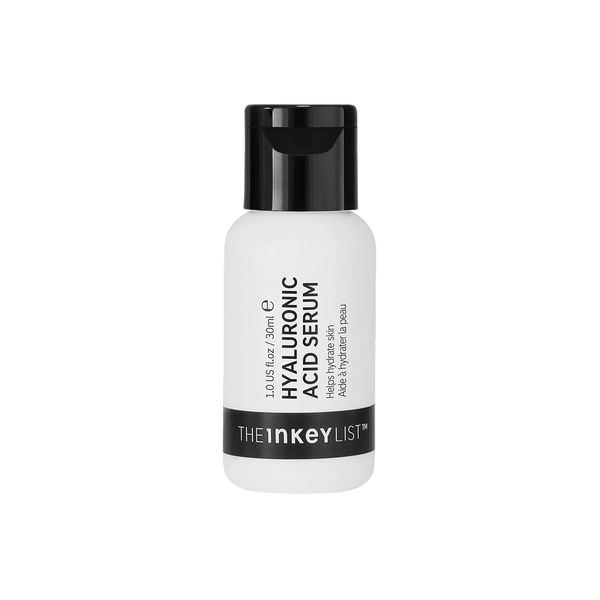
Our Hyaluronic Acid Serum at $13 is a natural starting point for anyone new to peptides. It combines Matrixyl 3000 - one of the most clinically studied signal peptides - with 2% Hyaluronic Acid for deep, layered hydration. It is lightweight, fast-absorbing, and works well on damp skin immediately after cleansing. Suitable for all skin types, it can be used morning and evening and integrates seamlessly into any existing routine.
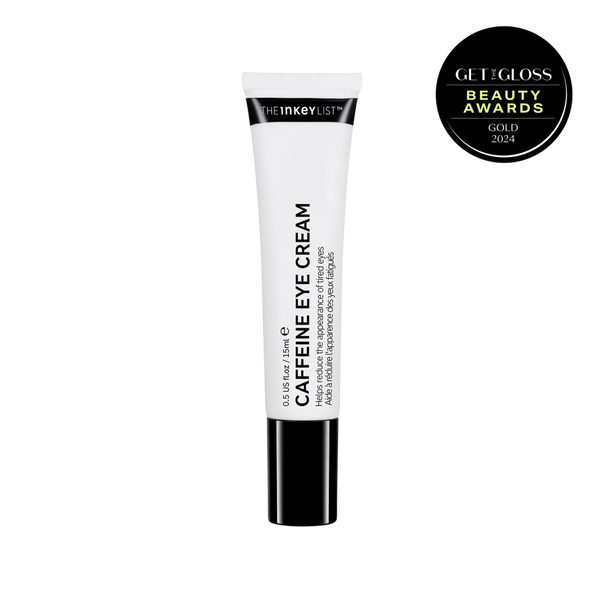
The Caffeine Eye Cream at $14 brings peptide benefits to the delicate under-eye area. Formulated with Matrixyl 3000 to support collagen and smooth fine lines around the eye, alongside Caffeine to reduce puffiness, it delivers targeted anti-aging action in a region that often shows the first signs of aging. Best used in the morning for maximum depuffing benefit.
For an AM serum that combines peptide renewal with antioxidant protection, the 15% Vitamin C + EGF Serum at $20 is worth serious consideration. It contains 1% Epitensive EGF - a plant-based Epidermal Growth Factor peptide that supports skin renewal and elasticity - alongside 15% Ascorbyl Glucoside Vitamin C for brightening and environmental defense. Used in the morning, it delivers both collagen-supporting peptide action and antioxidant protection in a single step.
The Peptide Moisturizer at $18 is one of the most versatile products in the range and particularly valuable when used alongside retinol. Containing 2% Royal Epigen P5 and 1% Hydrating Peptide Solution, it helps even skin tone, supports the moisture barrier, and works to delay the visible signs of skin cell aging. It is lightweight enough for oily and combination skin, deeply nourishing enough for dry skin, and suitable for sensitive skin. Use morning and evening - and particularly as the final step after retinol in the evening to help buffer and support the skin.
The Tripeptide Plumping Lip Balm at $14 extends peptide benefits to the lip area. Containing 6% Tripeptide Complex to visibly boost lip volume alongside 2% Ultra Filling Spheres with Hyaluronic Acid, it is clinically proven to plump lips by up to 40% in four weeks. Use at least three times daily for best results.
Retinol Products
The retinol range covers three distinct use cases: the beginner looking for a gentle, proven introduction; the experienced retinoid user ready for something more potent; and anyone who wants targeted retinol action specifically around the eye area.
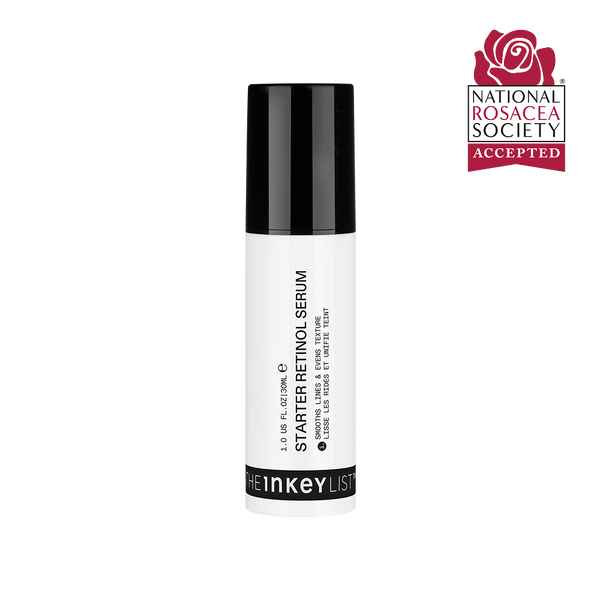
Our Starter Retinol Serum at $15 is the right starting point for anyone new to retinol or returning to it after a break. This gentle, slow-release formula delivers clinically proven smoothing of fine lines in just seven days - without the aggressive adjustment period that higher-strength or less buffered retinol formulas can cause. Begin with two to three nights per week and build frequency gradually over four to six weeks. Always follow with SPF during the day.
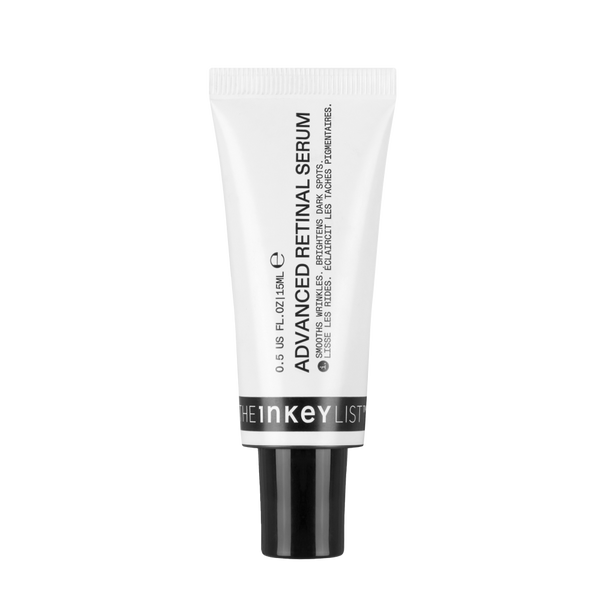
For those who have already built a retinol tolerance and want to progress to something more active, the Advanced 0.2% Retinal Serum at $22 delivers significantly faster results. Formulated with retinal - also known as retinaldehyde - rather than standard retinol, it is one step closer to retinoic acid and therefore converts faster and acts more potently. Clinically proven to work 11 times faster than standard retinol, with visible anti-aging results in just one week of consistent use. This is an evening-use product, and as with all retinoids, daily SPF is non-negotiable. For clarity on which retinoid form is right for your skin, Retinol vs Retinal: Which Vitamin A is Right for You? gives a thorough breakdown.
The Retinol Eye Cream at $15 brings targeted retinol action to the eye contour - an area that often shows signs of aging early and benefits from dedicated treatment. Formulated with 3% Vitalease, a slow-release retinol technology designed for the delicate skin around the eye, it targets fine lines and wrinkles with a gentleness that makes it suitable for this sensitive area. Use PM only, starting one to two nights per week. Not suitable during pregnancy or breastfeeding.
Whether the goal is a complete peptide-led routine, a retinol introduction, or the full combination of both, this range makes it simple to build something effective without overcomplicating the process.
Putting It All Together: What Your Skin Actually Needs
Peptides and retinol are both proven anti-aging ingredients - but they are not interchangeable, and they are not in competition. Peptides work by signaling the skin to support itself: building collagen, reinforcing the barrier, and maintaining hydration through a gradual, cumulative process that suits every skin type. Retinol works by actively accelerating skin renewal - resurfacing, stimulating collagen, and driving visible improvements in texture and tone through a more demanding but highly effective mechanism.
Neither is universally better. The right choice depends entirely on where your skin is now and what it needs. For sensitive skin, pregnancy, or anyone new to anti-aging actives, peptides are the clear and logical starting point. For those ready to step up to active resurfacing and committed to the gradual introduction process, retinol delivers results that are difficult to match with gentler approaches alone. And for those who want both - the support of peptides and the renewal of retinol - the combination of peptides in the morning and retinol in the evening, anchored by a peptide moisturizer at night, represents one of the most comprehensive non-prescription anti-aging routines available.
The peptides vs retinol decision does not have to be complicated. Start with what your skin is ready for. Build from there.
Not sure where to start? Take our Skincare Quiz and get a personalized routine built for your skin in under 2 minutes. Or browse the full range directly - Shop Anti-Aging or Shop Retinol.
Frequently Asked Questions
Got a question?
Our askINKEY team are a friendly bunch of skincare experts with deep product knowledge and zero judgement. Whether you're an ingredient obsessive or just starting out, we'll make it make sense. No question too big. No question too small. We Give A Care, Every Day.


