


Niacinamide and Glycolic Acid: Can You Use Them Together?
Can you use niacinamide and glycolic acid together? Discover why these powerhouse ingredients complement each other, how to layer them correctly, and how to achieve brighter, smoother, more even-looking skin with minimal irritation.
Author
askINKEY skincare advisor
Published
12 July, 2026
Time to read
10 minutes
Yes - niacinamide and glycolic acid can be used together. They are two of the most commonly searched active ingredient pairings in skincare, and the answer is straightforward: they are compatible, complementary, and when used correctly, more effective as a duo than either is on its own.
This guide covers everything you need to know about this combination. What each ingredient is, how they work, why they are compatible at a scientific level, the correct order to apply them, which skin types benefit most, and which products to use. If you want a complete deep-dive into niacinamide as a standalone ingredient, our dedicated niacinamide guide has everything in one place. This blog focuses specifically on the pairing.
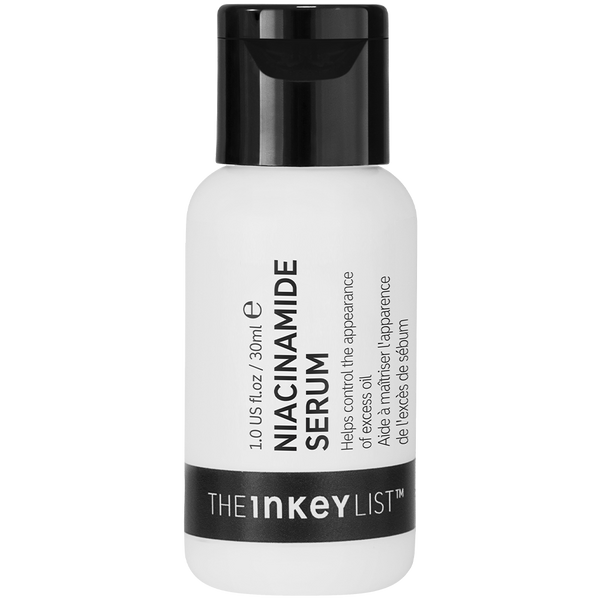
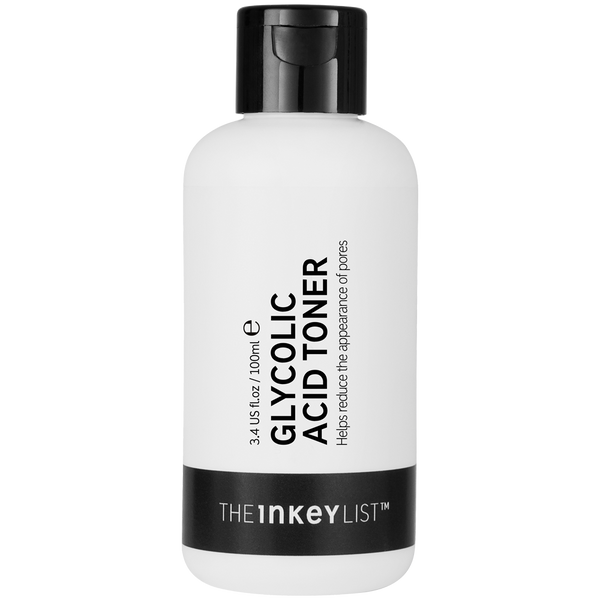
The two hero products for this combination are our 10% Niacinamide Serum ($13) and our Glycolic Acid Toner ($18). Both are affordable, well-formulated, and designed to work as part of a layered routine.
What Is Niacinamide? A Quick Primer
Niacinamide is a form of Vitamin B3. It is water-soluble, stable, and genuinely one of the most versatile active ingredients available in over-the-counter skincare. Its broad compatibility with other actives - including acids - is a significant part of why it appears in so many routines and why this particular combination works so well.
What sets niacinamide apart from single-benefit ingredients is the range of distinct biological mechanisms it works through simultaneously. It does not just do one thing. It does several, and all of them matter.
Sebum regulation. Niacinamide helps moderate the skin’s oil production, making it particularly valuable for oily and acne-prone skin types. This is not just about shine reduction - regulating sebum output helps reduce the conditions that lead to clogged pores and breakouts in the first place.
Melanin transfer inhibition. This is one of niacinamide’s most well-researched and clinically significant actions. Melanin - the pigment responsible for dark spots and uneven skin tone - is produced in melanocytes and transferred to keratinocytes via structures called melanosomes. Niacinamide works by inhibiting that transfer, which means less pigment reaches the visible surface of the skin. The result, over consistent use, is a more even, clearer-looking complexion. This mechanism is entirely separate from exfoliation, which is important context for the pairing.
Ceramide synthesis support. Ceramides are lipids that form a critical part of the skin’s barrier structure. Niacinamide promotes their production, which helps strengthen and maintain the skin barrier - reducing transepidermal water loss and making the skin more resilient to environmental stressors.
Anti-inflammatory action. Niacinamide has documented calming properties. It helps reduce visible redness and the inflammation associated with breakouts, making it suitable even for sensitized or reactive skin types.
Taken together, these mechanisms make niacinamide useful across a broad range of concerns: oil control, acne, uneven tone, post-acne marks, enlarged pore appearance, and barrier health. It is gentle, non-photosensitizing, and suitable for use in both morning and evening routines.
Our 10% Niacinamide Serum ($13) pairs 10% niacinamide with hyaluronic acid for a lightweight, easily layerable formula. For the full breakdown of what niacinamide is and how it works, visit our niacinamide ingredient guide. For practical guidance on timing and usage, our blog on how and when to use niacinamide covers that in detail. If you are comparing niacinamide against other hydrating actives, our guide on hyaluronic acid vs. niacinamide is a useful read.
What Is Glycolic Acid and How Does It Work?
Glycolic acid is an alpha-hydroxy acid (AHA) derived from sugarcane. Of all the AHAs available in skincare - which include lactic, mandelic, and citric acids, among others - glycolic acid has the smallest molecular size. That structural characteristic is not a minor detail. It is the reason glycolic acid is considered the most effective AHA for skin penetration, and it is central to how the ingredient delivers its results.
At the most fundamental level, glycolic acid works by dissolving the bonds that hold dead skin cells together at the surface of the stratum corneum - the outermost layer of the skin. This process, called desquamation, is something the skin does naturally, but it slows with age, sun damage, and other factors. Glycolic acid accelerates it, encouraging the shedding of dulling, built-up dead skin cells and revealing the fresher, smoother layers beneath. As Cleveland Clinic dermatology experts note, glycolic acid “helps loosen the connection that holds dead skin cells together on the surface of the skin, leading to fresher, smoother skin underneath.”
But glycolic acid’s action goes beyond surface exfoliation. Research published in the Journal of Cosmetic Dermatology found that glycolic acid formulated at pH 4 stimulates collagen production and epidermal renewal without increasing pro-inflammatory markers - meaning it supports skin rejuvenation at a biological level without triggering irritation when used at appropriate concentrations and pH. This makes it a genuinely multi-functional ingredient: it resurfaces, it renews, and it supports the structural integrity of the skin over time.
Why pH Matters With Glycolic Acid
This is where glycolic acid becomes slightly more technical - but it is important to understand, particularly when pairing it with other actives.
Glycolic acid is most effective when formulated at a lower pH, typically between 3.5 and 4.0. This acidic environment is what allows the ingredient to loosen dead skin cell bonds effectively. The skin’s natural surface pH sits between 4.5 and 5.5, which means glycolic acid temporarily lowers the local pH on application. This is normal, expected, and part of how the ingredient works. The skin’s own buffering systems begin to rebalance after a few minutes, which is relevant to the layering discussion later in this guide.
The key benefits of consistent glycolic acid use are:
- Smoother skin texture and a more refined surface
- Reduced appearance of dullness and uneven tone
- Unclogged pores and improved clarity
- Stimulation of collagen production for firmer-feeling skin over time
- Enhanced absorption of products applied after exfoliation
One important consideration: glycolic acid increases the skin’s sensitivity to UV damage by removing the outermost layer of dead skin cells. Using it in the evening is the recommended approach, and applying a broad-spectrum SPF of at least 30 every morning - especially when using glycolic acid regularly - is non-negotiable.
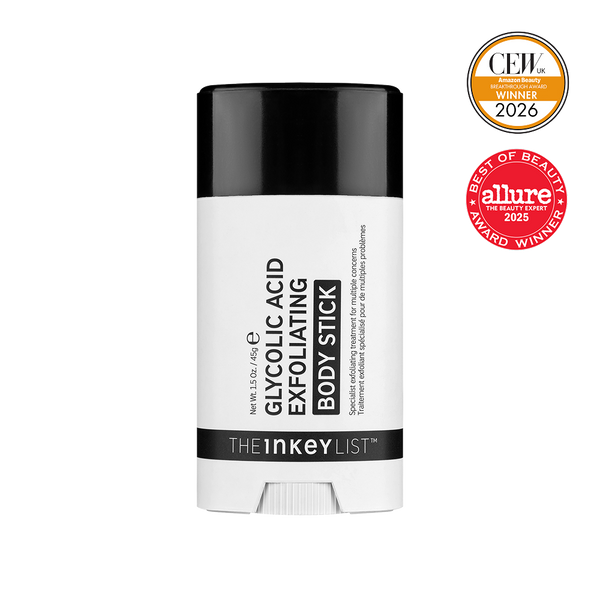
Our Glycolic Acid Toner ($18) is the primary INKEY product for facial glycolic acid use. For body concerns - including keratosis pilaris, rough texture, and body breakouts - our Glycolic Acid Exfoliating Body Stick ($20) is clinically proven to deliver visible results in as little as seven days. For a full breakdown of what glycolic acid delivers for skin, our blog on the 5 benefits of glycolic acid is worth reading alongside this guide.
Can You Use Niacinamide and Glycolic Acid Together? The Science
Yes. Niacinamide and glycolic acid can be used together safely and effectively. They are not chemically incompatible, and using them in a well-structured routine will not neutralize either ingredient or cause a problematic reaction. This is not just a blanket reassurance - there is specific science behind why the combination works, and addressing the common concerns directly is the clearest way to explain it.
The pH Concern - Addressed Directly
The most frequently raised worry about combining niacinamide with glycolic acid centers on pH. Glycolic acid works at pH 3.5 to 4.0. Niacinamide is most stable and effective at pH 5 to 6. So does applying one after the other cause a problem?
Not when they are used as separate products in sequence - which is how any sensible layered routine operates. When you apply glycolic acid toner and allow it to absorb for one to two minutes, that product interacts with the skin and the skin’s natural buffering system begins to rebalance the surface pH. By the time you apply a niacinamide serum, the local pH environment has already started to normalize. Each product functions within its own pH window, in sequence. The issue only arises when two pH-sensitive formulations are mixed together in the palm before application - which removes each product’s ability to operate at its intended pH. Applied separately and in the correct order, both ingredients work effectively.
The “Niacin Flush” Myth - Debunked
There is a longstanding concern that combining niacinamide with an acid causes niacinamide to convert to niacin - a related compound that can cause temporary skin flushing and redness. This concern sounds alarming, but it is largely irrelevant to a modern skincare routine.
The conversion of niacinamide to niacin requires high temperatures and highly specific chemical conditions that simply do not occur on skin during normal product use. Standard skin temperatures and the diluted concentrations found in cosmetic formulations do not create the conditions necessary for this reaction to happen at any meaningful level. This was more of a concern in theoretical formulation chemistry than in practical routine use. In modern, well-formulated products applied as separate steps, this reaction is not a realistic risk.
Why These Two Ingredients Are Mechanistically Complementary
Here is the more important point: niacinamide and glycolic acid do not just coexist without interfering - they actively work on different biological targets in ways that enhance each other’s outcomes.
Glycolic acid operates at the skin’s surface. Its primary action is exfoliation: dissolving the bonds between dead skin cells, accelerating cell turnover, and revealing fresher skin beneath. It works on the stratum corneum.
Niacinamide works on entirely different mechanisms - sebum regulation, melanin transfer inhibition, ceramide synthesis, and inflammation modulation. None of these mechanisms compete with or duplicate exfoliation. They operate in parallel, at different stages of skin biology.
The result is a combination that covers ground that neither ingredient covers alone. Glycolic acid resurfaces and renews. Niacinamide regulates, protects, and corrects. As supported by research into niacinamide’s mechanism of action and the clinical evidence for glycolic acid’s collagen-stimulating properties, these are two distinct and complementary pathways - not overlapping ones.
For broader context on how acids fit into a layered skincare routine, our guide to using acids in your skincare routine is a useful reference. And if you want clarity on which ingredient combinations to avoid, our blog on what products you should not layer together covers that clearly.
The Benefits of Using Niacinamide and Glycolic Acid Together
When two well-researched actives work through entirely different biological pathways, the combined outcome is more than the sum of the parts. Here is what this pairing specifically delivers - and why.
Smoother, More Refined Skin Texture
Glycolic acid exfoliates the surface, dissolving the bonds between dead skin cells that accumulate over time and create a dull, rough, uneven texture. With regular use, this process reveals a consistently smoother skin surface. Niacinamide works alongside this by reducing the appearance of enlarged pores and supporting the structural quality of the skin over time. The two together - surface exfoliation plus barrier and sebum regulation - produce a more refined texture result than either achieves independently. If visible pores and rough texture are a primary concern, this pairing is particularly relevant.
Brighter, More Even Skin Tone
Uneven skin tone is one of the most common concerns that brings people to active skincare ingredients, and this combination targets it from two distinct angles simultaneously. Glycolic acid accelerates the shedding of pigmented surface cells, reducing the dullness and uneven appearance that dead skin cell accumulation creates. It essentially clears away the top layer that is masking brighter skin beneath.
Niacinamide works deeper in the pigmentation process. Rather than simply removing pigmented cells at the surface, it inhibits the transfer of melanosomes - the pigment-carrying structures - from melanocytes to keratinocytes. Research published in the British Journal of Dermatology found that niacinamide achieved 35 to 68% inhibition of melanosome transfer in clinical models and significantly decreased hyperpigmentation compared to vehicle alone after four weeks of use. That means niacinamide is working upstream, slowing how much pigment reaches the visible skin surface in the first place.
Two different mechanisms. The same concern targeted from both ends. The combination is meaningfully more effective for post-acne marks, dark spots, and general skin tone unevenness than using one ingredient alone.
Oil Control and Acne Management
For oily and acne-prone skin, this pairing offers a logical and practical double approach to congestion and breakouts. Niacinamide regulates sebum production at the source, reducing the excess oil that contributes to clogged pores and breakouts. Glycolic acid clears congestion at the surface by dissolving the bonds between dead skin cells that trap sebum and bacteria within pores. Together, niacinamide addresses excess oil upstream while glycolic acid clears the build-up at the surface level.
Our 10% Niacinamide Serum ($13) and Glycolic Acid Toner ($18) are the natural product pair for this concern. Used consistently - niacinamide in the morning, glycolic acid in the evening - the combination addresses both the cause and the symptom of congestion-prone skin.
Enhanced Product Absorption
Glycolic acid does not just exfoliate - it also primes the skin’s surface for what comes next. By removing the barrier of dead skin cells, it creates a cleaner, more receptive surface that allows subsequently applied actives to absorb more effectively. When niacinamide is layered after glycolic acid has fully absorbed, it may benefit from this enhanced penetration environment. This is one of the reasons layering order matters in practice: the sequence is not arbitrary, it is functional.
As Cleveland Clinic notes, glycolic acid “helps with the absorption of other products that penetrate your skin.”
Barrier Support Without Compromise
A common concern with chemical exfoliants is that they can over time weaken the skin barrier - particularly if used too frequently or without adequate supporting ingredients. This is where niacinamide becomes especially valuable as a routine companion to glycolic acid.
Niacinamide actively supports barrier function by promoting ceramide synthesis. Ceramides are the lipids that keep the skin barrier intact and prevent moisture loss. By including niacinamide in the same routine as glycolic acid, you are actively counteracting one of the risks associated with regular exfoliant use. The glycolic acid resurfaces; the niacinamide repairs and reinforces. This makes the combination far more sustainable long-term than using an exfoliant without a barrier-supporting active to complement it.
For anyone who finds their skin feels dry or sensitive after exfoliation, applying niacinamide the following morning is not just beneficial - it is the smart next step.
How to Use Glycolic Acid and Niacinamide Together
Knowing the science is useful. Knowing exactly what to do tomorrow morning and evening is what produces results. This section is specific and actionable.
Layering Order: The Principle
The foundational rule of layered skincare is simple: apply thinnest textures first, thickest last. Glycolic acid toner is a toner-step product - typically water-based and low-viscosity. Niacinamide serum is a serum-step product - slightly thicker, applied after toning.
The correct sequence when using both in the same PM session:
- Cleanse
- Apply Glycolic Acid Toner ($18) - allow 1 to 2 minutes to fully absorb
- Apply Hyaluronic Acid Serum ($13) on damp skin
- Apply 10% Niacinamide Serum ($13)
- Apply moisturizer
- Broad-spectrum SPF in the morning - every day, without exception
The 1 to 2 minute wait after applying glycolic acid is important. It allows the acid to work in its intended pH environment before the next product is layered on top. It also allows the skin’s surface pH to begin normalizing before the niacinamide is applied. Do not mix both products in your palm before application - each formula is pH-optimized as a standalone product, and combining them before they touch the skin removes that optimization.
See our guide on what products should not be layered together for a broader understanding of active ingredient sequencing.
The AM/PM Split: The Recommended Approach
For most skin types, the most effective and irritation-minimizing approach is to split the two ingredients across morning and evening routines - rather than using both in the same session.
Evening (PM) - Glycolic Acid Toner:
Glycolic acid is best used in the evening. It increases photosensitivity, which means applying it at night avoids the compounded UV exposure risk that would come from daytime use. Apply after cleansing, allow to absorb, then follow with the Hyaluronic Acid Serum and a moisturizer suited to your skin type.
Morning (AM) - Niacinamide Serum:
Niacinamide has no photosensitizing concerns and is well-suited to daytime use. Its oil-regulating and barrier-supporting properties are actively beneficial during the day. Apply after your Hyaluronic Acid Serum, follow with moisturizer, and finish with a broad-spectrum SPF. When using glycolic acid regularly, daily SPF use is non-negotiable - the exfoliation glycolic acid performs leaves the skin more susceptible to UV-induced damage.
A Complete Routine Example
Morning:
- Cleanse
- Hyaluronic Acid Serum ($13) on damp skin
- 10% Niacinamide Serum ($13)
- Moisturizer
- Broad-spectrum SPF 30 or higher (daily, essential)
Evening:
- Cleanse
- Glycolic Acid Toner ($18) - allow 1 to 2 minutes to absorb
- Hyaluronic Acid Serum ($13)
- Moisturizer - our Omega Water Cream ($15) works well for oily or acne-prone skin; a ceramide-rich moisturizer is a good choice for drier or barrier-compromised skin
Frequency: Starting Out vs. Building Up
If you are new to glycolic acid: Begin with 2 to 3 evenings per week and allow your skin time to adjust before increasing frequency. Niacinamide, by contrast, can be used daily from the outset - it is well-tolerated across all skin types and does not require a slow introduction.
If you are experienced with glycolic acid: Daily or near-daily use is possible for some skin types, but most people get their best results from 3 to 5 evenings per week. Daily use is achievable; over-exfoliation is a real risk, and the signs are worth knowing.
Signs of over-exfoliation to watch for:
- Persistent redness that does not resolve within a few hours of application
- Unusual peeling or flaking
- A feeling of tightness or increased sensitivity
- Skin that feels thinner or more reactive than usual
If any of these occur, reduce frequency immediately and prioritize barrier recovery - the Hyaluronic Acid Serum and a nourishing moisturizer are your first steps.
Always Patch Test
When introducing any new active ingredient, patch testing is the smart approach. Apply a small amount of the product to an inconspicuous area and monitor for 24 hours before applying it to your full face. Our guide on why you need to do a patch test explains the process clearly.
A Gentler Alternative: PHA Toner
If you find glycolic acid causes persistent irritation or sensitivity, our PHA Toner ($18) is a gentler exfoliating option. Polyhydroxy acids (PHAs) have a larger molecular size than AHAs, penetrate more slowly, and are generally better tolerated by sensitive or reactive skin. The same layering principles apply - PHA toner first, niacinamide serum after - and the combination is equally compatible. For a direct comparison, our blog on PHA Toner vs. Glycolic Acid Tonerwalks through the differences in detail.
Who Should Use This Combination - and Who Should Be Cautious
This pairing suits a wide range of skin types, but not identically. Understanding where it excels - and where to adjust - makes the difference between a routine that works and one that causes frustration.
Who Benefits Most
Oily and acne-prone skin is perhaps the best match for this combination. Glycolic acid unclogs pores and smooths texture disrupted by congestion. Niacinamide regulates sebum production and reduces the appearance of enlarged pores. Together, they address both the symptom (congested pores, uneven texture) and one of the underlying contributors (excess oil). If blackheads, breakouts, and shine are your primary concerns, this is a well-matched pairing.
Dull or uneven skin tone. Glycolic acid’s surface exfoliation clears away pigmented dead cells. Niacinamide’s melanin transfer inhibition slows pigment reaching the surface. The combination addresses tone from two directions and delivers a more even, radiant result over time than either alone.
Post-acne marks and dark spots. Both ingredients contribute to fading residual pigmentation through entirely different mechanisms. For anyone dealing with the marks left behind by past breakouts, consistent use of both - glycolic acid in the evening, niacinamide in the morning - is a practical and effective approach.
Skincare beginners introducing an exfoliant. Pairing glycolic acid with niacinamide is a smart choice for beginners. Niacinamide’s barrier-supporting properties help offset the potential drying effect of AHA exfoliation, making the overall routine more manageable for skin that is not yet accustomed to acids.
Who Should Be Cautious
Dry or very dehydrated skin. Glycolic acid can amplify dryness if used too frequently without sufficient hydration in the surrounding routine. Always apply the Hyaluronic Acid Serum before your moisturizer in both AM and PM routines, and reduce glycolic acid frequency if dryness worsens. Niacinamide remains suitable for dry skin and can continue to be used daily.
Sensitive or reactive skin, including rosacea-prone skin. Glycolic acid is a stronger exfoliant than PHAs and may cause irritation for very reactive skin types. If this applies to you, start with once per week in the evening and increase slowly over several weeks. Consider switching to our PHA Toner ($18) as a gentler exfoliating alternative. Niacinamide, on the other hand, is one of the most well-tolerated actives in skincare and remains suitable for sensitive skin.
Compromised or disrupted skin barrier. Do not use glycolic acid on already irritated, broken, or barrier-compromised skin. The priority in that state is recovery - use the Hyaluronic Acid Serum and a ceramide-rich moisturizer, and reintroduce glycolic acid only once the skin has stabilized. Niacinamide actively supports barrier repair and is safe to use throughout the recovery period.
Pregnancy and breastfeeding. Niacinamide is considered safe during pregnancy and breastfeeding. Glycolic acid in the low concentrations found in leave-on toner formulations is generally considered acceptable, but always consult your doctor or dermatologist before introducing any exfoliating acid during pregnancy.
If you are unsure which exfoliant is right for your skin type more broadly, our blog on glycolic acid vs. salicylic acid is a useful starting point.
The Bottom Line
Niacinamide and glycolic acid are not just compatible - they are complementary in exactly the right ways. Glycolic acid resurfaces and renews the skin’s surface, accelerating cell turnover and clearing the congestion and pigmented cells that accumulate over time. Niacinamide regulates, balances, and protects - working through mechanisms that glycolic acid does not touch. Together, they deliver results that neither achieves as comprehensively on its own.
The recommended approach for most skin types is straightforward: glycolic acid in the evening, niacinamide in the morning. If you are using both in the same session, apply glycolic acid first, allow it to absorb, then layer the niacinamide serum after. Protect with a broad-spectrum SPF every morning - this is non-negotiable when using any exfoliating acid regularly.
Knowing your ingredients and understanding how they work together is the foundation of a routine that actually delivers results. That is exactly what INKEY is here for - clear, evidence-backed information that makes better skincare decisions accessible to everyone. For a complete overview of niacinamide beyond this pairing guide, our niacinamide ingredient guide is where to go next.
Shop the Combination
Build the pairing:
Also referenced in this guide:
- Hyaluronic Acid Serum - $13
- Omega Water Cream - $15
- PHA Toner - $18 (gentler exfoliating alternative)
- Glycolic Acid Exfoliating Body Stick - $20
Not sure where to start? Take the INKEY Skincare Quiz for a personalized routine recommendation based on your specific skin concerns. Or build your own routine and save up to 20% at Build Your Own Routine.
Written by one of our askINKEY skincare advisors. Chat to askINKEY - available on live chat for personalized skincare advice.
Frequently Asked Questions
Got a question?
Our askINKEY team are a friendly bunch of skincare experts with deep product knowledge and zero judgement. Whether you're an ingredient obsessive or just starting out, we'll make it make sense. No question too big. No question too small. We Give A Care, Every Day.


