



Skincare Ingredients You Should Never Mix: The Complete Layering Guide
A complete, science-backed guide to the skincare ingredient combinations that cause irritation, barrier damage, and ingredient inactivation — plus the simple layering strategies that let you use all of your actives without compromise.
Author
askINKEY skincare advisor
Published
20 September, 2021
Time to read
17 minutes
More products does not equal better skin. It’s one of the most pervasive myths in modern skincare, and it’s doing real damage — not just to skin, but to results, confidence, and routinely wasted money. The truth is that how you layer your skincare matters just as much as what you put on your skin. When the wrong ingredients are applied together, you don’t just get diminished returns. You can trigger irritation, compromise your damaged skin barrier, accelerate sensitivity, and in some cases, completely deactivate the actives you spent good money on.
Understanding which skincare ingredients not to mix is one of the highest-leverage pieces of knowledge you can have in your routine. It’s the difference between a routine that actually works and one that looks impressive on the shelf but delivers nothing on your skin. This guide covers exactly that: the combinations that cause problems and why, the science behind ingredient conflicts, how to separate conflicting actives so you can use them all without compromise, and what to do if things have already gone wrong. If you’re still getting started, our guide on how to build your skincare routine is the best place to begin — then come back here once you’re ready to level up your layering strategy.
Let’s get into it.
Why Ingredient Compatibility Is the Foundation of Effective Skincare
Before we name names, it’s worth understanding why ingredient conflicts happen in the first place. Because once you understand the mechanisms, the specific rules in the next section will make intuitive sense — and you’ll be able to think through new combinations on your own, rather than having to memorize a list.
There are three primary reasons that skincare ingredients conflict with each other, and they operate through entirely different mechanisms.
pH Conflicts: When Ingredients Cancel Each Other Out
Every skincare active operates within an optimal pH range — a window of acidity or alkalinity in which its chemical structure is stable, its formula can penetrate the skin, and its active compounds can do what they’re designed to do. Step outside that window, even slightly, and efficacy drops. Step too far outside it, and the ingredient may stop functioning altogether.
This is the core of one of the most common layering mistakes in skincare: applying Vitamin C in its pure L-Ascorbic Acid form alongside Retinol. L-Ascorbic Acid — the most potent, most studied form of Vitamin C — has an optimal pH of approximately 2.5 to 3.5. Retinol, by contrast, is most stable and effective at a pH of around 5.5 to 6.0. When you layer these two together, you disrupt both. The acidic Vitamin C destabilizes the Retinol environment, while the presence of a higher-pH product can neutralize the acidic Vitamin C formula. Neither ingredient gets to operate at its best. More on this in the next section.
pH isn’t just about efficacy, either. When pH levels are significantly disrupted on the skin’s surface, it can compromise the skin’s own acid mantle — the thin, slightly acidic film that acts as the first line of barrier defense. Disrupt that, and everything else becomes less effective and more irritating.
Oxidation: When One Ingredient Destroys Another
Some ingredients aren’t just incompatible — they actively break down the molecular structure of other actives. The clearest example of this is Benzoyl Peroxide and Retinol. Benzoyl Peroxide is an oxidizing agent, which is exactly what makes it effective against acne-causing bacteria. But that same oxidizing power doesn’t turn off when it encounters Retinol. It oxidizes the Retinol molecule itself, rendering it chemically inactive. You’re essentially applying one active that cancels out another — and neither the irritation nor the cost of that combination is worth it.
Oxidation conflicts are particularly insidious because they’re invisible. Your skin might not react with obvious redness. Instead, you simply don’t see results — and you may wrongly conclude that Retinol “doesn’t work” for your skin, when in reality, it was never getting the chance to work at all.
Over-Exfoliation: When Too Much of a Good Thing Backfires
Exfoliating acids — AHAs like Glycolic Acid, BHAs like Salicylic Acid, and PHAs — are some of the most effective ingredients in modern skincare for improving texture, clearing congestion, and brightening tone. But they all share one characteristic: they accelerate the skin’s natural desquamation process, removing dead skin cells and increasing cellular turnover.
The skin’s barrier can handle this process within a reasonable range. When you stack multiple exfoliating actives in a single routine — a Glycolic Acid toner followed by a BHA serum, or a Retinol layered on top of exfoliating acids — you’re pushing beyond what the barrier can recover from in a single cycle. The result is a damaged skin barrier: tight, reactive, red, and paradoxically more breakout-prone than before. The outer layer of skin cells has been stripped away faster than new, healthy cells can come to the surface.
Understanding ingredient science does not mean following a complicated system. It means knowing a handful of key rules and applying them consistently.
The good news is this: every single conflict described above has a solution. And that solution almost never requires eliminating an ingredient from your routine entirely — it just requires smarter sequencing. With that foundation in place, let’s look at the specific combinations you need to know.
The Skincare Ingredients You Should Never Mix (And Exactly Why)
This section is designed to be your reference guide. Bookmark it, come back to it, and use it every time you’re building out a new routine or troubleshooting an existing one. Each combination is broken down by what it is, why it’s problematic, and — critically — what to do instead.
Retinol + Vitamin C: A pH and Stability Conflict
This is the pairing that causes the most confusion, partly because both ingredients are so frequently recommended for the same skin goals: anti-aging, brightening, texture improvement. If they both target the same concerns, surely they’d work better together? Not quite.
Retinol and Vitamin C operate in completely different pH environments. Pure, highly active forms of Vitamin C — particularly L-Ascorbic Acid — are acidic by nature and require a low-pH formulation to remain stable and penetrate the skin effectively. Retinol, on the other hand, is most stable at a more neutral pH. Applying them together creates a conflict where the acidic Vitamin C can compromise Retinol stability, and the combination may increase irritation risk beyond what either active would cause on its own.
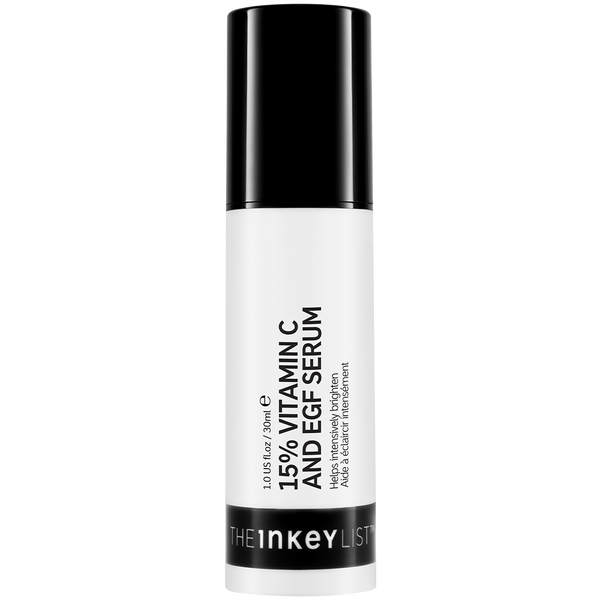
That said, not all Vitamin C formulations are equal. The 15% Vitamin C + EGF Serum ($20.00 / 30ml) from The INKEY List uses Ascorbyl Glucoside — a stable, gentler ester form of Vitamin C that operates at a higher, more skin-compatible pH. This formulation is considerably less likely to conflict aggressively with Retinol than a pure L-Ascorbic Acid serum would be. However, the recommended approach remains the same: keep them in separate routines. Vitamin C in the AM. Retinol at night. Both ingredients get to work in their optimal conditions, and your skin doesn’t have to navigate two competing actives at once.
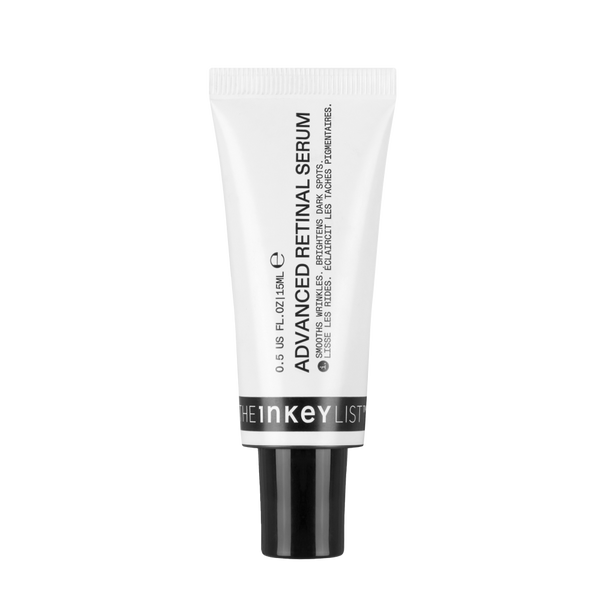
The Retinol Serum ($15.00 / 30ml) uses a slow-release Retinol with Squalane — a formulation designed to minimize the irritation that Retinol can cause on its own. Adding a competing active like Vitamin C to the same routine simply increases that irritation risk without any benefit. For a deeper breakdown of what to keep away from your Retinol, read our dedicated guide on what not to mix with Retinol.
The fix: Vitamin C AM, Retinol PM. Always.
Retinol + AHA/BHA Acids: Compounded Exfoliation and Barrier Compromise
Here’s where the most common layering mistake happens, because the logic of doing it seems sound. Retinol speeds up cell turnover. Glycolic Acid speeds up cell turnover. Salicylic Acid clears congestion by exfoliating inside pores. All three are frequently recommended for acne, texture, and uneven tone. So why not use them together?
Because when you stack two or more ingredients that each accelerate the skin’s exfoliation cycle, you exceed the skin’s recovery rate. The outer layers of skin cells are being shed faster than new, healthy cells can come to the surface. The resulting barrier compromise looks like redness, tightness, flaking, and a skin that stings in response to products it previously tolerated fine.
The Salicylic Acid in a BHA serum and the Retinol in a Retinol Serum are both doing heavy lifting on their own. Asking your skin to absorb both in a single evening routine is the equivalent of over-training a muscle without giving it time to repair. And just like over-training, the result is damage, not improvement.
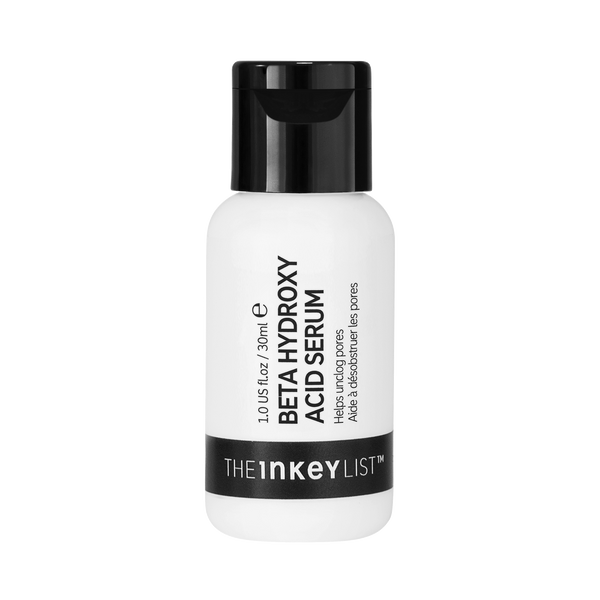
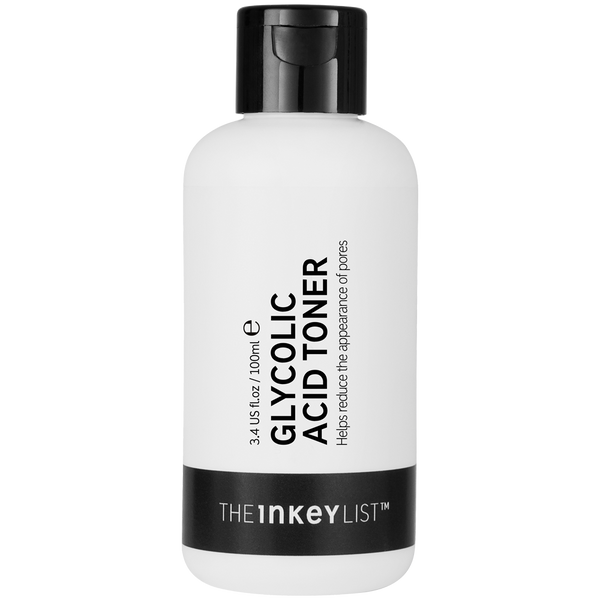
The Beta Hydroxy Acid (BHA) Serum ($14.00 / 30ml) and the Glycolic Acid Toner ($18.00 / 100ml) are both excellent, effective products. But they each need to be on their own dedicated nights — not combined with each other, and not combined with Retinol.
The fix: Alternate nights. Retinol one evening, exfoliating acids the next. Your skin will thank you in the form of better results from both. For a full breakdown on this specific pairing, what not to mix with Retinol covers it in detail.
Vitamin C + Niacinamide: Understanding the Real Nuance
Let’s address the question that’s been floating around skincare communities for years: can you use Vitamin C and Niacinamide together? The short answer is yes — but the full answer requires a little more context.
The historical concern was rooted in chemistry: some researchers theorized that combining Vitamin C and Niacinamide could produce a compound called Nicotinic Acid, which causes skin flushing. That sounds alarming enough that the “never use these together” rule spread fast. But here’s the nuance: the reaction that produces Nicotinic Acid requires temperatures significantly higher than what any skincare product on your face would ever reach. Under normal skincare application conditions, this reaction is not a meaningful concern.
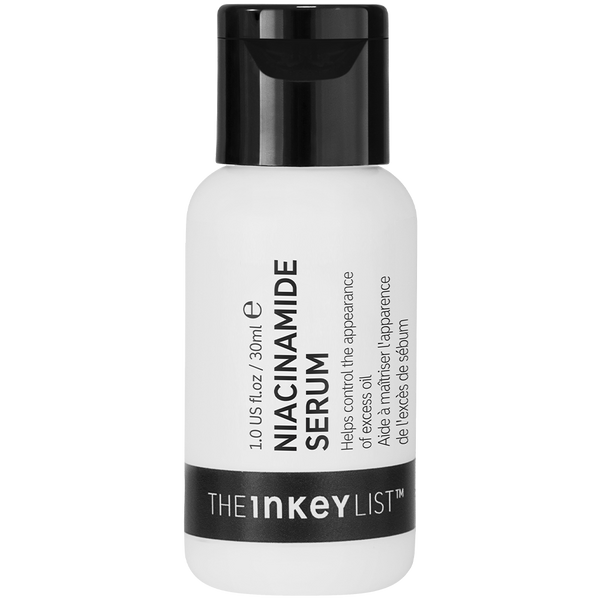
Current evidence and formulation science supports that Vitamin C and Niacinamide can safely coexist in a routine. Our 15% Vitamin C + EGF Serum ($20.00 / 30ml) is specifically noted as being safe to use with the 10% Niacinamide Serum ($13.00 / 30ml). For those with particularly sensitive skin who want to be extra cautious, separating them by time of day — Vitamin C in the AM, Niacinamide in the PM — is a perfectly reasonable approach. But it’s a precaution for sensitive skin, not a rule for everyone.
If you want the full, thorough breakdown of this specific question, we’ve covered it in detail: can you use Niacinamide and Vitamin C together.
The fix: Generally safe to layer. Sensitive skin types can separate AM/PM as a precaution.
Benzoyl Peroxide + Retinol: Oxidation and Silent Deactivation
This is one of the more consequential conflicts on this list, because it doesn’t always cause visible irritation — meaning you may not even realize it’s happening. Benzoyl Peroxide works as an acne treatment by releasing oxygen molecules that kill acne-causing bacteria. That oxidizing action is highly effective against P. acnes — but it doesn’t stop there. When it encounters the Retinol molecule, it oxidizes it too, breaking down its chemical structure and rendering it inactive.
The result is that your Retinol stops working. Not immediately and dramatically, but gradually and invisibly. You may notice that your Retinol doesn’t seem to be delivering the texture improvement or anti-aging results you expected. You might try a higher concentration, give it more time, or question whether Retinol is “right” for your skin. In reality, Benzoyl Peroxide may have been quietly deactivating it all along.
This isn’t a pairing that can be managed with wait times between steps. The oxidation can occur even through residual Benzoyl Peroxide left on the skin. Keep these two on entirely separate nights. Better yet, speak to a dermatologist about which approach — Benzoyl Peroxide or Retinol — is the right primary active for your specific acne concerns, and use the other as a supporting ingredient on alternating evenings. See our full Retinol ingredient guide for more context on how to use Retinol most effectively.
The fix: Separate nights entirely. Do not use in the same routine or even on residual-product skin.
Stacking Multiple Exfoliating Acids: AHA + BHA in the Same Application
This is the category where enthusiastic skincare routines most commonly go wrong. It’s not hard to understand why: there are so many excellent exfoliating products available — a Glycolic Acid toner, a BHA serum, a Salicylic Acid cleanser — that layering several of them into one routine feels like the path to faster results. It isn’t.
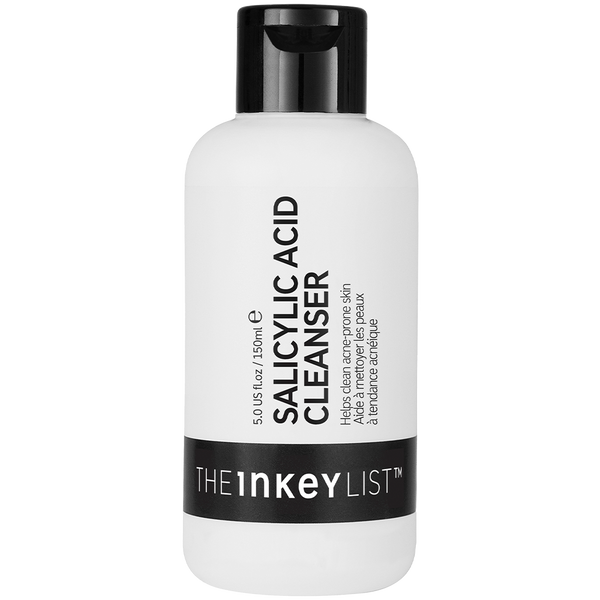
Stacking a Glycolic Acid Toner ($18.00 / 100ml), a Beta Hydroxy Acid (BHA) Serum ($14.00 / 30ml), and a Salicylic Acid Cleanser ($15.00 / 150ml) in a single routine creates a compounding exfoliation load that the skin’s barrier cannot adequately recover from overnight. Over-exfoliated skin presents as shiny, raw, reactive, and tight. Counterintuitively, it can also produce an increase in breakouts — a stripped barrier means less protection and more opportunity for external irritants to cause congestion.
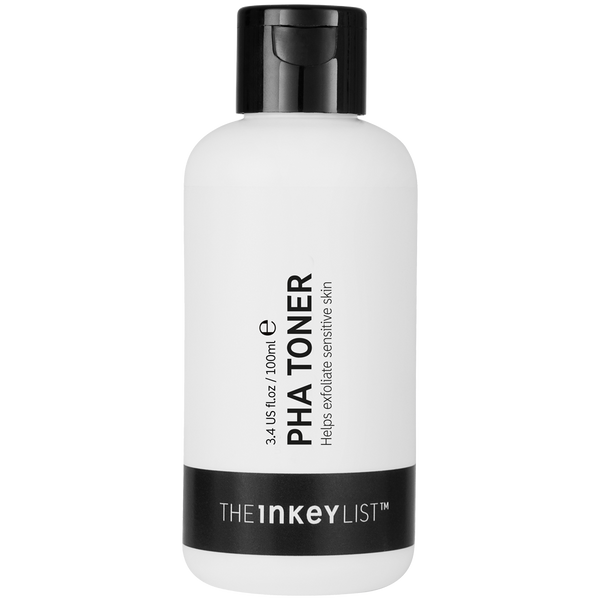
If you want the texture benefits of daily exfoliation without the risk of over-stripping, PHA (Polyhydroxy Acid) is your answer. PHAs exfoliate at a gentler rate than AHAs or BHAs, are larger molecules that don’t penetrate as deeply, and have humectant properties that hydrate as they exfoliate. They’re a smart daily exfoliator for anyone who finds that alternating AHAs and BHAs still leaves their skin feeling reactive.
Our complete guide to using acids in your skincare routine covers the full spectrum of acid types, concentrations, and best practices in detail.
The fix: One exfoliating acid per night, maximum. Alternate types across different evenings. Consider PHA for daily, gentle use.
Now that you know which ingredients conflict and why they conflict, the question becomes practical: how do you actually use all of these great ingredients if they can’t be layered together? The answer is simpler than you might expect.
How to Layer Skincare Safely: AM vs. PM Strategies That Actually Work
The core principle of safe skincare layering is beautifully straightforward: most conflicting ingredients can coexist in your routine when separated by time of day or alternating nights. You don’t need to eliminate anything. You need a smarter system.
Building Your AM Routine
Your morning routine is the right home for antioxidants and protective ingredients. These are actives that shield your skin from the environmental stressors it will face throughout the day — UV exposure, pollution, free radical damage.
A well-structured AM routine looks like this:
- Cleanser — gentle, non-stripping
- Hyaluronic Acid Serum ($13.00 / 30ml or $23.00 / 60ml) — water-based hydration that layers comfortably under everything else
- 15% Vitamin C + EGF Serum ($20.00 / 30ml) — antioxidant protection and brightening, most effective in the morning when it can defend against daytime damage
- 10% Niacinamide Serum ($13.00 / 30ml) — oil regulation, barrier support, and redness reduction
- Moisturizer — seals and supports hydration
- SPF — a non-negotiable final step in every morning routine, every single day
The Hyaluronic Acid Serum is the ideal bridge product in this structure. It pairs safely with virtually every active — Vitamin C, Niacinamide, acids, Retinol — and provides lightweight hydration that neither disrupts pH nor competes with other actives. Think of it as your routine’s universal connector.
Building Your PM Routine
Your evening routine is the right home for transformation ingredients — the actives that accelerate cell renewal, exfoliate, and repair. Your skin’s regeneration cycle peaks overnight, which is why these ingredients tend to be more effective in a PM application.
A well-structured PM routine on a Retinol night looks like this:
- Cleanser
- Hyaluronic Acid Serum — optional but recommended as a hydration base
- Retinol Serum ($15.00 / 30ml) — the engine of overnight renewal
- Barrier-supporting moisturizer — ceramides, peptides, or fatty acids to support the skin while actives work
On an acids night, swap Step 3 for your exfoliating acid of choice — the Glycolic Acid Toner, the Beta Hydroxy Acid (BHA) Serum, or your preferred acid — and follow with the same barrier moisturizer.
Never use Retinol and exfoliating acids on the same night. Alternate them across the week.
Skin Cycling: A Structured Framework for Alternating Actives
If you want a formalized approach to alternating your actives, skin cycling is worth exploring. The practice — which gained significant mainstream momentum in the skincare community — involves a structured rotation of exfoliation nights, Retinol nights, and recovery nights in a repeating cycle. It’s an elegant framework that builds in the barrier recovery time your skin needs, while ensuring your actives are never competing with each other.
Our full skin cycling guide breaks down the method step by step.
How Long to Wait Between Layers
If you’re layering multiple products in a single routine, allow roughly 30 to 60 seconds between each step. This isn’t about deep absorption — it’s about preventing pilling (product rolling up on the skin) and allowing each layer to settle before you add the next. Apply from thinnest to thickest consistency: water-based serums first, then heavier serums or treatments, then moisturizer, then SPF in the morning. A heavier moisturizer applied before a lightweight serum can physically block the serum’s ability to reach the skin effectively.
If you’re using a lower-pH active (like a traditional acidic Vitamin C) and a higher-pH product in the same routine, a 20-to-30-minute wait between those two specific steps gives the skin time to neutralize and equilibrate before the next application. That said, time-of-day separation is always the superior strategy for genuinely conflicting actives — the wait-time approach is a workaround, not a solution.
For a deeper look at building layering sequences around acids specifically, our guide to using acids in your skincare routine is essential reading.
Understanding how to separate ingredients day-to-day gives you the tools to prevent problems. But what happens when a conflict has already occurred — when your skin is already reacting? The next section covers the physical reality of what happens inside your skin when incompatible ingredients meet.
What Really Happens When You Mix Incompatible Skincare Ingredients
Knowing the theory is one thing. Understanding what your skin actually experiences when layering goes wrong is another — and it matters, because the signs of an incorrect layering reaction can be subtle, easy to misread, and even mistaken for something that needs more product rather than less.
Barrier Damage: The Most Common and Misread Consequence
The most frequent result of incorrect layering is a compromised skin barrier. The skin barrier — your stratum corneum — is a remarkably sophisticated structure of skin cells and lipids that keeps moisture in and environmental irritants out. When it’s intact, your skin feels comfortable, resilient, and comfortable with the products you apply to it. When it’s compromised, everything changes.
The signs of barrier damage from incorrect layering include:
- Tightness after cleansing, even with a gentle cleanser
- Redness that appears without a clear cause and doesn’t resolve quickly
- Flaking or peeling in areas that were previously smooth
- Stinging or burning in response to products your skin previously tolerated without issue
- Increased sensitivity to ingredients like fragrance, alcohol, or even active ingredients at concentrations that previously caused no reaction
This last sign is the one that most commonly catches people off guard. Suddenly, your Vitamin C serum stings. Your Niacinamide burns. Your moisturizer irritates. It’s not that these products have changed — it’s that your barrier has been compromised to the point where the skin can no longer buffer normal skincare applications the way it could before.
Over-Exfoliation: The Counterintuitive Skin Condition
Over-exfoliated skin looks and behaves in ways that often confuse people into making the problem worse. Skin that has been stripped by too many acids or by the combination of acids and Retinol often appears shiny — almost glass-like — and feels unusually tight. People sometimes interpret this as “clean” or “smooth.” It isn’t. It’s a sign that the outer protective layer has been over-stripped.
The deeply counterintuitive part? Over-exfoliated skin can produce more breakouts. When the barrier is compromised, the skin’s sebaceous glands may overcompensate by producing more oil in an attempt to restore balance. Pores left unprotected by a healthy barrier become more susceptible to environmental irritants. The response to this — often more exfoliation — accelerates the cycle rather than breaking it.
Post-Inflammatory Hyperpigmentation: When Irritation Leaves a Mark
When conflicting ingredients trigger an inflammatory response in the skin, the body’s response to that inflammation can include the overproduction of melanin — the pigment that gives skin its color. This is post-inflammatory hyperpigmentation (PIH): dark marks that appear at the site of irritation, sometimes long after the redness has resolved.
PIH is particularly common in deeper skin tones, where the melanin response to inflammation is more pronounced. A layering mistake that causes a week of irritation for someone with lighter skin might leave someone with a deeper complexion managing dark marks for months afterward. This is why avoiding ingredient conflicts is not just about efficacy — it’s about protecting your skin from consequences that outlast the original reaction.
Purging vs. Skin Reaction: A Critical Distinction
Not every breakout or skin response triggered by a new active is a sign of incorrect layering. Some of it is purging — a recognized process where active ingredients like Retinol and exfoliating acids accelerate the skin’s cycle, bringing impurities to the surface faster than they would emerge on their own.
Here’s how to tell the difference:
True purging:
- Breakouts appear in your normal breakout zones
- Whiteheads, blackheads, or small pimples rather than cystic lesions
- Begins within the first 2-4 weeks of starting a new active
- Resolves within 4-6 weeks of consistent use
Negative skin reaction:
- Breakouts appear in areas that aren’t your normal breakout zones
- Accompanied by redness, burning, or stinging
- Skin feels reactive to products it previously tolerated
- Does not improve — worsens with continued use
If you’re seeing the second set of symptoms, stop. Continuing to push through a genuine negative reaction with the hope it’s “just purging” is one of the most common routes to the kind of barrier damage that takes months to fully resolve.
Ingredient Inactivation: When Products Fail Silently
The Benzoyl Peroxide + Retinol conflict is worth revisiting here, because ingredient inactivation is perhaps the most frustrating outcome of incorrect layering. There’s no redness, no burning, no obvious signal that something is wrong. The product simply stops working — and you have no way of knowing unless you understand the chemistry.
Before changing formulations, increasing concentrations, or giving up on an active altogether, always rule out whether another ingredient in your routine might be interfering with it. Starting each new product introduction with a patch testis the cleanest way to understand how your skin responds to each active in isolation, before introducing it into a full routine.
If a layering mistake has already happened, the next section gives you the immediate action plan.
Emergency Protocol + The Ingredient Pairings That Actually Work Together
What to Do If You’ve Already Mixed the Wrong Ingredients
Mistakes happen. If you’ve already layered incompatible ingredients and your skin is reacting, here’s exactly what to do — in order.
Step 1: Rinse immediately. If you notice a reaction within minutes of applying products, rinse the area with cool (not cold, not warm) water for 10 to 15 minutes. Do not scrub or use a washcloth. Gentle, sustained rinsing is the goal.
Step 2: Strip your routine back completely. For the next 24 to 48 hours, your only skincare should be a gentle, non-active cleanser and a simple, barrier-supporting moisturizer. No actives. No exfoliants. No Vitamin C, no Retinol, no acids — not even ingredients you’re confident in. The skin needs calm, not stimulation.
Step 3: Support barrier recovery with ceramides. Ceramides are the gold standard for barrier repair. They’re the lipids that naturally make up a significant portion of your skin barrier, and replenishing them topically is one of the most evidence-backed approaches to accelerating barrier recovery. The Bio-Active Ceramide Moisturizer ($22.00) is specifically built for this — featuring Bioactive Ceramide NP, Shea Butter, and Gransil Blur for immediate skin-soothing and sustained barrier repair. Apply it morning and night until your skin has fully settled.
Step 4: Reintroduce actives one at a time. Once redness, tightness, and flaking have fully resolved — not just improved, fully resolved — you can begin reintroducing your active ingredients. Do it one at a time, over the course of several weeks, allowing your skin to acclimate to each product before adding the next. This is also the ideal time to set up your AM/PM separation strategy properly.
The Safe Ingredient Pairings That Actively Work Better Together
The barrier damage discussion above might feel heavy. So let’s pivot to something genuinely encouraging: there are ingredient combinations that don’t just coexist peacefully — they actively enhance each other’s benefits. These are the pairings you should feel good about building your routine around.
Niacinamide + Hyaluronic Acid
One of the most universally compatible and effective pairings in skincare. Niacinamide regulates oil production, reduces the appearance of pores, and calms redness — all while strengthening the skin barrier. Hyaluronic Acidprovides lightweight, multi-depth hydration without any active properties that could conflict. Zero pH conflict. Zero irritation risk. Pure synergy. This combination is suitable for literally every skin type, morning and evening, and serves as one of the most stable foundations for any routine.
Retinol + Ceramides (Applied the Following Morning)
Retinol is transformative — and it comes with the well-documented side effect of dryness and potential irritation as the skin adjusts, especially in the first few weeks of use. Applying a ceramide-rich moisturizer the morning after a Retinol night actively replenishes the barrier lipids that Retinol’s cell-renewal acceleration can temporarily deplete. The Bio-Active Ceramide Moisturizer ($22.00) applied on your post-Retinol mornings is a pairing that makes your overall Retinol tolerance significantly better over time.
Azelaic Acid + Niacinamide
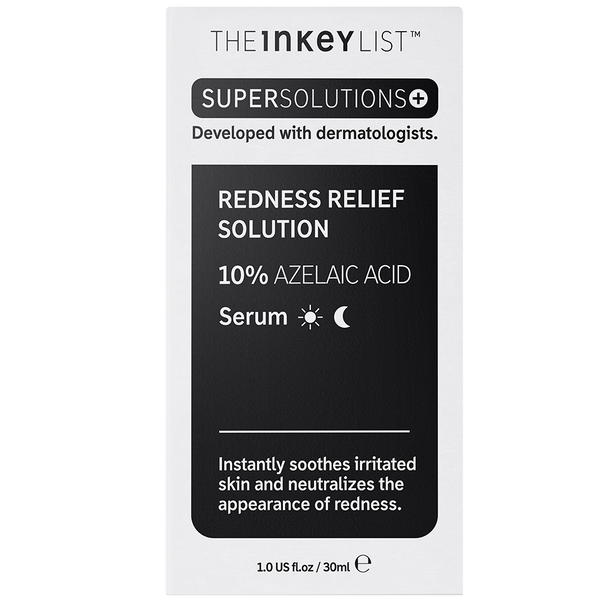
Azelaic Acid is a gentle powerhouse for redness, uneven skin tone, and texture — particularly effective for those managing rosacea-adjacent redness or post-acne marks. Paired with Niacinamide, the two work complementarily across similar concerns without any meaningful pH conflict or risk of reaction. This combination is especially well-suited to sensitive skin types looking for a redness-reducing routine that doesn’t cause additional irritation.
Peptides + Hyaluronic Acid
Peptides are amino acid chains that signal the skin to support collagen and elastin production — the structural proteins responsible for firmness, elasticity, and the reduction of fine lines over time. Hyaluronic Acid provides the moisture scaffolding that maximizes the environment in which those peptides can work. No pH conflict, no competing mechanisms — just two ingredients that each do their job well and are made more effective by the other’s presence.
Ectoin + Virtually Everything
Ectoin is one of the most compatible and underappreciated active ingredients in modern skincare. A natural extremolyte — a compound that organisms produce to protect themselves from extreme environmental conditions — Ectoin works by forming a protective water shell around skin cells, reducing inflammation and reinforcing barrier integrity. Crucially, it’s compatible with Retinol, Vitamin C, Niacinamide, and exfoliating acids, making it an exceptional buffer ingredient for sensitive or reactive skin that wants to build an active-heavy routine without the associated irritation risk.
These pairings are where your routine should be built from — the stable, synergistic combinations that deliver consistent, cumulative results over time.
The Smarter Routine Is a Better Routine
Here’s the central takeaway from everything in this guide: you don’t need fewer ingredients. You need a smarter system for using the ingredients you have.
The combinations to avoid — Retinol with Vitamin C, Retinol with exfoliating acids, Benzoyl Peroxide with Retinol, multiple acids in a single application — aren’t reasons to simplify your routine down to the basics. They’re reasons to be strategic about sequencing. Vitamin C in the morning. Retinol at night. Exfoliating acids on alternating evenings. A ceramide moisturizer every morning to support barrier recovery. That’s the framework. It’s not complicated — it’s just intentional.
The three things to take away from this guide are these: know which pairings conflict and why, separate conflicting actives by time of day or alternating nights, and support your skin barrier consistently so it has the resilience to tolerate the powerful actives you’re asking it to absorb.
If you know your skin type and concerns but you’re not sure which ingredients belong in your personal routine, the Skincare Quiz will build you a personalized, compatible routine in under two minutes — and right now, you’ll get a free full-size cleanser for taking it.
Dealing with acne specifically? The Acne Analyzer Pro uses AI-powered, dermatologist-backed skin scanning to give you ingredient and routine guidance tailored to your acne type and severity. It’s one of the most sophisticated tools available for navigating an acne-focused routine with confidence.
And if you want to go deeper on any of the topics in this guide, these two resources are the best next reads: What Not to Mix with Retinol and our complete Guide to Using Acids in Your Skincare Routine.
Orders over $40 ship free in the US.
Your skin is more capable of handling powerful ingredients than you might think — as long as you give each ingredient the conditions it needs to actually work.
Frequently Asked Questions
Got a question?
Our askINKEY team are a friendly bunch of skincare experts with deep product knowledge and zero judgement. Whether you're an ingredient obsessive or just starting out, we'll make it make sense. No question too big. No question too small. We Give A Care, Every Day.


