


How to Get Rid of Acne Scars Naturally: Science-Backed Routine
A clear, no-nonsense guide to fading acne scars and post-blemish marks naturally, with the exact ingredients and routine order that make a real difference.
Author
askINKEY skincare advisor
Published
08 July, 2026
Time to read
15 minutes
No filters, no fairy tales - just the ingredients, routine, and realistic timeline that actually help post-acne marks fade.
If you’ve typed “how to get rid of acne scars naturally” into a search bar at 11 p.m. while staring at a dark mark in the mirror, this guide is for you. We’re going to be direct with you from the first line: most of what people call “acne scars” are actually post-blemish marks, not permanent textured scarring. That single distinction changes everything about how you treat them, how long it takes, and what “natural” realistically means.
This article covers how to fade post-acne marks naturally using ingredients, a consistent routine, and daily habits, not invasive treatments, lasers, or in-office procedures. “Naturally” here means ingredient-led and at-home, not instant. If you’re expecting an overnight fix, we want to reset that expectation now: visible fading typically takes weeks to months, not days, and consistency matters more than any single product.
Here’s what we’ll walk through: what actually counts as an acne scar versus a post-blemish mark, how to tell a red mark from a brown one, the specific ingredients with real evidence behind them, and a simple AM/PM routine you can start today. We’ll also cover the daily habits that speed up fading and the common mistakes that quietly slow it down. For the full hub on this topic, see Acne Scars: How to Fade Post-Acne Marks, and if you want the blunt truth about permanence before you read any further, start with Are Acne Scars Permanent? The Honest Answer.
Our promise throughout this guide is simple: clear guidance, proven ingredients, and real results, without overpromising. Let’s start by clarifying exactly what you’re looking at in the mirror, because that determines everything else.
What’s Actually an Acne Scar vs. a Post-Blemish Mark?
Before you buy a single serum, you need to know what you’re actually treating. This matters because “natural” fading strategies work well on flat discoloration, but they can’t rebuild lost collagen or fill in a depressed scar. Getting this distinction right up front saves you months of frustration and money spent on the wrong approach.
True acne scarring is textured. It happens when inflammation damages the collagen structure deep in the skin, leaving behind an indentation, a pitted area, or a raised patch once the skin heals. This is what dermatologists classify as atrophic or hypertrophic scarring, and it’s a physical change in the skin’s architecture. If you run your finger over the mark and feel a dip, a crater, or a bump, you’re likely dealing with textured scarring. These cases typically respond best to in-office treatments like microneedling or resurfacing, and it would be dishonest to promise that topical ingredients alone can rebuild that lost structure. If this sounds like what you’re dealing with, Types of Acne Scars: How to Identify Yours will help you confirm it and point you toward the right next step.
What most people are actually dealing with, though, is a post-blemish mark: flat discoloration left behind after a pimple heals, with no change in skin texture. These marks fall into two camps, which we’ll break down in full detail shortly:
- Post-inflammatory erythema (PIE): red or pink marks caused by damaged capillaries under the skin.
- Post-inflammatory hyperpigmentation (PIH): brown or dark marks caused by excess melanin production during healing.
Both are flat, both are temporary, and both are exactly the kind of mark that responds to consistent, ingredient-led care. This is the territory this guide focuses on. If you want the deeper causal picture of why these marks form in the first place, including the role of inflammation severity and skin type, What Causes Acne Scars and How to Prevent Themcovers it in more depth than we can here.
So what actually causes these marks to form? In plain terms: inflammation. The more inflamed and aggravated a blemish becomes, the more likely it is to leave a mark behind. A few common culprits show up again and again:
- Picking or popping blemishes, which forces trauma deeper into the skin than the blemish would have caused on its own.
- Inflamed, cystic breakouts, which sit deeper in the skin and trigger a stronger healing response.
- Prolonged inflammation, where a blemish is left irritated or aggravated (by touching, over-exfoliating, or harsh products) for longer than necessary.
None of this is meant to make you feel guilty about a habit you already know isn’t great. It’s meant to explain, in plain English, why some blemishes vanish without a trace while others leave a mark that lingers for months. For the full hub on treating these marks naturally, bookmark Acne Scars: How to Fade Post-Acne Marks, since we’ll be referencing it throughout.
Once you know whether you’re dealing with a true scar or a fading mark, the next logical question is whether these marks can actually disappear without professional intervention, and that’s exactly what we’ll answer next.
Can Acne Scars Really Fade Naturally? Setting Honest Expectations
Here’s the honest answer: yes, post-blemish marks can visibly fade with consistent, natural, ingredient-led care. No, it won’t happen in a week, and no, it won’t happen if you give up after ten days because you don’t see a dramatic before-and-after. Let’s set the real timeline and the real conditions for success.
Red marks (post-inflammatory erythema) tend to fade faster than brown marks, often within several weeks of consistent care, because the issue is temporary capillary damage that resolves as circulation normalizes. Brown marks (post-inflammatory hyperpigmentation) typically take longer, often two to three months or more, because melanin needs to be broken down and cleared through natural skin turnover, which is a slower biological process. This isn’t a flaw in your routine. It’s simply how skin works.
Red marks usually fade faster than brown ones, but both respond best to consistency, not quick fixes.
That pull-quote sums up the entire emotional core of this guide. “Natural” doesn’t mean passive. It doesn’t mean doing nothing and hoping your skin sorts itself out, and it doesn’t mean reaching for a kitchen-cabinet remedy with no evidence behind it. It means using proven topical ingredients, applying them consistently, and protecting your skin from sun exposure every single day. That’s the active, natural approach this guide is built around, and it’s the one with actual evidence behind it.
There’s one thing that derails progress faster than anything else: continued picking or new breakouts. If you’re working on fading an old mark while simultaneously creating new ones, you’re not moving forward, you’re running in place. Every new inflamed blemish has the potential to leave its own mark, which means the clock resets each time. This is why getting rid of acne scars naturally and getting rid of acne naturally are really the same conversation. You can’t fully address one without the other. If ongoing breakouts are part of your picture, Blemishes & Breakouts is a useful resource for managing blemish-prone skin alongside the mark-fading routine in this guide.
A few honest truths worth sitting with:
- Consistency beats product-hopping. Switching actives every two weeks doesn’t give any single ingredient the chance to work.
- Natural fading is a process of degrees, not a single reveal moment. You’ll likely notice it in the mirror gradually, maybe three weeks in, maybe six, rather than waking up one day to suddenly clear skin.
- Deep textured scarring is a different conversation entirely, and if that’s genuinely what you’re seeing, revisit Are Acne Scars Permanent? The Honest Answer for a clear-eyed breakdown of what topical care can and can’t do.
- Prevention is part of the cure. What Causes Acne Scars and How to Prevent Them pairs well with this section if you want to stop new marks from forming while you fade old ones.
Now that expectations are grounded in reality rather than wishful thinking, the next step is figuring out exactly what type of mark you’re dealing with, because red and brown marks don’t respond to the same ingredients.
Red Marks vs. Brown Marks: Why the Difference Changes Your Routine
This is the section that separates a generic “acne scar” routine from one that’s actually built for your skin. Treating a red mark like a brown mark, or vice versa, is one of the most common reasons people feel like “nothing is working” when really, they just reached for the wrong tool.
Post-inflammatory erythema, the red or pink mark, happens when inflammation damages the tiny capillaries beneath the surface of the skin. Instead of melanin being overproduced, what you’re seeing is essentially irritated, dilated blood vessels showing through. This type tends to be more visible on lighter skin tones, though it can occur on any skin tone. Because the root issue is vascular rather than pigment-based, red marks typically respond well to soothing, barrier-supporting ingredients that calm inflammation and help the skin recover its normal circulation. For a dedicated breakdown of this specific mark type, see How to Get Rid of Red Acne Scars (Post-Inflammatory Erythema).
Post-inflammatory hyperpigmentation (PIH), the brown or dark mark, happens when inflammation triggers the skin to produce excess melanin as part of its healing response. This type is more visible across medium-to-deep skin tones, though again, it can occur on any skin tone. Because the root issue is pigment-based, brown marks respond best to brightening, melanin-regulating actives like vitamin C, tranexamic acid, azelaic acid, and niacinamide, which work by interrupting the pigment-production pathway rather than simply soothing the surface. We go deep on this topic in a dedicated piece: Post-Inflammatory Hyperpigmentation (PIH): How to Treat It. If you’re researching post inflammatory hyperpigmentation natural treatment more broadly, that article is the right next stop rather than repeating the full explanation here.
Here’s a quick way to tell them apart, since the visual difference isn’t always obvious at first glance:
- Red/pink marks often look slightly raised or flushed and may feel warm, especially right after a breakout.
- Brown/dark marks look flat and tan-to-dark brown or almost black, depending on depth of pigment and your natural skin tone.
- Red marks can sometimes appear faintly purple on deeper skin tones, which is worth noting since erythema doesn’t always present as classic “red.”
- Brown marks darken noticeably after sun exposure, while red marks are less directly affected by UV but can still be prolonged by ongoing irritation.
That last point deserves its own callout, because it’s one of the most practical things you can know: sun exposure makes brown marks darker and significantly extends how long they take to fade. Unprotected UV exposure essentially re-triggers the melanin production that caused the mark in the first place, which is why sunscreen becomes non-negotiable once you’re actively trying to fade PIH. We’ll come back to this when we build out the full routine.
For readers dealing with broader hyperpigmentation beyond post-acne marks, our pillar pages on Hyperpigmentationand Dark Spots go deeper into causes and ingredient strategy if brown marks are a recurring concern for your skin, not just a one-off from a recent breakout.
With your mark type identified, red, brown, or a mix of both, you’re ready for the part of this guide that gets the most questions: which ingredients are actually proven to help, and why.
The Science-Backed Ingredients That Actually Help Marks Fade
This is the educational core of this guide, and we want to be upfront about our approach: every ingredient listed here has real evidence behind its mechanism of action. You won’t find lemon juice, baking soda, toothpaste, or other unproven kitchen-cabinet “remedies” in this section. Those ideas circulate widely online, but they lack the clinical backing to earn a place in a genuinely science-first routine, and in some cases they can actively irritate skin and make marks worse. Natural, in our world, means ingredient-led and evidence-based, not undocumented and improvised.
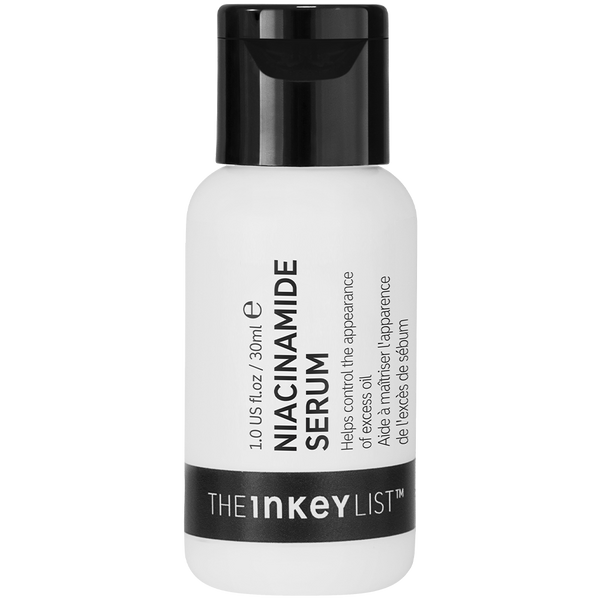
Niacinamide is the all-rounder on this list. It helps visibly even skin tone, calms redness, and supports a stronger, more resilient skin barrier, which makes it genuinely useful for both red and brown marks. Because it’s gentle enough for daily use, it’s often the ingredient we recommend people start with. Read more in Niacinamide for Acne Scars: What It Can (and Can’t) Do or explore the ingredient page at Niacinamide. A straightforward entry point is the Niacinamide Serum, $13.
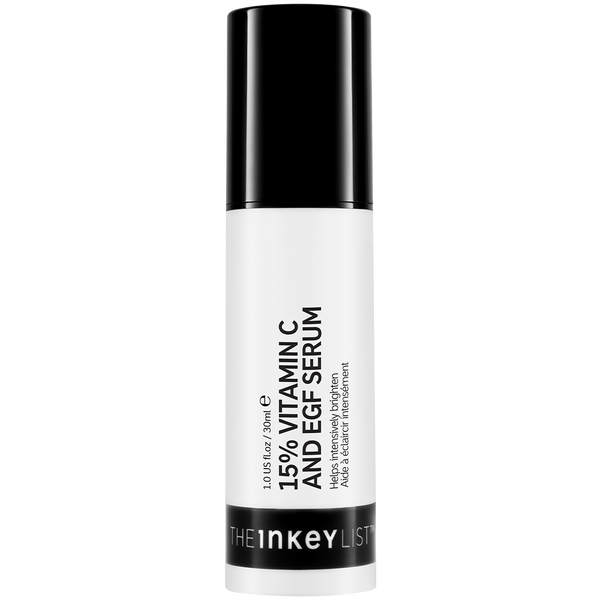
Vitamin C, specifically a formula like 15% Vitamin C + EGF, brightens overall tone, targets dullness, and visibly supports the fading of discoloration over time while supporting skin renewal. It’s one of the most researched brightening actives available, and it pairs especially well with sunscreen since both work toward the same goal of protecting and evening tone. Full detail is available in Vitamin C for Acne Scars: Does It Actually Work? and the Vitamin C ingredient page. The 15% Vitamin C + EGF Serum, $20 is the formula referenced throughout this guide.
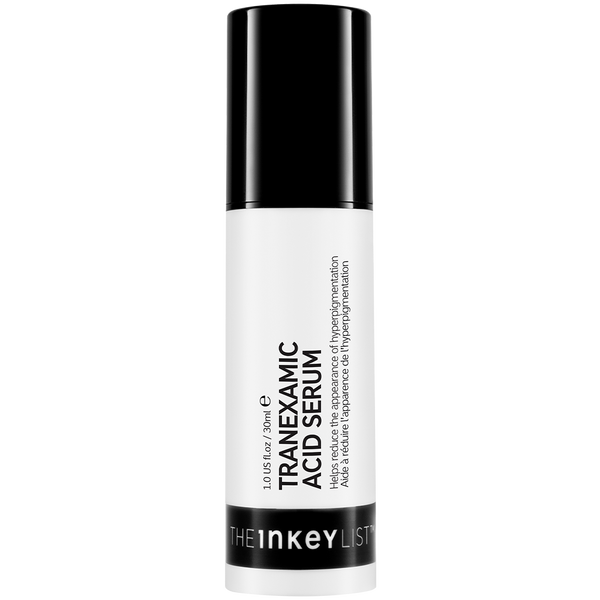
Tranexamic Acid is a more targeted option for stubborn brown discoloration. Rather than simply brightening on the surface, it works to interrupt the pigment-production process at the source, which makes it particularly effective for persistent PIH that hasn’t responded to gentler brightening alone. We cover this in detail in Vitamin C and Tranexamic Acid for Dark Spots, with the ingredient page at Tranexamic Acid and the Tranexamic Acid Serum, $19 as the product to try.
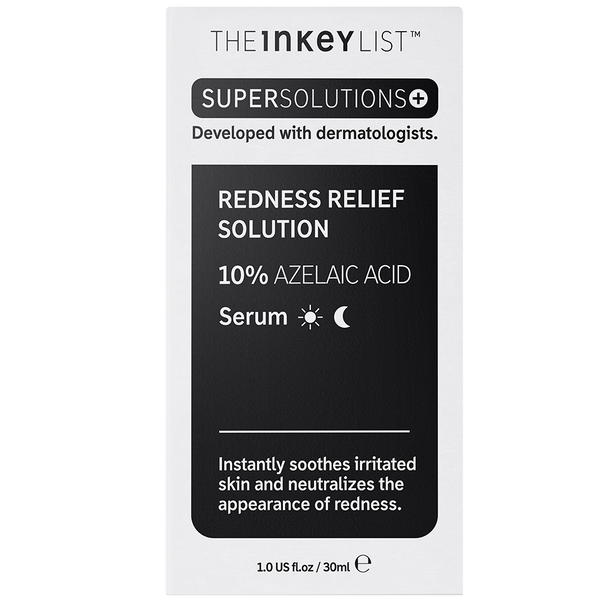
Azelaic Acid, typically used at a 10% concentration, is a genuine multi-tasker: it addresses redness, uneven tone, and post-blemish marks simultaneously, and it does so without the irritation profile of some stronger actives. This makes it a strong option for anyone dealing with both red and brown marks at once, or for those with more reactive skin. See Does Azelaic Acid Help With Acne Scars?, the Azelaic Acid ingredient page, and the 10% Azelaic Acid Serum, $20.
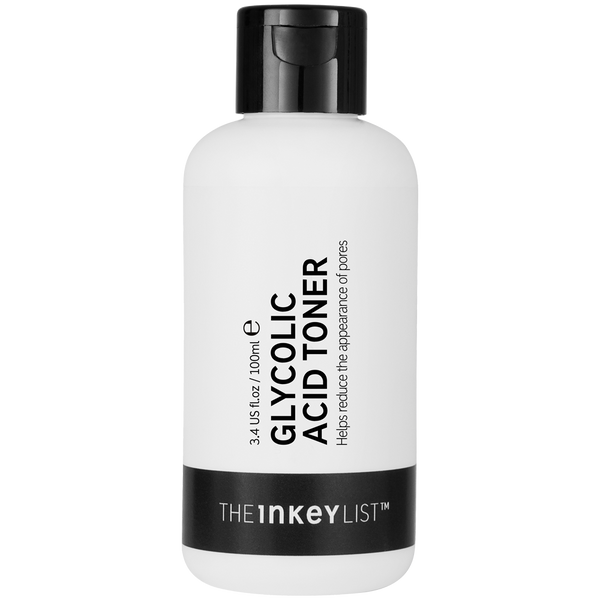
Glycolic Acid and Salicylic Acid work differently but complement each other well. Glycolic acid, generally used as a toner, gently exfoliates the surface layer of skin, which speeds up the natural turnover process and helps faded pigment clear more efficiently. Salicylic acid, often used in a cleanser, goes a step further by penetrating into the pore itself, helping keep pores clear and preventing the kind of inflamed breakouts that cause new marks to form in the first place. Learn more via Salicylic Acid for Acne Scars: Does It Really Work?, Salicylic Acid, and Glycolic Acid. Products referenced: Glycolic Acid Toner, $18 and Salicylic Acid Cleanser, $15.
Here’s a quick-reference summary of which ingredient targets which mark type:
- Best for brown marks (PIH): tranexamic acid, vitamin C, azelaic acid, niacinamide.
- Best for red marks (PIE): niacinamide, azelaic acid (both calm inflammation without over-exfoliating).
- Best for prevention of new marks: salicylic acid (keeps pores clear), glycolic acid (supports turnover).
- Best daily all-rounder: niacinamide, suitable for nearly every skin type and both mark colors.
Understanding what each ingredient does is only useful once you know how to actually layer them together without overwhelming your skin, which is exactly what we’ll map out next.
Your Natural, At-Home AM/PM Routine for Fading Marks
This is where the science becomes a plan you can actually follow starting tonight. The goal isn’t to add every ingredient from the last section into your routine at once. It’s to build a simple, sustainable AM and PM routine that your skin can tolerate long enough to actually see results.
Morning routine:
- Cleanse gently. If you have blemish-prone skin, a Salicylic Acid Cleanser, $15 helps keep pores clear while you cleanse, lowering the odds of new blemishes forming.
- Apply a brightening serum. Choose either vitamin C or niacinamide here, not both in the same routine initially, to keep things simple while your skin adjusts.
- Moisturize. Lock in hydration to support your skin barrier, which makes every other step work more effectively.
- Apply a broad-spectrum sunscreen, daily, without exception. This is general skincare advice rather than a specific product recommendation, but it may be the single most important step in this entire guide. According to the American Academy of Dermatology, consistent sun protection is one of the most effective ways to help marks and scars fade rather than darken and linger.
Evening routine:
- Double cleanse if you wore makeup or sunscreen that day, to make sure actives applied afterward can actually penetrate rather than sitting on top of residue.
- Treat with a targeted active. Alternate between Tranexamic Acid Serum, $19 and 10% Azelaic Acid Serum, $20 on different nights rather than using both simultaneously, to avoid over-exfoliating or over-stimulating the skin.
- Use a glycolic acid toner two to three times per week, not nightly, since this is an exfoliating step and your skin needs recovery time between uses. The Glycolic Acid Toner, $18 fits well here.
- Moisturize to finish, sealing in hydration overnight while your skin does its repair work.
A word of caution worth repeating: don’t combine too many actives at once, especially when you’re just starting out. Introduce one new active at a time, start with three to four nights per week rather than daily, and give your skin one to two weeks to adjust before adding anything else. This single habit prevents the irritation that undoes weeks of progress in a matter of days.
If there’s one step to never skip, it’s sunscreen. UV exposure is what keeps brown marks dark and actively slows down the fading process, which means skipping sunscreen can undo days of consistent active use in a single afternoon outdoors. This isn’t a product recommendation, it’s simply the clearest, most well-documented piece of general skincare advice there is for anyone fading post-blemish marks.
Perhaps the most important mindset shift in this entire guide: results come from eight to twelve weeks of consistent use, not from switching products every seven to ten days because you’re impatient for change. What Causes Acne Scars and How to Prevent Them reinforces why patience and prevention work hand in hand here.
With a routine in place, let’s talk about the daily habits that either accelerate your results or quietly sabotage them, because the products are only half of the equation.
Habits That Help (and Mistakes That Slow Down) Natural Fading
Even the most perfectly built routine can be undermined by a handful of everyday habits. This section is less about what you apply and more about what you do, or don’t do, in between.
Don’t pick or pop blemishes. This is, without exaggeration, the single biggest cause of new textured scarring and prolonged dark marks. Picking forces trauma deeper into the skin than the original blemish would have caused on its own, which triggers a stronger, longer-lasting inflammatory response. If you only change one habit after reading this guide, make it this one.
Treat active blemishes early and gently. Aggressive treatment, harsh scrubbing, or layering too many drying products onto an active breakout increases inflammation rather than resolving it faster, and more inflammation generally means a deeper, longer-lasting mark once the blemish heals. Gentle, consistent care wins over aggressive, inconsistent care every time.
Reapply sunscreen throughout the day if you’re outdoors for extended periods. One morning application doesn’t last all day, especially with sweat, humidity, or direct sun exposure. This is general sun-safety advice, not tied to any specific product, but it directly affects how quickly brown marks fade. The American Academy of Dermatologyspecifically notes that consistent sun protection helps minimize the visibility of healing marks and scars over time.
Be patient with exfoliating acids. Overusing glycolic acid, or layering too many acids at once, causes irritation, and ironically, that irritation can create brand-new red marks on top of the brown ones you’re already trying to fade. More isn’t faster here. Slower and steadier genuinely wins.
Support your skin barrier. Gentle cleansing and consistent moisturizing aren’t optional extras, they’re what allow your active ingredients to actually work as intended and let your skin recover more efficiently between treatments. A compromised barrier means more irritation and slower results, full stop.
The fastest way to slow down fading isn’t the wrong serum, it’s a new breakout.
That one is worth sitting with. Ongoing blemish control isn’t a separate project from fading old marks, it’s part of the same project. Every new inflamed blemish is a potential new mark, which means addressing breakouts at the source is just as important as treating the marks they leave behind. Blemishes & Breakouts is a useful resource if ongoing breakouts are part of your picture, and if your blemishes tend to be deep or cystic, Cystic Acne: What It Is, What Causes It, and How to Treat It explains why those specific breakouts are more likely to leave marks in the first place. For foundational context on breakouts generally, see What is Acne Vulgaris?.
A few more small but meaningful habits worth building in:
- Change pillowcases regularly to reduce the bacteria and oil transfer that can aggravate blemish-prone skin.
- Avoid touching your face throughout the day, since hands transfer oil, bacteria, and friction that can prolong inflammation.
- Resist the urge to “test” new products on active breakouts, since untested actives on inflamed skin can make things worse before they get better.
- Keep a simple routine during flare-ups rather than adding more products, since less is often genuinely more while skin is actively inflamed.
The Bottom Line on Fading Acne Scars Naturally
Fading acne scars and post-blemish marks naturally is genuinely realistic, but it depends on three things working together: the right ingredients for your specific mark type, a consistent routine you actually stick to, and daily sun protection. None of this happens in days. It happens over weeks and months, and that timeline is simply how skin biology works, not a sign that something is wrong or that you’re doing it incorrectly.
Red marks and brown marks are not the same problem, and treating them as if they are is one of the most common reasons people feel stuck. Match your ingredient to your mark type, brightening actives like vitamin C, tranexamic acid, and azelaic acid for brown marks, soothing and barrier-supporting ingredients for red marks, and niacinamide as a reliable daily all-rounder for both, and you give yourself the best possible shot at visible progress.
Our promise in writing this guide was simple from the start: clear guidance, proven ingredients, real results, no overpromising. If you want a central hub to keep coming back to as you build out your routine, Acne Scars: How to Fade Post-Acne Marks is the place to start.
If you’re not sure where to begin, you don’t have to figure it out alone. You can Ask an INKEY Advisor for personalized routine guidance based on your specific mark type and skin. And if you’d rather start small, that’s genuinely the smarter move: pick one gentle, accessible entry point like the Niacinamide Serum, $13, build consistency with it for a few weeks, and layer in a targeted active once your skin has adjusted. Slow and steady isn’t just good advice here, it’s the whole strategy.
Frequently Asked Questions
Got a question?
Our askINKEY team are a friendly bunch of skincare experts with deep product knowledge and zero judgement. Whether you're an ingredient obsessive or just starting out, we'll make it make sense. No question too big. No question too small. We Give A Care, Every Day.


