

Niacinamide for Acne Scars: What It Can (and Can’t) Do
Learn how niacinamide helps fade post-acne marks, reduce redness and strengthen the skin barrier, while understanding why true acne scars require different treatments.
Author
askINKEY skincare advisor
Published
17 July, 2026
Time to read
8 minutes
Niacinamide is one of the most searched skincare ingredients for acne scars right now - and the interest is completely warranted. But whether it actually works for your marks depends entirely on what type of mark you are dealing with. The honest answer is this: niacinamide is genuinely effective for certain kinds of post-acne discoloration, and genuinely limited when it comes to others. Understanding that distinction before you build a routine will save you months of misplaced expectations.
This blog covers the science behind how niacinamide acts on PIH (post-inflammatory hyperpigmentation) and PIE (post-inflammatory erythema), what it structurally cannot do for deeper atrophic scarring, realistic timelines for visible results, how it stacks up against and alongside other active ingredients, and how to build a complete routine around it for faster, more consistent fading.
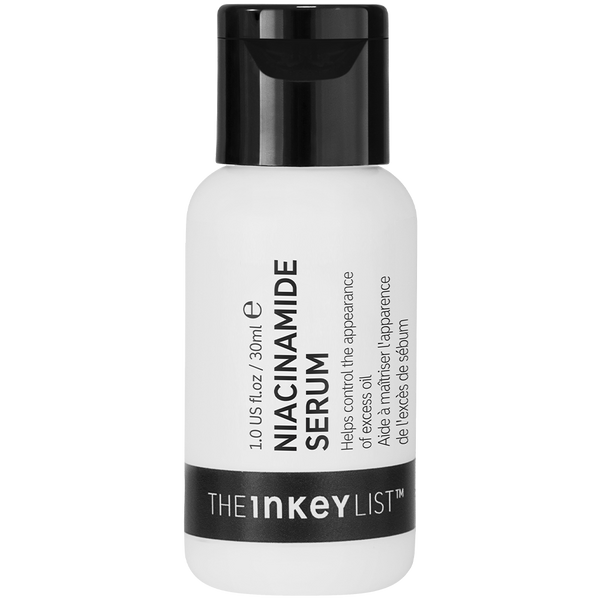
If you are ready to start, our 10% Niacinamide Serum at $13 is the most direct entry point for anyone dealing with acne marks. It delivers a clinically relevant concentration in a lightweight, fragrance-free formula that works for all skin types including sensitive skin. For a broader overview of the ingredient itself, our niacinamide ingredient guide covers the full picture. For a comprehensive breakdown of acne scars as a category, the acne scars pillar page is your reference point.
Now let’s get into what the science actually says.
PIH, PIE, and True Scarring: Know What You Are Treating
Before any ingredient discussion makes sense, you need to understand what is actually sitting on your skin. The term “acne scar” gets used loosely - by consumers, by the media, and even occasionally in product marketing - to describe marks that are, biologically speaking, completely different from one another. Treating them the same way is one of the most common mistakes people make when building a post-acne routine.
There are three distinct categories that fall under the broad label of “acne scars,” and each one responds differently to topical skincare. Getting clear on which category your marks fall into is not just useful background information - it is the entire foundation of choosing the right approach.
Post-Inflammatory Hyperpigmentation (PIH)
PIH is what most people are looking at when they see a flat, dark, brown, or tan mark left behind after a blemish heals. It is not a scar in the structural sense. No collagen has been lost, no tissue has been permanently altered. What has happened is that the inflammatory response triggered by the acne blemish stimulated excess melanin production. Melanin - the pigment that gives skin its color - was overproduced as part of the skin’s healing response, and some of that excess pigment has been deposited unevenly in the upper layers of the skin.
PIH is more common and typically more pronounced in deeper skin tones, because skin with higher baseline melanin content has more melanin-producing machinery to be activated by inflammation. But it can affect any skin tone. The marks are flat - no texture change, no depression in the skin - and they respond meaningfully to the right topical ingredients, including niacinamide.
The key mechanism here is melanin transfer. Melanin is produced in specialized cells called melanocytes, packaged into structures called melanosomes, and then transferred to the surrounding skin cells called keratinocytes - which are the cells that give skin its visible color at the surface. The more melanosomes that get transferred, the darker the mark appears. Interrupting that transfer process is one of the central ways to treat PIH topically, and it is precisely where niacinamide does its most important work.
Post-Inflammatory Erythema (PIE)
PIE is the flat, red or pink mark that gets left behind after a blemish, particularly in lighter skin tones. It is often confused with PIH, but the underlying biology is different. Rather than excess pigment, PIE is caused by damage to or persistent dilation of small blood vessels near the skin’s surface following the inflammatory episode. These damaged capillaries sit close enough to the surface that the redness shows through the skin.
A quick self-test can help distinguish between the two: press a clean fingertip firmly onto the mark for two to three seconds. If the color temporarily goes white before returning to red - this is called blanching - the mark is vascular, meaning PIE. If the color stays unchanged under pressure, it is pigment-based, meaning PIH. Many people have both simultaneously on different areas of the face, or even overlapping on the same mark.
Like PIH, PIE involves no structural damage to the skin. The texture is flat. The dermis is intact. It responds to topical skincare, though via different mechanisms - specifically, ingredients that reduce inflammation and support vascular recovery.
True Atrophic Scarring
This is the category where topical skincare - including niacinamide, at any concentration - hits a hard ceiling. Atrophic scarring refers to the three classical forms of structural acne scars: ice-pick scars, which are narrow and deep; boxcar scars, which are broader with defined edges; and rolling scars, which create a wave-like, undulating appearance across the skin’s surface. All three involve an actual loss of collagen within the dermis - the deeper layer of the skin beneath the epidermis.
When collagen is lost, the skin literally collapses inward at that point. You can feel it. Run a finger across the area and there is a depression, a dip, a textural irregularity that is physically distinct from the surrounding skin. No topical product applied to the surface of the skin can rebuild lost collagen in the dermis and restore normal skin architecture. Procedures like microneedling, fractional laser, subcision, and dermal fillers are the tools that address this category - not serums.
For a full breakdown of what these structural scars look like and how they are treated, the acne scars pillar page and our guide to getting rid of acne scars naturally are worth bookmarking.
The most important takeaway from this section: The majority of people who believe they have acne scars are actually dealing with PIH or PIE. Both are flat. Both have no texture change. Both respond to topical skincare. Identifying this correctly is the difference between a routine that works and months of frustration.
Once you know which type of mark you are dealing with, the case for niacinamide becomes much clearer - and so do its limits. The next section explains exactly how it works at the molecular level.
The Science Behind Niacinamide’s Effect on Acne Marks
Niacinamide - also known as nicotinamide, a form of vitamin B3 - is one of the most extensively researched cosmetic actives in modern dermatology. Its application to post-acne discoloration is not based on marketing claims. It is built on a solid and growing body of peer-reviewed research that covers multiple mechanisms of action, each of which is relevant to how it addresses the marks left behind by acne.
Inhibiting Melanin Transfer at the Source
The primary mechanism by which niacinamide reduces PIH is the inhibition of melanosome transfer. As discussed in the previous section, melanosomes are the pigment-containing packages produced by melanocytes that get transferred to keratinocytes, where they create visible color at the skin’s surface. Niacinamide interrupts this transfer step. It does not stop melanin synthesis entirely - it does not bleach or depigment the skin - but it reduces how efficiently the pigment is handed off to the surface cells that make it visible.
The result is that, with consistent daily use, less pigment reaches the surface, and existing dark marks begin to fade as the skin naturally cycles through cell turnover. This mechanism has been confirmed in a 2024 study published in MDPI, which examined niacinamide’s role in melanin dynamics and its downstream effects on skin tone evenness.
Upstream Anti-Inflammatory Action
Niacinamide also works at an earlier stage in the process - before PIH even fully forms. By calming the inflammatory response through inhibition of the NF-kB signaling pathway, niacinamide reduces the intensity and duration of the inflammation that triggers excess melanin production in the first place. Less inflammation means less melanin-stimulating signal, which means shallower, shorter-lasting marks.
This upstream effect is particularly relevant for anyone who still has active acne alongside existing marks. Using niacinamide consistently during active breakouts is not just acceptable - it is one of the smartest things you can do, because it simultaneously calms current inflammation and works on existing marks at the surface level. A 2024 systematic review on PubMed confirmed niacinamide’s role in reducing post-inflammatory hyperpigmentation through its anti-inflammatory properties, alongside its surface-level pigment transfer inhibition.
PIE Calming Through Vascular and Inflammatory Modulation
For PIE specifically, niacinamide’s anti-inflammatory properties are similarly relevant. Persistent redness in PIE is sustained by ongoing low-grade inflammation around the damaged capillaries. By dampening the NF-kB-driven inflammatory cascade, niacinamide helps reduce the vascular reactivity that keeps PIE marks visible. It does not repair blood vessel structure directly, but reducing the inflammatory environment around those vessels allows them to recover more normally over time.
This is why PIE tends to respond faster to niacinamide than deep PIH does - within four to six weeks in many cases versus the eight to twelve weeks typically needed for meaningful PIH fading. The biology is less entrenched, and the inflammatory driver is more directly addressed by niacinamide’s mechanism.
Barrier Strengthening and Prevention
One often-overlooked benefit of regular niacinamide use is its effect on the skin barrier. Niacinamide is a well-established booster of ceramide synthesis - ceramides being the lipid molecules that hold the skin barrier together and regulate moisture loss. A stronger, more intact skin barrier means the skin is less reactive overall. Less reactivity means a reduced inflammatory response to future breakouts, which in turn means shallower, less persistent PIH and PIE marks from future acne.
This makes niacinamide not just a treatment for existing marks, but a preventive measure against future ones. Applied consistently, it creates a compounding benefit that goes beyond fading what is already there.
The Sunscreen Amplification Effect
Perhaps the most actionable finding from recent research is the synergy between niacinamide and daily SPF use. A 2025 study published in Springer Nature found that a formulation combining niacinamide with broad-spectrum sun protection provided significantly enhanced PIH prevention compared to either factor alone - particularly in skin of color. UV exposure is one of the primary drivers of PIH darkening and persistence. Every unprotected minute of sun exposure can deepen an existing PIH mark and prolong its lifespan significantly. This is not a minor modifier - it is arguably the single biggest variable in whether your niacinamide routine works or stalls.
For a complete overview of what niacinamide does across all its applications beyond acne marks, visit the niacinamide pillar page. And if you are dealing with active acne alongside your marks, our blog on whether niacinamide helps with acne covers that angle in depth.
The science is clear: niacinamide earns its place in any post-acne routine. But before you buy in completely, there are a few hard truths about what it simply cannot do.
What Niacinamide Cannot Do: Setting Honest Expectations
Niacinamide is a genuinely effective ingredient - but it is not a miracle. Part of what makes a skincare routine actually work is building it on accurate expectations, not optimistic ones. Here is where the honest conversation needs to happen.
It Will Not Fix Structural Atrophic Scarring
This is the clearest and most important limitation. If you have ice-pick, boxcar, or rolling scars - marks that involve an actual depression in the skin surface - niacinamide cannot help you. No topical ingredient can. The collagen that was lost during the scarring process cannot be rebuilt by anything you apply to the surface of the skin. It simply does not penetrate deeply enough, and even if it did, the biology of collagen regeneration in true atrophic scarring requires mechanical or energy-based stimulation at the dermal level.
If you are unsure whether your marks are flat or textured, try this: look at your skin in raking light - light that comes from the side, not overhead. Raking light will throw any surface texture into relief, making depressions visible that might not be apparent in standard lighting. If you see pits or dips, those are structural. For guidance on addressing structural scars, visit the acne scars pillar page. Retinol can offer mild collagen stimulation over time and is worth adding to your PM routine - our blog on retinol for scarring and post-acne marks explains what to realistically expect from it.
It Will Not Erase Deep PIH Overnight
Even for the marks niacinamide genuinely works on, patience is not optional. Deep, long-standing PIH - marks that have been present for more than six months, or that formed after particularly severe or cystic blemishes - requires sustained, consistent application over three to six months before significant fading is visible. Niacinamide applied sporadically or for only a few weeks will not deliver meaningful results. Concentration matters less than consistency.
It Is Not a Spot Treatment
This is a common misuse of niacinamide. It is not formulated or intended to be dabbed onto individual marks and left. It works best as a full-face treatment applied twice daily, as part of a routine. The cumulative effect of twice-daily application across the entire face - calming inflammation, inhibiting melanin transfer, reinforcing the barrier - is what drives results. Spot application will not concentrate the benefit; it will simply reduce the coverage.
It Cannot Compensate for UV Exposure
If you apply niacinamide every morning and skip sunscreen, you are partially undermining your own routine. UV light is a direct driver of melanin production. Every day your PIH-affected skin is exposed to UV without protection, the melanin transfer that niacinamide is working to reduce gets re-stimulated from the top down. Daily SPF 30+ broad-spectrum protection is not optional in a PIH routine - it is load-bearing. Niacinamide and sunscreen are partners, not alternatives.
The flat-versus-texture test sums it up: If a mark is flat and purely a color change - even a dark or persistent one - niacinamide can help. If there is a physical dip or texture irregularity in the skin at that location, it is structural, and topical skincare will not resolve it regardless of which ingredients you use.
With the scope of niacinamide clearly defined, the next natural question is: how long will it actually take to see results?
How Long Does Niacinamide Take to Work on Acne Marks?
One of the most frequently asked questions about niacinamide - and one of the most common sources of frustration for people who give up too early - is timing. The answer is not one-size-fits-all, because multiple variables interact to determine how quickly your marks respond. But the general timelines are well-established and give you a clear benchmark to work from.
PIE Responds Faster Than PIH
For red and pink marks driven by post-inflammatory erythema, visible calming typically begins within four to six weeks of consistent twice-daily use. This is because the inflammatory vascular process that sustains PIE is more directly addressed by niacinamide’s anti-inflammatory action, and the redness can calm as the inflammatory environment settles.
For PIH - the brown and dark flat marks - the timeline is longer. Visible improvement typically starts at eight to twelve weeks of consistent daily use, because fading pigment requires the skin to cycle through cell turnover and shed the pigmented keratinocytes that are sitting at the surface. That process takes time, even with niacinamide actively reducing new pigment transfer throughout.
For older or deeper PIH marks - those that have been present for more than three to six months, or that resulted from severe acne - meaningful fading may take three to six months of sustained use. These marks have pigment deposited more deeply within the epidermis, and reaching them through cell turnover takes longer.
A Realistic Week-by-Week Milestone Map
Understanding what to look for at each stage helps you stay consistent and recognize that early subtle changes are signs the routine is working - even when results are not yet dramatic.
- Weeks 1 to 2: Overall skin tone begins to calm. Early redness reduction may be noticeable for PIE marks. No dramatic changes yet - this is the foundation phase.
- Weeks 4 to 6: Visible PIE calming for most users. Early fading in newer, shallow PIH may become noticeable. Skin tone appears more even overall.
- Weeks 8 to 12: Measurable PIH fading. The most visible results window for the majority of users with recent marks. Skin tone continues to improve.
- Months 3 to 6: Significant fading of deeper or older PIH marks. This is the phase where the compounding benefits of consistent use become most apparent.
The Variables That Influence Your Timeline
Individual results vary based on several factors. Skin tone plays a role - darker skin tones often produce more pronounced PIH and may take longer for full fading. The age of the mark matters: older marks have more entrenched pigment. The depth and severity of the original blemish affects how much pigment was deposited. SPF consistency - as covered above - is arguably the single biggest modifier. And the presence of companion ingredients like tranexamic acid, vitamin C, and retinol can meaningfully accelerate results.
Concentration versus consistency: A 10% niacinamide applied twice daily every day will outperform a 20% niacinamide applied three times a week. The cumulative daily dose matters more than peak concentration in any single application. Our guide to how and when to use niacinamide covers application timing and layering in more detail.
The Best INKEY List Products with Niacinamide for Acne Marks
Knowing the science is only useful if you can translate it into a routine. Here are the core products to know, each serving a distinct role in addressing acne marks at different steps of your regimen.
Our 10% Niacinamide Serum - $13
The 10% Niacinamide Serum is the foundation of any niacinamide routine for acne marks. It delivers a clinically relevant 10% concentration of niacinamide alongside 1% hyaluronic acid for hydration support. The formula is lightweight, fast-absorbing, fragrance-free, and formulated for all skin types - including sensitive skin. Apply it morning and evening after cleansing, before moisturizer. At $13, it is one of the most accessible entry points to a clinically backed active ingredient in the market.
This is the product to reach for first if you are new to niacinamide, dealing with PIH or PIE from recent breakouts, or looking to simplify your routine to its most essential components.
Our Omega Water Cream - $15
The Omega Water Cream serves as both a moisturizer and a secondary niacinamide delivery step. It contains 5% niacinamide alongside a ceramide complex (supplying omegas 3, 6, and 9) and 5% glycerin. In consumer testing, 95% of users agreed that skin tone looked more even after 28 days of use. The ceramide complex is particularly relevant for acne-prone skin, where barrier disruption is common and often worsens both breakouts and post-acne marks. A stronger barrier means less inflammatory reactivity and shallower future marks.
Applied after the serum step at both AM and PM, it layers a second dose of niacinamide into the routine while simultaneously locking in moisture and supporting barrier recovery.
Our 360 Acne Clearing Serum - $18
For anyone still experiencing active breakouts alongside existing marks, the 360 Acne Clearing Serum addresses both simultaneously. It combines 1% dioic acid, 2% salicylic acid, and 0.4% Dendriclear - targeting the active acne cycle while supporting clearer skin overall. Salicylic acid exfoliates within the pore to reduce congestion and new breakouts, while dioic acid has dual action on both acne and pigmentation. This is the treatment step for skin that is actively breaking out, not yet in the maintenance phase.
For the full range of products targeting blemishes and post-acne marks, explore the blemish and scars collection.
Niacinamide vs Other Ingredients: What to Pair and Why
Niacinamide works well in combination with several other active ingredients, each of which brings a different mechanism to the routine. Understanding how they complement rather than duplicate each other is what allows you to build a routine that fades marks faster than niacinamide alone.
Niacinamide and Tranexamic Acid: The Most Powerful PIH Pairing
If there is one pairing that stands out as the most impactful for PIH specifically, it is niacinamide with tranexamic acid. While niacinamide inhibits the transfer of melanosomes from melanocytes to keratinocytes, tranexamic acid works upstream - it disrupts the interaction between keratinocytes and melanocytes that stimulates melanin production in response to UV and inflammation. Together, they block PIH at two different points in the process: one at production stimulation, one at pigment transfer. The result is a compounding effect that works faster than either alone.
Our Tranexamic Acid Serum is $19 and applies cleanly in the AM routine before niacinamide. Visit the tranexamic acid ingredient page for a full breakdown of how it works.
Is Niacinamide or Vitamin C Better for Acne Scars?
Neither is universally better - and framing it as a competition misses the point. They address PIH via different mechanisms and work best as a team in the morning routine.
Niacinamide inhibits the transfer of melanosomes after they have been produced. Vitamin C inhibits the enzyme tyrosinase, which is upstream in the melanin synthesis process itself. Vitamin C also provides antioxidant protection against UV-induced oxidative stress, which is one of the drivers of PIH persistence. Applied together in the AM routine, you are targeting PIH from two different angles simultaneously.
A note on the persistent myth that niacinamide and vitamin C cannot be used together: this concern stems from outdated in-vitro research suggesting that the two ingredients could react to form nicotinic acid, a byproduct theoretically capable of causing flushing. Modern formulation science and multiple clinical reviews have established that this reaction does not occur meaningfully under normal skincare application conditions. The two ingredients can be used together safely.
Our 15% Vitamin C + EGF Serum is $20 and is best applied in the AM routine. Visit the vitamin C ingredient page for more detail.
Retinol vs Niacinamide for Acne Scars: Use Both
The comparison between retinol and niacinamide for acne scars is a false choice. They are complementary tools that work on different timelines and through different mechanisms.
Retinol accelerates cell turnover - it speeds up the rate at which pigmented surface cells are shed and replaced with fresh, unpigmented cells from below. This means the dark marks sitting in your epidermis get cleared away faster. Retinol also has mild collagen-stimulating properties over time, which offers some benefit for shallow textural scarring - though not for deep atrophic scars. Niacinamide, used alongside retinol, interrupts new pigment transfer while retinol clears existing pigment faster. Together they are significantly more effective than either alone.
The practical note for your PM routine: apply niacinamide before retinol. Niacinamide acts as a buffer that can help reduce the irritation retinol sometimes causes, particularly in the early weeks of use. Our retinol for scarring and post-acne marks blog goes deep on what retinol can and cannot do in the context of post-acne skin.
SPF 30+ Daily: The Non-Negotiable Ingredient
Daily broad-spectrum SPF 30+ is not a companion to your niacinamide routine - it is a core part of it. As the 2025 Springer Nature study confirmed, niacinamide and sunscreen together provide significantly enhanced PIH prevention compared to niacinamide alone. UV exposure deepens existing PIH and prolongs how long it takes to fade. Apply a broad-spectrum SPF 30 or higher every single morning - including cloudy days, and indoor days where you spend time near windows.
For more context on how individual ingredients compare for post-acne discoloration, our blogs on azelaic acid for acne scars and salicylic acid for acne scars are worth reading alongside this one.
Building Your Routine: Step-by-Step Guidance, Expert Tips, and FAQs
Knowing which ingredients to use is only part of the equation. How you layer them, when you apply them, and how consistently you maintain the routine are what determine whether your marks actually fade.
Foundation Routine for Acne Marks (AM)
This is the starting point - a simple, focused routine that anyone can follow regardless of where they are in their skincare journey.
- Cleanse - Use the Salicylic Acid Cleanser for acne-prone skin, or the Glycerin Gentle Purifying Cleanser for sensitive or drier skin types.
- Treat - Apply our 10% Niacinamide Serum ($13) to the full face.
- Moisturize - Apply our Omega Water Cream ($15).
- Protect - Apply a broad-spectrum SPF 30+ sunscreen. Every morning. No exceptions.
Foundation Routine for Acne Marks (PM)
- Cleanse
- Treat - Apply our 10% Niacinamide Serum ($13) to the full face.
- Moisturize - Apply our Omega Water Cream ($15).
Full Routine for Faster Results (AM)
For those ready to accelerate fading by combining multiple complementary actives:
- Cleanse
- Treat - Apply our Tranexamic Acid Serum ($19).
- Brighten - Apply our 15% Vitamin C + EGF Serum ($20).
- Balance - Apply our 10% Niacinamide Serum ($13).
- Moisturize - Apply our Omega Water Cream ($15).
- Protect - Apply a broad-spectrum SPF 30+ sunscreen.
Full Routine for Faster Results (PM)
- Cleanse
- Treat - Apply our Tranexamic Acid Serum ($19).
- Renew (alternate nights) - Apply Retinol Serum on alternating evenings, building frequency gradually.
- Balance - Apply our 10% Niacinamide Serum ($13) before retinol as a buffer to reduce potential irritation.
- Moisturize - Apply our Omega Water Cream ($15).
Expert Tips That Make the Difference
- Do not stop using niacinamide when a breakout appears. This is the exact moment it matters most - calming the inflammation that will otherwise create your next mark.
- Apply niacinamide before retinol in your PM routine to buffer potential irritation, particularly in the early weeks of introducing retinol.
- Apply each serum step separately rather than mixing them in your palm before application. Layering them individually ensures each ingredient has proper contact with the skin before the next is applied.
- SPF is non-negotiable - every single morning. Cloudy days, indoor days near windows, short commutes. UV is omnipresent at a level that affects PIH even when you cannot feel it.
- Give the routine a full eight weeks before evaluating results. Two weeks is not enough data. Four weeks is early. Eight weeks is the minimum meaningful assessment point.
- Use a hydrocolloid pimple patch on any active blemish with a visible head - it absorbs fluid, protects the area from being picked, and significantly reduces the inflammatory response that causes PIH. Preventing the mark is always faster than fading it.
For more guidance on timing and layering, visit our how and when to use niacinamide blog. If you want a personalized read on your breakout type, try our Breakout Analyzer Pro.
The Verdict on Niacinamide for Acne Scars
Here is the honest summary. Niacinamide works - clearly, consistently, and across all skin types - for the two most common types of post-acne marks: PIH and PIE. It does not work for structural atrophic scarring, and no topical product does. For anyone dealing with flat, discolored marks left behind by acne, niacinamide is one of the most accessible, well-tolerated, and clinically validated tools available.
The formula for results is straightforward: start with our 10% Niacinamide Serum at $13, apply it twice daily without skipping, add a broad-spectrum SPF 30+ every morning, and commit to a minimum of eight weeks before drawing conclusions. If you want to accelerate fading, add tranexamic acid in the morning routine and consider alternating retinol in the PM. The routine is not complicated - but the consistency is everything.
Skincare works when you work it. Give niacinamide the conditions it needs, and the science is on your side.
Shop the 10% Niacinamide Serum - $13
Shop the Full Acne Scars Collection
Frequently Asked Questions
Got a question?
Our askINKEY team are a friendly bunch of skincare experts with deep product knowledge and zero judgement. Whether you're an ingredient obsessive or just starting out, we'll make it make sense. No question too big. No question too small. We Give A Care, Every Day.


