

Retinol for Scarring and Post-Acne Marks: The Complete Guide to Clearer Skin
Your complete, science-backed guide to fading post-acne marks and scarring with retinol — realistic timelines, product picks, and a full AM/PM routine.
Author
askINKEY skincare advisor
Published
14 September, 2022
Time to read
15 minutes
Does retinol help with acne scars? The short answer is yes, with some important nuance. Retinol is one of the most thoroughly researched ingredients for fading post-acne marks, and it works on multiple fronts at once: it speeds up the shedding of pigmented skin cells, calms the lingering redness left behind by breakouts, and stimulates the collagen production that gradually improves shallow textural scarring. What it cannot do is completely erase deep, structural scars, and any guide that tells you otherwise is not being honest with you.
That distinction matters, because “acne scars” is a catch-all phrase that covers at least three very different things: dark spots, red marks, and true indented scars. Each one responds to retinol differently, on a different timeline, and with a different ceiling on results. Understanding which type you have is the single most useful thing you can do before spending a cent on skincare, and it is exactly where this guide begins.
If you are researching how to fade acne scars, here is what you will discover in the next ten minutes:
- How to identify your specific mark type: post-inflammatory hyperpigmentation, post-inflammatory erythema, or atrophic scarring
- The four mechanisms retinol uses to fade marks and improve scarring, backed by clinical evidence
- Which retinol product to start with, and when to consider stepping up in strength
- The safe application protocol that keeps side effects manageable
- A complete morning and evening routine built around verified US products and prices
- Realistic, month-by-month expectations, plus answers to the most-searched questions
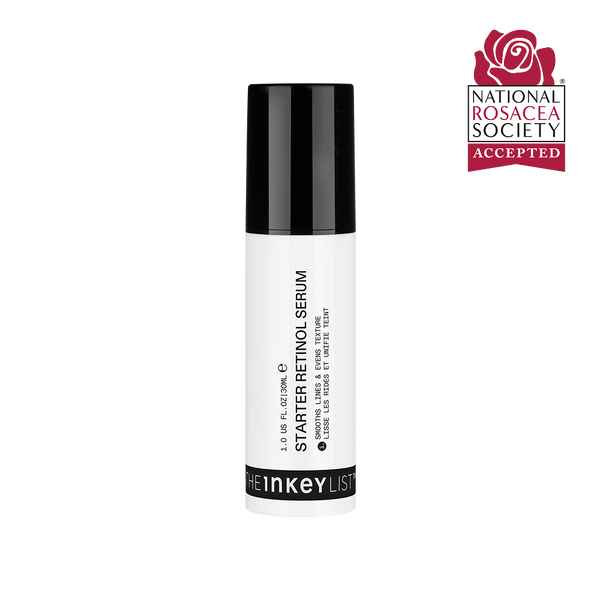
Our recommended starting point throughout this guide is the Starter Retinol Serum ($15.00 for 30ml), a gentle, slow-release formula built specifically so beginners can stay consistent without the irritation that derails most retinol journeys. For those with more experience, a stronger step-up exists in the Advanced 0.2% Retinal Serum, and we will cover exactly when that upgrade makes sense.
Before you choose any product, though, you need to know what you are actually treating. Let’s start there.
Understanding Your Post-Acne Marks: PIE, PIH, and True Scars
Here is a frustration almost everyone with post-acne marks shares: you follow the advice, buy the products, wait the recommended weeks, and see nothing. In many cases, the problem is not the product. It is that the advice was written for a different type of mark than the one on your face.
Post-acne marks fall into three broad categories, and identifying yours takes about two minutes. If you want the full deep dive after this section, our complete acne scars guide covers every mark type in detail, but the essentials below are enough to get you correctly matched to a treatment plan.
Post-Inflammatory Hyperpigmentation: The Brown and Dark Marks
Post inflammatory hyperpigmentation (PIH) shows up as flat brown, dark brown, or almost black marks where a breakout used to be. When your skin experiences inflammation, specialized pigment-producing cells called melanocytes go into overdrive, depositing excess melanin at the site of the injury. The breakout heals, but the pigment stays behind like a stain.
PIH is dramatically more common in medium to deep skin tones, where melanocytes are naturally more reactive. Research indicates that PIH affects up to 65% of individuals with darker skin tones who experience acne, which is why so much generic acne-scar advice, written with lighter skin in mind, misses the mark for a huge portion of people dealing with this. If you have a medium to deep complexion and your marks are brown or dark, PIH is almost certainly what you are looking at. For a broader understanding of how pigment behaves in skin, our hyperpigmentation pillar page is worth bookmarking.
The good news: PIH is one of the mark types retinol handles best. The catch: it is also the slowest to fade, and it is the most vulnerable to being re-darkened by sun exposure. Hold that thought, because it shapes everything about the routine we build later.
Post-Inflammatory Erythema: The Pink and Red Marks
Post inflammatory erythema (PIE) is the pink-to-red cousin of PIH. Instead of excess pigment, PIE is caused by dilated or damaged capillaries, the tiny blood vessels near the skin’s surface that expanded during inflammation and have not yet returned to normal. PIE is more common in lighter skin tones, where the redness of blood vessels shows through more visibly.
PIE tends to respond faster than PIH because you are waiting for blood vessels to recover rather than waiting for pigment to be shed through multiple cycles of skin renewal. It is also less affected by sun exposure in terms of the mark itself, though UV damage slows overall skin healing, so sunscreen still matters enormously.
PIE vs PIH: The Two-Second Glass Test
Not sure which one you have? There is a genuinely simple diagnostic you can do at home right now.
The glass test: press a piece of clear glass (a drinking glass works fine) gently against the mark. If the mark fades or disappears under pressure, it is PIE - the pressure temporarily pushes blood out of the dilated capillaries. If the mark stays visible under pressure, it is PIH - pigment does not move, no matter how hard you press.
Many people have a mix of both, especially if breakouts have occurred over months or years. That is completely normal, and the routine later in this guide addresses both simultaneously. If you want to go deeper on identification, our guide on what type of hyperpigmentation you have walks through every variant, including melasma and sun spots.
Atrophic Scars: When Tissue Is Actually Missing
The third category is fundamentally different. Atrophic scars are true scars: indentations in the skin where the inflammation from a breakout destroyed collagen and the tissue never fully rebuilt. Dermatologists classify them into three shapes:
- Ice pick scars: narrow, deep pits that look like the skin was punctured
- Boxcar scars: wider depressions with sharply defined edges
- Rolling scars: broad, shallow depressions with soft edges that create a wave-like texture
This is where honesty matters. Topical retinol can meaningfully improve shallow atrophic scars over time by stimulating new collagen, and the clinical evidence for this is solid. But no over-the-counter product will fully erase deep ice pick or boxcar scarring. Those typically require professional treatments like microneedling, laser resurfacing, or subcision, ideally layered on top of a consistent retinol routine rather than instead of one. Setting that expectation now saves you six months of disappointment later.
One US-Specific Factor: Your Climate Changes the Equation
Where you live in the United States genuinely affects how your marks behave and how your skin tolerates treatment. If you are in the Southwest, Florida, or anywhere with intense year-round UV, unprotected sun exposure will actively darken PIH and can undo weeks of progress in a single weekend outdoors. If you are in the Midwest, Northeast, or mountain states, dry winter air increases skin sensitivity, which means retinol needs a gentler introduction during colder months. And if you are in the humid Gulf or Southeast, your skin generally tolerates actives well in summer, but heavy creams can contribute to congestion, so texture choices matter.
We will return to these regional adjustments in the application section. And since every one of these marks starts with a breakout, it is worth understanding how acne itself develops so you can prevent the next generation of marks while fading the current ones.
Now that you can name what is on your skin, let’s look at exactly what retinol does to each mark type, because the science here is genuinely impressive.
How Retinol Transforms Post-Acne Marks: The Complete Science
Retinol’s reputation is not marketing momentum. It is one of the few skincare ingredients with decades of peer-reviewed research behind it, and its effectiveness against post-acne marks comes from the fact that it does not just do one thing. It works through four distinct, simultaneous mechanisms, which is why retinol for acne scars remains a first-line recommendation from dermatologists. According to the Cleveland Clinic, retinol is among the most studied and most effective over-the-counter ingredients for skin renewal and discoloration.
Here is what is actually happening beneath the surface.
Mechanism 1 - Accelerated cell turnover. Your skin naturally replaces itself in a cycle of roughly 28 days, and that cycle slows as you age. Retinol compresses it to approximately 14 to 21 days. For PIH, this is transformative: the pigmented cells sitting in your skin get pushed to the surface and shed significantly faster, replaced by fresh, evenly pigmented cells from below. Think of it as putting the fade on fast-forward. Clinical research reflects this directly, with studies showing PIH reductions of 40 to 60% within 12 to 24 weeks of consistent retinoid use. Peer-reviewed researchsupports topical retinoids as a first-line treatment for post-inflammatory pigmentation for exactly this reason.
Mechanism 2 - Anti-inflammatory action. Retinol calms the low-grade inflammation that keeps PIE’s capillaries dilated and reactive. It also dampens the inflammatory cascade triggered by new breakouts, which means future blemishes are less likely to leave marks in the first place. This dual action - treating existing redness while preventing new marks - is something few single ingredients can claim.
Mechanism 3 - Collagen stimulation. This is the mechanism that matters most for atrophic scarring. Retinol activates fibroblasts, the cells responsible for manufacturing collagen, and research shows sustained retinoid use can increase collagen production by up to 80% over time. New collagen gradually fills in shallow rolling and boxcar scars from beneath, softening their edges and reducing the shadows they cast. This is slow, structural work measured in months rather than weeks, but it is real, cumulative improvement.
Mechanism 4 - Melanin regulation. Beyond shedding existing pigment faster, retinol normalizes melanocyte behavior going forward. It essentially recalibrates the overreactive pigment response so that minor inflammation - a small breakout, an ingrown hair, a scratch - stops triggering a disproportionate flood of melanin. This is why retinol for dark spots works as both treatment and prevention: it addresses the marks you have and reduces the intensity of the marks you would otherwise develop.
How Long Does Retinol Take to Work on Acne Scars?
This is the question everyone asks, and it deserves a plain answer rather than vague optimism. Based on the mechanisms above and the clinical literature, here is the realistic sequence:
- Texture improvements: 4 to 6 weeks. Smoother, more refined skin surface as accelerated turnover kicks in. This is your first proof the retinol is working.
- PIE fading: 6 to 8 weeks. Red and pink marks begin softening as inflammation calms and vessels recover.
- PIH lightening: 8 to 12 weeks. Brown and dark marks visibly fade as pigmented cells are shed and melanin production normalizes.
- Deeper structural improvement: 3 to 6 months. Shallow atrophic scars gradually soften as new collagen accumulates.
Notice the pattern: the deeper the mechanism, the longer the timeline. Turnover happens at the surface and shows results first. Collagen remodeling happens in the dermis and shows results last. This is not a flaw in the ingredient - it is simply how skin biology works, and understanding it is what separates people who see results from people who quit at week five, right before the visible payoff begins.
If you want to understand retinol’s effectiveness across other skin concerns beyond scarring, our pillar guide covers the full picture. For now, the science is settled enough to move to the practical question: which retinol should you actually put on your face?
INKEY’s Retinol Range: Your Starting Point for Treating Acne Scars
Walk into any store and the retinol aisle is a wall of percentages, formats, and prices ranging from $10 to $300. Here is the truth that the premium end of that aisle does not want you to hear: for post-acne marks, the best retinol for acne scars is not the strongest one or the most expensive one. It is the one you can use consistently for six months without your skin forcing you to stop.
That principle shapes everything about how we formulate, and it is why our recommendation starts gentle.
The Hero: Starter Retinol Serum ($15.00 / 30ml)
The Starter Retinol Serum is built around a slow-release Dual-Retinoid complex. The key technology is encapsulation: the retinol is wrapped in a delivery system that releases it gradually into the skin rather than dumping it all at once. This encapsulated retinol is proven 2x more effective than standard retinol, precisely because slow delivery means more of the active reaches where it needs to work instead of triggering surface irritation. The formula is balanced with 0.2% Symrelief 100, a soothing complex that supports your skin barrier while the retinoid does its job.
The clinical results tell the story:
- Smooths fine lines in 7 days in clinical testing
- 95% of users experienced no irritation or redness during the study period
- Over 80% saw firmer, more even-looking skin within two weeks
Based on independent clinical and consumer studies conducted on the Starter Retinol Serum formula.
That 95% no-irritation figure is the one to pay attention to if you are treating post-acne marks. Remember the timelines from the science section: PIH takes 8 to 12 weeks to fade, and structural improvement takes 3 to 6 months. A retinol that irritates you into quitting at week three delivers exactly zero of those results. A gentle formula you apply consistently for six months delivers all of them. In the mathematics of skincare, consistency multiplied by time beats potency abandoned after a week of flaking, every single time.
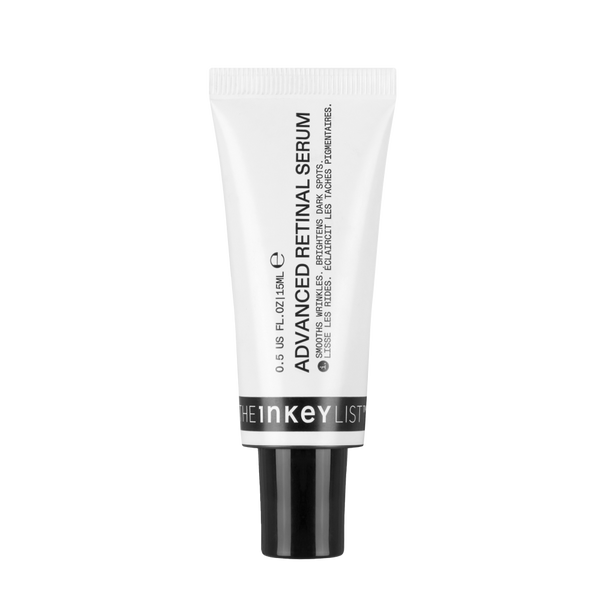
When You’re Ready to Step Up: Advanced 0.2% Retinal Serum ($22.00)
Once you have used the Starter Retinol Serum consistently for 3 to 6 months and your skin has fully adapted - no flaking, no sensitivity, results plateauing - you have earned the option to progress. The Advanced 0.2% Retinal Serumuses retinaldehyde, a form of vitamin A that sits one conversion step closer to the active retinoic acid your skin actually uses, which means it works up to 11x faster than standard retinol.
The short version of the retinol vs retinal distinction: retinal is more potent and faster-acting, while retinol is gentler and better for building tolerance, and neither is “better” in the abstract - they suit different stages of your skin’s journey. If you want the full comparison, our dedicated Retinol vs Retinal guide breaks it down properly, so we will not repeat it here.
The progression logic for post-acne marks looks like this:
- Months 1-6: Starter Retinol Serum, building tolerance and fading the first waves of PIE and PIH
- Month 6 onward (optional): Advanced 0.2% Retinal Serum for stubborn residual PIH and continued collagen work on textural scarring
- If deep scarring persists: a dermatologist conversation about prescription retinoids or in-office procedures
You do not need to rush through this ladder. Plenty of people get everything they need from the Starter Retinol Serum and never move on, and that is a perfectly complete outcome.
The Value Reality Check
A $15.00 entry point is not an accident. Effective retinoid treatment for post-acne marks is a months-long commitment, and pricing that turns consistency into a financial strain works against the very thing that makes retinol effective. Clinical formulation and affordability are not opposites - that belief is just what happens when marketing budgets get priced into serums. Every product mentioned in this guide sits in the same philosophy, and you can browse the full acne scars collection to see the complete toolkit.
Choosing the right product is half the battle. The other half - the half where most retinol journeys actually fail - is how you use it. That protocol is next.
Safe Application Guide: Low and Slow, SPF Always
If there is one section of this guide to screenshot, it is this one. Retinol’s side effects are the single biggest reason people abandon it, and nearly all of those side effects are preventable with the right introduction schedule. The philosophy is three words: low and slow.
The Low and Slow Introduction Schedule
Your skin needs time to upregulate the enzymes that process retinoids. Rush the introduction and you get irritation; pace it and your skin adapts remarkably well. Here is the schedule:
- Weeks 1-2: Apply once weekly, in the evening only
- Weeks 3-4: Increase to twice weekly
- Weeks 5-8: Move to every other night
- Week 9 onward: Nightly use if your skin is comfortable, or stay at every other night - both deliver results
The technique matters as much as the schedule. Apply a pea-sized amount - genuinely pea-sized, more is not better - to completely dry skin. Damp skin increases penetration and with it, irritation. Wait until your face is fully dry after cleansing, apply the retinol, then seal everything in with moisturizer. Evening application only: retinol degrades in sunlight and can increase photosensitivity.
If your skin runs sensitive, our dedicated guide to retinol for sensitive skin walks through an even more cautious on-ramp that still gets you to the same destination.
Retinol Purging: What It Is and Why It Isn’t Scarring
Around weeks two to four, some users experience what looks like a breakout getting worse. This is retinol purging, and understanding it prevents a lot of unnecessary panic.
Purging happens because accelerated cell turnover pushes existing congestion - the microcomedones already forming beneath your skin - to the surface faster than they would have emerged on their own. Nothing new is being created; the timeline of what was already coming is being compressed. Purging typically resolves within 4 to 6 weeks, appears in areas where you normally break out, and clears progressively.
How do you tell purging from a true reaction? Location and character. Purging shows up as familiar breakout types in your familiar breakout zones. A reaction shows up as diffuse redness, burning, itching, or bumps in places you never break out. Purging is a green light to continue at your current pace; a reaction is a signal to pull back.
And to directly address the worry behind the question: purging does not cause new scarring, provided you resist the urge to pick. The blemishes that surface during a purge were already in your skin’s pipeline.
Normal Adaptation vs Warning Signs
Some adjustment is expected. Knowing the difference between adaptation and harm keeps you safe:
Normal and temporary:
- Mild redness for a few hours after application
- Slight dryness or tightness
- Light flaking, especially around the nose and chin
Stop and reassess:
- Persistent burning or stinging that does not fade
- Widespread, angry redness
- Extensive peeling or raw-feeling skin
If you hit the warning-sign list, stop retinol use, focus on gentle hydration, and let your skin recover fully before restarting at a lower frequency. Our damaged skin barrier guide explains exactly what recovery looks like and how long to wait.
Barrier Rescue: Buffering and the Moisture Sandwich
Two techniques dramatically improve tolerance during sensitive periods. Buffering means applying moisturizer before your retinol, which slows penetration and softens the intensity without eliminating the benefit. The moisture sandwichgoes further: moisturizer, then retinol, then moisturizer again, cushioning the active on both sides. Both are legitimate, dermatologist-endorsed strategies, not cheating. Our full Moisture Sandwich Method guide covers the technique step by step.
One more safety note: retinol does not play well with every ingredient. Before layering it with exfoliating acids or benzoyl peroxide, read our guide on what not to mix with retinol to avoid accidental irritation.
SPF 30+ Is Non-Negotiable
Here is the uncomfortable truth that determines whether your retinol journey succeeds: every hour of unprotected sun exposure works directly against you. UV radiation triggers fresh melanin production in exactly the marks you are trying to fade, and it can re-darken PIH faster than retinol lightens it. Using retinol without daily sunscreen is like bailing water out of a boat while drilling new holes in the hull.
The rule is simple: broad-spectrum SPF 30 or higher, every single morning, regardless of weather, season, or how much time you plan to spend indoors. UVA rays penetrate windows and clouds. If you want to understand why sunscreen is genuinely the deciding factor in pigmentation outcomes, our guide on SPF for hyperpigmentation makes the case in full, and our SPF pillar page covers everything from UVA vs UVB to how much to apply.
Adjusting for Your US Climate
Your zip code should influence your protocol:
- High-UV regions (Southwest, Florida, high mountain altitudes): UV intensity here is relentless and altitude amplifies it. Reapply sunscreen every two hours outdoors, consider a hat as a physical backup, and if you spend heavy time outside in summer, reducing retinol frequency slightly during peak months is a reasonable trade.
- Dry-winter regions (Midwest, Northeast, mountain states): Cold, dry air plus indoor heating strips moisture and lowers your irritation threshold. Introduce retinol more gradually in winter, lean on richer moisturization, and use the moisture sandwich liberally from December through March.
- Humid regions (Gulf Coast, Southeast): Humidity actually helps active tolerance, so summers here are a good time to progress your schedule. The trade-off is congestion risk: choose lightweight, non-clogging moisturizers so the supporting routine does not create new breakouts.
With safe usage locked in, one question remains: what does the rest of your routine look like? Retinol works best as the anchor of a system, not a solo act, and building that system is surprisingly affordable.
Building Your Complete Post-Acne Mark Routine
Retinol is the engine of this routine, but the supporting cast determines how fast and how comfortably you get results. Every product below serves a specific mechanical purpose - nothing here is filler - and the complete lineup is built from verified US products at prices that make six months of consistency realistic. This is, in practical terms, how to fade acne scars with a routine you can start tonight.
Your Morning Routine: Protect and Brighten
Mornings are about defense and brightening support. Here is the sequence:
- Cleanse. Choose based on your current skin state. If you have active breakouts alongside your marks, the Salicylic Acid Cleanser ($15.00) treats acne while clearing pores - salicylic acid is oil-soluble, meaning it cleans inside the pore rather than just the surface (more on how it works on our salicylic acid pillar page). If your breakouts have calmed and you are focused purely on fading marks, the Fulvic Acid Brightening Cleanser($15.00) is the gentler, brightening-focused option.
- Antioxidant serum. A vitamin C step, like the 15% Vitamin C + EGF Serum, neutralizes the free radicals generated by UV and pollution while adding its own brightening pressure on PIH. Vitamin C and retinol are teammates on opposite shifts: C protects by day, retinol rebuilds by night.
- Hydrate. Apply the Hyaluronic Acid Serum ($10.00) to damp skin - dampness is the trick, because hyaluronic acid works by binding water to your skin, and it needs available water to bind.
- Moisturize. Lock the hydration in with your moisturizer of choice.
- Sunscreen. Finish with a broad-spectrum SPF 30+ - the non-negotiable step that protects every dollar and every week you have invested in the rest of this routine.
Your Evening Routine: Treat and Repair (Retinol Nights)
Evenings are where the active treatment happens:
- First cleanse. Start your double cleanse with the Oat Cleansing Balm ($17.00). Sunscreen and makeup are formulated to resist water, so an oil-based balm is what actually dissolves them; this step is what makes the rest of the routine reach your skin instead of sitting on top of a film.
- Second cleanse. Follow with your morning cleanser to wash away the dissolved residue and leave skin genuinely clean.
- Hydrate. Hyaluronic Acid Serum ($10.00) on damp skin, exactly as in the morning.
- Calm and support. Apply the Niacinamide Serum ($10.50). Niacinamide is one of the best-evidenced partners for retinol in a post-acne routine: it reduces inflammation, supports the barrier retinol stresses, and interferes with the transfer of pigment into skin cells, attacking PIH from an angle retinol does not cover. The pairing is safe and synergistic - our guide on using niacinamide with retinol covers the layering details, and if you want the pigment-specific evidence, see niacinamide for hyperpigmentation and dark spots. You can explore the ingredient fully on our niacinamide pillar page.
- Treat. Once your skin is completely dry, apply your pea-sized amount of Starter Retinol Serum ($15.00), following the low and slow schedule from the previous section.
- Seal and repair. Finish with the Bio-Active Ceramide Moisturizer ($22.00). Ceramides are the lipids your skin barrier is literally built from, and replenishing them overnight directly offsets the barrier stress retinoids create. This is the step that makes nightly retinol sustainable rather than punishing.
Timing Your Other Actives
A few combination rules keep everything peaceful. Exfoliating acids (AHAs like glycolic, BHAs like salicylic in leave-on form) belong on alternate nights or in your morning routine, never layered directly with retinol in the same evening. Vitamin C stays in the morning slot. Your Salicylic Acid Cleanser is fine on retinol nights because rinse-off contact is brief, but if you want the complete compatibility picture, our guide on salicylic acid and retinol together settles it thoroughly.
The Cost of the Complete System
Add up the full evening routine - Oat Cleansing Balm ($17.00), Hyaluronic Acid Serum ($10.00), Niacinamide Serum ($10.50), Starter Retinol Serum ($15.00), and Bio-Active Ceramide Moisturizer ($22.00) - and the complete treatment routine comes to $74.50. Under $75 for a clinically grounded, multi-mechanism system that many brands would price as a single serum. That is not a promotional talking point; it is the difference between a routine you try and a routine you keep.
The routine is built. Now comes the part that separates success stories from abandoned bottles: knowing what to expect, month by month, so you can recognize progress when it arrives.
Real Results: What to Expect and When
Skincare marketing has trained everyone to expect transformation in a weekend, and that expectation is precisely what kills most retinol journeys. So here is the honest, month-by-month reality of treating post-acne marks with retinol, based on clinical evidence rather than advertising copy.
Weeks 1-6: The adjustment phase. Your skin is adapting to the retinoid. You may experience the mild dryness or purging discussed earlier. Marks will not visibly change yet, but you should notice improving texture and a subtle increase in radiance as cell turnover accelerates. These early wins are your evidence the mechanism is engaged - do not dismiss them.
Weeks 6-12: First visible mark improvement. PIE responds first: red and pink marks begin softening as inflammation resolves and capillaries recover. Toward the end of this window, PIH starts its slower fade. Progress here is gradual enough that daily mirror checks will miss it, which is why the photo strategy below matters so much.
Months 3-6: The payoff window. This is where the majority of visible change concentrates. Pigmented marks fade substantially, skin tone evens, and shallow textural scarring begins softening as collagen accumulates. Clinical trial evidence shows mark visibility reductions in the range of 40 to 70% within this timeframe for consistent retinoid users. If you quit at month two, you forfeit exactly the window where most of the results live.
Beyond 6 months: Refinement and prevention. Collagen remodeling continues for a year or more, delivering ongoing textural gains. Just as valuably, your recalibrated melanocytes and reduced inflammatory response mean new breakouts leave lighter marks that fade faster. The routine becomes both treatment and insurance.
Why Your Timeline Might Differ
Individual results vary for predictable reasons. Fresh marks under six months old fade fastest, sometimes dramatically so; marks that have sat for years respond more slowly. Oilier skin often tolerates faster retinol progression, while drier skin needs the gentler on-ramp. Age matters because cell turnover naturally slows over time. And lifestyle - sun habits, sleep, smoking, picking at blemishes - can accelerate or sabotage everything above.
Track Progress Like a Scientist, Not a Critic
The single best tracking tool costs nothing: a monthly photo in consistent lighting, same spot, same angle, same time of day. Daily mirror examination is psychologically rigged against you - changes this gradual are invisible day to day, and staring at marks makes them loom larger. Monthly photos reveal the trend line your daily perception cannot see.
And a permission slip worth internalizing: consistency at 80% beats perfection followed by quitting. Missing a night does not reset your progress. Missing a month of nights because you burned out chasing perfection does.
When to Bring in a Dermatologist
Retinol is powerful, but it has honest limits, and recognizing them is part of a smart strategy. Book a dermatologist appointment if:
- You have used retinol consistently for 6 months with no visible improvement
- Your scarring is predominantly deep atrophic (ice pick or deep boxcar)
- You want to explore professional treatments like chemical peels, microneedling, or laser resurfacing
Two things worth knowing before that appointment. First, professional treatments complement retinol rather than replacing it - most dermatologists will want you on a retinoid before and after procedures because it improves healing and results. Second, prescription-strength retinoids (like tretinoin) exist as a step beyond over-the-counter options, and your progression through the Starter Retinol and Advanced Retinal builds exactly the tolerance that makes prescription strengths manageable. Our complete acne scars guide includes a fuller breakdown of professional options and when each makes sense.
If you also want to layer in complementary, ingredient-led approaches alongside your retinol routine, our guide on how to get rid of acne scars naturally covers the supporting cast, from azelaic acid to centella.
You now have the full picture: identification, science, products, protocol, routine, and timeline. Let’s close the remaining gaps with direct answers to the questions people ask most.
Your Action Plan for Fading Post-Acne Marks
Post-acne marks are a record of where your skin has been, not a prediction of where it is going. Everything in this guide reduces to a framework you can start tonight, and retinol for acne scars works for one reason above all others: the people who succeed are the people who stay consistent long enough for the biology to deliver.
Here is the complete plan:
- Identify your mark type. Use the glass test to distinguish PIE from PIH, and honestly assess whether any marks are true atrophic scars.
- Start with the Starter Retinol Serum ($15.00). Gentle, clinically proven, and formulated for the consistency that actually produces results.
- Introduce it low and slow. Once weekly for two weeks, twice weekly for two more, then build gradually. Pea-sized amount, dry skin, evenings only.
- Protect with SPF 30+ every morning. Unprotected UV exposure re-darkens PIH and undoes your progress. This step is not optional.
- Build the supporting routine. Hydration, niacinamide, and ceramide barrier repair turn retinol from a stressor into a sustainable nightly habit - all for under $75 total.
- Stay consistent through the 3 to 6 month window. Take monthly photos, trust the timeline, and remember that 80% adherence beats perfect weeks followed by quitting.
Clinical-grade results from a $15.00 serum is not a marketing line - it is what happens when formulation science is spent on the formula instead of the advertising. That is the knowledge-powered approach we build everything around: clear guidance, proven ingredients, real results. And when you are ready to expand beyond retinol, the full acne scars collection holds the complete toolkit.
Ready to start? Take our personalized skincare quiz to build your ideal retinol routine in under two minutes, or scan your skin with the Acne Analyzer Pro for AI-powered, dermatologist-backed guidance tailored to your exact marks and breakouts. Or simply begin where thousands of others have: shop the Starter Retinol Serum ($15.00) and start fading your post-acne marks tonight.
Frequently Asked Questions
Got a question?
Our askINKEY team are a friendly bunch of skincare experts with deep product knowledge and zero judgement. Whether you're an ingredient obsessive or just starting out, we'll make it make sense. No question too big. No question too small. We Give A Care, Every Day.


