


Types of Hyperpigmentation: How to Identify Melasma, PIH, Sunspots and Freckles
Not all dark spots are the same - here’s how to tell whether you’re dealing with melasma, post-inflammatory hyperpigmentation, sunspots or freckles.
Author
askINKEY skincare advisor
Published
16 June, 2022
Time to read
17 minutes
There are several distinct types of hyperpigmentation, and they do not all behave the same way. Hyperpigmentation is an umbrella term, not a diagnosis. It simply means an area of skin looks darker than the skin around it, and that single description covers at least five very different things.
So what does hyperpigmentation look like? In most cases, it appears as flat patches or spots ranging from tan to brown to gray-brown, sometimes pink or red, with no change in texture.
The five types this guide covers are post-inflammatory hyperpigmentation, post-inflammatory erythema, melasma, solar lentigines (sunspots) and ephelides (freckles). Each has a different cause, a different pattern and a different outlook.
Here is why that matters. The same brown mark on two different faces can call for two completely different approaches. Choose the wrong one and you can spend six months applying something that was never going to work. Identification comes first.
Why Identifying Your Type of Hyperpigmentation Matters
Most people who feel like their dark marks are not responding are not using bad products. They are using the right product for the wrong problem.
That is the honest diagnosis behind a huge number of stalled skincare routines. Someone notices a mark, searches for the most recommended brightening ingredient, buys it, uses it diligently, and sees nothing meaningful after three months. The conclusion they draw is that the product failed. The more likely explanation is that the mark they were treating was never made of pigment in the first place, or that it was a condition that fluctuates rather than one that clears.
Different Types Come From Different Underlying Processes
This is the foundation of everything else on this page. Not all discoloration is caused by melanin.
Excess melanin is a pigment problem. Melanocytes, the pigment-producing cells in your skin, have been switched on harder than usual and have deposited more color into an area than the skin around it. That is what is happening in post-inflammatory hyperpigmentation, melasma, sunspots and freckles. Those four are genuinely pigmentary, and pigment-targeting ingredients are the correct category of tool.
Dilated blood vessels are a vascular problem. When a mark is pink, red or purple, you are very often looking at blood flow visible through the skin rather than pigment sitting inside it. There is no excess melanin there to fade. Applying a brightening active to it is a little like trying to sand down a shadow.
Then there is texture. If a mark is raised, indented or rough to the touch, that is a structural change in the skin, which is a different concern altogether from a color change. Every type covered in this guide is flat. Flatness is the single most useful filter you can apply before you go any further.
The Two Most Expensive Mix-Ups
The costliest misidentification, measured in wasted months, is treating a red post-acne mark as though it were a brown one. Post-inflammatory erythema looks like a lingering stain from a breakout, sits exactly where the acne was, and reads to most people as “a dark mark.” It responds to time, barrier care and sun protection. It does not respond to pigment-fading actives, because there is no surplus pigment involved. People routinely spend an entire season on this before realizing.
The second costliest is assuming melasma will clear permanently the way a sunspot might. Melasma is driven partly by hormones and partly by environmental triggers, and those triggers do not simply switch off. It is a condition that gets managed rather than cured. Framing it as something that will be gone by August sets you up to feel like you have failed when in fact your routine may be working exactly as it should.
Over-Treating Actively Makes Things Worse
Inflammation is what creates post-inflammatory hyperpigmentation. So when you attack a dark mark with aggressive scrubs, daily acids and a stack of strong actives, you are not accelerating the fade. You are manufacturing the exact conditions that produced the mark in the first place. The fix becomes the cause.
This is not a cautious disclaimer. It is one of the most common patterns in pigmentation care, and it carries meaningfully higher stakes for deeper skin tones, where melanocytes respond more strongly to irritation and the resulting marks last longer.
The practical version of this warning is simple. Introduce one new active at a time. Give it a few weeks before adding anything else. Use exfoliating products at a frequency your skin is genuinely comfortable with rather than the maximum the label permits. And patch test anything new before it goes anywhere near your whole face. Redness, stinging and tightness are not signs that something is working. They are signs that you are creating tomorrow’s discoloration.
If your skin already feels reactive, the most productive thing you can do for your pigmentation is often to do less for a few weeks and let the barrier settle.
The One Universal: Daily Sun Protection
Here is the single thread that runs through every type on this list.
Post-inflammatory hyperpigmentation darkens and lingers with UV exposure. Melasma is triggered and re-triggered by UV, visible light and heat. Solar lentigines are literally the accumulated record of decades of sun. Freckles darken every summer. Even post-inflammatory erythema, which is vascular rather than pigmentary, can convert into genuine pigmentation if the area keeps getting sun while it is still healing.
Whatever you are dealing with, daily broad-spectrum sun protection is doing more work than any other single habit. It is not the finishing touch on a pigmentation routine. It is the thing that determines whether the rest of the routine gets to show results at all. If you want the mechanics of how sun protection actually works and what the numbers on a label mean, our guide to what SPF is and how it works covers it properly.
Everything else in this article is about telling the five types apart. This one point applies regardless of which one you land on.
If you want to browse by outcome rather than by cause, our hyperpigmentation and uneven skin tone collections group products by the concern they target. But hold off on buying anything until you have worked out what you actually have.
That is what the next section is for. And if you would rather skip straight to the practical version, there is a two-minute mirror self-check further down this page.
The Main Types of Hyperpigmentation and How to Recognize Each One
Each type below follows the same structure: what it looks like, where it shows up, what causes it, how to tell it apart from its lookalikes, and a brief note on the general approach. The treatment notes are deliberately short. This page is about identification, and each type has a dedicated guide of its own.
Read all five even if you think you know which one you have. The lookalikes are the whole problem.
Post-Inflammatory Hyperpigmentation (PIH)
Post-inflammatory hyperpigmentation is a flat dark mark left behind after an area of skin has been inflamed.The inflammation heals. The color stays.
What it looks like: Flat marks in tan, brown, deep brown or gray-brown, depending on your skin tone. In lighter skin tones PIH tends to read as tan to light brown. In deeper skin tones it often presents as deep brown to gray-brown, and it can look considerably darker than the surrounding skin. The critical detail is that it is completely flat. Run a fingertip over it and you should feel nothing at all. PIH is a color change, not a texture change. If you feel a dip or a raised ridge, you are looking at scarring, which is a separate concern.
Where it shows up: Precisely where the inflammation was. That is the defining pattern. For most people that means the cheeks, jawline, forehead and chin, following the map of previous acne. But PIH is not limited to acne at all. It follows bug bites, cuts and scrapes, ingrown hairs, burns, eczema flares, contact reactions and waxing. If your skin was inflamed there, PIH can appear there, including on the body, where marks on the legs from bites and shaving are extremely common.
What causes it: Inflammation prompts your skin’s surface cells to send chemical signals to the melanocytes beneath them. The melanocytes respond by increasing melanin production, which is a protective reflex. Sometimes that response overshoots, depositing far more pigment than the situation warranted. When the original inflammation resolves, that surplus pigment is still sitting there. StatPearls’ clinical overview of postinflammatory hyperpigmentationdescribes this melanin response as the core mechanism across all inflammatory triggers.
Deeper skin tones are more prone to PIH, and the marks are more persistent. This is worth stating plainly rather than dancing around. Melanocytes in deeper skin tones are more numerous and more reactive to inflammatory signals, so the same breakout can produce a darker mark that takes considerably longer to fade. That is skin biology, not a flaw, and it is the same biology that provides greater natural UV defense. But it does mean the margin for error with harsh products is narrower.
How to tell it apart: PIH maps onto a specific past event. If you can point at a mark and say “there was a spot there in March,” that is PIH or PIE. Melasma does not work that way, because it forms in broad symmetrical patches unconnected to any single incident. Sunspots do not work that way either, because they emerge gradually across sun-exposed areas without a preceding flare-up. The other giveaway is that PIH is brown. If the mark is pink or red, skip to the next section.
Two things worth knowing: harsh or over-exfoliating products can trigger PIH directly, which is why aggressive treatment of existing marks so often backfires. And picking is the classic accelerator, because squeezing a spot drives the inflammation deeper and widens the area affected.
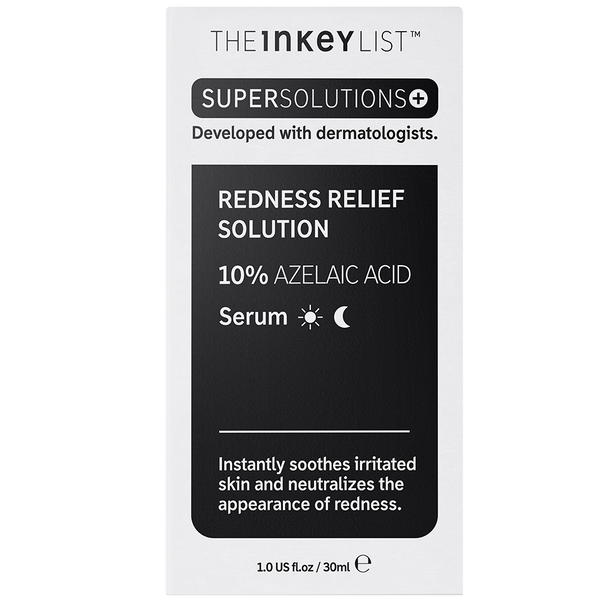
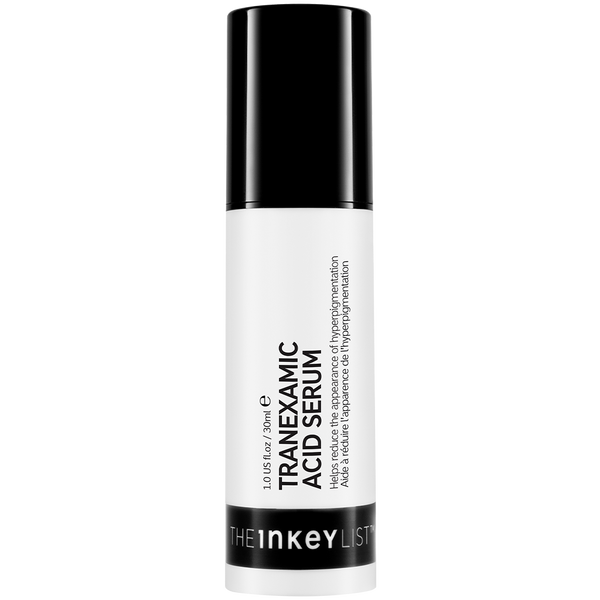
On approach: Because PIH is genuinely pigmentary, ingredients that interrupt excess melanin production are the right category, and our Tranexamic Acid Serum is the one we point most people toward first. It combines 2% tranexamic acid with 2% acai berry extract and a 2% vitamin C derivative, and because it is non-exfoliating and does not cause photosensitivity, it can be used morning and evening without adding irritation to skin that is already reactive. For persistent marks alongside redness, the 10% Azelaic Acid Serum for Redness Relief works on the inflammatory side of the equation as well as the pigment side. Our full guide to post-inflammatory hyperpigmentation and how to treat itcovers the rest, and if your marks sit alongside textural change, our acne scars and post-acne marks collection is the better starting point.
Post-Inflammatory Erythema (PIE)
This is the type almost nobody knows the name of, and the one responsible for the most wasted effort.
What it looks like: Flat pink, red or purple marks. Same flatness as PIH, completely different color, completely different cause. PIE is vascular rather than pigmentary. What you are seeing is lingering dilated blood vessels near the skin’s surface, left over from the inflammatory event, showing through as a persistent flush in the exact shape of the spot that caused them.
Where it shows up: Same as PIH, wherever the inflammation happened. Most commonly across the cheeks and jawline after inflammatory acne.
The Press Test
Press gently on the mark with a clean fingertip, hold for a second or two, then release and watch closely.
If the mark briefly pales and then refills with color, it is PIE. You have temporarily pushed blood out of the dilated vessels, and it flows straight back in when you let go.
If the mark does not change at all under pressure, it is PIH. Pigment sits within the tissue and cannot be displaced by pressing on it.
That is the entire test. It takes about five seconds, it needs no equipment beyond a mirror and good light, and it is the single most useful diagnostic action in this article. Do it in daylight rather than under warm bathroom bulbs, which flatten color differences.
Who tends to get it: PIE is most commonly noticed on lighter to medium skin tones, where dilated vessels show through more visibly against the surrounding skin. That does not mean it does not occur in deeper skin tones, only that it can be harder to spot.
How to tell it apart: Color and the press test, in that order. Brown does not blanch. Pink does.
On approach: Here is the honest part. PIE frequently resolves on its own over a period of months as the vessels settle, and pigment-fading actives are not the right tool for it because there is no surplus pigment involved. What genuinely helps is protecting the skin while it recovers: supporting the barrier, avoiding further irritation, and keeping the area out of the sun. The 10% Azelaic Acid Serum for Redness Relief is a sensible fit here, with 10% azelaic acid and 0.3% allantoin, suitable for rosacea-prone skin and clinically proven to minimize redness in four days in an independent study of 22 people. Our redness and damaged skin barrier collections cover the supporting cast.
Melasma
What it looks like: Larger patches rather than discrete spots, with irregular, blotchy, soft borders that blur into the surrounding skin. Color ranges from tan and light brown through to deep brown and gray-brown, and it can look more muted or grayish when the pigment sits deeper.
The giveaway is symmetry. Melasma typically appears on both sides of the face in a mirrored pattern. A patch across the left cheekbone will usually have a counterpart in roughly the same position on the right. No other type on this list does that reliably. If you cover one half of your face and the other half looks like a rough reflection, melasma moves to the top of the list.
Where it shows up: Cheeks and upper cheekbones most commonly, then the forehead, the upper lip, the bridge of the nose and the jawline. When patches across the cheeks, nose and forehead join up, the overall effect can genuinely resemble a mask sitting across the middle of the face, which is where the popular nickname comes from. The upper lip presentation catches people off guard because at a glance it can read as shadow.
What causes it: Melasma is multifactorial, meaning several drivers usually operate at once. Hormones are a major one, which is why it clusters so heavily around pregnancy, hormonal contraception and hormone therapy. UV exposure is another, and it is the reason melasma so often deepens across spring and summer. Visible light plays a role too. And then there is the trigger that surprises almost everyone: heat.
Heat can worsen melasma independently of UV. Infrared radiation from sunlight warms the skin and can activate melanocytes on its own, which means shade helps but does not solve the problem entirely. Beyond sunlight, people report flares connected to saunas, steam rooms, very hot showers, hot yoga and long periods spent cooking over a hot stove. If your melasma seems to worsen in winter or during weeks when you have barely been outdoors, heat is the likely explanation. Cleveland Clinic’s overview of melasma sets out the hormonal and environmental drivers in more detail.
How to tell it apart: Symmetry, size and edges. Melasma forms large diffuse patches with soft borders on both sides of the face. Sunspots are small, separate and sharply defined. PIH sits in the footprint of a past inflammatory event rather than spreading across a whole cheek.
On approach: Melasma is managed rather than cured, and it commonly recurs when triggers return. That is not a discouraging fact, it is a realistic one, and knowing it upfront is what keeps people consistent long enough to see change. Rigorous daily sun protection plus heat awareness does more here than almost anything else. Because melasma is genuinely complex and deserves its own full treatment, we have written one: read what melasma is, what causes it and how to treat it for the complete picture.
Solar Lentigines (Sunspots)
Solar lentigines are flat, well-defined spots caused by years of accumulated UV exposure. You will also see them called sunspots, age spots or liver spots, though the last of those is a misnomer with nothing to do with the liver.
What they look like: Discrete and clearly edged. Each one is its own spot with a defined border, rather than blending into the skin around it the way melasma does. Color runs from tan through to dark brown, and crucially the color is fairly uniform within a single spot. Shapes are typically round or oval. They are noticeably larger than freckles, often several millimeters across, and they are completely flat.
Where they show up: Follow the sun. Sunspots appear on the areas that have absorbed the most cumulative UV over a lifetime, which for most people means the face, the backs of the hands, the forearms, the shoulders, the chest and the upper back. The backs of the hands are particularly telling, and are often where people first notice them. Sun spots on the face tend to concentrate across the cheekbones, temples and forehead.
What causes them: Decades of UV exposure, accumulated gradually. Each unprotected exposure prompts a small local increase in melanin production, and over many years, localized clusters of persistently overactive pigment cells develop. Because the mechanism is cumulative, sunspots typically start appearing from the thirties onward, though people with heavy sun exposure histories may see them earlier. Mayo Clinic’s overview of sun damage explains how this accumulated exposure translates into visible change.
The defining behavior: they do not fade in winter. This is the detail that separates them from freckles more reliably than size or color ever will. Sunspots are permanent fixtures that persist year-round, and they accumulate over time rather than coming and going with the seasons.
How to tell them apart: Against freckles, use the seasonal test and the edges. Against melasma, use the pattern. Sunspots scatter as individual spots across sun-exposed zones without symmetry, while melasma forms broad mirrored patches.
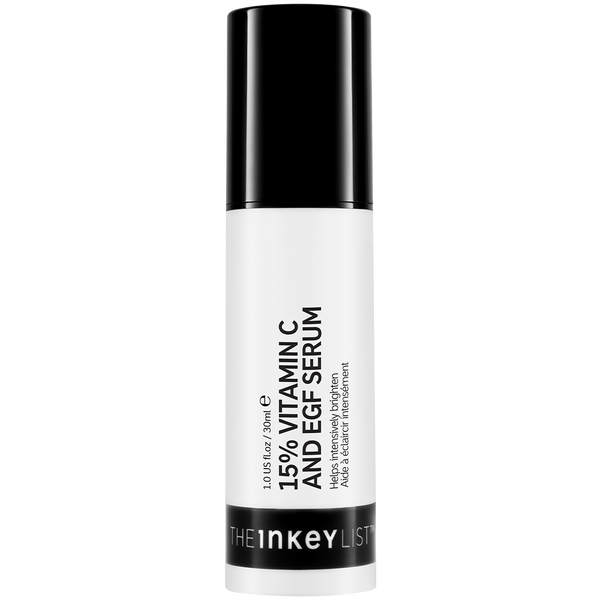
On approach: Because sunspots represent established, surface-level pigment, antioxidant and brightening ingredients used consistently can help improve their appearance over time. Our 15% Vitamin C + EGF Serum pairs 15% ascorbyl glucoside with 1% Epitensive EGF, and in a four-week trial of 64 people, 87% agreed their skin looked brighter. If you want to understand what different forms of the ingredient actually do, our guide to vitamin C breaks it down. Beyond that, daily sun protection is what stops new ones forming.
Ephelides (Freckles)
Ephelides are the small, flat, light brown spots most people simply call freckles. They are genetic, and they are not a form of damage.
What they look like: Small, flat and generally lighter than sunspots, ranging from tan to light brown. Their edges are softer and less sharply defined, and they cluster rather than scatter, appearing in dense groupings across the nose and cheeks. Individually they are usually only a millimeter or two across. Look at a group of freckles and you will notice they vary slightly in tone across the cluster, whereas a sunspot tends to be one consistent color throughout.
Where they show up: Across the bridge of the nose and the cheeks most characteristically, often extending onto the shoulders, forearms and upper chest. The distribution follows sun exposure, but the tendency to develop them at all is inherited.
What causes them: Genetics. Freckles are strongly associated with fair skin and with red or light hair, and they run in families. As Cleveland Clinic notes in its overview of freckles, they are harmless and are linked to genetic factors alongside sun exposure. Sun makes existing freckles darker and more visible, but the predisposition was there from the start. Freckles are inherited, not earned. They usually first appear in childhood, often around the age of two or three.
The defining behavior: they darken with summer sun and fade in winter. This seasonal rhythm is the clearest identifier of all, and it is covered in more depth in the next section.
A note on tone: Freckles are cosmetically neutral. They are not a sign of damage, not a flaw and not something that needs correcting. There is no treatment recommendation in this section, because there is no problem to solve. Plenty of people love theirs, and that is a perfectly good place to leave it.
The one piece of practical advice that does apply is sun protection, and it applies for a specific reason. Freckle-prone skin tends to be fair, sun-sensitive skin, which burns more easily and carries a higher risk of UV damage over a lifetime. Daily broad-spectrum protection matters here because of the skin type, not because of the freckles.
Two of these five get confused with each other more than all the others combined, so the next two sections tackle those pairings directly.
Melasma vs Hyperpigmentation: What People Actually Mean
Let us clear this up in two sentences, because it is one of the most searched comparisons in skincare and it rests on a category error.
Melasma is a type of hyperpigmentation, not an alternative to it. Hyperpigmentation is the umbrella term covering any condition where skin produces more melanin than usual in a given area, and melasma sits underneath that umbrella alongside PIH, sunspots and freckles.
Asking whether you have melasma or hyperpigmentation is like asking whether you have a labrador or a dog.
So the comparison as phrased does not quite work. But the question underneath it is a genuinely good one, and it is usually this: is what I have melasma, or is it one of the other common types? That is worth answering properly.
Pattern
- Melasma is symmetrical. It mirrors across the face, appearing in comparable positions on both sides.
- PIH follows inflammation. It appears wherever a spot, bite, cut or flare happened, in whatever scattered arrangement that produced.
- Sunspots scatter across sun-exposed zones with no symmetry at all, concentrated wherever exposure has been heaviest.
Shape and Edges
- Melasma forms large patches with soft, irregular, blurred borders that blend gradually into surrounding skin. Patches often merge into broader areas.
- Sunspots are discrete with clearly defined edges. Each one is a distinct, separate spot.
- PIH matches the footprint of whatever caused it. A round spot leaves a round mark. A scratch leaves a linear one.
Trigger
- Melasma needs a combination, typically hormonal changes plus UV plus heat. It frequently begins during pregnancy or after starting hormonal contraception.
- PIH needs a preceding inflammatory event. No inflammation, no PIH.
- Sunspots need years of cumulative UV. There is no single triggering moment, just accumulation.
Behavior Over Time
- Melasma fluctuates. It deepens in summer, eases in winter, flares with heat and hormonal shifts, and commonly recurs after periods of improvement.
- PIH generally fades slowly and steadily, provided nothing re-inflames the area and the skin is protected from UV.
- Sunspots persist indefinitely and accumulate. They do not come and go.
Depth
Melasma can sit deeper in the skin than the other types, and that is part of why it is stubborn. Surface-level pigment responds faster to topical ingredients than pigment deposited further down, which is one reason two people using identical routines can progress at very different rates. StatPearls’ clinical review of melasma discusses this depth variation as a recognized factor in how the condition behaves.
The Practical Takeaway
If your discoloration is symmetrical, patchy with soft edges, present on both cheeks, flares in summer or with heat, and either started during pregnancy or after beginning hormonal contraception, melasma is the most likely answer. It is also the type most worth getting a professional opinion on, because a dermatologist can confirm it and discuss options that go beyond what topical skincare alone can achieve.
If you land here, our dedicated guide on what melasma is and how to treat it is your next stop. In the meantime, the Tranexamic Acid Serum is the product we most often point melasma-prone readers toward, because it targets excess pigment without exfoliating and is safe to use during pregnancy and breastfeeding, which matters given how often melasma first appears then.
The other pairing that trips people up involves two types that can look almost identical in a photograph and could not be more different in reality.
Freckles vs Sunspots: The Seasonal Fading Test
There is one question that separates these two faster than any other, and it requires no mirror, no lighting setup and no expertise.
Think back to last winter. Did the spots fade?
If they faded, they are freckles. Ephelides darken under summer sun and lighten again through the colder months as UV exposure drops. They are responsive, seasonal and changeable.
If they looked exactly the same in February as they did in July, they are sunspots. Solar lentigines are permanent. They do not fade with the seasons, they do not fade in winter, and they do not fade because you spent three months indoors.
That single question resolves the majority of cases. For everything else, here is how the two differ.
Origin
- Freckles are genetic. You inherited the tendency, they usually appear in childhood around the age of two or three, and sun exposure makes existing ones more visible rather than creating the predisposition.
- Sunspots are acquired. They are produced by cumulative UV exposure over many years and typically start appearing from the thirties onward.
Size and Edges
- Freckles are smaller, often just a millimeter or two, with soft edges that blur slightly into the surrounding skin.
- Sunspots are larger, frequently several millimeters or more, with clearly defined borders that make each one look like a distinct, separate mark.
Color
- Freckles are generally lighter, in tan to light brown, and tone can vary noticeably from one freckle to the next within the same cluster.
- Sunspots are darker and more uniformly pigmented, with consistent color across the whole spot.
Distribution
- Freckles cluster densely across the nose and cheeks, sometimes extending to the shoulders, forearms and chest.
- Sunspots scatter more sparsely across all sun-exposed areas, including the backs of the hands, the chest, the shoulders and the upper back. The hands are often where the distinction becomes obvious, since freckles are far less likely to appear there in dense clusters.
Seasonal Behavior
- Freckles darken in summer and fade in winter, every year.
- Sunspots stay exactly where they are, all year, indefinitely.
Are Freckles a Form of Hyperpigmentation?
Technically yes, and practically no, which is why this question comes up so often.
Technically, freckles involve localized increased melanin, and that meets the definition of hyperpigmentation. Categorically they belong under the same umbrella as melasma, PIH and sunspots.
Practically, they are a different proposition entirely. Every other type on this list results from something happening to your skin: inflammation, hormonal change, accumulated UV damage. Freckles result from your genes. They are not a consequence of damage, they are not a sign that anything has gone wrong, and they do not indicate that your skin needs fixing. Clustering them with post-inflammatory marks makes an inherited trait sound like a problem, which it is not.
Our position is straightforward: freckles need no correcting. If you want to even out your overall tone for your own reasons, that is entirely your call. But nothing about freckles requires intervention.
Where sun protection genuinely matters for freckle-prone skin is the sun sensitivity that tends to accompany it. Fair, freckle-prone skin burns more readily and accumulates UV damage more easily, and that is a long-term skin health consideration rather than a cosmetic one. Our guide to what SPF is and how it works covers how to choose and apply it properly.
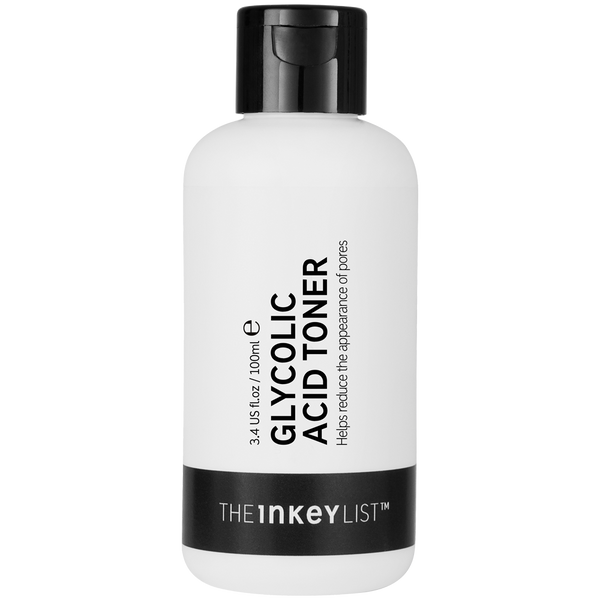
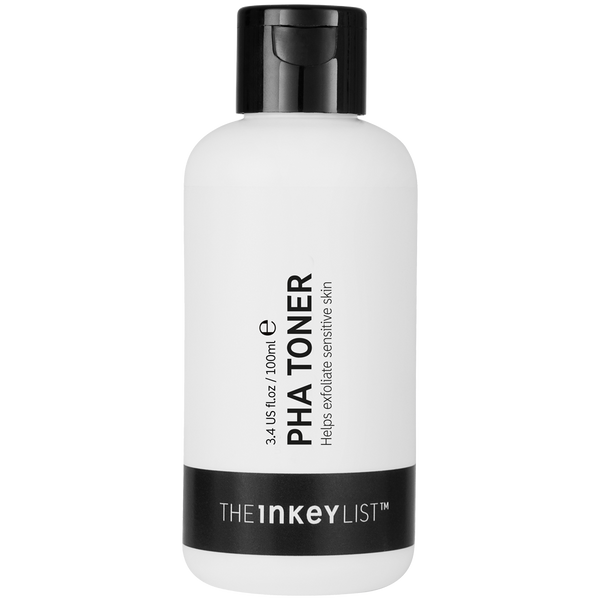
For readers whose concern is sunspots rather than freckles, gentle exfoliation supports the shedding of surface pigment over time. Our Glycolic Acid Toner combines 10% glycolic acid with 5% witch hazel, and it is a PM-only product best introduced one to three times per week, with results typically building over about six weeks. It is not suitable for sensitive skin. If your skin reacts easily, the gentler PHA Toner is the better route. Patch test either one before adding it to your routine.
There is one more area of discoloration that gets misfiled as hyperpigmentation more than any other, and it is not on the cheeks.
Under-Eye Pigmentation and Dark Circles: Commonly Mistaken for PIH
Under-eye discoloration gets self-diagnosed as hyperpigmentation constantly, and only sometimes is that correct. It is worth understanding as a subsection rather than a sixth type, because the causes are genuinely different from everything above.
There are three main things happening under the eyes, and they often overlap.
True pigmentation is genuine excess melanin in the under-eye skin. It is more common in deeper skin tones, frequently hereditary, and tends to appear as a brown or tan cast rather than a blue or purple one. This one is actual hyperpigmentation, and it is the only version of the three that pigment-focused ingredients can meaningfully address.
Vascular discoloration is blood vessels showing through thin under-eye skin. The skin here is among the thinnest on the body, so the network of vessels beneath is closer to the surface and more visible. It typically reads as blue, purple or gray. There is no excess pigment involved.
Structural shadowing is hollowing beneath the eye that casts a shadow. This is a lighting problem, not a color problem. The skin itself may be perfectly even in tone, but the contour creates darkness. No pigment product on earth will change the shape of a shadow.
Aggravating factors sit on top of all three. Fatigue, dehydration, seasonal allergies and eye rubbing all make under-eye darkness more pronounced. Rubbing deserves particular attention, because persistent friction is inflammatory, and inflammation in that area can produce genuine post-inflammatory pigmentation. That is a direct route from an allergy habit to real PIH.
The Under-Eye Self-Check
Gently stretch the skin under your eye and watch what happens to the color. If the color stays put and stretches with the skin, it is more likely pigmentary. If it lightens noticeably or shifts as the skin moves, it is more likely vascular or structural.
Set expectations honestly. Brightening actives can help with true under-eye pigmentation, and our 10% Niacinamide Serum is a reasonable option there given how well tolerated it is. For puffiness and the general appearance of under-eye fatigue, our Caffeine Eye Cream is formulated for that specific job. Neither will fill a hollow or reduce the visibility of a blood vessel, and any product promising to erase all dark circles regardless of cause is overselling.
Most people reading this will have recognized more than one profile by now, which raises an obvious question.
Can You Have More Than One Type of Hyperpigmentation at Once?
Yes. It is not just possible, it is extremely common, and it is probably the single most likely outcome of reading this article carefully.
Skin does not organize itself into tidy categories for our convenience. Most faces carry a mix, accumulated over years from different causes, all sitting alongside each other at once.
Here are the combinations we see most often:
- Freckles plus sunspots. These travel together for a reason. Freckle-prone skin is fair, sun-sensitive skin, which is exactly the skin type most likely to accumulate solar lentigines over time. Someone who freckled every summer as a child often develops sunspots in their thirties and forties.
- Melasma plus PIH. A hormonal patch across the cheekbones with individual acne marks scattered on top of it. This combination is genuinely difficult to read in the mirror, because the underlying patch blurs the edges of the individual marks.
- PIH plus PIE from the same breakout. This is why some marks on a single face are brown and others are pink. Different spots inflamed to different depths and left behind different kinds of evidence. The press test earns its keep here.
- Sunspots plus PIH in mature skin. Decades of sun exposure combined with a history of acne produces a mixed pattern of discrete, defined spots alongside marks that follow old breakout locations.
How to Actually Handle a Mix
The instinct when you identify three concerns is to treat all three at once. Resist it. Building a routine with a separate active for every mark on your face is the fastest available route to irritation, and irritation is what creates more PIH. You would be adding to the problem while feeling productive.
Identify your dominant concern and build around it. Which type covers the most area? Which bothers you most when you look in the mirror? Start there with one targeted product, use it consistently for six to eight weeks, and assess. Most pigment-focused ingredients help with more than one type anyway, so a well-chosen single active often does more than a stack of four.
Sun protection is the common denominator across every combination on that list. Whatever mix you have, daily broad-spectrum protection is the one step that serves all of it simultaneously.
If you do want to combine actives, do it with care and with information. Our skincare routine guide covers structure and order, what’s your skin type helps you work out what your skin will tolerate, and both what not to mix with retinoland what products should I not layer together cover the specific pairings to avoid.
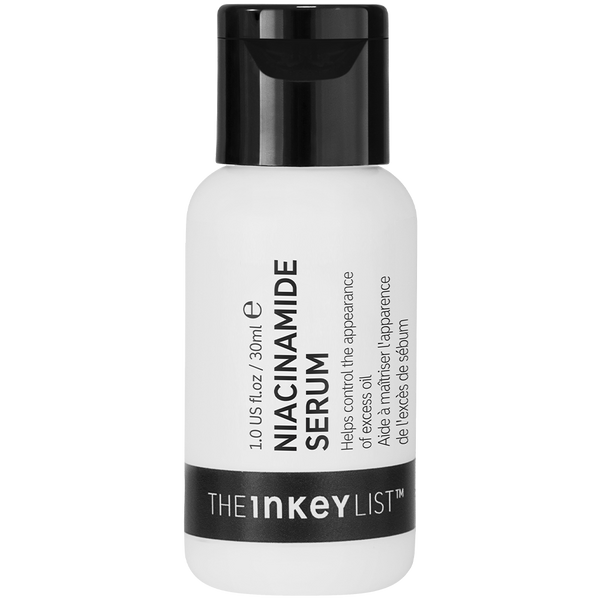
On niacinamide specifically, since it comes up constantly in tone conversations: our 10% Niacinamide Serum pairs 10% niacinamide with hyaluronic acid at a pH of 6.09, suits all skin types including sensitive, and is safe during pregnancy and breastfeeding, with visible tone evening typically around six to eight weeks. One honest flag, because you should know before you buy: it is not vegan. It contains egg-derived phospholipids. It layers safely with the 15% Vitamin C + EGF Serum, though we would avoid pairing it in the same step with high-strength vitamin C or exfoliating acids. Our guide on how and when to use niacinamide covers the practicalities.
And whichever direction you go, patch test first. Two days of caution is cheaper than three months of recovery.
Now for the part worth screenshotting.
Your Quick Hyperpigmentation Self-Check
Six questions. Two minutes. Natural daylight, no makeup, a mirror.
What Color Is It?
- Brown or tan: PIH, melasma, sunspots or freckles.
- Pink, red or purple: post-inflammatory erythema.
- Blue, gray or purple under the eye: likely vascular rather than pigmentary.
What Shape and Size Is It?
- Small, soft-edged and clustered: freckles.
- Discrete, defined and larger: sunspots.
- Large, blotchy, irregular patches: melasma.
- Marks matching old acne: PIH or PIE.
Is It Symmetrical?
- Mirrored on both sides of the face: points strongly to melasma.
- Scattered without symmetry: points to sunspots, PIH or freckles.
Where Is It?
- Cheeks, forehead, upper lip, bridge of nose: melasma.
- Anywhere acne has been: PIH or PIE.
- Face, hands, chest, shoulders, upper back: sunspots.
- Clustered across nose and cheeks: freckles.
How Does It Behave Across the Seasons?
- Fades in winter, darkens in summer: freckles.
- Unchanged year-round: sunspots.
- Worsens in summer heat and with hormonal changes: melasma.
- Slowly fading regardless of season: PIH.
What Happened Right Before It Appeared?
- A spot, cut, bite, burn or irritation: PIH or PIE.
- Pregnancy, or starting hormonal contraception: melasma.
- Nothing in particular, appearing gradually with age: sunspots.
- It has been there since childhood: freckles.
And One Final Test
Press it. If it pales under your fingertip and refills, it is PIE. If it does not change, it is pigment.
One honest caveat before you act on any of this. This is a guide designed to help you ask better questions, not a diagnosis. Skin is variable, lighting is deceptive, and plenty of people have combinations that resist neat classification. If you are unsure, or if anything about a mark seems unusual, a board-certified dermatologist can tell you in minutes what a mirror cannot.
If you have landed on a pigmentary answer, the Tranexamic Acid Serum is where we would point you first. It is non-exfoliating, does not cause photosensitivity, and is safe morning and evening, which makes it a straightforward addition to a daytime routine. Visible brightening typically shows around two to four weeks, with more significant improvement at six to eight. Beyond that, our hyperpigmentation and uneven skin tone collections are organized by concern.
There is one more category of mark that no self-check should attempt to handle.
When to See a Dermatologist About Dark Spots
The overwhelming majority of hyperpigmentation is harmless. Every type described in this article is cosmetic rather than medical, and none of it poses a health risk. But a small number of spots are worth a professional eye, and knowing which is a genuinely useful skill.
The standard framework is ABCDE, and it is simpler than it sounds:
- Asymmetry. One half of the spot does not match the other half.
- Border. The edges are irregular, ragged, notched or poorly defined.
- Color. The color is uneven within a single spot, with multiple shades of brown, black, red, white or blue.
- Diameter. Larger than about 6mm, roughly the width of a pencil eraser, though smaller spots can matter too.
- Evolving. Any change over time in size, shape, color, elevation or texture.
The Skin Cancer Foundation’s guide to melanoma warning signs includes images alongside each criterion, which is more useful than description alone.
Beyond ABCDE, book an appointment for a spot that bleeds, itches persistently, crusts over or does not heal, and for any genuinely new growth that appears and stays. The same applies to a spot that simply looks different from all your others.
There are non-urgent reasons to see a professional too, and they are equally valid. Melasma that has not budged despite a consistent routine and diligent sun protection. PIH that looks unchanged after several months of appropriate care. Or discoloration that is genuinely affecting how you feel about yourself, which is a legitimate reason to seek help and not something to talk yourself out of.
One practical habit worth adopting: photograph your spots every few months in consistent lighting, from the same distance and angle, ideally by a window rather than under artificial light. Change is easy to miss day to day and obvious across a set of photos. It also gives a dermatologist something concrete to work from, and it will show you progress on the marks that are fading, which is quietly motivating when a routine feels slow.
Since cumulative sun exposure sits behind both the cosmetic and the medical end of this conversation, daily protection remains the through-line here as well
The Takeaway: Identify First, Then Treat
Hyperpigmentation is an umbrella term, and the version sitting on your skin determines what will actually work on it. Six signals tell you which one you have: color, shape, symmetry, location, seasonal behavior and whatever happened immediately before it appeared. Run through those and most marks resolve into a clear answer.
Two tests are worth committing to memory. Press it to separate post-inflammatory erythema from post-inflammatory hyperpigmentation, because pigment does not blanch and blood vessels do. Think back to winter to separate freckles from sunspots, because one fades with the seasons and the other never moves.
One thing applies to every type on this list. Daily broad-spectrum sun protection helps all of them, whether by preventing new marks, stopping existing ones from deepening, or simply letting the rest of your routine do its job.
Set fair expectations from the start. Pigment fades slowly, and consistency beats intensity every time. Aggressive over-treatment produces exactly the inflammation that creates more post-inflammatory hyperpigmentation, which means patience is not just a virtue here, it is a strategy. If you want the wider science, our hyperpigmentation guide covers the full picture.
Skincare should be clear, not complicated.
Now that you know what you are working with, our hyperpigmentation collection groups products by exactly that concern, and our skincare routine guide will help you slot one in without disrupting what already works. Whatever you add, patch test it first and give it six to eight weeks before you judge it.
Products in This Article
Tranexamic Acid Serum - our hero for hyperpigmentation and dark spots. 2% tranexamic acid with 2% acai berry extract and a 2% vitamin C derivative. Non-exfoliating, no photosensitivity, safe AM and PM, safe during pregnancy and breastfeeding, Vegan Society certified. $19.00 / 30ml
15% Vitamin C + EGF Serum - 15% ascorbyl glucoside with 1% Epitensive EGF for brightening and antioxidant defense. Targets hyperpigmentation and uneven tone, pregnancy safe, vegan, and safe to layer with niacinamide. $20.00 / 30ml
10% Niacinamide Serum - 10% niacinamide with hyaluronic acid. Interrupts melanin transfer, suits all skin types including sensitive, safe during pregnancy and breastfeeding. Not vegan, as it contains egg-derived phospholipids. $13.00 / 30ml
Glycolic Acid Toner - 10% glycolic acid with 5% witch hazel. PM only, one to three times weekly to start, pregnancy safe, vegan. Not suitable for sensitive skin. $18.00 / 100ml
10% Azelaic Acid Serum for Redness Relief - 10% azelaic acid with 0.3% allantoin, for redness and persistent post-inflammatory marks. Suitable for rosacea-prone skin, pregnancy safe, vegan. $20.00 / 30ml