


What Causes Acne Scars and How to Prevent Them
Learn what causes acne scars and post-blemish marks, the habits that make them worse, and the steps you can take during and after a breakout to help prevent long-lasting marks before they form.
Author
askINKEY skincare advisor
Published
13 July, 2026
Time to read
10 minutes
Most people encounter post-acne marks and immediately focus on how to get rid of them. That instinct is understandable, but it bypasses the more powerful question: what causes acne scars to form in the first place, and what can you do during and immediately after a breakout to stop them from developing at all?
Prevention is the most effective strategy available. The biology of how marks form gives a clear window of opportunity to intervene - and that window opens the moment a blemish appears, not after it has healed.
Before going further, it helps to clarify what “acne scars” actually means. The term is used loosely to cover two distinct outcomes: flat post-acne marks (the most common result, including PIE and PIH), and true structural scarring that alters the physical texture of the skin. This blog focuses primarily on flat post-acne marks, because these are the ones most responsive to skincare behavior and prevention. For existing marks of either type, the complete acne scars guide covers treatment in full.
What follows is a direct breakdown of the science behind scar formation, the factors that put certain people at greater risk, the behaviors that make outcomes worse, and - most importantly - exactly what to do during and after a breakout to give skin the best chance of healing without leaving a visible trace.
The Biology Behind Acne Marks: What Actually Happens in the Skin
Understanding what causes acne scars requires looking at what is happening beneath the skin surface during a breakout - not just at the surface level. The mark that appears after a blemish heals is not random. It is the direct consequence of a specific biological sequence triggered by inflammation.
When a blemish forms, the immune system responds by sending inflammatory signals to the affected area. This response is necessary - it is the body’s mechanism for fighting the bacteria and clearing the blocked follicle. But that same inflammatory signal has two secondary effects that leave visible marks long after the blemish itself has cleared.
The first effect is melanocyte activation. Melanocytes are the pigment-producing cells in the skin. When they receive the inflammatory signal, they interpret it as a sign of skin injury and increase melanin production in the surrounding area. This excess melanin deposits in the skin and shows up as a flat, darkened mark after the blemish heals. This is Post-Inflammatory Hyperpigmentation, or PIH. The mark is brown or dark in tone - and the deeper the skin tone, the more pronounced this response tends to be, because there are more active melanocytes available to respond. According to NCBI StatPearls, PIH is a common acquired disorder occurring as a direct consequence of skin inflammation or injury, and it disproportionately affects individuals with medium to deeper skin tones.
The second effect is vascular damage. Inflammation near the skin surface can dilate or damage the tiny capillaries beneath the skin. When these blood vessels are disrupted and do not fully recover after the blemish heals, they leave a flat red or pink mark visible through the skin. This is Post-Inflammatory Erythema, or PIE. PIE is vascular in origin rather than pigment-based, which is why it tends to present as a red or pink discoloration rather than a brown one - and why it often responds to different treatment strategies than PIH. For a broader breakdown of how hyperpigmentation works at the skin level, the hyperpigmentation guide provides useful context.
Both PIE and PIH are flat marks. They do not alter the texture or architecture of the skin. This distinguishes them from true structural scarring, which is a different and less common outcome. True structural scarring - the kind that creates visible depressions or raised tissue - occurs when a breakout is severe enough to rupture below the dermis and physically damage the collagen framework beneath the skin surface. Ice-pick scars, boxcar scars, and rolling scars fall into this category. These are typically associated with cystic or nodular acne, where the blemish extends deep into the tissue rather than forming near the surface. Structural scarring cannot be resolved through topical skincare alone and requires professional-level intervention.
For the majority of people experiencing post-acne marks, the issue is PIH or PIE - not structural damage. And both are directly linked to the intensity of the inflammatory response. The more prolonged and intense the inflammation, the greater the signal sent to melanocytes and the more significant the vascular disruption.
This is the foundational logic of prevention: anything that reduces the intensity and duration of the inflammatory response reduces the stimulus that causes marks to form. This means that the choices made during an active breakout - how it is treated, what products are applied, whether it is picked at or protected - have a direct and measurable effect on whether a mark forms and how pronounced it becomes.
The depth and severity of the original breakout remains the single biggest biological determinant. A deep cystic blemish will trigger a stronger inflammatory response than a small, superficial blemish, regardless of what is applied topically. But behavior and skincare choices can amplify or dampen that response significantly. For readers who already have existing marks and want guidance on treating them, the acne scars treatment guide covers the full range of treatment options.
The biology makes one thing clear: prevention is not about avoiding breakouts entirely - though that helps - it is about managing the inflammatory environment as effectively as possible when a breakout does occur.
Who Is Most at Risk of Post-Acne Marks and PIH
Not everyone who experiences acne will develop significant post-acne marks. The likelihood and severity of PIH and PIE are shaped by a combination of factors, some of which are biological and fixed, and some of which are behavioral and modifiable.
Skin tone is the most significant individual risk factor for PIH. Skin with a medium to deeper tone contains a higher density of active melanocytes. This means the inflammatory signal sent during a breakout reaches more pigment-producing cells and triggers a stronger, more sustained melanin response. The resulting dark marks tend to be more pronounced and take longer to fade. A systematic review published in the Journal of the European Academy of Dermatology and Venereology specifically highlights PIH as a condition of particular clinical significance in skin of color, due to this greater melanocyte density and reactivity.
This does not mean that lighter skin tones are unaffected. People with lighter skin tones are more prone to PIE - the red and pink vascular marks caused by capillary damage during inflammation. PIE can be stubborn in its own right, particularly when the affected blood vessels take longer to recover or remain permanently dilated near the skin surface. For guidance specifically on redness-dominant marks, does azelaic acid help with acne scars covers the most targeted approaches for the vascular side of post-acne marks.
Hormonal patterns are another significant variable. Hormonal acne - breakouts driven by fluctuations in androgens, cortisol, or other hormones - tends to be deeper, more inflamed, and more persistent than surface-level congestion. Deep hormonal blemishes are more likely to produce a significant inflammatory response, which increases the risk of marks forming and affects a larger surrounding area of skin. This is why people experiencing hormonal breakout cycles often notice that marks compound over time, with new marks forming before older ones have faded.
Genetics play a role that is easy to overlook. A personal history of hyperpigmentation - or a family history of it - is a reliable indicator of individual susceptibility. If a parent or sibling experienced persistent dark marks following breakouts, the likelihood that you will experience the same pattern is meaningfully higher. Similarly, individuals who have experienced PIH from other inflammatory skin conditions are at elevated risk from acne-related inflammation.
Age is a factor that affects the recovery timeline rather than the initial formation of marks. Skin cell turnover naturally slows as skin ages. This means that in older skin, the excess melanin deposited by PIH takes longer to migrate to the surface and shed naturally. A mark that might fade in six weeks in younger skin may take several months to fade in skin with a slower turnover rate.
The frequency and severity of breakouts compounds all of the above factors. Someone experiencing one isolated blemish per month has a fundamentally different risk profile from someone in a cycle of persistent, recurring inflammatory acne. Each new breakout reactivates the inflammatory response and can stimulate melanocytes in areas that are already in recovery from a previous mark. The result is a layering effect where new pigmentation forms over pigmentation that has not yet fully cleared.
Understanding your personal risk profile is the starting point. The next step is recognizing which behaviors are adding to that risk unnecessarily.
The Habits That Significantly Increase the Risk of Scarring
Given that inflammation severity is the primary driver of post-acne marks, it follows that anything which intensifies or prolongs the inflammatory response is a direct risk factor. Several common behaviors do exactly that.
Picking, squeezing, or pressing active blemishes is the single most damaging habit in terms of scar formation. When a blemish is manipulated, the pressure forces bacteria, sebum, and cellular debris deeper into the surrounding skin tissue. This escalates the immune response significantly - a blemish that would have resolved with a controlled, localized inflammatory response instead triggers a far more aggressive reaction across a wider area. The resulting mark is typically larger, darker, and longer-lasting than the mark that would have formed from the original blemish if left undisturbed. Physical manipulation can also rupture the follicle wall beneath the surface, creating the conditions for structural scarring where none would otherwise have occurred.
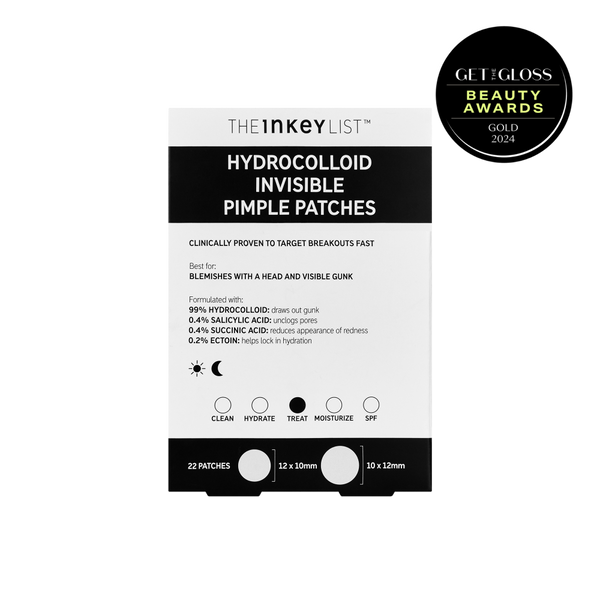
The most effective alternative to picking is applying our Hydrocolloid Invisible Pimple Patches ($10) directly onto the active blemish. Hydrocolloid patches work by creating an occlusive seal over the blemish that draws out fluid, absorbs sebum, and creates a protective physical barrier. This barrier removes the temptation to pick while actively supporting the healing environment. Patches are one of the highest-impact, lowest-cost interventions available during an active blemish.
Skipping SPF is less immediately visible in its consequences, but the evidence for its impact on pigmentation is robust. UVA radiation stimulates melanocytes directly, independently of any inflammatory signal already present from a breakout. When inflammation has already activated melanocyte response in a specific area, additional UV stimulation compounds that response significantly - the melanin production that would have occurred anyway becomes substantially greater, and the resulting mark is darker and more persistent. UV exposure is the single biggest external factor that worsens PIH. Daily SPF application is not optional during a breakout or during the post-breakout recovery period. The SPF guide covers the options and explains how to choose the right formulation for acne-prone skin.
Using overly aggressive skincare during an active breakout is a common error, particularly among people who are frustrated by persistent acne and respond by reaching for stronger products or layering multiple actives. Physical scrubs applied to inflamed skin create micro-tears that worsen the inflammatory response. Heavy exfoliation - particularly with high-concentration acids - during active inflammation disrupts the skin barrier and sends additional distress signals to the immune system. Layering multiple strong actives simultaneously on already-reactive skin amplifies the irritation cycle rather than resolving it. During an active breakout, the priority is targeted treatment and calming - not aggressive intervention.
Delayed treatment is a risk factor that is easy to avoid with the right routine in place. The longer a blemish remains in its active, inflamed state, the longer the inflammatory signal is being sent to melanocytes and the greater the cumulative melanin response. Treating a blemish promptly and effectively shortens the duration of that signal.
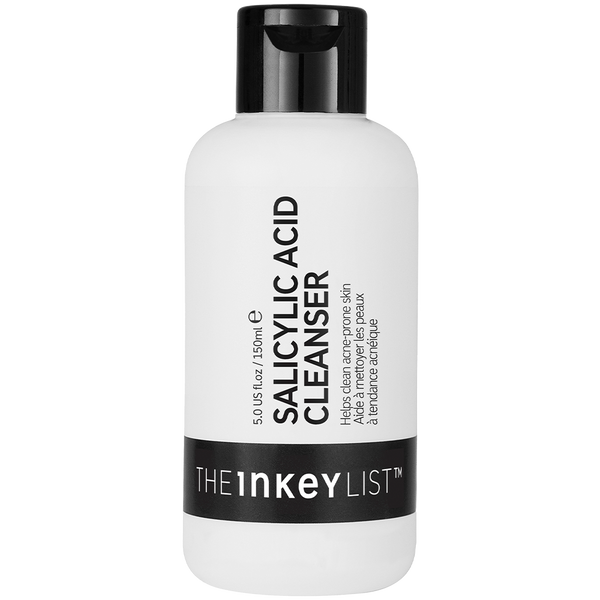
Inadequate cleansing allows bacteria, excess sebum, pollutants, and dead skin cells to remain on the skin surface, extending the inflammatory environment and creating conditions for new blemishes to form before existing ones have healed. The Salicylic Acid Cleanser ($15) uses 2% salicylic acid to penetrate pores, clear congestion, and reduce the bacterial load that sustains the acne cycle. For more on how salicylic acid relates to post-acne marks, salicylic acid for acne scars explains the connection in detail.
With a clear understanding of what makes outcomes worse, the practical question becomes: what specifically should you do when a breakout is active?
How to Prevent Acne Scars During an Active Breakout
The prevention window begins the moment a blemish appears. These five steps target the inflammatory environment directly and give skin the conditions it needs to heal without leaving a mark.
Step 1 - Cleanse to control the environment. Cleansing twice daily with a targeted formula is the foundation of an active breakout routine. The Salicylic Acid Cleanser ($15) delivers 2% salicylic acid directly to the skin surface, dissolving excess oil and penetrating pores to prevent the buildup of debris that prolongs inflammation. It removes surface bacteria without over-drying, and its keratolytic action supports healthy cell turnover in the affected area. Use morning and evening consistently throughout the breakout period.
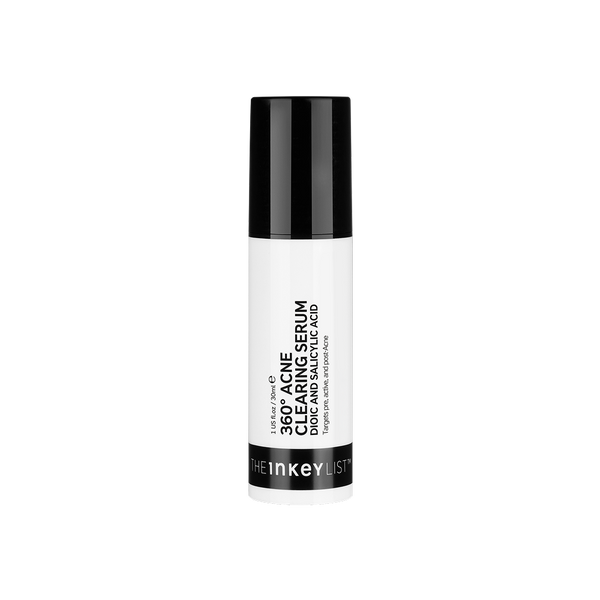
Step 2 - Target the acne directly. Our 360° Acne Clearing Serum ($18) is formulated to address all three stages of the acne cycle in a single product: excess oil production, active acne, and the post-acne marks that form after a blemish clears. Its formula combines 1% Dioic Acid, 2% Salicylic Acid, and 0.4% Dendriclear to address the root causes of the breakout while also working on the pigmentation response that follows it. This is one of the few products that bridges the active breakout and post-breakout phases, making it a logical choice to begin during the active phase and continue after the blemish has cleared.
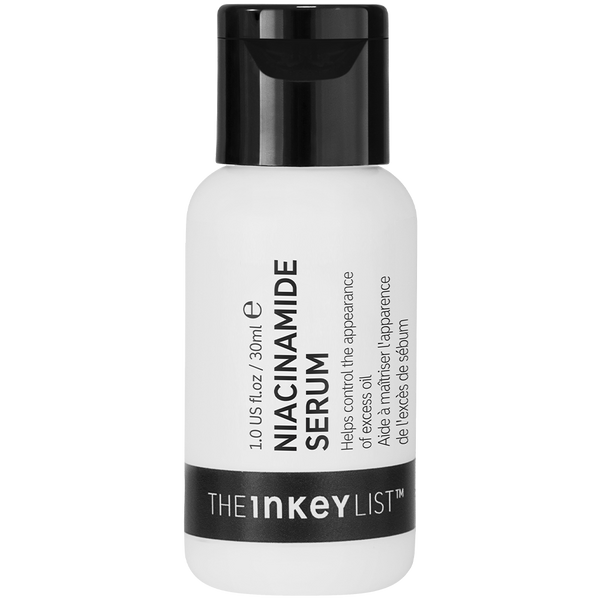
Step 3 - Reduce the inflammatory signal with Niacinamide. Niacinamide is one of the most well-evidenced ingredients for reducing the inflammatory signaling that drives excess melanin production. At a 10% concentration, it directly dampens the melanocyte stimulation pathway - meaning it works on the mechanism that causes PIH, not just the visible result of it. The 10% Niacinamide Serum ($13) is lightweight, well-tolerated across skin types, and compatible with active breakout skin. Applying it during the active phase of a breakout - rather than waiting until after - means the melanin response is being managed from the start, not retroactively.
Step 4 - Protect active blemishes from manipulation. Apply our Hydrocolloid Invisible Pimple Patches ($10) overnight or throughout the day on active, visible blemishes. The patch creates a physical barrier that absorbs fluid from the blemish, visibly reduces surface appearance, and - critically - makes picking physically difficult. Patches are particularly useful during sleep, when unconscious picking or pressing against pillow surfaces can worsen blemishes without awareness.
Step 5 - Apply SPF every single morning. This cannot be overstated. UV exposure during an active breakout deepens and prolongs the melanin signal that causes PIH. Skipping SPF on breakout-prone or actively broken-out skin is one of the most direct paths to darker, longer-lasting marks. Choose a formulation appropriate for acne-prone skin and apply it as the final step of the morning routine. The SPF guide covers what to look for.
A note on timing: you do not need to wait for a breakout to clear before beginning this routine. The 360° Acne Clearing Serum and the 10% Niacinamide Serum are both formulated to work on active skin. Starting immediately is always more effective than waiting.
The breakout phase requires active management. But an equally important and often overlooked window opens the moment the blemish clears.
The Critical Post-Breakout Window: Preventing Marks From Setting In
When a blemish visibly resolves, the biological activity that causes marks does not stop immediately. The inflammatory signal to melanocytes can continue for days after the surface has healed, and the vascular disruption that causes PIE does not repair itself overnight. The post-breakout phase is its own distinct prevention window - and the choices made during it have a significant impact on whether a mark fades quickly, lingers, or becomes entrenched.
Here are the five priorities for the immediate post-breakout period, followed by a phased timeline for introducing exfoliating actives as skin stabilizes.
Priority 1 - Tranexamic Acid. Of all the topical ingredients that interrupt the melanin signaling pathway post-breakout, tranexamic acid is the most precisely targeted. It works by inhibiting the interaction between keratinocytes and melanocytes that sustains the overproduction of melanin - addressing the mechanism that causes PIH at its root rather than working superficially. The Tranexamic Acid Serum ($19) can be applied morning and evening as soon as the active blemish has cleared. Starting promptly means the melanin that would otherwise deposit in the skin encounters an interrupted pathway - the mark forms less readily and fades faster. For ingredient detail, the Tranexamic Acid guide explains how it works in full.
Priority 2 - Vitamin C in the morning. Vitamin C supports the fading of PIH through a different mechanism: it inhibits tyrosinase, the enzyme responsible for catalyzing melanin synthesis, while simultaneously providing antioxidant defense against UV-driven melanin stimulation. This makes it a particularly effective complement to SPF in the morning routine during the post-breakout phase. The 15% Vitamin C + EGF Serum ($20) uses a stable form of Vitamin C that delivers consistent efficacy. Apply in the morning before SPF. The Vitamin C guide provides context on how this ingredient class works and how to integrate it effectively.
Priority 3 - Azelaic Acid for red and pink marks. For marks that show up as red or pink rather than brown - the PIE presentation associated with vascular disruption rather than melanin overproduction - azelaic acid is the most clinically supported topical option. Research published in Dermatology and Therapy confirms azelaic acid’s efficacy in addressing both the pigmentary and vascular components of post-inflammatory marks. The 10% Azelaic Acid Serum for Redness Relief ($20) is formulated specifically for redness-prone and sensitive skin, and can be applied morning and evening. For a detailed breakdown of how azelaic acid addresses post-acne marks specifically, does azelaic acid help with acne scars covers the evidence in full.
Priority 4 - Moisturize to support barrier recovery. Post-breakout skin is in active repair mode. A compromised or weakened skin barrier slows the healing process and can prolong the inflammatory environment that contributes to mark formation. A lightweight, non-comedogenic moisturizer supports barrier repair without contributing to further congestion. The Omega Water Cream ($15) provides essential fatty acids and niacinamide in an oil-free formulation that is well-suited to acne-prone skin in recovery. Apply morning and evening.
Priority 5 - SPF, without exception. The area of skin where a blemish recently occurred is in a heightened state of sensitivity and reactivity. Melanocytes in that area remain primed from the recent inflammatory event. UV exposure at this stage is exceptionally effective at restimulating melanin production in that specific area, deepening and prolonging any marks that are forming. Daily SPF application is not a precautionary recommendation here - it is the single most impactful step in preventing marks from becoming more entrenched. Visit the SPF guide to find the right option for your skin type.
Introducing exfoliation gradually as skin stabilizes:
Exfoliating actives support cell turnover and accelerate the shedding of pigmented surface cells, but they should not be introduced immediately after a breakout. Inflamed or actively healing skin needs time to restabilize before exfoliation is appropriate.
A practical timeline to follow:
In the first 24-48 hours after a breakout clears: Start Tranexamic Acid morning and evening, add Vitamin C in the morning, and apply SPF daily without exception.
After one week: If skin is stable and no new breakouts are forming, introduce the Glycolic Acid Toner ($18) on two to three evenings per week. Glycolic acid works on the surface layer of skin to accelerate the shedding of pigmented cells and support a more even tone over time.
After two weeks: If the glycolic acid is well-tolerated with no signs of irritation, introduce the Starter Retinol Serum($15) on alternate evenings. Retinol supports skin cell renewal and collagen synthesis over the longer term, making it valuable both for fading existing marks and supporting skin resilience against future breakouts. Use it on different evenings from the glycolic acid toner to avoid layering two exfoliating actives simultaneously. For a detailed look at how retinol works on post-acne marks, retinol for scarring and post-acne marks covers the evidence and application guidance.
This phased approach gives skin what it needs at each stage of recovery: targeted pigmentation intervention first, followed by careful reintroduction of exfoliating actives once the barrier is stable enough to tolerate them.
Are Acne Scars Permanent? Realistic Timelines and When to Seek Help
One of the most common questions people have after a breakout leaves a mark is whether it will ever fully go away. The honest answer depends on what type of mark is present, how consistently the right routine is applied, and whether SPF is being used daily.
Flat post-acne marks - PIE and PIH - are not permanent in the vast majority of cases. They are a biological response to inflammation, and with the right routine in place, they will fade. The timeline varies significantly based on mark type, skin tone, and the consistency of treatment.
PIE tends to resolve faster than PIH. Mild PIE - a flat red or pink mark without significant vascular damage - can fade in approximately four to eight weeks with consistent use of appropriate products and daily SPF. More significant or persistent PIE may take longer, particularly if the underlying blood vessels sustained more pronounced disruption.
PIH timelines are more variable. Mild surface PIH in skin with a faster natural cell turnover rate can fade in six to eight weeks. Moderate to deeper PIH - particularly in medium to deeper skin tones where melanocyte density is higher - may take three to six months or longer to resolve fully. Daily SPF is the single largest variable here. Consistent SPF use can meaningfully accelerate the timeline by preventing UV-driven restimulation of melanin production in the affected area. Skipping SPF regularly can extend fading timelines by months.
True structural scarring - the kind that creates visible depressions or raised texture - does not resolve on its own.Topical skincare can improve the appearance of mild structural scarring over time, but it cannot fully restructure the collagen architecture beneath the skin. For structural scarring, the acne scars guide covers the full range of treatment options available, including professional interventions.
Several ingredients are commonly asked about in relation to acne scars:
Does retinol help with acne scars? Retinol supports skin cell renewal and, over time, stimulates collagen synthesis. For flat post-acne marks, retinol accelerates the surface cell turnover that helps pigmented cells shed faster. For mild structural scarring, long-term retinol use can support some visual improvement. Results require patience - a minimum of eight to twelve weeks of consistent use before significant change becomes visible. Retinol for scarring and post-acne marks provides a detailed breakdown.
Does salicylic acid help with acne scars? Salicylic acid’s primary contribution is preventing the acne that causes marks in the first place. Its exfoliating action supports surface cell turnover, which can marginally support the fading of shallow PIH over time. However, it is not a dedicated PIH or PIE treatment and should not be the primary ingredient when targeting existing marks. Salicylic acid for acne scars clarifies the role it plays and what it cannot do.
Do acne scars go away without treatment? Very mild PIE and superficial PIH will fade on their own over time, but the process is significantly slower without targeted ingredients and SPF. Without daily sun protection, UV exposure will continue to stimulate melanin production in the affected area, potentially deepening a mark that would otherwise have been fading.
For readers dealing with hyperpigmentation that extends beyond post-acne marks, the hyperpigmentation guideprovides a broader framework for understanding and treating excess melanin production across multiple causes. And for natural and ingredient-led approaches to fading marks that have already formed, how to get rid of acne scars naturally covers the options in depth.
The most important practical takeaway from this section: consistent action compounds. Every day of correct routine use - with targeted actives and SPF - moves the mark further along its fading trajectory. Every missed SPF application or skipped treatment step extends the timeline. The outcome is largely within the individual’s control.
Prevention Is the Most Powerful Tool You Have
Post-acne marks form as a direct biological consequence of inflammation. The depth and severity of the original breakout determines the scale of the initial response, but the behaviors around that breakout - how it is treated, what is applied, whether UV exposure is managed, whether picking is avoided - shape the outcome in ways that are genuinely within your control.
Prevention does not begin after a blemish heals. It begins the moment a breakout appears. The active breakout phase and the immediate post-breakout window are both critical, and both respond to targeted, consistent skincare.
For a complete routine during a breakout, start with the Salicylic Acid Cleanser twice daily, apply the 360° Acne Clearing Serum and 10% Niacinamide Serum, protect active spots with our Hydrocolloid Invisible Pimple Patches, and apply SPF every morning without exception.
For existing marks, the right routine applied consistently makes a real and measurable difference. The acne scars guideis the comprehensive resource for understanding what treatments work and why.
Not sure where to start? Take the Skincare Quiz for a personalized routine built around your skin type and concerns. Or use the Bundle Builder to put together a targeted routine at your own pace. If you want a more in-depth look at your acne and what is driving it, the Acne Analyzer Pro is a free tool designed to help you understand your acne profile and identify the most effective ingredients for your specific pattern. You can also shop the full acne scars range to see all relevant products in one place.
Frequently Asked Questions
Got a question?
Our askINKEY team are a friendly bunch of skincare experts with deep product knowledge and zero judgement. Whether you're an ingredient obsessive or just starting out, we'll make it make sense. No question too big. No question too small. We Give A Care, Every Day.


