


Niacinamide for Hyperpigmentation, Dark Spots and Brightening
Discover how niacinamide helps fade dark spots, brighten uneven skin tone and reduce hyperpigmentation by targeting melanin transfer - plus how to build a routine for visible results.
Author
askINKEY skincare advisor
Published
13 July, 2026
Time to read
10 minutes
Niacinamide is one of the most clinically supported ingredients in modern skincare, and its role in fading dark spots and reducing hyperpigmentation is backed by decades of peer-reviewed research. This blog focuses specifically on niacinamide’s brightening and pigmentation-correcting functions - not its well-known oil-control benefits, but the precise cellular mechanism that makes it one of the most effective, well-tolerated ingredients for uneven skin tone. Whether you are dealing with post-acne dark marks, UV-triggered pigmentation, or general dullness and discoloration, understanding how niacinamide works at a cellular level will help you use it more effectively and set realistic expectations for your results.
At its core, niacinamide works by inhibiting the transfer of melanin from pigment-producing cells to surface skin cells - a mechanism that makes it effective across a wide range of hyperpigmentation types. Our 10% Niacinamide Serum ($13) delivers this benefit at a clinically validated concentration, while the Omega Water Cream ($15) layers 5% niacinamide into the moisturizer step for sustained, all-day brightening support. For a broader look at hyperpigmentation and its causes, the INKEY List hyperpigmentation guide is a useful starting point.
In the sections that follow, this blog covers the science of how niacinamide inhibits melanin transfer, how it specifically targets post-inflammatory hyperpigmentation (PIH) from acne and breakouts, realistic timelines for dark spot fading, how niacinamide compares to other brightening actives like Vitamin C and Tranexamic Acid, how to combine these ingredients effectively, and how to build a complete AM and PM routine targeting hyperpigmentation. A detailed FAQ addresses the most common questions about niacinamide for dark spots.
What Makes Niacinamide Effective for Dark Spots and Hyperpigmentation?
Most conversations about niacinamide in skincare start with pore size and oil control. Those benefits are real, but they tell only part of the story. For anyone dealing with dark spots, uneven skin tone, or hyperpigmentation, the more important story is happening at a cellular level - specifically, in the way melanin moves through the skin.
The Melanin Transfer Mechanism: Where the Science Begins
Melanin, the pigment responsible for skin color and the appearance of dark spots, is produced by specialized cells called melanocytes. Once produced, melanin is packaged into small structures called melanosomes, which are then transferred from melanocytes to keratinocytes - the surface skin cells that make up most of the outer layer of skin. When melanosomes accumulate in keratinocytes, they create the visible pigmentation we recognize as dark spots, uneven tone, and hyperpigmented patches.
Niacinamide does not interfere with the production of melanin itself - it does not inhibit tyrosinase, the enzyme responsible for melanin synthesis. Instead, niacinamide works downstream, at the transfer stage. It inhibits the movement of melanosomes from melanocytes to keratinocytes, effectively reducing how much pigment reaches the skin’s surface. This is a fundamentally different mechanism from many other brightening ingredients, and it matters because it means niacinamide is broadly applicable regardless of what triggered the excess melanin in the first place.
The landmark study by Hakozaki et al. (2002) demonstrated that niacinamide inhibited melanosome transfer by 35-68% in controlled models. Importantly, this effect was concentration-dependent, and clinical trials in the same study showed a significant decrease in hyperpigmentation after consistent topical application compared to a vehicle control. A follow-up study by Greatens et al. (2005) confirmed that this inhibition was both reversible and concentration-dependent - meaning that sustained, daily use at an effective concentration is the key variable driving results.
Why This Mechanism Works Across Hyperpigmentation Types
Because niacinamide targets the transfer stage rather than the synthesis stage, its efficacy is not limited to one type of hyperpigmentation trigger. UV exposure, chronic inflammation, hormonal shifts, and post-acne responses all converge at the same downstream point - melanin transfer to keratinocytes. This means niacinamide is effective whether your dark spots come from sun damage, breakouts, or general uneven skin tone that has built up over years.
Kimball et al. (2010) demonstrated in a double-blind, vehicle-controlled trial that topical niacinamide significantly reduced the appearance of facial hyperpigmentation over 10 weeks of consistent use. Bissett et al. (2006) further confirmed visible reductions in hyperpigmented spots with regular niacinamide application - reinforcing that sustained daily use, not concentration escalation, is what drives long-term results.
The Types of Hyperpigmentation Niacinamide Targets Best
Niacinamide is particularly well-suited to three categories of pigmentation concern:
- Post-inflammatory hyperpigmentation (PIH) - the dark or red-brown marks left behind after acne, breakouts, or skin trauma where inflammation has triggered excess melanin production
- UV-triggered dark spots and uneven skin tone - sunspots, age spots, and general discoloration caused by cumulative sun exposure
- General dullness and uneven tone - diffuse pigmentation without a single obvious trigger, often the result of multiple overlapping factors
It is important to understand that niacinamide does not replace tyrosinase-inhibiting ingredients like Vitamin C or Tranexamic Acid. It works at a different and complementary stage. For a full breakdown of the different types of hyperpigmentation and which ingredients suit each, the INKEY List niacinamide pillar page and the hyperpigmentation type guide are both worth reading alongside this blog.
The science is clear: niacinamide is not a generic “brightening” ingredient relying on superficial effects. It has a specific, clinically validated mechanism that operates at the cellular level - and that precision is exactly what makes it so effective for long-term pigmentation correction. With that foundation in place, it becomes easier to understand why niacinamide is particularly valuable for one of the most common and stubborn forms of hyperpigmentation: post-inflammatory marks from acne.
How Niacinamide Works on Post-Inflammatory Hyperpigmentation (PIH)
Post-inflammatory hyperpigmentation is one of the most common skin concerns in the United States, and it is frequently misunderstood. Many people assume the dark marks left after acne are a form of scarring - a structural change in the skin. In most cases, they are not. PIH is a pigmentation response, not a scarring response, and that distinction is critical because it determines what ingredients can actually help.
What Happens in the Skin After Acne
When the skin experiences inflammation - from a breakout, a blemish, or any form of physical trauma - the immune response triggers a cascade of signals in the surrounding tissue. Part of that cascade reaches the local melanocytes, stimulating them to produce excess melanin. Even after the acne itself heals and the inflammation resolves, that excess melanin remains deposited in the keratinocytes, showing up as a flat, discolored mark ranging from pink and red in lighter skin tones to deep brown or near-black in medium and deeper skin tones.
This is PIH. It is purely a melanin issue, not a texture or structural issue, and it can persist for months if left untreated. For a deep dive into the full spectrum of post-acne dark marks and how to treat them, the INKEY List acne scars guideand the dedicated how to get rid of post-acne dark marks blog both provide additional context.
Niacinamide’s Dual Action on PIH
Niacinamide addresses PIH through two distinct pathways, which together make it one of the most practical actives for this particular concern.
First, niacinamide has well-documented anti-inflammatory properties. By calming the inflammatory response in the skin, it reduces the intensity of the signal that triggers excess melanin production in the first place. For anyone who already has niacinamide established in their routine before a breakout occurs, this preventative effect means new PIH may develop more slowly or with less intensity.
Second, for PIH marks that already exist, niacinamide’s melanin transfer inhibition gradually reduces the visible pigment at the skin’s surface. Existing melanin in the keratinocytes cannot be instantly removed, but as those cells naturally turn over and niacinamide limits new melanin transfer, the marks progressively fade over weeks of consistent use.
Niacinamide’s combination of anti-inflammatory action and melanin transfer inhibition makes it uniquely suited to post-inflammatory pigmentation - it addresses both the cause and the consequence of the inflammatory response.
Why Niacinamide Is Particularly Well-Suited for Reactive and Acne-Affected Skin
Post-acne skin is often reactive, sensitized, and prone to further irritation. This creates a real challenge with brightening actives: many of the most potent pigmentation-correcting ingredients - high-concentration exfoliating acids, aggressive retinoid regimens, or poorly formulated Vitamin C - can cause irritation that triggers more inflammation and, paradoxically, more PIH. This is a particular concern for medium and deeper skin tones, where PIH tends to be more intense and slower to fade, and where the consequences of irritation-triggered hyperpigmentation are more significant.
Niacinamide does not cause purging, does not irritate sensitized skin, and does not require a careful introduction period for most users. It is safe to apply directly to acne-affected or post-breakout skin without risk of worsening the condition. For deeper skin tones managing PIH, this non-irritating profile is not just a convenience - it is a meaningful clinical advantage, because it eliminates one of the primary risks of brightening treatment. The uneven skin tone guide goes into further detail on how different skin tones respond to various brightening approaches.
PIH is one of the most compelling use cases for niacinamide, but the ingredient’s brightening benefits extend well beyond just fading post-acne marks. The next question most people have is simple: how long does it actually take, and what should they expect week by week?
Does Niacinamide Brighten Skin - and How Long Does It Take to Fade Dark Spots?
The answer to “does niacinamide brighten skin?” is yes - but it comes with important nuance about what brightening actually means, and what a realistic timeline looks like. Niacinamide delivers two related but distinct effects: overall skin radiance and targeted dark spot fading. Understanding the difference between these effects, and the timeline for each, helps set expectations that lead to consistent use rather than premature abandonment.
Brightening vs. Spot-Fading: Two Related but Different Outcomes
Brightening refers to an improvement in the overall quality and radiance of the skin - a more even, luminous, and healthy-looking complexion. Spot-fading refers to the targeted reduction of specific areas of excess pigmentation. Niacinamide contributes to both, but through slightly different pathways.
Beyond its melanin transfer inhibition, niacinamide also stimulates ceramide synthesis in the skin. Ceramides are the structural lipids that form the skin’s barrier, and when the barrier is intact and well-functioning, skin retains moisture more effectively, looks plumper, and reflects light more evenly. A well-hydrated, barrier-healthy complexion naturally appears more radiant - even before any targeted spot-fading has occurred. This is why many users notice an improvement in overall skin quality relatively quickly after starting niacinamide, even when more stubborn dark spots take longer to visibly fade.
A Realistic Week-by-Week Timeline for Dark Spot Fading
Patience is the most underrated ingredient in any hyperpigmentation routine. Niacinamide works gradually, and the timeline varies depending on the depth and age of the pigmentation, the skin tone of the individual, and whether factors like daily SPF use and ongoing inflammation are being managed. Here is what consistent daily use of a 10% niacinamide serum typically looks like over time:
- Weeks 1-2: No visible spot-fading yet. This is normal - melanin transfer inhibition takes time to produce visible surface changes. However, some users notice early improvements in redness, skin tone consistency, and overall smoothness from niacinamide’s anti-inflammatory effect.
- Weeks 4-6: Gradual reduction in post-acne dark marks may begin to appear. Fresh PIH from recent breakouts tends to respond faster than older, more established pigmentation. Skin tone may begin to look more consistent overall.
- Weeks 6-8: Visible tone-evening for many users. This aligns with the clinical evidence from Kimball et al. (2010), which demonstrated meaningful visible reductions in facial hyperpigmentation within a 10-week treatment window.
- Weeks 8-12: Meaningful dark spot reduction for most users. Older or deeper pigmentation, including long-standing UV spots or deep PIH, may require additional time beyond the 12-week mark.
The key message from the research is consistent: Bissett et al. (2006) found that sustained daily application is the primary variable driving results. Consistent use at 10% outperforms sporadic use at higher concentrations every time.
Why 10% Is the Optimal Concentration
There is a common misconception in skincare that higher concentrations always deliver faster results. With niacinamide, this is not supported by the evidence. 10% niacinamide is the concentration at which the clinical studies demonstrating significant melanin transfer inhibition and visible pigmentation reduction were conducted. Going higher does not necessarily accelerate results, and in some formulations can increase the likelihood of minor flushing or sensitivity. Consistent, daily application at 10% is the clinically validated approach, and it is the concentration in our 10% Niacinamide Serum ($13).
Factors That Affect Your Timeline
Several variables influence how quickly niacinamide fades dark spots for any individual:
- Depth and age of pigmentation - recent PIH fades faster than years-old sun damage
- Skin tone - medium and deeper tones often have more intense PIH that may take longer to resolve
- Daily SPF use - UV exposure actively re-stimulates melanin production, working directly against any brightening active in your routine; applying a broad-spectrum SPF every morning is not optional when treating hyperpigmentation
- Whether new inflammation is ongoing - if new breakouts are continuing to trigger fresh PIH, the overall fading timeline extends
SPF is worth underlining here because it is one of the most frequently skipped steps in hyperpigmentation routines - and its absence can functionally cancel out weeks of active ingredient work. You do not need to use a specific brand or formula, but daily broad-spectrum SPF is essential if you want your brightening routine to deliver results. For more on why SPF matters so much for pigmentation treatment, the SPF for hyperpigmentation blog covers this topic in detail.
Understanding the timeline helps build realistic expectations. But niacinamide is rarely the only brightening ingredient in a well-constructed routine - which raises the question of how it compares to the other major players.
Niacinamide vs Other Brightening Ingredients - and How They Compare
Brightening is not a one-size-fits-all category. Different ingredients target different points in the melanin production and transfer pathway, and understanding those distinctions helps you build a routine that addresses your specific concerns rather than layering actives that overlap unnecessarily. Niacinamide’s value in the brightening space is not that it is universally superior - it is that it occupies a unique downstream position in the melanin pathway that makes it complementary to most other brightening actives.
Niacinamide vs. Vitamin C
Vitamin C - available in the 15% Vitamin C + EGF Serum ($20) - works primarily by inhibiting tyrosinase, the enzyme responsible for the early stages of melanin synthesis. It also provides potent antioxidant protection, neutralizing the free radical damage from UV exposure that would otherwise trigger further melanin production. Niacinamide works downstream, at the transfer stage, after melanin has already been produced.
These mechanisms are genuinely complementary. Vitamin C prevents new melanin from being synthesized; niacinamide limits how much existing melanin reaches the skin surface. For UV-triggered pigmentation and sunspots, Vitamin C is particularly strong in the morning when antioxidant protection matters most. For PIH and post-acne dark marks, niacinamide’s anti-inflammatory action adds a dimension that Vitamin C does not provide. Using both together - in sequence, as separate steps - covers more of the pigmentation pathway than either ingredient alone. For more on Vitamin C’s brightening benefits, the Vitamin C ingredient guide is a useful reference.
Niacinamide vs. Tranexamic Acid
Tranexamic Acid Serum ($19) works by interrupting the signaling between keratinocytes and melanocytes that is triggered by UV exposure and inflammation - a mechanism that operates earlier in the cascade than niacinamide’s transfer inhibition. Both ingredients are anti-inflammatory, exceptionally well-tolerated, and safe for all skin tones, which makes them particularly appropriate for the demographic most affected by PIH.
In terms of dedicated brightening potency, Tranexamic Acid is generally considered the stronger standalone active for hyperpigmentation reduction. However, niacinamide brings additional benefits to the routine that Tranexamic Acid does not - specifically, barrier support through ceramide synthesis and oil-regulating properties that make it valuable across multiple skin types. The two ingredients work better together than either does alone. For a detailed look at Tranexamic Acid’s timeline and mechanism, the how long does tranexamic acid take to work blog is highly relevant, and the Tranexamic Acid pillar page provides additional ingredient context.
Niacinamide vs. Glycolic Acid
Glycolic Acid approaches pigmentation from an entirely different angle - it works at the surface level, chemically exfoliating dead, pigmented skin cells to accelerate their removal and reveal fresher skin beneath. Niacinamide works at the cellular level, regulating how much pigment reaches the surface in the first place. These are surface renewal versus cellular regulation - not competing mechanisms, but they operate at very different depths.
Glycolic Acid is not suitable for sensitive, reactive, or actively inflamed skin. The same exfoliating action that helps remove pigmented cells can also cause irritation that worsens PIH in sensitized skin. Niacinamide, by contrast, is safe for all of those skin states. For anyone whose skin cannot tolerate regular exfoliating acid use, niacinamide provides a gentler but effective alternative pathway to brightening.
Niacinamide vs. Azelaic Acid
Azelaic Acid - available in the 10% Azelaic Acid Serum for Redness Relief - shares several properties with niacinamide, including meaningful anti-inflammatory action and particular suitability for sensitive and rosacea-prone skin. Unlike niacinamide, Azelaic Acid also inhibits tyrosinase, giving it a dual mechanism: blocking melanin production upstream and calming the inflammation that triggers excess melanin signaling. Both are excellent options for PIH in sensitive skin, and they can be used together effectively. The azelaic acid guide and the dedicated azelaic acid and niacinamide combination blog go into further detail on this pairing.
The broader takeaway from these comparisons is that the brightening ingredient landscape is not zero-sum. Each ingredient has a different mechanism and a different position in the melanin pathway, and the most effective routines tend to combine two or more of these approaches rather than relying on a single active. That brings us to the practical question: how do you actually combine these ingredients effectively?
How to Combine Niacinamide with Vitamin C and Tranexamic Acid for Dark Spots
Understanding that brightening ingredients work through different mechanisms is one thing - knowing how to combine them in a real routine without causing irritation or confusion is another. The good news is that niacinamide pairs well with both Vitamin C and Tranexamic Acid, and the protocols for doing so are straightforward.
Combining Niacinamide and Vitamin C
The combination of Vitamin C and niacinamide offers multi-pathway brightening: Vitamin C targets melanin synthesis upstream, niacinamide targets melanin transfer downstream. Together, they cover more of the pigmentation process than either ingredient alone.
An older concern about combining niacinamide and Vitamin C - the idea that they react to form nicotinic acid, which causes flushing - is now considered outdated and largely unsupported by modern formulation research. The conditions required for that reaction to occur are not present in normal topical skincare use. Apply them as separate sequential steps rather than mixing them together in your palm, and you will get the benefit of both without issue.
US AM Routine - Niacinamide and Vitamin C:
- Cleanser
- Hyaluronic Acid Serum - applied to damp skin for maximum hydration absorption
- 15% Vitamin C + EGF Serum ($20) - antioxidant brightening and tyrosinase inhibition
- 10% Niacinamide Serum ($13) - melanin transfer inhibition
- Omega Water Cream ($15) - moisturizer with added 5% niacinamide for sustained support
- Broad-spectrum SPF - essential daily step for any hyperpigmentation treatment
Allow each step a brief moment to absorb before applying the next. No mixing of actives, and no skipping the SPF.
Combining Niacinamide and Tranexamic Acid
Tranexamic Acid blocks the UV- and inflammation-triggered signaling between keratinocytes and melanocytes - an upstream intervention. Niacinamide then catches what gets through, inhibiting melanin transfer downstream. Together, they deliver a more comprehensive coverage of the pigmentation pathway than either ingredient manages independently.
Both ingredients are exceptionally well-tolerated, making this pairing particularly appropriate for sensitive skin, reactive skin types, and medium to deeper skin tones where the risk of irritation-triggered PIH needs to be minimized. This combination can be used in both the morning and evening routine, unlike Vitamin C which performs best in the AM.
US AM and PM Routine - Niacinamide and Tranexamic Acid:
- Cleanser
- Hyaluronic Acid Serum - on damp skin
- Tranexamic Acid Serum ($19) - upstream melanin signaling interruption
- 10% Niacinamide Serum ($13) - downstream melanin transfer inhibition
- Omega Water Cream ($15) - moisturizer step with 5% niacinamide
- Broad-spectrum SPF in AM - daily use is essential
For more context on the Tranexamic Acid timeline, the how long does tranexamic acid take to work blog is worth reviewing. For a comparison of how Vitamin C and Tranexamic Acid work together, the vitamin c and tranexamic acid for dark spots blog covers that pairing in depth.
The Triple-Layer Approach for Advanced Routines
For those ready to build a comprehensive, multi-mechanism brightening routine, combining Tranexamic Acid, Niacinamide, and Vitamin C in the morning addresses three distinct points in the pigmentation pathway simultaneously - synthesis inhibition, signaling interruption, and transfer inhibition. This is an advanced approach best suited to those who have already established individual actives in their routine without irritation. If you are newer to brightening actives, starting with two ingredients and adding a third gradually is the more sensible approach. The full AM and PM routine protocols in the next section map this out clearly.
Building a Routine for Hyperpigmentation with Niacinamide - AM and PM
A well-built routine for hyperpigmentation is not just about choosing the right ingredients - it is about applying them in the right order, at the right time of day, with the supporting steps that allow them to work effectively. The two core INKEY niacinamide products for hyperpigmentation serve different roles within that routine, and understanding those roles makes the layering logic easier to follow.
The Two Core INKEY Niacinamide Products for Hyperpigmentation
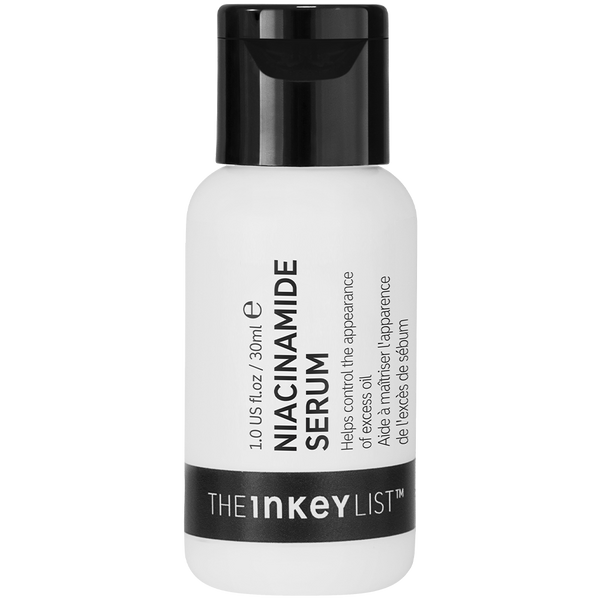
10% Niacinamide Serum ($13) is the primary serum step for melanin transfer inhibition, PIH reduction, and anti-inflammatory brightening. Formulated with 10% niacinamide and Hyaluronic Acid, it delivers the active at a clinically validated concentration in a lightweight, serum texture that layers easily under other products. It is suitable for use in both the morning and evening routine.
Omega Water Cream ($15) is an oil-free moisturizer that contributes 5% niacinamide as part of its formula, providing sustained brightening support at the moisturizer step throughout the day and overnight. Its formula includes a Ceramide Complex and Glycerin for barrier support and hydration. In clinical testing, 95% of participants agreed that their skin tone looked more even after 28 days of use - demonstrating that niacinamide’s brightening effect is meaningful even at the moisturizer stage, not just in a dedicated serum.
Together, these two products layer niacinamide at both the serum and moisturizer stage, maximizing contact time and supporting consistent results across the full day-and-night cycle.
Full AM Routine for Hyperpigmentation
- Cleanser - start with a clean base
- Hyaluronic Acid Serum - apply to damp skin immediately after cleansing for maximum hydration benefit; this step supports barrier function and skin plumpness that amplifies the radiance effect of niacinamide
- Tranexamic Acid Serum ($19) - upstream brightening treatment targeting melanin signaling pathways triggered by UV and inflammation
- 10% Niacinamide Serum ($13) - downstream melanin transfer inhibition; anti-inflammatory support for PIH-prone skin
- 15% Vitamin C + EGF Serum ($20) - optional additional step for antioxidant protection and tyrosinase inhibition; particularly valuable in the AM for UV-triggered pigmentation
- Omega Water Cream ($15) - moisturizer with 5% niacinamide; seals in actives and provides sustained brightening and barrier support
- Broad-spectrum SPF - the single most important step in any hyperpigmentation routine; UV exposure actively re-stimulates melanin production and will work against every active in your routine if skipped
Full PM Routine for Hyperpigmentation
- Cleanser - double-cleanse if wearing SPF or makeup
- Hyaluronic Acid Serum - on damp skin for hydration
- Tranexamic Acid Serum ($19) - evening brightening treatment; Tranexamic Acid is effective in both AM and PM
- 10% Niacinamide Serum ($13) - melanin transfer inhibition; also buffers any potential irritation from retinol if used
- Omega Water Cream ($15) - evening moisturizer step
- Optional: Retinol Serum - if incorporating retinol for cell turnover, apply niacinamide first, then retinol on top; niacinamide’s anti-inflammatory properties help buffer retinol-related irritation and the combination accelerates surface cell renewal, which supports faster pigmentation fading; PM only
Layering Tips for Best Results
- Apply each serum individually, never mix actives in your palm before applying - this can affect the stability and absorption of each ingredient
- Niacinamide before retinol, always - the buffering effect reduces the risk of irritation and flaking that can otherwise discourage consistent retinol use
- SPF is non-negotiable for hyperpigmentation treatment; UV exposure directly stimulates melanocyte activity, and without SPF, you are re-triggering the same pigmentation process you are working to reverse
- If you are new to active ingredients, start with a simplified version of this routine - cleanser, Hyaluronic Acid Serum, Niacinamide Serum, Omega Water Cream, and SPF - and introduce additional actives one at a time every two to three weeks
A Note for Deeper Skin Tones
For medium and deeper skin tones, where PIH tends to be more intense and longer-lasting, the niacinamide and Tranexamic Acid pairing is particularly well-suited. Both ingredients are anti-inflammatory and non-irritating, which eliminates the risk of causing further post-inflammatory pigmentation through over-aggressive treatment. Over-layering potent actives in an attempt to accelerate results is one of the most common mistakes in hyperpigmentation treatment for deeper skin tones, and it often backfires by triggering more inflammation and more PIH. Building the routine gradually, maintaining daily SPF use, and committing to a consistent 8 to 12-week trial is the most effective approach. The hyperpigmentation guide and the uneven skin tone blog both provide additional guidance for building a routine suited to different skin tones.
The Consistent Case for Niacinamide in a Brightening Routine
Niacinamide has earned its place as one of the most clinically validated, widely applicable, and consistently well-tolerated brightening ingredients in skincare. Its mechanism - inhibiting melanin transfer from melanocytes to keratinocytes - is specific, evidence-backed, and effective across a broad range of hyperpigmentation types, from post-acne dark marks to UV-triggered spots to diffuse uneven tone. The clinical evidence from Hakozaki, Kimball, Bissett, and Greatens collectively points to the same conclusion: sustained daily use at 10% is the key to meaningful, long-term pigmentation correction.
What sets niacinamide apart from many brightening actives is not just what it does but what it does not do. It does not irritate. It does not cause purging. It does not require careful titration for sensitive skin. And it does not compete with other brightening ingredients - it complements them, working downstream from Vitamin C and Tranexamic Acid to cover more of the melanin pathway collectively than any single ingredient can address alone. For anyone building a serious hyperpigmentation routine, niacinamide is not optional - it is foundational.
Consistency and patience are the two non-negotiable requirements. The timeline for meaningful spot-fading is measured in weeks, not days, and daily SPF use is as much a part of the treatment protocol as the actives themselves. But for those who commit to the routine, the results are clinically supported and, for most users, clearly visible within two to three months.
Start Building Your Brightening Routine Today
If you are ready to take action on dark spots and uneven skin tone, the 10% Niacinamide Serum ($13) is the clinically grounded starting point - formulated at the evidence-based concentration, lightweight enough to layer, and suitable for all skin types including sensitive and acne-affected skin.
Pair it with the Omega Water Cream ($15) to layer 5% niacinamide at the moisturizer step and maintain brightening support throughout the day and overnight.
For a more targeted or advanced approach, explore the full range:
- Shop the Tranexamic Acid Serum ($19) for upstream melanin signaling interruption
- Shop the 15% Vitamin C + EGF Serum ($20) for antioxidant brightening and tyrosinase inhibition
- Build Your Own Routine and customize a hyperpigmentation protocol for your specific skin
- Take the Skincare Quiz to get a personalized ingredient recommendation
- Shop the Hyperpigmentation Collection to explore the full range of targeted brightening products
The science is clear, the protocols are straightforward, and the ingredients are accessible. The only variable left is consistency.
Frequently Asked Questions
Got a question?
Our askINKEY team are a friendly bunch of skincare experts with deep product knowledge and zero judgement. Whether you're an ingredient obsessive or just starting out, we'll make it make sense. No question too big. No question too small. We Give A Care, Every Day.


