



Uneven Skin Tone: What Causes It and How to Even It Out
Blotchy, dull, or patchy skin? Here's exactly what causes uneven skin tone and texture, and the ingredients proven to even it out for good.
Author
askINKEY skincare advisor
Published
01 June, 2026
Time to read
12 minutes
This blog explains what uneven skin tone actually is, what causes it, and which ingredients and routine steps genuinely help even it out. If you have ever searched for help with blotchy skin, patchy skin, dull skin, dark spots, uneven skin texture, or an uneven complexion, you are describing some version of the same underlying concern, and all of it is covered here.
We will walk through the five most common causes, the ingredients with real evidence behind them (Tranexamic Acid, Vitamin C, Niacinamide, Glycolic Acid, and SPF), a simple AM/PM routine that puts them to work together, and a realistic week-by-week timeline for results. One thing to set straight from the start: uneven skin tone and texture is addressable with consistency, not with a single product used once. There is no overnight fix here, just a clear process that works when you stick with it.
Before getting into ingredients, it is worth understanding exactly what uneven skin tone is and why it happens in the first place.
What Is Uneven Skin Tone?
Uneven skin tone is a visible variation in skin color across the face or body. It shows up as patches, spots, redness, or areas of dullness that stand out against the surrounding skin. For some people it is a scattering of dark spots across the cheeks and forehead. For others it is a general blotchiness, or patches that look duller than the rest of the complexion. All of these fall under the same umbrella.
To understand why it happens, it helps to know a little about how skin gets its color in the first place. Specialized cells called melanocytes produce a pigment called melanin, and melanin is what gives skin its tone. Under normal conditions, melanin production is fairly even and predictable. But when something disrupts that process, whether that is UV exposure, inflammation, hormones, or simple aging, melanocytes in certain areas can go into overdrive and produce more melanin than the surrounding skin. The result is visible unevenness: a dark spot here, a patch of discoloration there.
This is worth repeating plainly, because it matters: uneven skin tone affects all skin tones and all ages. It is not a flaw, and it is not something only certain people deal with. It is simply a common skin behavior, a response your skin has to specific triggers, and that means it is also something you can influence and address with the right approach. In dermatology, the broader clinical term for this excess pigment production is hyperpigmentation, and it is worth understanding what causes uneven skin tone at a deeper level if you want to dig further into the different types. Our complete guide to hyperpigmentation breaks down the science in more detail, and if dark spots specifically are your main concern, our dark spots page focuses on that particular manifestation. If you already have a clear picture of what you are dealing with and want to start shopping solutions now, you can jump straight to our uneven skin tone collection.
What is interesting about uneven skin tone is that the end result, excess or irregular melanin sitting visibly in the skin, can look remarkably similar from person to person, even when the underlying cause is completely different. A dark spot left behind by a blemish can look a lot like a sun spot at a glance. But the cause shapes the right approach, which is exactly why the next section matters so much.
What Causes Uneven Skin Tone and Texture?
There are five main drivers behind most cases of uneven skin tone and texture, and identifying which one (or combination) applies to you is the single most useful thing you can do before choosing products.
Sun damage is the biggest driver by a significant margin. Melanin production is actually a protective response. When skin is exposed to UV radiation, melanocytes produce more pigment to help shield deeper skin layers from damage. The problem is that this response is rarely perfectly even. Repeated sun exposure over months and years leads to cumulative, irregular pigmentation, often concentrated on the areas that get the most sun: cheeks, forehead, nose, and the backs of the hands. One detail that surprises a lot of people is that the spots you see today may reflect sun exposure from years earlier. Melanin can sit dormant beneath the surface before becoming visible, which is part of why sun damage feels like it appears “out of nowhere.”
Post-blemish marks are another extremely common cause, particularly for anyone who deals with breakouts. After a blemish heals, the inflammation involved in that healing process can trigger excess melanin production right at that spot, leaving behind a flat, dark mark. This is not a scar, it is a pigmentation response, and it tends to be more pronounced and longer-lasting in medium-to-deep skin tones. If this is your main concern, our dedicated guide on Post-Inflammatory Hyperpigmentation (PIH): How to Treat It goes much deeper into why this happens and how to approach it.
Hormonal changes produce a different pattern: diffuse, often symmetrical blotchy patches, typically appearing on the cheeks, forehead, or upper lip. This is commonly linked to pregnancy, hormonal contraception, or other hormonal shifts, and it tends to worsen with sun exposure, which is part of why SPF becomes especially important for this type. If this pattern sounds familiar, our article on What Is Melasma? How to Treat It covers this specific form of hormonal pigmentation in detail.
Aging plays a role too, though in a slightly less obvious way. As skin ages, the natural rate of cell turnover slows down. That means pigmented, dull surface cells sit around for longer before shedding, making discoloration more visible and persistent. At the same time, decades-old sun damage can continue to surface as new spots well into later life, since melanin from UV exposure doesn’t always reveal itself immediately. Our mature skin page connects this slower turnover to the wider picture of aging skin care.
A weakened skin barrier is the fifth driver, and it is an easy one to overlook. When the skin’s barrier is compromised, skin becomes more reactive and more prone to inflammation. Since inflammation is one of the main triggers for excess melanin production, a damaged barrier can directly worsen uneven tone, even without a visible blemish or sunburn as the trigger. This connects barrier health directly to tone evenness, something we unpack further in our damaged skin barrier guide.
It is worth noting here that uneven skin texture, meaning rough patches, enlarged pores, or an uneven surface feel, frequently overlaps with uneven skin tone, since both can stem from the same slowed cell turnover and inflammation pathways. They are often searched together for good reason: addressing one tends to improve the other.
Once you have a sense of which cause (or causes) applies to your skin, the next logical step is understanding which ingredients actually address the underlying melanin process, rather than just temporarily masking the appearance of unevenness.
The Best Ingredients for Evening Out Skin Tone
This is the practical core of everything above: the ingredients with real evidence behind them for addressing uneven skin tone, and how each one works differently.
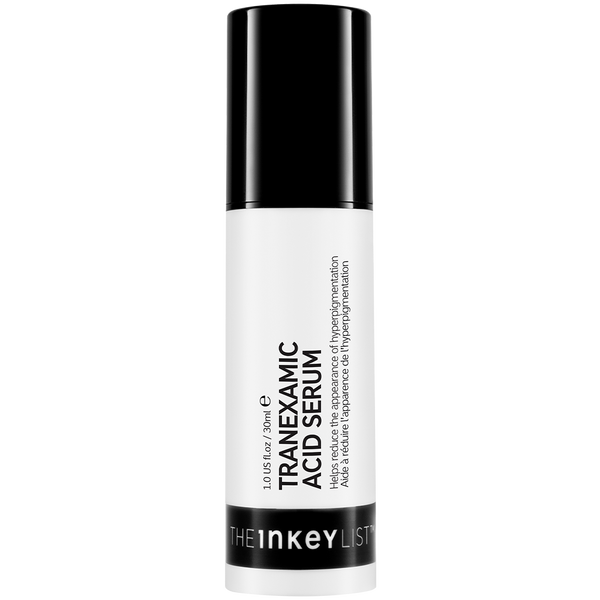
Tranexamic Acid works at the source. Rather than simply exfoliating existing pigment away, it interrupts the signal that tells melanocytes to overproduce melanin in the first place. This makes it a genuinely different mechanism from exfoliating acids, and it is gentle enough to suit most skin types, including sensitive skin, with usage both morning and night. Our Tranexamic Acid Serum is built around this exact mechanism, and if you want the full science behind it, our complete guide to Tranexamic Acid covers the research in detail.
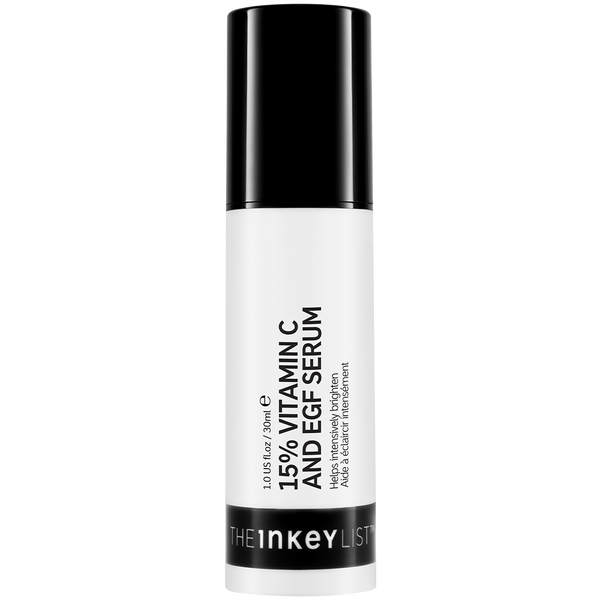
Vitamin C offers dual action. It inhibits an enzyme called tyrosinase, which is directly responsible for melanin production, while also functioning as an antioxidant that protects skin against the UV and pollution exposure that can trigger discoloration in the first place. The challenge with Vitamin C has traditionally been stability and irritation, which is why we use a stable form called Ascorbyl Glucoside in our 15% Vitamin C + EGF Serum, delivering the brightening and protective benefits without the irritation that less stable forms can cause. For a full walkthrough of how to introduce it properly, see our Best Vitamin C Skincare Routine for Beginners, or visit our Vitamin C pillar page for the underlying science.
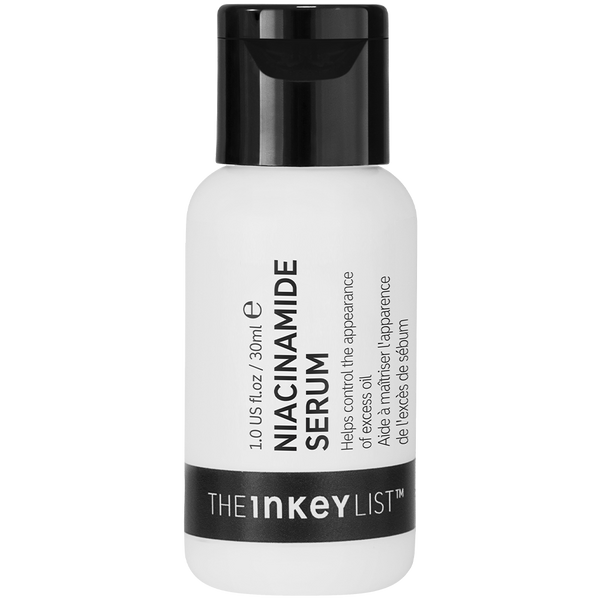
Niacinamide takes a different approach again. It works by blocking the transfer of melanin from melanocytes up to the surface skin cells where it becomes visible, which reduces the appearance of dark spots and post-blemish marks over roughly 8 to 12 weeks of consistent use. As a bonus, niacinamide also helps regulate oil production and supports overall barrier function, tying back to the barrier-health cause discussed earlier. Our 10% Niacinamide Serum delivers this at an effective, well-tolerated concentration, and our guide on How and When to Use Niacinamide covers exactly how to fit it into your routine. For the full ingredient breakdown, visit what is Niacinamide.
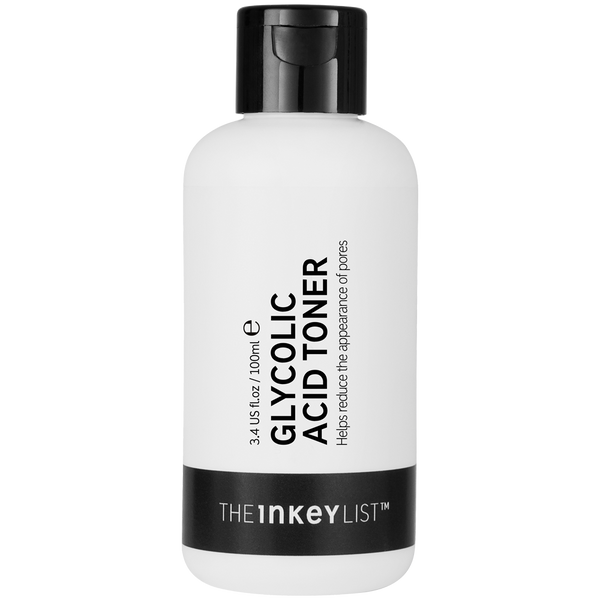
Glycolic Acid works on the surface rather than at the source. As an AHA, it accelerates cell turnover, helping shed pigmented surface cells faster while also improving how well other active ingredients penetrate the skin. Because it is more active than the ingredients above, it should be used 2-3 evenings per week rather than daily, giving skin time to recover between applications. Our Glycolic Acid Toner is formulated for this cadence, and the complete guide to Glycolic Acid explains the exfoliation process in more depth.
SPF deserves its own category, because it is genuinely non-negotiable. Every brightening ingredient above can be undone by continued, unprotected UV exposure, since sun exposure is the single biggest trigger for new pigmentation. This makes daily sunscreen the foundation that makes everything else worth doing. If you are looking for sunscreen for uneven skin tone, the most important features to look for are broad-spectrum protection and a texture you will actually want to wear every single day, since consistency matters more than any single formula detail. For the full picture on how SPF works and how to choose the right one for your skin, our complete guide to SPF is a useful starting point.
Together, these even skin tone products work on different stages of the same process: interrupting overproduction, blocking pigment transfer, accelerating turnover, and protecting against new triggers. Once you understand how each piece works, it becomes much easier to see where a newer category like exosomes fits into the picture, particularly for aging-related tone loss.
Adding Exosomes: Support for Aging and Barrier Repair
Exosomes are one of the newer innovations in skincare, and they are worth understanding on their own terms rather than as a replacement for the ingredients above. Exosomes support skin’s natural renewal processes and help build barrier resilience, which makes them a genuinely useful complement to the brightening ingredients already covered, particularly for anyone whose uneven tone is tied to aging or a weakened barrier rather than active sun damage or fresh post-blemish marks.
Our Exosome Hydro-Glow Complex is built around this renewal-and-resilience angle, and the clinical results behind it are worth stating precisely, because precision matters here:
- “100% saw more glowing skin, clinically proven“ 4-week clinical study of 26 people
- “Clinic-worthy rejuvenated skin in 14 days*”
- “55% reduction in visible signs of skin stress (redness, puffiness, visible irritation)“ In-vitro testing of Cica Exosomes showed a 55% reduction in pro-inflammatory markers and a 63% increase in markers associated with skin renewal after 8 hours.
- “63% increase in skin renewal activity in 8 hours“ In-vitro testing of Cica Exosomes showed a 55% reduction in pro-inflammatory markers and a 63% increase in markers associated with skin renewal after 8 hours.
- “6-in-1 skin rejuvenation: clinically proven to visibly improve radiance, hydration, tone, firmness, elasticity, and texture*”
- “Proven to deliver up to 12-hours of hydration“ Clinical study of 31 people
- “Helps support natural collagen production”
That 6-in-1 claim is particularly relevant here, since it directly addresses tone and texture alongside radiance, hydration, firmness, and elasticity, tying this formula back to the exact concerns this blog is focused on. We describe its effect as glow boosting, a term that reflects what the clinical testing actually shows: a visible increase in radiance and renewal activity, not a claim about altering deeper cellular processes.
If you want to understand the science behind exosomes more fully, including how plant-derived exosomes are sourced and how they interact with skin, our what are Exosomes page explains it in plain terms. And because barrier health was one of the five causes of uneven tone discussed earlier, it is worth revisiting our damaged skin barrier guide if that is part of your specific picture.
With the full ingredient toolkit now covered, from Tranexamic Acid through to exosomes, the next step is practical: how do you actually layer all of this into a morning and evening routine without overcomplicating things?
How to Build a Skincare Routine for an Even Skin Tone
Here is exactly how to even out skin tone in practice, broken into a simple AM and PM structure.
Morning routine:
- Cleanse.
- Apply a hydrating serum to slightly damp skin to help lock in moisture.
- Apply Tranexamic Acid Serum.
- Apply Vitamin C + EGF Serum.
- Moisturize.
- Finish with SPF, applied as a generous final layer every single morning, rain or shine. This step is the one that protects everything you just did.
Evening routine:
- Double cleanse to fully remove sunscreen, makeup, and daily buildup.
- Apply a hydrating serum.
- Apply Tranexamic Acid Serum again (its gentle profile makes it suitable for twice-daily use).
- On 2-3 evenings per week only, use Glycolic Acid Toner in place of a second Tranexamic Acid application, alternating with Tranexamic-only nights the rest of the week.
- Moisturize to support overnight skin repair.
The Exosome Hydro-Glow Complex is flexible enough to slot into either routine, or to be used on its own some days, since it is designed to work alongside whatever actives you are already using rather than requiring a dedicated routine slot.
A few practical tips make a real difference here. Use roughly a pea-sized amount of each serum, no more is needed for these concentrations to work. Wait about 60 seconds between layering different serums, giving each one a moment to absorb before the next goes on. And if you are new to actives altogether, introduce one new product at a time rather than starting everything at once, which makes it much easier to tell what your skin is responding well to. Our full guide on How to Build Your Skincare Routine walks through this process in more detail if you want additional guidance on sequencing and layering.
Once the routine is in place, the natural next question is how long it actually takes to see this work pay off, and that deserves an honest answer rather than a vague one.
How Long Does It Take to See Results?
Here is a realistic, honest timeline, because setting the right expectations matters more than promising fast results.
Weeks 1-2: Skin may start to feel more hydrated and look slightly brighter overall, but you likely will not see a major visible change in spots or patches yet. This is completely normal and does not mean the products aren’t working.
Weeks 3-4: With consistent use, the first visible improvements in overall brightness and tone typically begin to emerge. This is often when people first notice their skin looking a bit more even, even if individual spots haven’t faded much yet.
Weeks 6-8: This is the commonly cited benchmark for meaningful, visible reduction in dark spots and patches. Most people using a consistent routine with the ingredients covered above start to see real, noticeable change by this point.
Weeks 10-12 and beyond: Improvement continues to build cumulatively from here, particularly for stubborn, long-standing sun damage that took years to develop and will understandably take longer to fade. SPF remains critical throughout this entire window and beyond, since new UV exposure can undo progress at any stage.
Two factors shape exactly where you land on this timeline: how consistently you use your routine, and the underlying cause itself. A recent post-blemish mark will typically fade faster than years of accumulated sun damage, and hormonal pigmentation can take longer still, particularly if sun exposure continues alongside it. For more detail on the clinical research behind these timeframes, our Tranexamic Acid and Vitamin C pillar pages go deeper into the data.
Putting It All Together
Uneven skin tone is common, it affects every skin tone and every age group, and it is driven by identifiable causes rather than being some fixed trait you’re stuck with. That reframe matters: this is a skin behavior you can influence, not a flaw to fix urgently.
The ingredient framework covered here works because each piece targets a different stage of the same process. Tranexamic Acid interrupts melanin production at the source. Vitamin C brightens existing discoloration while protecting against new triggers. Niacinamide fades visible marks by blocking pigment transfer to the surface. Glycolic Acid accelerates cell turnover to shed pigmented cells faster. The Exosome Hydro-Glow Complex supports renewal and barrier resilience, particularly useful for aging-related tone loss. And SPF protects every bit of that progress from being undone by new sun exposure.
The honest timeline bears repeating: real, cumulative results typically show up by weeks 6-8, with continued improvement beyond that. This is not an overnight process, and no legitimate product can make it one. What it is, though, is reliably achievable with consistency.
At this point, the ingredients and the routine are laid out. The main variable left is simply sticking with it.
Ready to start? Shop products for uneven skin tone and find the ingredients that match your specific cause, or build your own routine and save up to 20% for a personalized approach tailored to your skin.
Frequently Asked Questions
Got a question?
Our askINKEY team are a friendly bunch of skincare experts with deep product knowledge and zero judgement. Whether you're an ingredient obsessive or just starting out, we'll make it make sense. No question too big. No question too small. We Give A Care, Every Day.


