

Pregnancy-Safe Skincare: Your Complete Guide
A clear, ingredient-focused guide to pregnancy-safe skincare — what’s safe, what to skip, and how to build a routine that works for you and your baby.
Author
askINKEY skincare advisor
Published
21 January, 2022
Time to read
18 minutes
Navigating skincare during pregnancy can feel like a full-time job. Suddenly, products you have used for years come under scrutiny, ingredient lists seem more intimidating than ever, and conflicting advice online only adds to the noise. The good news? Pregnancy-safe skincare is not about starting from scratch. It is about understanding which ingredients to keep, which to set aside, and how to build a simple, effective routine that supports your skin through every trimester - without compromising your confidence or your health.
Hormonal shifts during pregnancy directly affect the skin - triggering everything from unexpected breakouts and excess oil to dryness, sensitivity, and hyperpigmentation. These changes are real, they are common, and they are manageable with the right knowledge. This guide covers exactly what you need to know: which ingredients are confirmed safe, which to avoid, a step-by-step pregnancy skincare routine built around INKEY products, targeted advice for concerns like melasma and acne, and answers to the questions we hear most often.
As always, this guide is intended as a science-backed educational resource. Please consult your OB-GYN or dermatologist for personalized advice before making changes to your skincare routine during pregnancy.
What Skin Changes to Expect During Pregnancy
Your skin does not exist in isolation from the rest of your body - and pregnancy makes that clearer than almost any other life event. The hormonal cascade that begins in the first trimester and continues throughout pregnancy has a direct, measurable impact on skin behavior. Understanding what is happening beneath the surface is the first step to managing it effectively.
Estrogen and progesterone are the primary drivers of pregnancy-related skin changes. Rising estrogen levels influence sebum production, blood vessel dilation, and melanin stimulation. Progesterone compounds these effects, often increasing oil secretion and contributing to congestion and breakouts in the early months. Together, these hormones can shift your skin type in ways that feel sudden and confusing - even if your complexion has been stable for years.
Increased blood volume is another significant factor. As the body works to support a growing baby, blood flow rises substantially - which can manifest on the skin as flushing, visible redness, and heightened reactivity to products, temperatures, and environmental triggers. Skin that was previously tolerant of active ingredients may become more sensitive, and formulas that once felt comfortable may suddenly cause irritation.
Perhaps most critically for the purposes of ingredient safety: the skin barrier often becomes more permeable during pregnancy. This is not a reason to panic, but it does matter. A more permeable barrier means that what you apply topically has a slightly higher chance of being absorbed at a systemic level - which is precisely why certain ingredients, like high-dose retinoids, raise concern during this period. It also means that barrier-supporting ingredients like ceramides and glycerin become even more valuable.
The five skin concerns that arise most frequently during pregnancy are worth knowing by name:
- Excess oil and acne: Hormonal surges in the first trimester often trigger breakouts, even in those who have never been acne-prone.
- Oily skin: Progesterone increases sebum production, leading to shine and congested pores.
- Dehydration and dryness: Despite oil production, the skin can still lack water - a common paradox that leaves skin feeling tight and looking dull.
- Hyperpigmentation and melasma: Estrogen stimulates melanin production, making the skin more prone to dark patches - especially on the face.
- Sensitivity and a compromised skin barrier: Increased permeability and reactivity make the skin more vulnerable to irritation and moisture loss.
Each trimester can bring its own set of concerns. Breakouts and oiliness often peak in the first trimester, while hyperpigmentation and sensitivity may become more pronounced in the second and third. This is why a flexible, ingredient-aware routine matters more than a rigid protocol.
Now that you understand the “why” behind pregnancy-related skin changes, the most important question becomes practical: which ingredients can you actually use?
Skincare Ingredients Safe During Pregnancy - And What to Avoid
This is the section that matters most to most readers - a clear, confident breakdown of what is confirmed safe and what is best avoided during pregnancy. The goal here is not to alarm, but to empower. Most everyday skincare ingredients are perfectly fine to continue using. A small number are not. Knowing the difference makes all the difference.
Ingredients Confirmed Safe to Use
Hyaluronic acid is one of the most universally recommended skincare ingredients during pregnancy - and for good reason. It is a molecule that occurs naturally in the body, works by drawing moisture to the skin’s surface, and has no known systemic absorption risk at topical concentrations. It is suitable at all stages of pregnancy and is particularly useful for addressing dehydration and maintaining a plump, comfortable complexion.
Niacinamide - also known as vitamin B3 - is widely considered safe for topical use during pregnancy and breastfeeding. It is one of the most versatile ingredients available: it regulates sebum production, minimizes the appearance of pores, reduces redness, and helps even out skin tone. Given that these are exactly the concerns pregnancy tends to amplify, niacinamide belongs in almost every pregnancy skincare routine.
Vitamin C is confirmed safe for topical use during pregnancy. As an antioxidant, it protects against environmental damage and addresses uneven tone - making it particularly useful for managing melasma and sun-related pigmentation. Stable, gentle forms of vitamin C (such as ascorbyl glucoside) are especially well-suited for pregnancy-sensitive skin.
Azelaic acid deserves special recognition here. It is one of very few active ingredients that dermatologists explicitly consider safe during pregnancy. It targets redness, active breakouts, and hyperpigmentation simultaneously - a rare combination that makes it one of the most useful ingredients available to pregnant women navigating multiple skin concerns at once.
PHA (polyhydroxy acid) is the exfoliant of choice during pregnancy. Its large molecular size prevents it from penetrating deeply into the skin, meaning systemic absorption is not a concern. It delivers gentle exfoliation that is well-tolerated by sensitive, reactive skin - without the irritation risk associated with stronger acids.
Glycerin is a gentle, universally safe humectant. It draws water into the skin and helps maintain the integrity of the skin barrier. Simple, effective, and completely safe during pregnancy - it is an ingredient worth looking for in both cleansers and moisturizers.
Ceramides are essential lipids that form the structural foundation of the skin barrier. Because pregnancy can deplete the barrier and increase sensitivity, replenishing ceramides through topical application is one of the most practical and impactful things you can do for your skin during this time.
Bakuchiol is a plant-derived ingredient widely promoted as a retinol alternative. Unlike retinol, it does not bind to retinoid receptors and is generally regarded as lower risk during pregnancy. That said, formal clinical safety data is limited. If you are considering bakuchiol during pregnancy, consult your OB-GYN before use.
Peptides are short chains of amino acids that support collagen production, firmness, and hydration. They are generally considered safe during pregnancy and offer a gentle way to maintain skin structure and texture without relying on retinoids.
Ingredients to Avoid During Pregnancy
Retinol and all retinoids are the most well-known ingredients to avoid during pregnancy. At high doses, vitamin A derivatives have been linked to fetal harm - and while topical retinol delivers far lower systemic exposure than oral retinoids, the precautionary consensus among dermatologists and OB-GYNs is clear: avoid all retinol formats during pregnancy. This applies to prescription-strength tretinoin as well as over-the-counter retinol serums.
Salicylic acid is a nuanced one. Low concentrations - specifically 2% or under in a wash-off formula like a cleanser - are generally considered low risk during pregnancy. However, high-concentration salicylic acid treatments (peels at 15-30%, or leave-on formulas above 2%) are best avoided. When in doubt about a specific product, check with your OB-GYN.
Hydroquinone is a skin-lightening agent that carries a high systemic absorption rate compared to most topical ingredients. It is not recommended during pregnancy, even though it is often sought for melasma. Fortunately, there are safe, effective alternatives - vitamin C, azelaic acid, and tranexamic acid among them.
Chemical UV filters such as oxybenzone have raised concerns in the context of pregnancy due to their systemic absorption potential. Mineral SPF formulas containing zinc oxide or titanium dioxide are the strongly preferred alternative during pregnancy - they sit on the surface of the skin and reflect UV rather than absorbing it.
Formaldehyde-releasing preservatives, found in some hair and nail products, are best avoided during pregnancy. Always worth scanning labels on products beyond your usual skincare routine.
When in doubt, always check with your OB-GYN or dermatologist before adding a new product or active ingredient to your routine during pregnancy. The ingredient landscape can be nuanced - and personalized guidance is always the gold standard.
With a clear picture of which ingredients to embrace and which to avoid, the next step is building a practical daily routine that puts this knowledge to work.
Your Pregnancy-Safe Skincare Routine - Step by Step
A great pregnancy skincare routine does not need to be complicated. In fact, simplicity is often a strength - fewer products mean fewer ingredient interactions to navigate, and a consistent routine is always more effective than a complicated one followed inconsistently. Here is a step-by-step routine built around INKEY products confirmed suitable for use during pregnancy.
Step 1 - Cleanse: Oat Cleansing Balm
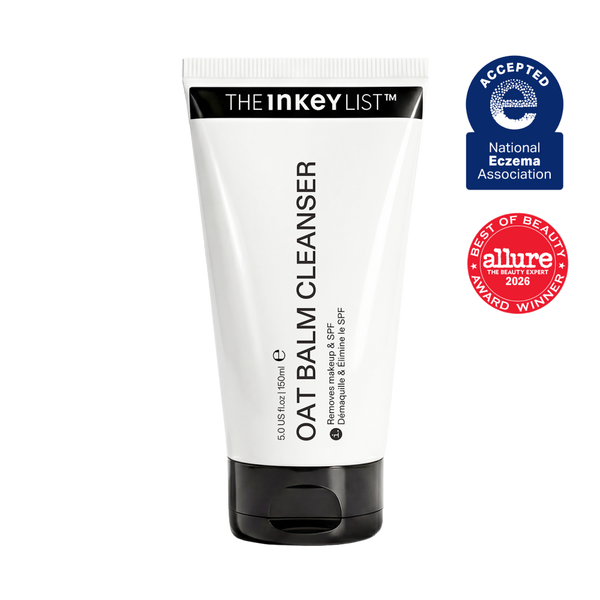
Start with the Oat Cleansing Balm ($17.00). Formulated with colloidal oatmeal and oat kernel oil, this balm melts away makeup and SPF without stripping or disrupting the skin barrier - an important consideration during pregnancy when the barrier is more vulnerable than usual. It is confirmed suitable for pregnancy and breastfeeding, and its gentle, non-irritating formula makes it ideal as a first cleanse for sensitive or reactive skin. Massage onto dry skin, emulsify with water, and rinse thoroughly.
Step 2 - Exfoliate (2-3x per week): PHA Toner
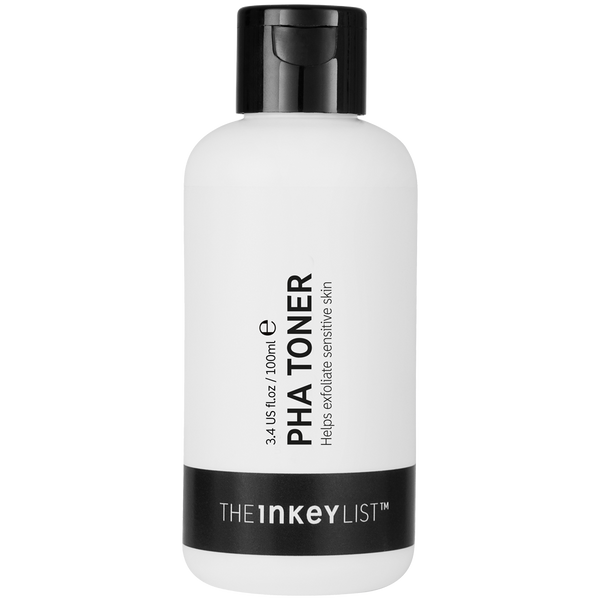
Two to three times per week, follow cleansing with the PHA Toner ($18.00). PHAs are large-molecule exfoliants that work at the skin’s surface level, delivering gentle cell turnover without the deep penetration associated with stronger acids. This makes them one of the safest exfoliating options available during pregnancy - confirmed suitable, and gentle enough for the reactive skin many women experience during this time. For a deeper look at why PHAs are considered safe, see the INKEY blog Is PHA Safe During Pregnancy? and the full PHA ingredient page.
Step 3 - Hydrate: Hyaluronic Acid Serum
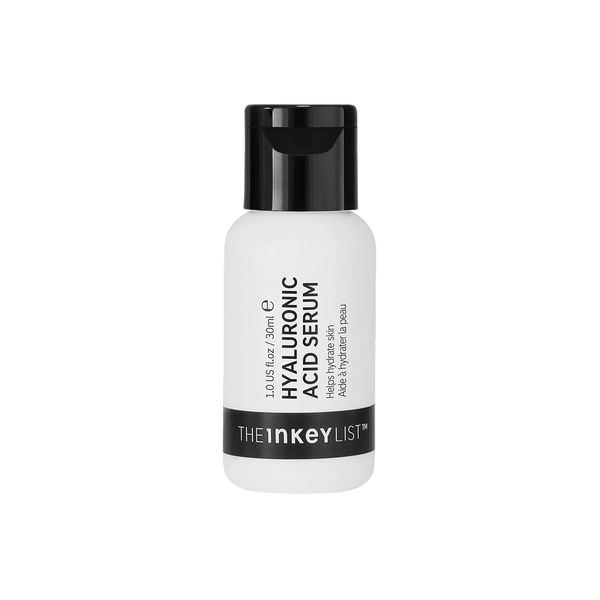
The Hyaluronic Acid Serum ($13.00 for 30ml / $23.00 for 60ml) is a pregnancy-routine essential. Apply it to damp skin immediately after toning - this maximizes its ability to draw moisture into the skin and lock it there. Lightweight and non-irritating, it layers seamlessly under any moisturizer and is confirmed safe at all stages of pregnancy. Learn more on the hyaluronic acid ingredient page.
Step 4 - Treat: Niacinamide and/or Azelaic Acid
This step addresses your specific skin concerns with targeted actives - both confirmed safe during pregnancy.
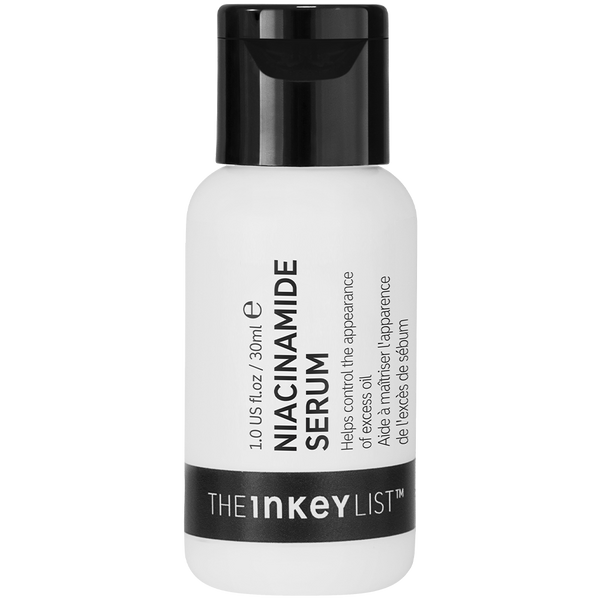
For oil control, redness, and uneven skin tone, the 10% Niacinamide Serum ($13.00) is a workhorse. It regulates sebum, calms visible redness, minimizes pores, and supports a clearer, more even complexion - all concerns that pregnancy hormones tend to amplify. See the full niacinamide ingredient page for more.
For redness, active acne, and hyperpigmentation, the 10% Azelaic Acid Serum ($20.00) is one of the standout options in any pregnancy routine. Because azelaic acid is explicitly considered safe during pregnancy by dermatologists, it occupies a unique position - a true active that you do not have to give up. Both niacinamide and azelaic acid can be used in the same routine: apply niacinamide first, allow it to absorb, then layer azelaic acid on top. See the full azelaic acid ingredient page.
Step 5 - Moisturize: Bio-Active Ceramide Moisturizer
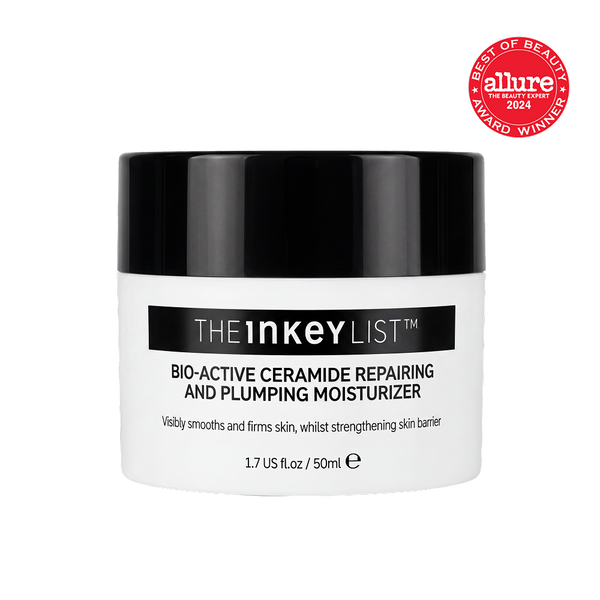
Seal everything in with the Bio-Active Ceramide Moisturizer ($22.00). Ceramides are essential lipids that make up a significant portion of the skin barrier - and replenishing them topically is one of the most effective ways to strengthen and protect skin that has become more permeable and reactive during pregnancy. Clinically proven to firm and plump, this moisturizer is suitable during pregnancy and works as the final barrier-sealing step in any routine. More on the role of ceramides at the ceramides ingredient page.
Step 6 - Protect (AM only): Mineral SPF
In the morning, finish with a mineral SPF. Look for formulas containing zinc oxide or titanium dioxide - these sit on the surface of the skin and reflect UV rays rather than being absorbed, making them the preferred choice during pregnancy. Chemical UV filters such as oxybenzone are best avoided. Daily SPF use is especially important if you are concerned about melasma, as UV exposure is the primary environmental trigger that activates hormonal pigmentation. Those in high-UV regions - the South, Southwest, and California - should be particularly consistent about this step. For more on SPF and what to look for, see the INKEY What is SPF? guide.
This six-step routine covers every base for general pregnancy skin health. Now, let us zoom in on one of the most commonly searched concerns during pregnancy: melasma.
Targeting Melasma During Pregnancy - The “Mask of Pregnancy” Explained
Melasma is one of the most emotionally charged skin concerns that can arise during pregnancy - and one of the most misunderstood. Sometimes called the “mask of pregnancy,” melasma appears as dark, blotchy patches of hyperpigmentation, most commonly on the forehead, cheeks, upper lip, and chin. It is not harmful, but it can feel significant, particularly when it appears suddenly and visibly across the face.
The mechanism behind it is hormonal. Rising estrogen and progesterone during pregnancy stimulate the melanocytes - the cells responsible for producing pigment - to become overactive. When these primed melanocytes are then exposed to UV light, they produce excess melanin, which accumulates as the dark patches associated with melasma. This is why sun protection is the single most important preventive measure you can take against melasma during pregnancy. UV exposure is not the root cause - the hormonal state creates the susceptibility - but UV is the primary trigger that activates it.
Melasma often fades in the months following delivery as hormone levels normalize. However, it can persist - and for many women, addressing it proactively during pregnancy with safe topical actives makes a meaningful difference.
Pregnancy-safe options for targeting melasma:
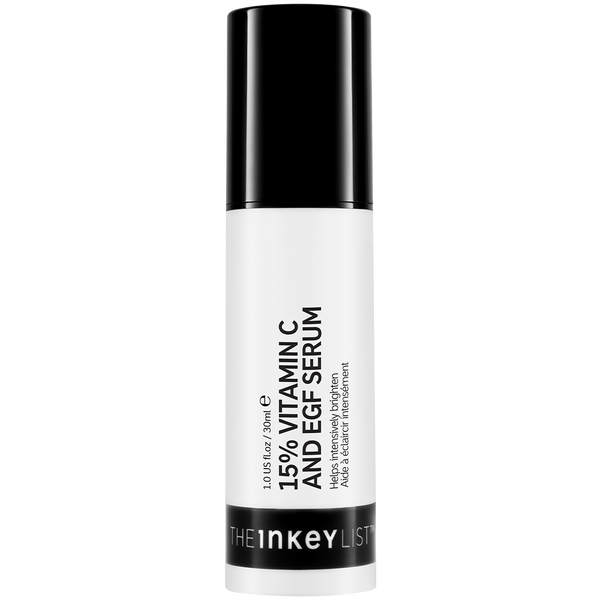
The 15% Vitamin C + EGF Serum ($20.00) uses ascorbyl glucoside, a stable, gentler form of vitamin C that is particularly well-suited to sensitive or reactive pregnancy skin. Vitamin C is a confirmed safe topical antioxidant that directly targets sun damage and uneven skin tone - making it one of the most effective brightening ingredients available during pregnancy. Learn more at the vitamin C ingredient page and the supporting INKEY blog Can You Use Vitamin C When Pregnant?
The 10% Azelaic Acid Serum ($20.00) does double duty for melasma: it interrupts the production of excess melanin while simultaneously targeting redness and active breakouts. It is one of the few actives with an explicit dermatologist safety endorsement during pregnancy, making it a reliable cornerstone of any pregnancy-safe brightening routine. Full details at the azelaic acid ingredient page.
The Tranexamic Acid Serum ($19.00) is confirmed safe during both pregnancy and breastfeeding, and is one of the most effective brightening options available to pregnant women. Tranexamic acid works by reducing the communication between UV-stimulated skin cells and melanocytes, directly interrupting the process that causes dark patches to form. It is a powerful addition to any melasma-focused routine. More on this ingredient at the tranexamic acid ingredient page.
Niacinamide rounds out the melasma toolkit. By inhibiting the transfer of melanin from melanocytes to surrounding skin cells, niacinamide reduces the visible appearance of dark patches over time. It works synergistically with vitamin C and tranexamic acid, making it an excellent supporting ingredient in a brightening routine. Read more in the INKEY blog on niacinamide for hyperpigmentation and brightening.
A note on treating melasma during pregnancy: The most effective strategy addresses the concern from two angles at once - treat with safe topical actives (vitamin C, azelaic acid, tranexamic acid, niacinamide) AND protect with mineral SPF every single day. Neither alone is as effective as both together.
For more on melasma - its causes, how it differs from other forms of hyperpigmentation, and how to approach treatment - see the INKEY deep-dive blog What Is Melasma & How To Treat It. If pigmentation around the mouth is a specific concern, the Pigmentation Around The Mouth guide is also worth reading.
From pigmentation, we move to two closely related concerns that affect a significant number of pregnant women: retinol alternatives and pregnancy acne.
Retinol Alternatives During Pregnancy and Managing Pregnancy Acne
Safe Retinol Alternatives During Pregnancy
Giving up retinol during pregnancy is one of the more frustrating adjustments for those who have built their routines around it. Retinol is not recommended during pregnancy - the precautionary consensus among OB-GYNs and dermatologists is consistent and clear. But that does not mean skin renewal, texture improvement, and anti-aging support have to take a back seat for nine months.
There are several pregnancy-safe alternatives that address many of the same concerns retinol targets:
Bakuchiol is the most talked-about retinol alternative and for good reason - it promotes cell turnover and supports collagen production without binding to retinoid receptors. It is plant-derived, well-tolerated by sensitive skin, and widely regarded as lower risk than retinol during pregnancy. However, formal clinical safety data during pregnancy is limited, so consulting your OB-GYN before adding bakuchiol to your routine is the recommended approach. Read the INKEY blog Is Bakuchiol Safe During Pregnancy? for a detailed breakdown.
Azelaic acid supports gentle skin renewal and targets post-breakout marks and uneven texture without any retinoid activity - making it one of the most versatile safe alternatives available. Peptides support collagen synthesis and firmness, directly addressing two of the key concerns that drive retinol use in the first place. Both are confirmed safe during pregnancy. Niacinamide improves skin texture, clarity, and pore appearance - again overlapping significantly with retinol’s benefits. And vitamin C delivers antioxidant protection and addresses uneven tone and early signs of aging, safely and effectively.
The key takeaway: the loss of retinol during pregnancy does not leave a gap that cannot be filled. With the right combination of bakuchiol (if OB-GYN approved), peptides, azelaic acid, niacinamide, and vitamin C, you can continue to support your skin’s health and appearance throughout pregnancy.
Managing Pregnancy Acne
Pregnancy acne is more common than you might think - and there are safe, effective options that won’t require you to compromise.
Hormonal surges in the first trimester are the primary driver of pregnancy acne. Elevated progesterone increases sebum production, which can clog pores and trigger breakouts - even in those who have never experienced significant acne before. It can feel particularly frustrating to navigate because some of the most familiar over-the-counter acne ingredients require careful consideration during pregnancy.
Salicylic acid is the ingredient most people reach for when acne flares. The nuance during pregnancy is this: low concentrations (2% or under) in wash-off formulas like cleansers are generally considered low risk, while high-concentration leave-on treatments and peels (15-30%) are best avoided. If you are unsure about a specific salicylic acid product in your current routine, read the INKEY blog Is Salicylic Acid Safe During Pregnancy? and consult your OB-GYN. For a broader understanding of managing acne, see the acne concern page.
For pregnancy-safe acne management, the most effective approach centers on three ingredients:
Niacinamide is highly effective for controlling the excess sebum that drives pregnancy acne. It also reduces the appearance of pores and calms redness around active breakouts - addressing the concern visually while it works beneath the surface. Azelaic acid is anti-inflammatory, antibacterial, and proven effective against active breakouts and the post-acne marks they leave behind. It is explicitly considered safe during pregnancy, making it the most powerful pregnancy-safe acne treatment in your toolkit. The PHA Toner adds gentle exfoliation to unclog pores without the deep penetration of stronger acids - supporting clearer skin without irritation.
For further reading on building an effective acne-clearing routine with safe options, see the INKEY blog 4 Product Types for Clearing Blemishes.
With acne and retinol alternatives addressed, there is one more foundational concern to cover - and it underpins everything else in your pregnancy skincare routine.
Supporting Your Skin Barrier During Pregnancy
The skin barrier is the outermost layer of your skin - a complex structure made up of skin cells and lipids that regulates moisture retention, keeps irritants out, and acts as the body’s first line of defense against environmental stressors. When it is healthy, skin feels comfortable, looks balanced, and responds predictably to products. When it is compromised, everything else becomes harder: hydration drains away, sensitivity increases, and even gentle ingredients can cause unexpected reactions.
During pregnancy, the skin barrier is under particular strain. Hormonal fluctuations alter the lipid composition of the barrier, making it more permeable and less effective at retaining moisture. The physical and physiological demands of pregnancy add further stress. The result, for many women, is a period where skin feels more reactive, drier, and generally more unpredictable than usual - regardless of their pre-pregnancy skin type. For a full exploration of what a compromised barrier looks and feels like, see the damaged skin barrier page.
The three most important ingredients for barrier repair and support during pregnancy are:
Ceramides are essential lipids that form the “mortar” between skin cells - and they are the most direct way to replenish what hormonal changes deplete. The Bio-Active Ceramide Moisturizer ($22.00) delivers a concentrated dose of ceramides in a formula that is clinically proven to firm, plump, and strengthen the skin. It is confirmed suitable during pregnancy and is the most impactful single product you can add to a barrier-recovery routine.
Glycerin is a universally safe humectant that draws water into the skin and supports barrier hydration from the inside out. Look for it in cleansers and moisturizers - its simplicity is its strength. It does not irritate, does not interact negatively with other ingredients, and delivers consistent, reliable hydration.
Ectoin is one of the more exciting ingredients for pregnancy skincare - a naturally derived molecule that actively strengthens the skin barrier while reducing sensitivity and supporting deep hydration. It is confirmed safe during pregnancy, and the Ectoin Hydro-Barrier Serum ($17.00) is one of the most targeted barrier-support products in the INKEY range. If your skin has become noticeably more reactive, sensitive, or dry during pregnancy, this serum is worth adding before your moisturizer.
Did you know? Applying serums to slightly damp skin immediately after cleansing - before the skin has fully dried - significantly increases their effectiveness. Humectant ingredients like hyaluronic acid, glycerin, and ectoin have more water molecules available to bind to, resulting in better hydration delivery. This small habit shift makes a real difference, especially during pregnancy when dehydration is a common concern.
Practically, barrier support during pregnancy comes down to a few consistent habits: cleanse gently without stripping the skin, apply serums while the skin is still slightly damp, layer hydration before sealing with a ceramide-rich moisturizer, and protect with mineral SPF every morning.
It is also worth noting that pregnancy affects body skin, not just the face. The PHA Body Water Cream ($15.00) offers gentle exfoliation paired with deep hydration - ideal for body skin that becomes dry, rough, or sensitive as pregnancy progresses. A small but meaningful addition to a well-rounded pregnancy self-care routine.
Building Confident Skin Through Every Trimester
Pregnancy-safe skincare is not a compromise - it is a recalibration. The ingredient landscape is narrower in some areas, yes. But what remains available - hyaluronic acid, niacinamide, azelaic acid, vitamin C, PHA, ceramides, glycerin, peptides, tranexamic acid - is more than enough to build a routine that genuinely works for your skin throughout every trimester.
The core message of this guide is simple: being informed is being in control. Knowing which ingredients to avoid removes the anxiety from label-reading. Knowing which ingredients are confirmed safe gives you the confidence to build a routine that supports your skin without second-guessing every product. And knowing that your routine does not have to be complicated - a cleanser, a hydrating serum, a targeted treatment, a barrier-sealing moisturizer, and daily mineral SPF - takes the pressure off entirely.
Every pregnancy is different, and what works beautifully for one person’s skin may not suit another’s. This is why the guidance of your OB-GYN or dermatologist is always the gold standard - especially when it comes to specific concerns, active ingredients, or any significant changes to your routine. This blog gives you a science-backed foundation; your healthcare provider gives you the personalized layer on top.
Good skincare during pregnancy is, at its core, an act of self-care in one of life’s most significant chapters. The right ingredients can help you feel confident, comfortable, and cared for in your skin - from the first trimester to the last, and beyond.
Shop Pregnancy-Safe Skincare - Explore INKEY products confirmed suitable for use during pregnancy and breastfeeding - science-backed, affordable, and straightforward.
Not sure where to start? Our 2-minute Skincare Quiz builds a personalized routine based on your skin’s needs - pregnancy-friendly options included. Take Our Skincare Quiz
Frequently Asked Questions
Got a question?
Our askINKEY team are a friendly bunch of skincare experts with deep product knowledge and zero judgement. Whether you're an ingredient obsessive or just starting out, we'll make it make sense. No question too big. No question too small. We Give A Care, Every Day.


