



Pigmentation Around the Mouth: Causes & How to Treat It
Pigmentation around the mouth can come from hormones, breakouts, waxing, or sun exposure — here's how to identify your type and treat it with proven ingredients.
Author
askINKEY skincare advisor
Published
02 June, 2026
Time to read
18 minutes
Pigmentation around the mouth, upper lip, corners of the mouth, chin, and philtrum is more common than most people realize, and it rarely comes down to one single cause. If you have been searching for answers about hyperpigmentation around mouth areas, you have probably already noticed that the advice online is inconsistent, because the condition itself is not one condition. It is several different things that can look similar on the surface but behave very differently underneath.
This is sometimes referred to as perioral hyperpigmentation, a clinical-sounding term for a cosmetic concern. It is worth saying plainly: this is not a medical emergency, and it does not mean something is wrong with your health. It means your skin is responding to one or more specific triggers, and those triggers are identifiable. Dark patches around mouth areas can stem from hormonal shifts, past blemishes, sun exposure, friction from hair removal, or irritation from everyday products. Sometimes it is one of these. Often it is two or three working together.
This guide breaks down the five most common causes of pigmentation in this area, gives you a practical way to figure out which one (or ones) applies to you, and lays out the ingredients and routine that address it. For a broader look at how hyperpigmentation forms across the whole face, the hyperpigmentation pillar page is a useful starting point. But for the specific concern of marks around the mouth, this is where to start.
By the end of this article, you will know how to identify which type of pigmentation you are dealing with, which ingredients are backed to target it, and how to build all of that into a routine you can actually stick to.
Understanding the cause is the first step, because the right fix depends entirely on what is driving the discoloration in the first place. Here is a breakdown of the five main triggers.
What Causes Pigmentation Around the Mouth? The Five Main Triggers
If you have ever asked yourself “why am I getting spots around my mouth,” the answer is almost always one of five overlapping causes. Understanding each one is the foundation of treating it effectively, because a routine built for sun damage will not do much for a breakout-related mark, and vice versa. This is the “educate before selling” part of the process: knowing your trigger changes everything that comes after it.
Hormonal pigmentation and melasma-type darkening
This type tends to show up as symmetrical patches, often across the upper lip in a shape some describe as a faint mustache-like shadow. It is triggered by hormonal shifts, commonly linked to pregnancy, hormonal contraception, or natural hormonal fluctuations, and it is made worse by heat and sun exposure. This pattern is one of the hallmark signs of melasma, a specific and well-documented form of hyperpigmentation. For a deeper explanation of how melasma forms and why it behaves differently from other types of discoloration, What is Melasma & How to Treat It covers the mechanism in more depth.
Post-inflammatory hyperpigmentation (PIH)
This is the pigmentation left behind after a blemish, cut, or irritation heals. It is extremely common around the mouth and chin specifically because these areas are prone to breakouts, whether from hormonal acne, friction from phones or masks, or simply skin that reacts strongly to inflammation. The mark itself is not a scar in the textured sense, it is flat discoloration where the skin overproduced melanin as part of its healing response. Post-Inflammatory Hyperpigmentation (PIH): How to Treat It explains this process and why some skin tones are more prone to it than others.
Sun exposure and UV-triggered pigmentation
UV exposure does not usually create new pigmentation out of nowhere around the mouth, but it is excellent at making existing discoloration worse. Melanin production is your skin’s natural defense against UV damage, so any area that already has a slightly elevated melanin response, whether from hormones, a healed blemish, or irritation, will darken further with sun exposure. This is why pigmentation around the mouth often looks noticeably worse after a summer, even without a new trigger.
Friction and irritation from hair removal
Waxing, threading, and shaving around the upper lip are mechanical processes, and repeated mechanical trauma to the same patch of skin over months or years can result in a form of post-inflammatory darkening. This is sometimes overlooked because people associate hyperpigmentation with sun or acne, not with routine hair removal. But the skin above the lip is thin and sensitive, and repeated micro-trauma in the same spot adds up.
Dermatitis-type irritation darkening
This cause is quieter and easier to miss. Reactions to lip balm ingredients, flavored toothpaste, certain mouthwashes, or even habitual lip-licking and overnight drooling can cause a low-grade, chronic irritation that the skin responds to with localized darkening. This is particularly common around mouth pigmentation in babies and young children, where drooling is frequent, but it affects adults too, especially around the corners of the mouth.
Identifying your cause matters because the right ingredients differ depending on the trigger behind it. A routine built purely for sun damage will underperform on a stubborn blemish mark, and a routine focused on exfoliation alone can actually aggravate irritation-based darkening. The next step is learning how to narrow down which of these five is most likely yours.
How to Tell Which Type of Pigmentation You Have
You do not need a dermatology degree to make an educated guess about what is driving your pigmentation. Most people can narrow it down significantly just by paying attention to pattern, location, and timing.
Start with shape and symmetry. Dark patches around mouth areas that are symmetrical, meaning they mirror each other on both sides of the upper lip in a fairly even, soft-edged way, point toward hormonal or melasma-type pigmentation. In contrast, a single, more localized mark in an irregular shape is more likely to be post-inflammatory, tied to a specific blemish or cut that occurred in that exact spot.
Texture is another clue. Flat, smooth discoloration without any bumps or raised texture usually indicates pigmentation alone, whether from PIH, sun, or hormones. If the area feels slightly rough, flaky, or irritated to the touch, that leans toward a dermatitis-type or friction-related cause, where ongoing irritation is part of what is darkening the skin.
Timing is often the most useful clue of all. Ask yourself a few direct questions:
- Did this appear or worsen after a recent wax, thread, or shave?
- Did it show up shortly after a breakout in that exact area healed?
- Has it gotten noticeably darker after a sunny vacation or a summer with more UV exposure?
- Did you recently switch lip balms, try a new toothpaste, or notice more lip-licking or drooling (including overnight)?
- Has the pattern remained fairly constant and symmetrical regardless of specific events, suggesting a hormonal link?
It is worth being upfront that overlap is the rule, not the exception. Someone can easily have hormonal pigmentation on the upper lip that is also being made worse by sun exposure, or a PIH mark near the chin that is sitting on skin that is also irritated by a new lip product. This is not a sign that something unusual is happening. It is simply how skin works when multiple everyday triggers exist in the same area. The good news is that the routine outlined later in this guide is built to address multiple causes simultaneously, so you do not need a single, perfectly clean diagnosis to get started.
For a wider view of how dark spots form and are classified across the face, How to Get Rid of Dark Spots on Face - Causes, Types & Treatment is a helpful resource. And if irritation or reactivity seems to be playing a role in your case, the sensitive skin pillar page is worth reading before introducing new actives.
If your pigmentation pattern is sudden, asymmetrical, textured, or accompanied by other unusual changes, it is reasonable to check in with a dermatologist simply for peace of mind and an accurate diagnosis. For the vast majority of cases, though, this is a manageable, well-understood cosmetic concern. Once you have a working theory of your likely cause, or causes, the next question is which ingredients are actually proven to help.
The Best Ingredients for Fading Pigmentation Around the Mouth
Once you have a sense of what is driving your pigmentation, the ingredient conversation becomes much simpler. Each of the ingredients below works through a different mechanism, which is exactly why they are often combined rather than used in isolation.
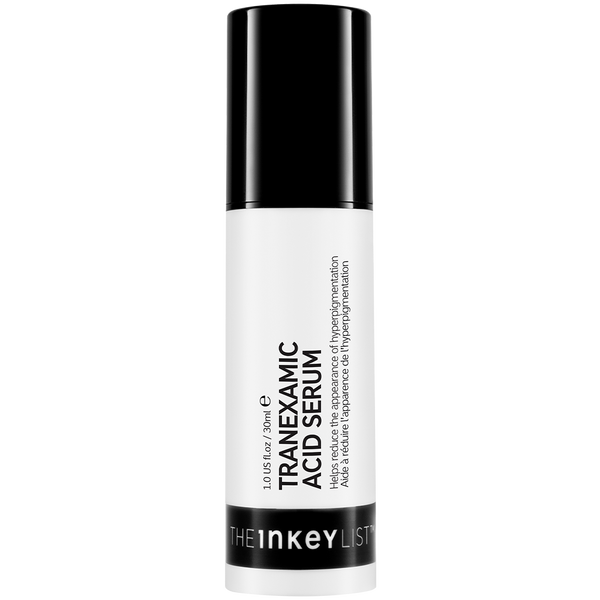
Tranexamic Acid works by interrupting the signaling pathway between skin cells that triggers excess melanin production. This makes it particularly effective for hormonal and melasma-type pigmentation, where the root issue is an overactive pigment response rather than surface damage, and it is also well suited to PIH. It is considered one of the more targeted actives available for stubborn, recurring discoloration.
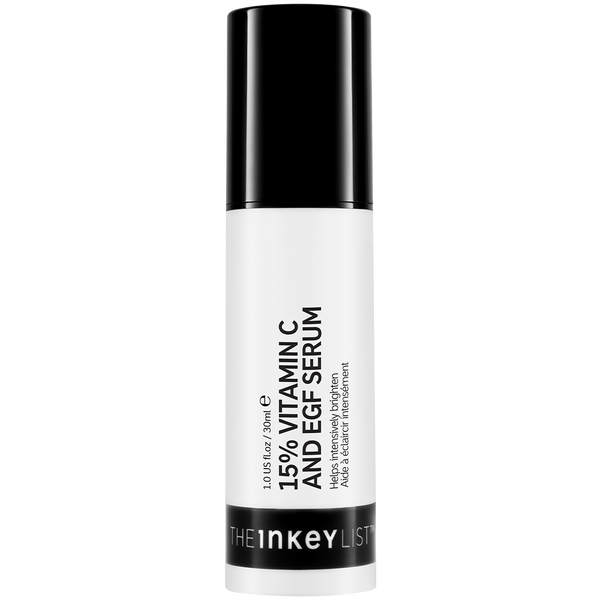
Vitamin C, specifically in a stable, gentle form like Ascorbyl Glucoside, brightens existing dullness and helps prevent new pigmentation from forming. It works partly as an antioxidant, defending skin cells against the oxidative stress that UV exposure causes, which makes it especially useful for anyone whose pigmentation is sun-triggered or sun-worsened.
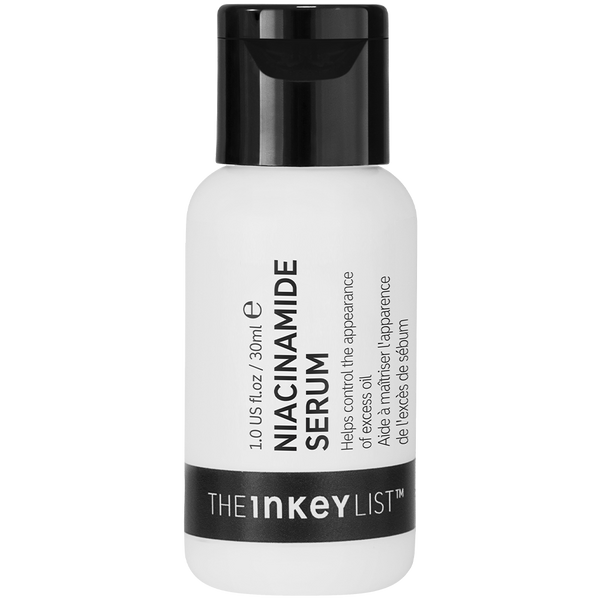
Niacinamide is a multitasker that helps even out tone, calm visible redness, and support a healthier-looking skin barrier. For pigmentation linked to irritation or low-grade dermatitis, a stronger barrier means less ongoing inflammation, which in turn means less fuel for new dark marks to form.
Azelaic Acid calms inflammation while actively helping fade the look of post-blemish marks, making it a strong fit for PIH specifically around the mouth and chin, where breakouts are common. Its anti-inflammatory properties mean it is doing two jobs at once: reducing the irritation that can lead to new marks, while fading the ones already there. For a closer look at how it works, Azelaic Acid for Dark Spots and Hyperpigmentation goes deeper into the mechanism.
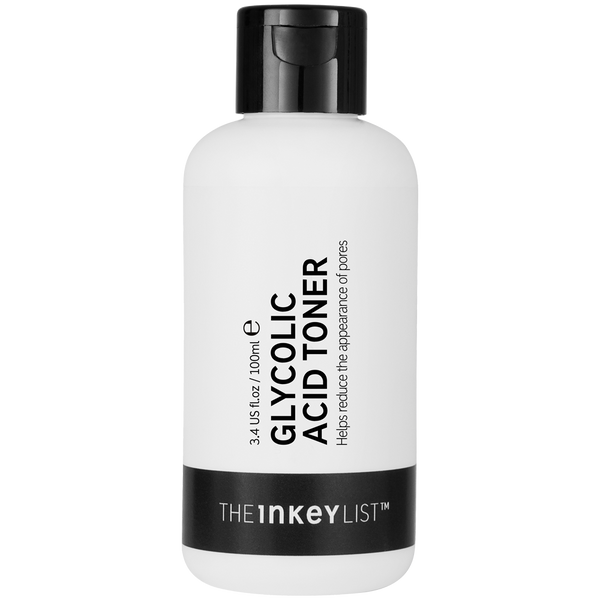
Glycolic Acid gently exfoliates the skin’s surface, supporting the natural cell turnover process that helps fade the visible appearance of discoloration over time. Because pigmented cells sit in the upper layers of skin, encouraging their turnover is one of the more straightforward ways to see gradual fading.
Hyaluronic Acid does not fade pigmentation directly, but it plays a supporting role that is easy to underestimate. Active ingredients work best when the skin barrier is well hydrated, and a dehydrated, compromised barrier is more prone to irritation, which can actually trigger more post-inflammatory marks. Hyaluronic acid keeps the skin cushioned and resilient while the other actives do their work.
SPF is not optional in this routine. UV exposure re-triggers melanin production, which means unprotected sun exposure can undo the progress made by every other ingredient in a matter of days. This is arguably the single most important ingredient on this list, not because it fades pigmentation directly, but because it prevents the backslide that makes people feel like nothing is working.
A few of these actives are frequently paired for a reason. Vitamin C and Tranexamic Acid for Dark Spots explains why this particular combination is popular: one works to prevent new pigmentation while the other targets the pathway behind existing discoloration, covering both ends of the problem at once.
It is also worth setting realistic expectations early. Tranexamic acid, like most pigmentation-targeting actives, works gradually rather than overnight. How Long Does Tranexamic Acid Take to Work? lays out a realistic timeline, and that honesty matters more than a bold promise that fades fast but does not hold up.
With the ingredients and their roles established, the next step is putting them together into an actual routine, in the right order, at the right time of day.
A Full Routine to Fade Pigmentation Around the Mouth
Knowing the right ingredients is only useful if you know how to layer them correctly. Here is a straightforward AM and PM routine built around the actives already covered, designed to address pigmentation around the mouth from multiple angles at once.
Morning routine
- Cleanse with a gentle, non-stripping cleanser to start with a clean base.
- Apply the Hyaluronic Acid Serum ($13.00) to damp skin. Applying it to damp skin helps it draw in and hold more moisture, setting a hydrated foundation for the actives that follow.
- Follow with the Vitamin C + EGF Serum ($20.00) to brighten existing dullness and help protect against new pigmentation forming over the course of the day.
- Finish with Dewy Sunscreen SPF 30 ($16.00). This step is non-negotiable. Skipping it undermines everything else in the routine.
Evening routine
- Cleanse to remove the day’s sunscreen, makeup, and buildup.
- Apply Tranexamic Acid Serum ($19.00) as the foundation treatment step, targeting existing discoloration directly while skin repairs overnight.
- Follow with the Hyaluronic Acid Serum ($13.00) again to replenish moisture lost throughout the day.
- Moisturize to seal everything in and support the barrier overnight.
If blemish-related PIH or redness is your main driver, there is room to rotate in extra targeted support. The Niacinamide Serum ($13.00) or Azelaic Acid Serum ($20.00) can be used on alternating nights, giving the skin a chance to benefit from their anti-inflammatory and tone-evening effects without overloading the routine with too many actives at once.
For those who want to add gentle exfoliation into the mix, the Glycolic Acid Toner ($18.00) can be introduced a few nights a week, not every night, to support surface cell turnover. This is a step to add gradually rather than all at once. Pigmentation routines are most effective when they are sustainable, not when they are maximalist.
A few practical notes worth repeating here, because they get lost in the excitement of starting a new routine:
- Patch test any new active before applying it to your full face, especially around the mouth, where skin tends to be thinner and more reactive.
- Introduce one new active at a time rather than starting five products simultaneously. This makes it far easier to identify what is working, and what might be causing irritation if something goes wrong.
- Expect results in weeks, not days. How Long Does Tranexamic Acid Take to Work? is a useful reference for what a realistic timeline actually looks like, and Does Sunscreen Really Help with Hyperpigmentation? explains why the SPF step is doing far more heavy lifting than people assume.
For a broader routine beyond just the mouth area, the dark spots pillar page offers a wider framework that applies the same principles across the whole face. With a routine in place, the next priority is making sure the pigmentation does not simply return once it starts to fade.
How to Prevent Pigmentation Around the Mouth From Coming Back
Treating pigmentation and preventing it from returning are two different jobs, and skipping the second one is one of the most common reasons people feel like their progress “didn’t stick.” Prevention is less about new products and more about protecting the progress you are already making.
Daily SPF reapplication is the single most important habit here. It bears repeating because it is so often underestimated: UV exposure re-triggers melanin production in areas that have already been pigmented, meaning sun exposure can undo weeks of consistent active use in a short amount of time. This does not mean avoiding the sun altogether, it means treating SPF as a genuine daily habit, not an occasional afterthought, and reapplying it if you are outdoors for extended periods.
Hair removal habits are worth a second look if friction is part of your pattern. If waxing, threading, or shaving around the upper lip has been a contributing factor, small adjustments can make a meaningful difference. Avoid exfoliating acids directly before or after hair removal, since this combination increases the likelihood of irritation on already-sensitized skin. Giving the area a day or two of rest from active ingredients around hair removal appointments allows it to recover before being exposed to more actives.
Product irritation checks are an easy, overlooked step. If dermatitis-type darkening seems to be part of the picture, take an honest look at lip balms, flavored toothpaste, and mouthwash ingredients. Cinnamon flavoring, certain preservatives, and some fragrance compounds are known irritants for sensitive perioral skin. Habits like frequent lip-licking or drooling, including overnight drooling, can also quietly maintain a cycle of low-grade irritation and darkening that no serum alone will fully resolve. The sensitive skin pillar page is a useful resource for identifying and minimizing these everyday irritants.
Avoid over-exfoliating. This might be the most counterintuitive prevention tip, but it is an important one. It is tempting to think that more exfoliation means faster fading, but over-exfoliating actually increases inflammation, and inflammation is exactly what triggers post-inflammatory hyperpigmentation in the first place. Using glycolic acid or other exfoliants a few times a week, rather than daily, strikes the right balance between supporting cell turnover and avoiding a new cycle of irritation-driven marks. For those who find glycolic acid too strong around the mouth specifically, Mandelic Acid: Benefits, Uses and What to Use Instead outlines a gentler alternative worth considering.
Consistency is the real driver of results. Pigmentation responds to sustained use of actives over the course of months, not days or even a couple of weeks. This is not a flaw in the ingredients, it reflects how skin cell turnover and melanin regulation actually work biologically. Vitamin C and Tranexamic Acid for Dark Spots reinforces how these two actives, used consistently together, support both the treatment and prevention side of the equation at once.
None of this requires a complicated routine overhaul, just a few consistent daily habits layered on top of the actives already in place. With both treatment and prevention covered, it is worth addressing the specific questions that tend to come up again and again.
Understanding the “why” behind your pigmentation is what makes the “how” actually work, rather than guessing your way through a routine that was never built for your specific cause.
The Bottom Line on Pigmentation Around the Mouth
Pigmentation around the mouth is rarely one single issue. It is usually a combination of hormonal activity, past blemishes, sun exposure, friction, or irritation, each leaving its own kind of mark, and each responding best to a slightly different approach. Recognizing which of these applies to you is what turns a frustrating, confusing concern into a manageable one with a clear path forward.
The most reliable results come from consistency, not complexity. Pairing targeted actives like tranexamic acid, vitamin C, niacinamide, azelaic acid, and glycolic acid with daily SPF addresses both the fading and the prevention side of the equation at once. None of this requires overhauling an entire routine overnight. It requires choosing the right few steps and sticking with them long enough to see the results they are built to deliver.
If you are ready to put this into practice, a good starting point is the dark spots pillar page for a broader routine framework, or go straight to the Tranexamic Acid Serum, the hero product for treating existing discoloration around the mouth. You do not need to add everything at once. Start with one or two targeted steps, stay consistent, and build from there.
Frequently Asked Questions
Got a question?
Our askINKEY team are a friendly bunch of skincare experts with deep product knowledge and zero judgement. Whether you're an ingredient obsessive or just starting out, we'll make it make sense. No question too big. No question too small. We Give A Care, Every Day.


