



Vitamin C and Tranexamic Acid for Dark Spots: The Complete Guide to Using This Power Duo
Target dark spots from every angle with Vitamin C and Tranexamic Acid—discover how this clinically backed pairing brightens existing pigmentation, helps prevent new discoloration and delivers a more even-looking complexion over time.
Author
askINKEY skincare advisor
Published
07 July, 2026
Time to read
15 minutes
Dark spots and uneven skin tone rank among the most common and most persistent skin concerns - yet the ingredient landscape for treating them is genuinely confusing. Walk into any skincare aisle, scroll through any beauty forum, and you will find dozens of ingredients all promising the same result. So how do you know which ones actually work, which ones work best together, and how to use them correctly?
This guide focuses on two of the most evidence-backed brightening ingredients available today: Tranexamic Acid and Vitamin C. Here, you will find a clear explanation of how each ingredient works, why they complement rather than compete with each other, exactly how to layer them in your daily routine, and what results you can realistically expect - and when.
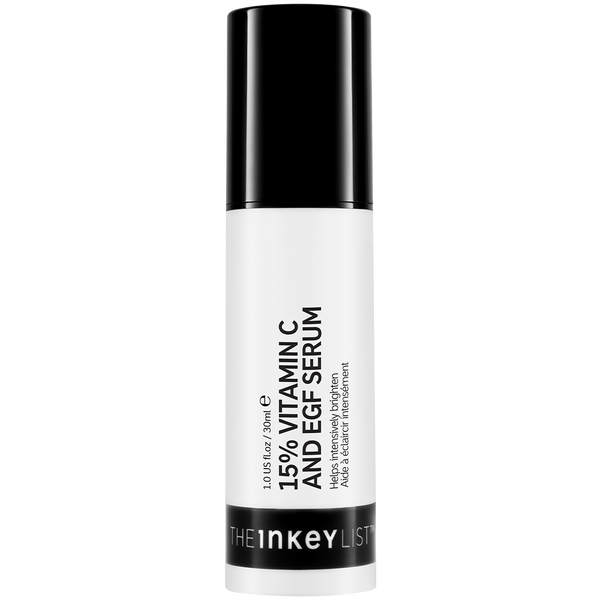
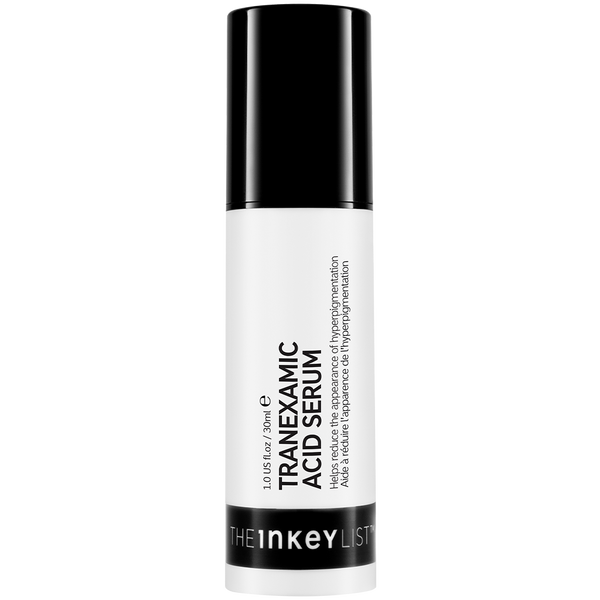
Two products sit at the center of this guide: the Tranexamic Acid Serum ($19.00) and the 15% Vitamin C + EGF Serum ($20.00). Both are formulated to target hyperpigmentation directly - but they do so through different mechanisms, which is precisely what makes them so effective when used together.
Both ingredients are suitable for all skin types, including sensitive skin, and both are confirmed safe for use during pregnancy and breastfeeding. This is not a “which one should I choose” article. It is a complete, science-led breakdown of why you might want both - and how to use them intelligently.
Here is how this guide is structured: we start with the science of hyperpigmentation itself, then break down how each ingredient works individually, explain why they are better together, walk through the exact layering routine, identify who this combination suits best, and close with an honest, evidence-backed timeline of what results look like over time.
What Is Hyperpigmentation and Why Is It So Hard to Treat?
Before introducing any ingredient, it is worth understanding exactly what you are dealing with. Hyperpigmentation is not a single condition. It is a broad term describing any situation where patches of skin appear darker than the surrounding area - caused by an overproduction of melanin, the pigment responsible for skin, hair, and eye color.
Melanin itself is not a problem. It is a natural and necessary component of skin biology, playing a central role in protecting skin cells from UV damage. The problem arises when melanin production becomes dysregulated - when too much is produced in one area, or when it is distributed unevenly across the skin surface. The result is the dark spots, patches, and uneven tone that affect people of every skin type and skin tone.
Understanding what type of skin hyperpigmentation you have matters, because not all dark spots are created equal. There are three primary categories:
UV-triggered dark spots - also called solar lentigines or sun damage - are the flat, well-defined spots that appear most commonly on areas of the face, chest, and hands that receive regular sun exposure. These develop when UV radiation activates melanocytes - the specialized cells responsible for producing melanin - causing them to overproduce pigment in concentrated areas. They tend to deepen with continued sun exposure and are among the most common forms of visible aging.
Post-inflammatory hyperpigmentation (PIH) - which includes post-acne dark marks and post-blemish marks - develops as a direct response to skin inflammation or injury. When skin is inflamed, whether from acne, a reaction, or physical trauma, the body triggers melanocyte activity as part of the healing response. The melanin that remains after inflammation subsides is what you see as a dark mark left behind after a blemish clears. PIH is particularly common in medium to deep skin tones, where melanocytes tend to be more reactive to inflammatory signals. Understanding how to get rid of dark spots begins with recognizing this mechanism.
Melasma is the third and most complex category. Unlike sun-triggered spots or PIH, melasma is driven primarily by hormonal fluctuations - often triggered by pregnancy, contraceptive use, or hormonal therapy. It typically presents as larger, irregular patches across the cheeks, forehead, and upper lip, and is notoriously difficult to treat because the hormonal signal driving melanocyte overactivity is internal, not external. Melasma tends to respond more slowly to topical treatments and can recur even after successful fading.
What makes hyperpigmentation so persistent across all three types comes down to the melanin production pathway itself. In simple terms: a chemical signal activates melanocytes, those cells produce melanin, the melanin transfers to surrounding skin cells, and it accumulates visibly in the upper layers of skin. That process is self-reinforcing - UV exposure triggers more pigmentation, which is more vulnerable to further pigmentation, which compounds the appearance of unevenness over time. Treatments that only address the surface - without interrupting the underlying signaling chain - rarely produce lasting results.
That is where targeted ingredients come in. And understanding what is hyperpigmentation and how to address it at a biological level makes it far easier to appreciate why certain ingredients work - and why Tranexamic Acid and Vitamin C, in particular, are so well-positioned to address it.
Understanding how and why hyperpigmentation forms makes it easier to understand exactly how Tranexamic Acid and Vitamin C target it - and why each works differently.
How Tranexamic Acid Targets Dark Spots at the Source
Tranexamic Acid is frequently misunderstood. Given its name, many people assume it belongs in the same category as AHAs or BHAs - the chemical exfoliants that resurface skin by dissolving dead skin cells. It does not. Tranexamic Acid is not an exfoliating acid. It is not a retinol. It is a wholly separate category of brightening ingredient, and its mechanism of action is fundamentally different from anything else in the brightening space.
So what does it actually do? In plain terms, Tranexamic Acid interrupts the chemical signaling pathway that tells melanocytes to overproduce melanin in the first place. Melanocytes do not fire spontaneously - they respond to signals. One key pathway involves the interaction between keratinocytes (the most common skin cells) and melanocytes via a compound called plasminogen. UV exposure and inflammation both activate plasminogen, which in turn stimulates melanocyte activity and accelerates melanin production. Tranexamic Acid blocks that signal at the source - acting upstream in the process before excess melanin is produced, rather than trying to address it once it has already formed.
This is what makes Tranexamic Acid particularly valuable for treating persistent or treatment-resistant hyperpigmentation. It is not simply brightening the surface - it is interrupting the cycle that keeps generating pigmentation in the first place. For a deeper look at the ingredient, the Tranexamic Acid ingredient page covers the science in detail.
The Tranexamic Acid Serum ($19.00) contains 2% Tranexamic Acid as its active - a clinically relevant concentration - alongside 2% Acai Berry Extract for antioxidant support, and 2% Magnesium Ascorbyl Phosphate, which is a stable derivative of Vitamin C. That last detail is worth pausing on: the Tranexamic Acid Serum already incorporates a Vitamin C derivative into its formula. This is not accidental. It reflects the complementary relationship between these two ingredients - one that is supported by clinical research and baked directly into the product’s formulation.
“The pilot study demonstrated the efficacy of a topical combination of TA 2% and vitamin C 2%, which may be a useful therapeutic strategy in the treatment of refractory melasma.” - Kaikati et al., 2023, PubMed
That research from Kaikati and colleagues, published in 2023, is particularly compelling. The study tracked patients using a topical combination of Tranexamic Acid and Vitamin C for refractory melasma - melasma that had already resisted other treatments. The mean MASI (Melasma Area and Severity Index) score dropped from 12.76 at baseline to 3.39 at eight weeks. That is a reduction of more than 73% in melasma severity in just two months of consistent use. For context, melasma is one of the most treatment-resistant forms of hyperpigmentation - results of this magnitude carry real clinical weight.
In terms of what to expect when using Tranexamic Acid on its own timeline, most people notice a subtle improvement in overall radiance within the first two to four weeks, with more meaningful fading of dark spots and post-acne dark marks becoming visible from six weeks onward. For a more detailed breakdown of the timeline for Tranexamic Acid results, the evidence suggests that the six-to-eight week window represents a significant milestone.
Critically, Tranexamic Acid is suitable for all skin types - including sensitive skin - and is appropriate for all skin tones. It carries no risk of post-inflammatory hyperpigmentation itself, which is a meaningful consideration for medium to deep skin tones that may be more cautious about certain exfoliating or resurfacing actives. It is also confirmed safe during pregnancy and breastfeeding, making it one of the few genuinely effective brightening ingredients available to people who need to avoid retinoids, hydroquinone, and certain chemical exfoliants during those periods.
Tranexamic Acid works by blocking the process that creates pigmentation. Vitamin C works differently - protecting against the triggers that cause it, and brightening the skin at the surface level. Together, they cover both sides of the same problem.
How Vitamin C Brightens Skin and Defends Against Dark Spots
Vitamin C is one of the most researched ingredients in skincare - and also one of the most misunderstood. Its reputation often focuses on brightness and glow, which is accurate but incomplete. To understand why Vitamin C earns its place in a dark spot treatment routine, you need to understand what it is actually doing on a biochemical level.
At its core, Vitamin C is a potent antioxidant. In the context of skin, this means it neutralizes free radicals - unstable molecules generated by UV radiation, environmental pollution, infrared light, and other external stressors. Free radicals are not just a cosmetic concern: they are one of the key upstream triggers that activate the melanin production pathway. When UV light hits the skin and generates free radicals, those free radicals signal melanocytes to produce more pigment. By neutralizing free radicals before they can fire that signal, Vitamin C functions as a first line of defense against the formation of new dark spots.
Vitamin C also inhibits tyrosinase - the enzyme responsible for a critical step in the biochemical conversion of amino acids into melanin. By blocking tyrosinase activity, Vitamin C slows the rate of melanin synthesis, contributing to a gradual lightening of existing hyperpigmentation and a more even overall skin tone. This dual action - antioxidant defense plus melanin inhibition - is what positions Vitamin C as both a preventative and a corrective ingredient. The PubMed review on Tranexamic Acid for Hyperpigmentation Disorders notes the well-established role of Vitamin C in the pigmentation pathway, reinforcing its place in any serious brightening regimen.
One of the most significant practical challenges with Vitamin C in skincare, however, has historically been stability. L-Ascorbic acid - the purest, most biologically active form - is notoriously prone to oxidation. Exposure to air, light, and heat causes it to degrade rapidly, turning the product orange or yellow and significantly reducing its efficacy. This instability has made formulating effective, stable Vitamin C serums one of the harder problems in cosmetic chemistry.
The 15% Vitamin C + EGF Serum ($20.00) addresses this directly. It uses Ascorbyl Glucoside - a stabilized, water-soluble derivative of Vitamin C that maintains its integrity in formulation while still converting to active ascorbic acid on the skin. The 15% concentration delivers a meaningful dose of the active, and the serum pairs it with 1% Epitensive - a plant-derived Epidermal Growth Factor (EGF) complex that supports skin renewal and contributes to improved texture and radiance. You can learn more about the ingredient on the Vitamin C ingredient page.
The results data for this serum is strong. In an independent four-week consumer trial of 64 participants:
- 87% agreed skin looks brighter
- 88% saw a visible improvement in tone and texture
- 84% agreed skin looks healthier and less dull
These are not trivial numbers for a four-week window. Vitamin C tends to show perceptible improvement in radiance and overall glow relatively quickly - often within the first two to four weeks - before more targeted dark spot fading becomes visible over subsequent weeks.
In terms of application timing, Vitamin C is best applied in the morning. This is not arbitrary: applying an antioxidant at the start of the day means it is present in the skin during the hours when UV and environmental free radical exposure is highest. Morning application maximizes the preventative benefit. Those with sensitive skin wondering about tolerability will find that Vitamin C on sensitive skin is well-tolerated when using stabilized derivative forms - and that when to use Vitamin C serum in your routine matters for both efficacy and compatibility with other actives.
Both ingredients target hyperpigmentation - but via different mechanisms and at different stages of the pigmentation process. That is precisely why they work better together.
Why Vitamin C and Tranexamic Acid Are Better Together, Not Competing
Perhaps the most common question that surfaces around these two ingredients is some variation of: “Do I need both, or should I just pick one?” It is a fair question - and the answer requires understanding what each ingredient is actually doing at each stage of the pigmentation process.
The concern that using two brightening ingredients simultaneously is redundant or risky is a misconception. Redundancy would only apply if two ingredients were doing the same thing through the same mechanism. Vitamin C and Tranexamic Acid do not. They address hyperpigmentation at entirely different points in the biological cascade - which is precisely why using them together creates a more complete, more effective approach than either ingredient alone.
Think of it as a two-stage system:
-
Stage One - Prevention (Vitamin C): UV radiation and environmental pollution generate free radicals. Those free radicals activate the melanin production pathway. Vitamin C neutralizes free radicals before they can fire that signal - acting as a defense barrier at the very beginning of the process. Simultaneously, Vitamin C inhibits tyrosinase, slowing melanin synthesis even if some free radical activity gets through.
-
Stage Two - Treatment (Tranexamic Acid): Even when environmental triggers have fired - even when inflammation from acne or UV exposure has already activated melanocytes - Tranexamic Acid intervenes. It blocks the plasminogen-dependent signaling pathway that drives melanocyte overactivity, interrupting the production of excess melanin at the source, regardless of what triggered it.
Together, these two mechanisms form a comprehensive approach: Vitamin C reduces the likelihood of new pigmentation forming; Tranexamic Acid actively works to suppress existing overproduction. The research by Kaikati et al., 2023 supports exactly this combined approach - demonstrating superior outcomes for the combination compared to either ingredient in isolation. A separate study by El Attar et al., 2022 also highlights the complementary efficacy of both ingredients in hyperpigmentation treatment.
It is also worth noting that these two ingredients are chemically compatible. There are no pH conflicts between them. There are no known interaction risks or irritation concerns when they are layered correctly. And as already noted, the Tranexamic Acid Serum itself contains a Vitamin C derivative - Magnesium Ascorbyl Phosphate - which is a direct signal from the formulation itself that these two ingredients are designed to function together.
The question of “Tranexamic Acid vs Vitamin C for dark spots” is a false dilemma. This is not a competition. They are addressing different aspects of the same problem from different angles. Choosing one over the other means leaving half of the treatment equation incomplete.
If you want to take the approach even further, a third ingredient worth considering alongside this combination is Niacinamide. The Niacinamide Serum adds another layer of pigmentation control by inhibiting the transfer of melanin from melanocytes to surrounding skin cells - the stage just downstream from where Tranexamic Acid acts. For those dealing with particularly stubborn uneven skin tone, adding Niacinamide to the regimen creates a three-stage approach covering prevention, production, and transfer. You can explore how these ingredients compare in more depth in the Vitamin C vs Niacinamide vs Exosomes ingredient showdown.
Now that the science is clear, the practical question is: how do you actually use these two ingredients together in your daily routine?
How to Layer Vitamin C and Tranexamic Acid in Your Skincare Routine
Knowing that two ingredients work well together is one thing. Knowing exactly how to layer them - what order, what time of day, with what other products - is what translates good science into real results. Here is a precise, practical guide to incorporating both serums into a complete routine.
Morning Routine (AM)
The morning routine is where both serums come together, giving you the full preventative and corrective benefit through the day.
Step 1 - Cleanse: Start with a gentle cleanser suited to your skin type. Clean skin ensures both serums can absorb evenly and without interference from overnight products, oils, or residue.
Step 2 - Hydrate with Hyaluronic Acid Serum ($13.00): Apply your Hyaluronic Acid Serum to damp skin immediately after cleansing. Hyaluronic acid works by drawing moisture into the skin, and applying it to damp skin significantly improves its effectiveness. This step also primes and plumps the skin barrier before actives are applied, supporting tolerability.
Step 3 - 15% Vitamin C + EGF Serum ($20.00): Apply a pea-sized amount of the Vitamin C serum using gentle pressing and patting motions. Allow it to absorb for a moment before moving to the next step. Vitamin C goes before Tranexamic Acid in the morning - as the antioxidant layer, it makes sense to apply it first so it is in direct contact with the skin and primed to neutralize UV-generated free radicals throughout the day.
Step 4 - Tranexamic Acid Serum ($19.00): Apply a pea-sized amount of the Tranexamic Acid Serum over the Vitamin C layer. After application, wait approximately 30 minutes before moving to your moisturizer. This waiting period allows the Tranexamic Acid adequate time to absorb and begin working before it is occluded by a heavier product.
Step 5 - Eye treatment (if using): Apply your eye treatment of choice to the orbital area using your ring finger.
Step 6 - Bio-Active Ceramide Moisturizer: Seal in your serums with a moisturizer to support the skin barrier and lock in hydration. The Bio-Active Ceramide Moisturizer is an excellent pairing here - ceramides reinforce the barrier that brightening actives are working to improve.
Step 7 - Daily sun protection: Apply a broad-spectrum sunscreen as the final step of your morning routine. This is non-negotiable when using any brightening ingredient. UV exposure is one of the primary drivers of hyperpigmentation - without daily sun protection, you are actively working against the progress your serums are making. Choose a broad-spectrum formula suited to your skin type and use it every day, regardless of the weather.
Evening Routine (PM)
The evening routine is simplified - Vitamin C steps aside, and Tranexamic Acid takes the lead.
Step 1 - Cleanse: If you have been wearing sunscreen or makeup, double cleanse - start with an oil-based or micellar cleanser to break down those products, then follow with your regular cleanser.
Step 2 - Hyaluronic Acid Serum ($13.00): Again, apply to damp skin for maximum hydration efficacy.
Step 3 - Tranexamic Acid Serum ($19.00): Apply your Tranexamic Acid Serum and wait 30 minutes before moisturizer. Using TXA in both your AM and PM routine maximizes the time the active is in contact with your skin, which directly supports the consistency that drives results.
Step 4 - Eye treatment (if using)
Step 5 - Moisturizer: Close your PM routine with a moisturizer to support overnight skin repair.
Key Application Tips
- Always patch test when introducing any new product to your routine.
- Apply both serums with gentle pressing and patting motions - avoid rubbing, which can cause friction.
- Use a pea-sized amount of each serum. More product does not mean more results.
- Do not combine Vitamin C with Retinol or AHAs/BHAs in the same routine. Keep Vitamin C in the morning and any retinoids or chemical exfoliants reserved for the evening, on alternating nights if needed. This avoids potential irritation and keeps each active working at its most effective. The guide to using acids in your skincare routine is a useful reference for navigating this.
- The question of whether you can use Tranexamic Acid with retinol and Vitamin C simultaneously is best answered by time-separating them: Vitamin C and TXA together in the AM, retinol in the PM on nights you are not using TXA, or simply continue using TXA both AM and PM with retinol reserved for PM use only.
The layering approach is straightforward once you know the order. But this combination is not one-size-fits-all - knowing whether it is right for your specific skin concern makes all the difference.
Who Is This Combination For? Skin Types, Concerns, and Suitability
One of the most important things to understand about the Vitamin C and Tranexamic Acid combination is just how broadly suitable it is. This is not a routine built for one skin type or one demographic. It is designed to work across a wide range of skin concerns, skin types, and life stages.
Those Dealing With Sun-Triggered Dark Spots
If your primary concern is dark spots from accumulated UV exposure - the kind that tend to appear on cheeks, temples, forearms, and the backs of hands - this combination directly targets the mechanism behind them. Vitamin C neutralizes the free radicals that trigger melanocyte overactivity from UV exposure; Tranexamic Acid blocks the downstream signaling that converts that activation into visible pigmentation. Used consistently with daily sun protection, this combination addresses both the cause and the visible result.
Those With Post-Acne Dark Marks and Post-Blemish Marks
Post-inflammatory hyperpigmentation - the dark marks left behind after a blemish clears - is one of the most frustrating aspects of acne-prone skin. The blemish itself resolves, but the dark mark can linger for months. This combination is particularly well-suited to PIH. Tranexamic Acid directly targets the inflammatory signaling pathway that causes post-acne dark marks to form and persist. Vitamin C, meanwhile, provides antioxidant support that helps reduce the inflammatory response itself. Understanding how to get rid of post-acne dark marks is much clearer once you understand this dual mechanism.
Those Managing Melasma
Melasma is the hardest category of hyperpigmentation to treat - but the clinical evidence for this combination is most compelling precisely in this area. The Kaikati et al. 2023 study specifically examined refractory melasma, meaning cases that had already failed to respond to other treatments. The 73%+ reduction in MASI scores at eight weeks with a topical combination of TXA and Vitamin C is a meaningful outcome. For anyone managing melasma, this combination - used consistently and alongside daily broad-spectrum sun protection - represents a well-evidenced approach.
All Skin Types - Including Sensitive Skin
Both the Tranexamic Acid Serum and the 15% Vitamin C + EGF Serum are lightweight, non-comedogenic formulas. They do not clog pores, they do not cause the kind of irritation associated with exfoliating actives, and they do not compromise the skin barrier when used correctly. This makes them genuinely suitable for all skin types - including combination, oily, dry, and sensitive. For those specifically navigating Vitamin C on sensitive skin, the use of Ascorbyl Glucoside - a gentler, stabilized derivative rather than direct ascorbic acid - significantly reduces the risk of irritation or redness.
Medium to Deep Skin Tones
Hyperpigmentation disproportionately affects people with medium to deep skin tones, where melanocytes tend to be more reactive. Many brightening ingredients - particularly exfoliating actives and older-generation treatments like hydroquinone - carry real risks of causing post-inflammatory darkening in deeper skin tones if not used carefully. Tranexamic Acid carries no such risk. It does not exfoliate or resurface - it interrupts a signaling pathway, making it one of the safest and most effective brightening options for medium, tan, and deep skin tones. Knowing what type of skin hyperpigmentation you have helps contextualize which approach will be most effective.
Those With Pigmentation Around the Mouth
A frequently overlooked concern is pigmentation around the mouth - the darkening that can appear on the upper lip area, often associated with melasma, hormonal changes, or prolonged sun exposure. This is an area where the combination of Vitamin C and Tranexamic Acid is both effective and appropriate, given the sensitivity of the skin in that zone and the hormonal component of many perioral pigmentation cases.
During Pregnancy and Breastfeeding
Both serums are confirmed safe during pregnancy and breastfeeding. This is a significant point - many of the most commonly recommended brightening actives, including retinoids and certain chemical exfoliants, are not appropriate during pregnancy. Vitamin C and Tranexamic Acid together provide an effective, evidence-backed brightening option for those who need to maintain their routine safely during these periods.
Now you know who this combination is for - and how to use it. The final piece of the puzzle is understanding what results to expect and when.
Results Timeline: What to Expect From the Vitamin C and Tranexamic Acid Combination
One of the most important things a skincare routine can give you is honest expectations. The Vitamin C and Tranexamic Acid combination delivers real, measurable results - but it does so on a timeline that requires patience and consistency. Here is what the evidence suggests, week by week.
Weeks 1-2: Early Radiance
In the first one to two weeks, most people notice a subtle but perceptible improvement in overall skin radiance. The skin looks a little brighter, a little more even, with less of the dullness that often accompanies uneven skin tone. This early improvement comes primarily from Vitamin C’s antioxidant and tyrosinase-inhibiting activity - it works relatively quickly on surface-level glow, even before deep pigmentation begins to fade.
Do not mistake the absence of dramatic change in the first two weeks for the routine not working. The most important biological changes - Tranexamic Acid interrupting the melanin overproduction signaling pathway - are happening beneath the surface before they become visible above it.
Weeks 2-4: Tone Begins to Even
By weeks two to four, the improvement in overall skin tone becomes more consistent and noticeable. Skin appears more uniform, and some people begin to notice that existing dark spots look slightly lighter at the edges. The INKEY consumer trial data for the Vitamin C serum showed meaningful results within this window: 87% agreed skin looks brighter and 88% saw visible improvement in tone and texture within four weeks.
Weeks 4-6: Visible Fading of Dark Spots
Between weeks four and six, noticeable fading of existing dark spots - including post-acne dark marks and sun-triggered pigmentation - becomes visible for most consistent users. This is the window where the combination’s dual mechanism really starts to show. Tranexamic Acid has had enough contact time to meaningfully interrupt melanin overproduction at the source, while Vitamin C has been actively defending against new pigmentation forming throughout.
For those wondering how long Tranexamic Acid takes to work, this four-to-six week window is typically when TXA’s results become clearly visible.
Weeks 6-8: Clinically Significant Improvement
This is the window the clinical evidence points to as the most significant milestone. In the Kaikati et al. 2023 study, the mean MASI score dropped from 12.76 at baseline to 3.39 at eight weeks - a reduction of more than 73% in melasma severity in patients who had already failed other treatments. These are clinically measurable outcomes from the same combination of ingredients, at comparable concentrations, to what you will find in the Tranexamic Acid Serum and 15% Vitamin C + EGF Serum.
By week eight, most users dealing with PIH, sun damage-related spots, and moderate melasma will see substantial improvement in the depth, size, and definition of dark spots. Skin tone overall will be noticeably more even and radiant.
Weeks 8-12 and Beyond: Sustained Progress
For deeper or more stubborn pigmentation - particularly melasma with a hormonal component - continued improvement is expected in the eight-to-twelve week range and beyond. Results tend to compound with continued use: because Vitamin C is actively defending against new pigmentation forming, and Tranexamic Acid is continually interrupting overproduction, the skin maintains and builds on the progress made in earlier weeks.
Both serums are suitable for long-term, continuous use. This is not a short-term intervention - it is an ongoing strategy that becomes more effective the longer it is maintained.
Consistency is the single most important factor in achieving results with any hyperpigmentation treatment. Missing applications - particularly skipping daily sun protection - can slow or partially reverse progress.
It bears repeating that daily broad-spectrum sun protection is essential throughout this process. UV exposure is one of the most powerful drivers of melanocyte activity. No matter how diligently you apply your brightening serums, unprotected UV exposure will work against the results you are building. Make sun protection a non-negotiable final step in your morning routine.
The science is clear, the routine is simple, and the results are consistent with committed use.
Bringing It All Together: A Smarter Approach to Dark Spots
Vitamin C and Tranexamic Acid are not in competition. They are not redundant. They are not interchangeable. They are two ingredients that address hyperpigmentation from different angles - one defending against the environmental triggers that cause melanin overproduction to begin, the other interrupting the biological process that drives overproduction even once those triggers have fired.
Used together, they cover the full spectrum of what it takes to meaningfully fade dark spots, post-acne dark marks, sun-triggered pigmentation, and even treatment-resistant melasma. The clinical evidence is robust - a 73%+ reduction in MASI severity at eight weeks in refractory melasma cases is a result that speaks for itself. The consumer data is compelling. And the formulations themselves - both affordable, lightweight, non-comedogenic, and suitable for all skin types and skin tones - make this combination genuinely accessible.
Both serums are safe during pregnancy and breastfeeding. Both are appropriate for sensitive skin. Both are designed for long-term, continuous use. And both are anchored in science that goes well beyond the surface-level brightening claims that saturate the skincare market.
The most important thing to take from this guide is not the specific order of application or the precise timing windows - though those matter. It is this: treating hyperpigmentation effectively means understanding it as a multi-stage process, and using ingredients that address different stages simultaneously. Vitamin C defends. Tranexamic Acid treats. Together, they give your skin the best evidence-backed chance of achieving the clearer, more even tone you are working toward.
Be consistent, protect your skin from UV exposure every day, and give the routine the eight-to-twelve week window the evidence supports.
Start Building Your Dark Spot Treatment Routine
Ready to put this into practice? Start with the two serums at the center of this guide:
Not sure where to begin? Take our Skin Quiz and we will build a complete routine tailored to your skin.
Want to learn more before you buy?
Frequently Asked Questions
Got a question?
Our askINKEY team are a friendly bunch of skincare experts with deep product knowledge and zero judgement. Whether you're an ingredient obsessive or just starting out, we'll make it make sense. No question too big. No question too small. We Give A Care, Every Day.


