



Should You Keep Your Caffeine Eye Cream in the Refrigerator? Here’s What It Actually Does
Discover whether chilling your eye cream enhances its de-puffing benefits, the best way to store it, and how to get the most from every application.
Author
askINKEY skincare advisor
Published
02 July, 2026
Time to read
10 minutes
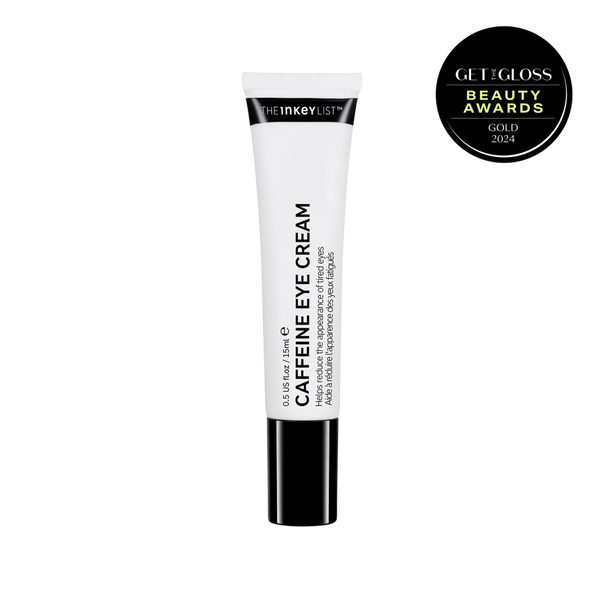
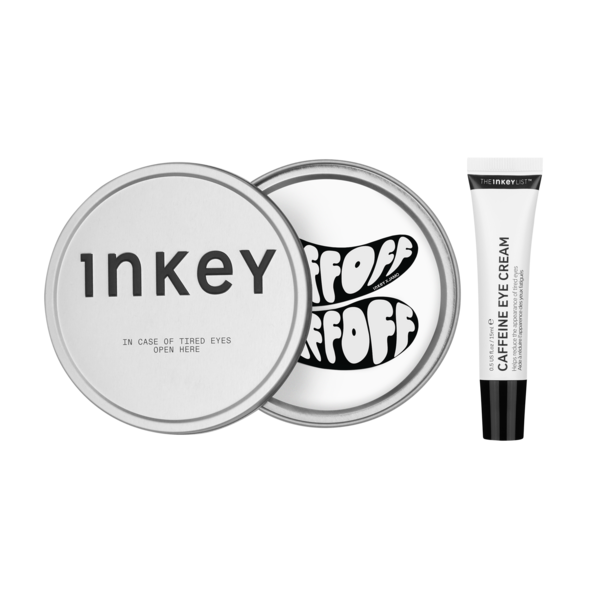
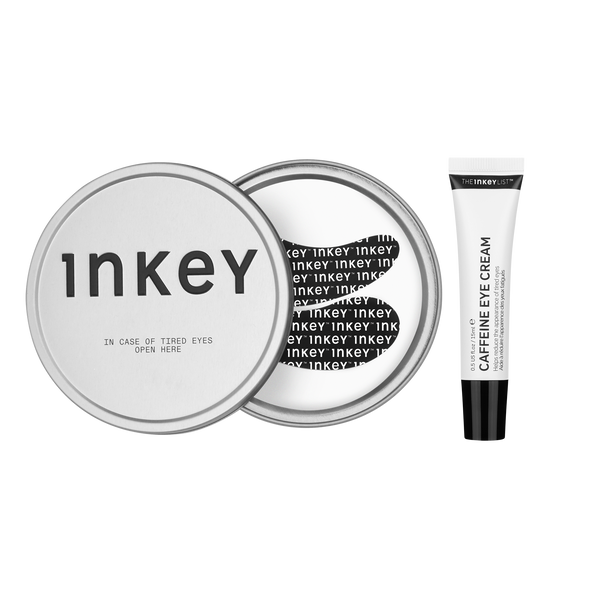
This blog covers the science behind cold skincare storage, why it amplifies the depuffing performance of our Caffeine Eye Cream ($14), how to apply it correctly, and which other INKEY products benefit from cool storage. If you are dealing with morning puffiness or persistent dark circles - or under-eye bags that seem to have taken up permanent residence - this is an officially recommended step, not a TikTok trend. You can also pair the cream with the Reusable Eye Patches and Caffeine Eye Cream Duo ($21.85) for a complete chilled eye-care routine covered in full below. For broader context on the causes and treatments of dark circles, visit our dark circles guide before or after reading this.
Why Temperature Affects Skincare Performance
Most people store their skincare on a bathroom shelf without giving it much thought. The bathroom is warm, often steamy, and exposed to fluctuating light - conditions that are far from ideal for certain types of formulas. Understanding why temperature matters for your skincare is the foundation for understanding why the refrigerator tip for eye cream is not a gimmick, but a genuinely useful enhancement rooted in basic chemistry and physiology.
Heat accelerates the breakdown of active ingredients through a process called oxidation. When molecules in a formula are exposed to sustained warmth, they become more energetically active and begin reacting with oxygen, light, and each other at a faster rate. For stable, oil-heavy formulations this may be less of a concern, but for water-based formulas containing active ingredients - like caffeine, peptides, or vitamin C - the impact of heat over time can meaningfully reduce how effective those ingredients are when they reach your skin.
There is also the matter of emulsion stability. Many skincare products, including eye creams, are emulsions - mixtures of oil and water phases held together by emulsifiers. Sustained heat can weaken the bonds between these phases, causing separation and a change in texture or consistency. A formula that has partially separated will not apply or absorb the way it was designed to, which means you may not be getting the full benefit even when using the correct amount.
Cool temperatures work in two distinct ways. First, they support ingredient stability by slowing molecular activity - essentially putting the brakes on the breakdown processes that heat accelerates. Second, and more relevant to the eye area specifically, cool temperatures trigger a direct physiological response in skin that has its own depuffing benefit. We will cover that response in full in the next section.
It is worth noting that a standard household refrigerator is perfectly adequate for this purpose. There is no need for a dedicated skincare fridge. A regular shelf or door compartment maintains a consistent cool temperature that is more than sufficient for the products discussed here. For a full breakdown of what to refrigerate and what to keep at room temperature - including products that should not go in the fridge - see our complete skincare storage guide.
As Cleveland Clinic dermatologists note, cold application is one of the most consistent at-home approaches for reducing under-eye swelling - and the reasoning behind that recommendation comes directly from how skin and blood vessels respond to temperature. That biological mechanism is precisely what makes the refrigerator tip for eye cream genuinely effective rather than just cosmetically appealing.
Now that the chemical case for cool storage is clear, it is time to look at why the skin around the eye responds so distinctly - and so visibly - to cold.
The Science Behind Keeping Eye Cream Cold
The under-eye area is not like the rest of your face. It is thinner, more delicate, and more vascular - meaning it has a higher density of blood vessels close to the surface. These characteristics are what make it the area most visibly affected by fluid retention, fatigue, and inflammation, and they are also what make it so responsive to temperature change.
Vasoconstriction is the key mechanism here. When skin is exposed to cold, the blood vessels beneath the surface temporarily narrow. This narrowing restricts the flow of fluid into surrounding tissue, which directly reduces puffiness and the appearance of under-eye bags. Think of it like a pipe narrowing to reduce the volume of water passing through - less fluid reaches the tissue around the vessel, so less pools there. The result is a visible reduction in the swelling that creates that characteristic under-eye puffiness.
The skin in the periorbital zone - the area directly surrounding the eye - is approximately 0.5mm thick. Elsewhere on the face, skin thickness averages closer to 2mm. That difference may seem small, but it means the periorbital skin has far less barrier between the surface and the blood vessels underneath. Cold applied to this area reaches those vessels quickly, and the vasoconstrictive response is both faster and more visible than it would be elsewhere on the face.
Overnight, fluid naturally builds up under the eyes. While you sleep, gravity no longer pulls fluid downward and away from the face as it does when you are upright. Salt retention, reduced lymphatic circulation during sleep, and horizontal positioning all contribute to fluid accumulating in the delicate tissue around the eyes. This is why under-eye bags and puffiness are almost always most pronounced first thing in the morning - and why morning is the most effective time to address them. For a deeper explanation of why morning puffiness occurs, our blog on why eyes are puffy in the morning covers the root causes in full.
The Mayo Clinic’s guidance on bags under eyes specifically recommends cool compresses as a primary at-home intervention, noting that cold helps restrict blood vessels and reduce fluid movement in the tissue surrounding the eye. This is the same physiological principle at work when you apply a chilled eye cream - the product’s cool temperature initiates that vasoconstrictive response the moment it contacts skin.
Now layer caffeine on top of that cold-triggered response. Caffeine is a topical vasoconstrictor - it works at the molecular level to target fluid retention and reduce the visibility of puffiness and dark circles. As Cleveland Clinic highlights, eye creams containing caffeine are one of the clinically noted routes for improving the appearance of under-eye bags. When the formula is chilled, the cold temperature pre-activates the skin’s own vasoconstrictive response before the caffeine even makes contact. The two effects - physical temperature and active ingredient - begin working simultaneously, compounding each other from the very first application.
This compounded action is precisely why the refrigerator tip is not just a nice-to-have, but a meaningful upgrade to the performance of a caffeine-based eye cream. Under-eye bags and dark circles are both driven significantly by fluid and vascular activity in this zone - and chilling the formula addresses both on contact. For a broader look at how dark circles differ from puffiness as distinct concerns, our dark circles guide covers the full picture.
With the biology established, here is exactly how our Caffeine Eye Cream is formulated to benefit from this effect - and what keeping it cold actually does for your results.
Why We Recommend Keeping Our Caffeine Eye Cream in the Refrigerator
Keeping our Caffeine Eye Cream in the refrigerator is an official INKEY recommendation. It appears directly on the product page: “Pop it in the fridge for an extra cooling, depuffing boost.” This is not an afterthought or a social-media-driven addition to the product story - it is a deliberate extension of the formula’s clinical function. The tip exists because the science supports it, and because the formula is designed to benefit from it.
At the center of the formula is 0.3% Caffeine, a concentration chosen specifically for its efficacy as a topical vasoconstrictor. Caffeine in skincare targets fluid retention - the primary driver of under-eye puffiness and bags - by constricting blood vessels and reducing the volume of fluid pooling in the tissue surrounding the eye. It also addresses the visibility of dark circles, which are partially caused by the same vascular activity. The caffeine concentration in this formula has been clinically tested and is the key active behind the product’s proven results.
When the formula is applied at room temperature, the caffeine still works. But it works alone. When the formula is chilled, the cool temperature makes contact with the delicate under-eye skin and triggers the skin’s own vasoconstrictive response before the caffeine has even begun to be absorbed. In the time it takes you to tap the cream around your orbital bone, both mechanisms - the physical cold response and the caffeine - are already active simultaneously. That is the compounded effect that makes the chilled application measurably more impactful than the room-temperature version, particularly for morning under-eye bags.
The clinical evidence behind the formula is strong. In a 4-week independent clinical study of 22 people under dermatological and ophthalmological control, the Caffeine Eye Cream was clinically proven to improve the appearance of both puffiness and dark circles from the very first use. Separately, 95% of users agreed that skin felt instantly smoother and deeply hydrated after application. For before-and-after evidence from real users, visit our real results page.
Beyond caffeine, the formula contains two further key ingredients that address the under-eye zone from different angles. Matrixyl 3000 is a peptide complex that signals to the skin to boost collagen production. Over time, this plumps, firms, and smooths the delicate under-eye skin - addressing the structural factors that make dark circles and fine lines more visible, particularly as skin thins with age. Albizia Julibrissin Bark Extract is a plant-derived ingredient that specifically targets the visible signs of under-eye fatigue - improving brightness and evening tone in the under-eye zone. Where caffeine addresses fluid and vascular activity, Albizia Julibrissin targets the dull, shadowed appearance that fatigue creates.
The formula is suitable for all skin types, including sensitive skin, and is safe for use during pregnancy and breastfeeding. The 0.3% topical caffeine concentration is well within FDA safety thresholds for topical application by expectant mothers. It is lightweight, fast-absorbing, and non-greasy - designed to sit comfortably under makeup and to layer cleanly over serums. At $14, it is one of the most accessible clinically proven eye creams available.
For guidance on layering the Caffeine Eye Cream correctly within your wider routine, our dedicated guide on how to apply eye cream the right way covers technique and layering order in full. For dark circles as a primary concern, the dark circles pillar page provides the broader context on causes and complementary treatments.
How to Use Your Chilled Caffeine Eye Cream for Maximum Results
Getting the most from a chilled eye cream routine comes down to technique as much as temperature. The how matters as much as the what - especially in the under-eye area, where the skin is thin, delicate, and easily irritated by rough handling.
Storage and temperature: Keep the Caffeine Eye Cream in the refrigerator consistently so it is always at the optimal temperature when you reach for it. If you want maximum cooling impact, apply it directly from the fridge. If you prefer a gentler temperature - particularly useful in colder months or for those with more sensitive skin - remove it 10 to 15 minutes before use. Either approach will deliver results; applying it straight from the refrigerator will give you the most immediate vasoconstrictive response on contact.
Application technique: Using your ring finger is non-negotiable for this area. The ring finger applies the least pressure of any finger, which matters enormously for the periorbital skin - an area that should never be dragged, pulled, or rubbed. Take a pea-sized amount of cream (enough for both eyes) and gently tap - do not rub - around the orbital bone, starting from the inner corner nearest the nose and working outward toward the temples. The tapping motion encourages absorption without stressing the skin. For full guidance on technique and layering, see our guide on how to apply eye cream the right way.
Timing: Morning application is the most impactful moment for addressing under-eye bags and puffiness, since this is when overnight fluid retention is at its peak. Evening application remains valuable for the Matrixyl 3000 collagen-boosting benefit, which works most effectively during the skin’s overnight repair cycle. Used AM and PM consistently, the formula delivers visible results from first use with full results developing over up to six weeks.
Pairing with the Reusable Eye Patches: The Reusable Eye Patches and Caffeine Eye Cream Duo ($21.85) takes the morning routine to a noticeably higher level. The 100% silicone patches work as an occlusive seal over the eye cream - preventing the formula from evaporating into the air and instead pressing it against the skin for deeper, more sustained absorption. This significantly amplifies the caffeine’s action. The patches themselves can be stored in the refrigerator for a built-in cooling boost every time you use them. If you want to understand the science behind how silicone patches work before trying them, our guide on whether under-eye patches actually work explains the mechanism in full.
Here is the step-by-step routine with the patches:
- Remove the Caffeine Eye Cream from the refrigerator - or apply directly from the fridge for maximum cooling.
- Take a pea-sized amount on your ring finger and gently tap around the orbital bone, starting at the inner corner and working outward.
- Apply to both eyes before picking up the patches.
- Press the chilled Reusable Eye Patches over the eye cream, narrow end toward the inner corner, ensuring a close seal.
- Leave in place for 10 to 20 minutes while you get on with your morning.
- Remove the patches and gently tap in any remaining cream.
- Rinse the patches with water and a small amount of hand soap, pat dry, and store flat on the plastic insert inside the included tin. Return the tin to the refrigerator, ready for tomorrow.
The patches are 100% silicone and fully reusable - no single-use waste, no ongoing cost beyond the initial purchase. Used consistently alongside the chilled Caffeine Eye Cream, this is one of the most effective and most affordable morning eye-care routines available.
Other INKEY Products That Benefit From Cool Storage
The refrigerator is not exclusively for caffeine-based products. Several other INKEY formulas can benefit from cool storage - either because their active ingredients are more stable at lower temperatures, or because the chilled application experience enhances the product’s impact on skin.
Brighten-i Eye Cream (~$14)
Where the Caffeine Eye Cream targets puffiness and fluid-driven dark circles, Brighten-i Eye Cream addresses pigmentary dark circles and uneven tone in the under-eye zone. It works through a different mechanism - targeting visible discoloration and brightening the area over time. Keeping it in the refrigerator adds a soothing, cooling sensation on application that is particularly pleasant around the delicate eye area. If dark circles are your primary concern rather than under-eye bags, Brighten-i is the more targeted choice - and it can be used alongside the Caffeine Eye Cream as part of a comprehensive eye-care routine.
Retinol Eye Cream
Retinol is a heat-sensitive active ingredient. Sustained exposure to warmth and light can accelerate its degradation, reducing its potency before it reaches your skin. Storing the Retinol Eye Cream in the refrigerator supports its stability and extends the effective shelf life of the formula. This is a PM-only product, used for its anti-aging and smoothing benefits in the under-eye zone - a natural complement to the AM use of the Caffeine Eye Cream for those addressing both puffiness and fine lines.
Hyaluronic Acid Serum ($13)
As a water-based formula, the Hyaluronic Acid Serum is a great candidate for cool storage. Beyond the stability benefit, the chilled application enhances the refreshing, instantly hydrating sensation the serum delivers - especially when applied to damp skin as recommended, immediately after cleansing. It is a lightweight step that pairs naturally with the Caffeine Eye Cream in the morning routine, supporting overall skin hydration while the eye cream targets the periorbital zone specifically.
For a comprehensive guide to what should and should not go in the refrigerator - covering a wider range of product types and why some formulas are better kept at room temperature - head to our full skincare storage guide.
The INKEY Fridge Routine for Brighter, Less Puffy Eyes
Morning is when the refrigerator routine earns its place. Overnight fluid retention is at its peak, under-eye bags are at their most visible, and chilled products deliver their most immediate impact on contact. This routine is designed specifically for the morning and uses nothing more than the products already covered in this blog.
Here is exactly how to build it:
-
Start with the refrigerator. Either remove the Caffeine Eye Cream the night before and keep it somewhere cool for a gentler temperature, or apply it directly from the fridge first thing for the maximum cooling and vasoconstrictive effect on contact.
-
Cleanse. Remove any overnight products and prepare your skin for actives. A gentle, thorough cleanse ensures the ingredients in the steps that follow can absorb properly.
-
Apply Hyaluronic Acid Serum to damp skin. Immediately after patting skin almost dry, apply the serum. Damp skin helps draw in and retain additional moisture, maximizing the serum’s hydrating effect across the full face.
-
Apply Caffeine Eye Cream around the orbital bone. Take a pea-sized amount on your ring finger and gently tap around both eyes, starting from the inner corner and working outward. Do not rub. Keep the cream on the orbital bone and avoid applying directly to the eyelids or too close to the waterline.
-
Press the chilled Reusable Eye Patches over the eye cream. Apply them with the narrow end toward the inner corner, ensuring a close, even seal. Leave for 10 to 20 minutes - enough time to get dressed, make coffee, and go through the rest of your morning.
-
Remove the patches and tap in remaining product. Once the patches come off, gently tap any remaining cream into the skin with your ring finger rather than wiping it away.
-
Apply moisturizer. Follow with your preferred moisturizer over the full face, layering over the absorbed eye cream in the periorbital zone.
After the routine, rinse the eye patches with water and a small amount of hand soap, pat them dry, and store them flat on the plastic insert inside the tin. Return the tin to the refrigerator so the patches are chilled and ready for the next morning - no prep required.
For further reading on what drives morning puffiness at a biological level, our blog on why eyes are puffy in the morning goes into full detail. And for a broader look at dark circles - their causes, contributing factors, and what actually addresses them - visit our dark circles pillar page
The Verdict: Put It in the Refrigerator
Storing your Caffeine Eye Cream in the refrigerator is not about following a trend - it is about getting measurably more from a formula that is already clinically proven to deliver. The cool temperature triggers the skin’s own vasoconstrictive response the moment the product makes contact, working in parallel with the caffeine’s targeted action on fluid retention to deliver a stronger, faster depuffing result from the very first application. Paired with the Reusable Eye Patches for deeper absorption and an added cooling boost, it becomes one of the most effective morning eye-care routines available at this price point.
If under-eye bags and puffiness are your primary concern, start with our Caffeine Eye Cream at $14. To take the routine further, the Reusable Eye Patches and Caffeine Eye Cream Duo is available at $21.85 - and the patches pay for themselves many times over given they are fully reusable. If dark circles are your primary focus rather than puffiness, our Brighten-i Eye Cream (~$14) targets pigmentary discoloration and uneven tone in the under-eye zone, and works effectively alongside the Caffeine Eye Cream for those addressing both concerns at once.
Frequently Asked Questions
Got a question?
Our askINKEY team are a friendly bunch of skincare experts with deep product knowledge and zero judgement. Whether you're an ingredient obsessive or just starting out, we'll make it make sense. No question too big. No question too small. We Give A Care, Every Day.


