



How to Get Rid of Dark Circles Under Eyes
Discover what causes under-eye darkness, how to identify the type of dark circles you have, and the best skincare ingredients and daily habits to help brighten and refresh the eye area.
Author
askINKEY skincare advisor
Published
16 June, 2026
Time to read
16 minutes
Dark circles are one of the most searched skincare concerns in the world - and most approaches to treating them fail for a single, avoidable reason: they treat every type of dark circle the same way. The right fix for a vascular dark circle is different from the right fix for a pigmentary one. Applying the wrong ingredient to the wrong type does not just underperform - it wastes time and erodes trust in skincare that could actually work.
This blog is an action guide. It will help you identify your type, match the right ingredients to it, and build a routine that makes a measurable difference. If you want the full science first - what happens at a cellular level, the full breakdown of causes and contributing factors - our complete guide to dark circles and puffiness covers that ground in depth. This blog picks up where that one leaves off.
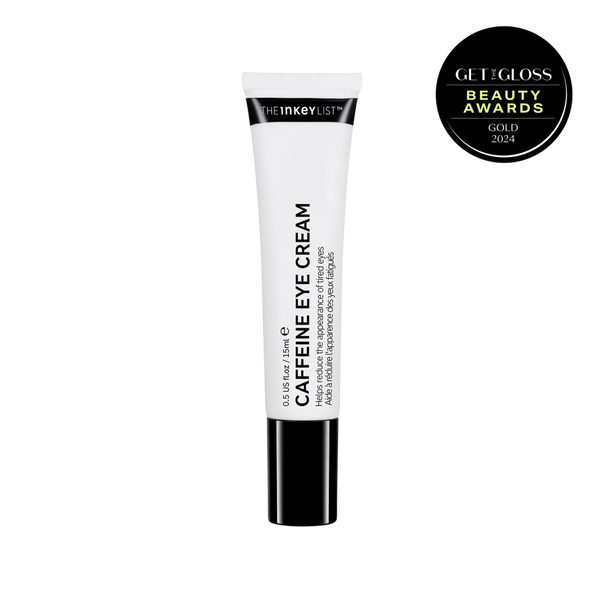
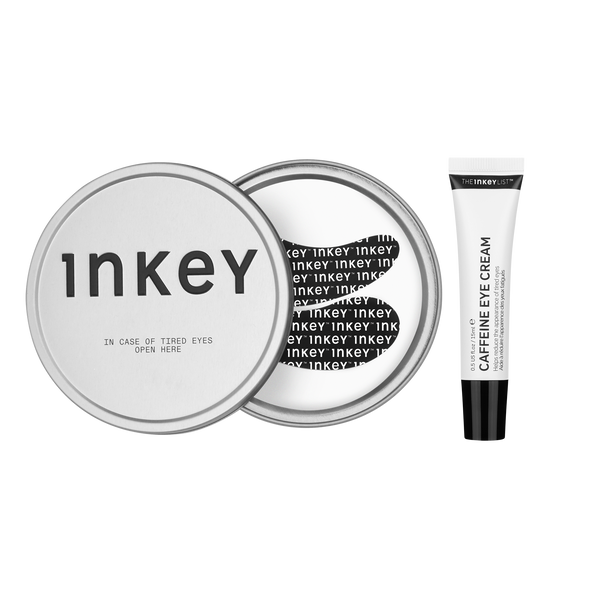
Start here: our Caffeine Eye Cream is clinically proven to reduce dark circles and puffiness from the first use. At $14 for 15ml, it is the most direct starting point for most types. For a boosted treatment option, our Reusable Eye Patches & Caffeine Eye Cream Duo pairs both products together for $21.85 - more on how to use them together below.
What Type of Dark Circles Do You Have? Start Here
Before you reach for any product or ingredient, you need to identify what type of dark circles you are actually dealing with. This is the most important step in the entire process - and the one that most people skip. The right approach for vascular dark circles is meaningfully different from the right approach for pigmentary dark circles, which is different again for structural ones. Skipping this step is precisely why so many people cycle through product after product without seeing results.
There are three main types, and understanding which one you have - or which combination - is the foundation of everything that follows.
Vascular dark circles appear as a blue, purple, or reddish tint beneath the eye. They are typically most pronounced first thing in the morning, worsen after poor sleep, and can flare during allergy season. The cause is visible blood vessels sitting close to the surface of very thin periorbital skin. Because this skin is naturally translucent and extremely delicate - around 0.5mm thick - dilated blood vessels show through more easily than they would anywhere else on the face. If your dark circles seem tied to sleep quality, fatigue, or seasonal patterns, vascular is likely your dominant type.
Pigmentary dark circles present as a brown or greyish shadow that looks consistent regardless of how much sleep you have had. They are not a shadow caused by light hitting a hollow - they are actual discoloration driven by excess melanin production in the periorbital skin. This type is more common in medium to deeper skin tones, and it does not improve with rest. If your dark circles look the same on your best sleep night as they do on your worst, pigmentary is likely the primary driver.
Structural dark circles are caused by anatomy - specifically by the shifting and loss of the orbital fat pad as skin ages and collagen thins. This creates a hollow beneath the eye - a tear trough depression - that casts a visible shadow regardless of skin tone or blood vessel visibility. If your dark circles look like a shadow or a hollow rather than a color change, and worsen gradually over years rather than day to day, structural aging is likely the cause. This type is the most resistant to topical treatment because it is driven by volume loss, not pigmentation or vascular activity.
Mixed dark circles - a combination of more than one type - are actually the most common presentation. This is precisely why a single-product approach so often feels underwhelming. Most people addressing only one cause while another goes untreated will see partial results at best.
A simple self-check you can do right now: press gently on the skin beneath your eye and look in a mirror. If the color lightens noticeably, it is likely vascular - blood vessels are the primary driver. If the shadow stays the same depth regardless of pressure, it is more likely pigmentary or structural.
The key practical takeaway is this: identify your dominant type first. Build your routine around it. Then, after four to six weeks of consistent use, layer in supporting steps for any secondary type. Addressing everything at once can feel overwhelming and makes it harder to assess what is working.
According to Cleveland Clinic, dark circles are among the most common cosmetic concerns across all ages and skin types, driven by a combination of genetics, lifestyle factors, and structural changes over time. Understanding the underlying cause is the starting point for any effective treatment approach.
For the full cellular-level science behind each type - including what drives vascular dilation and how melanin overproduction is triggered - our complete guide to dark circles and puffiness covers it comprehensively. For the purposes of this action guide, knowing your type is enough to move forward.
Now that you know what you are dealing with, the next step is understanding which ingredients are actually designed to address it.
The Right Ingredients for Your Type of Dark Circle
The single most common reason dark circle treatments underperform is an ingredient-to-cause mismatch. Caffeine will not meaningfully address a pigmentary dark circle. A brightening active will not reduce puffiness driven by fluid retention. Understanding which ingredient does what - and which type it is most relevant for - is what separates a routine that works from a routine that simply costs money.
Here is a clear breakdown of the key ingredients and what each one actually does.
Caffeine - For Vascular Dark Circles and Puffiness
Caffeine is a vasoconstrictor. When applied topically, it temporarily narrows blood vessels beneath the skin, which directly reduces the visibility of the blue-grey discoloration caused by dilated vessels showing through thin periorbital skin. This makes it the most targeted topical ingredient available for vascular dark circles - not because it is a trendy ingredient, but because it addresses the actual mechanism.
Beyond vasoconstriction, caffeine also limits capillary permeability - meaning less fluid leaks into the loose connective tissue beneath the eye. This is the direct mechanism behind its puffiness-reducing effect. Less leakage, less accumulation, less visible puffiness. The action is real, not cosmetic.
A 2024 study published in the Journal of Cosmetic Dermatology confirmed that topical caffeine produces measurable, statistically significant reductions in the appearance of dark circles and under-eye puffiness. A 2025 review on periorbital dyschromia treatments further supports caffeine’s effectiveness as a topical treatment for under-eye concerns. This is ingredient science backed by published clinical evidence, not marketing claims.
Our Caffeine Eye Cream contains 0.3% caffeine alongside the Matrixyl 3000 peptide complex, at $14 for 15ml. It is clinically proven to reduce dark circles and under-eye bags from the first use, suitable for all skin types - including during pregnancy and breastfeeding.
Matrixyl 3000 - For Firmness and Fine Line Support
Matrixyl 3000 is a peptide complex that signals the skin to produce more collagen. In the periorbital area, where collagen is naturally lower and declines progressively with age, this is directly relevant. Consistent use supports visible firmness and smoothness over time - not an overnight result, but a meaningful long-term benefit that compounds with daily application.
Matrixyl 3000 is included in our Caffeine Eye Cream, meaning that every daily use is delivering both the immediate vascular action of caffeine and the longer-term firmness support of this peptide complex simultaneously.
Brightening Actives - For Pigmentary Dark Circles
Pigmentary dark circles are driven by excess melanin production in the periorbital skin. The most relevant topical approach for this type targets the melanin synthesis pathway - interrupting the process by which melanin is overproduced and deposited in the skin. Ingredients such as Vitamin C derivatives and Brightenyl work through this mechanism, gradually reducing the brown or grey shadow caused by under-eye pigmentation.
It is worth being direct here: brightening actives require consistent daily use over a minimum of six to eight weeks before visible improvement becomes clear. This is not a slow ingredient - it is a realistic timeline for a biological process. Melanin overproduction built up over months or years will not be reversed in days.
There is also a non-negotiable step for this type: SPF. UV exposure is the primary ongoing driver of melanin overproduction in the periorbital area. Without consistent daily SPF applied carefully around the orbital area each morning, any progress from brightening actives will be actively undermined by continued UV-triggered melanin production. SPF is not optional for pigmentary dark circles - it is the most important preventative step in the entire routine.
For a deeper understanding of how melanin-related pigmentation works across the face, our guide to hyperpigmentation covers the science and the treatment approach clearly.
Retinol - For Structural Dark Circles and Fine Lines (PM Only)
Retinol accelerates cell turnover and supports collagen synthesis - both relevant for the structural thinning of periorbital skin that makes dark circles appear deeper over time. As skin thickens slightly in response to retinol use, shadows appear less pronounced. As collagen production is supported, the overall firmness and resilience of the under-eye area improves.
The periorbital area requires a retinol formulation specifically designed for its sensitivity. Our Retinol Eye Cream uses 3% Vitalease - a slow-release retinol technology that delivers results without the irritation, flaking, or sensitivity that standard retinol formulations can cause around the eye. At $15 for 15ml, it is PM only. Introduce it gradually - two to three nights per week to start - and build to nightly use as tolerance develops.
For a dedicated deep-dive into treating fine lines and wrinkles around the eye, see our guide to how to treat under-eye wrinkles. That content covers the structural concern in full without this blog needing to duplicate it.
Harvard Health notes that both caffeine and retinol have established roles in addressing the visible changes that occur in aging periorbital skin - confirming these are not emerging or speculative ingredients but well-positioned actives with real-world application.
Hydration - A Foundation Step for All Types
Dehydration makes every type of dark circle look worse. When the periorbital skin loses water, it becomes more translucent and loses volume - making shadows, discoloration, and structural hollows all more visible. Keeping the skin well-hydrated is not a solution on its own, but it is a foundation step that the right eye cream should support as part of its formulation.
For readers whose dark circles seem to worsen with environmental dryness, air travel, or in winter months, our guide to dehydrated skin helps identify whether dehydration is a compounding factor - and our breakdown of dehydration lines vs wrinkles helps distinguish between concerns that respond to hydration and those that require a different approach entirely.
With a clear picture of which ingredients do what, the next step is putting them together into a routine you can actually follow.
How to Actually Get Rid of Dark Circles - Your Step-by-Step Routine
Knowing which ingredients to use is only half of the equation. The other half is using them correctly, consistently, and in the right sequence. This section translates ingredient knowledge into a practical AM and PM routine - built around your type, with clear guidance on what to add and when.
Morning Routine - All Types
Start here regardless of your dominant dark circle type. This is the base routine. Add to it as needed.
- Cleanse - gently, with a formula appropriate for your skin type. Keep this brief; the focus here is the eye step.
- Serums - apply any targeted face serums as usual before moving to the eye area.
- Eye treatment - apply our Caffeine Eye Cream around the full orbital bone using your ring finger. Use a gentle tapping motion from the inner corner outward beneath the eye - never rubbing, never dragging. A rice-grain sized amount per eye is sufficient. For maximum depuffing effect in the morning, store the tube in the fridge and apply it cold. The cold temperature adds an additional vasoconstrictive effect on top of the caffeine’s own action.
- Moisturizer - apply to the face as usual.
- SPF - apply every single morning without exception. This is especially critical for pigmentary dark circles, but it matters for every type. UV exposure damages thin periorbital skin progressively, worsening both vascular visibility and pigmentary shadow over time. Do not skip the orbital area when applying SPF.
Type-specific morning priority:
- Vascular: Apply Caffeine Eye Cream cold. This is your most important step.
- Pigmentary: SPF is non-negotiable. Every morning, including indoors and on overcast days.
- Structural: Caffeine Eye Cream’s Matrixyl 3000 is your main topical support in the AM. Apply consistently.
- Mixed: Start with the approach that matches your dominant type. Build the secondary step in after four to six weeks.
Evening Routine - All Types
- Double cleanse - remove SPF and makeup thoroughly before the rest of your routine.
- Serums - apply targeted face serums as usual.
- Eye treatment - primary: Apply our Caffeine Eye Cream nightly. The vasoconstriction and antioxidant action of caffeine is relevant regardless of time of day - it will not affect sleep and provides a valuable base for all types.
- Eye treatment - secondary (for fine lines and structural concerns): Apply our Retinol Eye Cream ($15 / 15ml) after the Caffeine Eye Cream. Start with two to three nights per week and build to nightly as tolerance develops. PM only - retinol increases photosensitivity and should not be applied in the morning.
- Moisturizer - apply to the face to seal in the routine.
The Boosted Treatment Step
For mornings when puffiness is significant - after disrupted sleep, allergy flares, or high-sodium meals the night before - or for evenings when you want to maximize ingredient absorption, our Reusable Eye Patches & Caffeine Eye Cream Duo ($21.85) is the upgrade step worth knowing about.
The 100% silicone patches create an occlusive seal over the Caffeine Eye Cream, preventing ingredient evaporation and pressing the actives directly against the skin for deeper, faster absorption. The mechanism is straightforward: occlusion enhances penetration. The result is a more concentrated delivery of caffeine’s vascular action and the Matrixyl 3000 peptide benefit than open-air application alone provides.
How to use the patches:
- Apply the Caffeine Eye Cream first, as described above.
- Press the patches on top with the narrow end at the inner corner of the eye.
- Leave for 10 to 20 minutes.
- Remove and tap in any remaining cream - do not rinse.
- Store the patches in the fridge for an additional cooling effect on top of the silicone’s action.
For a full breakdown of how under-eye patches work and what the science behind occlusive delivery actually shows, read our guide to under-eye patches.
Application Technique - The Details That Matter
The periorbital skin is approximately 0.5mm thick - thinner than skin anywhere else on the face. Technique matters more here than almost anywhere else in a skincare routine.
- Always use your ring finger. It naturally exerts the least pressure of all your fingers, which is exactly what this skin needs.
- Tap gently from the inner corner outward beneath the eye. Never rub, never drag.
- Do not apply to the eyelid itself - the orbital bone is the boundary.
- A rice-grain sized amount per eye is the correct quantity. More product does not mean faster results.
What to Expect - Honest Timelines
Our Caffeine Eye Cream delivers visible depuffing from the first use - within minutes of application. For sustained dark circle improvement, consistent twice-daily use over four to six weeks is when cumulative results become clearly visible. Our Caffeine Eye Cream Before and After Real Results page shows real users at real timepoints - worth reviewing to calibrate expectations.
Retinol Eye Cream shows meaningful fine line improvement over six to twelve weeks of consistent PM use, introduced gradually. Pigmentary dark circles require a minimum of six to eight weeks of daily use with the right brightening actives - plus daily SPF - before visible improvement in tone becomes clear. Structural dark circles respond more slowly and within limits defined by anatomy; topical support slows further deterioration and improves the appearance of the skin itself, but cannot replace lost volume.
Consistency is the single most important variable. No routine works intermittently.
What you do outside the bathroom is just as relevant as what you apply inside it - and that is where the next section comes in.
Beyond Skincare - Lifestyle Factors That Make a Real Difference
No eye cream, however well-formulated, can fully compensate for consistent sleep deprivation, chronic dehydration, or daily high-sodium meals. The right topical routine creates a meaningful and visible baseline - but lifestyle factors either compound that improvement or actively work against it. Understanding which factors matter and why gives you the full picture.
Sleep - Quality Matters More Than Quantity
Sleep deprivation causes systemic inflammation that increases the dilation of periorbital blood vessels - directly worsening vascular dark circles. This is not just an observation; it is a biological mechanism. Worse, poor sleep quality compounds this even when total hours look adequate on paper. Frequent waking, disrupted cycles, and shallow sleep all produce similar inflammatory responses to simply getting fewer hours.
Sleeping position also matters in a practical, immediate way. Sleeping flat allows fluid to pool around the eye overnight - which is a significant driver of morning puffiness. Sleeping with a slightly elevated pillow assists lymphatic drainage from the periorbital area, visibly reducing the accumulation of fluid that makes morning puffiness worst.
Hydration
Dehydration makes all three types of dark circles more visible by reducing skin plumpness and increasing the translucency of periorbital skin. This is the simplest addressable lifestyle factor in the list. Adequate daily water intake supports the skin barrier from within and helps maintain the subtle volume that keeps shadows from deepening.
For readers who notice that their dark circles are consistently worse in dry environments, during periods of high caffeine or alcohol intake, or in winter months, our guide to dehydrated skin helps clarify whether dehydration is a primary factor or a compounding one.
Sodium Intake
High sodium causes water retention at a cellular level, and the loose connective tissue of the under-eye area is among the first places in the body where this becomes visible. Reducing high-sodium foods - particularly in the evenings - can produce a measurable reduction in morning puffiness over time. This does not mean eliminating sodium entirely; it means being aware that a high-salt meal at dinner will often show up beneath your eyes the next morning.
Allergies - An Underrecognized Cause
Seasonal and environmental allergies are a significant and frequently overlooked driver of both dark circles and puffiness. Allergic responses trigger histamine release, which dilates capillaries and increases vessel permeability - directly worsening vascular dark circles and contributing to fluid accumulation. The more relevant and less discussed consequence is chronic eye rubbing during allergy season. Repeated rubbing causes micro-trauma and inflammation, which stimulates melanin production - worsening pigmentary dark circles - and damages delicate capillaries over time.
According to Mayo Clinic, allergies are one of the most common and underrecognized contributors to persistent dark circles. If your dark circles are significantly worse during certain seasons or in response to environmental triggers, managing the allergy response - not just the under-eye appearance - is part of the solution.
During allergy season, store your Caffeine Eye Cream and Reusable Eye Patches in the fridge. The cold temperature adds a vasoconstrictive effect on top of the caffeine’s own action, providing meaningful additional relief during high-histamine periods.
UV Exposure
UV is the primary ongoing driver of pigmentary dark circles. Most people apply SPF to the face but stop short of the orbital area - a gap that directly allows UV-triggered melanin production to continue unchecked beneath and around the eyes. Consistent daily SPF applied carefully around the full orbital bone is the single most impactful preventative step for pigmentary dark circles. Without it, even the most consistent brightening routine will be actively undermined.
Screen Time and Eye Strain
Prolonged screen exposure causes eye strain that increases blood vessel dilation in the periorbital area - a contributing factor to vascular dark circles that compounds over a working day spent in front of a monitor. The 20-20-20 rule is a practical, evidence-supported approach: every 20 minutes, look at something 20 feet away for 20 seconds. It reduces cumulative eye strain and the vascular dilation that follows it.
Genetics - The Honest Conversation
Genetics is one of the most significant contributors to persistent dark circles. Periorbital skin thinness, predisposition to certain types of discoloration, and the pace of orbital fat pad loss over time are all partly genetic. If dark circles run in your family, they are likely to run in yours - and the appropriate response is consistent use of the right actives with realistic expectations, not an escalation of products in search of a permanent fix that genetics makes difficult.
This is not discouraging. It is accurate. And within the limits that genetics sets, the right topical routine makes a genuine, visible difference.
With lifestyle factors understood, the next step is addressing the other side of the conversation - the approaches that do not work, and why so many people waste time on them.
What Won’t Get Rid of Dark Circles - And What to Do Instead
INKEY’s approach has always been built on honesty about what skincare can and cannot do. That commitment matters most in a category as myth-dense as dark circles. Clearing up these misconceptions does not just save time and money - it helps you stay consistent with an approach that actually works instead of abandoning it too early for something that sounds better.
Myth 1: You Can Permanently Eliminate Dark Circles
The honest answer is that permanent elimination is not a realistic expectation for most people - but this does not mean the effort is not worth it. For vascular dark circles, consistent twice-daily use of the right actives produces sustained, long-term improvement that is meaningful and visible. Stopping the routine allows the underlying mechanism - blood vessel dilation, fluid retention - to reassert itself. For pigmentary dark circles, consistent brightening actives and daily SPF can produce lasting improvement in tone, but the underlying predisposition to melanin overproduction remains. For structural dark circles driven by volume loss, topical products cannot replace fat pad volume. That is anatomy.
Significant, visible, lasting improvement is a realistic outcome for most people with the right routine. “Permanent elimination regardless of ongoing maintenance” is not.
Myth 2: Cold Spoons and Cucumber Slices Work Just as Well as Eye Cream
Cold application does provide temporary vasoconstriction - the mechanism is real. But the effect lasts minutes, not hours, and addresses none of the underlying causes. Our Caffeine Eye Cream stored in the fridge delivers both the temperature vasoconstriction and a sustained active ingredient benefit simultaneously. That is a demonstrably better approach, not a more expensive version of the same thing.
Myth 3: Regular Face Moisturizer Works Just as Well Around the Eyes
False. The periorbital skin is approximately 0.5mm thick - significantly thinner and more reactive than skin elsewhere on the face. Products formulated for broader facial use are typically too active, too heavy, or too occlusive for this zone, and can cause milia, congestion, or sensitivity around the eye over time. Eye creams exist as a distinct product category precisely because periorbital skin requires a different formulation approach. They are not a marketing invention.
Myth 4: Applying More Product Means Faster Results
Correct technique - ring finger, gentle tapping, inward to outward - is important not because of ritual, but because dragging or pressing too heavily on this fragile skin causes micro-trauma and inflammation over time. Twice-daily consistent application with correct technique produces better results than heavy, occasional application with poor technique. More product per application does not accelerate results; it wastes product and risks congestion.
Myth 5: Dark Circles Are Just a Sleep Problem
Sleep is one factor among many. Genetics, UV exposure, allergies, dehydration, hormonal changes, and structural aging all contribute to dark circles independently of sleep quality. If your dark circles are present consistently regardless of how well you slept, sleep deprivation is not the primary cause - and treating it as such means the actual cause goes unaddressed.
Myth 6: Topical Products Don’t Actually Work on Dark Circles
This one is simply not supported by the evidence. Caffeine is a clinically proven vasoconstrictor with published research demonstrating measurable reduction in puffiness and vascular dark circles. The 2024 Journal of Cosmetic Dermatology study confirms this. Our Caffeine Eye Cream Before and After Real Results page shows the real-world outcomes from real users across different skin types and dark circle types. The ingredient works. The key is matching it to the right type and using it consistently.
With the myths addressed, the final section covers the specific questions that readers arrive with most often.
The Approach Is Clear - Now Commit to It
Dark circles are not a single problem, and treating them as one is the reason most approaches underperform. The framework here is straightforward: identify your dominant type, match the right ingredient to it, apply correctly and consistently, and give the routine enough time to work.
Significant, visible improvement is realistic for most people. Genetics and structural factors set some limits - and the honest thing is to acknowledge them rather than promise otherwise. But within those limits, the right routine makes a meaningful, day-to-day difference in how the under-eye area looks and feels.
Start with our Caffeine Eye Cream twice daily - morning and evening - at $14 for 15ml. When you are ready to go further, add our Reusable Eye Patches & Caffeine Eye Cream Duo at $21.85 for the boosted treatment option. If fine lines and structural thinning are a concern, introduce our Retinol Eye Cream at $15 in the PM routine. For the full science behind each type, our complete dark circles guide has it. For real-world results at real timepoints, see our Caffeine Eye Cream Before and After page.
You’ve got everything you need to start. Commit to it for four weeks and see for yourself.
Start Your Routine
Shop Caffeine Eye Cream - from $14 / 15ml
Shop Reusable Eye Patches & Caffeine Eye Cream Duo - $21.85
Take our Skincare Quiz for a personalized routine recommendation - Build Your Own Routine and save up to 20% - Chat to askINKEY for expert advice
You Might Also Find Helpful
Frequently Asked Questions
Got a question?
Our askINKEY team are a friendly bunch of skincare experts with deep product knowledge and zero judgement. Whether you're an ingredient obsessive or just starting out, we'll make it make sense. No question too big. No question too small. We Give A Care, Every Day.


