


Does Azelaic Acid Help With Acne Scars?
Azelaic acid can fade red and dark post-blemish marks, but it won’t treat raised or indented scarring - here’s how to tell the difference and what to use instead.
Author
askINKEY skincare advisor
Published
07 July, 2026
Time to read
12 minutes
Does azelaic acid help with acne scars? Yes, and no, depending on what you actually mean by “scars.” If you’re looking at flat, discolored marks left behind after a breakout, red or brown patches that linger on the skin, azelaic acid can genuinely help fade them. If you’re dealing with raised or indented textural scarring, azelaic acid isn’t the right tool for the job. That distinction matters more than it might seem, because the word “scar” gets used loosely to describe two very different things.
Most people who type this question into a search bar are picturing one of two scenarios: post-inflammatory hyperpigmentation (PIH), those flat tan, brown, or dark marks that sit on the surface of the skin, or post-inflammatory erythema (PIE), the pink, red, or purple marks that linger after a blemish calms down. Both are genuinely different from true structural scarring, which includes atrophic (indented) and hypertrophic (raised) scars that form when the skin’s deeper collagen structure has been disrupted. This blog is here to explain exactly what azelaic acid can realistically do, how to use it properly, and what to pair it with for a complete routine, without overselling what one ingredient, however good, can achieve.
As one of our most requested ingredients, azelaic acid has built its reputation on being gentle, multi-tasking, and genuinely evidence-backed, and part of what makes it so useful is its ability to simultaneously calm visible redness and even out the look of dark marks. We’ll get into those azelaic acid benefits shortly, but first, let’s address the elephant in the room: not every mark people call an “acne scar“ is treatable the same way. Clear guidance beats vague promises, so before we talk product, let’s talk biology, specifically, what actually happens to your skin in the weeks after a blemish heals, and why that explains the marks you’re seeing in the mirror.
What Actually Happens to Skin After a Blemish Heals
Here’s the part most product labels skip over entirely: a blemish doesn’t just disappear once the visible bump is gone. What’s happening underneath the surface, as your skin repairs itself, determines exactly what kind of mark you’re left staring at in the mirror a few weeks later. Understanding this process is the foundation for everything else in this blog, because it explains why some marks fade on their own, why others seem to hang around forever, and why azelaic acid works wonders on some marks while doing nothing for others.
When skin experiences inflammation, whether from a breakout, an insect bite, or any other irritation, the healing process can go one of two ways, and sometimes both at once. In one pathway, inflammation triggers melanocytes (the cells responsible for producing pigment) to go into overdrive, depositing excess melanin into the skin as part of the repair response. This results in post-inflammatory hyperpigmentation, or PIH: flat, brown, tan, or dark marks that sit on the surface of the skin, left behind once the original blemish has fully healed. PIH tends to be more common, and considerably more visible, in deeper skin tones, where melanocytes are naturally more reactive to inflammatory triggers. If you want a much deeper dive into this specific concern, our guide on azelaic acid for dark spots and hyperpigmentation covers the fading process step by step.
In the other pathway, inflammation causes temporary damage to the tiny blood vessels (capillaries) just beneath the skin’s surface. As these vessels dilate and become more visible, they create post-inflammatory erythema, or PIE: flat pink, red, or purple marks that are far more noticeable on lighter skin tones. PIE is frequently mistaken for an active, ongoing breakout, since the coloring can look remarkably similar to inflamed, unresolved spots, which is part of why so many people feel like their skin “never calms down” even after their breakouts have technically healed.
Here’s the reassuring part: both PIH and PIE are marks, not scars in the structural sense of the word. They sit flat against the skin, they don’t involve any loss or build-up of tissue, and crucially, they usually fade over time on their own. The timeline for that natural fading can stretch from several weeks to several months, sometimes longer, which is where an ingredient like azelaic acid earns its keep. Rather than simply waiting out the clock, azelaic acid can meaningfully speed up this process by calming the inflammatory drivers behind PIE and interrupting the overactive pigment production behind PIH.
So what is azelaic acid used for, in the context of this early healing stage? Essentially, it works as a multi-tasking calm-and-even-out agent, stepping in exactly where skin needs support the most: redness that lingers and pigment that’s overstaying its welcome. This is a very different job to repairing broken-down collagen structures, which is what’s required for true scarring, and we’ll unpack that distinction fully later in this blog. For now, the key takeaway is simple: both hyperpigmentation and redness are temporary, treatable conditions, not permanent damage, and recognising which one (or both) you’re dealing with is the first step to choosing the right approach. If you’re noticing dark spots specifically, you’re almost certainly looking at PIH rather than structural scarring, which is genuinely good news for how treatable it is.
Understanding which type of mark you’re dealing with is what determines whether azelaic acid is the right tool for your skin, and that brings us neatly to the science behind how it actually works.
How Azelaic Acid Works on Post-Blemish Marks
Azelaic acid has earned a loyal following in skincare circles, and for good reason: it’s one of the rare ingredients that tackles two very different skin concerns at once, without requiring an aggressive formula to do it. Understanding the mechanism behind this dual action helps explain why it’s become such a trusted staple for people managing post-blemish marks, rather than just another trending ingredient riding a wave of hype.
At its core, azelaic acid works through two complementary pathways. First, it has anti-inflammatory properties that help calm the visible redness and irritation associated with PIE, working to soothe the dilated capillaries responsible for that lingering pink or red discoloration. Second, it acts on pigment production by inhibiting tyrosinase, the enzyme responsible for melanin synthesis. In practical terms, this means azelaic acid interrupts the overactive pigment-producing process that leads to PIH, helping visibly fade dark marks over time without disrupting the function of normal, healthy melanocytes elsewhere on the skin.
What makes azelaic acid particularly compelling from a “proven ingredients” standpoint is that it isn’t a lab-engineered novelty. It’s a naturally derived dicarboxylic acid, commonly associated with grains like wheat, barley, and rye, and it has decades of dermatological research behind it. According to a comprehensive review published in Advances in Dermatology and Allergology, azelaic acid works by inhibiting tyrosinase while leaving normal skin melanocytes largely unaffected, which is part of why it tends not to cause the kind of patchy over-lightening that some harsher depigmenting agents can trigger. The same review also notes that topical azelaic acid is generally well tolerated, with side effects typically limited to mild, transient local irritation, a reassuring profile for anyone nervous about introducing a new active into a sensitive routine.
This gentleness profile is precisely why azelaic acid is so often recommended for sensitive and reactive skin types, including those managing rosacea-prone skin. Its anti-inflammatory action makes it a natural fit for calming visible redness without the stinging or compromised barrier function that stronger exfoliating acids can sometimes cause. For a deeper look at how azelaic acid performs specifically for reactive, flush-prone skin, our guide on azelaic acid for rosacea-prone skin breaks down the evidence in more detail.
The clinical evidence for azelaic acid’s effect specifically on post-blemish marks is genuinely encouraging. A randomized, double-blind, placebo-controlled trial published in Dermatology and Therapy tested 15% azelaic acid gel against a placebo gel over 12 weeks in patients with both PIE and PIH. The results were striking:
“15% AzA gel significantly decreased the intensity, size, and number of PIE and PIH lesions, along with improving overall acne severity… treatment did not negatively impact skin barrier function, indicating its safety profile.”
By the end of the 12-week trial, 73.3% of patients using azelaic acid reported meaningful improvement (defined as more than 60% visible improvement), compared to just 13.3% in the placebo group, and the overall effective rate reached 100% in the treatment group versus 56.7% with placebo. Those aren’t marginal numbers. They represent a real, measurable difference between doing nothing and introducing a consistent azelaic acid routine.
So, circling back to the heart of this blog: is azelaic acid good for acne scars? Based on the evidence, it’s genuinely effective for the discolored marks that most people mean when they ask that question, the flat red and brown patches left behind once a blemish has healed. Among the many azelaic acid benefits worth knowing, this dual-action calming-and-brightening effect is arguably one of the most practically useful for anyone navigating post-blemish skin. With the mechanism now clear, let’s break down exactly what this looks like in practice, starting with dark marks specifically.
Azelaic Acid for Dark Marks (Post-Inflammatory Hyperpigmentation)
If you’re staring at a flat brown or tan patch where a blemish used to be, you’re very likely dealing with post-inflammatory hyperpigmentation, and you deserve a straight answer about what to expect, not vague reassurance. PIH shows up as discolored, usually well-defined patches that can range from light tan to deep brown depending on your natural skin tone and the depth of the original inflammation. It tends to linger considerably longer in deeper skin tones, where melanocytes respond more vigorously to inflammatory signals, sometimes taking many months to fade without any targeted intervention at all.
This is exactly where azelaic acid does some of its best work. By inhibiting tyrosinase, the enzyme that drives melanin production, azelaic acid helps interrupt the pigment-depositing process at its source rather than simply trying to lighten marks that have already fully formed. Used consistently, this translates to a gradual, visible evening of skin tone, with dark marks appearing progressively lighter and less defined over weeks of regular application. It’s worth being upfront here: this is a process measured in weeks, not days. Anyone promising an overnight transformation isn’t being honest with you, and that’s simply not how melanin regulation works in real skin.
Patience pays off, though, and pairing azelaic acid with complementary brightening actives (which we’ll cover in detail further down) can meaningfully accelerate the visible improvement without adding unnecessary irritation to your routine. Our dedicated guide on azelaic acid for dark spots and hyperpigmentation goes even further into specific application tips and realistic timelines if you want to build a tone-focused routine with real confidence.
It’s worth pausing here to directly address the long-tail version of this question many people are really asking: will azelaic acid help acne scars? In the vast majority of cases, when someone describes their “acne scars” as flat, discolored patches rather than physical texture changes, they’re describing exactly the kind of dark mark we’ve just outlined, and azelaic acid is a strong, evidence-backed choice for that specific concern. The key is recognising that “scar” in everyday language often simply means “mark that won’t go away,” and understanding this distinction removes a huge amount of unnecessary worry. Dark marks aren’t permanent, and they aren’t a sign that something has gone structurally wrong with your skin. They’re simply pigment doing what pigment does after inflammation, and that process can absolutely be supported and sped along.
Of course, dark marks rarely travel alone. Many people managing PIH are simultaneously dealing with lingering redness in other areas, which brings us to the equally important, and equally treatable, world of red marks.
Azelaic Acid for Red Marks (Post-Inflammatory Erythema)
Red and pink marks after a blemish heals can feel oddly more alarming than dark ones, mostly because they look so similar to active, inflamed breakouts that people assume their skin is still “broken out” long after the original spot has resolved. This is post-inflammatory erythema, or PIE, and it’s one of the most commonly misunderstood post-blemish concerns out there. Rather than being a sign of unresolved inflammation, PIE is actually temporary vascular discoloration, visible because tiny capillaries beneath the skin’s surface have dilated in response to the original inflammatory event, and are now simply more noticeable through the skin.
The confusion is understandable. A pink or red mark genuinely can look like a fresh blemish at a glance, especially under certain lighting, which leads a lot of people to over-treat their skin with harsh spot treatments when what the mark actually needs is time and calming support, not more active intervention aimed at fighting bacteria that isn’t even there anymore.
This is where azelaic acid’s anti-inflammatory action becomes particularly valuable. By helping to calm the inflammatory processes that keep those capillaries dilated, azelaic acid supports the gradual fading of redness over time, which is precisely why it’s so frequently recommended not just for PIE specifically, but for rosacea-prone and generally reactive skin as well. The same soothing mechanism that helps calm chronic facial redness conditions applies directly to the temporary redness left behind by healed blemishes.
It’s worth being honest that PIE can sometimes take longer to resolve on its own compared to PIH, particularly without any targeted care, since the underlying vascular changes don’t always correct themselves as efficiently as pigment does. This is exactly where consistent azelaic acid use earns its place in a routine, providing ongoing anti-inflammatory support that nudges the fading process along rather than leaving it entirely to chance. For an even deeper breakdown of this specific concern, our guide on how to get rid of red acne scars walks through additional strategies and realistic expectations in more detail.
Visible redness doesn’t exist in isolation from the rest of your skin’s health, either. Layering calming, barrier-supporting steps alongside azelaic acid (something we’ll get into properly in the routine-building section ahead) can make a genuine difference in how quickly and comfortably your skin settles down. Both dark and red marks, then, respond meaningfully to azelaic acid, and neither should be treated as a lost cause.
Having now covered what azelaic acid can do for both major types of post-blemish discoloration, it’s time for the harder, more important conversation: what it genuinely cannot do, and why managing those expectations matters just as much as celebrating the wins.
What Azelaic Acid Can’t Treat: True Acne Scarring
This is the section we think matters most, because it’s where so many skincare brands quietly go silent, preferring to let customers assume a product does more than it realistically can. We’d rather tell you the truth upfront: azelaic acid does not treat true structural scarring, and anyone implying otherwise isn’t giving you the full picture.
True acne scarring falls into two broad categories, and both are fundamentally different from the flat discoloration we’ve discussed so far. Atrophic scars, which include ice pick, boxcar, and rolling scars, are indented, meaning tissue has actually been lost or depressed below the surrounding skin’s surface due to disrupted collagen production during severe inflammation. Hypertrophic and keloid scars, by contrast, are raised, forming when the body produces excess collagen during healing, creating a texture that sits above the skin rather than flush with it. Both represent genuine structural changes to the skin’s architecture, not surface-level discoloration.
“Azelaic acid treats the discoloration left behind by a blemish, not the dent or raised tissue of a true scar.”
This distinction is the honest answer to the core question we’ve been building toward throughout this entire blog: does azelaic acid help with acne scars? The truthful response depends entirely on which type of “scar” someone actually has. For PIH and PIE, flat, color-based marks, azelaic acid is a genuinely effective, evidence-backed option. For atrophic or hypertrophic scarring, where the skin’s physical structure has changed, azelaic acid simply isn’t designed to address the underlying issue, because pigment regulation and inflammation control (its core mechanisms) have nothing to do with rebuilding or breaking down collagen structures.
That doesn’t mean textural scarring is untreatable, far from it, but the appropriate approaches sit outside what any single topical ingredient like azelaic acid can achieve. Professional treatments such as certain in-office procedures are generally considered the gold standard for addressing indented or raised scarring, and over time, consistent use of retinoids has also been shown to support gradual textural improvement for some people. If textural scarring is your primary concern, our detailed guide on retinol for scars offers a realistic next step worth exploring, since retinoids work through an entirely different mechanism, supporting skin cell turnover and collagen signaling, better suited to this particular concern.
So, to directly revisit the long-tail question one more time: is azelaic acid good for acne scars? It’s an excellent, well-evidenced option for the discolored marks most people mean when they use that phrase, but it has clear limits when it comes to genuine textural change. We think that honesty, rather than vague marketing language designed to blur these lines, is what actually helps people make better decisions for their skin. If you want to explore the broader landscape of scarring and discoloration together, our acne scars pillar page offers a comprehensive starting point for understanding your specific situation.
With those limits now clearly understood, let’s move into the genuinely useful part: exactly how to use azelaic acid correctly, so that if PIH or PIE is your concern, you’re set up to see real results.
How to Use Azelaic Acid in Your Routine
How to use azelaic acid properly comes down to a few simple, practical principles, and getting them right from day one makes a meaningful difference in both how comfortable your skin feels and how quickly you see visible change. This isn’t a complicated ingredient to incorporate, but a little structure goes a long way.
Start gradually. If you’re new to azelaic acid, begin with application two to three times per week rather than diving straight into daily use. This gives your skin time to build tolerance, particularly important if you have sensitive or reactive skin, before gradually increasing frequency toward daily application as your skin adjusts. Most people find they can comfortably work up to once or even twice daily use within a few weeks, though there’s no need to rush this process.
In terms of where it fits into your routine, azelaic acid should be applied after cleansing and before moisturizer, allowing it direct contact with clean skin for optimal absorption. One of the genuinely convenient things about azelaic acid is that it isn’t photosensitizing, meaning it can be used confidently in either your morning or evening routine without the sun-sensitivity concerns associated with some other active ingredients. If you want a deeper breakdown of the specific pros and cons of morning versus evening application, our guide on when to use azelaic acid covers this in far more detail.
If you have particularly sensitive or reactive skin, patch-testing before full-face application is a sensible precaution, applying a small amount to your inner arm or jawline and waiting 24 hours before proceeding. Some people experience a temporary adjustment period when first introducing azelaic acid, sometimes called purging, and understanding the difference between normal skin adjustment and a genuine reaction is worth knowing in advance. Our article on whether azelaic acid causes purging explains exactly what to expect and when to be concerned.
During the day, following your azelaic acid serum with a broad-spectrum sunscreen is essential, not just for general skin health, but specifically because fading pigmentation is more vulnerable to UV-triggered reversal if left unprotected. Make daily sunscreen a non-negotiable last step in your morning routine, reapplying as needed if you’re outdoors for extended periods.
One final practical note as you build your routine: be thoughtful about combining azelaic acid with other strong actives, particularly other exfoliating acids or retinol, within the same session when you’re just starting out. Layering too many potent ingredients at once can increase the likelihood of irritation, especially while your skin is still adjusting. This isn’t a reason to avoid combinations altogether, in fact, thoughtful pairing is where azelaic acid really starts to shine, but it does mean introducing new ingredients one at a time and paying attention to how your skin responds along the way.
Once the basics of application are second nature, the next logical step is building out a complete routine around azelaic acid, choosing ingredients that genuinely complement its action rather than compete with it.
Ingredients to Pair With Azelaic Acid for Faster, Fuller Results
Azelaic acid is genuinely effective on its own, but like most good skincare actives, it tends to perform even better as part of a thoughtfully built routine. Here’s how to layer in supporting ingredients without overwhelming your skin or your bathroom cabinet.
Niacinamide makes an excellent long-term partner for azelaic acid, largely because it approaches similar concerns from a slightly different angle. While azelaic acid works on pigment production and inflammation directly, niacinamide helps further calm visible redness, regulates oil production, and supports a more even-looking skin tone over time. This combination is particularly well-suited to blemish-prone and combination skin types, where managing shine and discoloration simultaneously is often the goal. If you’re curious about exactly how these two ingredients interact, our guide on using azelaic acid and niacinamide together walks through the specifics, and our 10% Niacinamide Serum($13) is designed to layer in seamlessly alongside your azelaic acid step.
Moving from oil control to brightness, a gentle, stable form of vitamin C can meaningfully enhance the tone-evening benefits you’re already getting from azelaic acid. Vitamin C works through its own antioxidant and brightening mechanisms, helping to further support the fading of dark marks and counteract general dullness, without introducing the kind of irritation that more aggressive brightening ingredients can cause when combined carelessly. Our 15% Vitamin C + EGF Serum ($20) is formulated specifically to be gentle enough for this kind of layering.
For those dealing with particularly stubborn pigmentation that doesn’t seem to be budging even with consistent azelaic acid use, tranexamic acid is worth considering as a targeted booster. Originally used in clinical settings to address persistent discoloration, tranexamic acid has become a popular skincare ingredient specifically for its ability to interrupt pigment formation through a different pathway to azelaic acid, making the two a genuinely complementary pairing for anyone whose PIH needs a bit of extra support. Our Tranexamic Acid Serum ($19) is built for exactly this kind of targeted layering, and if you’d like to understand this ingredient more fully before adding it in, our tranexamic acid pillar page covers its benefits and best practices in depth.
None of this works, though, without proper hydration and barrier support underpinning the whole routine. Omega Water Cream, or any similarly barrier-supporting moisturizer, plays a quietly essential role whenever you’re introducing active ingredients into your skincare. Actives like azelaic acid, niacinamide, and tranexamic acid are far more effective, and far more comfortable, when applied to skin that isn’t compromised or over-stripped. A good moisturizer helps lock in hydration, supports the skin’s natural healing process, and reduces the likelihood of irritation as your skin adjusts to a more active-rich routine. Our Omega Water Cream ($15) was formulated specifically with this kind of supportive, barrier-first approach in mind.
If all of this feels like a lot at once, take a breath: you genuinely don’t need every single one of these products from day one. Building a routine gradually, introducing one new ingredient at a time and giving your skin a few weeks to adjust before adding the next, is a far more sustainable approach than overhauling everything overnight. Listen to how your skin responds, prioritize consistency over complexity, and let your routine evolve naturally as your skin tells you what it needs.
Building Clearer-Looking Skin With Realistic Expectations
If there’s one thing worth carrying away from everything we’ve covered, it’s this: azelaic acid genuinely helps fade the red and dark marks left behind after a blemish heals, but it was never designed to treat textural scarring, and no amount of marketing language changes that underlying reality. That distinction isn’t a disappointing caveat, it’s actually empowering information, because it means you can stop second-guessing whether you’re using the “wrong” product and instead focus your energy on what’s realistically achievable for your specific concern.
Consistency, far more than chasing whatever new ingredient is trending this month, is what actually moves the needle with post-blemish marks. Skin responds to patterns, not perfection, which means a simple routine applied reliably over weeks will almost always outperform an elaborate one used sporadically. Focus on what’s within your control: cleansing properly, introducing azelaic acid thoughtfully, supporting your skin barrier, and protecting your results with daily sun protection.
This is ultimately what we believe good skincare should feel like, clear, proven, and honest about both its strengths and its limits. Because at The INKEY List, We Give A Care, not just about selling you a serum, but about making sure you actually understand what that serum can do for your unique skin.
Ready to Start? Here’s Your Next Step
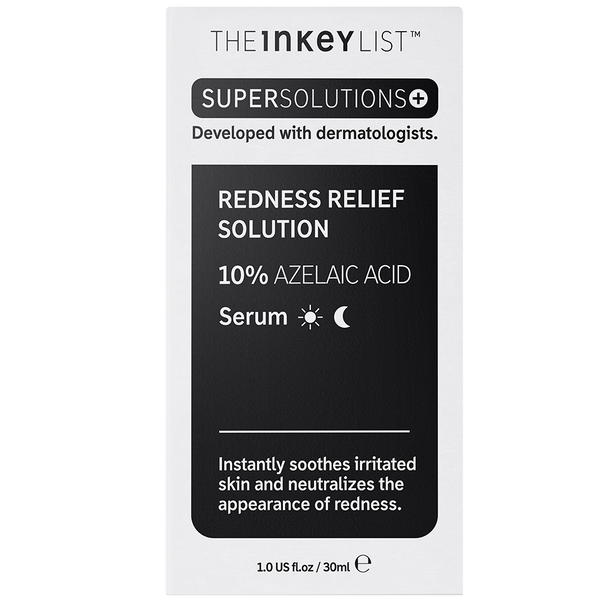
If flat red or brown post-blemish marks are what you’re working on, exploring our 10% Azelaic Acid Serum ($20) is a sensible, low-pressure next step, formulated to deliver exactly the calming, pigment-evening benefits we’ve detailed throughout this guide. Orders over $40 qualify for free shipping, making it easy to build out your full routine in one go if you’re ready.
If you’d rather understand the ingredient more deeply before adding anything new to your routine, our azelaic acidpillar page is the perfect place to continue learning, no pressure, just clear information whenever you’re ready to use it.
Frequently Asked Questions
Got a question?
Our askINKEY team are a friendly bunch of skincare experts with deep product knowledge and zero judgement. Whether you're an ingredient obsessive or just starting out, we'll make it make sense. No question too big. No question too small. We Give A Care, Every Day.


