

Natural Retinol Alternatives: What Actually Works?
Discover which ingredients are backed by real science, how they compare to retinol, and the best options for smoother, firmer, healthier-looking skin with less irritation
Author
askINKEY skincare advisor
Published
19 June, 2026
Time to read
14 minutes
This blog is for anyone who has questioned whether they really need retinol - or whether a plant-based alternative can do the same job. It is for those who have experienced irritation during a retinol introduction period. For those who are pregnant or breastfeeding and need a safe anti-aging option. For those drawn to natural or plant-derived formulations as a personal preference. And for those who simply want to know whether the ingredients being marketed as “natural retinol alternatives” are genuinely effective, or whether they are largely a well-packaged story.
The honest answer is: it depends on the ingredient. Some natural alternatives are backed by real clinical evidence and have a legitimate place in anti-aging skincare. Others are primarily carried by marketing rather than science. This blog covers the most widely talked-about options - bakuchiol, peptides, ceramides, vitamin C, and a handful of others - and gives you an evidence-informed assessment of each.
One important note upfront: INKEY does not currently sell a bakuchiol product. That means our assessment of bakuchiol, specifically, is genuinely objective. We have no commercial reason to oversell it or undermine it. What follows is what the evidence actually supports.
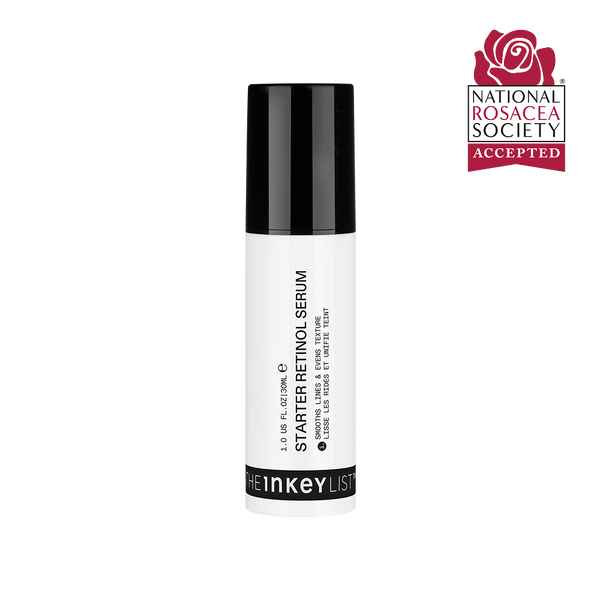
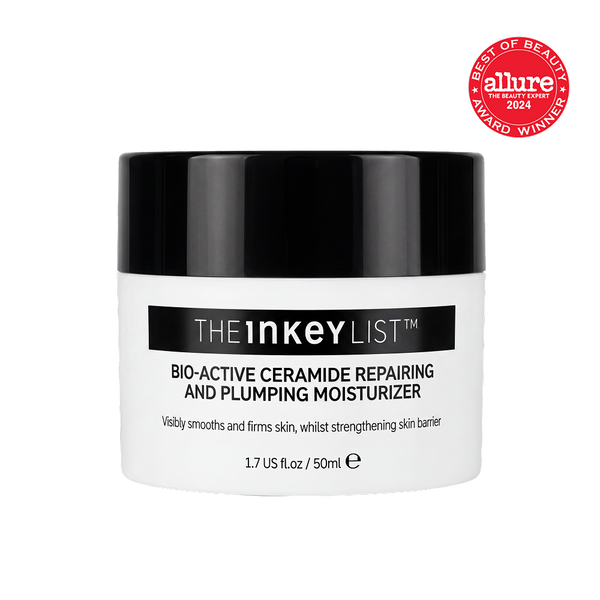
For those who read this and decide that retinol is the right choice - whether for the first time or as a return after a difficult experience - our Starter Retinol Serum ($15) is the most gentle retinol entry point available. It achieved 95% zero irritation in clinical testing and is specifically formulated for first-time users and sensitive skin. Alternatively, if you are interested in ceramide-based anti-aging, our Bio-Active Ceramide Moisturizer ($22) is clinically proven to reduce six signs of aging in 28 days.
Why People Search for a Natural Alternative to Retinol
Retinol is, by most credible measures, the most extensively studied topical anti-aging ingredient available without a prescription. Decades of peer-reviewed research support its ability to accelerate cell turnover, stimulate collagen production, reduce the appearance of fine lines, improve skin tone, and address hyperpigmentation. If you want the full science behind how and why it works, our complete guide to retinol covers it in depth.
So why do so many people search for something different? The reasons are varied, legitimate, and worth understanding clearly - because the reason someone is looking for an alternative directly determines which alternative is the right fit for them.
Irritation and the adjustment period. Retinol can cause redness, flaking, and sensitivity, particularly when introduced too quickly or at too high a concentration. This is sometimes called “retinol purging” or the adjustment period, and it puts a significant number of people off the ingredient entirely - often unfairly, since modern formulations have dramatically improved tolerability. Still, the experience is real, and for those with very reactive skin, it is a genuine barrier.
Pregnancy and breastfeeding. Retinoids - including retinol - are generally contraindicated during pregnancy and breastfeeding. This is one of the clearest and most clinically supported reasons to seek an alternative. It is not a vague precaution; it is a well-established guideline, and finding genuinely effective anti-aging options for this period matters.
Ingredient preferences. A growing number of people prefer plant-derived or “naturally sourced” formulations, for reasons ranging from environmental values to skin philosophy. This is a personal choice that deserves respect, not dismissal.
A perception that natural equals gentler or safer. This one is worth addressing directly: natural does not automatically mean gentler, more effective, or better evidenced. Some of the most potent and potentially irritating substances on earth are entirely natural. The correct question is not “is this natural?” but “what does the evidence say about how it works and how well it works?” That is the question this blog is built around.
It is also worth defining what “natural alternative to retinol” actually means in this context. The phrase is used to describe ingredients that aim to replicate some of retinol’s anti-aging effects - collagen support, cell renewal, fine line reduction, skin tone-evening - without being a vitamin A derivative. Within that category, there are two meaningfully different types. The first are ingredients that work via a mechanism that partially overlaps with retinol - bakuchiol is the clearest example. The second are ingredients that support anti-aging through an entirely different pathway - peptides, ceramides, and vitamin C fall here. Both categories have genuine value, but they are not the same thing, and conflating them leads to misplaced expectations. You can explore the full anti-aging ingredient landscape via our anti-aging collection.
With that framework in place, let us look at each ingredient on its own terms - starting with the one that has the strongest clinical case.
Bakuchiol: The Most Studied Natural Retinol Alternative
Bakuchiol has earned its position as the leading natural anti-aging alternative, and the reason is relatively simple: it is the only plant-derived ingredient with a randomized, double-blind clinical trial directly comparing it to retinol. That distinction matters enormously in a category where most ingredients rely on general antioxidant properties or in-vitro lab data rather than head-to-head human studies.
Bakuchiol is a meroterpene phenol derived from the seeds and leaves of the Psoralea corylifolia plant, commonly known as babchi. It has a long history of use in both Ayurvedic and traditional Chinese medicine, where it was valued for its anti-inflammatory and skin-healing properties. Its arrival in modern skincare science has given that traditional reputation a more rigorous foundation.
How Bakuchiol Works - and How It Differs from Retinol
The key question is always mechanism. Bakuchiol does not convert to retinoic acid the way retinol does, and it does not bind to retinoic acid receptors in the same structural way. However, research suggests that it activates some of the same gene expression pathways involved in collagen production and cell renewal - particularly the genes that regulate type I and type III collagen synthesis and matrix metalloproteinase activity. This functional overlap is what makes bakuchiol genuinely interesting, rather than simply another ingredient with vague “retinol-like” marketing attached to it.
What the Clinical Evidence Actually Says
The landmark evidence comes from a 2018 randomized, double-blind clinical study published in the British Journal of Dermatology by Dhaliwal et al. The study compared 0.5% bakuchiol applied twice daily to 0.5% retinol applied once daily over 12 weeks. The results showed that bakuchiol produced comparable reductions in wrinkle surface area and hyperpigmentation to retinol - with significantly fewer side effects. Specifically, the bakuchiol group reported substantially lower levels of stinging, scaling, and skin dryness.
This is meaningful, credible science. It is not a marketing claim. The study design is solid, and the results are genuinely encouraging for those who need or prefer a retinol-free option.
That said, intellectual honesty requires acknowledging the limitations. The body of evidence for bakuchiol is much smaller than the decades of clinical research behind retinol - this is a single landmark study, not a body of hundreds. The 0.5% concentration used in the study is not always what is present in retail products, where concentrations vary significantly. And the timeframe tells you something important: results from bakuchiol emerge over 8-12 weeks of consistent use, compared to visible improvement from 7 days with our Starter Retinol Serum ($15). For anyone weighing up the two options without a specific reason to avoid retinol, that speed difference is worth factoring in.
What Bakuchiol Does Genuinely Well
Bakuchiol is a meaningful anti-aging ingredient in its own right. It provides gradual support for collagen synthesis, reduces the appearance of fine lines over time, contributes to more even skin tone, offers antioxidant protection, and has anti-inflammatory properties that make it genuinely suitable for reactive skin. Crucially, it does not increase photosensitivity, so it can be used in both AM and PM routines without the sun-sensitivity concerns that come with retinol.
For everything you need to know about bakuchiol - how to incorporate it, who it suits best, and how to think about it against retinol - our complete guide to bakuchiol covers the full picture. And for a direct head-to-head comparison, our blog on retinol vs bakuchiol: which anti-aging ingredient is right for your skin? is the more targeted resource.
Who Bakuchiol Is Genuinely Best Suited To
Bakuchiol is the right choice for those who are pregnant or breastfeeding (always consult a dermatologist or OB-GYN before making any changes to your skincare routine during this time), those with very reactive or sensitized skin that has not tolerated retinol, and those who have a strong personal preference for plant-derived formulations.
For those without one of these specific reasons, the evidence favors retinol for both speed and depth of anti-aging results. The Starter Retinol Serum is the most accessible entry point - formulated specifically to close the tolerability gap that puts so many people off retinol in the first place.
Bakuchiol is the ingredient with the closest clinical parallel to retinol. The next category - peptides - takes a fundamentally different approach, working through biological signaling rather than overlapping gene expression pathways.
Peptides: The Signaling Approach to Anti-Aging
Peptides are short chains of amino acids - the building blocks of proteins. In the context of skincare, they act as signaling molecules, sending messages to skin cells that instruct them to produce more of the structural proteins that support youthful skin: primarily collagen, elastin, and other components of the extracellular matrix.
How Peptides Work Differently to Retinol
Retinol accelerates cell turnover and binds to nuclear retinoic acid receptors, triggering changes in gene expression that drive collagen synthesis and epidermal renewal from the inside out. Peptides take a different route - they mimic the biological signals that the skin’s own repair processes use, encouraging the dermis to rebuild its collagen matrix gradually. These are distinct mechanisms, and it is important to be clear about that: peptides are not attempting to do what retinol does. They are doing something different, with their own result profile.
What peptides do particularly well is support long-term skin firmness and elasticity. Over time, consistent peptide use can contribute to a meaningful improvement in the structural quality of skin - it is a cumulative, sustained approach rather than a fast-acting resurfacing one. Research published in a peer-reviewed review on peptides as anti-aging candidates confirms that specific classes of signal peptides - particularly those that stimulate procollagen synthesis - show measurable improvements in skin firmness, elasticity, and wrinkle depth with consistent topical application.
The Practical Case for Peptides
Peptides are extraordinarily well-tolerated. There is no adjustment period, no photosensitivity concern, and no need for gradual introduction. They work in both AM and PM routines and are compatible with virtually every other active in a skincare regimen. This makes them one of the most genuinely accessible anti-aging tools available.
They are not a direct substitute for retinol’s resurfacing action - that distinction matters, and a skincare brand that told you otherwise would not be giving you honest advice. Retinol’s mechanism drives epidermal cell turnover in a way that peptides do not replicate. But as a complement to other actives, or as the cornerstone of a retinoid-free routine, peptides contribute real, measurable anti-aging results over time.
For an accessible, everyday peptide delivery, our Peptide Moisturizer ($18) incorporates peptides into the moisturizer step - making it easy to build consistent collagen-signaling support into any routine without an additional serum step. This is particularly effective as part of a broader anti-aging approach, layered with other actives that address different aspects of the aging process - which brings us to ceramides and vitamin C.
Ceramides and Vitamin C: Complementary Anti-Aging Actives
Neither ceramides nor vitamin C are retinol substitutes in a mechanical sense. They do not replicate retinol’s cell-turnover acceleration or receptor-binding mechanism. But both are genuinely anti-aging in their own right, and both address aspects of skin aging that retinol alone does not fully cover. Understanding what each does - and what it does not do - allows you to use them intelligently, whether as part of a retinoid-free routine or alongside retinol as a complementary system.
Ceramides: Barrier-First Anti-Aging
Ceramides are lipid molecules that make up approximately 50% of the skin barrier. They form the “mortar” between skin cells, holding the barrier structure together, retaining moisture, and protecting the skin from environmental stressors. This is not simply a hydration story - it has direct implications for how skin ages.
Ceramide levels decline naturally with age, and this decline accelerates significantly during and after menopause. A weakened ceramide-depleted barrier allows increased transepidermal water loss, makes skin more vulnerable to environmental damage, and directly contributes to the appearance of fine lines, dullness, and a loss of plumpness and firmness. Research published in a 2025 study on ceramides and skin health confirms that topical ceramide supplementation supports barrier function and skin hydration, with broader implications for skin quality. Supporting evidence from a peer-reviewed review on topical ceramide application further establishes that replenishing skin ceramides through topical application measurably restores barrier integrity and reduces signs of barrier dysfunction.
In this sense, ceramides are anti-aging - but they work from the barrier level upward. They do not stimulate collagen in the way retinol or peptides do. What they do is address one of the most overlooked contributors to visible skin aging: a compromised barrier that accelerates moisture loss and environmental sensitivity.
Our Bio-Active Ceramide Moisturizer ($22) is clinically proven to reduce six signs of aging in 28 days. It is a particularly strong choice for dry skin, menopausal skin, barrier-compromised skin, and as a pregnancy-safe anti-aging approach. As a moisturizer, it also serves as an effective final layer in any routine - sealing in the actives applied beneath it while delivering its own anti-aging benefits.
Vitamin C: Antioxidant Protection and Collagen Support
Vitamin C is a potent antioxidant - one of the skin’s primary defenses against free radical damage driven by UV exposure, pollution, and environmental stressors. Free radical damage is a major driver of premature skin aging, and neutralizing it is genuinely anti-aging in effect. Beyond its antioxidant role, vitamin C acts as a cofactor in collagen synthesis - meaning it supports the collagen-production process at a biochemical level, independently of the signaling mechanisms that peptides activate.
Vitamin C also targets hyperpigmentation and uneven skin tone via inhibition of melanin synthesis, making it one of the most multi-functional actives available for skin that shows signs of photoaging.
The mechanism is entirely different to retinol’s. Retinol works primarily through cell turnover and nuclear receptor binding; vitamin C works through antioxidant protection and enzymatic collagen cofactor activity. They are not interchangeable - they are complementary. The classic pairing is vitamin C in the morning (antioxidant protection during daytime hours) and retinol in the evening (cell turnover and collagen stimulation overnight). For those avoiding retinol entirely, vitamin C contributes meaningful collagen support and environmental protection, though it does not replicate retinol’s resurfacing action.
Our 15% Vitamin C + EGF Serum ($20) uses a stable form of vitamin C - ascorbyl glucoside - that converts on skin for effective brightening and collagen support. It is gentler than pure L-ascorbic acid, which makes it more suitable for daily use and for those with skin that does not respond well to highly acidic formulations.
These four ingredients - bakuchiol, peptides, ceramides, and vitamin C - represent the credible core of the natural and retinol-adjacent anti-aging category. But the market is larger than these four, and a number of other ingredients are frequently marketed with similar positioning. It is worth addressing those honestly.
Other Ingredients Sometimes Labeled “Natural Retinol Alternatives”
Beyond bakuchiol, a number of plant-derived ingredients are regularly positioned as natural retinol alternatives - rosehip oil, sea buckthorn oil, and carrot seed oil being among the most frequently cited. These deserve an honest assessment rather than either uncritical promotion or reflexive dismissal.
Rosehip oil contains beta-carotene, a precursor to vitamin A, along with linoleic acid and various antioxidant compounds. It is a well-regarded skin oil with genuine hydrating and antioxidant properties. However, the conversion of beta-carotene to retinoic acid via topical application is not meaningfully established in the clinical literature, and describing rosehip oil as a “retinol alternative” overstates what the evidence supports. It is a nourishing, skin-supportive oil - not a clinically equivalent anti-aging active.
Sea buckthorn oil is rich in carotenoids, omega fatty acids (including the relatively rare omega-7), and antioxidant compounds. It has genuine barrier-supportive and antioxidant benefits. Like rosehip, it is sometimes marketed as a retinol alternative on the basis of its carotenoid content - but the clinical evidence for direct anti-aging outcomes comparable to retinol does not exist for this ingredient.
Carrot seed oil contains beta-carotene and tocopherols. It is sometimes marketed as “natural retinol,” a description that is more evocative than accurate. As with rosehip and sea buckthorn, the antioxidant properties are real; the retinol-equivalent claim is not supported by clinical data.
None of this is to say these are bad ingredients. They offer genuine benefits within the appropriate context - primarily hydration, barrier support, and antioxidant protection. But the marketing framing of “natural retinol alternative” implies anti-aging efficacy comparable to a vitamin A derivative, and that framing is not supported by the evidence.
INKEY’s position is straightforward: the brand is built around giving people ingredients that work. When an ingredient lacks the evidence to support the claims being made about it, saying so clearly is more useful than softening that reality. For an ingredient category with genuine decades of clinical evidence behind it, our complete guide to retinol sets the standard these alternatives are being measured against.
With the full ingredient picture now established, the verdict becomes possible.
Do Natural Retinol Alternatives Actually Work? The Honest Verdict
This is the section every reader has been building toward. Here is the clear, evidence-based assessment by ingredient.
Bakuchiol: Yes, with meaningful caveats.
The 2018 British Journal of Dermatology study is well-designed and its findings are genuinely encouraging. Bakuchiol is a legitimate anti-aging ingredient that can produce real improvements in fine lines, skin tone, and collagen support over 8-12 weeks. The caveats matter, though: results are slower than retinol (visible improvement from 7 days with the Starter Retinol Serum versus 8-12 weeks with bakuchiol); the evidence base is much smaller than retinol’s decades of research; and product concentrations vary in ways that may not match the study parameters. Bakuchiol is the right choice for those who are pregnant or breastfeeding, those with very reactive skin, or those with a genuine preference for plant-derived formulations. For everyone else, retinol delivers faster and deeper results.
Peptides: Yes, as a complementary anti-aging strategy.
Peptides genuinely support collagen synthesis and skin firmness over time. They are not a mechanical substitute for retinol’s cell-turnover resurfacing - they are doing something different, but something that adds real value. In a well-constructed anti-aging routine, peptides are a meaningful contributor, particularly at the moisturizer step. The Peptide Moisturizer ($18) builds this into an accessible daily step.
Ceramides: Yes, as a barrier-first approach to anti-aging.
Ceramide depletion accelerates the visible signs of aging in ways that are well-documented in the clinical literature. Restoring ceramide levels improves barrier function, reduces transepidermal water loss, and directly improves the appearance of fine lines, dullness, and skin resilience. Our Bio-Active Ceramide Moisturizer ($22) is clinically proven to reduce six signs of aging in 28 days. This is not a retinol replacement - it is a complementary mechanism that addresses a different dimension of skin aging.
Vitamin C: Yes, as an antioxidant and brightening active - best paired with retinol rather than used in place of it.
For those in a retinoid-free routine, vitamin C contributes meaningful collagen cofactor support and free-radical protection. For everyone else, it is most powerful as an AM partner to retinol used in the evening. Our 15% Vitamin C + EGF Serum ($20) is the right vehicle - stable, effective, and gentler than pure L-ascorbic acid formulations.
Rosehip oil, sea buckthorn oil, carrot seed oil: Limited evidence for anti-aging outcomes comparable to retinol.
These are beneficial ingredients in other respects - hydration, barrier support, antioxidant contribution - but the clinical data does not support describing them as retinol alternatives in any meaningful anti-aging sense.
The honest summary: if there is a genuine reason to avoid retinol - pregnancy, breastfeeding, very reactive skin - a retinoid-free routine built around bakuchiol, peptides, ceramides, and vitamin C can be a credible, effective approach to anti-aging. For everyone else, retinol remains the most proven, fastest-acting anti-aging active available. The tolerability concern - the most common reason people avoid it - is addressed by formulation. Our Starter Retinol Serum ($15) is specifically designed to close that gap: 95% zero irritation in clinical testing, results visible from 7 days. For those ready to step up to the strongest option, the Advanced 0.2% Retinal Serum ($22) works 11x faster than standard retinol, with visible wrinkle reduction in one week. For guidance on how to integrate retinol with the rest of your routine safely, what not to mix with retinol is the practical companion piece.
Building Your Anti-Aging Routine - With or Without Retinol
Understanding the evidence is one thing. Knowing what to actually do with your skincare is another. Here is the practical guidance for both paths.
When a Natural Alternative Route Makes Sense
There are genuine, valid reasons to build a retinoid-free anti-aging routine. Pregnancy and breastfeeding are the clearest - retinoids are contraindicated during this period, and anti-aging skincare should reflect that. Very reactive or sensitized skin that has not tolerated retinol despite careful introduction is another. Personal ingredient preferences - for plant-derived formulations - are a valid third. This blog is not an attempt to push retinol on people who genuinely cannot or choose not to use it. There is a credible, evidence-backed path without it.
If you are pregnant or breastfeeding, always consult your dermatologist or OB-GYN before making changes to your skincare routine.
A Retinoid-Free Anti-Aging Routine
This is a PM routine framework built around INKEY products, using ingredients with clinical evidence behind them.
- Cleanse - remove makeup and the day’s buildup before applying actives.
- Hyaluronic Acid Serum ($13) - apply to damp skin for deeper moisture absorption. This builds the hydration foundation that keeps skin functioning well.
- Peptide Moisturizer ($18) or Bio-Active Ceramide Moisturizer ($22) - choose one as your primary moisturizer step, or layer if your skin is dry and benefits from both. The Peptide Moisturizer delivers collagen-signaling support; the Bio-Active Ceramide Moisturizer provides barrier restoration with clinically proven anti-aging results.
In the morning, add the 15% Vitamin C + EGF Serum ($20) before your moisturizer for antioxidant protection and brightening throughout the day. Follow with SPF.
When Retinol Is the Better Choice
For everyone who does not have a specific medical or personal reason to avoid retinol, the evidence is clear. Retinol is the most proven, most studied anti-aging active available without a prescription. The concern that most commonly keeps people away - irritation - is very much a formulation issue, not an inherent property of the ingredient. Our Starter Retinol Serum is built specifically to address this.
A Beginner Retinol Routine
This is a PM routine for those new to retinol, or returning after a difficult experience.
- Cleanse.
- Hyaluronic Acid Serum ($13) - apply to damp skin.
- Starter Retinol Serum ($15) - use a pea-sized amount, 2-3 nights per week to start. Increase frequency gradually as skin adjusts.
- Bio-Active Ceramide Moisturizer ($22) - seal with barrier support. This helps minimize any potential sensitivity during the introduction phase.
In the morning, apply SPF after moisturizer - retinol increases photosensitivity, and sun protection is essential.
For those ready to step up: the Advanced 0.2% Retinal Serum ($22) uses retinal - one step closer to the active form of vitamin A than retinol, working 11x faster, with visible wrinkle reduction in one week.
Still Not Sure?
If you are unsure which routine is right for your skin type and concerns, take our Skincare Quiz for a personalized routine built in under two minutes. And for detailed guidance on how to layer retinol safely with other actives, what not to mix with retinol has everything you need.
The Verdict - Clearly Stated
Natural retinol alternatives are not a monolithic category, and they should not be assessed as one. Some - particularly bakuchiol, with its genuine clinical evidence base - are legitimate anti-aging ingredients that can produce real results over time. Others - ceramides and peptides - address aging through different mechanisms and contribute meaningfully to a well-built routine. Vitamin C adds antioxidant protection and brightening that complements any approach. And a number of ingredients marketed as retinol alternatives simply lack the clinical evidence to justify that positioning, however appealing the natural origin story may be.
The right choice depends entirely on the individual. If you are pregnant, breastfeeding, or have skin that genuinely does not tolerate retinol, there is a credible retinoid-free path available - and this blog has laid it out clearly. If you do not have one of those specific reasons, retinol remains the most proven anti-aging active available, and modern formulations have specifically addressed the tolerability concerns that once made it difficult to use. Our Starter Retinol Serum ($15) is the most accessible starting point. The Advanced 0.2% Retinal Serum ($22) is the strongest option for those ready to move further.
Not sure where to start? Take our Skincare Quiz for a personalized routine in under two minutes - or shop our anti-aging collection to explore every option.
Ready to Find Your Routine?
Not sure where to start? Take our Skincare Quiz for a personalized routine in under 2 minutes - or shop our anti-aging collection to explore every option.
Frequently Asked Questions
Got a question?
Our askINKEY team are a friendly bunch of skincare experts with deep product knowledge and zero judgement. Whether you're an ingredient obsessive or just starting out, we'll make it make sense. No question too big. No question too small. We Give A Care, Every Day.


