



Sunken Eyes and Tear Troughs: What They Are and What You Can Do
Discover what causes them, the difference between hollows and puffiness, and the best skincare ingredients to help brighten, hydrate and smooth the eye area.
Author
askINKEY skincare advisor
Published
16 June, 2026
Time to read
17 minutes
Sunken eyes and tear troughs are among the most searched under-eye concerns in the United States - and also among the most misunderstood. Unlike dark circles caused by pigmentation or puffiness caused by fluid retention, sunken eyes are a structural issue. They are rooted in the anatomy of the face: the loss of volume beneath the eye, changes to the fat pads that sit within the periorbital area, and the shape of the underlying bone. The result is a hollow, shadowed appearance that makes the face look tired, older, or gaunt - regardless of how much sleep you got or how much water you drank.
This blog covers exactly that: what the tear trough is anatomically, why hollowing and sunken eyes happen, how they differ from dark circles and puffiness, what topical skincare can realistically do (and what it cannot), which ingredients are worth your attention, and how to build a practical under-eye routine. If dark circles are your main concern rather than hollowing, our full guide covers those in detail in the dark circles guide. This blog is specifically about structural hollowing and volume loss beneath the eye.
The audience for this information is broad. Sunken eyes and tear troughs affect people in their twenties noticing early changes, people in their forties seeing accelerated hollowing, and people of any age who have simply always had a deeper tear trough due to genetics. Whatever brought you here, the goal is to give you an honest, grounded understanding of the concern - and a clear picture of what skincare can do to help.
Products That Support the Under-Eye Area
Before diving into the anatomy and causes, here is a quick reference to the skincare products most relevant to this concern. You can explore the full range at our Eye Treatments collection.
Eye Creams:
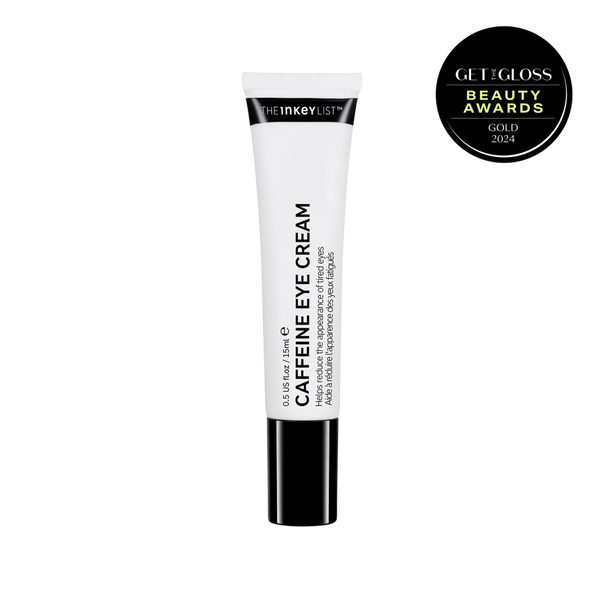
- Caffeine Eye Cream - $14: Depuffs, reduces the appearance of dark circles, and supports collagen production with Matrixyl 3000. Use in the AM. Store in the fridge for an extra cooling boost.
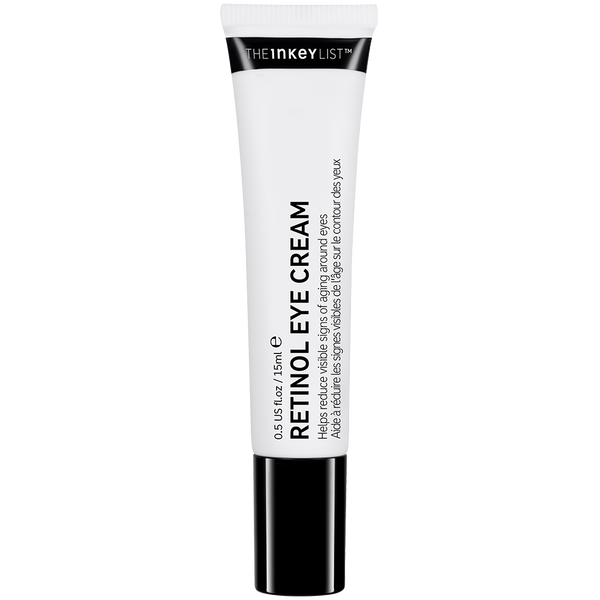
- Retinol Eye Cream - $15: Formulated with 3% Vitalease slow-release retinol for the delicate under-eye area. Supports long-term skin firming and collagen production. PM use only.
Supporting Products:
- Hyaluronic Acid Serum - $13: Hydrates and plumps the skin surface at three molecular weights. Apply to damp skin before eye cream.
- Bio-Active Ceramide Moisturizer - $22: Locks in hydration and supports the skin barrier. Use as the final PM step.
Each of these products plays a specific role in the under-eye routine laid out later in this blog. The ingredients behind each recommendation are explained in full in Section 5.
What Are Sunken Eyes and the Tear Trough?
The tear trough is a groove - a natural anatomical depression that runs from the inner corner of the eye, near the nose, diagonally downward and outward along the border between the lower eyelid and the upper cheek. Every face has one to some degree. The concern arises when this groove becomes more prominent, creating a hollow, concave appearance beneath the eye that casts a shadow across the face.
Sunken eyes is the term most people use when that hollow becomes visible and pronounced. The under-eye area looks recessed rather than smooth, giving the face a fatigued or aged appearance even when you feel well-rested. Under-eye hollows, hollow eyes, and tear trough deformity are all terms that describe variations of the same structural feature - a depression beneath the eye that is deeper than average.
Understanding why this matters starts with understanding what sits beneath the skin in the periorbital area. Directly under the thin skin of the lower eyelid are layers of muscle, connective tissue, and - critically - fat compartments. These orbital fat pads sit within the bony socket of the eye and play a key role in giving the face a youthful, full appearance around the eye. According to EyeWiki, the American Academy of Ophthalmology’s peer-reviewed resource, the tear trough involves complex anatomy at the interface of these fat pads, the orbital retaining ligament, and the skin above.
When these fat compartments are full and well-positioned, the transition between the lower eyelid and the cheek is smooth and gradual. When volume diminishes - whether due to aging, genetics, or lifestyle factors - that transition becomes abrupt. A groove forms. Light catches the depression differently than it catches the surrounding fuller skin, and a shadow is cast. This is the shadow that most people are seeing and describing when they talk about sunken eyes.
It is worth pausing on that last point, because it explains one of the biggest sources of confusion about under-eye concerns. The darkness associated with sunken eyes is often not pigment. It is shadow. The hollow shape literally intercepts light, creating a dark appearance that exists independently of any melanin excess or visible blood vessels. This is why some people find that their “dark circles” appear worse in certain lighting and almost disappear in others - because they are looking at shadow, not pigment.
This distinction matters enormously when choosing how to address the concern. Targeting pigmentary dark circles with brightening ingredients will not fill a hollow. Understanding that sunken eyes are structural - not a pigment problem, not primarily a hydration problem - is the foundation for addressing them effectively.
“The tear trough is a concave deformity caudal to the orbital fat that results from aging and inherited anatomical difference.” - The PMFA Journal
A deeper tear trough will always be more visually prominent on some faces than others. Bone structure plays a role. Cheek fat distribution plays a role. Skin thickness plays a role. The concern is not a flaw or a medical condition in most cases - it is an anatomical feature that sits on a spectrum, and it can be addressed with varying levels of intervention depending on its severity and the individual’s goals.
With that foundation in place, the next natural question is: why does this happen, and why does it sometimes seem to get worse over time?
What Causes Sunken Eyes and Under-Eye Hollows?
The causes of sunken eyes and under-eye hollows are not mysterious, but they are layered. Understanding them helps explain why different people experience this concern at different ages, to different degrees, and why certain lifestyle habits can make it look worse even when the structural cause is the same for everyone.
Aging and Facial Volume Loss
The single most common cause of worsening tear troughs over time is the natural process of facial aging. From the mid-twenties onward, the fat compartments of the face begin to slowly diminish and shift. This process accelerates through the thirties and forties. The periorbital fat pads - the ones that sit just beneath the lower eyelid skin - are particularly susceptible. As they reduce in volume, the depth of the tear trough groove increases, and the hollow beneath the eye becomes more pronounced.
This is not a sudden change. It is gradual and cumulative, which is why many people notice that their sunken eyes have become more visible over a period of years rather than appearing overnight. Aging also brings collagen and elastin loss, meaning the skin above the hollow becomes thinner and less resilient. Thinner skin makes the hollow appear deeper because there is less tissue to buffer the visual transition between the eyelid and the cheek.
Orbital Fat Pad Migration and Depletion
The fat pads in the periorbital area can change in two ways as the face ages: they can lose volume, and they can migrate downward. When the fat descends, it can create a combination effect - relative hollowing in the area beneath the eye where the fat used to sit, alongside a protrusion or bulge lower on the cheek where the fat has migrated. This is one reason some people experience both puffiness and hollowing simultaneously, which can make the under-eye area look particularly complex.
The skin of the lower eyelid is approximately 0.5mm thick - among the thinnest skin on the entire body. With so little tissue between the outer surface and the structures beneath, any change in the fat pad volume or position translates immediately into visible surface changes. There is very little margin here, which is why the under-eye area is often the first place facial aging becomes visible.
Genetics and Orbital Bone Structure
Not all tear troughs are the result of aging. Some people are born with a deeper tear trough due to the shape of their orbital bone and the natural distribution of fat in the cheek area. If the orbital rim is more prominent or set in a particular way, the tear trough will naturally be more visible regardless of age. Genetics can also determine how quickly fat pads diminish and how the overall face ages, meaning that some people will experience significant hollowing earlier than others.
If you have noticed sunken eyes since your early twenties or even your teens, genetics are very likely the primary factor. This does not mean the concern is untreatable - it simply means the approach may focus more on surface hydration, light-diffusing makeup techniques, and long-term collagen support rather than reversing volume loss.
Sun Exposure and Collagen Breakdown
UV exposure accelerates collagen breakdown across the face, and the under-eye area is no exception. Collagen is the structural protein that gives skin its thickness, firmness, and resilience. As UV-driven collagen loss compounds with natural aging, the skin over the tear trough becomes thinner and more translucent, making the underlying hollow more visible. This is one of the primary reasons daily SPF use is relevant even for a structural concern like sunken eyes - protecting the collagen you still have is one of the most impactful things you can do to slow the visible progression of hollowing.
Lifestyle Factors: Sleep, Hydration, and Weight
Poor sleep, dehydration, and rapid weight loss do not cause the tear trough anatomically, but they all affect how pronounced it looks. Dehydration reduces the skin’s natural plumpness, making the hollow appear deeper. Poor sleep increases fluid retention in some areas and decreases it in others, affecting the overall appearance of the eye area. Rapid or significant weight loss can accelerate the depletion of facial fat compartments, including the periorbital ones, making existing hollowing more visible. If you want to understand more about how dehydration specifically affects the skin’s appearance, our Dehydrated Skin guide and the Dehydration Lines vs Wrinkles blog go into useful detail.
The takeaway from understanding these causes is that sunken eyes are the product of multiple overlapping factors - some structural and permanent, some progressive and age-related, some modifiable through skincare and lifestyle. This layered understanding is exactly what helps in choosing the right approach.
How Sunken Eyes Differ from Dark Circles and Puffiness
One of the most important things to understand about sunken eyes is what they are not. Tear troughs and under-eye hollows are frequently conflated with dark circles and puffiness, but these are distinct concerns with different root causes - and different solutions. Getting the identification right is the difference between an effective approach and one that misses the mark entirely.
Hollows vs. Dark Circles
Dark circles under the eyes fall into three main categories: vascular, pigmentary, and structural. Vascular dark circles are caused by visible blood vessels beneath the thin under-eye skin, giving a bluish or purplish tint. Pigmentary dark circles are caused by excess melanin in the skin, creating a brownish discoloration. Structural dark circles are the shadow cast by the hollow of the tear trough itself - and this is where the overlap with sunken eyes occurs.
A person with prominent sunken eyes may not have any pigment issue at all. The darkness they see is purely a product of the hollow casting a shadow. Conversely, a person with pigmentary dark circles may have relatively little hollowing - their darkness is in the skin, not a shadow effect.
A simple at-home test can help distinguish between them. Gently press the skin beneath your eye and observe whether the darkness changes. If the darkness disappears or lightens significantly when the skin is flattened, it is likely shadow from a hollow rather than pigment in the skin. If the darkness remains consistent regardless of pressure, pigmentary dark circles are likely a factor. For a comprehensive breakdown of all dark circle types and how to address each one, our dark circles and under-eye puffiness guide is the right resource.
Hollows vs. Puffiness and Bags
Puffiness and bags are the structural opposite of hollowing. Puffiness is a protrusion - the under-eye area appears raised and swollen. Hollowing is a depression - the under-eye area appears sunken and recessed. These are fundamentally different problems, yet they are frequently grouped together in general under-eye discussions.
Puffiness is typically caused by fluid retention, fat pad prolapse, or lymphatic congestion. It is often worse in the morning and improves throughout the day as fluid drains. Hollowing, by contrast, does not change based on time of day in the same way - it is a structural feature. It may look slightly worse when you are dehydrated or sleep-deprived, but it does not resolve the way morning puffiness does.
What makes this particularly nuanced is that some people experience both simultaneously. The orbital fat pad can prolapse and create a bulge in the inner corner of the lower eyelid while simultaneously there is hollowing in the mid or outer under-eye zone. This creates an appearance of both puffiness and shadow at the same time - a presentation that requires addressing both components.
How to Self-Identify Your Under-Eye Concern
Taking stock of what you are actually seeing helps narrow down the approach:
- A hollow, concave groove or shadow that follows the curve of the lower eyelid suggests structural hollowing from the tear trough.
- Consistent discoloration that remains when the skin is pressed suggests pigmentary dark circles with a melanin component.
- A bluish or purplish tint that worsens with fatigue or poor sleep suggests vascular dark circles.
- A raised, swollen area that is noticeably worse in the morning suggests puffiness or fluid retention.
- A combination of shadow and color change may mean you are dealing with more than one concern at once - which is common.
Understanding which category (or combination of categories) applies to you shapes which products and ingredients are most relevant. Our blog on how to treat under-eye wrinkles and our piece on whether under-eye patches actually workcover adjacent concerns that often overlap with hollowing. For a full picture of dark circles specifically, the dark circles guide remains the best starting point.
What Topical Skincare Can (and Cannot) Do for the Tear Trough Area
This is the part of the conversation where honesty matters most. There is a significant amount of overclaiming in the beauty industry when it comes to under-eye products, and sunken eyes and tear troughs are a category where the gap between what products promise and what they can deliver is often large. The starting point for any effective approach is a clear-eyed understanding of what topical skincare is genuinely capable of.
What Skincare Cannot Do
Topical skincare cannot rebuild depleted orbital fat pad volume. The fat compartments beneath the eye are not accessible to ingredients applied to the skin surface. No cream, serum, or eye product can structurally reposition descended facial fat pads or fill a deep anatomical groove in the way that hyaluronic acid filler injected directly into the tear trough can. For moderate to severe hollowing driven by significant fat pad loss, the expectations placed on topical products must be realistic.
This is not a failure of skincare - it is simply physics and anatomy. Products that claim to “fill” a tear trough or restore structural volume through topical application are overstating what is possible. Knowing this upfront saves time, money, and frustration.
What Skincare Can Meaningfully Do
The honest picture of skincare’s capabilities for sunken eyes is still genuinely useful. The right routine can make a real, visible difference - particularly for mild to moderate hollowing, and as a complement to professional treatment in more pronounced cases.
Topical skincare can hydrate and plump the skin surface, which visually reduces the depth of the hollow. A well-hydrated skin surface is fuller and more light-reflective than a dehydrated one, making the shadow from the tear trough less pronounced. Hyaluronic acid is the primary ingredient here, drawing moisture into the skin layers and creating a measurable improvement in surface plumpness.
Skincare can support collagen production over time. Ingredients like retinol and peptides signal the skin to produce more collagen and elastin, which gradually improves the thickness and firmness of the skin covering the hollow. Thicker, more resilient skin buffers the visual appearance of the underlying hollow and slows the progression of skin thinning that makes hollowing worse with age.
Skincare can also address the vascular and puffiness layer that compounds the appearance of hollowing. Caffeine reduces fluid retention and the visibility of blood vessels, which - while not treating the structural hollow - removes a layer of visual complexity that was worsening the overall appearance.
Consistent use of the right skincare over weeks and months will improve skin quality, texture, and firmness in the under-eye area. For mild hollowing, this can translate into a meaningful visible improvement. For more moderate hollowing, it keeps the skin in its best possible condition and maximizes the appearance of the eye area within the structural reality.
The Tear Trough Filler Question
It would be incomplete to discuss under-eye hollows without addressing tear trough filler directly. Filler uses a hyaluronic acid gel injected into and around the tear trough to restore volume and smooth the hollow. When performed by a qualified medical professional with expertise in this specific area, it can produce significant structural improvement that topical skincare cannot replicate.
According to Healthline, hyaluronic acid fillers in the under-eye area typically last anywhere from 9 months to over a year, and the procedure must be performed by a trained, licensed medical professional. The tear trough is a technically demanding treatment area due to the proximity of blood vessels and other delicate structures - the skill of the practitioner is critical.
INKEY’s position on this is straightforward: professional treatment is a valid option for structural hollowing that is causing concern. Skincare and filler are not mutually exclusive - in fact, maintaining skin quality with the right topical routine is valuable before, during, and after professional treatment. If you are considering filler, speak with a qualified, board-certified medical professional who can assess your anatomy and advise accordingly.
The skincare-first approach is right for most people dealing with mild to moderate hollowing. For those with more pronounced structural concerns, professional consultation is a reasonable next step - and the two can work together effectively.
The Best Skincare Ingredients for the Under-Eye Area
With the foundations established, the focus shifts to specific ingredients - what they do, why they work, and how they connect to the products in the INKEY range. The under-eye area is delicate, and ingredient choice matters significantly here. Formulations need to be effective without being irritating to the thinnest skin on the face.
Hyaluronic Acid: Surface Hydration and Visible Plumping
Hyaluronic acid (HA) is a humectant - a molecule that draws moisture from the environment and from deeper skin layers up toward the surface. Applied topically, it increases the water content of the skin, which has an immediate plumping and smoothing effect. For the under-eye area, this translates into a visibly less hollow appearance as the skin surface becomes fuller and more light-reflective.
Our Hyaluronic Acid Serum at $13 contains 2% hyaluronic acid at three molecular weights - meaning hydration is delivered at multiple depths within the skin, from the surface down into deeper layers. This multi-weight approach maximizes the plumping effect and helps maintain hydration for longer. Apply it to damp skin before any eye cream to optimize absorption. The effect is temporary in the sense that it does not structurally address the hollow, but the daily improvement in skin surface hydration compounds over time and genuinely makes a visible difference.
It is worth being clear: hyaluronic acid in a serum does not fill a tear trough the way injected hyaluronic acid filler does. The molecules are too large to penetrate to the structural level, and they work through hydration rather than volumization. But hydrated, plumped skin looks measurably less hollow - and that is a real benefit.
Peptides and Matrixyl 3000: Collagen Signaling and Structural Support
Peptides are short chains of amino acids that communicate with skin cells, signaling them to produce more collagen and elastin. They work over time rather than immediately, making consistent use the key to seeing results. For the under-eye area, where collagen loss and skin thinning are primary drivers of worsening hollowness, peptides are a genuinely valuable long-term investment.
Matrixyl 3000 is one of the most clinically studied peptide complexes in skincare. It is a combination of palmitoyl tripeptide-1 and palmitoyl tetrapeptide-7, two peptides that have been shown to stimulate collagen synthesis. Our Caffeine Eye Cream at $14 contains Matrixyl 3000 alongside 0.3% caffeine and Albizia Julibrissin Bark Extract - making it significantly more than a simple depuffing product. It is working on the vascular and puffiness layer in the short term while simultaneously supporting collagen in the longer term.
For broader collagen support across the face, the Collagen Peptide Serum is worth exploring as a complementary step in the full routine.
Retinol: The Gold Standard for Long-Term Skin Renewal
Retinol is vitamin A, and it remains the most clinically supported ingredient for increasing cell turnover, stimulating collagen production, and improving skin thickness over time. For the under-eye area, where skin thinning compounds the visible appearance of hollowing, consistent retinol use can gradually improve the quality and resilience of the overlying skin.
Our Retinol Eye Cream at $15 uses 3% Vitalease - a slow-release retinol system specifically designed for the delicate under-eye area. Slow-release delivery means the retinol is activated gradually, reducing the risk of irritation on skin that is already among the thinnest on the face. Results build over weeks and months: expect to see improvements in skin texture, firmness, and thickness with consistent PM use.
For anyone new to retinol under the eyes, introducing it gradually is essential. Start with one to two nights per week and build slowly as the skin adjusts. For more background on how retinol works and how to use it safely, our What is Retinol? guide covers the ingredient in full. One important note: retinol is not suitable during pregnancy or breastfeeding. In that case, our Caffeine Eye Cream is the recommended alternative.
Caffeine: The Vascular and Puffiness Layer
Caffeine acts as a vasoconstrictor when applied topically, meaning it temporarily narrows blood vessels and reduces fluid accumulation. For the under-eye area, this translates into reduced puffiness and a decrease in the visible appearance of blood vessels, both of which can worsen the overall shadowed appearance of sunken eyes. The effect is visible from first use, making it a reliable AM product for improving the immediate appearance of the eye area each morning.
Our Caffeine Eye Cream at $14 contains 0.3% caffeine alongside Albizia Julibrissin Bark Extract - which has been shown to reduce the appearance of dark circles - and Matrixyl 3000 for collagen support. Storing it in the fridge adds an extra cooling, constricting effect that enhances the depuffing benefit. Use it in the morning as the first step after serum and before moisturizer.
SPF: Protecting the Under-Eye Investment
UV exposure is one of the primary accelerators of collagen breakdown, and the skin around the eye is no exception. Wearing a broad-spectrum SPF daily as part of the AM routine is one of the most effective long-term investments you can make for the under-eye area. It does not treat existing hollowing, but it significantly slows the progression of collagen loss that makes hollowing worse over time. Finish your AM routine with a broad-spectrum SPF suited to your skin type to protect the work your other products are doing.
Building a Routine for the Under-Eye Area
Understanding ingredients is one thing - knowing how to put them together into a workable daily routine is what makes the difference in practice. The following routine is designed around the specific needs of the under-eye area, with application technique built in because technique matters as much as product choice in this delicate zone.
AM Routine
- Cleanse.
- Apply Hyaluronic Acid Serum ($13) to damp skin. Damp skin is essential - HA needs moisture to draw from, and applying it to dry skin in a dry environment can actually pull moisture from the skin itself.
- Apply Caffeine Eye Cream ($14) by patting gently around the eye contour using the ring finger. The ring finger applies the lightest pressure, which is important for skin this thin. Pat - never rub or drag.
- Apply your moisturizer, then a broad-spectrum SPF to finish.
PM Routine
- Cleanse.
- Apply Hyaluronic Acid Serum ($13) to damp skin.
- Apply Retinol Eye Cream ($15) by patting gently around the eye contour. Start with one to two nights per week, increasing gradually as skin tolerates. Apply before your moisturizer - eye cream goes on before heavier products.
- Apply Bio-Active Ceramide Moisturizer ($22) to lock in hydration and support the skin barrier overnight.
Alternating Eye Cream Approach
The natural pairing is: Caffeine Eye Cream every morning (daily), and Retinol Eye Cream two to three nights per week in the PM, building to nightly as skin adjusts. On nights when you are not using the Retinol Eye Cream, you can continue with the Caffeine Eye Cream in the PM or simply apply moisturizer after serum.
Application Tips
- Always use the ring finger for eye cream application - it is the finger with the least natural pressure.
- Pat the product in with gentle, tapping motions. Never rub, stretch, or drag the skin.
- Apply eye cream before moisturizer so it can absorb properly into the skin beneath.
- Apply hyaluronic acid to damp skin every time for maximum absorption.
- Store the Caffeine Eye Cream in the fridge for a cooling, constricting effect that boosts its depuffing action, especially in the morning.
- Consistency over intensity: the real gains from this routine come from sustained, daily use over weeks and months.
Realistic Timeframes
Results from a skincare routine are not instant - at least not all of them. Here is what to realistically expect:
- Surface hydration and plumping from hyaluronic acid: visible improvement from first use, with cumulative benefits building over days.
- Puffiness reduction from caffeine: visible from first use, particularly in the morning.
- Collagen support from retinol and peptides: meaningful improvements in skin texture, firmness, and resilience from 4 to 6 weeks of consistent use, with fuller results visible at 8 to 12 weeks.
For a personalized routine recommendation based on your specific skin concerns, take our Skincare Quiz. And if you want to build your routine at a better price, our Bundle Builder saves up to 20%. The team at askINKEY is also available if you have questions about where to start.
When to See a Professional About Sunken Eyes and Tear Troughs
Skincare is the right starting point for the majority of people dealing with sunken eyes and tear troughs - particularly those with mild to moderate hollowing. But it is not the right answer for everyone. Knowing when a professional consultation makes sense is part of approaching this concern honestly.
There are certain signs that professional advice may be worth seeking out. If your hollow is prominently visible regardless of lighting conditions, hydration levels, or time of day, structural volume loss is likely the primary driver - and that sits beyond what topical skincare can address at its root. If the appearance of your sunken eyes is having a significant impact on your confidence or daily life, that is a valid reason to explore professional options. If you have been consistent with a well-formulated skincare routine for three or more months without seeing the improvement you were hoping for, the structural component of your concern may be deeper than skincare can reach. Similarly, if you have noticed rapid or significant facial volume loss potentially linked to weight loss or changes in overall health, speaking with a medical professional is the appropriate step.
Professional Options: An Honest Overview
For those who are candidates, there are several professional treatment routes that are commonly used for tear trough concerns. None of these are INKEY recommendations - this is informational only, and any professional treatment should be discussed with a qualified medical professional.
Tear trough filler remains the most widely used professional treatment for under-eye hollowing. HA-based filler is injected into the tear trough to restore volume, smooth the hollow, and reduce the shadow. The procedure requires a highly skilled practitioner due to the sensitivity of the area and the proximity of blood vessels. Results are temporary - hyaluronic acid fillers in this area typically last between 9 and 18 months before the body metabolizes them. Reversal with hyaluronidase is possible if the results are unsatisfactory.
Polynucleotide (PDRN) treatments are a newer category of injectable skin regeneration therapy that stimulate tissue repair and collagen production rather than filling with volume. These are increasingly used in and around the eye area, though they work differently from fillers and suit different presentations.
It is also worth noting that skincare and professional treatment are not mutually exclusive. Maintaining skin quality before, during, and after professional treatment is valuable. A well-maintained skin surface makes the most of any structural treatment and supports longer-lasting results.
If you are unsure whether your under-eye concern calls for skincare alone or a professional consultation, askINKEYcan help you think through your concern, and our Skincare Quiz will direct you to the right starting routine. For dark circles specifically - whether alongside your hollowing or as a separate concern - the dark circles guide is the right place to go.
The Starting Point Is Knowing What You Are Working With
Sunken eyes and tear troughs are structural concerns - rooted in the anatomy of the face, shaped by genetics, and typically progressed by the natural process of aging. They are distinct from pigmentary dark circles and puffiness, though all three can coexist in the same person at the same time. Getting that distinction right is foundational to every decision that follows.
Topical skincare cannot replace lost facial volume or reposition descended fat pads. That honesty matters. But it can hydrate and plump the skin surface, support collagen production and skin thickness over time, reduce the vascular and puffiness components that compound the appearance of hollowing, and keep the skin in the best possible condition regardless of what other approaches are in play. For mild to moderate sunken eyes, that is a genuinely meaningful contribution. For deeper structural concerns, professional consultation is a valid next step - and skincare and professional treatment work best together, not in place of each other.
Knowledge is the starting point. Understanding what you are looking at, why it is happening, and what tools are realistically available to address it puts you in control of the outcome. The right routine, applied consistently, makes a difference that compounds over time.
Explore your next steps:
- Shop the full Eye Treatments collection to find the right products for your routine.
- Take the Skincare Quiz for a personalized routine recommendation.
- Build a bundle and save up to 20% with the Bundle Builder.
- Have questions? Ask INKEY for guidance.
- If dark circles are also a concern alongside hollowing, our Dark Circles and Under-Eye guide covers every type in detail.
Frequently Asked Questions
Got a question?
Our askINKEY team are a friendly bunch of skincare experts with deep product knowledge and zero judgement. Whether you're an ingredient obsessive or just starting out, we'll make it make sense. No question too big. No question too small. We Give A Care, Every Day.


