


What Causes Back Acne in Females? Hormones, Periods & How to Treat It
Wondering what causes back acne in women? Discover the common triggers behind body breakouts, from hormones to sweat and friction, plus the best skincare ingredients and routines to help prevent and treat bacne effectively.
Author
askINKEY skincare advisor
Published
17 June, 2026
Time to read
14 minutes
Back acne in females is a distinct topic from general back acne - and the distinction matters. While back acne affects people of all genders, the causes in women are frequently hormone-driven, cyclical, and tied to specific life stages that simply do not apply to the general population. This blog covers exactly what causes back acne in females: androgens, the menstrual cycle, PCOS, pregnancy, perimenopause, and cortisol, alongside the female-specific physical triggers - bra straps, sports bras, hair products, and activewear - that compound the hormonal baseline. It also covers how to treat it with the right ingredients.
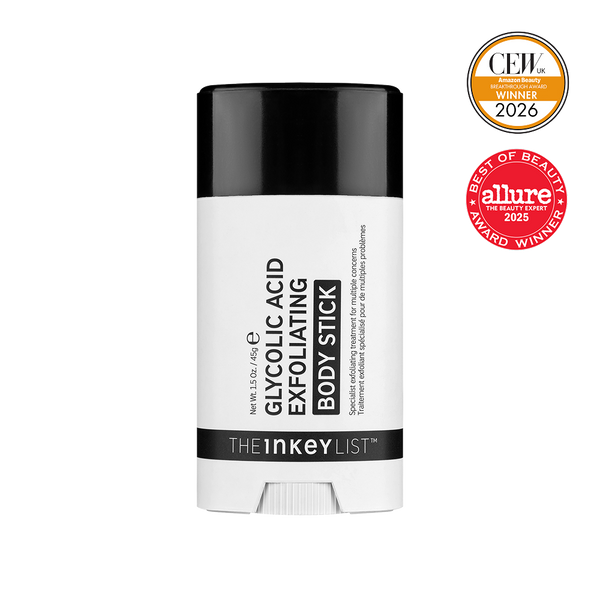
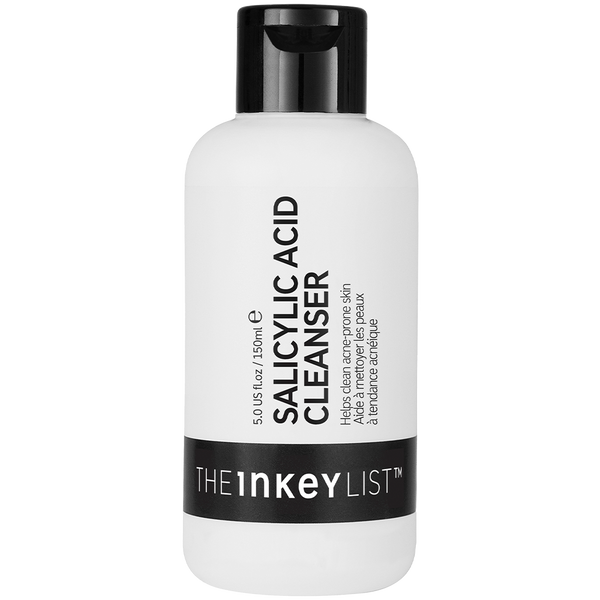
The two products that deliver the most direct impact on female back acne are the Glycolic Acid Exfoliating Body Stick ($20) and the Salicylic Acid Cleanser ($15). Both are covered in full in Section 5. For a broader overview of back acne causes, types, and full body routines, visit our complete guide to back acne - this blog is the female-specific deep-dive that sits alongside it.
Why Female Back Acne Is Different - And Why Hormones Are the Starting Point
Understanding back acne in females begins with understanding the biology, but only briefly - because the foundational cascade is the same as general back acne. Pores become blocked when excess sebum combines with dead skin cells inside the follicle, creating an environment where C. acnes bacteria proliferate, triggering inflammation and breakouts. For the full breakdown of how acne develops, visit our complete back acne guide or read how acne formsin detail. What this blog focuses on is the female-specific layer on top of that biology.
That layer begins with androgens. Testosterone and DHEA-S (dehydroepiandrosterone sulfate) are the primary hormonal drivers of sebaceous gland activity across all genders. They stimulate the glands to produce more sebum. In women, androgen levels are lower than in men - but women are highly sensitive to androgenic fluctuations, and those fluctuations are far more frequent and variable. According to Cleveland Clinic data on sebaceous gland density, the back - particularly the upper back and shoulders - has one of the highest concentrations of sebaceous glands in the body. These glands are androgen-sensitive. When androgen levels rise, sebum output in this area rises with them.
The critical point for females is that androgen levels are not static. They fluctuate across the menstrual cycle, during pregnancy, through perimenopause, and in response to chronic stress. This means female back acne can be:
- Cyclical - worsening at a predictable point in the monthly cycle
- Persistent - driven by a chronic hormonal condition like PCOS
- Life-stage triggered - emerging or worsening during pregnancy, after stopping contraception, or during perimenopause
Back acne in females is often cyclical, not random - and understanding why it flares is the first step to managing it.
This also explains why female back acne is not exclusively a teenage concern. Adult back acne in women in their 30s, 40s, and 50s is common, frequently hormonal, and frequently undertreated because it is incorrectly dismissed as something that should have resolved after adolescence. It does not resolve on its own when the underlying hormonal drivers persist.
The next section breaks down each of the six primary hormonal causes in detail - from the monthly menstrual cycle to the longer hormonal shifts of perimenopause.
The Hormonal Causes of Back Acne in Females - A Complete Breakdown
Most hormonal back acne in females comes back to one thing - androgens. But what triggers androgen activity, and when, is where female-specific causes diverge.
Each of the following hormonal causes operates through the same core mechanism - elevated androgen activity driving increased sebum production in androgen-sensitive zones, primarily the upper back, shoulders, and chest - but each has a distinct pattern, severity profile, and management consideration.
Androgens and Sebum Overproduction
Androgens - primarily testosterone and DHEA-S - are the foundational driver of hormonal back acne in females. They act directly on sebaceous glands, stimulating them to produce more sebum. When sebum output increases beyond what the pore can efficiently clear, the conditions for congestion and acne breakouts are created.
Women have lower absolute androgen levels than men but are more sensitive to androgenic fluctuations. This sensitivity means that even modest rises in androgen activity - well within a technically “normal” hormonal range - can trigger a measurable increase in sebum production and a corresponding increase in back acne. This is the foundational mechanism behind all six of the causes covered in this section.
The upper back and shoulders are particularly vulnerable because of their high sebaceous gland density. This is why hormonally-driven bacne in women concentrates in these areas rather than, say, the lower back.
The Menstrual Cycle and the Luteal Phase
The menstrual cycle creates predictable, recurring hormonal shifts that directly affect sebum production - which is why many women experience predictable, recurring back acne at the same point in their cycle every month.
During the follicular phase (roughly days 1 to 14), estrogen is the dominant hormone. Estrogen has a regulating effect on sebaceous gland activity. Sebum production is relatively controlled during this phase, and skin on the back and body tends to be clearer.
The shift happens in the luteal phase (roughly days 15 to 28 - the two weeks before a period). Progesterone rises sharply. Critically, androgens also spike during this phase, driving a direct increase in sebaceous gland output. The pore environment becomes richer in sebum, the likelihood of follicular blockage increases significantly, and the inflammatory response to any existing blockage is amplified.
This is why the week before a period is the most common time for women to experience a flare of back and body acne breakouts. It is not random. It is a predictable androgenic event. The practical implication of this is important: consistent topical treatment is far more effective than reactive treatment. Keeping pores clear throughout the cycle - not just when a flare appears - means that androgenic surges in the luteal phase produce less visible impact because the pore environment is already being managed.
PCOS (Polycystic Ovary Syndrome)
PCOS is characterized by chronically elevated androgen levels - a condition known as hyperandrogenism. Unlike cycle-related hormonal back acne, PCOS-related back acne does not follow a predictable pre-period pattern. It tends to be consistent, persistent, and often more severe than cycle-driven breakouts.
Women with PCOS frequently experience a higher proportion of inflammatory acne lesions- papules, pustules, and in more severe presentations, nodules - on the back and chest. This reflects the persistently elevated androgen environment driving continuous sebaceous gland stimulation rather than the cyclical surges seen in non-PCOS hormonal acne.
Topical skincare manages the pore-level environment effectively - keeping excess sebum and dead skin cell buildup in check. But skincare addresses the outcome of elevated androgens, not the elevated androgens themselves. Mayo Clinic’s guidance on acne confirms that hormonal conditions like PCOS warrant medical assessment and management alongside any topical approach. If you suspect PCOS - particularly if back acne is accompanied by irregular periods, excess hair growth, or unexplained weight changes - it is worth discussing with your doctor.
Pregnancy
The first and second trimesters bring significant hormonal shifts - including surges in progesterone and androgens - that can trigger or meaningfully worsen body acne breakouts. The back and chest are among the most commonly affected areas during pregnancy precisely because of the high density of androgen-sensitive sebaceous glands in these zones.
Many standard skincare actives require additional consideration during pregnancy. Both the Salicylic Acid Cleanser ($15) and the Glycolic Acid Exfoliating Body Stick ($20) are confirmed pregnancy and breastfeeding safe. However, it is always recommended to consult your midwife or OB-GYN before introducing any new skincare product during pregnancy - individual circumstances vary.
For more detail on salicylic acid during pregnancyand skincare during pregnancy more broadly, both topics are covered in dedicated guides on the site.
Perimenopause and Menopause
As estrogen levels decline during perimenopause - typically beginning in a woman’s mid-to-late 40s, though it can start earlier - the relative ratio of androgens rises. This does not necessarily mean that absolute androgen levels increase significantly. What changes is the balance: with less estrogen moderating the system, the androgenic influence on sebaceous glands becomes proportionally greater.
The result is that many women who have not experienced significant back acne since their teens suddenly find it returning or worsening in their 40s and 50s. Perimenopausal back acne tends to concentrate on the upper back, chest, and shoulders, often persisting rather than following the predictable pre-period pattern seen in younger women. It is a common, legitimate, and underserved experience - not a skin concern that women in this life stage need to simply accept.
Mayo Clinic’s overview of acne causes and hormonal triggers confirms the role of hormonal shifts at menopause in triggering or worsening adult acne. Understanding this mechanism - and knowing that the same topical active ingredients that work for hormonal acne at 25 work equally well at 45 - is genuinely useful for this audience.
Stress and Cortisol
Stress is a documented and clinically recognized amplifier of hormonal back acne in females. When the body is under stress, it releases cortisol. Cortisol stimulates androgen production directly, which in turn increases sebaceous gland activity. This is not a minor or marginal effect - chronic stress can produce meaningful, sustained elevations in sebum output independent of where a woman is in her menstrual cycle.
Stress also compounds the problem through indirect pathways. Disrupted sleep impairs the skin’s repair processes. Elevated inflammatory markers increase the likelihood that a blocked pore becomes an inflamed breakout rather than a clear comedone. And the practical reality of high-stress periods - irregular routines, skipped skincare steps - undermines the consistent use of actives that is most effective for managing back breakouts.
For a deeper exploration of how stress triggers breakouts, the full mechanism and management strategies are covered in a dedicated resource. The key takeaway here is that cortisol-driven flares are hormonal in origin, even when they occur outside of the typical pre-period window - which is why stress consistently worsens back acne for many women regardless of their cycle phase.
Understanding these six hormonal causes gives a clear picture of the internal drivers of female back acne. But there is also a set of external, physical triggers that are either unique to women or disproportionately affect women - and these compound the hormonal baseline in ways that are worth understanding separately.
Female-Specific Physical Triggers That Make Back Acne Worse
Hormones set the internal baseline for back acne in females. Physical triggers do not cause bacne independently - but they compound the hormonal environment significantly, and they are often specific to female routines, clothing, and behaviors.
Bra Straps, Underwire, and Acne Mechanica
Bra straps and underwire create sustained friction and pressure along specific, consistent lines of the back and shoulders - every day, for hours at a time. This is a textbook presentation of acne mechanica: breakouts caused by sustained mechanical pressure and friction disrupting the pore environment and trapping sebum and dead skin cells inside the follicle.
Quick fix: The practical interventions are straightforward. Prioritize bras made from breathable, non-synthetic fabrics. Loosen straps where possible to reduce the pressure on specific points. Wash bras regularly to reduce bacterial load on the fabric. Use the Salicylic Acid Cleanser ($15)on affected zones daily in the shower - the 2% Salicylic Acid works inside the pore to dissolve the sebum blockage that friction accelerates.
For a fuller explanation of acne mechanica and the full breakdown of back acne types, the pillar page covers this in more depth.
Sports Bras and Post-Workout Breakouts
Sports bras present a compounding set of physical triggers simultaneously: tight compression fabric creates occlusion, trapping sweat and sebum against the skin; the synthetic materials common in activewear are non-breathable and retain heat; and they sit precisely along the friction-prone lines of the upper back and shoulders that are already androgen-sensitive.
Women who train regularly are disproportionately affected by post-workout back acne compared to men - both because of sports bra occlusion and because the upper back areas most affected are already primed by hormonal sebum activity.
Quick fix: Shower promptly after exercise - within 30 minutes where possible. Use the Salicylic Acid Cleanser ($15) as the active step on back and chest skin in the post-workout shower, massaging for 60 seconds before rinsing. For the full pre and post-workout skincare guide, including what to apply before and after training, the dedicated resource covers the complete approach.
Hair Products Rinsing Down the Back
Shampoos, conditioners, and hair masks - particularly those containing heavy silicones, sulfates, and mineral oils - rinse down the back during showering and deposit film-forming residue on back skin. This residue can congest back pores independently of hormonal sebum levels, and it is an especially common and underappreciated trigger.
Women tend to use more conditioning and treatment products in their hair care routines than men, and those with longer hair have extended contact time between product-laden hair and back skin. The fix is simple but often overlooked.
Quick fix: Rinse hair tipped forward over the tub or shower floor where possible. When rinsing hair upright, always cleanse the body after washing and conditioning hair - so that any residue deposited on the back during the hair rinse is removed by the body cleanser before stepping out of the shower.
Tight Clothing and Fabric Choices
Tight-fitting tops and bodysuits - particularly those in synthetic, non-breathable fabrics - trap heat and moisture against the back, creating a warm, occluded environment that promotes bacterial activity inside already-congested pores. Synthetic bodycon fabrics, non-breathable gym wear, and tight undershirts are the most common offenders.
Quick fix: Where possible, prioritize breathable, natural fabrics (cotton, linen) or technical fabrics designed specifically for moisture management during activity. Change out of tight clothing promptly when sweating, rather than allowing sweat and sebum to remain occluded against back skin for extended periods.
With both the internal hormonal drivers and external physical triggers now clear, the next step is understanding how to tell whether your specific pattern of back acne is primarily hormonal - so you can identify your trigger landscape before moving to treatment.
How to Tell if Your Back Acne Is Hormonal
Identifying whether back acne has a hormonal primary driver is genuinely useful. It removes the frustration of feeling like breakouts are random, and it provides a framework for managing them more strategically. According to Cleveland Clinic guidance on back acne, several patterns are strongly associated with hormonal rather than non-hormonal causes.
Signs your back acne is likely hormonal:
- It follows a cyclical pattern. If breakouts consistently worsen in the week before your period and improve in the week after, this is the most reliable indicator that luteal-phase androgen surges are the primary driver.
- It concentrates on the upper back, shoulders, and chest. These are the areas with the highest density of androgen-sensitive sebaceous glands. Breakouts isolated to the lower back or buttocks are more likely linked to friction, occlusion, or fabric contact than to hormonal sebum activity.
- The lesions tend to be deeper and more inflamed. Hormonal back acne is more likely to present as papules, pustules, or deeper nodular lesions rather than predominantly superficial blackheads. The inflamed character reflects the elevated sebum output and inflammatory environment driven by androgen activity.
- It developed or worsened after a hormonal event. Starting or stopping hormonal contraception, post-pregnancy, or during perimenopause are all common trigger points for adult hormonal back acne. If back breakouts appeared or escalated at one of these life-stage moments, hormonal drivers are very likely the cause.
- It worsens during high-stress periods. If back breakouts reliably increase during stressful periods regardless of cycle phase, the cortisol-androgen amplification pathway is a contributing factor.
- It has persisted into adulthood. If back acne continues or begins in your 30s, 40s, or 50s without a clear non-hormonal explanation, hormonal drivers are the most probable cause. For more on adult breakout patterns, the adult acne guide covers the full picture.
Many women experience a combination of hormonal and physical triggers simultaneously. A consistent topical routine addresses the pore-level outcome of both - regardless of the specific trigger mix - which is why it is the most practical and universally applicable approach.
When to seek professional advice: If back acne is severe, widespread, cystic, or accompanied by other hormonal symptoms - irregular or absent periods, excess facial or body hair, unexplained weight gain, or thinning scalp hair - it is worth discussing with your doctor or dermatologist. These can be indicators of PCOS or another hormonal condition that warrants medical assessment. For more on back acne types and what they look like, visit our complete back acne guide.
Whether the pattern is clearly hormonal, clearly physical, or a combination of both, the ingredient-led treatment approach is consistent - and that is what the next section covers in full.
How to Treat Female Back Acne - Ingredients and the Right Routine
Why Chemical Exfoliation Is the Correct Approach
Female back acne - whether driven by hormonal sebum surges, friction from bra straps, post-workout occlusion, or hair product residue - shares the same underlying mechanism at the pore level: excess sebum combining with dead skin cell buildup to block the follicle. Chemical exfoliation targets this mechanism directly.
Physical scrubs and exfoliating mitts work at the skin surface only, can spread bacteria across active breakouts, and can agitate inflamed skin - worsening the inflammatory response rather than calming it. Chemical exfoliants dissolve congestion without mechanical contact, without spreading bacteria, and without the surface irritation that physical abrasion causes. Body skin is also thicker than facial skin, meaning actives need to be in a concentration and format that reaches the pore effectively.
Two active ingredients do this most effectively for back acne: Glycolic Acid and Salicylic Acid. They work on different parts of the congestion problem, which is why using both together produces better results than either alone.
Glycolic Acid - Surface Exfoliation and Post-Acne Marks
Glycolic Acid is an AHA (alpha-hydroxy acid) that dissolves the bonds between dead skin cells at the skin surface, preventing the surface buildup that contributes to pore blockage. It has the smallest molecular size of any AHA, which allows it to penetrate efficiently through the thicker stratum corneum of back skin - where many actives fail to reach the depth needed.
Beyond clearing active congestion, Glycolic Acid accelerates surface cell turnover, which progressively improves the dark marks and uneven tone that hormonal back acne - particularly deeper, inflamed lesions - frequently leaves behind. For readers who want to go deeper on this ingredient, the full benefits of Glycolic Acid are covered in a dedicated resource. For those dealing with post-acne marks specifically, the hyperpigmentation guide covers the full picture.
Salicylic Acid - Pore-Clearing and Anti-Inflammatory
Salicylic Acid is a BHA (beta-hydroxy acid) and the most effective pore-clearing active for body acne. Unlike AHAs, which work at the surface, Salicylic Acid is oil-soluble - meaning it can penetrate directly into the pore itself and dissolve the sebum blockage from the inside out.
It is also antibacterial and anti-inflammatory, which means it addresses both the bacterial activity driving active acne and the redness and swelling that makes lesions visible. For the deeper, more inflamed breakouts characteristic of hormonal back acne - the papules and pustules associated with luteal-phase surges, PCOS, and perimenopausal androgen shifts - Salicylic Acid’s dual action makes it the most directly relevant active ingredient.
The Products and How to Use Them
Salicylic Acid Cleanser - $15 (150ml)
2% Salicylic Acid + Zinc compound + Allantoin. Apply to damp back and chest skin in the shower, massage for 60 seconds to allow the Salicylic Acid to work into pores, then rinse. Use daily on back and chest. 90% of users agree skin looks visibly clearer after just 3 days (4-week independent consumer trial of 66 people). The Zinc compound supports sebum regulation; Allantoin soothes and calms inflamed skin.
Glycolic Acid Exfoliating Body Stick - $20 (45g)
7% Glycolic Acid + 0.5% Salicylic Acid + 10% Shea Butter. This is a post-shower, leave-on treatment stick applied directly to dry skin on persistent breakout zones - no rinsing required. The solid stick format allows precise, targeted application to specific areas of the upper back and shoulders where acne concentrates. Clinically proven to visibly reduce body acne breakouts in 7 days (4-week consumer study of 100 people). Pregnancy and breastfeeding safe.
The Routine - Step by Step
Step 1 - In the shower, daily:
Apply the Salicylic Acid Cleanser to damp back and chest skin. Massage for 60 seconds and rinse. This is the daily pore-clearing step that keeps the follicle environment clear of the sebum and dead skin cell buildup that drives back acne.
Step 2 - Post-shower, on dry skin:
Apply the Glycolic Acid Exfoliating Body Stick directly to persistent or active breakout zones. No rinse needed. Start at 2 to 3 times per week and build to daily use as skin adjusts. This is the targeted leave-on treatment step that accelerates clearing and addresses post-acne marks over time.
A note on consistency: Results compound over time with consistent use. Visible improvement is typically noticeable within 2 to 4 weeks. Significant clearing - including improvement in post-acne marks - is generally achieved by 8 to 12 weeks of consistent use. This is a routine, not a one-time treatment.
When to See a Doctor or Dermatologist About Female Back Acne
Topical skincare with Glycolic Acid and Salicylic Acid is highly effective at managing the pore-level causes of hormonal back acne - clearing active breakouts, keeping pores clear between hormonal surges, and improving post-acne marks over time. But it treats the outcome of hormonal fluctuations, not the fluctuation itself.
Consider speaking to a doctor or dermatologist if:
- Back acne is severe, widespread, or causing significant physical discomfort.
- Breakouts are cystic - deep, very painful, fluid-filled lesions that carry a high risk of scarring.
- Back acne is accompanied by other hormonal symptoms: irregular or absent periods, excess facial or body hair growth, unexplained weight gain, or thinning hair. These can indicate PCOS or another hormonal condition.
- Back acne has not improved meaningfully despite consistent topical treatment for 12 or more weeks.
- The emotional or psychological impact of back acne is significant.
Medical options that a doctor or dermatologist may discuss include hormonal contraceptives, anti-androgen medications, or prescription-strength topicals. Mayo Clinic guidance on acne provides a clear overview of medical pathways available. For the full ingredient and routine guide for back acne, visit our complete back acne guide.
What You Now Know - And What to Do Next
Back acne in females is not random, and it is not a teenage skin concern that women should have grown out of. It is frequently hormonal - driven by androgen fluctuations across the menstrual cycle, by conditions like PCOS, by the hormonal shifts of pregnancy and perimenopause, and amplified by cortisol during periods of stress. It is compounded by female-specific physical factors: bra straps, sports bras, hair products, and tight synthetic fabrics.
Regardless of which combination of triggers applies, the treatment logic is the same: keep pores consistently clear with Glycolic Acid and Salicylic Acid. Not intensively for a week and then abandoned - consistently, over 8 to 12 weeks, allowing the routine to address both active congestion and the post-acne marks that hormonal back acne leaves behind.
Understanding the cause removes the frustration. The right ingredients do the rest.
Read the complete back acne guide for the full routine, types, and ingredient system: our complete guide to back acne.
Shop the Glycolic Acid Exfoliating Body Stick - $20- the leave-on treatment clinically proven to visibly reduce body acne in 7 days.
Shop the Salicylic Acid Cleanser - $15 - the daily pore-clearing acne cleanser proven to visibly clear skin in 3 days.
Find out more:
Frequently Asked Questions
Got a question?
Our askINKEY team are a friendly bunch of skincare experts with deep product knowledge and zero judgement. Whether you're an ingredient obsessive or just starting out, we'll make it make sense. No question too big. No question too small. We Give A Care, Every Day.


