

Does Azelaic Acid Cause Purging? Timeline & What to Expect
Azelaic acid can trigger mild, short-lived purging in the first few weeks - here’s how to spot it, how long it lasts, and how to keep your skin calm throughout.
Author
askINKEY skincare advisor
Published
12 May, 2026
Time to read
11 minutes
You added a new serum to your routine, and a week later your skin looks worse. Cue the spiral: is this working, is it breaking me out, should I stop? If you are asking “does azelaic acid cause purging,” here is the honest answer up front: yes, it can - but usually mildly, usually briefly, and for plenty of people, not at all. If purging happens, it typically shows up in the first 2-6 weeks and then settles as your skin adjusts.
That short window is where most people panic and quit. Which is a shame, because azelaic acid is one of the most quietly impressive multi-taskers in skincare - it helps with visible redness, uneven tone, congestion, and post-blemish marks, and it does all of that while being gentler than most actives that deliver comparable results.
This guide walks you through everything you need to ride out those first few weeks with confidence: the science of why purging happens in the first place, a realistic week-by-week timeline of what to expect, a simple test to tell purging apart from a genuine breakout, the red flags that mean you should stop, and a full AM and PM routine designed to keep your skin calm while the purge runs its course.
No fear-mongering. No hype. Just clear guidance so you can decide whether to push through or pause - and know exactly why you are making that call. First, let’s get clear on what azelaic acid actually is, because once you understand the ingredient, the whole purge conversation starts to make sense.
What Is Azelaic Acid and Does It Cause Purging?
Azelaic acid does not get the same airtime as retinol or vitamin C, but among dermatologists it has a seriously loyal following - and for good reason. It is a naturally occurring dicarboxylic acid found in grains like barley, wheat, and rye, and it is also produced in small amounts by a yeast that lives on your skin. In other words, your skin already knows this molecule. That familiarity is part of why it tends to be so well tolerated.
What makes azelaic acid special is how many jobs it does at once. It gently exfoliates by helping loosen the bonds between dead skin cells, so pores are less likely to clog. It calms visible redness. It targets the bacteria associated with breakouts. And it helps fade post-blemish marks and uneven tone by interrupting excess pigment production. A comprehensive dermatology review published by the NIH describes azelaic acid’s multiple applications across breakouts, redness-prone skin, and hyperpigmentation - which is a long way of saying the research backs up the hype, and the hype is actually pretty modest for what the ingredient delivers.
Compared to stronger exfoliating acids and retinoids, azelaic acid sits firmly on the gentler end of the actives spectrum. It does not thin out your skin’s protective barrier, it plays well with most other ingredients, and it rarely causes the dramatic flaking or sensitivity that can come with more aggressive resurfacers. If you want the fuller picture of how azelaic acid works, the ingredient itself deserves its own deep dive - but for now, the key takeaway is this: it speeds up how your skin renews itself, gently.
The Short Answer
So, can azelaic acid cause purging? Yes - azelaic acid can cause mild purging in the first 2-6 weeks of use for some people, because it accelerates skin cell turnover and brings pre-existing congestion to the surface faster. That said, purging with azelaic acid is typically less common and less intense than with retinoids, and many users experience no purging at all - just a gradual improvement in tone and clarity.
That is the whole answer in three sentences. Everything else in this article is about helping you understand it, recognize it, and manage it.
Who Reaches for Azelaic Acid in the First Place
Azelaic acid tends to attract a specific crowd: people dealing with redness, uneven or blotchy tone, stubborn congestion, and blemish-prone or oily skin. It is also a favorite for anyone whose skin throws a tantrum at stronger actives - the person who tried a retinoid, flaked for a month, and swore off actives entirely. Azelaic acid is often the ingredient that wins them back.
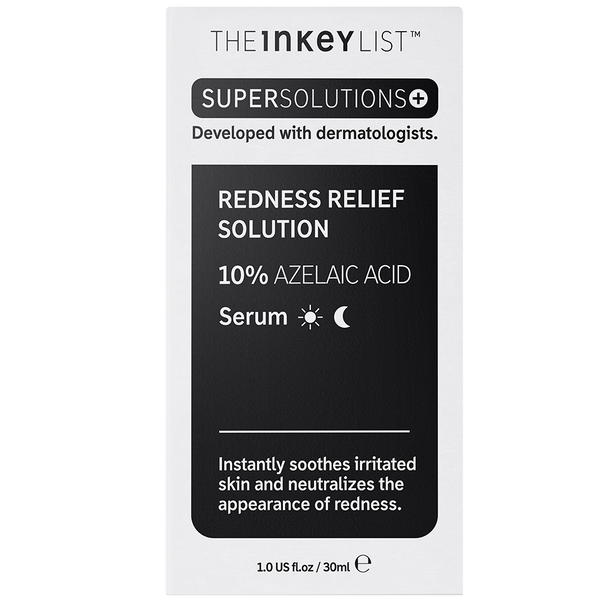
The INKEY List’s 10% Azelaic Acid Serum ($20.00) delivers the ingredient at a concentration that research supports as effective while remaining gentle enough for daily use once your skin adjusts. Ten percent is the sweet spot for over-the-counter formulas: enough to do real work on tone, texture, and congestion without demanding the slow, cautious rollout that prescription strengths sometimes require.
One quick note before we move on: if you are exploring azelaic acid specifically because your skin is rosacea-prone, that topic deserves its own dedicated conversation - we cover it in full in Azelaic Acid for Rosacea-Prone Skin: Does It Actually Work?
Now that you know azelaic acid works by speeding up how your skin renews itself, let’s look at exactly why that renewal can temporarily look like more breakouts - because understanding the mechanism is what stops people quitting a good routine at week three.
Why Does Azelaic Acid Cause Purging? The Cell Turnover Explanation
Here is the thing nobody tells you when you start a new active: purging is not your skin rebelling. It is your skin doing exactly what the ingredient asked it to do - just on a compressed schedule.
To understand why, you need to know one piece of skin science: cell turnover. Your skin is constantly replacing itself. New cells form in the deeper layers, gradually migrate upward, and eventually shed from the surface. In young adult skin, this full cycle takes roughly 28 days. As we age, it slows down - which is one reason dullness and congestion tend to creep in over time. Dead cells linger on the surface longer, mix with oil, and settle into pores.
Azelaic acid gently speeds this cycle up. It encourages your skin to shed those older surface cells more efficiently and push fresh cells through faster. For tone, texture, and clarity, this is fantastic news. But there is a short-term catch.
The Microcomedone Problem
Beneath the surface of blemish-prone skin, there are almost always clogs in progress - tiny plugs of oil and dead skin cells called microcomedones. They are invisible. You cannot feel them. But they are already there, quietly developing, and over the coming weeks or months they would have surfaced on their own as whiteheads, blackheads, or inflamed spots.
When you accelerate cell turnover, you accelerate that timeline. Congestion that would have surfaced gradually over the next six to eight weeks instead arrives in a compressed window during your first few weeks of use. That is a purge.
Here is the mental model that makes it click: an azelaic acid purge is your skin fast-forwarding breakouts that were already in the queue. It is not adding new ones to it. The total number of spots you were going to get does not increase - they just show up earlier, clear faster, and then stop, because the ingredient is simultaneously working to prevent the next generation of clogs from forming at all.
When azelaic acid accelerates cell turnover, congestion that was already forming beneath the surface clears faster - which can briefly look like more breakouts before it looks like fewer.
Why the Azelaic Acid Purge Tends to Be Milder
If you have heard horror stories about purging, they almost certainly involved retinoids or strong chemical exfoliants. Azelaic acid purging, when it happens at all, is a different animal - and there are three reasons why.
- It is a gentler keratolytic. Azelaic acid loosens dead cell buildup more gradually than high-strength retinoids or aggressive acids, so the acceleration of turnover is more of a nudge than a shove.
- It is anti-inflammatory. While it is pushing congestion to the surface, it is simultaneously calming the inflammation that makes spots red, swollen, and angry. This means purged spots tend to be smaller and quieter than your usual breakouts.
- It is antibacterial. Azelaic acid reduces the bacteria that turn a simple clog into an inflamed blemish, which shortens the lifespan of anything that does surface.
In practice, this means an azelaic acid purge often looks like a scattering of small whiteheads or bumps in your usual trouble spots rather than a full-face flare-up. Some people describe it as “my skin doing a spring clean” - a little more activity than usual for a couple of weeks, then noticeably calmer than before.
Azelaic Acid Is Not the Only Purge Culprit
Worth knowing: any ingredient that meaningfully increases cell turnover can trigger purging. Retinol and prescription retinoids are the most famous examples, and exfoliating acids like salicylic acid and glycolic acid can do it too. If you are new to actives generally and want to understand how these ingredients fit together, our Guide to Using Acids in Your Skincare Routine is a good primer. And if you want the complete science of purging across all actives - not just azelaic acid - our What Is Skin Purging? Complete Guide goes deep on the full mechanism.
The flip side of this coin matters too: ingredients that do not increase cell turnover cannot cause a true purge. If a hydrating serum or a moisturizer seems to be “purging” you, that is not a purge - that is a breakout or an irritation reaction, and it deserves a different response.
Which brings us to the question everyone staring at their mirror in week two actually wants answered: how do I know whether what I am seeing is a purge or my skin reacting badly?
Skin Purging vs Breakout: How to Tell the Difference
This is the highest-stakes question in the whole conversation, because the right response to a purge (keep going, support your skin) is the exact opposite of the right response to a reaction (stop, simplify, let things settle). Get the diagnosis wrong in either direction and you either abandon an ingredient that was about to transform your skin, or you push through irritation that was never going to improve.
The good news: the skin purging vs breakout question almost always comes down to two simple questions. Ask them honestly and you will have your answer within a week or two of observation.
Question One: Where Is It Happening?
Purging follows a rule that is almost geographic: it can only happen where congestion already existed. Those microcomedones we talked about? They form in your usual trouble zones - the areas where your skin produces more oil and where you have historically broken out. For most people that means the T-zone, chin, and jawline, but your personal map is what matters. If you have always broken out on your forehead and rarely anywhere else, your purge will show up on your forehead.
A reaction plays by no such rules. Irritation-driven breakouts and bumps can appear anywhere the product touched - including areas where you have never had a spot in your life. New bumps across your cheekbones when you have never broken out there? Clusters along your hairline or neck that are completely out of character? That pattern points away from purging and toward your skin objecting to something in the formula.
If breakouts in your usual acne-prone zones are part of your normal life, spots surfacing in exactly those zones during weeks one to four of azelaic acid is textbook purge behavior.
Question Two: Is It Improving Over Time?
Trajectory is the second tell, and in some ways the more reliable one. A purge has a shape: it ramps up, peaks, and declines. Individual purged spots also tend to live fast and die young - they surface quickly, come to a head faster than your normal blemishes, and clear sooner, because they were already partially developed when the azelaic acid accelerated them.
A reaction has the opposite shape. It grinds on or gets steadily worse. Spots linger. Redness spreads rather than settles. And critically, there is no turning point - week five looks the same as or worse than week three.
Put together, here is your quick self-diagnosis checklist.
Signs it is a purge:
- Breakouts are concentrated in your usual congestion-prone areas
- Spots surface and resolve faster than your typical blemishes
- The overall trend is improving - fewer new spots each week after the peak
- The whole episode settles within roughly 4-6 weeks
- Skin around the spots otherwise looks and feels normal
Signs it is a reaction, not a purge:
- Bumps or breakouts in completely new areas where you never break out
- Spreading irritation, rash, itching, stinging, or persistent redness
- Skin feels increasingly tight, hot, or uncomfortable
- Things get steadily worse rather than better after week 6
What to Do in Each Case
Once you have your answer, the action plan is straightforward:
- If it is a purge: continue using the product, but support your skin generously through the process - gentle cleansing, serious hydration, barrier care, and daily SPF. (We build you a complete routine for exactly this in a later section.)
- If it is a reaction: stop the product and simplify your routine down to the basics until your skin settles. (The Red Flags section below covers exactly how.)
One more reassurance before we move on, because it is the worry hiding underneath the purge question: what about marks? Purged spots, like any blemish, can leave temporary red or dark marks as they heal. Here is the genuinely satisfying part - azelaic acid itself is one of the best over-the-counter ingredients for fading exactly those marks, so the same serum causing the temporary purge is actively working on the aftermath. If post-blemish marks are a bigger concern for you, we cover the science in Does Azelaic Acid Help With Acne Scars? and dig into the red variety specifically in How to Get Rid of Red Acne Scars (Post-Inflammatory Erythema). For the broader topic, our acne scarshub has you covered.
So you have run the two-question test and you are confident this is a purge, not a reaction. The next thing you want to know - probably the thing you searched for in the first place - is exactly how long you will have to ride it out.
How Long Does Skin Purging Last? A Week-by-Week Timeline
Direct answer first: azelaic acid purging, if it happens at all, typically lasts 2-6 weeks - roughly one full skin renewal cycle - and should be clearly improving by week 6. Most people who purge find it peaks somewhere around weeks three to four and winds down from there.
Why 2-6 weeks? Because that is how long it takes your skin to push through one complete turnover cycle at its accelerated pace. Once the backlog of pre-existing congestion has surfaced and cleared, there is nothing left in the queue - and the azelaic acid is now preventing new clogs from forming, which is where the real payoff begins.
Here is what that journey typically looks like, week by week. Two caveats before we start: every face is different, and “typical” is not “guaranteed.” Some people sail through with zero purging. Others purge for two weeks and are done. Consistency matters far more than intensity - using the serum regularly at a tolerable frequency beats using it aggressively and giving up.
Weeks 1-2: The Adjustment Phase
Your skin is meeting a new ingredient, and the first two weeks are about introductions. You might notice a mild tingling or warmth when you apply the serum - this is common, normal, and should fade within a few minutes. If purging is going to happen, this is when the first signs appear: some small whiteheads or subtle bumps surfacing in your usual congestion areas, often the kind you can feel more than see.
Plenty of users notice nothing at all in this phase except a pleasant surprise: skin that feels slightly smoother to the touch, because the gentle exfoliating action starts working on surface texture almost immediately. Either experience is normal. If you are using a 10% azelaic acid formula like the one in our lineup, a few nights a week is plenty at this stage - there is no prize for rushing.
Weeks 3-4: The Peak and the Turn
If your skin is purging, weeks three and four are usually the peak - the point where the most pre-existing congestion has been accelerated to the surface at once. This is also, not coincidentally, the point where most people give up on a perfectly good product. Do not be most people.
Because here is what else is happening in weeks three and four: the early wins start showing up alongside the purge. Redness often begins to look calmer. Texture feels more even. The purged spots from weeks one and two have already cleared, and you may notice they resolved faster than your normal blemishes do. If you look closely, the story is already turning - more spots clearing than surfacing.
Weeks 5-6: The Wind-Down
By weeks five and six, purging should be winding down or finished entirely. Fewer new spots are surfacing because the backlog is essentially cleared. Meanwhile, the improvements keep compounding: visibly calmer tone, better clarity, and skin that generally looks less reactive.
This is also your checkpoint. If there is no improvement at all by weeks 6-8 - if new spots are still arriving at the same rate, or things are actively getting worse - it is time to revisit the purge vs reaction test from the previous section, or to simplify your routine and reassess. A true purge has a clear downward trajectory by now. Anything else deserves a second look.
Weeks 8-12: The Before-and-After Payoff
This is the stretch that makes the whole thing worth it - the azelaic acid before and after that convinced you to try the ingredient in the first place. By weeks eight to twelve of consistent use, you can realistically expect:
- Clearer-looking skin, with noticeably fewer new breakouts surfacing
- Visibly reduced redness, particularly the low-grade background flush
- Fading post-blemish marks, including any left behind by the purge itself
- More even overall tone and smoother texture
One expectation worth setting honestly: pigment-related improvements are the slowest of the bunch. Fading dark marks and evening out tone is a gradual process that keeps building well past week twelve - many people see their best results in months four through six. This is not the ingredient underdelivering; it is simply how pigment works. Skin cannot un-write months of pigment history in a few weeks, but with consistency, it genuinely does the work.
The timeline above covers the normal course of a purge - the version where everything is going to plan. But being a well-informed azelaic acid user also means being equally clear about what is not normal, and knowing exactly when to stop.
Red Flags: Azelaic Acid Side Effects and When to Stop
Let’s be upfront about something the skincare industry is not always great at: every active ingredient has side effects, azelaic acid included. Pretending otherwise does not build trust - it just leaves you unprepared. So here is the honest, proportionate rundown of azelaic acid side effects: what is normal, what is not, and exactly what to do about each.
Normal, Expected Adjustment Effects
These are the mild, temporary effects that come with introducing almost any active, and they typically fade within the first couple of weeks as your skin acclimates:
- Slight tingling or warmth on application - the most commonly reported sensation, usually fading within minutes
- Mild dryness or tightness - especially if your routine is light on hydration
- Temporary light flaking - a side effect of accelerated turnover, most noticeable in the first two weeks
According to a peer-reviewed analysis of acne treatments and their side effects published by the NIH, the most commonly reported effects with azelaic acid are mild redness, burning, and itching - and they are generally transient, settling as skin adjusts. In the research literature, azelaic acid consistently ranks among the better-tolerated actives available, which is precisely why dermatologists reach for it with sensitive and reactive skin types.
If your experience sits in this “mildly annoying but clearly temporary” zone, you do not need to stop. You may want to slow down - more on that in the routine section - but this is your skin adjusting, not objecting.
Red Flags: When to Stop or Scale Back
These signs mean the situation has crossed from adjustment into reaction territory, and pushing through is not the move:
- Burning that does not subside after application - a brief tingle is fine; sustained burning is not
- A spreading rash or hives anywhere the product touched
- Intense itching that persists or worsens
- Swelling of the skin, especially around the eyes or lips
- Breakouts in entirely new areas where you have never broken out (remember the purge vs reaction test)
- Symptoms worsening after week 6 instead of improving
None of these are part of a normal purge. All of them are your skin telling you something in the formula, the frequency, or the combination with your other products is not working.
What to Do If You Hit a Red Flag
- Pause the product. Not forever, necessarily - but now.
- Strip your routine back to basics: a gentle cleanser and a simple moisturizer, nothing else. Your goal is supporting your skin barrier while it recovers, and a barrier under stress needs less, not more.
- Wait until your skin feels completely normal again - typically one to two weeks.
- Then decide: either reintroduce more slowly (every other night, applied over moisturizer to buffer the strength), or if symptoms were severe or keep recurring, consult a dermatologist or board-certified professional. Persistent reactions deserve professional eyes, full stop.
The Two-Minute Insurance Policy: Patch Testing
Here is the step that prevents most of the drama above: patch test before full-face use. Apply a small amount of the serum behind your ear or on your inner arm once daily for a few days. If nothing eventful happens, you have meaningful reassurance that your skin tolerates the formula. It is not a perfect guarantee, but it is the cheapest insurance in skincare and it costs you nothing but patience.
To keep all of this in proportion: serious reactions to azelaic acid are uncommon, and the overwhelming majority of users experience either mild, temporary adjustment effects or nothing at all. The point of this section is not to scare you - it is to make sure that if something unusual does happen, you recognize it immediately and respond well instead of guessing.
For everyone whose symptoms sit firmly in the normal zone - which, statistically, is most of you - the next section is where things get practical: how to make the purge as short and gentle as possible.
How to Minimize Purging: Your Routine During the Purge Period
You cannot fully prevent a purge - remember, the congestion was already there - but you have far more control over its intensity and duration than you might think. The difference between a rough purge and a barely-noticeable one usually comes down to four principles and a supportive routine. Here is the complete playbook.
Principle One: Start Slow
Begin with the serum 2-3 nights per week, and build up to nightly use over 2-4 weeks as your skin demonstrates it can handle more. This gradual introduction gives your skin time to adjust its turnover rate progressively instead of all at once, which typically spreads any purging out and softens its peak. Daily use is the destination, not the starting line.
Principle Two: Buffer If You Are Sensitive
If your skin leans reactive, apply your moisturizer first and the azelaic acid serum on top, or “sandwich” it - moisturizer, serum, moisturizer. Buffering slightly slows the delivery of the active into your skin, trading a small amount of speed for a large amount of comfort. Your results arrive nearly as fast; your skin complains a lot less.
Principle Three: Hydrate and Support the Barrier Relentlessly
A purge on top of a dehydrated, undersupported barrier feels ten times worse than a purge on well-cushioned skin. Throughout the purge window, hydration and barrier care are not optional extras - they are the co-stars of the routine. Every product recommendation below is chosen with this in mind.
Principle Four: Protect With SPF Every Morning
Freshly renewed skin is more vulnerable to UV, and unprotected sun exposure is the fastest way to make post-blemish marks darker and longer-lasting - which would undo the very work azelaic acid is doing. A broad-spectrum SPF 30+ every morning, rain or shine, is non-negotiable during this period (and honestly, forever). If you want to understand why sun protection matters so much for results, our SPF guide breaks it down.
What NOT to Do During the Purge
Just as important as what you add is what you resist:
- Do not add multiple new actives at once. If your skin reacts, you will have no idea which product caused it - and stacking actives multiplies irritation risk during an already-busy period for your skin.
- Do not over-exfoliate to “speed it up.” Piling on scrubs or extra acids does not fast-forward the purge; it damages your barrier and converts a mild purge into genuine irritation.
- Do not pick or squeeze purging spots. Purged spots clear quickly on their own. Picking them dramatically raises the risk of the lasting marks you are trying to avoid.
Your AM Routine During the Purge
Mornings are about gentle cleansing, hydration, and protection. Here is a purge-friendly lineup:
- Cleanse gently. If your skin is oily or acne-prone, the Salicylic Acid Cleanser ($15.00) gives you a low-dose daily hit of salicylic acid to keep pores clear without adding a harsh new leave-on active to the mix. On days your skin feels dry or tight, swap in a gentler, non-active cleanse.
- Hydrate on damp skin. Apply the 2% Hyaluronic Acid Serum ($13.00) while your face is still slightly damp - hyaluronic acid pulls water into the skin, directly offsetting the mild dryness the purge phase can bring.
- Optionally, balance oil. The 10% Niacinamide Serum ($13.00) helps regulate the look of excess oil and supports calmer-looking skin - niacinamide is one of the friendliest ingredients you can run alongside azelaic acid.
- Moisturize. The Bio-Active Ceramide Moisturizer ($22.00) replenishes the ceramides your barrier is built from, which is exactly the reinforcement your skin wants while turnover is running fast.
- Finish with a broad-spectrum SPF 30+. Every single morning.
Your PM Routine During the Purge
Evenings are where the azelaic acid does its work, so the rest of the routine exists to set it up and tuck it in:
- First cleanse. The Oat Cleansing Balm ($17.00) melts away makeup, SPF, and the day’s buildup without stripping your skin - a soothing, non-negotiable first step when your barrier is working overtime.
- Apply your azelaic acid. Smooth the 10% Azelaic Acid Serum ($20.00) onto fully dry skin (damp skin can increase tingling). Start 2-3 nights per week per Principle One.
- On non-azelaic nights, a gentle sweep of PHA Toner ($18.00) offers sensitive-skin-friendly exfoliation - PHAsare the largest, slowest-penetrating exfoliating acid molecules, making them the softest option for off-night maintenance.
- Seal everything in with the Bio-Active Ceramide Moisturizer.
A Quick Word on Pairings
Two combinations come up constantly, so here is the short version. Niacinamide pairs beautifully with azelaic acid for redness and oil control - the full how-to lives in Azelaic Acid + Niacinamide: Can You Use Them Together? And if you want to bring retinol into the picture, wait until the purge window has passed, alternate nights rather than layering, and start low with Starter Retinol ($15.00). We cover the details in Can You Use Azelaic Acid With Retinol?, and if retinol is new territory for you, read 5 Things to Know Before Using Retinol and What Not to Mix With Retinol before diving in.
That is the complete purge-period playbook: four principles, three don’ts, and a morning-to-night routine built around comfort and consistency. With the routine set, let’s close out the quick-fire questions that readers still ask most.
The Purge Is Temporary - The Results Are the Point
So, does azelaic acid cause purging? Sometimes, mildly, and briefly - a 2-6 week stretch of accelerated housekeeping that many people skip entirely. Now you know the two-question test that separates a purge from a reaction, the realistic week-by-week timeline, the red flags that genuinely warrant stopping, and the routine that keeps your skin comfortable while the work gets done. You never have to guess again.
The formula for getting to the good part is not complicated: consistency with your azelaic acid, generous hydration, steady barrier support, and a broad-spectrum SPF 30+ every morning. Do that, and weeks 8-12 tend to speak for themselves - calmer redness, fewer breakouts, more even tone, and marks that are fading instead of lingering.
Your skin does not need you to be fearless. It just needs you to be informed, patient, and consistent - and you are now all three.
Not sure if azelaic acid belongs in your routine? Take the skin quiz for a personalized recipe built around your skin’s actual needs. Ready to go? The 10% Azelaic Acid Serum ($20.00) is a well-tolerated place to start.
Frequently Asked Questions
Got a question?
Our askINKEY team are a friendly bunch of skincare experts with deep product knowledge and zero judgement. Whether you're an ingredient obsessive or just starting out, we'll make it make sense. No question too big. No question too small. We Give A Care, Every Day.


