

Azelaic Acid & Niacinamide: Can You Use Them Together?
Azelaic acid and niacinamide are one of skincare’s most complementary pairings. Here’s how to layer them for calmer, clearer, more even-toned skin
Author
askINKEY skincare advisor
Published
12 May, 2026
Time to read
11 minutes
Yes. Azelaic acid and niacinamide can absolutely be used together, and they do more than simply tolerate each other. They are genuinely complementary, working on the same concerns from two different angles. The confusion is understandable. Niacinamide and azelaic acid both get recommended for redness, acne and uneven tone, so it is easy to assume they are interchangeable, or that using both is overkill. Neither assumption holds up. One ingredient regulates how your skin behaves. The other corrects what is already showing on the surface. This article covers the pairing specifically rather than acting as a general guide to either ingredient on its own. You will learn what each one actually does, why they work so well as a duo, exactly how to layer them across your morning and evening routines, and which ingredients are worth keeping separate. Understanding why the pair works starts with knowing what each one does alone.
Can You Use Azelaic Acid and Niacinamide Together?
The short answer is yes, with no ingredient conflict to worry about. You can layer them in the same routine or split them across morning and evening. Both approaches work. Neither destabilizes the other, and neither cancels the other out. If you have been searching “can you use azelaic acid with niacinamide” and finding contradictory answers, the contradiction usually comes from people confusing this pairing with genuinely tricky combinations involving stronger exfoliating actives.
To understand why the pairing is so straightforward, it helps to define each ingredient properly.
What niacinamide actually does
Niacinamide is a form of vitamin B3. It is one of the most versatile ingredients in skincare because it works on several fronts at once rather than targeting a single concern. It helps regulate excess oil production, calms the look of redness, supports the skin barrier and improves the appearance of texture and tone over time. That combination is why it shows up in so many routines and why it suits such a wide range of skin types.
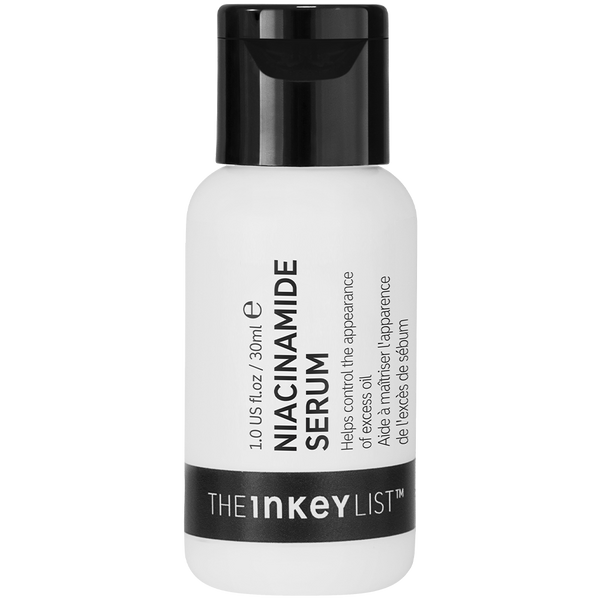
Our 10% Niacinamide Serum ($13.00 for 30ml) delivers niacinamide at a meaningful concentration and pairs it with Hyaluronic Acid, so it hydrates while it works rather than leaving skin feeling stripped. It sits at a pH of 6.09, targets excess oil, acne and redness, and is suitable for sensitive skin. It is also pregnancy safe. With over 700 reviews, it is one of the most reached-for serums in our range.
What azelaic acid actually does
Azelaic acid is a gentle multitasker. It helps visibly reduce redness, unclogs pores and fades the look of post-acne marks. Despite the name, it does not behave like a traditional exfoliating acid, which is the single biggest misconception about it.
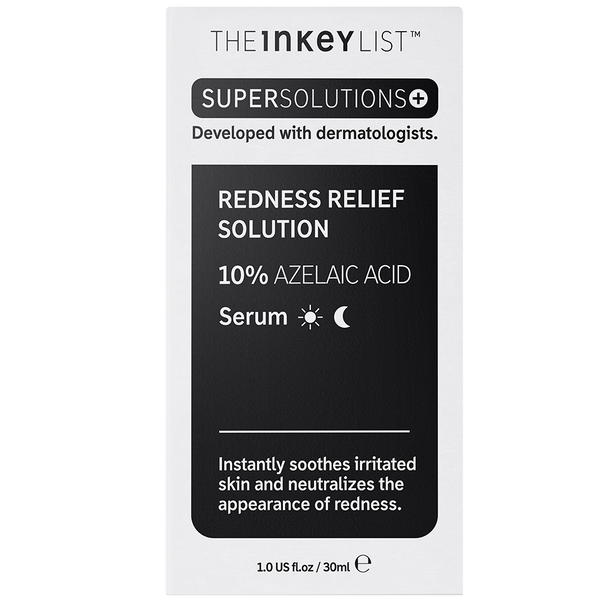
Our 10% Azelaic Acid Serum for Redness Relief ($20.00) has a pH of 4.0 to 4.3 and includes 0.3% Allantoin to soothe. It also carries a subtle Gardenia tint, which visually neutralizes the look of redness the moment you apply it, while the azelaic acid gets to work over the following days and weeks. It is suitable for sensitive and rosacea-prone skin, which genuinely surprises people who assume anything with “acid” in the name is going to sting.
The distinction that makes the pairing work
Here is the cleanest way to think about it. Niacinamide is a regulator. Azelaic acid is a corrector.
Niacinamide steadies the conditions in your skin. It manages oil, supports barrier function and helps keep things balanced day to day. Azelaic acid addresses what those conditions have already produced, the visible redness, the congestion, the marks left behind after a breakout has cleared.
That difference in job description is precisely why they complement rather than compete. You are not applying two versions of the same thing. You are covering two stages of the same problem. Which naturally raises the question of where their strengths diverge and where they overlap.
Azelaic Acid vs Niacinamide: What Each One Is Best At
Before going further, it is worth being honest about the framing. “Azelaic acid vs niacinamide” is a question people search, but it is not really a versus situation. Comparing them is useful for understanding which ingredient does what, not for picking a winner and discarding the other. Think of this section as a job description for each, not a knockout round.
Where azelaic acid leads
Visible redness and sensitivity are azelaic acid’s home territory. Our 10% Azelaic Acid Serum for Redness Relief is clinically proven to minimize redness in 4 days, based on an independent study of 22 people. In the same study, 91% agreed skin felt instantly soothed.
That word “instantly” is doing real work here, and it is worth separating the two things happening at once. The Gardenia tint provides immediate visual color correction, softening the look of redness from the first application. Underneath that, the azelaic acid itself is working on a longer timeline. You get a short-term cosmetic result and a longer-term ingredient result from the same bottle, which is unusual and genuinely useful if you are managing redness that affects how you feel about going out that day.
It is also suitable for sensitive and rosacea-prone skin, supported by the 0.3% Allantoin. If your skin reacts to most things, this is one of the few actives worth trying.
Where niacinamide leads
Niacinamide leads on oil control, the look of pores, texture and tone. At 10%, our serum targets excess oil, acne and redness, and the added Hyaluronic Acid means it hydrates rather than strips. That matters more than it sounds. A lot of oil-control products work by removing oil aggressively, which pushes skin to produce more. Pairing oil regulation with hydration avoids that cycle entirely. If oil and congestion are your main concerns, the acne and breakouts collection is a good place to start.
Where the two overlap
Both help calm the appearance of redness. Both support clearer-looking skin. That overlap is not redundancy, it is reinforcement. Two ingredients approaching one concern by different routes tends to give a more complete result than simply doubling down on a single ingredient at a higher strength. If redness is your priority, browsing the redness collection will show you how the pairing sits alongside the rest of the range.
Certifications and safety, stated precisely
This is an area where accuracy matters more than marketing.
- The 10% Azelaic Acid Serum for Redness Relief is Vegan Society certified. It is safe to use during pregnancy and while breastfeeding.
- The 10% Niacinamide Serum is pregnancy safe and Leaping Bunny certified. It is not vegan, as it contains an egg-derived phospholipid.
We would rather tell you that plainly than let you find out later. If you are pregnant or nursing and rebuilding your routine around what is safe, our guide to pregnancy-safe skincare covers the wider picture.
Separate strengths are one thing. What happens when you put them together is where this gets genuinely interesting.
Why Niacinamide and Azelaic Acid Work Well Together
The mechanism behind this pairing is simple once you see it. Niacinamide regulates and supports. Azelaic acid corrects what is already visible. One steadies the environment your skin is operating in. The other addresses the result of that environment having been unsteady. You are treating cause and consequence at the same time, which is why the combination tends to feel more complete than either ingredient used alone.
About the pH difference
You may have read that the two serums sit at different pH levels, and wondered whether that is a problem. It is not. Our azelaic serum sits at pH 4.0 to 4.3. Our niacinamide serum sits at pH 6.09.
This is useful information rather than a warning. It is the strongest practical argument for splitting the two across morning and evening, because it lets each formula work in the environment it was designed for. It is not a reason to avoid combining them. If you prefer using both in one sitting, you still can. Splitting them is simply the tidier option.
Both also suit sensitive skin, which makes this an unusually gentle pairing by active-ingredient standards. You are not trading tolerance for results.
Who benefits most from this pairing
You will get the most out of niacinamide and azelaic acid together if you recognize yourself in any of the following:
- You have persistent visible redness or rosacea-prone skin. Azelaic acid does the heavy lifting, niacinamide supports over time.
- You have oily or combination skin with regular breakouts. Niacinamide manages oil, azelaic acid helps keep pores clear. Niacinamide has a well-established role here, covered properly in does niacinamide help with acne.
- You are dealing with post-acne marks and uneven tone. Both ingredients support the appearance of a more even complexion. If you are not sure exactly what kind of discoloration you are looking at, what type of hyperpigmentation do I have will help you identify it, and uneven skin tone goes deeper on the causes. For shopping specifically around marks left behind, the acne scars collection is the right destination.
- You have sensitive skin that cannot tolerate harsher actives. This pairing is one of the gentler effective routes available.
- You are pregnant or breastfeeding and want options that are both effective and safe.
Our azelaic serum has been discussed by dermatologist Dr Adeline Kikam on its product page, and it is worth reading her comments there in full rather than having them summarized here.
That covers who it is for and why it works. Now for the part that actually changes your results, which is how you apply them.
How to Layer Azelaic Acid and Niacinamide: AM vs PM
This is the practical core, so it is written to be skimmed and followed.
Our recommended approach is to split them. Niacinamide in the morning, azelaic acid in the evening.
The logic is straightforward. Niacinamide supports your skin through the day, managing oil and helping it cope with environmental stress. Azelaic acid works on redness and congestion overnight, when your skin is in recovery mode and you are not layering makeup or sunscreen over it. Splitting them also neatly sidesteps the differing pH levels, letting each formula work in its ideal environment.
Your morning routine, step by step
- Cleanse. Start with clean skin.
- Apply the 10% Niacinamide Serum ($13.00) to clean, dry skin. Let it absorb.
- Follow with moisturizer.
- Finish with SPF every single morning.
That final step is not optional, and it is not a throwaway line. Because azelaic acid works on the look of redness and post-acne marks, daily SPF is what protects the progress you are making overnight. Skipping it undermines the work. If you want to understand why sun protection matters so much when you are treating tone and redness, our SPF page explains it properly. For more detail on timing niacinamide specifically, how and when to use niacinamide serum is worth a read.
Your evening routine, step by step
- Cleanse. Remove the day thoroughly.
- Apply the 10% Azelaic Acid Serum for Redness Relief ($20.00) to clean skin.
- Follow with moisturizer to seal everything in.
If you would rather use both in one routine
Plenty of people prefer to keep everything in a single sitting, and that is entirely workable. The rule is the standard one: apply the thinner texture first. In practice that means the 10% Niacinamide Serum goes on first, followed by the 10% Azelaic Acid Serum for Redness Relief. Let each layer absorb before applying the next rather than pressing them on top of each other immediately.
So if you have been wondering whether to use niacinamide before or after azelaic acid, the answer is before when they share a routine. But splitting them across AM and PM will still give you the cleanest result.
Starting out sensibly
- Introduce one new active at a time. If you add both on the same day and your skin reacts, you will have no idea which one caused it.
- Build frequency gradually. Every other evening before every evening is a reasonable pace for azelaic acid.
- Scale back if needed. If skin feels sensitized, drop to alternate evenings rather than stopping entirely.
- Always patch test. It takes very little time and saves a great deal of trouble. Here is why you need to do a patch test.
If you are building a routine from scratch rather than slotting these into an existing one, how to build your skincare routine walks through the full framework.
The pairing works well on its own, but it works better with the right supporting cast around it.
Building a Full Routine Around Azelaic Acid and Niacinamide
Two serums do not make a routine. What surrounds them determines how well they perform, and none of it needs to be complicated or expensive.
Start with the right cleanser
Cleansing comes first, and for oily or breakout-prone skin the Salicylic Acid Cleanser ($15.00 for 150ml) is a sensible foundation. It preps skin before actives go on, helping clear away the oil and debris that would otherwise sit between your serum and your skin. Salicylic acid and niacinamide are a well-matched combination in their own right, covered in salicylic acid and niacinamide for oily acne-prone skin. Browse the full range of cleansers if your skin needs something different.
Add hydration underneath
If your skin feels tight while adjusting to new actives, hydration is usually the fix rather than backing off entirely. The Hyaluronic Acid Serum ($13.00 for 30ml) layers comfortably under either active. Apply it to damp skin so it has moisture to draw on. Our hyaluronic acid page explains how it works in more detail, and the wider serums collection shows how it fits alongside everything else.
Finish with moisturizer
Every routine needs a final sealing step. The Peptide Moisturizer ($18.00 for 50ml) locks in the serums underneath and supports the barrier that both azelaic acid and niacinamide are working to keep healthy. There are other options in the moisturizers collection if you want something lighter or richer.
For stubborn post-acne marks
If discoloration is your primary concern and the pairing alone is not moving it as fast as you would like, the Tranexamic Acid Serum ($19.00 for 30ml) is worth considering alongside them. It targets the look of stubborn marks and uneven tone. Our hyperpigmentation page covers the wider category and will help you work out whether it is the right addition for you.
Look at what a full routine built around this pairing actually costs. The azelaic serum at $20.00, the niacinamide serum at $13.00, a cleanser at $15.00, hyaluronic acid at $13.00 and a moisturizer at $18.00. Effective skincare should not require a significant financial decision, and we build our range on that principle.
These are supporting players. The pairing remains the centerpiece. Which brings us to what is better left out.
What Not to Mix With Azelaic Acid and Niacinamide
Let us establish the principle before the specifics, because it reframes the whole question. Most layering problems do not come from one dangerous ingredient combination. They come from stacking too many strong actives at once. Over-exfoliation and a compromised barrier cause far more trouble than genuine chemical incompatibility ever does. Our full guide to what products you should not layer together covers this in depth.
Retinol
Both azelaic acid and niacinamide can work alongside retinol. Niacinamide and retinol in particular are a well-established combination, explained in can you use niacinamide with retinol. Stacking all three in one evening routine, though, is a lot for most skin to handle. Alternating evenings is the more sustainable approach. For the wider picture, see what not to mix with retinol.
Strong exfoliating acids
Using azelaic acid on the same evening as a strong AHA or BHA raises your irritation risk without proportionally improving your results. Separate them across different days. Your skin does not need every active every night to make progress.
Vitamin C
Vitamin C and azelaic acid can coexist in a routine, and the simplest way to manage it is by time of day. Vitamin C in the morning, azelaic acid in the evening. If you are trying to decide between brightening ingredients in the first place, vitamin C vs niacinamide vs exosomes breaks down the differences.
How to tell you have overdone it
Watch for tightness, stinging that does not settle, unusual flaking and increased sensitivity to products you previously tolerated fine. These are barrier signals, not signs that a particular ingredient is wrong for you.
The response is to scale back frequency and focus on barrier support, not to abandon the ingredients altogether. Hydration and a good moisturizer will usually resolve it within a week or two. Niacinamide itself has a supporting role here, as covered in is niacinamide good for dry skin.
The Simplest Way to Use This Pairing
Azelaic acid and niacinamide work well together, and the easiest way to use them is the one we keep coming back to: niacinamide in the morning, azelaic acid in the evening. Give it consistency and three things tend to follow. Redness looks calmer and less reactive. Skin looks clearer with fewer breakouts as oil and congestion come under control. Tone looks more even as post-acne marks fade in appearance. At $13.00 and $20.00, this is a pairing that earns its place without asking much of your budget. Good skincare does not need to be complicated, and it does not need to be expensive. It needs the right ingredients, used in the right order, often enough to matter.
If you want to try the pairing, the 10% Azelaic Acid Serum for Redness Relief is $20.00 and the 10% Niacinamide Serum is $13.00. Start with whichever concern bothers you most and add the second once your skin has settled. You can also browse the full niacinamide range or explore all our serums to find what fits alongside them.
Frequently Asked Questions
Got a question?
Our askINKEY team are a friendly bunch of skincare experts with deep product knowledge and zero judgement. Whether you're an ingredient obsessive or just starting out, we'll make it make sense. No question too big. No question too small. We Give A Care, Every Day.


