



How to Use Niacinamide Serum: Step-by-Step Routine Guide
Exactly how and when to apply niacinamide serum — the right order, the right timing, and how long results really take
Author
askINKEY skincare advisor
Published
21 May, 2026
Time to read
17 minutes
This is a practical, application-focused guide to how to use niacinamide serum correctly. It is written for people who have already decided they want to use niacinamide, or who have a bottle sitting on the shelf and want to be sure they are getting the most out of it. There is no persuading here and no long ingredient explainer. Just the mechanics: how much to use, when to use it, and where it sits among everything else.
By the end you will know how to apply niacinamide serum step by step, whether to use it in the morning or at night, exactly where it belongs in your layering order, which ingredients sit comfortably next to it, what a full routine looks like for your skin type, how long results realistically take, and the handful of common mistakes that quietly stall progress.
What this guide deliberately does not cover is the underlying ingredient science. If you want to understand how niacinamide actually works inside the skin, what Vitamin B3 does at a cellular level and what the research says, the complete niacinamide ingredient guide is the companion resource to this page. Read that one for the why. Read this one for the how.
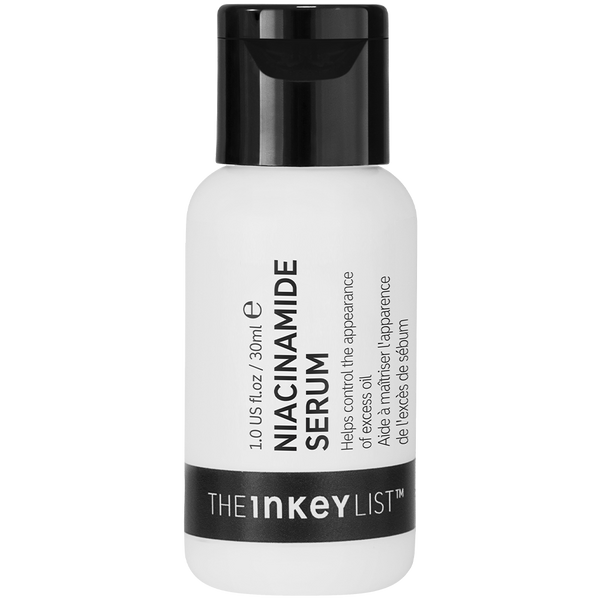
Throughout, the reference products are the 10% Niacinamide Serum ($13.00 / 30ml) and its natural partner, the Omega Water Cream ($15.00 / 50ml), which contains 5% niacinamide of its own.
Want to shop before you read:
- 10% Niacinamide Serum - $13.00 / 30ml
- Omega Water Cream - $15.00 / 50ml
- Shop all niacinamide products
Before anything else, some reassurance. Niacinamide suits all skin types, including sensitive and acne-prone skin. It can be used in the morning, in the evening, or both. It needs no gradual introduction or tolerance-building schedule. It does not cause purging. And it carries no photosensitivity concerns, so daytime use is entirely fine. Very few actives are this straightforward, which is exactly why niacinamide has become a routine staple rather than a specialist step.
What this guide covers:
- How to apply niacinamide serum, step by step
- When to use it: morning, evening, or both
- Where it sits in your layering order
- Routines by skin type
- The optional glow step
- How long results take, and the mistakes that get in the way
- Frequently asked questions
Start with the most immediate question of all: what to actually do with the dropper.
How to Apply Niacinamide Serum: Step by Step
Most application advice is vaguer than it needs to be. “Apply to cleansed skin” tells you almost nothing about quantity, pressure, timing or sequence. So here is the specific version, because the difference between a routine that works and one that underdelivers is usually found in these small mechanics rather than in the product itself.
The Right Amount: Pea-Sized Is Enough
A pea-sized amount of the 10% Niacinamide Serum is enough to cover your full face and neck. That is roughly two to three drops from the dropper, depending on how generously you squeeze.
This matters more than it sounds, because the instinct with a treatment serum is to use more of it on the assumption that more product equals more result. It does not. The concentration does the work, not the volume. A 10% formula delivers 10% whether you apply a pea-sized amount or triple that. The extra simply sits on the surface, takes longer to absorb, and makes the layers above it more likely to pill.
There is a practical upside to this. Used correctly, a 30ml bottle at $13.00 lasts a long time even with twice-daily use. Effective skincare should not require rationing, and it should not require overspending either.
Damp Skin or Dry Skin: Either Works
Niacinamide can be applied to damp or dry skin. Both are fine, and neither meaningfully changes the outcome.
This is worth stating plainly because a lot of general skincare advice insists on damp application, and that advice originates from a different ingredient. Hyaluronic acid is a humectant, meaning it draws water toward the surface of the skin. Applying it to damp skin gives it moisture to work with, which is why the damp-skin rule exists and why it genuinely matters for a product like the Hyaluronic Acid Serum.
Niacinamide behaves differently. It does not rely on surface water to function, so it has no such requirement. If you have just cleansed and your skin is still slightly damp, apply it. If you patted dry two minutes ago, apply it. Do not build a rule where none exists.
The Application Motion
Press the serum gently into the skin with your fingertips, working from the center of the face outward. Do not rub, drag or massage it in aggressively. Pressing gives you even coverage with less physical disruption to the skin surface, and it stops you dragging product away from the areas you have just applied it to.
Two areas get missed constantly: the jawline and the neck. The jawline is often where oily and combination skin shows congestion most stubbornly, and the neck receives the same daily environmental exposure as the face while usually being ignored. A pea-sized amount stretches to both comfortably.
Key tip: apply niacinamide as its own step. Do not mix it in your palm with another serum before applying. Combining actives outside of a formulated product can affect pH stability, and when the pH shifts, both ingredients can become less effective. Formulas are balanced to work at a specific pH. Mixing them in your hand undoes that balance. Apply one, wait briefly, apply the next.
Absorption Time and Layering Feel
Give the serum 30 to 60 seconds before moving to your next step. That is genuinely all it needs. There is no extended waiting period and no need to build a pause into your morning that you will resent by day three.
The texture is lightweight and absorbs quickly, which means it layers under moisturizer and SPF without pilling or leaving a film. Pilling almost always comes from one of two things: too much product, or not enough time between layers. Both are easy to fix.
The Full Application Sequence
- Cleanse
- Hydrating serum, if you use one
- 10% Niacinamide Serum
- Moisturizer
- SPF, morning only
That five-step structure is the backbone of almost every effective routine, and it is worth understanding as a framework rather than a list. The Complete Skincare Routine Guide sets out the full logic behind it if you want the broader picture.
One last piece of general good practice: patch test any new product before applying it across your whole face. Niacinamide is well tolerated, but patch testing is sensible with anything new, and it takes almost no effort. Here is why you should patch test and how to do it properly.
With the physical application settled, the next question people ask is about timing.
When to Use Niacinamide Serum: Morning, Evening, or Both?
Here is the short version before the long one: there is no wrong answer. Niacinamide is one of the few actives with genuine timing flexibility, and the anxiety people carry about getting it wrong is misplaced.
The reason comes down to photosensitivity, or rather the absence of it. Some actives make skin more reactive to UV exposure, which is why retinol is an evening ingredient by convention. Others are simply better suited to daytime, which is why vitamin C is usually positioned in the morning as an antioxidant step ahead of the day’s exposure. Niacinamide has no photosensitivity concerns at all. It works the same whether it goes on at 7am or 10pm.
That means the question is not “when is it safe” but “when is it most useful for you.” Those are different questions, and the second one has a more interesting answer.
Using Niacinamide in the Morning
Morning application is particularly effective for oily, combination and acne-prone skin.
The reason is practical rather than technical. Niacinamide helps regulate sebum production, and oil builds through the day. Applying it in the morning means it is working during the hours when shine actually develops, rather than starting its shift after you have already gone to bed. If you are matte at 9am and shiny by 1pm, morning niacinamide addresses that window directly.
It also sits comfortably under SPF and makeup. The lightweight texture does not interfere with sunscreen application, which matters because anything that makes SPF harder to apply is a step that eventually gets dropped. For the mechanism behind the oil regulation, the niacinamide ingredient guide covers it properly.
Using Niacinamide in the Evening
Evening application works alongside the skin’s natural overnight repair cycle, when barrier recovery activity is at its highest.
Evening use tends to suit people whose primary concerns are uneven tone, post-acne marks and general barrier support. These are slower, more cumulative processes than oil control, and pairing them with the overnight window is a reasonable way to structure a routine.
If your evening routine includes retinol, niacinamide goes on first. Applied as a base layer, it acts as a calming, supportive step underneath the stronger active. The pairing is well established and worth understanding properly, which is why there is a full guide to using niacinamide with retinol, along with a broader look at what not to mix with retinolif you are building out a more complex evening routine.
Using Niacinamide Twice Daily
Twice-daily use delivers the fastest visible results, particularly for oily, combination and acne-prone skin.
Oil production is continuous. Addressing it twice a day rather than once simply means more consistent coverage across the full 24-hour cycle. If oil control and pore appearance are your main concerns, morning and evening is the version of this routine that will get you there quickest.
This is also where the single most important principle of the whole guide belongs: twice-daily use at 10% consistently outperforms irregular use at a higher concentration. Frequency beats strength. A modest concentration applied every day without fail will always do more than an aggressive one applied when you remember.
If You Can Only Use It Once a Day
Plenty of people are not going to run a twice-daily routine, and that is completely fine. Choose based on your main concern:
- Oil control and shine are your priority - use it in the morning.
- Post-acne marks and uneven tone are your priority - use it in the evening.
That is the whole decision. Do not overthink it.
How Often Should You Use Niacinamide?
Daily, from day one.
There is no gradual introduction protocol, no alternate-day schedule and no tolerance to build. Some actives need to be phased in slowly to let skin adjust. Niacinamide is not one of them. You can start on a full daily routine immediately, and most people should.
The short answer: morning, evening or both, there is no wrong timing. Pick one and be consistent. Consistency is the variable that determines your results. Timing is the variable people worry about instead.
With timing established, the next question is exactly where niacinamide sits among everything else on your shelf.
Niacinamide Serum in Your Routine: The Correct Layering Order
Layering order is the part of skincare that generates the most confusion and the most contradictory advice. The good news is that there is a single governing rule, and once you have it, most products place themselves.
Apply thinnest to thickest, water-based before oil-based.
Lightweight, water-based formulas need direct access to the skin to absorb properly. Richer, occlusive textures are designed to sit on top and seal everything beneath them. Reverse that order and the heavier product forms a barrier the lighter one cannot get through.
Does Niacinamide Go Before or After Moisturizer?
Before. Every time.
Niacinamide is a water-based treatment active, not a moisturizer. It goes after cleansing and after any hydrating serums, and it goes before your moisturizer. Applying it on top of a moisturizer means asking a lightweight fluid to penetrate a layer specifically formulated to hold things in place. It will not get where it needs to go, and you will have wasted the step.
If you remember one thing from this section: serums treat, moisturizers seal. Treat first, seal second.
Where Toner Fits
Toner comes before serum. Same rule, same logic. Toners are typically the thinnest thing in a routine, so they sit closest to bare skin, immediately after cleansing and before any serum steps.
Why Niacinamide Goes After Hyaluronic Acid
Hyaluronic acid is a hydrator, not a treatment. Applied to damp skin, it draws water into the surface and creates a hydrated base for everything that follows. Niacinamide is the treatment step that then goes to work on that base.
Running them in the opposite order is not harmful, but it is less logical. Hydrate the canvas, then treat it.
Full Morning Routine for Oily, Combination and Acne-Prone Skin
- Salicylic Acid Cleanser - $15.00 / 150ml
- Hyaluronic Acid Serum
- 10% Niacinamide Serum - $13.00 / 30ml
- Omega Water Cream - $15.00 / 50ml
- SPF
SPF is the non-negotiable final step of any morning routine. Not optional, not weather-dependent, not something to reintroduce in spring. It is the step that protects the progress every other step is working toward.
Full Evening Routine With Retinol
- Cleanser
- Hyaluronic Acid Serum
- 10% Niacinamide Serum, allowing 30 to 60 seconds to absorb
- Retinol serum
- Moisturizer
Niacinamide first, retinol second. The niacinamide layer acts as a supportive base beneath the stronger active. If you want the full picture on running these two together, the complete niacinamide and retinol guide covers it in the depth it deserves.
Niacinamide and Vitamin C
These two can be used in the same routine, with some care around how.
Use vitamin C in the morning after cleansing, then niacinamide as the next step. Sequential, separate applications, never mixed together in the palm. Allow each to absorb before the next.
Two caveats matter here. Avoid using niacinamide with high-strength vitamin C or with exfoliating acids in the same step. It is safe to use alongside the 15% Vitamin C + EGF Serum, which is formulated to work within a routine like this one.
If you would rather keep things simple, split them: vitamin C in the morning, niacinamide in the evening. Both get a clean run, and there is nothing to think about.
Niacinamide and Salicylic Acid
These are complementary rather than conflicting, and the easiest way to run them is at different steps.
Use salicylic acid at the cleanser stage, then niacinamide as your treatment serum afterward. Salicylic acid works inside the pore to clear congestion. Niacinamide addresses oil production and the appearance of pores from a different direction. Two angles on the same problem, neither getting in the other’s way.
The Layered Niacinamide System
Here is a detail worth knowing: the Omega Water Cream contains 5% niacinamide.
Using it alongside the 10% Niacinamide Serum means the oil-control and barrier-support benefits continue into your moisture step rather than stopping at the serum. The serum delivers the concentrated treatment, the moisturizer sustains it while sealing everything in. It is a genuinely efficient pairing rather than a marketing coincidence, and it is why these two products get referenced together throughout this guide.
Build your routine and save. The Routine Builder lets you assemble a complete niacinamide routine and save up to 20%.
For the wider framework these sequences sit inside, the Complete Skincare Routine Guide is the reference.
The general order holds for everyone. What changes by skin type is the products sitting around niacinamide, and that is where results really compound.
Niacinamide Serum Routines by Skin Type
Niacinamide works across every skin type, but the supporting cast should change. A routine built for oily skin will leave dry skin uncomfortable, and a routine built for dry skin will feel heavy on anyone shiny by midday. Find yours below.
Oily and Combination Skin
This is where niacinamide is most directly impactful. It helps regulate sebum production, visibly refines the look of pores, and reduces the conditions that lead to congestion in the first place.
The most important idea for oily skin is oil control without stripping. The instinct is to attack oil with the harshest products available, but over-stripping is counterproductive. Skin stripped of oil frequently responds by producing more, and you end up cycling between tight and greasy. Niacinamide regulates rather than strips, which is why it does not trigger that rebound.
If congestion and the appearance of blackheads around the nose and chin are your main frustration, this is the active most likely to make a visible difference. Use it twice daily for the fastest results.
Quick morning routine:
- Salicylic Acid Cleanser - $15.00
- 10% Niacinamide Serum - $13.00
- Omega Water Cream - $15.00
- SPF
Acne-Prone Skin
The key instruction first: do not stop using niacinamide when you get a breakout.
This is the most common self-sabotage in skincare. A breakout appears, the newest product gets blamed, the routine gets abandoned, and progress resets. Niacinamide helps calm the redness associated with acne and addresses one of the underlying triggers rather than only the visible result. Stopping mid-breakout removes support at the exact moment it is most useful.
To be clear about a common worry: niacinamide does not cause purging. Purging happens when an ingredient accelerates cell turnover and pushes existing congestion to the surface faster. Niacinamide does not work that way, so there is no purge phase to push through. If you are unsure whether what you are seeing is a purge or a reaction, what is skin purging explains the difference, and can niacinamide cause acne addresses the specific question directly. For the fuller acne-focused picture, does niacinamide help with acne is the page that owns that topic.
Pairing niacinamide with the Salicylic Acid Cleanser gives you two complementary angles: salicylic acid clearing congestion inside the pore, niacinamide regulating oil and calming redness on the surface.
Quick routine:
- Salicylic Acid Cleanser - $15.00
- 10% Niacinamide Serum - $13.00
- Omega Water Cream - $15.00
- SPF, morning only
For a more specific read on what your skin is doing, the Acne Analyzer Pro gives you a personalized next step.
Dry Skin
Niacinamide supports barrier function and helps skin retain moisture, so it belongs in a dry-skin routine too. The topic is covered properly in is niacinamide good for dry skin if you want the detail.
The adaptation that matters is the moisturizer. Omega Water Cream is built for oily and combination skin and will not deliver enough for dry skin. Use the Bio-Active Ceramide Moisturizer instead, which supplies the ceramides dry skin needs.
Quick routine:
- Gentle cleanser
- Hyaluronic Acid Serum
- 10% Niacinamide Serum - $13.00
- Bio-Active Ceramide Moisturizer
- SPF, morning only
Sensitive Skin
Niacinamide is one of the best-tolerated actives available. It is non-stripping, has no purging phase and carries no photosensitivity concerns, which removes most of the usual reasons sensitive skin reacts to a new active.
As general good practice rather than a requirement, start once daily and build to twice if you want to.
One point often overlooked: your cleanser sets the conditions for everything after it. A harsh, high-foaming cleanser leaves the skin surface disrupted before the active step even begins, and the active then gets blamed for the sting. A milk cleanser or an oat-based balm leaves skin settled and comfortable, which supports the damaged skin barrier rather than working against it. Introduce one new product at a time so you always know what is responsible for what.
Quick routine:
- Milk cleanser or oat-based balm
- 10% Niacinamide Serum - $13.00
- Bio-Active Ceramide Moisturizer
- SPF, morning only
Pregnancy and Breastfeeding
Niacinamide is the topical form of Vitamin B3 and is widely considered safe to use during pregnancy and while breastfeeding. As with anything during this period, always consult your healthcare provider first. Our pregnancy-safe skincare guide covers the wider routine.
Not sure which of these describes your skin? Take the INKEY Skincare Quiz for a personalized routine in two minutes.
With a routine in place for every skin type, there is one optional extra worth knowing about for anyone chasing glow.
The Optional Glow Step: Adding Exosome Hydro-Glow Complex
This step is optional. Your core routine is complete without it, and nothing in the previous sections depends on adding it.
For readers who want more than oil control and even tone, the Exosome Hydro-Glow Complex is a glow boosting step that fits into the layering order already established. It is $24.
Where it goes: after cleansing, on damp skin, before your 10% Niacinamide Serum. It is a hydrating glow serum, so it takes the hydration position in the sequence, and the niacinamide treatment step follows it. The same thinnest-to-thickest logic from Section 3 applies without modification.
What it is proven to do:
- “100% saw more glowing skin, clinically proven*”
- “Clinic worthy rejuvenated skin in 14 days*”
- “55% reduction in visible signs of skin stress (redness, puffiness, visible irritation)*“
- “63% increase in skin renewal activity in 8 hours*“
- “6-in-1 skin rejuvenation: clinically proven to visibly improve radiance, hydration, tone, firmness, elasticity, and texture*”
- “Proven to deliver up to 12-hours of hydration**”
- “Helps support natural collagen production”
*4-week clinical study of 26 people
**Clinical study of 31 people
*In-vitro testing of Cica Exosomes showed a 55% reduction in pro-inflammatory markers and a 63% increase in markers associated with skin renewal after 8 hours.
Whichever steps make up your routine, the same question follows. How long before any of this shows on your skin?
How Long Niacinamide Takes to Work, and the Mistakes That Get in the Way
Honest answer first: results build progressively. There is no overnight transformation, no dramatic before-and-after at day three, and equally no purging phase or difficult adjustment period to survive. It is a steady climb rather than a spike.
The single most common reason niacinamide routines fail is that people stop at week two. They apply it diligently for fourteen days, see nothing conclusive, decide it does not work for them and move on. Week two is almost always too early to judge.
Here is what the progression actually looks like.
Days 1 to 7
Skin may start to feel more balanced. Some very oily skin types notice a modest reduction in shine in the first week, though this is at the subtle end.
No dramatic change is expected at this stage, and that is entirely normal. Nothing is wrong. This is what week one looks like for almost everyone.
Weeks 2 to 4
This is where oily and combination skin usually sees a visible reduction in oil and shine through the day. The midday shine that used to arrive by lunch tends to arrive later, or less noticeably.
Breakouts start to appear less red and settle faster than they did. Overall texture begins to feel smoother to the touch, often before it looks different in the mirror.
Weeks 4 to 6
Acne-prone skin generally looks clearer through this window, with fewer new breakouts and quicker recovery from the ones that do appear. Pore appearance begins to refine.
Dry and sensitive skin types tend to notice something different here: better barrier resilience and less reactivity overall. Skin that used to flush or sting in response to weather, cleansers or a change in products does so less readily.
Weeks 6 to 8
Pore refinement becomes more visible. Tone looks more even, and acne scars and post-acne marks start to visibly fade rather than simply looking less angry.
This is the window where most people first look in the mirror and register a genuine difference. For a deeper look at this specific benefit, niacinamide for acne scars covers it in full.
Weeks 8 to 12
With consistent daily use, this is where the most visible improvement in uneven tone and post-acne marks shows up. Barrier benefits are well established by this point, and skin generally behaves more predictably day to day.
If hyperpigmentation is your primary concern, niacinamide for hyperpigmentation, dark spots and brightening is the guide that goes deeper on that timeline. If you are running niacinamide alongside retinol, combined progress on texture tends to be more noticeable through this stage, and the niacinamide and retinol guide explains how to structure that.
The most important variable is not concentration, it is consistency. Daily use at 10% will always outperform sporadic use at a higher percentage.
What “Not Working” Actually Looks Like
Normal progress is slow and steady, with the clearest changes visible between weeks four and eight. Quiet weeks are part of the process, not evidence of failure.
A genuine issue looks different. Persistent irritation that does not resolve, skin that is worsening rather than gradually improving, or a new reaction that coincides specifically with introducing niacinamide are all worth taking seriously. If you see any of these, review whether anything else new went into your routine at the same time, since the newest product is not always the responsible one. If it persists, see a dermatologist or healthcare provider.
The Mistakes That Get in the Way
Most stalled routines fail on one of these eight points rather than on the product.
Stopping when a breakout occurs. The instinct is to blame the newest product and stop. Niacinamide does not cause purging, so a breakout during use is more likely coincidental or caused by something else. What is skin purging helps you tell the difference.
Applying it over moisturizer. Serum first, moisturizer second. Reversing this means the treatment step cannot reach the skin properly.
Mixing serums in the palm. Combining actives outside a formulated product can shift pH and reduce the effectiveness of both. Apply them as separate steps.
Expecting results in the first two weeks. The timeline above exists for a reason. Judging niacinamide at day fourteen is judging it before it has finished the introduction.
Chasing higher concentrations. Higher is not automatically better, and stronger formulas are more likely to cause irritation that ends the routine altogether. The 10% Niacinamide Serum sits at a concentration that is effective and well tolerated, which is a deliberate balance rather than a compromise. The niacinamide ingredient page explains the reasoning.
Skipping SPF. This one deserves specific attention. UV exposure actively works against progress on post-acne marks and uneven tone, which are exactly the concerns niacinamide takes longest to improve. Without daily SPF, the two steps effectively cancel each other out. You are treating and undoing in the same day.
Using a stripping cleanser beforehand. Harsh cleansing leaves the skin surface disrupted before the treatment step, and can trigger more oil production rather than less. For oily and acne-prone skin, the Salicylic Acid Cleanser at $15.00 is an effective option that is not stripping.
Applying hyaluronic acid to dry skin. If you use hyaluronic acid before niacinamide, apply it to damp skin so it has moisture to draw on. On fully dry skin it has less to work with. Niacinamide itself has no such requirement.
Anything the timeline and the mistakes have not covered is answered directly below.
Conclusion: Niacinamide Serum, Simplified
Niacinamide is one of the most practical actives available, and the reasons are worth restating together. No complicated introduction schedule. No photosensitivity, so daytime use is fine. No purging phase to endure. It suits every skin type, including sensitive and acne-prone. It works in the morning, in the evening, or both.
The single most important takeaway is one line long: apply it after cleansing and any hydrating serums, before moisturizer, and give it four to eight weeks of consistent daily use.
A complete routine is genuinely simple. A cleanser, the 10% Niacinamide Serum, a moisturizer suited to your skin type, and daily SPF. That is a functioning routine. Everything else in this guide builds on that foundation rather than replacing it.
And the honest closing point, worth repeating because it is the one that determines outcomes: routines usually fail because consistency breaks down before results become visible, not because the product does not work. Niacinamide rewards patience and regularity far more than it rewards complexity or higher concentrations. The version of this routine you will actually keep doing is the version that works.
If you want to understand the science underneath all of this, the complete niacinamide ingredient guide is the companion resource to this page.
Start Your Niacinamide Routine
- Shop the 10% Niacinamide Serum - the practical starting point for oil control, acne and a more even skin tone. From $13.00.
- Shop all niacinamide products - explore the full niacinamide range.
- Build your own routine and save up to 20% - assemble a complete niacinamide routine with the Routine Builder.
- Take the INKEY Skincare Quiz - a personalized routine in two minutes.
- Read the complete niacinamide ingredient guide - the full science behind the ingredient.
Frequently Asked Questions
Got a question?
Our askINKEY team are a friendly bunch of skincare experts with deep product knowledge and zero judgement. Whether you're an ingredient obsessive or just starting out, we'll make it make sense. No question too big. No question too small. We Give A Care, Every Day.


