


Salicylic Acid for Acne Scars: Does It Really Work?
Salicylic acid can't fix true acne scars, but it's genuinely effective on the dark and red marks pimples leave behind — here's the honest, evidence-backed breakdown.
Author
askINKEY skincare advisor
Published
07 July, 2026
Time to read
12 minutes
Does salicylic acid help with acne scars, or is it really just working on the marks a blemish leaves behind? This is one of the most searched - and most misunderstood - questions in skincare, and the honest answer depends entirely on what’s actually sitting on your skin.
Salicylic acid has earned its reputation as one of the most trusted ingredients in blemish-prone skincare. It clears congested pores, calms active breakouts, and keeps oil production in check. But when it comes to “scars,” that reputation needs some honest clarification, because the term gets used to describe two very different skin concerns.
There’s a real distinction between true pitted or textured scars and the flat dark or red marks a blemish leaves behind after it heals. Here’s the thing: most people typing “pimple scars” or “acne scars” into Google are actually dealing with the second one, not the first. That difference changes everything about what salicylic acid - or any ingredient - can realistically do.
This article breaks down the actual science of salicylic acid, draws a clear line between true scarring and post-blemish marks, gives you an honest verdict rather than a sales pitch, and lays out a full routine built around ingredients that are proven to do the job. No miracle claims, no vague promises - just clear guidance on what works, grounded in how this ingredient actually behaves on skin.
Understanding what salicylic acid actually does at a cellular level is the necessary first step before we can answer the scars-versus-marks question with any real confidence.
What Is Salicylic Acid and How Does It Work on Skin?
Salicylic acid belongs to a category of exfoliating ingredients called beta-hydroxy acids, or BHAs. That single classification explains almost everything about why it behaves the way it does on blemish-prone skin, and why it’s so different from the alpha-hydroxy acids (AHAs) you might see sitting right next to it on a shelf.
The key differentiator is solubility. Salicylic acid is oil-soluble, which means it can actually travel inside the lipid-rich lining of a pore rather than just sitting on the surface of the skin the way water-soluble AHAs like glycolic acid tend to do. Think of it like a key that fits the specific lock of an oily, congested pore - it gets in where oil-based buildup collects, rather than bouncing off the surface.
Once inside, salicylic acid works through two main mechanisms:
- Keratolytic action - it loosens the “glue” that holds dead skin cells together, which speeds up natural cell turnover and helps clear out the dead cell buildup, oil, and debris that clog pores and lead to breakouts.
- Mild anti-inflammatory action - it helps calm the redness and swelling associated with active blemishes, which matters more than people realize, since inflammation itself is often what triggers the discoloration left behind once a pimple heals.
For context on just how established this ingredient is, the FDA recognizes 2% as the standard effective concentration for over-the-counter leave-on acne treatment products, which is why you’ll see that number consistently across salicylic acid serums and treatments on the market, including INKEY’s own formulas.
This combination of oil solubility, pore-clearing power, and calming action is exactly why salicylic acid is so well suited to oily and acne-prone skin specifically. It’s doing double duty: preventing the congestion that leads to new breakouts while simultaneously taking the edge off the inflammation already happening on the surface.
Throughout this piece, we’ll use “pimples,” “breakouts,” and “blemishes” fairly interchangeably, since that’s how most people naturally talk about the skin concern they’re trying to solve. If you want a deeper comparison of how BHAs stack up against AHAs mechanically, this breakdown of glycolic acid vs. salicylic acid is a useful companion read.
Now that the mechanism is clear, it’s time to tackle the terminology problem that causes most of the confusion in the first place: what actually counts as an “acne scar.”
Acne Scars vs. Pimple Scars vs. Post-Blemish Marks: Why the Difference Matters
This is the section that changes how you should think about the rest of this article, because “acne scar” and “pimple scar” get used loosely to describe two fundamentally different things on the skin: structural scarring and flat discoloration. They are not the same concern, they don’t respond to the same treatments, and confusing the two is the single biggest reason people feel let down by their skincare routine.
True Atrophic Scarring
True acne scars are called atrophic scars, and they come in three recognized forms: ice pick, boxcar, and rolling scars. These form when a deep or cystic breakout damages the collagen structure in the dermis - the deeper layer of skin beneath the surface - resulting in an actual physical depression or change in skin texture. You can see it, but more importantly, you can feel it.
This matters enormously for how you approach treatment, because topical ingredients - including salicylic acid, no matter how consistently you use it - cannot rebuild collagen or physically fill in a structural dent in the skin. That’s not a flaw in the ingredient; it’s simply outside the scope of what any surface-applied acid can do.
Post-Blemish Marks: PIH and PIE
The second category, and the one far more people are actually dealing with, is post-blemish marks. These break down into two types:
- Post-inflammatory hyperpigmentation (PIH) - flat brown, dark, or tan marks caused by excess melanin production in response to inflammation. PIH tends to be more visible and more persistent on deeper skin tones.
- Post-inflammatory erythema (PIE) - flat red or pink marks caused by damaged or dilated blood vessels near the skin’s surface. PIE is generally more noticeable on lighter skin tones.
Neither PIH nor PIE involves any damage to the skin’s structure. They’re surface-level discoloration, which is an important distinction because it means they’re genuinely treatable with the right topical ingredients and enough consistency.
The Simple At-Home Test
Here’s a genuinely useful trick if you’re not sure which one you’re dealing with: run a clean finger gently over the area. If you feel a dip, a ridge, or any change in texture, you’re likely looking at a true structural scar. If the skin feels completely smooth and flat, you’re almost certainly dealing with a mark, not a scar.
“If you can’t feel a difference in texture when you run a finger over the area, you’re almost certainly looking at a post-blemish mark - not a scar.”
This single insight reframes everything that follows. The vast majority of people searching “acne scars” or “pimple scars” online are actually describing post-blemish marks, not structural scarring - which is genuinely good news, because it means the concern they’re trying to solve is far more responsive to topical skincare than the word “scar” implies.
If you want to go deeper on identifying your specific scar type, this guide to types of acne scars walks through ice pick, boxcar, and rolling scars in detail, and this piece on what causes acne scars and how to prevent them covers the formation process more thoroughly. If red marks specifically are your concern, this dedicated guide on post-inflammatory erythema is worth bookmarking. It’s also worth noting that, according to the American Academy of Dermatology, true structural acne scars typically require clinical intervention like lasers, microneedling, or fillers rather than skincare alone - which only reinforces why getting this distinction right matters before you spend money chasing the wrong solution.
With the distinction between scars and marks firmly established, we can finally give a direct, honest verdict on what salicylic acid can and cannot do for each.
Does Salicylic Acid Help With Acne Scars? The Honest Answer
Here’s the verdict, stated plainly and without hedging: it depends entirely on what you’re treating, and the honest answer splits cleanly into three outcomes.
For PIH (Dark Marks): Yes, Genuinely
For post-inflammatory hyperpigmentation, salicylic acid earns its reputation. Its keratolytic action clears away pigmented surface cells faster than they’d shed on their own, which naturally fades dark marks over time as fresher, less pigmented skin is revealed underneath. Its anti-inflammatory effect compounds this benefit by reducing the inflammation that triggers excess melanin production in the first place, which means it’s doing preventive work on future marks at the same time it’s fading existing ones.
This isn’t just a theoretical mechanism. A randomized controlled trial examining salicylic acid peels for PIH in deeper skin tones (Fitzpatrick IV-VI) found the treatment to be both safe and associated with patient-rated improvement, which matters because PIH tends to be more stubborn and more visually prominent on deeper skin tones specifically. Having clinical evidence that holds up across a range of skin tones gives real weight to the “yes” here, rather than leaving it as an assumption.
For PIE (Red Marks): More Limited
The picture is less straightforward for post-inflammatory erythema. Salicylic acid’s anti-inflammatory action helps indirectly, since calming inflammation at the source can prevent redness from lingering as long. But salicylic acid doesn’t directly target the dilated or damaged blood vessels that actually cause the red or pink appearance of PIE. For that, ingredients like niacinamide and azelaic acid are more precisely targeted tools, because they work more directly on vascular inflammation and barrier support rather than cell turnover alone.
For True Atrophic Scarring: No
This is the part that requires the most honesty. For true ice pick, boxcar, or rolling scars, salicylic acid is not the answer, and no amount of consistent use at over-the-counter concentrations will change that. It simply cannot rebuild collagen or resolve a structural depression in the dermis. Addressing true atrophic scarring requires clinical procedures such as microneedling, laser resurfacing, or dermal fillers, performed by a qualified provider.
To make this as clear and usable as possible, here’s the summary broken into what salicylic acid can and cannot realistically do:
What salicylic acid can do:
- Accelerate cell turnover to help fade PIH over time
- Keep pores clear, which reduces the likelihood of new breakouts (and therefore new marks)
- Mildly calm the inflammation that contributes to PIE
- Support overall skin clarity as part of a broader routine
What salicylic acid cannot do:
- Rebuild collagen in the dermis
- Fix a structural depression or textural change from true atrophic scarring
- Fully replace dedicated mark-fading actives like tranexamic acid, which work through an entirely different mechanism for PIH
This is also the natural moment to introduce niacinamide and azelaic acid as more targeted tools for red marks specifically, since we’ll be building them into the fuller routine shortly. If azelaic acid’s role in scar-adjacent concerns is something you want to understand in more depth, this piece on azelaic acid and acne scars covers it well, and if you’re still comparing your broader acne-fighting options, this comparison of salicylic acid vs. benzoyl peroxide is a helpful related read.
Having answered whether salicylic acid helps, the next logical question is how to use it, because it turns out the format you choose matters enormously for the results you’ll actually see.
Cleanser vs. Leave-On Serum: Does the Format of Salicylic Acid Matter?
Here’s a detail that gets overlooked constantly, and it’s arguably more important than which specific product you buy: the format salicylic acid comes in determines how much work it can actually do on your skin.
The deciding factor is something called dwell time - essentially, how long the ingredient stays in contact with your skin before it’s rinsed away or absorbed. A cleanser only touches your skin for somewhere between 60 and 90 seconds before it goes down the drain. A leave-on serum, by contrast, stays on your skin for hours, giving the active ingredient far more time to actually do its job.
The Cleanser: Your Daily Prevention Step
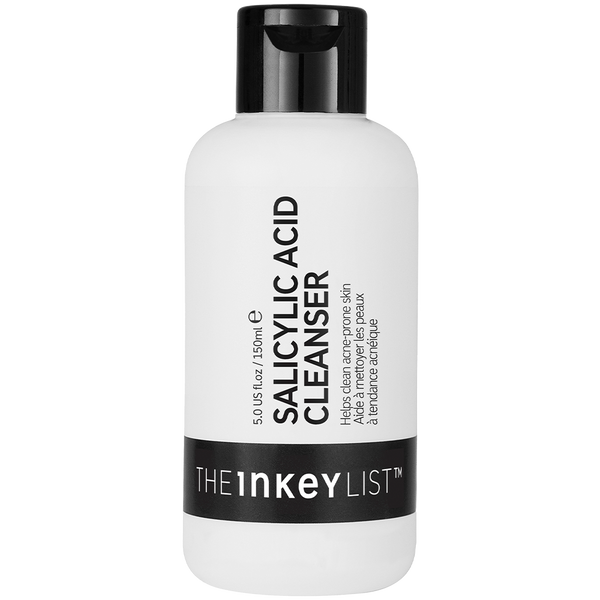
The Salicylic Acid Cleanser ($15.00, 150ml) is best understood as a prevention tool rather than a mark-fading one. Because contact time is so brief, it’s less about driving deep cell turnover and more about keeping pores clear on an ongoing basis, which reduces the frequency of future breakouts - and, by extension, reduces the number of new marks you’ll have to deal with down the line. The shorter contact time also makes it a gentler entry point for more sensitive skin that might not tolerate a leave-on acid as well.
The Serum: Built for Active Mark-Fading
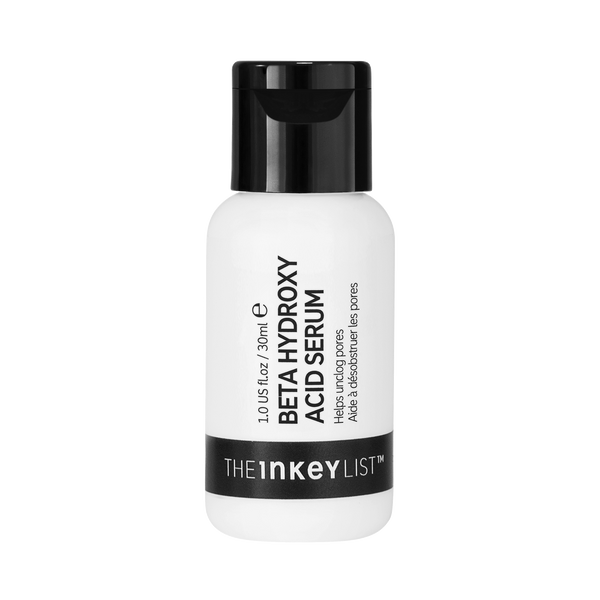
The Beta Hydroxy Acid (BHA) Serum ($14.00, 30ml) is the format actually built for the job of fading existing marks. Because it stays on the skin for hours rather than seconds, it has the sustained contact time needed to drive the level of cell turnover that produces a visible fade in PIH over time. This is the product doing the heavy lifting when it comes to your post-blemish marks specifically.
For Active Breakouts and Marks Together
If you’re managing active breakouts and post-blemish marks at the same time - which, let’s be honest, describes most people’s reality - the 360° Acne Clearing Serum ($18.00) is worth knowing about. It’s a multi-stage formula containing salicylic acid alongside other supporting actives, designed for exactly this overlapping scenario rather than asking you to choose between treating today’s breakout and fading last month’s mark.
The practical takeaway here is straightforward: don’t think of it as choosing one format over the other. Using the cleanser and serum together is a genuine belt-and-suspenders approach - prevention from the cleanser, active fading from the serum - and that combination is doing more collective work than either product would do alone. If pore congestion specifically (think blackheads) is more of your concern than marks, this guide on salicylic acid for blackheads is a useful related read.
Now that the format question is settled, it’s time to build out the complete routine, bringing in the supporting ingredients that turn salicylic acid from a solo act into part of a genuinely effective system.
The Best INKEY Routine for Salicylic Acid and Post-Blemish Marks
A single ingredient, used in isolation, rarely tells the whole story in skincare. Salicylic acid does real work on its own, but it does its best work alongside a small lineup of complementary actives, each targeting a slightly different piece of the post-blemish mark puzzle. Here’s the full routine, built to be both effective and genuinely affordable.
The Foundation: Cleanser + BHA Serum
Start with the two salicylic acid products already covered: the Salicylic Acid Cleanser ($15.00), formulated with 2% Salicylic Acid alongside zinc and allantoin to support oil control and calm the skin while cleansing, and the Beta Hydroxy Acid (BHA) Serum ($14.00) for sustained, leave-on exfoliation.
The Mark-Fading Specialist: Tranexamic Acid
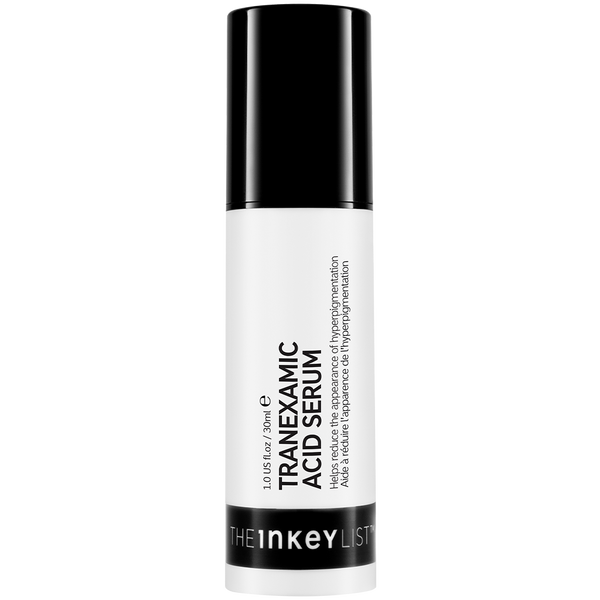
The Tranexamic Acid Serum ($19.00) deserves a prominent place in this routine because it works through a completely different mechanism than salicylic acid. Rather than relying on surface-level cell turnover, tranexamic acid blocks the melanin-signaling pathway at its source, interrupting the communication between skin cells that leads to excess pigment production in the first place. This makes it one of the most direct tools available for dedicated PIH fading, and it pairs naturally with salicylic acid rather than competing with it.
The Multi-Tasker: Niacinamide
The Niacinamide Serum ($13.00) earns its spot as the routine’s multi-tasker. It calms redness (helpful for PIE specifically), reduces the inflammation that can lead to new PIH, helps balance oil production, and supports the skin barrier - which matters a great deal when you’re running an active-heavy routine that includes exfoliating acids. If you want the full picture of what niacinamide can and can’t do for scarring specifically, this dedicated piece is worth reading, and this guide to pairing salicylic acid and niacinamide explains exactly why these two work so well as a duo.
Morning Brightening: Vitamin C
The 15% Vitamin C + EGF Serum ($20.00) is the recommended AM step for brightening and antioxidant protection. In simple terms, vitamin C works in part through tyrosinase inhibition - tyrosinase being the enzyme your skin relies on to produce melanin, so inhibiting it helps keep new pigmentation in check while also defending skin against environmental stressors throughout the day. For a deeper look at how it specifically relates to acne marks, see this companion piece on vitamin C and acne scars.
The Barrier Support: Omega Water Cream
With this many active ingredients in rotation, barrier support isn’t optional. The Omega Water Cream ($15.00) is a lightweight, non-congesting moisturizer designed to hydrate without clogging pores, which keeps the skin barrier resilient enough to tolerate daily actives without becoming reactive or over-dry.
The Long-Term Option: Retinol
For readers thinking longer-term, retinol is worth considering as a complementary addition for deeper cell renewal, though it’s not required to see results from the core routine above. This complete guide to retinol for acne scars and post-acne marks is a useful next step if you want to add it in down the line.
The Non-Negotiable: Daily SPF
None of this works without daily broad-spectrum SPF. UV exposure actively stimulates melanin production, which means unprotected sun exposure can undo weeks of mark-fading progress in a single afternoon. This isn’t a scare tactic - it’s simply how pigmentation biology works, and it’s the single most common reason people feel like their routine “isn’t working” when the real issue is a missing SPF step.
Quick summary of the full lineup:
- Salicylic Acid Cleanser - $15.00
- Beta Hydroxy Acid (BHA) Serum - $14.00
- Tranexamic Acid Serum - $19.00
- Niacinamide Serum - $13.00
- 15% Vitamin C + EGF Serum - $20.00
- Omega Water Cream - $15.00
- 360° Acne Clearing Serum (if managing active breakouts) - $18.00
With the full routine mapped out, the next step is understanding exactly how and when to apply everything, because sequencing and consistency are what actually make a routine like this deliver results.
How to Use Salicylic Acid for Post-Blemish Marks: Routine and Realistic Results Timeline
Having the right products means little without the right sequence and a realistic sense of what to expect, so let’s get specific about both.
Morning Routine
- Cleanse
- Apply Tranexamic Acid Serum to slightly damp skin
- Layer the Vitamin C serum
- Follow with Niacinamide Serum
- Finish with Omega Water Cream
- Apply a broad-spectrum SPF as the final step, every single day
Evening Routine
- Cleanse again (consider the Salicylic Acid Cleanser here)
- Apply the BHA Serum, or the 360° Acne Clearing Serum if you’re managing active breakouts
- Follow with Tranexamic Acid Serum
- Apply Niacinamide Serum
- Finish with Omega Water Cream
An Important Safety Note
Don’t use the BHA Serum and retinol on the same night. Both are active exfoliants working through different but overlapping mechanisms, and stacking them increases the risk of over-exfoliating, which can show up as redness, sensitivity, or a compromised barrier - ironically working against the very marks you’re trying to fade. Alternate evenings between the two instead. This guide to using salicylic acid and retinol together walks through exactly how to structure that alternation, and if you’re wondering about layering salicylic acid with vitamin C specifically, this piece covers compatibility and order of application in detail.
The Honest Results Timeline
Patience is genuinely the hardest part of treating post-blemish marks, so here’s what to actually expect, staged out honestly rather than optimistically:
- Weeks 1-2: Mostly behind-the-scenes adjustment. You may notice fewer new breakouts forming, but don’t expect visible change in existing marks yet - this is normal, not a sign the routine isn’t working.
- Weeks 3-4: Early surface cell turnover becomes more noticeable, and slight lightening of marks may begin for some people.
- Weeks 6-8: This is typically when most consistent users start to see genuinely visible improvement in the appearance of their marks.
- Weeks 8-12 and beyond: More significant fading continues, though older or deeper marks can realistically take three to six months of consistent use to fade substantially.
The single biggest variable in how fast this timeline moves is daily SPF. Skipping it doesn’t just slow progress down marginally - it actively works against every other active ingredient in the routine, since UV exposure keeps re-triggering the melanin production you’re trying to calm down.
With the full picture now in view - the science, the routine, and a realistic timeline - it’s worth tying everything back to the honest central message of this article.
Salicylic Acid and Post-Blemish Marks: The Honest Summary
Salicylic acid is genuinely effective for post-blemish marks, particularly post-inflammatory hyperpigmentation, when it’s used consistently and in the right format. That’s a real, evidence-backed “yes” - not a hedge. But it cannot fix true structural scarring, and no amount of patience or product layering will change that fact, because that kind of repair happens at the clinical level, not the cosmetic one.
The most effective approach pairs salicylic acid with tranexamic acid, niacinamide, and vitamin C, each targeting a slightly different mechanism behind discoloration, rather than relying on any single ingredient to do all the work alone. Consistency and daily SPF remain the two biggest levers in how quickly and how fully your marks fade - more important, honestly, than any individual product on the shelf.
This is the whole point of leading with clear guidance instead of hype: being upfront about what an ingredient can and cannot do is more useful to you, long-term, than another vague promise of flawless skin. If you want to revisit the foundational definitions covered earlier, the acne scars and post-blemish marks page is a good place to start.
That honesty naturally raises a few more specific questions readers tend to have, so let’s run through them directly.
Where to Go From Here
You now understand the real difference between true acne scars and the post-blemish marks most people are actually dealing with, what salicylic acid can realistically do for each, and how to build a routine around it that’s grounded in evidence rather than hype.
Everyone’s skin tells a slightly different story, though, which is why a personalized starting point tends to work better than guessing. Take the skincare quiz for tailored product recommendations based on your specific skin, or if you’re still navigating active breakouts alongside your marks, the Acne Analyzer Pro can help you pinpoint exactly what your skin needs right now.
If you’re ready to simply get started, the Salicylic Acid Cleanser and BHA Serum are the two products worth adding to your routine first. Clear guidance, proven ingredients, real results - that’s the whole idea.
Frequently Asked Questions
Got a question?
Our askINKEY team are a friendly bunch of skincare experts with deep product knowledge and zero judgement. Whether you're an ingredient obsessive or just starting out, we'll make it make sense. No question too big. No question too small. We Give A Care, Every Day.


