

Are Acne Scars Permanent? The Honest Answer
Wondering if acne scars are permanent? Learn the difference between post-blemish marks and true acne scars, what causes them, and the most effective ways to help them fade.
Author
askINKEY skincare advisor
Published
18 July, 2026
Time to read
8 minutes
Here is the direct answer: most of what people call “acne scars” are not permanent. But some types are, and that distinction matters enormously for how you approach them. The term “acne scar” gets applied to a wide spectrum of post-acne marks - from flat pink or brown discoloration that fades on its own over time, to true structural indentations in the skin that will not resolve without intervention. Most people searching this question are dealing with the former. That is genuinely good news.
What this blog covers is the permanence question specifically. It will not walk you through a full skincare routine - for that, read our complete guide to acne scars and post-acne marks and our companion blog on how to get rid of acne scars naturally. What it will do is explain exactly why some post-acne marks fade and others do not, what affects the timeline, and which ingredients are actually doing meaningful work.
If you are already clear on what type of marks you are dealing with and want to start targeting them, these are the key ingredients to know:
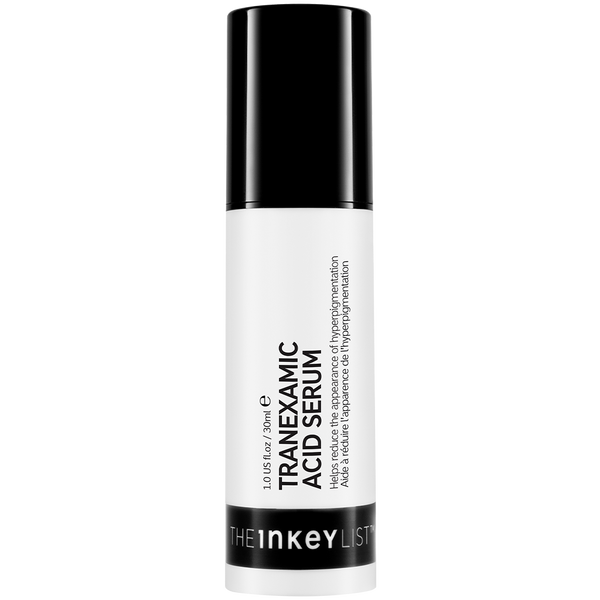
- Tranexamic Acid Serum - $19 - for post-acne dark marks (PIH)
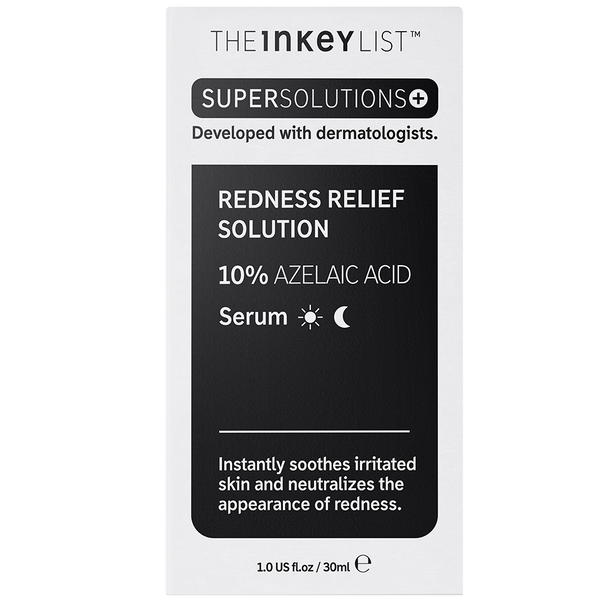
- 10% Azelaic Acid Serum for Redness Relief - $20 - for red and pink marks (PIE)
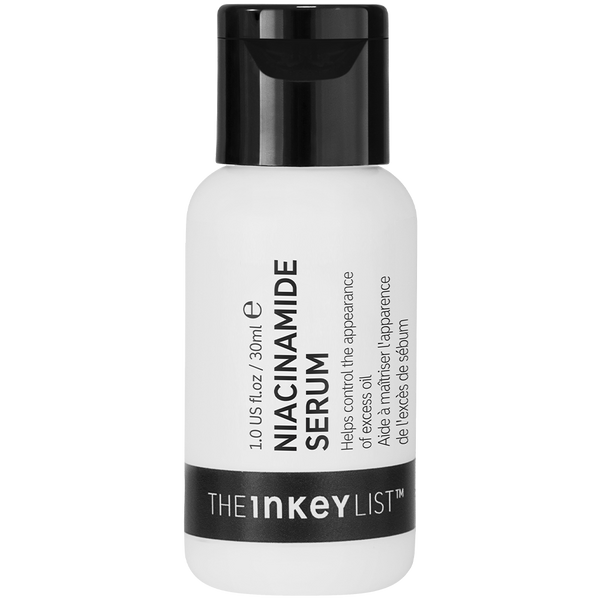
- Niacinamide Serum - $13 - for all mark types
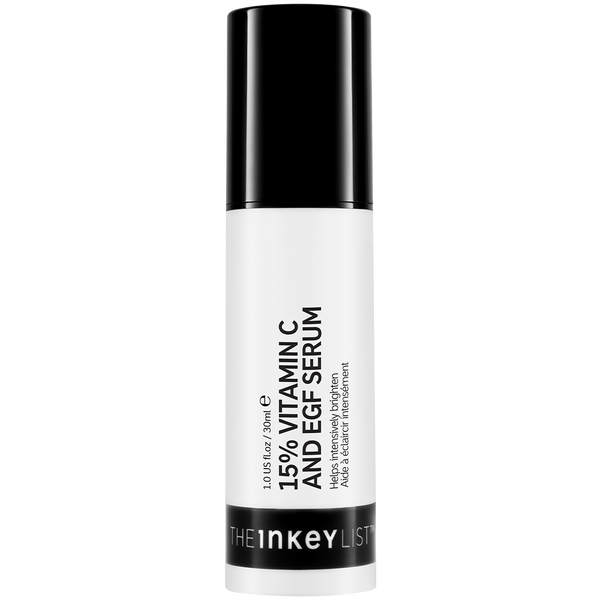
- 15% Vitamin C + EGF Serum - $20 - for brightening and pigmentation prevention
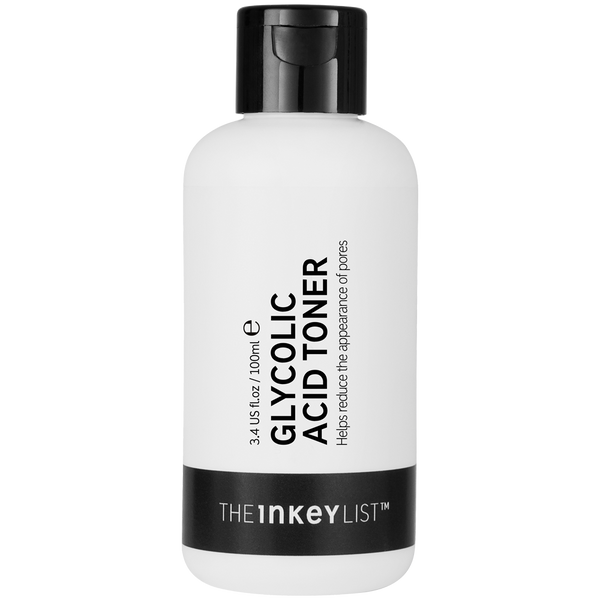
- Glycolic Acid Toner - $18 - for accelerating cell turnover
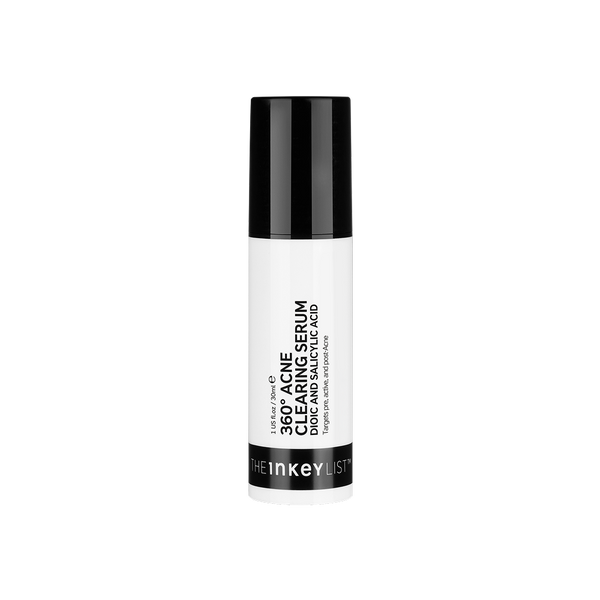
- 360 Acne Clearing Serum - $18 - for active acne and post-acne marks at the same time
Now, let’s get into the detail that actually helps you understand what you are dealing with.
Flat Marks vs. True Scars: A Crucial Distinction
The single biggest source of confusion when it comes to acne scars is the language. People use the word “scar” to describe two completely different things - and they behave very differently, respond to different approaches, and have very different answers to the permanence question.
Understanding which category you are in is the most important thing you can do before spending time or money on any treatment.
Flat Discoloration: PIE and PIH
The first category - and by far the most common - is flat discoloration. This includes both post-inflammatory erythema (PIE) and post-inflammatory hyperpigmentation (PIH). These marks appear after a breakout clears but they are not scars in any clinical sense. There is no collagen damage. There is no structural change to the skin. The architecture of your skin is completely intact.
PIE is the red or pink discoloration that lingers after an inflamed pimple heals. It is a vascular response - the result of damaged or dilated capillaries close to the skin’s surface. PIH is the brown or dark discoloration that forms after inflammation triggers excess melanin production. Both are essentially the skin’s response to injury, not evidence of lasting damage.
Because no structural damage has occurred, these marks are temporary by nature. They will fade. The real question is not whether they fade, but how long it takes - and that depends on a range of factors covered throughout this blog.
If your marks are flat, discolored, and not creating any textural change on the skin, you are almost certainly dealing with PIE or PIH. That is the most common scenario, and it is one where targeted skincare can make a meaningful difference.
True Atrophic Scarring: A Different Conversation
The second category is true structural scarring - and this is where “permanent” does legitimately apply without intervention. Atrophic scars are physical indentations in the skin caused by a loss of collagen during the healing process. When inflammation goes deep enough and the skin cannot rebuild collagen properly, it leaves a visible depression. These come in three main forms: ice-pick scars (narrow, deep punctures), boxcar scars (broader depressions with defined edges), and rolling scars (wave-like undulations across the skin’s surface).
These are genuine structural changes. Unlike PIE and PIH, they are not a pigmentation or vascular issue - they are a physical alteration to the skin’s architecture. No topical ingredient can fill in lost collagen from the outside. Topical skincare can improve the appearance of mild, shallow atrophic scarring over time - particularly with consistent use of Retinol and Glycolic Acid - but it cannot resolve them fully.
A quick self-check: run your fingertip lightly across the area of concern. If the skin is smooth but discolored, you are most likely looking at PIE or PIH. If you can feel texture change - dips, indentations, or an uneven surface - you are likely dealing with some degree of true scarring, and that requires a separate conversation.
For a full breakdown of each type, its biology, and how each responds to treatment, our complete guide to acne scars and post-acne marks and our hyperpigmentation guide cover this in depth.
The distinction between these two categories is the foundation for everything that follows. Once you understand what you have, the permanence question starts to answer itself - and so does the path forward.
Why Some Marks Fade and Others Stay: The Biology Behind It
Knowing that PIE and PIH are temporary in nature is reassuring. But “temporary” can mean three months or three years, and that range exists for real biological reasons. Understanding what actually drives the fading process - and what interrupts it - puts you in control of the outcome.
PIE: The Vascular Response
PIE forms because acne inflammation damages the small capillaries near the surface of the skin. These capillaries dilate or break in response to the inflammatory cascade, and the resulting redness or pink tone is essentially visible blood vessel damage close to the skin’s surface. The reason PIE fades over time is that skin can reabsorb and repair capillary damage - the vascular system gradually remodels and the discoloration diminishes.
What slows this process down is anything that maintains inflammation in the area. Heat, UV exposure, and continued physical irritation can all extend the timeline. And because PIE is a vascular response - not a melanin issue - traditional pigmentation-targeting ingredients like Vitamin C are less relevant here. Anti-inflammatory and vascular-calming ingredients, particularly Azelaic Acid and Niacinamide, are far more effective.
PIH: The Melanin Response
PIH is mechanically different. It forms because inflammation triggers the skin’s melanocytes - the cells responsible for producing melanin - to go into overdrive. This is a protective response. The melanocytes interpret the inflammatory signal as a threat and produce excess melanin as a kind of shield. That excess melanin then transfers to the surrounding keratinocytes, creating the visible darkening we recognize as PIH.
The depth at which this melanin is deposited matters significantly. Superficial PIH - where the melanin sits in the upper layers of the epidermis - responds well to topical treatment and fades more readily. Deeper PIH, where the melanin has migrated into the lower epidermal layers or into the dermis, takes substantially longer and is more resistant to topical-only approaches.
According to research published in StatPearls by the National Library of Medicine, the severity and persistence of post-inflammatory hyperpigmentation depend directly on the degree of inflammation and the depth of melanin deposition.
What Makes the Difference Between Fading and Staying
Several specific factors determine whether a flat post-acne mark fades quickly or lingers:
- Depth of melanin deposit. Superficial deposits fade faster. Dermal deposits are significantly more persistent and in some cases can become semi-permanent.
- Severity of the original breakout. A more intense inflammatory event produces a stronger pigmentation response and takes longer to resolve.
- Picking and squeezing. This is one of the most impactful variables. When you physically manipulate an active pimple, you force the inflammation deeper, dramatically intensifying the melanin response and creating marks that are far darker, deeper, and longer-lasting than they would have been otherwise. Hydrocolloid Invisible Pimple Patches are one of the most practical tools for preventing picking - they create a barrier between your fingers and the spot while also absorbing excess fluid.
- UV exposure after the mark forms. This is critical. Ultraviolet radiation actively stimulates melanocyte activity. Exposing a PIH mark to sun without broad-spectrum SPF 30+ protection does not just slow fading - it actively deepens the pigment. The StatPearls clinical reference on post-inflammatory hyperpigmentation is unambiguous on this point: sun exposure can worsen pigmentation, making daily SPF use a foundational requirement, not an optional extra.
- Ongoing breakout activity. Existing marks cannot fade if new inflammation keeps reigniting the melanin response. This is why addressing active acne and managing post-acne marks simultaneously - rather than treating them as sequential problems - is a smarter approach. The 360 Acne Clearing Serum ($18) is built specifically for this dual purpose.
- Consistency of treatment. Topical ingredients work on biological timelines. Applying them inconsistently is one of the most common reasons people conclude something “did not work” when the reality is that the biology was never given enough time or regularity to respond.
“The extent and persistence of post-inflammatory hyperpigmentation depend on the degree of inflammation and the depth of melanin deposition.” - StatPearls, National Library of Medicine (Updated November 2024)
Understanding these variables is not just academic. Each one is something you can influence. The biology of post-acne marks is not working against you - it just requires that you work with it rather than around it.
This biology is also significantly shaped by one factor that is often underaddressed in skincare: skin tone.
How Skin Tone Shapes the Timeline and Intensity of Post-Acne Marks
Skin tone is one of the most significant factors in how post-acne marks form, how dark they become, and how long they take to fade. This does not get discussed enough - and the gap between an honest explanation and vague reassurance can mean the difference between realistic expectations and prolonged frustration.
Melanocyte Reactivity Differs Across Skin Tones
The core biological reason for this difference is melanocyte reactivity. People with medium to deeper skin tones have more reactive melanocytes - meaning that the same inflammatory trigger (the same type of breakout, the same level of severity) produces a stronger, more intense melanin response. The skin is more primed to protect itself through pigment production, and it does so more aggressively.
This is not a flaw. It is the skin functioning as designed. But it does mean that PIH in medium to deeper skin tones tends to be more intense in color, sits deeper in the skin more often, and takes meaningfully longer to fade than the equivalent mark in lighter skin tones.
According to StatPearls, the incidence of post-inflammatory hyperpigmentation in individuals with darker skin tones dealing with acne can be as high as 65%. The condition is more common and more severe in this group, and the clinical evidence reflects that.
PIE vs. PIH Prevalence by Skin Tone
There is also a pattern in which type of mark is more likely to form. People with lighter skin tones more commonly experience PIE - the red and pink vascular marks - as their primary post-acne concern. People with medium to deeper skin tones more commonly experience PIH - the brown and dark marks - and experience it with greater intensity.
This matters for ingredient selection. PIE and PIH respond to different mechanisms:
- For red and pink marks (PIE), the most effective approach is anti-inflammatory and vascular-calming - 10% Azelaic Acid Serum for Redness Relief ($20) and Niacinamide Serum ($13) work well here. You can learn more about hyperpigmentation distinctions at our hyperpigmentation guide.
- For dark and brown marks (PIH), the focus shifts to interrupting melanin production and accelerating cell turnover - Tranexamic Acid Serum ($19) is particularly well-suited for this.
A Note on Exfoliation and Deeper Skin Tones
One important nuance for people with medium to deeper skin tones: over-exfoliation can be counterproductive. Aggressive exfoliation can itself cause inflammation, which then triggers more melanin production - worsening the very marks you are trying to fade. Gentler, more targeted approaches to cell turnover work better. Prioritizing Tranexamic Acid, Niacinamide, and Azelaic Acid as primary actives - with careful, limited use of exfoliating acids - is a more effective and less risky strategy.
UV impact is also proportionally greater for deeper skin PIH. Every unprotected sun exposure event is an active setback, not just a missed opportunity. Daily SPF 30+ is non-negotiable for anyone dealing with PIH, but it is especially critical for medium to deeper skin tones where UV exposure deepens marks faster and more significantly.
With a clear picture of the biological mechanisms and skin tone influences, the natural next question is: how long is this actually going to take?
Realistic Fading Timelines: Honest Benchmarks for Every Mark Type
The honest answer to “how long will this take?” depends entirely on which type of mark you have, your skin tone, your consistency with treatment, and - above all - whether you are wearing SPF every single day. What follows are realistic, evidence-informed benchmarks, not the optimistic timelines you might see on a product page.
PIE (Red and Pink Marks)
PIE tends to be the faster-resolving category. Without any targeted intervention - no specific actives, no SPF, just leaving it alone - PIE in lighter skin tones typically fades within 3 to 12 months. That is a wide range because it depends on the severity of the original breakout and how much UV exposure occurs in the meantime.
With a targeted approach, using ingredients like 10% Azelaic Acid Serum for Redness Relief ($20) and Niacinamide Serum ($13) alongside daily SPF 30+, you can expect to see visible improvement within 4 to 8 weeks, and significant fading by the 3 to 4 month mark. The key phrase is “visible improvement” - the mark will not vanish, but it will be meaningfully lighter, less noticeable, and clearly on a trajectory toward resolution.
PIH (Dark and Brown Marks)
PIH takes longer. Without intervention, post-acne dark marks can persist for 12 to 24 months or even longer - particularly in medium to deeper skin tones, and particularly if UV exposure is unmanaged. This is the timeline that leads many people to conclude their marks are permanent when they are not. They have given up before the biology had time to run its course.
With a targeted, consistent approach using Tranexamic Acid Serum ($19), 15% Vitamin C + EGF Serum ($20), Glycolic Acid Toner ($18), and daily SPF 30+, a more realistic timeline looks like this:
- 4 to 6 weeks: Visible improvement begins. The mark is noticeably lighter.
- 8 to 12 weeks: Meaningful fading. The discoloration is clearly reducing.
- 3 to 6 months: Significant improvement. Most superficial PIH will have faded considerably; some may be fully resolved.
- 6 to 12 months+: Older marks (those present for 6 months or more before treatment begins) take longer to respond than fresh marks. This is not a failure - older, deeper pigment deposits simply require more biological time to turn over.
Tranexamic Acid works by blocking the signaling that tells melanocytes to overproduce melanin, interrupting the pigmentation cycle at its source. You can read more about how it works at our Tranexamic Acid ingredient page. Vitamin C works as both a tyrosinase inhibitor - blocking a key enzyme in melanin synthesis - and as an antioxidant that defends against UV-triggered pigmentation. More detail on that mechanism is at our Vitamin C page.
The single most impactful variable in PIH fading is consistent daily SPF 30+. No topical brightening ingredient can counteract the melanin-stimulating effect of daily unprotected UV exposure. SPF is not a nice-to-have addition to a PIH routine - it is the foundation without which everything else delivers a fraction of its potential.
True Atrophic Scarring
True structural scars do not fade on their own. Without professional intervention, they are permanent. The collagen that was lost during deep inflammation does not regenerate spontaneously.
That said, topical ingredients can improve the appearance of mild, shallow atrophic scarring over a sustained period. Retinol Serum is the most evidence-backed topical option here - it stimulates collagen production and accelerates skin cell turnover over time. Used consistently for 6 months or more, it can produce a visible improvement in the texture of mild scarring. Glycolic Acid similarly helps by refining the skin’s surface and supporting faster cell turnover.
For detailed guidance on using Retinol for this purpose, our retinol for scarring and post-acne marks blog goes deep on what to expect and how to use it correctly.
Consistency is the controlling variable across every mark type. More than the specific product you choose, more than the order you apply things, more than any single ingredient - showing up for your routine every day is what determines your outcome.
What Topical Skincare Can and Cannot Do for Post-Acne Marks
Honesty matters here. Skincare brands have a habit of implying - sometimes explicitly claiming - that a serum can do things it fundamentally cannot. Understanding where topical skincare genuinely excels and where its limits lie will save you money, time, and frustration.
What Topical Skincare CAN Do
Topical skincare is genuinely effective at several things when it comes to post-acne marks. It can accelerate the fading of PIE by delivering anti-inflammatory and vascular-calming actives directly to the skin. It can meaningfully speed up PIH fading by interrupting melanin signaling, blocking pigment-producing enzymes, and accelerating the shedding of pigmented surface cells. It can protect against UV-driven deepening of PIH, which - as covered above - is one of the most significant setbacks in any fading timeline. Over 6 or more months, consistent use of the right actives can improve the appearance of mild, shallow atrophic scarring. And it can prevent new post-acne marks from forming in the first place by keeping active acne under control.
That last point is particularly important. Preventing new marks is as valuable as fading existing ones - and it is often overlooked. If new breakouts keep forming, the overall pigmentation load on your skin never reduces, even if individual marks are fading.
Here is how each key ingredient contributes, and what it is specifically doing:
Tranexamic Acid Serum - $19: Targets PIH at the source by blocking the melanin signaling cascade. In a systematic review of natural and active depigmenting agents in the Journal of Clinical and Aesthetic Dermatology, multiple tyrosinase-pathway-targeting ingredients demonstrated significant efficacy in reducing hyperpigmentation. Tranexamic Acid operates on a similar principle - interrupting the communication between keratinocytes and melanocytes that triggers excess melanin production. More on the mechanism at /pages/tranexamic-acid.
Niacinamide Serum - $13: Works on two fronts. It has documented anti-inflammatory properties that help calm active redness (relevant for PIE), and it inhibits the transfer of melanosomes - the melanin-containing packets - from melanocytes to surrounding skin cells, which is how pigment spreads across the skin’s surface. A controlled clinical study published in Skin Research and Technology demonstrated the skin-lightening efficacy of niacinamide in reducing facial hyperpigmentation.
10% Azelaic Acid Serum for Redness Relief - $20: The PIE specialist. Azelaic Acid is clinically recognized for both its anti-inflammatory action and its ability to inhibit melanin synthesis - making it particularly effective for red and pink post-acne marks. It is also one of the better-tolerated actives for medium to deeper skin tones precisely because it calms rather than irritates.
15% Vitamin C + EGF Serum - $20: Best used in the morning. Vitamin C inhibits tyrosinase - a key enzyme in the melanin production chain - while simultaneously acting as an antioxidant that defends against the UV-triggered free radical activity that worsens PIH. The EGF (Epidermal Growth Factor) in this formula supports skin renewal. More detail at /pages/vitamin-c.
Glycolic Acid Toner - $18: Used 2 to 3 times per week in the evening, Glycolic Acid accelerates the natural shedding of the skin’s surface cells. Because PIH sits in pigmented keratinocytes, speeding up the turnover of those cells shortens the timeline for marks to visibly fade. It also improves overall skin texture, which matters when dealing with the mild atrophic scarring end of the spectrum.
360 Acne Clearing Serum - $18: Targets active breakouts and existing post-acne marks simultaneously. This is particularly valuable because active acne and post-acne marks are rarely two separate, sequential problems - they coexist, and addressing both at the same time is more efficient than tackling one then the other.
Retinol Serum: For evening use. Retinol stimulates collagen production and accelerates cell turnover over time, making it the most evidence-backed topical option for improving the appearance of mild atrophic scarring. It also supports overall skin renewal that benefits PIH fading. Use it carefully and consistently - detailed guidance at /blogs/news/retinol-for-scarring-and-post-acne-marks.
What Topical Skincare CANNOT Do
It cannot fully resolve true atrophic scarring. The physical collagen loss that causes ice-pick, boxcar, and rolling scars cannot be reversed by a serum applied to the surface - no matter how well-formulated it is. Topical ingredients can refine and improve the appearance of mild scarring over time, but they cannot fill structural indentations.
Topical skincare also cannot deliver overnight results. The biological timeline for skin cell turnover is approximately 28 days in younger skin, and longer with age. Any meaningful change in pigmentation requires multiple full turnover cycles. Products that promise visible change in days are either measuring something meaningless or overstating what they deliver.
And it cannot work effectively without daily SPF. This has been stated multiple times throughout this blog, because it is the most common reason topical routines underperform.
For the full step-by-step routine that puts these ingredients together in the right order, visit our complete guide to acne scars and post-acne marks and how to get rid of acne scars naturally.
When Topical Skincare Reaches Its Limits: Considering Clinical Options
There is a point at which ingredient-led skincare reaches the ceiling of what it can realistically achieve - and being honest about that threshold is more useful than pretending it does not exist.
If you have been consistent with a targeted topical routine for 6 months or more and are seeing minimal improvement in flat discoloration, it may be worth seeing a dermatologist or skin specialist. Six months of daily, consistent use is a meaningful trial - if there is little to show for it, the pigment may be sitting deeper in the dermis than topical actives can reach.
If your primary concern is physical texture change - visible indentations, pits, or depressions - rather than flat discoloration, clinical options are the more appropriate starting point. True atrophic scarring does not respond meaningfully to topical skincare alone, regardless of how long you use it.
Similarly, if PIH is severe, long-standing (present for 12 months or more), and showing minimal fading despite consistent treatment and daily SPF use, a dermatologist can assess whether the pigment is dermal rather than epidermal - and recommend options appropriate to its depth.
Common clinical approaches include:
- Chemical peels - Professionally administered exfoliation at concentrations significantly higher than at-home products, reaching deeper skin layers.
- Microneedling - Creates controlled micro-injuries that stimulate collagen production, particularly relevant for atrophic scarring.
- Laser treatments - Various types target vascular discoloration (PIE), melanin deposits (PIH), or scar tissue depending on the specific device used.
- Subcision - A technique specifically for rolling scars, involving releasing the fibrous tissue pulling the skin downward.
Clinical options require multiple sessions, involve real costs, and come with recovery time. They are also not mutually exclusive with topical skincare - a good dermatologist will typically recommend continuing a supportive topical routine alongside any clinical treatment.
If you are unsure where to start, our Skincare Quiz can help identify the right products for your skin, and the Acne Analyzer Pro is a useful tool for getting more specific guidance on your acne and post-acne marks.
The Honest Takeaway
So, are acne scars permanent? For most people dealing with post-acne marks, the answer is no. PIE and PIH - flat, discolored marks with no texture change - are not permanent. They are temporary responses to inflammation, and they will fade. The three variables that control how quickly that happens are consistent daily SPF, the right targeted ingredients applied regularly, and patience with biological timelines that cannot be shortcut.
“Permanent” is often the conclusion people reach not because the marks are truly permanent, but because they stopped before the biology had time to catch up. Six weeks of inconsistent effort is not a fair test of a 3 to 6 month process.
True atrophic scarring is a different story - and if that is your primary concern, clinical options are worth exploring with a dermatologist who can assess the depth and type of scarring you have.
Most people have more reason for optimism than they realize. The biology is on your side. You just have to give it the tools and the time.
Ready to start? Shop skincare for post-acne marks and find the right ingredients for your marks.
Not sure where to begin? Take our Skincare Quiz for a personalized routine or try the Acne Analyzer Pro for more targeted guidance.
Want to go deeper? Read the complete guide to acne scars and post-acne marks or learn how to get rid of acne scars naturally at home.
Frequently Asked Questions
Got a question?
Our askINKEY team are a friendly bunch of skincare experts with deep product knowledge and zero judgement. Whether you're an ingredient obsessive or just starting out, we'll make it make sense. No question too big. No question too small. We Give A Care, Every Day.


