



Vitamin C for Acne Scars: Does It Actually Work?
Discover how Vitamin C helps brighten post-acne marks, prevent new pigmentation and support a more even-looking complexion - plus how to use it for the best results
Author
askINKEY skincare advisor
Published
17 July, 2026
Time to read
8 minutes
Vitamin C is one of the most searched skincare ingredients for acne scars - but the real answer is more specific than a simple yes or no. Whether it works depends entirely on what type of mark you are dealing with. Used correctly and consistently, vitamin C for acne scars is one of the most well-supported brightening strategies available. Used incorrectly - or on the wrong mark type - it may deliver little visible improvement at all.
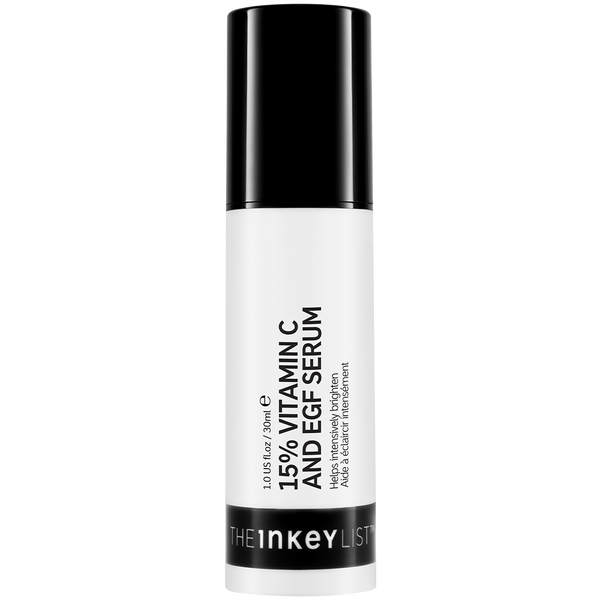
This guide covers everything you need to know: the science behind how vitamin C targets dark marks, which types of acne scars it can and cannot help with, how long realistic results actually take, how to apply it correctly, and how it stacks up against other key ingredients. If you are looking for a starting point, our 15% Vitamin C + EGF Serum at $20 is the stable, skin-brightening serum covered in depth throughout this guide.
Here is what you will learn:
- The difference between PIE and PIH - and which one vitamin C actually helps with
- The science behind how vitamin C targets dark marks and inhibits melanin production
- Realistic timelines for results, from initial brightening through meaningful PIH reduction
- How to use vitamin C serum correctly for best results
- How vitamin C compares to retinol, niacinamide, and tranexamic acid for acne scars
- A complete AM and PM skincare routine built around vitamin C
For foundational reading before diving in, visit What is Vitamin C? and What are Acne Scars?.
Not All Acne Scars Are the Same: PIE, PIH, and Structural Scars Explained
The phrase “acne scar” gets used as a catch-all for every mark a breakout leaves behind. But these marks are not the same thing, and that distinction matters enormously when you are choosing a treatment. What works on one type may do very little for another. Vitamin C is not a universal fix for all post-acne marks - it is a highly targeted ingredient with a specific mechanism, and understanding that mechanism starts with understanding what you are actually looking at in the mirror.
Post-Inflammatory Hyperpigmentation (PIH) - The Mark Vitamin C Is Made For
PIH appears as flat brown, dark brown, or gray-toned marks on the skin. These are not raised or indented - they sit flush with the surface. The cause is excess melanin production triggered by the inflammatory response of a blemish. When skin experiences inflammation from acne, it signals melanocytes (the cells responsible for producing pigment) to go into overdrive. The result is localized hyperpigmentation that persists long after the original breakout has healed.
PIH is more common and more intense in medium to deeper skin tones, though it can affect any skin type. It does not blanch or lighten temporarily when you press a fingertip directly onto it. The pigment sits in the skin rather than the blood vessels, so physical pressure has no effect on its appearance.
This is the mark type that vitamin C is most effective for. Everything that follows in the science section of this guide is primarily relevant to PIH.
According to our What is Hyperpigmentation? guide, PIH is one of the most common and persistent skin concerns linked to acne - and also one of the most treatable with the right approach.
Post-Inflammatory Erythema (PIE) - Where Vitamin C Has Limited Impact
PIE appears as red or pink flat marks and is caused by dilated or damaged blood vessels near the skin surface. Unlike PIH, PIE is a vascular issue rather than a pigmentation issue. It is more common in lighter skin tones and is the mark most people are referring to when they describe the redness a pimple leaves behind.
The key test: press a fingertip firmly onto the mark. If it temporarily whitens and then returns to its reddish color, you are looking at PIE. That blanching effect happens because physical pressure briefly compresses the blood vessels beneath the skin. If the mark stays completely unchanged under pressure, it is PIH.
Vitamin C has limited direct effect on PIE. Its primary mechanism targets melanin production, not vascular damage. Niacinamide and azelaic acid tend to be more relevant choices for addressing PIE specifically, and we cover that comparison in more detail in the ingredients section below.
True Atrophic Scarring - Structural, Not Pigmentation-Based
Ice-pick scars, boxcar scars, and rolling scars are what most dermatologists mean when they use the clinical term “acne scar.” These involve actual collagen damage beneath the skin surface, leaving behind physical depressions or textural irregularities that do not sit flush with the surrounding skin.
These are structural concerns, not pigmentation-based ones. Topical vitamin C does not directly resolve atrophic scarring. However, its role as a co-factor in collagen synthesis means that consistent long-term use may contribute some gradual improvement in skin resilience and texture over time - though this is a secondary benefit rather than the primary reason to reach for vitamin C. For a complete breakdown of structural scar types and their treatment options, visit What are Acne Scars?.
For PIH-focused readers who also want to address textural scarring in the same routine, Retinol for Acne Scars is worth reading alongside this guide.
Understanding which type of mark you are dealing with is not a minor detail - it is the difference between choosing the right ingredient and spending months using something that will not address your actual concern. With that foundation in place, it is time to look at exactly how vitamin C works on PIH at a biochemical level.
The Science of Vitamin C on Acne Scars: Three Mechanisms That Matter
Vitamin C - known scientifically as ascorbic acid in its pure form - is one of the most studied brightening ingredients in dermatology. Its effectiveness for post-inflammatory hyperpigmentation is not a marketing claim. It is grounded in clearly understood biochemistry. There are three distinct mechanisms through which vitamin C addresses acne scars, and each one plays a specific role.
Mechanism 1: Tyrosinase Inhibition - Blocking Melanin at the Source
Tyrosinase is the enzyme that converts the amino acid tyrosine into melanin. More tyrosinase activity equals more melanin production. More melanin production equals darker, more persistent PIH marks.
Vitamin C inhibits tyrosinase directly. By disrupting this enzymatic pathway, it reduces the amount of melanin being produced in the skin, which over time lightens existing marks and prevents new melanin from reinforcing them. This is the core reason vitamin C is effective for PIH specifically - and why it is less relevant for PIE, which involves vascular damage rather than melanin overproduction.
This mechanism is well-documented. Healthline’s overview of vitamin C for acne confirms tyrosinase inhibition as the primary mechanism through which ascorbic acid addresses skin discoloration. It is a targeted action, not a generalized skin benefit.
Mechanism 2: Antioxidant Protection Against UV-Triggered Pigmentation
UV exposure is one of the most significant factors in how dark and persistent PIH becomes. When UV rays hit the skin, they generate free radicals - unstable molecules that damage cells and stimulate melanocytes to produce more melanin. This is why acne marks tend to darken during summer months or after sun exposure without protection, and why they often stubbornly resist fading when SPF is not part of the daily routine.
Vitamin C is a potent antioxidant. Applied to the skin, it neutralizes free radicals before they can trigger that melanin-stimulating cascade. This is why morning application is optimal - vitamin C’s antioxidant properties are most active against daytime UV and environmental stressors, creating a protective layer that works alongside sunscreen rather than replacing it.
The antioxidant role of vitamin C is not only about treating existing marks. It actively reduces the ongoing triggers that would otherwise worsen or prolong PIH. Think of it as interrupting the cycle of pigmentation at multiple points simultaneously.
Mechanism 3: Collagen Synthesis Support
Vitamin C is a required co-factor in the synthesis of collagen. Without adequate vitamin C, the enzymes responsible for stabilizing collagen structure cannot function properly. When applied topically, vitamin C supports the fibroblast activity that produces new collagen - which is relevant not just for anti-aging, but for overall skin resilience and the gradual improvement of skin texture over time.
For readers dealing primarily with PIH (flat dark marks), this mechanism is a supporting benefit. For those also dealing with mild textural scarring alongside dark marks, the collagen-supporting properties of consistent vitamin C use may contribute to gradual improvements in overall skin quality over months of use.
The Form Used in Our 15% Vitamin C + EGF Serum
Pure L-Ascorbic Acid is the most biologically active form of vitamin C, but it is notoriously unstable - it oxidizes quickly when exposed to light and air, turning the formula orange or yellow and reducing its effectiveness. This instability is why many vitamin C serums disappoint despite high concentrations.
Our 15% Vitamin C + EGF Serum uses Ascorbyl Glucoside, a stabilized derivative of ascorbic acid that converts to active L-Ascorbic Acid directly on the skin. This form retains the tyrosinase-inhibiting and antioxidant benefits of pure vitamin C while being significantly more stable and gentler on the skin - making it a reliable choice for all skin types, including sensitive skin.
A 2024 randomized, controlled study published in the Journal of Clinical and Aesthetic Dermatology (PMID: 38638185) confirmed that ascorbic acid is part of established treatment protocols for acne-induced post-inflammatory hyperpigmentation, used alongside hydroquinone in clinical treatment regimens. The study’s findings reinforce what dermatologists have long recognized: vitamin C has a genuine, science-backed role in treating the dark marks acne leaves behind.
If you have ever wondered whether vitamin C might be causing your breakouts rather than helping them, Does Vitamin C Cause Breakouts? addresses that question directly.
With the mechanism established, the next logical question is: how long does it actually take to see results?
How Long Does Vitamin C Take to Work on Acne Scars?
This is one of the most searched questions around vitamin C for acne scars - and one of the most commonly misunderstood. Vitamin C is not a fast-acting treatment. It works through gradual, cumulative action rather than rapid visible change. Setting realistic expectations from the start prevents the frustration of abandoning a routine before it has had time to deliver results.
The most important thing you can do for PIH is commit to consistency. Results do not happen overnight, but they do happen - and they compound over time.
The Realistic Timeline Breakdown
Weeks 2 to 4 - Initial Brightening: With consistent daily morning use, the first sign of improvement is typically a general brightening of the skin’s overall appearance. Existing dark marks may not look dramatically lighter yet, but the skin tone tends to look more even and luminous. This early change reflects the antioxidant activity of vitamin C reducing ongoing free radical damage.
Weeks 6 to 12 - Meaningful PIH Reduction: This is the window where most users begin to see genuine fading of dark marks. In an independent consumer trial of 64 people using our 15% Vitamin C + EGF Serum, 87% agreed that their skin looked brighter after just 4 weeks of use. Meaningful PIH reduction - actual lightening of individual dark marks - typically becomes visible between weeks 6 and 12 with consistent daily use.
Weeks 12 to 16 and Beyond - Deeper and Older Marks: Marks that have been present for longer than six months, or that are particularly deep in color, may take 12 to 16 weeks or more to show significant improvement. Older, more established PIH has had time to deposit melanin deeper in the skin, requiring more cumulative inhibition of the melanin production cycle before visible fading occurs.
The Factors That Affect Your Timeline
Not every person will see results on the same schedule. Several factors influence how quickly vitamin C produces visible improvement on acne scars:
Consistency of use. Vitamin C works through daily, cumulative action. Missing applications - particularly during the first critical weeks - slows progress and extends the timeline for visible results. Daily AM application is the most effective approach.
SPF use - the biggest external variable. UV exposure actively worsens and prolongs PIH by stimulating continued melanin production. If you are applying vitamin C every morning but skipping sun protection, you are working against yourself. Use a broad-spectrum SPF 30+ of your choice every single morning, without exception. This is the single most impactful lifestyle factor in how quickly your acne scars fade.
Skin tone. Deeper skin tones have more active melanocytes, which means PIH tends to be more intense and may take longer to fade. This is not a reason to avoid vitamin C - it is a reason to be especially consistent with daily use and daily SPF.
The age and severity of the mark. Fresh marks that are less than four to six weeks old respond faster than marks that have been present for months or years. If you begin treating PIH early after a breakout, you can significantly reduce the time it takes to fade.
Vitamin C works best in the morning because its antioxidant activity peaks when it can intercept UV and pollution-triggered free radical damage throughout the day. For more on timing, visit When to Use Vitamin C Serum.
Understanding the timeline is one part of the equation. Knowing exactly which product to use - and why - is the next.
The Best Vitamin C Serum for Acne Scars: A Complete Product Breakdown
Not all vitamin C serums are created equal. Concentration matters. Stability matters. The form of vitamin C used in the formula matters. And for readers dealing specifically with acne scars and PIH, finding a formula that delivers consistent brightening action without causing irritation or breakouts is essential.
15% Vitamin C + EGF Serum - $20 / 30ml
Our 15% Vitamin C + EGF Serum is built around two key actives working together to target dullness, uneven tone, and PIH.
Ascorbyl Glucoside at 15%: This stable derivative of vitamin C converts to active L-Ascorbic Acid on the skin, delivering the full tyrosinase-inhibiting and antioxidant benefits of pure vitamin C in a formulation that does not degrade as quickly, does not irritate skin as aggressively, and is safe for long-term daily use. At 15% concentration, it sits in the therapeutic range for meaningful brightening action without the irritation risk associated with higher concentrations of pure ascorbic acid.
EGF (Epitensive - 1%): EGF stands for Epidermal Growth Factor. This plant-derived peptide signals skin cells to renew and repair, supporting improved skin elasticity and texture over time. For readers dealing with both flat PIH marks and mild textural concerns from acne, the EGF component adds a skin renewal dimension to the formula that goes beyond brightening alone.
The formula is lightweight, fast-absorbing, and non-sticky. It layers comfortably under moisturizer and SPF without pilling or interfering with subsequent products in the routine.
Clinical results from an independent 4-week consumer trial of 64 people:
- 87% agree their skin looks brighter
- 88% saw a visible improvement in the tone and texture of their skin
- 84% agree their skin looks healthier and less dull
Who it is suitable for: All skin types, including sensitive skin. It is also pregnancy and breastfeeding safe, making it a reliable option during periods when many other actives are off-limits. If you have sensitive skin and are uncertain whether vitamin C is right for you, Can You Use Vitamin C on Sensitive Skin? answers that question in detail.
The serum is recommended for AM use primarily, though it can also be incorporated into a PM routine if preferred. The key priority is daily consistency - morning application consistently outperforms irregular use at any time of day.
At $20 for 30ml, it delivers clinical-grade brightening action at a price point that makes long-term consistent use genuinely accessible. Treating PIH requires weeks and months of application, not a single bottle. Affordability is not a secondary consideration - it is part of what makes a vitamin C routine sustainable.
Now that you know which product to use, the next step is knowing exactly how to use it.
How to Use Vitamin C Serum for Acne Scars: Application, Routine Order, and What to Avoid
Even the best vitamin C serum will underperform if applied incorrectly, layered in the wrong order, or paired with incompatible ingredients. Getting the application right is what converts a good product into a routine that actually delivers visible results on your acne scars.
When to Apply Vitamin C Serum
Morning is the optimal time to use vitamin C serum for acne scars. The reasons are grounded in its antioxidant mechanism - vitamin C neutralizes free radicals generated by UV exposure and environmental pollution, and that protection is most relevant during daylight hours when your skin is actually exposed to those stressors. Applying vitamin C at night still delivers tyrosinase-inhibiting benefit, but you lose the daytime antioxidant advantage that makes it particularly powerful for PIH fading. For more detail on timing, see When to Use Vitamin C Serum.
Step-by-Step Application Method
-
Cleanse your skin thoroughly. Remove any overnight products, oils, or surface buildup before applying vitamin C. A clean canvas improves absorption and prevents anything sitting on the skin from diluting or interfering with the serum.
-
Apply the 15% Vitamin C + EGF Serum to damp skin. Leave your skin slightly damp after cleansing rather than patting it completely dry. Damp skin allows for better absorption of the serum. Use a pea-sized amount and pat it gently into the face and neck using light tapping motions rather than rubbing or dragging.
-
Wait 60 seconds before the next step. Give the serum a full minute to absorb before layering the next product. This brief wait makes a meaningful difference in how effectively the vitamin C is taken up by the skin.
-
Layer additional serums from thinnest to thickest consistency. If you are using Tranexamic Acid or Niacinamide in the same routine, apply them after the vitamin C serum, following the thinnest-to-thickest rule.
-
Apply your moisturizer. Seal in the active layers with your preferred moisturizer to lock in hydration and support the skin barrier.
-
Finish with a broad-spectrum SPF 30+. This step is non-negotiable. No matter how consistently you apply vitamin C, UV exposure will actively counteract your progress by stimulating continued melanin production. Choose a broad-spectrum SPF 30+ of your choice and apply it as the final step every single morning.
Starting Frequency for New Users
If you are new to vitamin C, start with 2 to 3 applications per week for the first two weeks. This allows your skin to acclimate without the risk of irritation from jumping straight to daily use. After two weeks with no adverse reaction - no persistent redness, flaking, or sensitivity - increase to daily use. Most people tolerate Ascorbyl Glucoside well from the start, but the gradual introduction approach protects skin that may be reactive.
What Not to Layer in the Same Routine
Some ingredient combinations require timing separation to avoid irritation or reduced effectiveness:
-
Do not use vitamin C in the same routine as Retinol, AHAs, BHAs, or PHAs. These are all active ingredients that can irritate skin when combined with vitamin C in a single routine. The solution is simple: use vitamin C in the AM routine and retinol or exfoliating acids in the PM routine. This separation allows you to benefit from all of these ingredients without stacking irritation risk. For full guidance on this combination, read Can You Use Vitamin C and Retinol Together?.
-
Vitamin C is safe to layer with Niacinamide, Hyaluronic Acid, and Tranexamic Acid. These complement vitamin C’s action without causing conflict. In fact, layering Tranexamic Acid alongside vitamin C in the same AM routine amplifies PIH-fading results through complementary mechanisms.
Storage tip: Store your vitamin C serum in a cool, dry place away from direct sunlight. Heat and light exposure accelerates oxidation, which reduces the potency of the formula over time. If your serum starts to turn noticeably orange or brown, it has oxidized and its effectiveness will be diminished.
With application technique covered, the natural next question is how vitamin C fits into the broader landscape of ingredients used for acne scars - and whether it is the right primary choice.
Vitamin C vs Other Ingredients for Acne Scars: Retinol, Niacinamide, and Tranexamic Acid
One of the most common questions around vitamin C for acne scars is whether it is better or worse than the other actives frequently recommended for the same concern. The honest answer is that framing these as competitors misses the point. Each ingredient targets post-acne marks through a different mechanism, which means the most effective approach is usually a strategic combination rather than a single-ingredient routine.
Vitamin C vs Tranexamic Acid for PIH
Both vitamin C and tranexamic acid target PIH, but they do so through different pathways. Vitamin C works primarily through tyrosinase inhibition - blocking the enzyme responsible for melanin production. Tranexamic acid works by disrupting the communication between keratinocytes and melanocytes, reducing the UV-triggered inflammatory signals that tell melanocytes to produce excess pigment.
Used together in the same morning routine, these two ingredients address PIH through different points in the same cascade, which produces stronger combined results than either ingredient used alone. Think of it as blocking melanin production from two angles simultaneously.
Our Tranexamic Acid Serum at $19 is also pregnancy and breastfeeding safe, and it can be used both AM and PM - making it a versatile addition to any acne scar routine. For more on this pairing, see Vitamin C and Tranexamic Acid for Dark Spots and What is Tranexamic Acid?.
Vitamin C vs Retinol for Acne Scars
This is one of the most searched comparisons - and the answer is that neither is definitively better. They work on different mechanisms and different timelines.
Vitamin C acts faster on PIH (dark marks) by directly inhibiting melanin production through tyrosinase inhibition. Retinol works through accelerated cell turnover - shedding pigmented skin cells more rapidly and replacing them with fresher, more evenly toned cells. Retinol’s full effects on PIH typically take longer to become visible, but retinol also addresses textural scarring through collagen stimulation in a way that vitamin C cannot replicate as a primary mechanism.
For most people, the optimal approach is not choosing between them. Use vitamin C in the AM routine and retinol in the PM routine. This way you capture the brightening, melanin-inhibiting protection of vitamin C during the day, and the cell turnover and collagen-stimulating benefits of retinol overnight. For the full breakdown of how these two work together, read Can You Use Vitamin C and Retinol Together? and Retinol for Acne Scars.
Vitamin C vs Niacinamide for Acne Scars
Niacinamide works primarily through anti-inflammatory action and by reducing the transfer of melanin from melanocytes to skin cells. It is particularly effective for calming redness, which makes it more directly relevant to PIE than vitamin C is. It also supports oil regulation and helps strengthen the skin barrier - both relevant concerns for acne-prone skin.
For PIH specifically, vitamin C has a more direct melanin-inhibiting action than niacinamide. However, niacinamide’s ability to reduce inflammation at the skin level can help prevent the post-acne inflammatory cascade that creates PIH in the first place - which makes it a valuable preventive layer in any acne scar routine.
These two ingredients work better together than as alternatives. Our Niacinamide Serum at $13 is safe to layer in the same AM routine as vitamin C, after the vitamin C serum has had a moment to absorb.
The Bottom Line on Ingredient Comparisons
- Vitamin C is best for PIH. It is the most targeted melanin-inhibiting active available over the counter.
- Tranexamic Acid complements vitamin C through a different PIH pathway - layer both AM for enhanced results.
- Retinol addresses PIH through cell turnover and structural scarring through collagen stimulation - use it PM, not in the same routine as vitamin C.
- Niacinamide addresses PIE, oil control, and inflammation - use it in the AM routine alongside vitamin C for comprehensive coverage.
Understanding how each ingredient fits into the broader picture is what allows you to build a routine that works on multiple aspects of the same concern at once.
The Best Full Routine for Acne Scars Using Vitamin C: Complete AM and PM Guide
A single ingredient rarely delivers the full picture. The most effective approach to fading acne scars combines vitamin C with complementary actives in a layered routine that addresses pigmentation, inflammation, cell renewal, and UV protection simultaneously. The following routines are built around the 15% Vitamin C + EGF Serum as the morning anchor, with supporting products addressing additional angles of the same concern.
Morning Routine (AM) - PIH Fading and Prevention
Step 1 - Cleanse:
Choose your cleanser based on your skin type and whether active acne is a current concern. The Salicylic Acid Cleanser - 150ml is a strong choice for acne-prone skin as it helps clear congestion and reduce the frequency of new breakouts that would otherwise create fresh PIH marks. For a gentler option or on days when skin feels more reactive, the Oat Cleansing Balm - 150ml removes surface impurities without stripping the barrier.
Step 2 - Vitamin C Serum:
Apply our 15% Vitamin C + EGF Serum ($20) to damp skin. Pat a pea-sized amount gently into the face and neck. Wait 60 seconds before proceeding to the next step.
Step 3 - Tranexamic Acid Serum:
Layer our Tranexamic Acid Serum ($19) after the vitamin C serum for complementary PIH-fading action through a different biochemical pathway. Together, these two ingredients work on melanin production from two different angles for stronger combined results than either alone.
Step 4 - Niacinamide Serum:
Our Niacinamide Serum ($13) calms redness, supports more even skin tone, helps regulate oil production, and reduces the inflammatory signals that create new PIH marks. It is a practical addition to any routine targeting acne scars, particularly for those who also deal with persistent redness or PIE alongside dark marks.
Step 5 - Moisturizer:
Our Vitamin B, C & E Moisturizer ($14) reinforces brightening at the moisturizer step while supporting the skin barrier. The inclusion of vitamin C within the moisturizer formula extends the ingredient’s coverage to an additional layer in the routine, adding consistency to the brightening approach.
Step 6 - SPF:
Finish with a broad-spectrum SPF 30+ of your choice. This is the most critical step in the entire AM routine for anyone targeting acne scars. UV exposure is the leading environmental factor that worsens and prolongs PIH. No brightening serum or targeted treatment will perform at its potential without consistent daily sun protection.
Evening Routine (PM) - Renewal and Continued Treatment
Step 1 - First Cleanse:
The Oat Cleansing Balm - 150ml is ideal for removing SPF, makeup, and the buildup of daily environmental exposure. It melts away product without disturbing the skin barrier.
Step 2 - Second Cleanse (if needed):
If active acne is a current concern, follow with the Salicylic Acid Cleanser as a second cleanse to clear congestion and support clearer skin over time. For those without active breakouts, a single cleanse is sufficient in the evening.
Step 3 - Tranexamic Acid Serum:
Our Tranexamic Acid Serum is safe for PM use and continues PIH-fading action overnight. This is one of its key advantages over vitamin C - it can run double-duty in both the AM and PM routine without timing restrictions.
Step 4 - Retinol (2-3 times per week, PM only):
Our Retinol Serum supports accelerated cell turnover and collagen synthesis, which complements the daytime vitamin C work by addressing PIH through a different mechanism and contributing to gradual textural improvement. Begin with 2 to 3 applications per week and build frequency as tolerance develops. Do not use retinol in the same routine as vitamin C or exfoliating acids - this is why keeping retinol strictly in the PM routine is the practical solution. For guidance on pairing, see Salicylic Acid for Acne Scars.
Step 5 - Niacinamide Serum:
Our Niacinamide Serum can be used both AM and PM. In the evening routine, it provides anti-inflammatory support that prepares skin for the renewal work of retinol while helping manage any redness or sensitivity.
Step 6 - Moisturizer:
Our Vitamin B, C & E Moisturizer ($14) seals in the active layers, supports barrier function overnight, and continues the brightening approach into the PM steps.
The Simplest Starting Routine for Those New to Actives
If the full routines above feel overwhelming, start here. A simplified approach that builds gradually is far more sustainable - and more effective long-term - than an ambitious routine that causes irritation and gets abandoned.
AM: Cleanser + 15% Vitamin C + EGF Serum + Moisturizer + Broad-spectrum SPF 30+
PM: Cleanser + Tranexamic Acid Serum + Moisturizer
Run this simpler version for four to six weeks, then begin adding additional actives one at a time as your skin adapts.
For anyone dealing with active acne alongside post-acne marks, the Acne Analyzer Pro provides AI-powered, dermatologist-backed guidance personalized to your specific skin situation.
Key Takeaways: Vitamin C for Acne Scars - What to Remember
Vitamin C is one of the most well-supported topical ingredients available for fading post-inflammatory hyperpigmentation - the dark, brown, flat marks that acne leaves behind. It works through tyrosinase inhibition, antioxidant protection against UV-triggered free radical damage, and collagen synthesis support. Its effectiveness is real, documented, and most potent when used consistently in a morning routine paired with daily broad-spectrum sun protection.
The limits of vitamin C are equally important to understand. It does not directly resolve PIE (red or pink marks caused by vascular damage) and it does not rebuild collagen lost to structural atrophic scarring. Knowing what it can and cannot do allows you to combine it intelligently with the ingredients that address what it cannot.
The core takeaways:
- Vitamin C works best on PIH (dark/brown flat marks) - not PIE (red marks) or pitted scars
- Tyrosinase inhibition is the primary mechanism for fading dark acne scars
- Apply in the AM and always follow with a broad-spectrum SPF 30+
- Expect initial brightening in 2 to 4 weeks; meaningful PIH fading in 6 to 12 weeks
- Layer with Tranexamic Acid and Niacinamide for enhanced, multi-pathway results
- Pair with PM Retinol for comprehensive coverage of both PIH and textural concerns
- Our 15% Vitamin C + EGF Serum uses stable Ascorbyl Glucoside - effective, gentle, and suitable for all skin types including sensitive skin
Consistency is the most important factor in any acne scar routine. The results from vitamin C are gradual and cumulative - they reward sustained daily use over weeks and months, not sporadic application.
Start Building Your Acne Scar Routine
Shop our 15% Vitamin C + EGF Serum - $20
Build a complete acne scar routine and save up to 20% with the Bundle Builder.
Not sure where to start? Take the Skincare Quiz for a personalized routine recommendation.
Use the Acne Analyzer Pro for AI-powered, personalized breakout and acne scar guidance backed by dermatologists.
Read next: Retinol for Acne Scars | Salicylic Acid for Acne Scars | Vitamin C and Tranexamic Acid for Dark Spots
Frequently Asked Questions
Got a question?
Our askINKEY team are a friendly bunch of skincare experts with deep product knowledge and zero judgement. Whether you're an ingredient obsessive or just starting out, we'll make it make sense. No question too big. No question too small. We Give A Care, Every Day.


