



Can You Use Salicylic Acid With Retinol? Here’s the Right Order
Wondering if salicylic acid and retinol can share a routine? Here's the direct answer, the right order to use them, and a simple plan that avoids irritation.
Author
askINKEY skincare advisor
Published
05 June, 2026
Time to read
15 minutes
Yes, you can use salicylic acid with retinol, just not layered in the exact same step at the exact same time. This is one of the most common pairing questions in skincare, and the good news is the answer is simple once you understand why these two ingredients need a little breathing room from each other.
Both salicylic acid and retinol work by speeding up cell turnover and gently exfoliating the skin, which means using them carelessly together, back to back, in the same routine, can leave skin dry, flaky, or reactive. That is the real tension behind this question. It is not that the ingredients cancel each other out or fight one another chemically. It is that they are both doing intense work on the same skin at the same time, and skin needs a moment to catch its breath.
The fix is refreshingly uncomplicated: alternate which nights you use each active, or separate them by time of day, so your skin gets the full benefit of both without being overwhelmed by either. This combination has become especially popular with people managing two things at once, early signs of aging like fine lines and uneven texture, alongside oily or blemish-prone skin that still deals with the occasional breakout or blackhead. If that sounds like you, you are not asking for too much from your routine. You just need a system.
This guide walks through exactly that system. You will get the science behind why these two ingredients need spacing, a clear breakdown of how they differ, a practical weekly routine using real steps you can follow tonight, and what to do if your skin pushes back along the way.
Before we get into the how, it helps to understand the why. Once you know what each ingredient is actually doing under the surface, the rules around combining them will make a lot more sense, and you will be far less likely to second-guess your routine three weeks in.
What Salicylic Acid and Retinol Actually Do for Your Skin
To understand why salicylic acid and retinol need careful pacing rather than a hard “never together” rule, it helps to look at what each ingredient is actually built to do. They are not competing products fighting for the same job. They are two very different tools that happen to share one trait: both encourage skin to turn over and renew itself faster than it normally would.
Salicylic acid is a beta hydroxy acid, often shortened to BHA, and its defining feature is that it is oil-soluble. That might sound like a small technical detail, but it is the entire reason this ingredient is so effective for certain skin types. Because it dissolves in oil rather than water, salicylic acid can travel down into the pore itself, where it breaks up the mixture of dead skin cells and excess sebum that leads to clogged pores in the first place. This is why it is such a go-to for blackheads, congestion, and breakouts. It is not just exfoliating the surface, it is working inside the pore lining where the problem actually starts.
Retinol, on the other hand, is a derivative of vitamin A, and its superpower is accelerating cell turnover across the entire face, not just inside pores. As skin cells cycle through faster, the visible results tend to show up as smoother texture, softer-looking fine lines, and a more even, brighter complexion over time. Retinol is not an overnight ingredient. Its effects build with consistent use, which is part of why the timing and frequency of application matter so much, arguably even more than with salicylic acid.
Here is the overlap that causes all the confusion: both ingredients increase cell turnover, and both can temporarily make skin more sensitive to dryness or irritation when used too often, too soon, or in the same step of the same routine. This is exactly why so many people search “can you use salicylic acid with retinol” in the first place. It is not because either ingredient is inherently too harsh or because they chemically clash. It is because stacking two turnover-accelerating ingredients on top of each other, every single night, asks a lot of the skin barrier before it has had time to build tolerance.
It is worth repeating that point because it tends to get lost: neither ingredient is “too strong” for the other. There is no inherent incompatibility here. What is actually happening is a pacing issue, similar to why you would not do two intense workouts targeting the same muscle group back to back without a recovery day. The ingredients themselves are not the problem. The frequency and sequencing are what need managing.
This is also a helpful reframe if you have ever felt like you had to choose a side, retinol person or salicylic acid person, as though picking one meant giving up on the other. You do not have to choose. You simply have to understand that your skin benefits from structure, the same way a good training plan benefits from rest days. Once that clicks, the rest of this guide becomes much easier to put into practice, because you are no longer trying to figure out which ingredient to drop. You are just figuring out how to schedule both.
Understanding this distinction, oil-soluble pore-clearing exfoliant versus whole-face cell turnover accelerator, sets up the next logical question almost perfectly: if they work so differently, how do you know which one your skin actually needs more of right now, or whether you genuinely need both?
Salicylic Acid vs Retinol: What’s the Real Difference?
If you are standing in front of your skincare shelf wondering whether you need salicylic acid, retinol, or both, the answer usually comes down to one simple question: what is your skin actually doing right now?
Salicylic acid exfoliates from inside the pore outward, and it is best suited to skin that is dealing with oiliness, congestion, or recurring blemishes. If your primary frustration is blackheads, visible pores, or breakouts that seem to show up in the same areas again and again, salicylic acid is the ingredient built for that specific job. It targets the inside of the pore where oil and dead skin cells accumulate, which is precisely where most blemishes start.
Retinol works differently. Rather than focusing on the inside of the pore, it accelerates cell turnover across the whole face, and its benefits are most associated with smoother texture, softer-looking fine lines, and a more even, refined complexion over time. If your main concern is early signs of aging, rough or uneven texture, or a complexion that looks a little dull or tired, retinol is generally the ingredient leading the conversation.
Here is a simple way to think about it:
- Lead with salicylic acid if breakouts, blackheads, or oily congestion are your primary frustration.
- Lead with retinol if fine lines, uneven texture, or dullness are what you are trying to address.
- Use both, on a schedule if you are managing a combination of concerns at once, which is extremely common and nothing to overthink.
It is worth being clear that neither ingredient is objectively “stronger” than the other. They are not on a sliding scale from gentle to intense where you graduate from one to the next. They simply work on different mechanisms, which is exactly why they are not interchangeable, but also exactly why they can be complementary rather than conflicting. Someone dealing with both occasional breakouts around the jawline and early fine lines around the eyes is not choosing the wrong ingredient by reaching for both. They are addressing two separate concerns with two separate, purpose-built tools.
For people managing concerns in oily skin specifically, salicylic acid tends to be an easy daily ally because it helps manage excess oil at the source. For those whose main concern falls more squarely into acne-prone territory, with more frequent or more stubborn breakouts, salicylic acid again tends to take priority in the early stages of a routine, with retinol introduced once the skin has settled into a rhythm with the BHA.
The bigger point here, and the one that matters most for the rest of this guide, is that this is not really an either-or decision for most people. It is a scheduling decision. You are not choosing a side permanently. You are deciding which ingredient does its job on which night, which means the real skill is not picking a favorite, it is building a rhythm that lets both ingredients do their best work without overlapping in a way that overwhelms your skin.
That rhythm is exactly what the next section lays out, step by step, so you can stop guessing and start following a routine that actually works.
How to Use Salicylic Acid and Retinol Together, The Right Way
This is the part of the guide you came for: the actual system for combining salicylic acid and retinol without ending up with dry, flaky, irritated skin halfway through the week.
The golden rule is simple. Never apply salicylic acid and retinol in the exact same routine, on the exact same night. Instead, alternate the nights you use each one. A straightforward example looks like this:
- Monday, Wednesday, Friday: salicylic acid
- Tuesday, Thursday, Saturday: retinol
- Sunday: a recovery night with just cleanser and moisturizer, no actives at all
This structure gives your skin consistent exposure to both ingredients across the week while always leaving a buffer night in between. For beginners, or for anyone with sensitive skin, it is worth scaling this back even further at first. Start with just two to three nights of retinol per week total, and keep salicylic acid confined to mornings only during that initial adjustment period, or do the reverse if your skin tends to react more to retinol. The goal in the first few weeks is simply to let your skin barrier get used to one active at a time before asking it to manage both within the same week.
For people who want to use both ingredients more frequently without the mental math of alternating nights, there is a simpler split worth considering: salicylic acid in the morning, retinol at night. This AM and PM division means you are never applying both in the same sitting, but you still get daily exposure to each ingredient, which some people find easier to stick to than remembering which night is which.
This idea of structuring which nights carry which actives, and which nights are reserved for pure recovery, is sometimes grouped under the broader concept of skin cycling, a method that has gained popularity precisely because it takes the guesswork out of combining multiple actives. If you like the idea of a repeatable, low-stress framework rather than reinventing your routine every week, skin cycling is worth exploring as a natural extension of everything in this section.
A few non-negotiables apply regardless of which schedule you choose:
- Always follow with a hydrating, barrier-supporting moisturizer, on every single night you use an active, no exceptions.
- Never skip daytime sun protection. Both salicylic acid and retinol can increase your skin’s sensitivity to the sun, which makes consistent sun protection a genuinely essential, non-optional part of this routine rather than a nice-to-have.
- Patch test any new product before introducing it into your full routine, especially if you have reactive or sensitive skin.
- Introduce one active at a time. Do not start both salicylic acid and retinol in the same week if either one is new to your routine. Give your skin two to three weeks with the first before layering in the second.
Retinol, in particular, has a well-documented list of ingredients it prefers not to share a routine with, beyond just salicylic acid. If you want the complete picture of what else to keep separate from your retinol nights, this guide on what not to mix with retinol covers it in full detail and is worth bookmarking alongside this one.
Once this core rule is in place, alternating nights or splitting AM and PM, always moisturizing, always protecting with SPF, you have genuinely covered the hardest part of this entire combination. Everything else is refinement. And refinement usually starts with one specific, very common question: what about the cleanser I use every single day, does that count as one of the actives I need to separate?
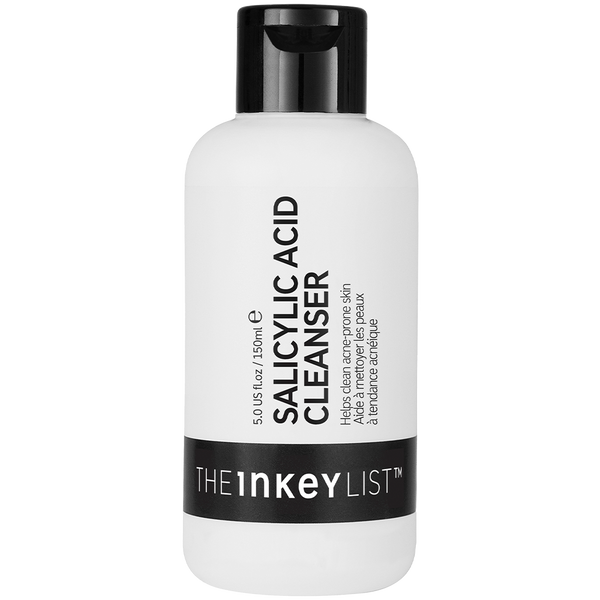
Can I Use a Salicylic Acid Cleanser With Retinol?
Yes, and this is actually one of the easier parts of the puzzle to solve, because a salicylic acid cleanser behaves quite differently from a leave-on salicylic acid serum.
The reason comes down to contact time. A serum is designed to stay on the skin, absorbing and working for hours. A cleanser, by contrast, is rinsed off within a minute or two of application. That shorter contact time generally makes a salicylic acid cleanser gentler to pair with retinol than a leave-on treatment would be, simply because the skin is not sitting with the active ingredient for an extended period.
That said, “gentler” does not mean “risk-free,” especially for beginner or sensitive skin. Using a salicylic acid cleanser on the same night you apply a retinol serum can still be more than some skin types are ready for in the early weeks. The safest starting point is to use your salicylic acid cleanser in the morning and save retinol for nighttime, keeping a full day of separation between the two even though the cleanser’s contact time is brief.
As your skin builds tolerance over several weeks, many people find they can comfortably use a salicylic acid cleanser both morning and night, every single day, while still applying retinol only a few nights per week. This works because the cleanser’s job is finished the moment you rinse it off, so it does not compound the way a leave-on retinol serum would if used too frequently too soon.
There are clear signs to watch for if this combination is moving too fast for your skin. Tightness, visible flaking, or a stinging sensation after cleansing on a night when you also plan to use retinol are all signals to pull back. If you notice any of these, simply increase the gap between your salicylic acid cleanser and your retinol application, or move the cleanser to mornings only until your skin feels more settled.
This naturally leads to the second half of this question, one that comes up just as often: can you use retinol after a salicylic acid face wash? For most people, yes, as long as the skin is fully dry and shows no signs of irritation before the retinol goes on. This detail about dryness matters more than people expect. Skin that is still damp from cleansing, or freshly cleansed and slightly flushed, tends to absorb active ingredients faster, which can increase the likelihood of sensitivity. Waiting a few extra minutes for your skin to fully dry after cleansing, before applying retinol, is a small step that can meaningfully reduce the chance of irritation.
If your skin falls into the more reactive category, the sensitive skin guidance is worth following closely here: start by keeping your salicylic acid cleanser and retinol on separate times of day entirely, and only consider combining them more closely once you have a few weeks of comfortable, irritation-free use behind you.
With cleanser timing now fully resolved, you have answers to the two biggest points of confusion in this entire topic. What is left is pulling everything together into something you can actually follow night by night, which is exactly what the next section lays out.
A Sample Routine: Salicylic Acid and Retinol Days
Theory is useful, but most people reading this want to know what to actually do tonight. Here is a simple, realistic weekly structure that puts everything from this guide into practice, using real steps you can follow starting now.
The basic framework: alternate salicylic acid nights for blemish-prone or oily concerns with retinol nights for fine lines and texture, and build in at least one recovery night if your skin tends to be reactive.
On salicylic acid nights:
- Cleanse as usual.
- Apply a salicylic acid serum, or use a dedicated salicylic acid cleanser as your wash step.
- Follow with a lightweight hydrator to offset any dryness the acid might cause.
On retinol nights:
- Cleanse and let skin dry fully.
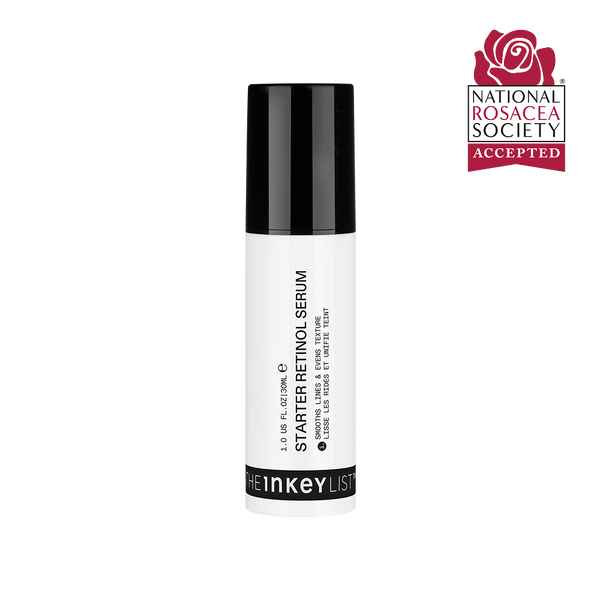
- Apply the Starter Retinol Serum, priced at $15.00 for 30ml, a gentle entry point designed for exactly this kind of alternating routine.
- Lock in moisture afterward with a gentle, hydrating moisturizer to support your skin barrier through the night.
A couple of ingredients fit into this routine regardless of which active night it is. Hyaluronic acid is safe to use every single morning, no matter which active you used the night before, since its job is simply to add and hold hydration rather than exfoliate or accelerate turnover. Niacinamide is similarly flexible and can be used daily, morning or night, to help support oil balance and calm the appearance of redness while your skin adjusts to a more active routine.
For anyone who wants to add an extra glow-focused step on the nights when neither salicylic acid nor retinol is in play, an exosome-based serum is worth exploring as an optional, non-active addition, used after cleansing and before moisturizer. This is a newer category in skincare, so a quick note on what it can actually do matters here. In clinical testing, 100% of participants saw more glowing skin, and users experienced clinic-worthy rejuvenated skin in just 14 days. Separate in-vitro testing of Cica Exosomes showed a 55% reduction in visible signs of skin stress, including redness, puffiness, and visible irritation, alongside a 63% increase in skin renewal activity within 8 hours. The formula is also described as 6-in-1 skin rejuvenation, clinically proven to visibly improve radiance, hydration, tone, firmness, elasticity, and texture, and is proven to deliver up to 12 hours of hydration*. It also helps support natural collagen production, making it a genuinely glow-boosting, rather than collagen-boosting, addition to a non-active night. If you want to understand exactly how exosomes pair with a retinol routine, this guide on boosting your retinol results with exosomes goes deeper into the science and sequencing.
4-week clinical study of 26 people. Clinical study of 31 people. In-vitro testing of Cica Exosomes showed a 55% reduction in pro-inflammatory markers and a 63% increase in markers associated with skin renewal after 8 hours.
With a full week mapped out, cleanser, active, hydrator, repeat, you have everything you need to start tonight. But no routine is entirely linear, and it is worth knowing what normal adjustment looks like versus what signals you need to ease off, which is exactly what comes next.
What to Watch For: Sensitivity, Purging, and When to Pull Back
Introducing any active ingredient comes with an adjustment period, and knowing what to expect takes most of the anxiety out of the process. Mild dryness, occasional flaking, or temporary redness in the first few weeks of combining salicylic acid and retinol is common, and in most cases it is a sign to slow your pace slightly, not a reason to stop using either ingredient altogether.
One of the most important distinctions to understand here is the difference between irritation and purging, because they look similar on the surface but mean very different things for how you should respond.
Purging shows up as small breakouts in the same areas where you would normally break out anyway. It tends to appear within the first couple of weeks of starting a new active and typically resolves within four to six weeks as your skin’s turnover rate speeds up and clears out congestion that was already building beneath the surface. It is, in a strange way, a sign that the ingredient is doing exactly what it is supposed to do, just faster than your skin’s natural timeline. For a full breakdown of how to tell purging apart from a genuine reaction, this complete guide to skin purging walks through it in detail.
Irritation is different. If your skin feels raw, unusually tight, or actively burns after applying either ingredient, that is irritation, not purging, and it is the clearest possible signal to pull back. The fix is straightforward: drop back to fewer active nights per week, or insert an additional recovery night using nothing but a gentle cleanser and moisturizer until your skin calms down.
The skin barrier needs consistency far more than it needs intensity. A slower, steadier introduction to actives almost always outperforms rushing in at full strength.
If you identify with sensitive skin, know that this combination is still very much available to you, it simply requires a slower on-ramp. Start with just one active, used two to three times a week, and give your skin two to three full weeks to adjust before introducing the second ingredient at all. There is no prize for rushing this process, and skin that is allowed to adjust gradually tends to tolerate both ingredients far better in the long run than skin that is pushed into a full routine on day one.
A few habits apply no matter your skin type or how long you have been using these ingredients. Always patch test anything new before it touches your full face. Always moisturize after using either active, every single time, without exception. And always wear daytime sun protection, since both salicylic acid and retinol can leave skin more reactive to UV exposure than usual. None of this needs to feel restrictive. It is simply the maintenance that keeps a powerful routine sustainable rather than something you abandon after a rough week.
It is also worth gently separating purging from an actual flare-up of acne. True acne tends to show up unpredictably and does not follow the same four-to-six-week resolution timeline that purging does. If breakouts are getting worse rather than better after six weeks, that is a sign to simplify your routine and give your skin more recovery time, rather than pushing forward with the same schedule.
Knowing what is normal and what is not takes most of the guesswork, and most of the worry, out of this entire process. With troubleshooting covered, the last stretch of this guide answers the quick, specific questions that tend to come up once someone is ready to actually commit to this routine.
The Bottom Line on Combining Salicylic Acid and Retinol
So, can you use salicylic acid with retinol? Yes, absolutely, and the key to doing it well has never been avoidance, it has always been timing. These two ingredients are not rivals competing for a spot in your routine. They are complementary tools that happen to share one trait, accelerating cell turnover, which simply means they need a little structure to coexist comfortably.
The simplest version of the rule, if you remember nothing else from this guide, is this: alternate the nights you use each active, or split them between morning and evening, and always finish with a hydrating moisturizer and daily sun protection. That one framework solves the overwhelming majority of the confusion and irritation people run into when combining these two ingredients.
More than any specific schedule, though, what matters most is starting slow and genuinely listening to how your skin responds. A perfect, rigid routine followed from day one matters far less than a flexible one that adjusts based on real feedback from your skin, whether that is a sign to slow down or a green light to add more frequency. Skincare does not need to be complicated to be effective. It just needs to be clear, consistent, and built around how your skin actually behaves, not how a routine looks on paper.
If you are ready to put this into practice, the Starter Retinol Serum is a gentle, accessible way to begin or continue a retinol routine built for exactly this kind of alternating schedule. If breakouts, blackheads, or oily congestion are more of your focus right now, it is worth exploring the full salicylic acid range to find the format, serum or cleanser, that fits your skin best. And if you would rather skip the guesswork entirely, take the skincare quiz for a personalized routine built around your specific skin and concerns.
Because at The INKEY List, we believe skincare should never feel like a puzzle you have to solve alone. We give a care, and that starts with making sure you always know exactly why, and how, to use what is in your routine.
Frequently Asked Questions
Got a question?
Our askINKEY team are a friendly bunch of skincare experts with deep product knowledge and zero judgement. Whether you're an ingredient obsessive or just starting out, we'll make it make sense. No question too big. No question too small. We Give A Care, Every Day.


