



Types of Acne Scars: How to Identify Yours (Ice Pick, Boxcar, Rolling & More)
Not all acne scars are the same - learn how to identify the different types of acne scars and post-blemish marks so you can choose the most effective skincare routine for your skin.
Author
askINKEY skincare advisor
Published
18 July, 2026
Time to read
10 minutes
The term “acne scar” gets used to describe a wide range of very different things - and the way you treat each one depends entirely on which type you actually have. A flat red mark left behind after a breakout is not the same as a deep pitted scar, and a raised firm nodule is not the same as a brown discoloration. Treating them all with the same approach is why so many people feel like nothing is working.
This guide covers every type of post-acne mark and structural scar in detail: what it is, how to identify it, what topical skincare can realistically achieve, and which ingredients are most relevant. Whether you are dealing with pitted atrophic scars - ice pick, boxcar, or rolling - raised hypertrophic or keloid scars, or the flat post-inflammatory discoloration known as PIE and PIH, this is the complete breakdown you need to identify your concern accurately and approach it the right way.
One of the most important clarifications to make upfront: true structural acne scars and post-blemish marks are frequently confused with each other. That confusion leads to the wrong ingredients, the wrong expectations, and unnecessary frustration. This guide separates them clearly and tells you exactly what topical skincare can and cannot do for each category.
Shop our Blemish Scars Collection for ingredient-led solutions formulated around each of the concerns covered below.
True Scars vs. Post-Blemish Marks: Why the Distinction Changes Everything
Most people use “acne scar” to mean any mark or change left on the skin after a breakout clears. That is understandable - but it is not accurate, and the inaccuracy matters. The reality is that the umbrella term covers two fundamentally different categories of skin concern, each requiring a different approach.
True structural scars involve physical damage to the collagen architecture beneath the skin’s surface. This damage happens during the wound-healing process that follows an inflammatory breakout. When a blemish ruptures beneath the skin, it triggers a complex cascade of events: inflammation, granulation tissue formation, and then matrix remodeling. According to clinical research on acne scar pathogenesis and classification, it is during this final stage of matrix remodeling that things can go wrong. If collagen is underproduced during the healing process, the skin cannot fill in the space left by the destroyed tissue - and the result is an atrophic or depressed scar. If collagen is overproduced, the skin builds up above the surface - creating a hypertrophic or keloid scar.
The defining feature of a true structural scar is texture. Run a clean fingertip lightly over your skin. If you can feel the irregularity - a pit, a dip, a raised firm area - you are dealing with structural scarring. The collagen framework has been disrupted.
Post-blemish marks, on the other hand, are flat. They have no texture. No collagen disruption has occurred. What you are seeing is either damaged or dilated blood vessels close to the skin’s surface (causing red or pink discoloration, known as post-inflammatory erythema or PIE), or an excess of melanin produced in response to inflammation (causing brown or dark discoloration, known as post-inflammatory hyperpigmentation or PIH). The skin’s architecture remains fully intact. This matters enormously, because intact collagen architecture means topical skincare can deliver real, visible results - something that is not true for all types of structural scarring.
The American Academy of Dermatology distinguishes between these categories clearly, noting that what most people call acne scars often includes both true scars and post-inflammatory changes that are technically not scars at all.
According to the Fabbrocini et al. classification study, approximately 80-90% of people with acne scars have atrophic (depressed) scars - the result of collagen loss. A minority present with hypertrophic or keloid scars. And the majority of people who believe they have acne scars are, in fact, dealing primarily with PIE or PIH - flat discoloration that, with the right approach, responds meaningfully to topical skincare. You can read our full guide to post-blemish marks and how to fade them for a comprehensive deep dive into PIE and PIH specifically.
Understanding which category you are in is the starting point for everything that follows. There are five main types of scarring that can follow a breakout - three atrophic, one hypertrophic, and one keloidal. Here is how to identify each one.
Atrophic Acne Scars: Ice Pick, Boxcar, and Rolling - Identified
Atrophic scars are the most common form of true structural acne scarring. They form when the wound-healing process following an inflammatory breakout fails to replace enough collagen to restore the skin to its previous structure. The result is a depressed or pitted area - skin that sits below the level of the surrounding surface. They are most common on the cheeks, temples, and forehead, where pore density and sebaceous gland concentration are highest.
There are three distinct subtypes of atrophic scar, each with a different shape, depth, and clinical profile. It is also common - and normal - to have more than one type present simultaneously. Identifying yours accurately matters because each subtype has a different response profile when it comes to topical skincare.
Ice Pick Acne Scars: Deep, Narrow, and the Hardest to Treat
Ice pick scars are the most common atrophic subtype, representing approximately 60-70% of all atrophic acne scars. Despite being the most prevalent, they are also the most challenging to address with topical skincare alone.
The name describes the appearance precisely. Ice pick scars are narrow - typically less than 2mm wide - and deep, extending vertically down into the dermis. Their profile is V-shaped: wider at the surface and tapering to a point below. From above, they can look like enlarged pores, but they are deeper and more sharply defined than ordinary pore openings.
They are most commonly found on the cheeks and occur most often as the result of cystic or nodular breakouts - the kind where infected material is forced downward through the follicle, destroying tissue along a narrow, deep channel as it goes. The deeper the original inflammation, the deeper the resulting scar tissue.
How to identify them: Look for distinct, narrow pits on the cheeks that appear to go straight down into the skin. Run a fingernail lightly across the area - you should be able to feel them as individual pits with clearly defined edges. They often look like the skin has been punctured by something very fine.
What topical skincare can realistically do: This is where honesty matters. Ice pick scars are the most difficult atrophic subtype to improve with topical ingredients. Their depth means that most actives cannot reach the structural damage. Our Retinol Serum and Glycolic Acid Toner can improve the overall appearance of the skin’s surface over time - supporting cell turnover and stimulating some collagen renewal - but meaningful improvement of the scar structure itself typically requires clinical procedures such as TCA CROSS, laser resurfacing, or punch excision. If ice pick scars are a significant concern, a board-certified dermatologist is the appropriate next step. You can read more about how retinol supports skin renewal and post-blemish marks in our dedicated guide.
Boxcar Acne Scars: Defined Edges, Flat Base, and Variable Depth
Boxcar scars represent approximately 20-30% of atrophic acne scars. They are broader than ice pick scars and have a distinctly different profile - round or oval depressions with sharply defined, near-vertical edges and a flat base. Think of them as U-shaped, rather than the V-shape of ice pick scars.
They can be shallow - between 0.1mm and 0.5mm deep - or deep, at 0.5mm or more, and are typically 1.5 to 4mm in diameter. This depth distinction is important: shallow boxcar scars respond significantly better to topical skincare than deep ones. They form most commonly on the temples and cheeks, the result of inflammatory breakouts that destroy dermal tissue over a wider but shallower area than the focused vertical destruction that causes ice pick scars.
How to identify them: Look for circular or oval depressions with visible, defined edges - as if a small circle of skin has been pushed down, leaving a clear rim around it. The base of the depression appears flat rather than pointed. Compared to ice pick scars, they appear wider and less deep.
What topical skincare can realistically do: Shallow boxcar scars offer the best response among atrophic subtypes to topical actives. Consistent use of our Retinol Serum - which stimulates fibroblast activity and supports new collagen formation in the PM - can produce visible improvement in the surface appearance of shallow boxcar scars over 3-6 months. Our Glycolic Acid Toner supports surface cell turnover through AHA exfoliation, which can soften the appearance of the scar’s edges. Deep boxcar scars are less responsive to topical treatment and are better addressed through clinical procedures such as fractional laser resurfacing or subcision.
Rolling Acne Scars: Wave-Like, Wide, and Caused by Tethering
Rolling scars account for approximately 15-25% of atrophic acne scars and have a very different visual character from ice pick and boxcar scars. Rather than distinct pits, rolling scars create a wave-like or undulating appearance across a broader area of skin.
They form through a mechanism that is unique among atrophic scar types: dermal tethering. Fibrous bands of scar tissue anchor the dermis to the subcutaneous tissue below, pulling the skin surface downward in multiple places and creating the rolling, rippled effect. Their profile is sometimes described as M-shaped. They are typically wider than 4-5mm and do not have the sharply defined edges of boxcar scars.
How to identify them: Rolling scars are often more visible in angled or side-on lighting than in direct frontal light. Look for skin that appears to have a wavy, uneven surface quality rather than distinct pits - areas where the texture looks irregular without clearly defined scar edges. They are most common on the cheeks and lower face.
What topical skincare can realistically do: Of the three atrophic subtypes, rolling scars are the most likely to show some improvement with topical actives, given that the depth of damage is generally less extreme than ice pick or deep boxcar scars. Retinol supports collagen renewal over time, and regular AHA exfoliation can soften surface texture. However, the fibrous dermal tethering that causes rolling scars requires clinical subcision - a procedure in which the fibrous bands are physically severed - for significant structural improvement. Topical skincare is a supportive tool here, not a standalone solution.
Scar Identification Summary
To help you identify your atrophic scar type at a glance:
- Ice pick: Narrow (under 2mm), deep, V-shaped pit you can feel distinctly. Looks like a puncture. Most common on cheeks. Very difficult to improve topically.
- Boxcar: Round or oval depression with a flat base and defined vertical edges. U-shaped. 1.5-4mm wide. Shallow ones respond reasonably well to retinol and AHAs; deep ones do not.
- Rolling: Broad, wave-like undulation across a wider area. No sharp edges. Caused by fibrous tethering beneath the skin. More visible in raking light. Some surface improvement possible topically; structural correction requires clinical subcision.
Atrophic scars form when collagen is lost during healing. But for some people, the healing process goes in the opposite direction - producing too much collagen, leading to raised scars that sit above the skin’s surface.
Hypertrophic Scars and Keloid Scars: When the Skin Overproduces Collagen
While atrophic scars result from a deficit of collagen during wound healing, hypertrophic and keloid scars result from an excess. These raised scar types are less common than atrophic scars in the context of acne, but they are important to recognize - particularly because keloids require a dermatologist’s input rather than a topical skincare approach.
Hypertrophic Scars
Hypertrophic scars form when the skin produces excess collagen during the healing process and the fibroblasts responsible for repair become overactive. The result is a raised, firm area that sits above the level of the surrounding skin. They are typically pink or red, smooth in texture, and most importantly - they stay within the original boundaries of the breakout site. That last point is the key distinction that separates hypertrophic scars from keloids.
They are more common on the chest, back, and jaw or lower face, where breakouts tend to be deeper and more inflammatory. A personal or family history of hypertrophic scarring increases your risk. Unlike keloids, hypertrophic scars can flatten and fade over time - months to years - without intervention, though this is not guaranteed.
Topical skincare plays a supportive role here rather than a corrective one. Keeping the area well hydrated, protected from UV exposure, and barrier-supported can help the natural fading process progress more smoothly. According to clinical research on scar pathogenesis, consistent skincare during the active remodeling phase of healing can assist the process, even if it cannot reverse the underlying structural change entirely.
Keloid Scars
Keloids represent a more significant form of excess-collagen scarring. Unlike hypertrophic scars, keloids actively grow beyond the borders of the original wound - sometimes spreading significantly into the surrounding skin. They appear as raised, firm nodules that may be pink, red, or darker than the surrounding skin, and they can itch, feel tender, or cause discomfort.
Keloids are more common in people with medium to deeper skin tones, though they can affect anyone with a genetic predisposition toward them. They occur most often on the chest, shoulders, and earlobes - less frequently on the face - but are not limited to these areas. Critically, keloids do not resolve on their own and are not meaningfully responsive to topical skincare. Anyone who suspects they have a keloid should see a board-certified dermatologist, as clinical approaches such as intralesional steroid injections, cryotherapy, or laser treatment are required.
The AAD is explicit that keloids require professional management and should not be left untreated, as they can grow over time.
Key Facts: Hypertrophic vs. Keloid
- Hypertrophic: Raised, firm, pink or red. Stays within original wound borders. May flatten and fade over time. Some topical support is helpful.
- Keloid: Raised, firm, may itch or be tender. Grows beyond original wound borders. Does not resolve on its own. Requires dermatologist input.
- Who is most at risk: Individuals with a genetic predisposition, a personal or family history of raised scars, deeper skin tones, and those who experience deep, cystic breakouts.
Most people dealing with what they call acne scars are not dealing with structural scarring at all. They are dealing with post-blemish marks - flat discoloration that responds well to the right topical approach. Here is what that actually means.
PIE and PIH: The Most Common Post-Acne Concern (And Not a True Scar)
If you have flat marks on your skin after a breakout - no texture, no depth, nothing you can feel when you run your finger across them - you are most likely dealing with post-inflammatory erythema (PIE) or post-inflammatory hyperpigmentation (PIH). These are not structural scars. They are the skin’s inflammation response, and because the collagen architecture is completely intact, topical skincare can deliver meaningful, visible results.
Understanding this distinction is genuinely reassuring for most people. The vast majority of what gets described as “acne scars” in everyday conversation falls into this category - and with the right ingredients and consistent use, these marks can be significantly faded. Head to our complete guide to post-blemish marks, PIE, PIH, and how to fade themfor a full ingredient breakdown and routine builder.
Post-Inflammatory Erythema (PIE)
PIE presents as red, pink, or purple flat marks left behind after a breakout. The color comes from damaged or dilated blood vessels close to the skin’s surface - a vascular response to the inflammation that accompanied the original breakout. PIE is more visible in lighter skin tones and tends to be the dominant post-acne concern for people with fair to medium complexions.
The simplest way to identify PIE is the press test: firmly press a fingertip onto the mark and hold for a moment. If the color disappears briefly when you press - it blanches - that is PIE. The blanching happens because you are temporarily forcing the blood out of the dilated vessels beneath the skin.
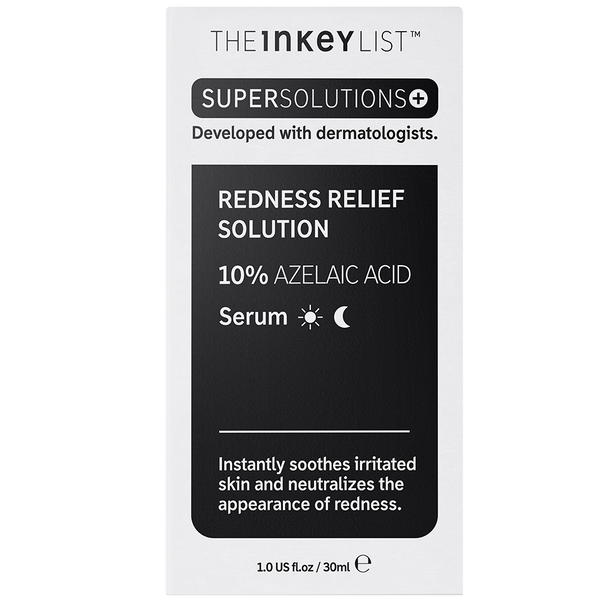
Our 10% Azelaic Acid Serum for Redness Relief is specifically formulated for vascular redness and PIE. Azelaic acid has clinically documented anti-inflammatory and anti-vascular properties that make it well suited to this concern. You can read more about what azelaic acid does for post-acne marks in our dedicated article. Our 20% Niacinamide Serumis also highly relevant here, as niacinamide calms inflammation and supports the skin barrier - both of which assist in the fading process.
Post-Inflammatory Hyperpigmentation (PIH)
PIH presents as brown, dark brown, or gray-brown flat marks. The color comes from an overproduction of melanin - the pigment that gives skin its color - triggered by the inflammation response. When inflammation occurs, melanocytes (the cells responsible for melanin production) can become overactive, depositing excess pigment in the surrounding skin.
PIH is more common and tends to be more pronounced in medium to deeper skin tones, though it can affect all skin tones. It is also more persistent than PIE and does not blanch when pressed. If you press on a dark flat mark and the color stays constant, that is PIH.
UV exposure is the single biggest obstacle to fading PIH. Sun exposure stimulates melanin production, which actively works against any brightening ingredient you apply. Daily broad-spectrum SPF 30 or higher is non-negotiable if you are targeting PIH - without it, even the most effective brightening ingredients cannot fully do their job.
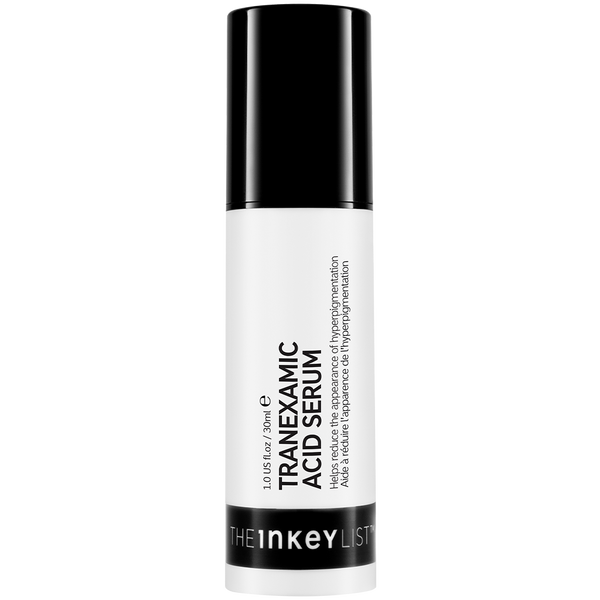
Our Tranexamic Acid Serum ($19) is the hero ingredient for PIH. Tranexamic acid works by blocking the signaling pathways that trigger excess melanin production - addressing the source of the pigmentation rather than just the surface. You can learn more about how tranexamic acid works and why it is one of the most effective ingredients available for this concern. For a comprehensive overview of how to approach PIH, see our hyperpigmentation guide.
PIE vs. PIH at a Glance
-
PIE - Post-Inflammatory Erythema:
- Appearance: Red, pink, or purple flat mark
- Cause: Damaged or dilated blood vessels near the skin’s surface
- Skin tones most affected: More visible in lighter skin tones
- Press test result: Blanches (color disappears temporarily)
- Key ingredients: Azelaic acid, niacinamide
-
PIH - Post-Inflammatory Hyperpigmentation:
- Appearance: Brown, dark brown, or gray-brown flat mark
- Cause: Excess melanin production triggered by inflammation
- Skin tones most affected: More common and pronounced in medium to deeper skin tones
- Press test result: Does not blanch
- Key ingredients: Tranexamic acid, niacinamide, Vitamin C, glycolic acid
Many people have both PIE and PIH simultaneously. In that case, the press test on different marks will give different results - some will blanch, some will not. This is completely normal and very common.
Now that you know what each type looks like in theory, here is a practical self-assessment guide to help you work out which type - or combination of types - you are most likely dealing with.
A Self-Assessment Guide: Which Type of Acne Scar Do You Have?
The following is a structured guide you can work through right now. You will need good light - natural daylight is ideal - and clean, dry skin. Read each step and apply it to the area you are concerned about.
Note: Self-assessment is a useful starting point but has real limitations. Combinations of scar types are common. If you are uncertain about what you are seeing, a board-certified dermatologist can give a definitive clinical assessment.
Step 1: Is the mark flat, or does it have texture?
Run a clean fingertip slowly and lightly over the area of concern. Be deliberate.
- If the skin feels smooth and there is no depth or elevation when you touch it - you are most likely dealing with PIE or PIH, not a structural scar. Go to Step 5.
- If you can feel a pit, a depression, or a raised area - you are dealing with a structural scar. Go to Step 2.
Step 2: Is the texture pitted (going into the skin) or raised (coming up from the skin)?
- If the skin dips down beneath the surrounding surface (pitted or depressed): you have an atrophic scar. Go to Step 3.
- If the skin rises above the surrounding surface (a firm raised area): you have a hypertrophic or keloid scar. Go to Step 4.
Step 3: What kind of atrophic scar is it?
Look closely in good light - a hand mirror in natural light works well. Touch the area carefully.
- Narrow (under 2mm), very deep pit with clearly defined edges - almost like a hole in the skin: Likely an ice pick scar. You may be able to feel it distinctly as a sharp pit under your fingertip.
- Round or oval depression with a flat base and visible, defined edges, wider than an ice pick pit (roughly 1.5-4mm): Likely a boxcar scar. Try to assess whether it is shallow (less than 0.5mm deep) or deeper.
- Broad, wave-like or rolling texture over a wider area, no sharp pit edges, more visible in side-on light: Likely rolling scars.
- Combination of the above: Very common. Many people have ice pick scars and boxcar scars on the same area. Note what is most dominant.
Step 4: Raised scars - hypertrophic or keloid?
- Raised, firm, pink or red, and the raised area stays within the footprint of the original breakout site: Likely hypertrophic. Can flatten over time.
- Raised, firm, growing beyond the borders of the original breakout, possibly itching or tender: Possibly a keloid. Seek input from a board-certified dermatologist. Do not attempt to treat with active skincare ingredients until you have a professional assessment.
Step 5: PIE or PIH?
Press a fingertip firmly onto the flat mark and hold for two or three seconds.
- Color disappears while you press and returns when you lift your finger: PIE (post-inflammatory erythema). Vascular discoloration.
- Color stays constant when pressed - no change: PIH (post-inflammatory hyperpigmentation). Melanin-based discoloration.
- You get different results on different marks: You likely have both PIE and PIH simultaneously.
For a personalized assessment starting point for acne-prone skin, our Breakout Analyser Pro is designed to help you understand your skin’s individual patterns. You can also take our Skincare Quiz to receive a routine tailored to your specific concern. For visual reference and additional identification support, Healthline’s overview of acne scar typesprovides helpful guidance.
Once you have identified your scar type, the next question is what topical skincare can realistically do - and where its limits are. Here is an honest breakdown by scar category.
What Topical Skincare Can (and Cannot) Do: Ingredients and Products by Scar Type
This is the most important section for anyone looking to build an effective routine. The core principle is this: be honest about what topical skincare is and is not capable of. Overselling it leads to disappointment; underselling it means missing out on real results where they are achievable.
For Atrophic Acne Scars (Ice Pick, Boxcar, Rolling)
Topical skincare cannot restructure damaged collagen or fill in pitted scars. It cannot replicate what clinical procedures achieve. What it can do - and this matters - is support new collagen production over time, accelerate surface cell turnover to improve texture, and reduce the appearance of any associated discoloration.
For ice pick scars specifically: Set realistic expectations. The structural element of ice pick scars is unlikely to improve meaningfully through topical skincare alone, given the depth of the damage. That said, the surface skin around ice pick scars can appear smoother and more even with consistent retinol and glycolic acid use. Any associated discoloration (PIE or PIH) will respond well to the appropriate ingredients outlined below. For significant structural improvement, a dermatologist consultation is the appropriate step.
For shallow boxcar and rolling scars: This is where topical actives deliver more meaningful results. With consistent use over 3-6 months:
- Our Retinol Serum works by stimulating fibroblast activity and supporting new collagen synthesis overnight. This is a slow, cumulative process - but it is a real one. Use PM only, and introduce gradually.
- Our Glycolic Acid Toner accelerates surface cell turnover through AHA exfoliation, improving the overall texture of the skin and helping to soften the appearance of scar edges. Use PM, 2-3 times per week. Avoid using on the same nights as retinol until your skin has built tolerance for both.
For deep boxcar scars, topical skincare alone is unlikely to produce significant change, and professional options should be explored. Read our guide on how to approach acne scars naturally and with topical ingredients for more context on realistic expectations.
For Hypertrophic Scars
Topical skincare plays a supportive role rather than a corrective one. The most helpful approaches are:
- Keeping the area consistently hydrated to support the skin’s natural remodeling process.
- Protecting the scar from UV exposure with a daily broad-spectrum SPF 30 or higher - UV stimulates melanin production and can worsen any associated discoloration, slowing the natural fading of hypertrophic scars.
- Maintaining a strong skin barrier with a ceramide-based moisturizer.
For keloid scars, topical skincare is not an appropriate primary treatment. Please see a board-certified dermatologist for clinical management.
For Post-Blemish Marks - PIH (Brown and Dark Marks)
This is where topical skincare delivers real, visible, evidence-based results. PIH responds well to ingredients that address melanin production and surface cell turnover.
- Our Tranexamic Acid Serum ($19): The most targeted ingredient for PIH. Tranexamic acid works by interrupting the signaling pathway between keratinocytes and melanocytes that drives excess melanin production - blocking the stimulus at the source rather than simply trying to lighten pigmentation after the fact. Use AM and PM. This is the cornerstone ingredient for a PIH-targeting routine.
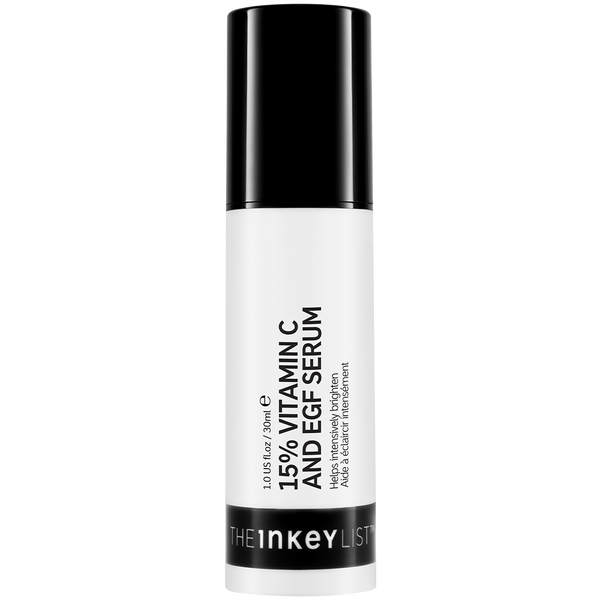
- Our 15% Vitamin C + EGF Serum ($20): Vitamin C inhibits tyrosinase, the enzyme that drives melanin synthesis, and provides antioxidant defense against UV-triggered free radical damage that worsens PIH. Use AM only. Learn more about how Vitamin C works for skin.
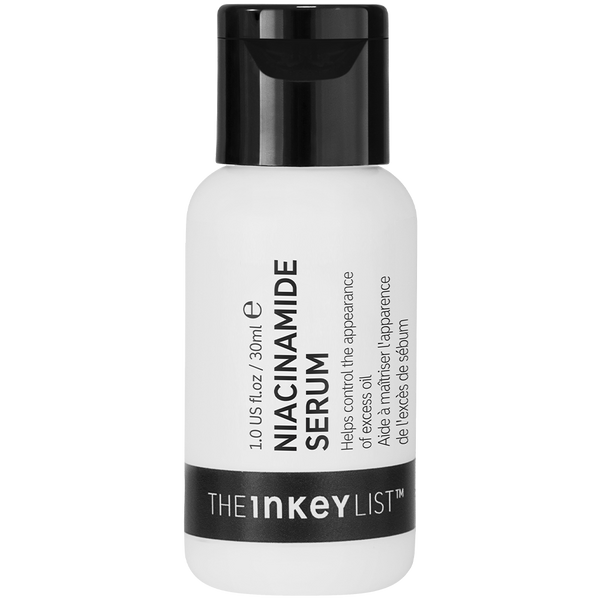
- Our 20% Niacinamide Serum ($13): Niacinamide reduces inflammation - which is the initial trigger for excess melanin - and helps regulate melanin transfer within the skin. It is well tolerated by most skin types and can be used AM and PM.
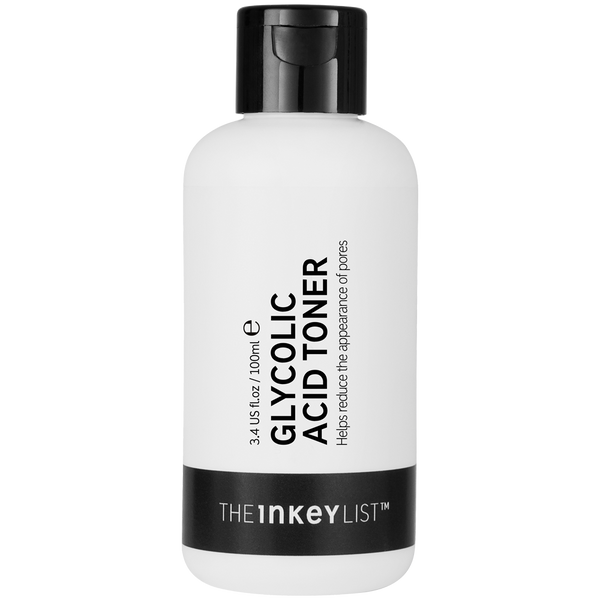
- Our Glycolic Acid Toner ($18): Accelerates the shedding of pigmented surface skin cells, helping to reveal fresher skin beneath and speed up the fading process. Use PM, 2-3 times per week.
- Our Retinol Serum: Supports long-term cell turnover and skin renewal. A PM staple for PIH alongside or alternated with glycolic acid.
Remember: daily broad-spectrum SPF 30 or higher is not optional. UV exposure is the most significant barrier to PIH fading. No brightening routine can work to its full potential without consistent sun protection.
For Post-Blemish Marks - PIE (Red and Pink Marks)
- Our 10% Azelaic Acid Serum for Redness Relief ($20): Azelaic acid has clinically documented anti-inflammatory and anti-vascular action that makes it the most targeted topical ingredient for PIE. It calms the vascular response and reduces redness over time. Use AM and PM. Read more in our article on whether azelaic acid helps with acne scars and marks.
- Our 20% Niacinamide Serum ($13): Anti-inflammatory and barrier-strengthening. Works well alongside azelaic acid for PIE. AM and PM.
For Active Breakouts and Post-Blemish Marks at the Same Time
Many people are managing both active breakouts and existing marks simultaneously. In that case, your routine needs to address both the source of new marks and the existing discoloration.
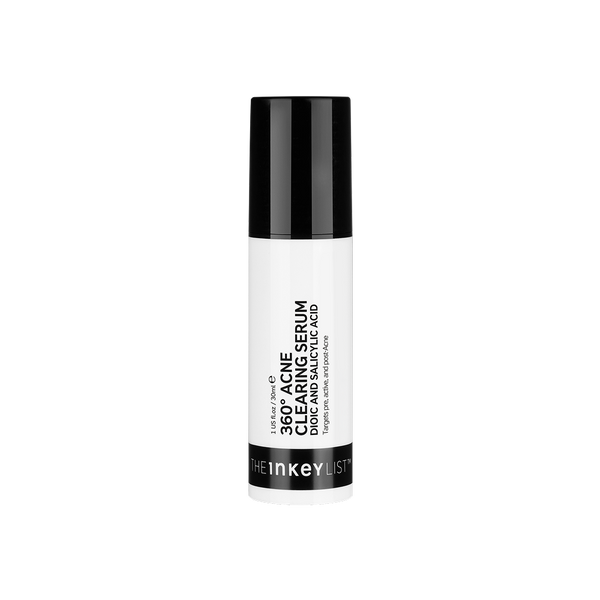
- Our 360 Acne Clearing Serum ($18): Formulated to work across all three stages of the acne cycle, including post-breakout mark fading, using a combination of 1% Dioic Acid and 2% Salicylic Acid. This makes it a practical all-in-one option for acne-prone skin dealing with both active breakouts and existing marks.
- Our Salicylic Acid Cleanser: A daily BHA-based cleanse that helps keep pores clear and reduces the frequency of future breakouts, directly lowering your risk of new marks forming.
- Our Hydrocolloid Invisible Pimple Patches: One of the most effective things you can do to reduce future mark formation is to protect active breakouts from being picked or squeezed. These patches absorb fluid, protect the blemish from external interference, and dramatically reduce the likelihood of a deep mark forming.
Read our article on what salicylic acid can do for acne scars for more on how BHA exfoliation fits into an acne scar approach.
Knowing your scar type and the right ingredients is the starting point. But there are situations where topical skincare alone is not enough - and recognizing those situations is just as important.
When to See a Dermatologist {#when-to-see-a-dermatologist}
INKEY’s position is straightforward on this: topical skincare has a real and meaningful role to play for many post-acne concerns, but it also has limits. Knowing when to seek professional input is not a failure - it is the most informed decision you can make.
Seek input from a board-certified dermatologist if:
- You have moderate to severe ice pick scars that are significantly impacting your confidence or daily life.
- You have deep boxcar scars that have not shown improvement after 3-6 months of a consistent, well-formulated topical routine.
- You have any raised scar that may be a keloid - particularly if it is growing, itching, spreading beyond the original wound site, or causing discomfort.
- Your post-blemish marks (PIE or PIH) have not improved meaningfully after 3-4 months of a consistent routine that includes daily SPF.
- You are currently experiencing active cystic or nodular breakouts. Treating the underlying cause aggressively and early - with professional support - is the most effective strategy for preventing future scarring.
Clinical options for structural acne scars (a brief overview - not an exhaustive treatment guide):
- For atrophic scars (ice pick, boxcar, rolling): Fractional laser resurfacing, ablative CO2 laser, TCA CROSS (particularly effective for ice pick scars), microneedling, subcision (specifically for rolling scars), and punch excision. These are clinical procedures that require professional assessment and administration.
- For hypertrophic and keloid scars: Intralesional steroid injections, cryotherapy, pulsed dye laser, and in some cases surgical approaches. Refer to published research on acne scar management for clinical background on outcomes and methods.
The American Academy of Dermatology provides comprehensive guidance on when acne scar treatment is appropriate to seek professionally, including an overview of the clinical options available.
What This All Means for Your Skin
Acne scars are not one thing - they are at least five different things, each with a different structure, different cause, and different response profile. Getting the identification right is the essential first step, because the right approach for ice pick scars is fundamentally different from the right approach for PIH, and treating them interchangeably is why so many routines feel ineffective.
For the majority of people dealing with what they call acne scars, the primary concern is PIE or PIH - flat discoloration with no structural damage. This responds meaningfully to ingredient-led skincare. Tranexamic acid for PIH, azelaic acid for PIE, niacinamide for both, consistent AHA exfoliation, and daily SPF: these are the tools that deliver real results for the most common post-acne concern, typically within weeks to months of consistent use.
For true structural scars - atrophic or raised - topical skincare plays an honest supporting role. It can improve surface texture, support collagen renewal, fade associated discoloration, and keep the skin barrier healthy. Shallow boxcar and rolling scars can show genuine improvement with a well-formulated retinol and AHA routine over time. Ice pick scars and deep boxcar scars are better served by a combination of topical support and a conversation with a board-certified dermatologist about clinical options.
The most empowering thing you can do is know exactly what you are dealing with. Clear information, the right ingredients, consistent application, and daily sun protection: that combination is what creates real progress.
Where to Go Next
Ready to take the next step? Here is how to continue:
- Shop our Blemish Scars Collection - ingredient-led products for every type of post-acne concern
- Take our Skincare Quiz - get a personalized routine built around your specific skin concerns
- Build Your Own Routine and Save Up to 20% - create a complete routine at a better price
- Read our full guide to post-blemish marks - the comprehensive resource for PIE, PIH, and how to fade them
Frequently Asked Questions
Got a question?
Our askINKEY team are a friendly bunch of skincare experts with deep product knowledge and zero judgement. Whether you're an ingredient obsessive or just starting out, we'll make it make sense. No question too big. No question too small. We Give A Care, Every Day.


