



Best Vitamin C Skincare Routine for Beginners: Your Complete Step-by-Step Guide
New to Vitamin C? Discover a simple beginner-friendly skincare routine, learn how to introduce Vitamin C correctly, and build brighter, healthier-looking skin with confidence.
Author
askINKEY skincare advisor
Published
09 July, 2026
Time to read
15 minutes
This guide covers everything a beginner needs to know about how to use vitamin C serum: how to build a complete AM and PM routine, how to choose the right product, how to introduce it without overwhelming your skin, and the most common mistakes to avoid. Vitamin C is one of the most clinically validated brightening ingredients in skincare - it brightens dull skin, fades dark spots and post-blemish marks, and provides antioxidant protection against UV and pollution every single day. This guide is built around two products: the 15% Vitamin C + EGF Serum ($20) and the Vitamin B, C & E Moisturiser ($14) - a straightforward pairing designed specifically for beginners. For a deeper look at the ingredient science, visit our Vitamin C guide. By the end of this post, you will have a complete, actionable routine you can start today.
What Vitamin C Actually Does for Your Skin - And Why Beginners Should Care
Vitamin C is not a trend. It is one of the most extensively studied topical skincare ingredients available, backed by decades of clinical research and used routinely by dermatologists as a first-line recommendation for brightening and antioxidant protection. For a beginner stepping into the world of actives, that kind of track record matters. You are not experimenting with something unproven - you are adding one of the most reliable ingredients in skin science to your routine.
Understanding what vitamin C actually does at a skin level is the first step toward using it correctly. There are three core benefits that make it so widely recommended.
First: brightening. Vitamin C suppresses excess melanin production in the skin - the pigment responsible for dull, uneven tone. When melanin is overproduced (due to sun exposure, hormonal changes, or post-inflammatory response from breakouts), it shows up as dark spots, uneven patches, and a general flatness to the complexion. Vitamin C works by inhibiting an enzyme called tyrosinase - the biological trigger for melanin synthesis. Inhibit tyrosinase, and you slow the production of the pigment at its source. Healthline’s overview of vitamin C serum benefits covers this mechanism clearly for anyone who wants to go further on the science.
Second: fading dark spots and post-blemish marks. This connects directly to the tyrosinase mechanism above. Whether the discoloration comes from sun damage, old acne marks, or post-inflammatory hyperpigmentation, vitamin C addresses the root enzymatic process. Over consistent daily use, this translates to visibly more even skin tone and a reduction in the specific marks that make skin look older or uneven.
Third: antioxidant protection. This is the benefit that is most often undersold in beginner guides - and arguably the most important one. Every day, your skin is exposed to UV radiation, pollution, and environmental stressors that generate free radicals. Free radicals are unstable molecules that damage skin cells, break down collagen, and accelerate the visible signs of aging. Vitamin C is a powerful antioxidant that neutralizes these free radicals before they can cause harm. This is exactly why morning use is where vitamin C earns its place - the threat is a daytime one, and you want the protection in place before you step outside.
Not all vitamin C is the same, and this is where many beginners make their first misstep. L-Ascorbic Acid is the most potent and most studied form, but it is also the most unstable - it oxidizes quickly, can cause stinging and redness, and tends to be too reactive for beginners or those with sensitive skin. Ascorbyl Glucoside is a stabilized derivative that converts to active vitamin C directly on skin contact. It delivers the same brightening and antioxidant action with significantly less irritation risk, making it the ideal starting form for anyone new to vitamin C.
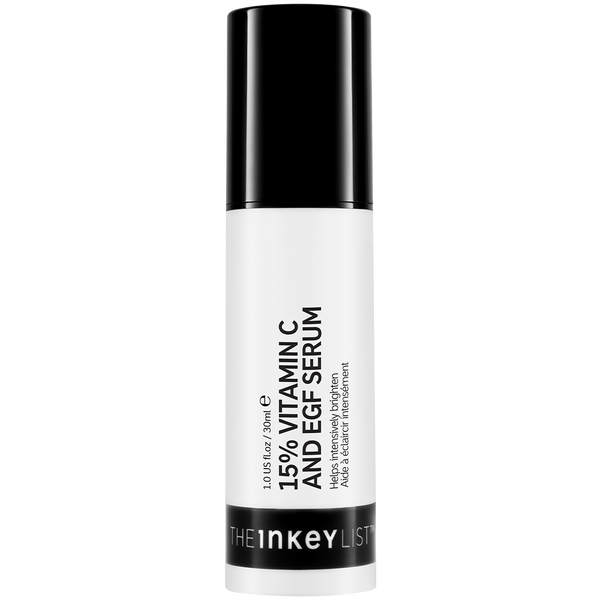
The 15% Vitamin C + EGF Serum is built around 15% Ascorbyl Glucoside, making it both effective and genuinely beginner-friendly. The formula also contains 1% Epitensive EGF - Epidermal Growth Factor, a peptide that supports skin renewal and elasticity. EGF works alongside the brightening action of vitamin C to improve the skin’s overall texture and firmness, adding a second dimension to what the serum delivers beyond tone correction alone.
The clinical proof is direct: in an independent 4-week consumer trial of 64 participants, 87% agreed their skin looks brighter, 88% saw a visible improvement in tone and texture, and 84% agreed their skin looks healthier and less dull. Those results come from daily, consistent use of this serum as part of a morning routine.
For the complete breakdown of vitamin C’s ingredient science, including its stability profile, concentration research, and mechanism studies, see our complete Vitamin C ingredient guide.
Knowing what vitamin C does is the foundation - but knowing which form to choose, and why, is where most beginners go wrong before they even open the bottle.
How to Choose the Right Vitamin C Serum as a Beginner
There is a lot of conflicting information out there about vitamin C serums - which concentration is best, which form is safest, whether a higher percentage is always better. For a beginner, this can turn what should be a straightforward decision into a full research spiral. The reality is simpler than the internet makes it seem.
Vitamin C form matters more than concentration. Two serums can both say “15% Vitamin C” on the front and behave completely differently on skin, because the form of vitamin C determines its stability, its delivery mechanism, and its tolerability profile. Here is a plain breakdown of the three most relevant forms for beginners:
-
L-Ascorbic Acid - The most potent and most studied form of vitamin C. It works quickly and at relatively low concentrations. The problem: it is highly unstable. It oxidizes rapidly when exposed to light, air, or heat, turning orange or brown and losing efficacy. It can also cause stinging, redness, and flushing - especially at higher concentrations - making it a difficult starting point for beginners or anyone with reactive skin.
-
Ascorbyl Glucoside - A stabilized derivative that converts to active vitamin C on contact with the skin. It is significantly gentler than L-Ascorbic Acid, more resistant to oxidation, and effective across a wide range of skin types including sensitive skin. This is the form used in the 15% Vitamin C + EGF Serum, and it is the right starting form for most beginners.
-
Sodium Ascorbyl Phosphate - An even gentler, water-soluble form of vitamin C used in lower concentrations as a daily maintenance and supporting dose. This is the form used in the Vitamin B, C & E Moisturiser - a natural entry point for anyone who wants to introduce vitamin C in the most gradual possible way before committing to a dedicated serum step.
On concentration: 15% is a clinically relevant sweet spot for visible results. It is effective enough to deliver measurable brightening and antioxidant benefit, but not so concentrated as to introduce irritation risk, particularly with the Ascorbyl Glucoside form. For beginners, this is exactly where you want to be - not under-dosed, not over-concentrated.
One of the most common beginner anxieties around vitamin C serums is the fear of reactions: burning, stinging, going orange, or breaking out. With L-Ascorbic Acid at high concentrations, those concerns have real basis. With Ascorbyl Glucoside at 15%, they are largely removed. The 15% Vitamin C + EGF Serum is specifically noted as suitable for sensitive skin, and it is confirmed safe for use during pregnancy and breastfeeding - a level of tolerability that speaks to how gentle the formula genuinely is. If you have sensitive skin and want the full picture before committing, see our guide on using vitamin C on sensitive skin.
If you want to take an even softer entry into vitamin C, the Vitamin B, C & E Moisturiser ($14) is the lowest-friction option. It requires no additional step in your routine - it simply replaces your existing moisturizer - and it delivers a lower concentration of vitamin C alongside Niacinamide and Vitamin E as a daily maintenance dose. Many beginners start here for 2-4 weeks, then add the serum once their skin is comfortable with the ingredient.
The American Academy of Dermatology recommends patch testing any new active before applying it to your full face - a simple step that takes 24 hours and can save you from unnecessary irritation. We cover how to do this properly in the introduction schedule below.
To browse the full range of vitamin C options across formats and concentrations, visit the INKEY Vitamin C collection.
Now that you know what to look for and what to pick, the next step is building the actual routine - step by step, morning and evening, with no guesswork.
Your Complete Vitamin C Skincare Routine - Step by Step (AM and PM)
This is the core of how to use vitamin C serum as a beginner: the actual steps, in the right order, with the technique details that make the difference between a routine that works and one that doesn’t.
Morning Routine - Where Vitamin C Belongs
Morning is the right time for vitamin C. Its antioxidant protection is designed to defend against UV exposure and pollution - threats that are active during the day. Applying it at night means the protection is in place when your skin doesn’t need it. Apply it in the morning, every morning, and it is working when it counts.
Here is the full AM routine, step by step:
Step 1: Cleanse
Start with a gentle cleanse to clear overnight oils and prep your skin for actives. The Oat Cleansing Balm ($17) is a gentle, non-stripping option that leaves skin clean without disrupting the skin barrier. After rinsing, pat your face with a clean towel - but not fully dry. You want the skin to be slightly damp at this stage. Not dripping wet, not bone dry - just the residual moisture left after a light pat. This matters for the next step.
Step 2: Apply the 15% Vitamin C + EGF Serum
This is the most important step in the routine, and technique makes a real difference here.
- Use a pea-sized amount. That is genuinely all you need for the full face and neck.
- Dispense onto your fingertips, not your palms - palms absorb too much product.
- Pat the serum gently into slightly damp skin. Do not rub or massage in circular motions - patting keeps the formula where it needs to be and reduces surface sensitivity.
- Wait 60 seconds before applying anything else. This gives the serum time to absorb fully, prevents pilling with the next layer, and maximizes efficacy.
The slightly damp skin application is one of the most impactful beginner adjustments you can make. It improves absorption, helps the formula work more efficiently, and reduces any chance of surface sensitivity for first-time users.
INKEY Tip: Apply your vitamin C serum to slightly damp skin. It absorbs better, works harder, and reduces any chance of surface sensitivity.
Step 3: Additional Serums (Optional)
If you use other serums - a Hyaluronic Acid Serum, for example - this is where they go. The rule is thinnest to thickest: apply the lightest formula first (vitamin C), then layer heavier serums on top. Always wait 60 seconds between serum layers to prevent pilling and allow proper absorption.
Step 4: Moisturizer
Apply the Vitamin B, C & E Moisturiser ($14) as your moisturizing step. This product earns its place in this routine because it is specifically formulated to work alongside a vitamin C serum. It contains Niacinamide (to support barrier function and calm uneven tone), Vitamin C in the form of Sodium Ascorbyl Phosphate (a lower-concentration daily maintenance dose), and Vitamin E (a complementary antioxidant that reinforces and stabilizes vitamin C). Together, they extend the brightening work of the serum throughout the day. It is a purposeful pairing, not just a convenient one.
Step 5: SPF - Non-Negotiable
Apply the SOPF as the final step in your morning routine. Every morning. No exceptions.
Here is why SPF is non-negotiable after vitamin C: vitamin C works by suppressing melanin production. UV exposure is one of the primary triggers of that same melanin production. If you apply vitamin C in the morning and then step outside without SPF, UV radiation is actively working against the brightening progress your serum is building. You are essentially running in two directions at once. SPF is not an optional add-on to a vitamin C routine - it is the step that makes everything else work. Explore the full SPF collection to find the right sunscreen for your skin type.
For the full breakdown of why morning use beats evening for vitamin C, see our guide on when to use vitamin C serum.
Evening Routine - Supporting Your Morning Work
Vitamin C is an AM ingredient. Do not include the vitamin C serum in your PM routine - the antioxidant protection it offers is not relevant while you are sleeping, and nighttime is when your skin benefits most from restorative actives like retinol.
A simple PM routine to support your morning vitamin C habit:
- If you wore SPF or makeup during the day, double cleanse. Use the Oat Cleansing Balm as your first cleanse to fully remove sunscreen and product before following with a second cleanse.
- Apply any PM-specific serums. If you are incorporating retinol into your routine, the Retinol Serum goes here - in the PM, completely separate from your vitamin C. Vitamin C and retinol should never be in the same routine. For the full explanation of why and how to schedule them, see our guide on using vitamin C and retinol together.
- Moisturize with the Vitamin B, C & E Moisturiser - it works equally well AM and PM as your daily moisturizing step.
For a broader framework covering how to structure a full skincare routine from scratch, the INKEY skincare routine guideis the right starting point.
Knowing the routine is half the picture - knowing how to introduce it without rushing is the other half. The next section gives beginners a week-by-week schedule to build vitamin C into their routine gradually.
Week-by-Week Introduction Schedule for Vitamin C Beginners
The most common beginner mistake is not using vitamin C wrong - it is going too fast. Introducing any new active to your skin too quickly can cause unnecessary sensitivity, and that sensitivity often gets misattributed to the product itself. The truth is that most skin needs a short adjustment window when introducing any new active ingredient, and a gradual introduction essentially eliminates that risk.
Here is a simple four-week schedule for getting started.
Week 1 - Every Other Morning
Before your first application, patch test. Apply a small amount of the serum to the inside of your wrist or behind your ear and leave it for 24 hours. If there is no reaction, you are ready to start.
If you are completely new to actives and want the gentlest possible entry point, begin week one with the Vitamin B, C & E Moisturiser as your only vitamin C touchpoint. It replaces your existing moisturizer with no additional steps, and it lets your skin adjust to the ingredient at a lower concentration before you introduce the serum.
If you are ready to start with the serum from day one, use the 15% Vitamin C + EGF Serum every other morning only. On off-days, follow your regular cleanse and moisturize routine without the serum. Always follow with SPF on mornings you apply vitamin C.
Week 2 - Continue Every Other Morning, Observe
Stay at the every-other-morning frequency through week two and pay attention to how your skin is responding. Most beginners notice a subtle early glow lift somewhere between days 10 and 14 - a slightly more even, more awake-looking complexion than before. This is the serum beginning to work.
If your skin has shown no sensitivity - no redness, no itchiness, no unusual dryness - you are on track to move toward daily use. If you notice any mild sensitivity, stay at every other morning for another week. Mild sensitivity in week one or two is not a sign that vitamin C is wrong for your skin. It is a sign that your skin needs a slightly longer adjustment window. That is normal and temporary.
Week 3 - Build to Daily Use
If week two confirmed that your skin is tolerating the serum well, move to daily morning use in week three. The full AM routine applies every morning: cleanse, serum, optional additional serums, moisturizer, SPF. If you started week one with just the moisturizer and have not yet added the serum, week three is the right time to introduce it every other morning while keeping the moisturizer as your daily step.
Week 4 and Beyond - Daily Use Becomes the Habit
From week four onward, daily morning use is where the results compound. The clinical data is encouraging here: in an independent 4-week consumer trial of 64 participants, 87% of users saw brighter skin and 88% saw improved tone and texture. Those results come from consistent daily use - and they represent only the beginning. Darker spots and deeper pigmentation changes typically show the most significant improvement between weeks six and eight of daily use.
At a pea-sized amount per application, a 30ml bottle of the serum lasts approximately two to three months at daily use. That single bottle covers the initial brightness gain at weeks two to four and the deeper tone correction that emerges at weeks six to eight.
One important note for week one and beyond: do not introduce any other new actives in the same week you start vitamin C. If you are planning to add retinol, exfoliating acids, or any other new ingredient, give your vitamin C routine two full weeks to settle first. Introducing multiple new products simultaneously makes it impossible to identify the cause if your skin reacts. One new product at a time is the most reliable approach.
Not sure how to build a complete routine around vitamin C as your starting point? Take the INKEY Skincare Quiz for a personalized recommendation in under two minutes. If you want to build your full routine from scratch, see our guide on how to build your skincare routine.
The four-week schedule works for the majority of skin types - but the details of your specific skin type do create some nuances worth knowing. The next section covers how to adapt the routine for oily, dry, sensitive, and hyperpigmentation-prone skin.
How to Adapt Your Vitamin C Routine for Your Skin Type
Vitamin C works for every skin type. There are no skin types for which vitamin C is categorically off-limits. What changes between skin types is not whether to use it, but how to introduce it and what to pair it with. Here is how to tailor the routine to your skin.
Oily or Combination Skin
Vitamin C is not comedogenic, meaning it does not clog pores. The 15% Vitamin C + EGF Serum has a lightweight, water-based texture that sits comfortably on oily or combination skin without adding grease or contributing to congestion. Follow it with the Vitamin B, C & E Moisturiser, which is also lightweight and non-greasy - a formula that suits this skin type well as both an AM and PM moisturizer.
Vitamin C is particularly valuable for oily or blemish-prone skin for two reasons beyond brightening. Its anti-inflammatory properties help calm the redness that sits around active breakouts. And because oily, acne-prone skin is more likely to produce post-inflammatory hyperpigmentation - the dark marks that linger after a blemish has cleared - vitamin C’s ability to inhibit tyrosinase directly addresses those marks. If you are concerned about whether vitamin C can cause breakouts, the answer for Ascorbyl Glucoside is essentially no - but see our guide on whether vitamin C can cause breakouts for the full picture.
Dry Skin
There is no barrier to using vitamin C with dry skin. The key adjustment is supporting hydration at every step. After applying the serum, consider layering a Hyaluronic Acid Serum before your moisturizer - this adds a dedicated hydration step between the active and the moisturizing finish. The slightly damp skin application technique is especially important for dry skin types: it aids serum absorption and reduces any chance of surface dryness that can occur when an active is applied to an already-depleted skin barrier.
Sensitive Skin
Ascorbyl Glucoside is one of the most beginner- and sensitive skin-friendly forms of vitamin C available. The 15% Vitamin C + EGF Serum is specifically noted as suitable for sensitive skin on the product page, and the formula’s tolerability profile reflects that. If you have genuinely reactive skin, consider starting with the Vitamin B, C & E Moisturiser first for two to four weeks before adding the serum, and follow the every-other-morning introduction schedule without rushing to daily use. Patch test before first application without exception. For detailed guidance built specifically around sensitive skin, see our guide on using vitamin C on sensitive skin.
Skin Dealing with Hyperpigmentation or Dark Spots
Vitamin C is among the most evidence-backed topical ingredients for hyperpigmentation. Its mechanism - inhibiting the tyrosinase enzyme that triggers melanin overproduction - directly targets the biological process behind dark spots, sun damage, and post-blemish marks. For beginners whose primary concern is uneven tone or visible dark spots, this is the right ingredient to build a morning routine around.
For more comprehensive results, the AM vitamin C habit pairs well with a Tranexamic Acid Serum in the PM routine. Tranexamic acid and vitamin C work at different stages of the pigmentation pathway, creating a more layered approach to evening tone over time. SPF every morning is especially critical for this skin concern - UV exposure is one of the primary ongoing drivers of hyperpigmentation, and without daily sun protection, the pigmentation vitamin C is working to suppress will continue to be stimulated. For a broader approach to achieving a more radiant, even complexion, see our complete guide on how to get glowing skin.
Skin That Is New to Actives Entirely
If vitamin C is your first active ingredient, that is an excellent starting point. It is significantly gentler than retinol and less reactive than exfoliating acids like glycolic or salicylic acid. The Vitamin B, C & E Moisturiser requires no extra routine step and is the ideal introduction. Once comfortable with that, add the serum. Then, over time, consider adding other actives one at a time. The INKEY skincare routine guide is the comprehensive resource for building a full routine as your skin gets more experienced with actives.
With a routine tailored to your skin type in place, the last thing to cover is the common mistakes that trip beginners up - even when everything else is going right.
Common Vitamin C Routine Mistakes Beginners Make - And How to Avoid Them
Getting the routine right matters. Even with the best products, small errors in technique, timing, or habit can undercut your results. Here are the eight most common beginner mistakes - and exactly how to correct them.
Mistake 1: Skipping SPF After Morning Vitamin C Use
This is the most damaging mistake in a vitamin C routine. Without SPF, UV exposure actively stimulates the melanin production that vitamin C is working to suppress. Every morning you apply vitamin C without sunscreen, you are partially undoing the brightening progress you built the day before. Apply SPF as the final step in every AM routine, every single morning. Explore the SPF collection if you want to find the format that fits your skin type best. SPF is not optional in a vitamin C routine - it is part of the routine.
Mistake 2: Expecting Results Within Days
Vitamin C builds results cumulatively, not instantly. Most users notice an early glow lift at two to four weeks of consistent daily use. More meaningful improvement in dark spots and uneven tone typically appears at six to eight weeks. The clinical data from INKEY’s independent 4-week consumer trial of 64 participants shows 87% saw brighter skin at the four-week mark - but that requires daily use, every single morning. Stopping the serum at week two because nothing dramatic has happened means leaving the actual results on the table.
Mistake 3: Using Vitamin C in the Same Routine as Retinol or Exfoliating Acids
Layering vitamin C with retinol or exfoliating acids like glycolic acid or salicylic acid in the same routine can cause irritation and reduce the efficacy of both ingredients. The fix is straightforward: vitamin C goes in the AM routine, retinol and acids go in the PM routine. They work better when separated, and your skin will thank you for the structure. For the detailed explanation, see our guides on using vitamin C and retinol together and using salicylic acid with vitamin C.
Mistake 4: Applying to Fully Dry Skin
Applying the serum to completely dry skin reduces how efficiently it absorbs. The slight residual moisture left on skin after patting your face dry allows the serum to spread more evenly and absorb more effectively. It is a small technique adjustment that makes a measurable difference in how the product performs - especially for beginners who are sensitive to new actives.
Mistake 5: Using Too Much Product
A pea-sized amount covers the full face and neck. More product does not mean better or faster results - excess serum tends to sit on the skin’s surface, causes pilling when you apply your moisturizer over it, and is simply wasted. At the correct dose, one 30ml bottle of the 15% Vitamin C + EGF Serum lasts approximately two to three months. That window of consistent daily use at the right dose is exactly what the clinical results are based on.
Mistake 6: Storing the Serum Incorrectly
Keep the serum in a cool, dry place away from direct sunlight. A warm, brightly-lit bathroom cabinet accelerates oxidation and shortens the serum’s effective shelf life. The Ascorbyl Glucoside form of vitamin C is significantly more stable than L-Ascorbic Acid, which means it holds its potency for longer under normal storage conditions. However, good storage habits still matter. If the serum takes on a light yellow tint over time, this is a normal and expected sign of mild oxidation - it does not affect the safety or performance of the product.
Mistake 7: Not Patch Testing First
Before introducing any new active, apply a small amount to the inside of your wrist or behind your ear and leave it for 24 hours. This is especially relevant for anyone with sensitive or reactive skin. INKEY’s vitamin C formula is gentle and well-tolerated across a wide range of skin types - but patch testing is always the responsible first step. It takes one day and removes the risk of a full-face reaction from a product your skin hasn’t met before.
Mistake 8: Introducing Too Many New Products at Once
Beginners sometimes overhaul their entire routine at once - new cleanser, new serum, new moisturizer, new SPF, all in the same week. The problem is that if your skin reacts to something, you cannot identify which product caused it. Introduce one new product at a time. Give each new addition one to two weeks before adding anything else. Start with the vitamin C routine, let it settle, and build from there.
With these mistakes identified and corrected, you have everything you need for a solid start. The final section answers the specific questions that beginners search for most often.
A Simple Routine, Consistent Results
Vitamin C does not need to be complicated. A clear routine, the right product form, and daily consistency is genuinely all it takes to see results. The principles are straightforward: apply in the morning to slightly damp skin, follow with SPF every single day, and give it four to eight weeks of consistent daily use before expecting the deeper tone improvements to show.
The clinical evidence backs this up: in an independent 4-week consumer trial of 64 participants, 87% of users saw brighter skin and 88% saw improved tone and texture. That is not a promise - it is a documented outcome from daily, consistent use of the right formula.
What daily vitamin C use builds, over weeks and months, is not a single dramatic change but a progressive improvement in the quality, evenness, and brightness of your skin. That kind of cumulative result is what separates a habit from a one-time treatment. Start the routine, keep it simple, and let the consistency do the work.
Shop the 15% Vitamin C + EGF Serum - $20. 87% brighter skin in 4 weeks.
Build your complete beginner vitamin C routine and save up to 20% with the Bundle Builder.
Not sure where to start? Take the Skincare Quiz for a personalized routine recommendation in under 2 minutes.
Explore the full Vitamin C collection to see every vitamin C product in the INKEY range.
Frequently Asked Questions
Got a question?
Our askINKEY team are a friendly bunch of skincare experts with deep product knowledge and zero judgement. Whether you're an ingredient obsessive or just starting out, we'll make it make sense. No question too big. No question too small. We Give A Care, Every Day.


