
Can You Use Hyaluronic Acid With Vitamin C?
Here’s everything you need to know. Yes - you can absolutely use hyaluronic acid with vitamin C, and not only is it safe to do so, it’s one of the smartest ingredient pairings in skincare. These two ingredients don’t compete. They complement. Hyaluronic acid brings deep, lasting hydration. Vitamin C delivers antioxidant protection, visible brightening, and long-term collagen support. Together, they cover two of your skin’s most fundamental needs in a single, simple routine step. No conflict. No complicated workarounds.
In this blog, we’re covering everything: what each ingredient actually does for your skin, the science behind why they work so well together, exactly how to layer them for maximum results, whether niacinamide can join the party (it can), and which INKEY products to use to build the most effective version of this routine. If you want to go even deeper on one of these ingredients, our full hyaluronic acid guide has everything you need. But if you’re here to get the full picture on using these two together — you’re in the right place.
Shop These Products First
Ready to get started? Here are the INKEY products to reach for.
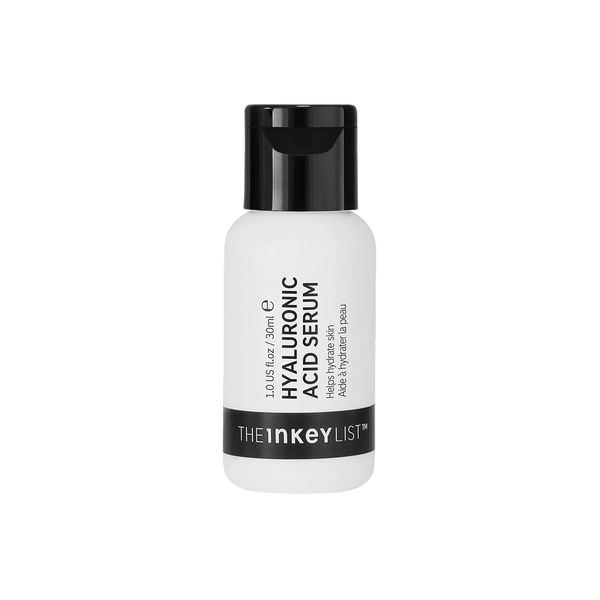
- Hyaluronic Acid Serum – 30ml — Lightweight hydration serum. Apply to damp skin before or after vitamin C, depending on consistency. The everyday hero for plump, bouncy skin.
- Hyaluronic Acid Serum – 60ml — Same hero formula, more of it. Perfect if you’ve already made this a daily staple.
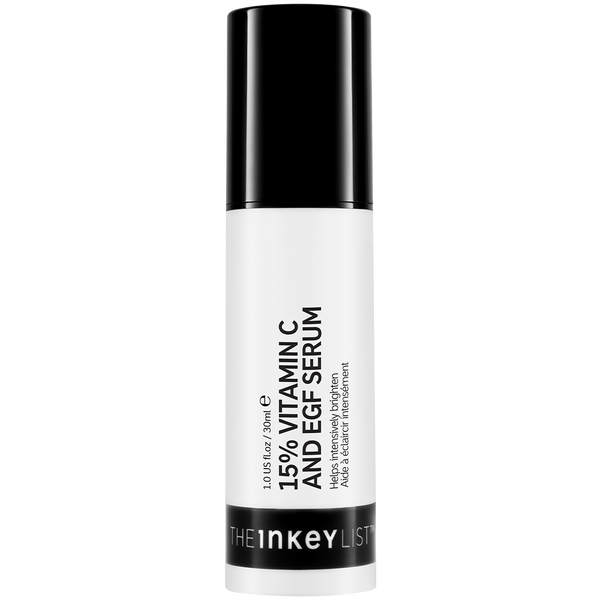
- 15% Vitamin C + EGF Serum — Stable, gentle brightening serum. 87% of users agreed their skin looked brighter in just 4 weeks.*
- Vitamin B, C and E Moisturizer — A moisturizer that combines vitamin C with barrier-supporting B and E vitamins for a seamless, multi-tasking finish.
\Based on a 64-person independent consumer trial.*
What Is Hyaluronic Acid - and What Does Vitamin C Do for Skin?
Before we get into the “can you use them together” question (short answer: yes, enthusiastically), it helps to understand what each ingredient is actually doing when it lands on your skin. These aren’t just trendy buzzwords - they’re two of the most well-researched, well-documented actives in modern skincare, and knowing their individual roles makes it easier to use them strategically.
Hyaluronic Acid: The Skin’s Natural Moisture Magnet
Hyaluronic acid, often abbreviated as HA, is not some lab-invented chemical additive. It’s a molecule that your body produces naturally - found in your skin, your eyes, and your joints - where its primary job is retaining moisture. What makes it remarkable is its capacity: hyaluronic acid can hold up to 1,000 times its own weight in water. That’s not a marketing exaggeration; it’s a well-documented property of the molecule’s structure that makes it one of the most effective humectants in existence.
As a humectant, HA works by drawing moisture from its surrounding environment - both from the atmosphere and from the deeper layers of your skin - and delivering it to the surface. The result is skin that looks and feels visibly more plump, bouncy, and hydrated, often within minutes of application. But not all hyaluronic acid serums are created equal. The size of the HA molecule matters enormously. Larger molecules sit on the surface and provide immediate plumping; smaller molecules penetrate more deeply for longer-lasting structural hydration. INKEY’s Hyaluronic Acid Serum uses 2% hyaluronic acid formulated at three different molecular weights, which means it’s working at multiple skin depths simultaneously — not just sitting on top.
One of the most important things to understand about hyaluronic acid is who it’s for: everyone. Despite being a powerhouse hydrator, HA hydrates with water, not oil, making it completely suitable for oily skin, acne-prone skin, combination skin, sensitive skin, and everything in between. It won’t clog pores or contribute to breakouts. It simply adds water to wherever your skin needs it most. And as we get older, our skin’s natural HA levels decline - which is exactly why topical application becomes more and more valuable over time. If you want a comprehensive breakdown of this ingredient, INKEY’s full hyaluronic acid ingredient guide covers everything in depth.
One application tip that makes a real difference: apply your HA serum to damp skin, not dry skin. When HA has immediate access to water, it has something to draw into the skin. On completely dry skin, it may pull moisture from deeper layers instead - the opposite of what you want.
Vitamin C: Your Skin’s Antioxidant Shield and Glow Driver
Vitamin C - specifically ascorbic acid and its derivatives - is one of the most heavily studied skincare ingredients on the planet, and for good reason. Your skin naturally contains high concentrations of vitamin C, where it plays several critical roles: neutralizing free radicals caused by UV exposure and environmental pollution, supporting the synthesis of collagen (the structural protein responsible for firm, youthful-looking skin), and inhibiting the overproduction of melanin that leads to dark spots and uneven skin tone. The problem is that your skin’s vitamin C stores deplete rapidly when exposed to UV light and environmental stressors - and topical application is one of the most effective ways to replenish them.
Different forms of vitamin C are used in skincare, and the form matters. Pure L-Ascorbic Acid is the most potent, but it’s notoriously unstable - it oxidizes quickly when exposed to air and light, turning serums orange and reducing their effectiveness. INKEY takes a different approach. Our 15% Vitamin C + EGF Serum uses Ascorbyl Glucoside, a stable derivative of vitamin C that doesn’t oxidize in the same way, works at a pH of 6.8–7.2 (much closer to your skin’s natural pH), and is significantly gentler on the skin. The trade-off in potency compared to L-Ascorbic Acid is more than compensated for by its reliability and tolerability - especially for people with sensitive skin who have historically struggled with vitamin C products.
The results speak for themselves: in an independent 64-person consumer trial, 87% of participants agreed that their skin looked brighter after 4 weeks of using the INKEY 15% Vitamin C + EGF Serum. The serum also includes EGF (Epidermal Growth Factor) at 1%, which supports skin renewal — making it a genuinely multi-functional product. According to Healthline’s overview of hyaluronic acid and vitamin C, both ingredients are widely regarded as safe, effective, and highly complementary in a daily skincare routine.
Vitamin C is most beneficial when used in the morning. This is when your skin is about to face UV radiation and environmental stressors - exactly the conditions vitamin C is designed to defend against. It essentially gives your skin a protective head start before you step outside.
Now that you know what each ingredient brings to the table individually, the real question is how they interact when used together — and whether the combination is as powerful as it sounds.
Can You Use Hyaluronic Acid With Vitamin C?
Let’s settle this once and for all: yes, you can absolutely use hyaluronic acid with vitamin C. There is no chemical interaction between these two ingredients that reduces their effectiveness or causes harm to your skin. They operate through completely different mechanisms - HA is a humectant that attracts and retains water; vitamin C is an antioxidant that neutralizes free radicals, supports collagen production, and regulates melanin. Because they work through such different pathways, they don’t interfere with each other. They reinforce each other.
Think of it this way: vitamin C is the protective, brightening powerhouse that actively improves your skin’s resilience and appearance, while hyaluronic acid is the hydrating foundation that keeps your skin comfortable, plump, and receptive. When you use them together, you get something greater than either ingredient alone. Vitamin C’s antioxidant action becomes more effective on well-hydrated skin. HA’s plumping effect looks more radiant when vitamin C is simultaneously addressing tone and luminosity. The combination delivers hydration, antioxidant protection, visible brightening, and structural collagen support - all from two simple serums.
Why pH Isn’t a Problem With INKEY’s Formula
One concern that sometimes comes up in online skincare discussions is pH compatibility. Pure L-Ascorbic Acid requires a very low pH (typically between 2.5 and 3.5) to remain stable and penetrate the skin effectively. Hyaluronic acid, by contrast, works well at a more neutral pH. In theory, using these two at wildly different pH levels in quick succession could affect absorption. But this concern doesn’t apply to INKEY’s formulation. The 15% Vitamin C + EGF Serum uses Ascorbyl Glucoside, which is effective at pH 6.8–7.2 — a range that’s very close to the skin’s natural pH and completely harmonious with hyaluronic acid. There’s no pH conflict. No need to wait extended periods between applications to let your skin’s pH “reset.”
What Vitamin C and Hyaluronic Acid Do Together
Here’s how the combination breaks down in practice:
- Hyaluronic Acid: Humectant. Draws moisture to the skin’s surface. Plumps. Supports the skin barrier. Reduces the look of fine lines caused by dehydration.
- Vitamin C (Ascorbyl Glucoside): Antioxidant. Defends against UV and pollution damage. Brightens uneven skin tone. Stimulates collagen synthesis.
- Together: Deep hydration meets antioxidant protection. Skin looks simultaneously plumper and more radiant. Barrier health is supported. Collagen production is encouraged. The result is skin that looks genuinely healthier, not just treated.
A Note on Irritation
Some people find vitamin C serums - particularly those formulated with L-Ascorbic Acid at low pH - to be drying or slightly irritating, especially at higher concentrations. Hyaluronic acid actively counteracts this. By maintaining the skin’s moisture balance and reinforcing the barrier, HA reduces the potential for dryness or sensitivity that can sometimes accompany vitamin C use. This is another reason the pairing is so smart: HA isn’t just a passive bystander here. It’s actively making your skin environment more comfortable for vitamin C to do its job. For a deeper dive into the world of hyaluronic acid, revisit our full hyaluronic acid guide anytime.
Knowing they work together is one thing, knowing exactly how to layer them for maximum results is another. Let’s get into it.
How to Layer Vitamin C and Hyaluronic Acid: What Goes First?
This is the practical question that most people are really asking when they search “can you use hyaluronic acid with vitamin C.” Compatibility is one thing, but application order is what separates a routine that works from one that underperforms. The good news? The layering logic here is straightforward, and once you understand the principle behind it, it applies to almost every serum combination you’ll ever use.
The Golden Rule of Serum Layering
The universal principle is thinnest to thickest. Lighter, more watery formulas go first because they need direct contact with the skin to penetrate. Thicker, richer formulas go on top because they can still absorb even with lighter products underneath - and they also help seal in everything applied before them. When it comes to vitamin C and hyaluronic acid, vitamin C typically goes first, followed by HA. Most vitamin C serums - including INKEY’s - have a relatively lightweight, fluid consistency that benefits from going directly onto clean skin. HA serums are similarly lightweight, but they’re most effective when applied to skin that’s still slightly damp, so the sequencing works naturally.
For a more comprehensive look at how to layer skincare products without pilling or reducing effectiveness, we have a dedicated guide. And if you’re curious about the trending technique of applying HA to very damp skin for amplified hydration, check out our guide to skin flooding - it pairs perfectly with this routine.
Your Morning Routine, Step by Step
Morning is the ideal time for this combination. Vitamin C’s antioxidant properties are most valuable during the day when your skin is actively exposed to UV radiation and environmental pollutants. Here’s the exact routine:
- Cleanse — Start with a gentle cleanser to remove any overnight products and prepare a clean canvas.
- Apply 15% Vitamin C + EGF Serum — Pat a pea-sized amount into clean, slightly damp skin. Don’t rub; gentle patting helps with even distribution and absorption.
- Wait approximately 60 seconds — Let the vitamin C serum absorb before moving on. You don’t need to wait until it’s completely dry — just long enough that it’s no longer sitting on the surface.
- Apply Hyaluronic Acid Serum — Use 2–3 drops while your skin is still slightly damp (misting your face with water first is a great trick if your skin has dried completely). Pat in gently.
- Moisturize — Follow with your preferred INKEY moisturizer to seal in both serums and complete your moisture barrier support.
- Apply SPF — This is non-negotiable in an AM vitamin C routine. Vitamin C enhances your skin’s defense against UV damage, but it is not a replacement for sunscreen.
What About Evenings?
Vitamin C is most valuable in the morning routine, but hyaluronic acid is a morning and evening ingredient. In your PM routine, you can use your HA serum solo - apply it to damp skin after cleansing, then follow with a richer night moisturizer to lock in the hydration while you sleep. Just keep vitamin C separate from retinol and exfoliating acids in your evening routine. Those combinations can push the skin toward sensitivity without offering additional benefit. For guidance on what not to combine, check out our guide to what not to mix with retinol.
Quick Application Tips to Maximize Results
- Always apply HA to damp skin — this is the single most impactful application tip for hyaluronic acid. The molecule needs accessible water to work as a humectant.
- A pea-sized amount of vitamin C is enough — more doesn’t mean better with active serums. Overapplication can contribute to irritation without improving efficacy.
- 2–3 drops of HA serum is sufficient — again, less is more. These are concentrated formulas.
- Always seal with moisturizer — HA draws moisture in, but it needs an occlusive or emollient layer on top to prevent that moisture from evaporating back out.
The HA and vitamin C combo is already powerful on its own - but what if you want to add niacinamide? You can, and here’s exactly how to do it right.
Can You Add Niacinamide to the Mix? Hyaluronic Acid, Vitamin C, and Niacinamide Together
If you’ve been in skincare spaces for any amount of time, you’ve probably heard some version of the warning: “don’t mix vitamin C with niacinamide.” And while that concern has a basis in chemistry, it’s largely outdated when it comes to INKEY’s formulation - and it’s worth understanding exactly why, so you can make smart decisions with confidence.
The Niacinamide + Vitamin C Concern, Explained
The traditional concern about combining vitamin C and niacinamide comes from studies involving pure L-Ascorbic Acid. At low pH levels, niacinamide and L-Ascorbic Acid can interact to form a compound called nicotinic acid, which can cause temporary flushing. This was a legitimate concern with early formulations of both ingredients. However, this reaction doesn’t occur meaningfully at skin-safe concentrations, and it certainly doesn’t apply to Ascorbyl Glucoside - the stable, pH-neutral form of vitamin C used in INKEY’s 15% Vitamin C + EGF Serum. Because Ascorbyl Glucoside operates at pH 6.8–7.2 (a much more neutral range), the conditions for that niacinamide interaction simply don’t exist. INKEY’s product guidance confirms explicitly that the 15% Vitamin C + EGF Serum is safe to layer with niacinamide.
This is one of the most compelling arguments for choosing a stable vitamin C derivative over pure L-Ascorbic Acid - it not only avoids oxidation issues and pH-related irritation, it also opens the door to ingredient combinations that would otherwise require more careful management.
What Niacinamide Adds to the Routine
Niacinamide (vitamin B3) is one of skincare’s most versatile actives. In the context of this routine, it adds a distinct set of benefits that neither HA nor vitamin C provides:
- Oil control — Niacinamide helps regulate sebum production, making it ideal for oily and combination skin types.
- Pore minimizing — While it can’t physically shrink pores, it reduces their visibility by managing the oil production that causes them to appear enlarged.
- Barrier reinforcement — Niacinamide supports the production of ceramides and other lipids that form the skin’s protective barrier.
- Redness reduction — It has well-documented anti-inflammatory properties that help calm reactive skin over time.
Added to the HA + vitamin C foundation, niacinamide creates a triple-threat morning routine: hydration + brightening + barrier health. This is an especially strong lineup for oily, combination, or acne-prone skin types that want the glow benefits of vitamin C without looking greasy by midday.
Niacinamide is one of the most universally well-tolerated skincare ingredients. It works across virtually all skin types and addresses multiple concerns simultaneously - which is exactly why it pairs so well with a brightening and hydrating routine.
How to Layer All Three
When you’re working with three serums, the layering order still follows the thinnest-to-thickest principle. Here’s how it works in practice:
- Cleanse
- 15% Vitamin C + EGF Serum — Apply first to damp skin.
- Niacinamide Serum — INKEY’s formula contains 10% niacinamide plus 1% hyaluronic acid, so it’s already doing double duty.
- Hyaluronic Acid Serum — Apply to slightly damp skin; pat in gently.
- Moisturize — Omega Water Cream is a fantastic choice here: oil-free, lightweight, and formulated with 5% niacinamide to continue that barrier-strengthening work.
- SPF
For oily or acne-prone skin, this lineup is particularly worth exploring. And if you’re wondering whether hyaluronic acid is right for your skin type specifically, check out our post on Is Hyaluronic Acid Good for Oily Skin? - we break it all down. For a broader look at how these ingredients compare and compete in the glow category, our Vitamin C vs Niacinamide vs Exosomes deep dive is a great next read.
Now that you know how these ingredients work together, let’s look at the exact INKEY products to build this routine from start to finish.
The INKEY Products to Use for Your Vitamin C and Hyaluronic Acid Routine
This is where it all comes together. Whether you’re building this routine from scratch or adding one new product to something you’re already doing, here’s a complete breakdown of everything in the INKEY lineup that belongs in a vitamin C and hyaluronic acid routine.
Hyaluronic Acid Products
This is INKEY’s hero hydration product and one of the brand’s most beloved formulas. It delivers 2% hyaluronic acid at three different molecular weights — meaning it hydrates at the surface, the mid-layers, and deeper levels of the skin all at once. The texture is lightweight and non-sticky, absorbing quickly without leaving any residue. With a 4.7/5-star rating and over 3,000 reviews, this is a product with a track record. It fits into virtually any routine, for virtually any skin type. If you’re not sure whether this serum is the right addition to your skincare lineup, our guide to 5 signs you need hyaluronic acid serum is worth a read.
Same formula, double the size. If the 30ml has already become a daily staple for you, the 60ml is simply the smarter, more economical choice.
For those with particularly sensitive or dehydrated skin who want a more targeted barrier-focused hydration product, this serum delivers. It contains 2% Ectoin — a powerful stress-protection molecule - alongside 2.5% hyaluronic acid and a three-ceramide barrier blend. It’s designed for skin that needs extra protection alongside its hydration, and it layers beautifully in this routine as an alternative or complement to the classic HA serum.
Vitamin C Products
This is the vitamin C product to build your AM routine around. At 15% Ascorbyl Glucoside, it delivers meaningful vitamin C concentration in a form that’s stable, gentle, and suitable for all skin types — including sensitive skin. The addition of 1% EGF (Epidermal Growth Factor) supports skin renewal, making this more than just a basic brightening serum. The 87% brightness satisfaction rate from an independent 64-person consumer trial backs it up. If you want visibly brighter, more even-toned skin and antioxidant protection you can actually rely on, this is your serum.
Vitamin B, C and E Moisturizer
This multi-tasking moisturizer is a smart way to continue your vitamin C benefits even at the moisturizer step. Formulated with vitamins B, C, and E, it provides antioxidant support alongside genuine skin barrier nourishment. It’s a great option for those who want to simplify their routine without sacrificing the benefits of multiple actives.
Routine Completers
10% niacinamide plus 1% hyaluronic acid in a single lightweight serum. It’s the ideal addition for oily, combination, and acne-prone skin types who want barrier support, sebum control, and pore-minimizing benefits alongside their brightening and hydrating routine. As discussed above, it’s fully compatible with INKEY’s stable vitamin C formula.
An oil-free, ultra-lightweight moisturizer that contains 5% niacinamide, making it a perfect finishing layer for anyone following the full vitamin C + niacinamide + HA routine. It seals in your serums without adding weight or shine — ideal for oily or combination skin types.
SPF
Let’s be very clear: any morning routine that includes vitamin C must end with SPF. Vitamin C enhances UV defense, but it is not a sunscreen substitute.
Want to build a full routine and save? Head to Build Your Own Routine and save up to 20% when you bundle your products together.
Still have questions? Here are the most common ones we hear — answered clearly and directly.
Frequently Asked Questions About Using Hyaluronic Acid With Vitamin C
Can you use hyaluronic acid with vitamin C?
Yes - fully compatible, no exceptions. Hyaluronic acid and vitamin C work through completely different mechanisms: HA hydrates and plumps, while vitamin C brightens, protects against oxidative damage, and supports collagen. There’s no chemical interaction between them that reduces effectiveness or causes harm. For more on how hyaluronic acid works, visit our full hyaluronic acid ingredient guide.
What goes first - vitamin C or hyaluronic acid?
Vitamin C goes first. Apply your vitamin C serum to clean, slightly damp skin, then wait approximately 60 seconds. Follow with your hyaluronic acid serum while the skin is still a little damp. This ensures optimal absorption for both, and HA’s moisture-drawing properties are maximized when there’s water present on the skin.
Can I use hyaluronic acid and vitamin C every day?
Yes - both are daily-use friendly. Vitamin C is best used in the morning, where its antioxidant properties can actively defend against daily UV and pollution exposure. Hyaluronic acid works beautifully both morning and evening. Just make sure you’re finishing your AM routine with SPF - always.
Can you mix hyaluronic acid and vitamin C together?
You can use them in the same routine by applying them one after the other, but don’t mix them together in your palm before applying. Each product is formulated to work as it is - layering them sequentially preserves both their textures and their efficacy. Vitamin C first, HA second, sealed with moisturizer.
Can I use niacinamide with hyaluronic acid and vitamin C?
Yes - with INKEY’s Ascorbyl Glucoside form of vitamin C, this triple combination is completely safe and highly effective. The traditional concern about niacinamide interacting with vitamin C applies to pure L-Ascorbic Acid at low pH — not to Ascorbyl Glucoside. Use the layering order: vitamin C → niacinamide → HA → moisturizer → SPF. INKEY’s Niacinamide Serum is the one to reach for.
Can you use vitamin C and hyaluronic acid together at night?
You can, but vitamin C is most impactful in the morning when your skin is about to face environmental stressors. In the evening, hyaluronic acid works beautifully on its own before a richer night moisturizer. In your PM routine, avoid layering vitamin C alongside retinol or exfoliating acids — for guidance on those combinations, read our post on what not to mix with retinol.
Is it safe to layer a vitamin C serum with a hyaluronic acid serum?
Totally safe - no caveats needed. Apply vitamin C first, wait about 60 seconds, then apply Hyaluronic Acid Serum to damp skin. Follow with moisturizer and SPF in the morning. That’s it. The combination is gentle, effective, and suitable for all skin types.
Can vitamin C and hyaluronic acid be used on sensitive skin?
Yes. INKEY’s 15% Vitamin C + EGF Serum uses Ascorbyl Glucoside - a gentler, more stable form of vitamin C that’s dermatologically tested and significantly less likely to cause irritation than L-Ascorbic Acid formulas. Hyaluronic acid is one of the most universally well-tolerated skincare ingredients in existence — it’s compatible with even the most reactive skin types. Together, they’re a combination that sensitive skin can genuinely benefit from.
The Bottom Line
Here’s what it comes down to: hyaluronic acid and vitamin C are better together than they are apart. HA hydrates and plumps. Vitamin C brightens, protects, and builds collagen. Together, they tackle two of your skin’s most fundamental needs - hydration and antioxidant defense - in a routine that’s simple enough to actually stick to. And when you factor in INKEY’s stable, pH-friendly Ascorbyl Glucoside formula, you’re working with a vitamin C that’s not only highly effective but also gentle enough to layer with niacinamide, hyaluronic acid, and virtually everything else in your routine.
The routine isn’t complicated. Vitamin C first, hyaluronic acid second, sealed with a good moisturizer and finished with SPF. Add niacinamide if your skin wants more. Use your HA serum morning and evening. Keep vitamin C in the AM. Don’t skip SPF. That’s genuinely all there is to it.
No guesswork. No jargon. Just a simple, effective routine — backed by the ingredients your skin actually needs.
Ready to Build Your Routine?
Shop the routine now:
Hyaluronic Acid Serum | 15% Vitamin C + EGF Serum
Save up to 20% when you bundle:
Want to go deeper on hyaluronic acid?
Hyaluronic Acid Ingredient Guide
Next read: How to Get Glowing Skin: The Complete INKEY Guide