



Retinol and Hyaluronic Acid: Can You Use Them Together?
Retinol and hyaluronic acid are better together — here's the right order to apply them, and how to get results without the dryness.
Author
askINKEY skincare advisor
Published
17 May, 2026
Time to read
19 minutes
Yes, you can use retinol and hyaluronic acid together, and most skin does better with the pair than with retinol on its own. Hyaluronic acid hydrates and cushions the skin. Retinol drives renewal. The hydration helps offset the dryness retinol can cause while your skin adjusts. So if you have been wondering whether you can mix retinol and hyaluronic acid, the short answer is that you should.
The order matters more than most people realize. Apply hyaluronic acid to slightly damp skin first, follow with retinol, then seal everything in with moisturizer.
Below, we cover what each ingredient actually does, which one goes first and why, complete morning and evening routines, tailored guidance for four different skin types, and a full FAQ.
What’s the Difference Between Retinol and Hyaluronic Acid?
The layering advice in this article only makes sense once you understand that these two ingredients are doing completely different jobs. They are not two versions of the same thing, and they are not competing for space in your routine.
Hyaluronic acid is a humectant. That means it works like a magnet for water, drawing moisture into the upper layers of skin and holding it there. The result is skin that looks plumper, feels smoother and generally seems more comfortable. What hyaluronic acid does not do is exfoliate, resurface or renew. It hydrates. That is its entire job, and it does it well.
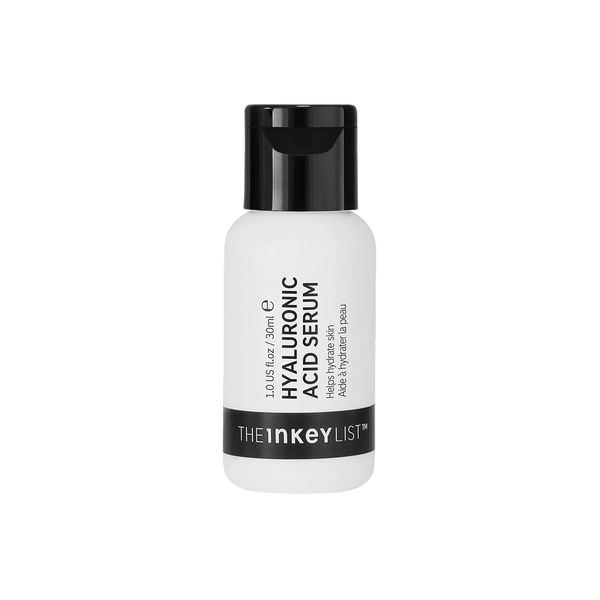
Our Hyaluronic Acid Serum uses three molecular weights of hyaluronic acid so hydration reaches across multiple layers of skin rather than sitting on the surface. It also contains Matrixyl 3000 to help plump and smooth skin’s appearance. It is $13.
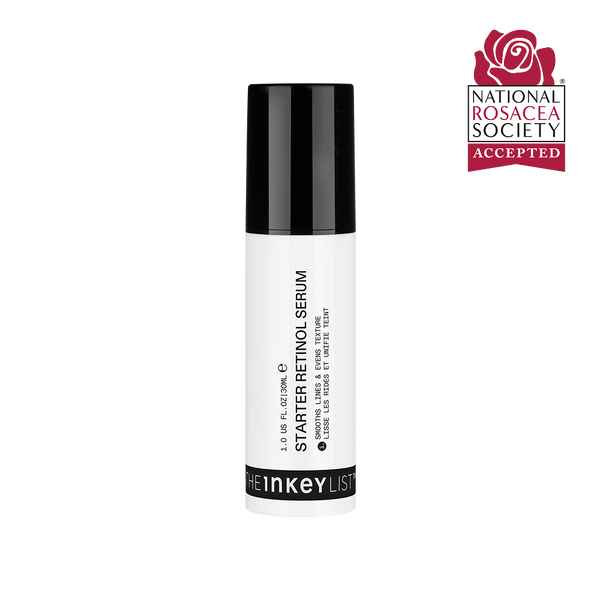
Retinol is a vitamin A derivative, and it works on an entirely different principle. Rather than adding water, it accelerates your skin’s natural cell turnover. Over time, that faster turnover smooths rough texture, softens the look of fine lines and helps even out tone. Retinol also supports collagen production, which is a large part of why it has held its reputation for decades. If you are new to the ingredient, Starter Retinol is designed as a gentler entry point. Retinol also has a stronger sibling, retinal, which we compare in detail in Retinol vs Retinal.
Here is the distinction that matters: hyaluronic acid works on hydration, retinol works on renewal. Different mechanisms, different outcomes, no overlap. That is precisely why hyaluronic acid and retinol are not in competition with each other.
It also explains why they belong together. Retinol is famously capable of causing dryness, flaking or a tight, uncomfortable feeling, particularly during the first few weeks as skin adjusts. Hydration is the counterweight to that. One ingredient asks something of your skin, the other supports it through the ask.
Which raises the obvious next question: is combining them actually safe?
Can You Use Hyaluronic Acid and Retinol Together?
Yes. And not just safely, but advantageously. Dermatologists routinely recommend pairing a hydrating product with a retinoid rather than using the retinoid in isolation, because tolerability is what determines whether anyone sticks with retinol long enough to see the results it is capable of delivering.
The mechanism is straightforward. Retinol speeds up cell turnover. While your skin adapts to that new pace, it can lose moisture more easily, which is what produces the tightness and flaking people associate with starting retinol. Hyaluronic acid replaces that water and keeps skin comfortable through the adjustment period. Comfortable skin is skin you keep treating. That is the real benefit: not a chemical interaction, but a behavioral one.
There is credible backing for this approach. Guidance from the American Academy of Dermatology recommends introducing retinol slowly, applying it at night only, and supporting the skin with moisturizer to reduce irritation. That is the framework this entire article is built around.
The scientific literature points the same direction. A peer-reviewed review of strategies to reduce retinoid-induced skin irritation, published in Dermatology Research and Practice, examined the formulation and moisturizing approaches used to improve how well people tolerate retinoids. Moisturizing and humectant-based strategies, hyaluronic acid among them, emerge as a central approach. To be precise about what that paper is and is not: it reviews irritation-reduction strategies broadly, rather than testing hyaluronic acid against retinol in a dedicated trial. The direction of the evidence is supportive, and we would rather describe it accurately than overstate it.
Now for the myth worth dismantling. Some people worry that hyaluronic acid will dilute retinol or cancel out its effects. That is not how layering works. A humectant serum applied underneath an active does not neutralize it. Hydration supports the active. It does not switch it off.
It is also worth saying plainly that there is no ingredient conflict here, which is genuinely not true of every combination. If you are working through what pairs badly with retinoids, What Not to Mix with Retinol covers that ground properly. Niacinamide is another retinol-friendly partner, explained in full in Can You Use Niacinamide With Retinol.
With the pairing confirmed, the practical question is which one goes on first.
Hyaluronic Acid Before or After Retinol? Which Goes First
Hyaluronic acid first, retinol second, moisturizer last.
That is the rule. Here is why it works that way.
Skincare layers from thinnest to thickest, water-based before oil-based. Hyaluronic acid is a lightweight, water-based serum, so it absorbs quickly and cleanly. Apply a richer retinol formula first and you create a barrier the hydrator cannot properly get through, which wastes both products.
The damp skin detail is not a minor one. Hyaluronic acid is a humectant, which means it needs water available to pull in. Apply it to slightly damp skin, not soaking wet and not completely dry. On bone-dry skin in a dry environment, a humectant has far less to work with and performs accordingly.
Here is how to layer retinol and hyaluronic acid, step by step:
- Cleanse, then pat your face so it is still slightly damp.
- Apply Hyaluronic Acid Serum while skin is damp.
- Give it around a minute to absorb.
- Apply a pea-sized amount of retinol to face and neck.
- Seal with Bio-Active Ceramide Moisturizer.
That final step earns its place. Ceramides are the lipids that hold your skin barrier together, and applying them last helps lock in everything underneath rather than letting it evaporate.
On quantity: a pea-sized amount of retinol genuinely covers face and neck. Using more will not speed up your results. It will increase your chance of irritation, which slows you down.
INKEY Tip: Do not let your skin fully dry before applying hyaluronic acid. A humectant works best when there is water on the surface for it to draw in and hold.
The Moisture Sandwich Method
If retinol has been uncomfortable for you in the past, try sandwiching it. Apply a thin layer of moisturizer, then your retinol, then moisturizer again on top. Buffering the retinol between two hydrating layers slows how quickly it reaches the skin and reduces the chance of dryness while you adjust. It is particularly useful for sensitive or reactive skin, or for anyone restarting retinol after a bad experience. Our full guide to The Moisture Sandwich Method walks through the technique in detail.
Knowing the order is one thing. Fitting it into an actual morning and evening is another.
AM and PM Routines With Retinol and Hyaluronic Acid
Retinol is a night-only ingredient. That single fact shapes both routines below.
Morning Routine
Mornings are about hydration and protection, not actives that break down in daylight.
- Cleanse.
- Hyaluronic Acid Serum on damp skin.
- Optional: Niacinamide Serum to help balance oil and support the barrier.
- Moisturizer.
- Broad-spectrum SPF 30 or higher, every morning without exception.
That last step is not negotiable when you are using retinol. Retinol increases your skin’s sensitivity to UV light, which is why dermatological guidance treats daily sun protection as essential rather than optional. It protects your skin, and it protects the results you are working toward. Undoing your progress with unprotected sun exposure is the most common way retinol routines quietly fail.
If you want to understand the optional niacinamide step, our niacinamide ingredient page explains the science, and How & When to Use Niacinamide covers where it fits. Vitamin C also belongs in your morning routine rather than alongside retinol at night, which we explain in Can You Use Vitamin C and Retinol Together and on our vitamin C page.
Evening Routine
- Cleanse.
- Hyaluronic Acid Serum on damp skin.
- Retinol, pea-sized, face and neck.
- Eye product, if you use one.
- Moisturizer to seal.
Frequency is where most people go wrong. Start with two to three nights a week and build up gradually as your skin adjusts, rather than going nightly from day one. This mirrors the start low and slow principle dermatologists have recommended for years. Retinol rewards patience and punishes enthusiasm.
If your skin feels stressed or reactive during the adjustment period, Ectoin Hydro-Barrier Serum works well as an additional or alternative hydration and barrier step. Ectoin is worth reading about if barrier support is your priority, and How to Use Ectoin with Retinol and Other Actives is written specifically for people in this situation.
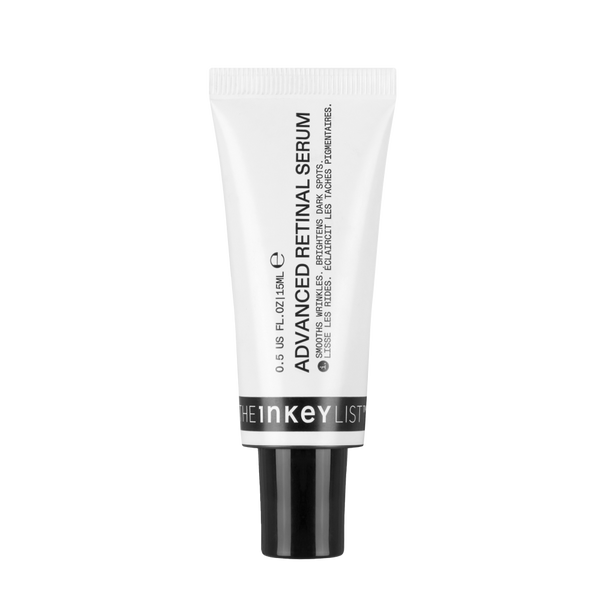
Once your skin is genuinely comfortable with retinol and you want to progress, Advanced Retinal is the natural next stage. And if this routine assumes more than you currently have in place, How to Start a Skincare Routine for Your Skin Type is the better starting point.
INKEY Tip: If your skin feels tight the morning after retinol, that is a signal to reduce frequency, not to abandon the ingredient. Drop back a night, stay there until you are comfortable, then build again.
These routines are the baseline. The right approach shifts depending on what your skin is actually dealing with.
How to Use Retinol and Hyaluronic Acid for Your Skin Type
The pairing works across skin types. The pacing and the supporting products are what change.
Sensitive Skin
Start at the lowest frequency you can stand to be patient with: once or twice a week, building slowly from there. The moisture sandwich method is especially worth using here, since buffering the retinol makes a noticeable difference to comfort. For sensitive skin, applying hydration before retinol is not an optional refinement. It is often the thing that makes retinol tolerable at all.
INKEY Tip: Patch test any new active on a small area for a few days before applying it across your whole face.
Dry and Dehydrated Skin
These are not the same thing, and the difference changes what you should reach for. Dry skin lacks oil. Dehydrated skin lacks water. Hyaluronic acid addresses the water side specifically.
Layer it onto damp skin, then always seal with a richer moisturizer. Without that occlusive final step, a humectant has nothing holding the moisture in place and can lose it to the air. Bio-Active Ceramide Moisturizer is $22.00 and works well here, because ceramides help restore the barrier lipids that keep water where it belongs. If your barrier is already struggling, our guide to a damaged skin barrier is worth reading first.
Blemish-Prone Skin
Hydration is not the enemy of clear skin. Hyaluronic acid is lightweight and oil-free, so it hydrates without heaviness or congestion, which makes it one of the easier ingredients to add to a routine focused on acne.
Retinol earns its place here too. Alongside its renewal benefits, it helps keep pores clear of built-up dead cells, which supports clearer-looking skin over time. It can also help with the uneven tone left behind after blemishes clear, which overlaps with hyperpigmentation. A lighter moisturizer texture will likely suit you better than a rich cream as your sealing step.
Mature Skin
This is where retinol’s longer-term benefit matters most. Retinol supports collagen production, and collagen is what contributes to firmer, smoother-looking skin over time. That is a structural benefit, and structure takes time to build.
Hyaluronic acid handles the immediate side, plumping and hydrating so skin looks smoother now. Retinol handles the slower, deeper work. Together they cover both timescales, which is why the combination sits at the heart of most anti-aging routines.
Be realistic about the timeline. Meaningful change takes weeks, not days. Anyone promising otherwise is selling something. And if you notice your retinol has a yellow tint, that is normal, as we explain in Why Is Retinol Yellow?
For readers who want to build further on this pairing, there is a third ingredient that fits alongside both.
Adding an Exosome Serum to Your Retinol and Hyaluronic Acid Routine
Exosome Hydro-Glow Complex belongs in this conversation for a specific reason: the formula already contains hyaluronic acid and ectoin. If you have built a routine around hydration and renewal, it slots in without disrupting anything.
Exosomes are tiny vesicles that carry signaling molecules between cells. That is as far as we will take the explanation here, because our exosomes page covers the science properly.
In practice, apply it after cleansing, onto damp skin, before your retinol step.
What the clinical and in-vitro testing showed:
- 100% saw more glowing skin, clinically proven*
- Clinic worthy rejuvenated skin in 14 days*
- Proven to deliver up to 12-hours of hydration**
- 55% reduction in visible signs of skin stress (redness, puffiness, visible irritation)*
That last point is the one most relevant to a retinol routine, since visible stress is exactly what people notice while adjusting. The framing here is glow, hydration and comfort.
4-week clinical study of 26 people
Clinical study of 31 people In-vitro testing of Cica Exosomes showed a 55% reduction in pro-inflammatory markers and a 63% increase in markers associated with skin renewal after 8 hours.
If you are already using retinol, Boost Your Retinol Results with Exosome goes deeper on this specific pairing. And if you are weighing up which glow ingredient suits you, Vitamin C vs Niacinamide vs Exosomes vs PDRN compares them side by side.
The Takeaway
Retinol and hyaluronic acid are not in conflict. They are one of the most dependable partnerships in skincare, because each one handles something the other cannot. Hydration on damp skin first, then retinol, then moisturizer to seal. That order is the whole technique.
What actually determines your results is less exciting than most people hope: start slowly, and stay consistent. Two or three nights a week, built up patiently, will take you further than an ambitious start you abandon by week three. And because retinol increases sun sensitivity, a broad-spectrum SPF 30 or higher every morning is part of the routine, not an optional extra.
Proven ingredients, applied in the right order, given enough time to work. That is all this takes.
Ready to build the pairing? Start with our Hyaluronic Acid Serum and match your retinol to your experience level, whether that is Starter Retinol or something from the full retinol collection. Not sure where to begin? Take our skincare quiz and we will build a routine around your skin.
Frequently Asked Questions
Got a question?
Our askINKEY team are a friendly bunch of skincare experts with deep product knowledge and zero judgement. Whether you're an ingredient obsessive or just starting out, we'll make it make sense. No question too big. No question too small. We Give A Care, Every Day.


