

Retinol vs Retinal: Which Vitamin A is Right for You?
Retinol and retinal are both vitamin A powerhouses — but retinal converts to retinoic acid in one step instead of two, making it work up to 11x faster: here's how to choose the right one for your skin.
Author
askINKEY skincare advisor
Published
01 December, 2025
Time to read
17 minutes
Retinol and retinal are both vitamin A derivatives - both retinoids, both proven, both capable of delivering real, visible anti-aging results. But they are not the same thing, and the difference between them matters more than most people realize. Retinal (also called retinaldehyde) converts to retinoic acid - the biologically active form of vitamin A - in just one step. Retinol takes two. That single extra conversion step is why retinal works up to 11x faster than standard retinol, and why choosing between them is not about which one is “better,” but about which one is right for where your skin is right now.
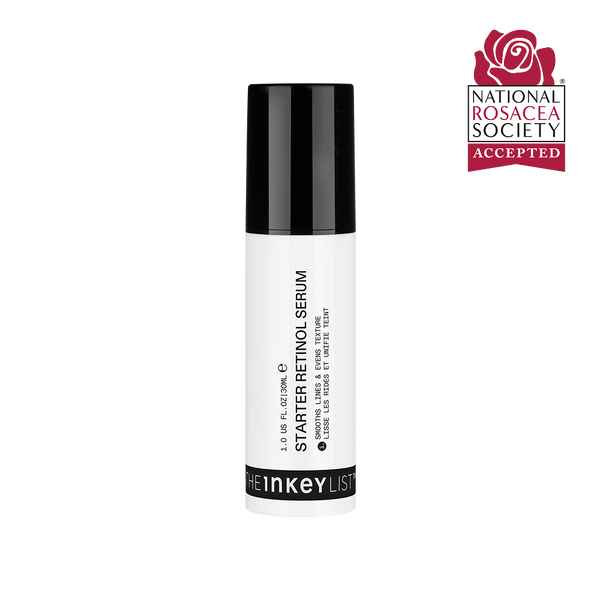
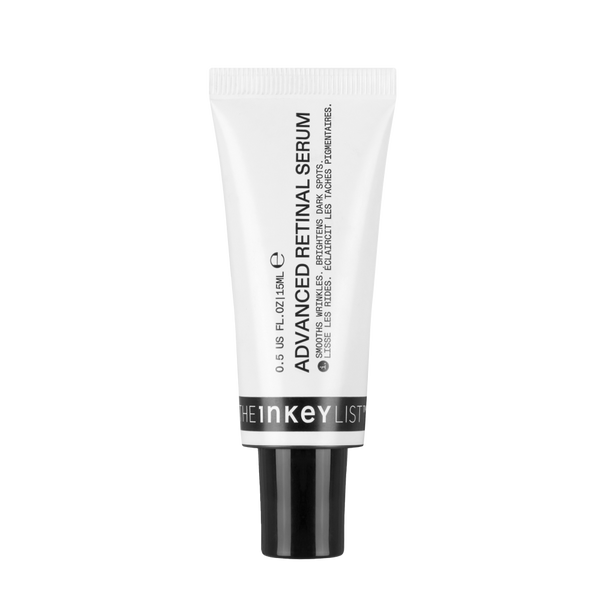
Whether you are completely new to retinoids, considering an upgrade from your current formula, or simply want to understand the science before committing to a product, this guide covers everything you need to make a confident, informed decision. The INKEY List offers two retinoid options built for exactly this spectrum: the Starter Retinol Serum at $15.00 and the Advanced 0.2% Retinal Serum at $22.00. Understanding what sets them apart - and what they share - starts with understanding the vitamin A family itself.
The Vitamin A Family: Where Retinol and Retinal Fit In
Before you can meaningfully compare retinol and retinal, it helps to understand what they both are and where they sit within the broader retinoid family. Think of vitamin A derivatives as a spectrum - a family of ingredients that all ultimately work the same way, but arrive at their destination at very different speeds.
Every retinoid works by converting to retinoic acid inside the skin. Retinoic acid is the biologically active form of vitamin A - the molecule that actually communicates with your skin cells, triggers collagen production, accelerates cellular turnover, refines texture, and addresses the visible signs of aging. The retinoids you apply topically are essentially precursors: they need to be converted by enzymes in the skin before they can do their work.
The key variable is how many conversion steps that process requires.
At the slowest end of the spectrum sit retinyl esters - forms like retinyl acetate and retinyl palmitate. These require three or more conversion steps to reach retinoic acid. They are the gentlest option, making them suitable for very sensitive skin or skincare beginners, but results are correspondingly gradual. One step up from that is retinol itself - arguably the most widely recognized retinoid in skincare, requiring two conversion steps to reach retinoic acid. It strikes a balance between accessibility and efficacy that has made it the standard-bearer of over-the-counter vitamin A for decades.
Then comes retinal - also known as retinaldehyde - which sits just one conversion step away from retinoic acid. This proximity is what gives retinal its significantly greater potency and speed compared to retinol. It is the most powerful retinoid available without a prescription, offering results that approach those of prescription-strength vitamin A while still being formulated for at-home use with the right introduction protocol.
At the far end of the spectrum is retinoic acid itself - sold under the prescription name tretinoin. This requires zero conversion steps because it is the active molecule. It is also the most potent and the most likely to cause irritation, which is why it is prescription-only and typically supervised by a dermatologist.
Understanding this conversion pathway changes the way you think about retinoid choices. Fewer conversion steps does not simply mean “faster” - it also means the ingredient is working at a higher potency level, which means the skin needs time to adjust. This is not a reason to avoid more potent retinoids; it is a reason to introduce them with intention. Both retinol and retinal stimulate collagen production, accelerate cellular turnover, refine skin texture, reduce the appearance of fine lines, and address uneven tone. The difference between them lies primarily in how quickly and efficiently they get there.
The word “retinoid” itself is worth demystifying here, since it often causes confusion. It is simply the umbrella term for all vitamin A derivatives - retinol, retinal, retinyl esters, and prescription forms like tretinoin are all retinoids. When a product says “retinoid-powered” or “contains a retinoid,” it could be referring to any point on this spectrum. For a deeper dive into retinol specifically, The INKEY List’s retinol ingredient guide is an excellent resource - and if you are completely new to this ingredient family, the retinol for beginners guide is a strong starting point before going further.
With the full retinoid family now mapped, the comparison between retinol and retinal becomes much more nuanced - and much more useful. Understanding why they differ is the foundation for choosing correctly.
Retinol vs Retinal: Breaking Down the Real Differences
This is the question most people arrive with: what actually separates retinol from retinal, in practical terms? The one-step vs two-step conversion pathway is the core scientific distinction, but that single difference ripples outward into speed, potency, bioavailability, irritation risk, and the timeline of results. Understanding each of these dimensions makes the choice between the two much clearer.
Speed of Results
Retinal’s proximity to retinoic acid means it gets to work faster. With The INKEY List Advanced 0.2% Retinal Serum, visible improvements can appear in as little as one week - a timeline that is almost unheard of with standard retinol. Retinol, by contrast, typically requires six to twelve weeks before initial visible changes become apparent. This is not a flaw of retinol - it reflects its gentler, more gradual mechanism. But for someone who has already built tolerance to retinoids and wants to see accelerated results, retinal’s speed advantage is significant.
Potency and Bioavailability
Potency is directly linked to the conversion pathway. Because retinal requires only one enzymatic step to become retinoic acid, a higher proportion of the applied ingredient is ultimately converted and utilized at the cellular level. This is known as bioavailability - how much of an ingredient your skin can actually absorb and use. Retinal’s higher bioavailability means it delivers more active retinoic acid to the skin compared to an equivalent concentration of retinol. This is part of why retinal can deliver anti-aging results up to 11x faster than standard retinol - a clinical claim supported by the formulation of INKEY’s Advanced 0.2% Retinal Serum.
Irritation Risk and Tolerance
Greater potency comes with a trade-off: a higher likelihood of irritation during the adjustment period. Retinal is more likely than retinol to cause dryness, mild flaking, and temporary redness in the first few weeks of use - not because it is “harsh,” but because it is working more intensively. Retinol, particularly in a slow-release formulation like the Starter Retinol Serum, is significantly gentler. INKEY’s Starter Retinol Serum combines retinyl acetate (a slow-release retinol form) with Granactive Retinoid to deliver clinically proven results - smoothing fine lines in just seven days - while remaining two times more effective than standard retinol without irritation.
Clinical Performance
Both products deliver real, measurable results - the difference is the scope and speed. The Starter Retinol Serum is clinically proven to smooth fine lines in seven days and is formulated to support the skin barrier while delivering its retinoid benefits. The Advanced 0.2% Retinal Serum is clinically proven to improve five signs of aging and delivers anti-aging results up to 11x faster than standard retinol. Neither is a “starter” in terms of effectiveness - both are high-performing formulas positioned at different points in the retinoid journey.
Side by Side: What Each Product Offers
-
Starter Retinol Serum - $15.00 / 30ml
- Active ingredients: Retinyl Acetate (slow-release retinol) + Granactive Retinoid
- Two conversion steps to retinoic acid
- Initial results in six to twelve weeks
- Gentle, barrier-supporting formulation
- Best for: beginners, sensitive skin, first signs of aging
- Lower irritation risk
- Clinically proven to smooth fine lines in seven days; 2x more effective than standard retinol without irritation
-
Advanced 0.2% Retinal Serum - $22.00 / 15ml
- Active ingredient: 0.2% Retinaldehyde
- One conversion step to retinoic acid
- Visible improvements in as little as one week
- Stronger, faster-acting formulation
- Best for: experienced retinoid users, established signs of aging
- Moderate irritation risk - build up slowly
- Delivers anti-aging results up to 11x faster than standard retinol; clinically improves five signs of aging
The word “better” does not apply here. The Advanced Retinal Serum is not superior to the Starter Retinol Serum - it is simply more potent, which makes it the right choice for a different type of skin at a different stage of its retinoid journey. Choosing between them is not about ambition; it is about accuracy. For a broader perspective on how retinoids compare to prescription vitamin A options, the retinol vs retinoid guide offers a helpful wider view.
Understanding the differences between retinol and retinal naturally leads to the most personal question of all: which one is actually right for your skin?
Choosing the Right Retinoid: Personalized Guidance for Every Skin Type
Knowing the science is one thing. Translating it into a decision that works for your actual skin - your history with actives, your current concerns, your tolerance - is another. This section is designed to function like a conversation with someone who knows skincare well and will tell you exactly what they think, without overselling either option.
Choose the Starter Retinol Serum ($15.00) if:
- You are brand new to retinoids and have never used a vitamin A product consistently before. Starting with retinol is the smart, evidence-backed approach - it gives your skin time to build the enzyme activity needed to process retinoids efficiently, which actually makes any future upgrade more effective.
- Your skin is sensitive, dry, or reactive. The slow-release retinyl acetate in the Starter Retinol Serum is specifically formulated to minimize the skin disruption that retinoids can cause in reactive skin types. If your barrier is already feeling compromised, reading The INKEY List’s damaged skin barrier guide before starting any active is a smart first move.
- You are addressing the early or first signs of aging - fine lines that are just beginning to appear, a slight loss of radiance, or the start of uneven tone. These are precisely the concerns the Starter Retinol Serum is designed to address, and the gradual pace of results actually aligns well with the gradual pace at which these changes develop.
- You prefer a gentler pace of results with lower irritation risk. There is real value in a product that delivers consistent improvement without requiring your skin to go through a significant adjustment period. Sustainable use always beats aggressive use.
- You want a barrier-supportive introduction to vitamin A that works alongside - not against - your skin’s natural protective function.
Choose the Advanced 0.2% Retinal Serum ($22.00) if:
- You have been using a retinol product consistently for three or more months and your skin has fully adjusted - no dryness, no flaking, no redness. That established tolerance is the green light for upgrading to retinal.
- You have established fine lines, visible loss of firmness, or more pronounced signs of aging that you want to address more aggressively. Retinal’s accelerated cellular turnover and collagen stimulation work on a timeline that is meaningfully faster than retinol.
- You are dealing with hyperpigmentation alongside anti-aging concerns. Retinal’s accelerated cellular turnover can help fade post-acne marks and uneven tone more efficiently than retinol, making it a strong dual-action choice for these combined concerns.
- Your skin generally handles actives well - you can use exfoliating acids without significant sensitivity and your barrier recovers quickly after introducing new products.
A Note on Age, Skin Type, and Experience
One of the most common misconceptions about retinoids is that stronger automatically means more appropriate for older skin. Age is far less relevant than experience. A 25-year-old who has been using retinol consistently for a year is a better candidate for Advanced Retinal than a 50-year-old who has never used a retinoid before. The determining factor is not age - it is your skin’s current tolerance and history with vitamin A.
Skin type matters too, but perhaps not in the way you would expect. Combination and oily skin types tend to tolerate retinoids well from the start - oilier skin has a more robust barrier that can manage the adjustment phase more easily. Normal skin sits comfortably in the middle. Dry and sensitive skin types can absolutely use retinoids, but they should nearly always begin with the Starter Retinol Serum and prioritize barrier support throughout the process.
It is also worth noting that retinoids are not exclusively anti-aging ingredients. Both the Starter Retinol Serum and the Advanced Retinal Serum deliver benefits that extend beyond fine lines and firmness. Accelerated cellular turnover means faster fading of post-acne marks, improved skin clarity, more refined pore appearance, and a general improvement in texture and radiance. If your primary concern is uneven texture or post-blemish discoloration rather than aging, retinoids are still highly relevant - and the choice between the two products follows the same logic: skin experience and tolerance first.
For readers who are weighing retinoids against prescription-strength options, the tretinoin vs retinol guide provides a thorough comparison of where over-the-counter retinoids sit relative to prescription vitamin A.
Once you have identified which product suits your skin, the next question is equally important: how do you introduce it correctly to get the results without the friction?
How to Start Using Retinoids: Protocols, the Retinol Purge, and Managing Side Effects
Starting a retinoid is one of the most impactful decisions you can make for your skin. It is also one of the most mishandled - not because the products are difficult, but because most people either rush the introduction or abandon the product too early when the adjustment phase feels uncomfortable. This section gives you the full picture: what to expect, exactly how to start, and how to manage the process so your skin gets the benefits without unnecessary setbacks.
Introducing the Starter Retinol Serum
Begin with two to three nights per week for the first two to four weeks. Apply to clean, dry skin after cleansing and before moisturizer. This intermittent schedule gives your skin time to adapt between applications - building enzyme capacity and tolerance gradually. After two to four weeks without significant dryness or irritation, increase to every other night. Over the following four to six weeks, work toward nightly use if your skin is comfortable. There is no deadline - let your skin set the pace.
Introducing the Advanced 0.2% Retinal Serum
Even if you have been using the Starter Retinol Serum nightly, treat the Advanced Retinal Serum as a new ingredient. Start at one to two nights per week for the first two weeks. The increased potency of retinaldehyde means the skin still requires an adjustment period, regardless of your existing retinol tolerance. Gradually increase frequency over four to six weeks as your skin adapts. If you experience significant dryness or irritation, step back to every three nights - patience here pays off in long-term results.
The Retinol Purge: What It Is and What It Is Not
Many first-time retinoid users encounter something that stops them in their tracks: an increase in breakouts, skin congestion, or texture changes in the first few weeks. This is known as the retinol purge, and it is not a sign that the product is wrong for you. It is the result of accelerated cellular turnover - your skin is rapidly cycling out old, congested cells, bringing underlying congestion to the surface faster than it would have appeared naturally.
The purge is temporary. It typically resolves within four to six weeks with consistent use. The key is distinguishing between a purge (temporary, resolves with continued use) and genuine irritation (a sign to reduce frequency). A purge looks like increased breakouts in areas where you already experience congestion. Irritation looks like persistent redness, stinging, or skin that feels compromised. For a full breakdown of what to expect and how to manage it, The INKEY List’s retinol purge guide is an essential read before you start.
Retinal can trigger a more rapid onset of the purge than retinol, simply because it works faster. This is another reason the introduction schedule matters - a slower ramp-up reduces the likelihood of a significant purge response.
Common Side Effects and How to Minimize Them
During the adjustment period - typically the first two to six weeks - both retinol and retinal can cause dryness, mild flaking, temporary redness, and increased photosensitivity. These effects are generally more pronounced with the Advanced Retinal Serum due to its higher potency. They are normal, manageable, and not a reason to stop. Applying retinoids in the evening only (they are photosensitive ingredients and should never be applied in the morning), following with a nourishing moisturizer, and building frequency gradually are the three most effective ways to keep these effects minimal.
For readers with reactive or sensitive skin who need extra guidance navigating this adjustment phase, The INKEY List’s retinol and sensitive skin guide is specifically designed for you.
The Moisture Sandwich Method
The moisture sandwich is the most practical technique available for reducing retinoid-related dryness and irritation, and it works exceptionally well for both the Starter Retinol Serum and the Advanced Retinal Serum. Here is how it works:
- Apply a hydrating serum - such as the Hyaluronic Acid Serum ($13.00) - to damp skin immediately after cleansing. Damp skin absorbs hyaluronic acid more effectively and creates a hydrating buffer layer beneath your retinoid.
- Allow the hydrating serum to absorb for thirty to sixty seconds, then apply your retinoid as the next step.
- Seal everything with a barrier-supporting moisturizer - the Bio-Active Ceramide Moisturizer ($22.00) works particularly well here, as ceramides actively repair and reinforce the skin barrier that retinoids can temporarily stress.
This “sandwich” of hydration on either side of your retinoid significantly reduces the dryness and flaking that many people associate with retinoid use, without diluting the efficacy of the active ingredient. For the full technique and rationale, see The INKEY List’s moisture sandwich method guide.
The key message of this entire section is simple: retinoids reward patience and consistency. The introduction phase is not a failure waiting to happen - it is a brief and manageable process that sets the foundation for months and years of meaningful skin improvement. Once you have navigated the introduction, the next layer of optimization is understanding which ingredients to pair with your retinoid and how to structure your wider routine around it.
How to Layer Retinoids: Best Ingredient Pairings and Skin Cycling
A retinoid does not exist in isolation. It sits within a full skincare routine, surrounded by cleansers, serums, moisturizers, and actives - all of which can either support its performance or undermine it. Knowing what to layer with your retinoid (and what to separate) is the difference between a routine that delivers compounding results and one that creates unnecessary sensitivity.
Niacinamide: The Ideal Retinoid Partner
Niacinamide is one of the most versatile and well-evidenced pairings for any retinoid. It helps reduce the redness and sensitivity that retinoids can cause during the adjustment phase, actively supports the skin barrier, and regulates oil production - making it particularly useful for oilier or acne-prone skin types. Niacinamide can be used in the same routine as your retinoid: apply it first, allow it to absorb, then follow with your retinoid. Alternatively, use niacinamide in your morning routine and retinoid in the evening for a completely clean split. The Niacinamide Serum ($13.00) is an easy, affordable addition to any retinoid routine. For a detailed breakdown of how these two ingredients interact, the can you use niacinamide with retinol guide covers everything you need to know, and The INKEY List’s niacinamide ingredient guide provides the full science.
Hyaluronic Acid: Essential Hydration Support
Hyaluronic acid and retinoids are a natural pairing - not just because hyaluronic acid counteracts the dryness that retinoids can cause, but because applying a humectant to damp skin before your retinoid creates a hydrated environment that supports tolerability. The Hyaluronic Acid Serum ($13.00) applied immediately after cleansing - while skin is still slightly damp - forms the first layer of the moisture sandwich described in the previous section. This is not optional for dry or sensitive skin types; it is a foundational step.
Ceramides: Barrier Repair and Protection
Ceramides are the lipids that form the “mortar” of your skin barrier - they hold skin cells together and prevent water loss. Retinoids, by accelerating cellular turnover, can temporarily disrupt this barrier structure during the adjustment period. A ceramide-rich moisturizer applied as the final step in your PM routine actively works to repair and reinforce the barrier while your retinoid does its work underneath. The Bio-Active Ceramide Moisturizer ($22.00) is formulated specifically for this role. For a deeper understanding of how ceramides function in the skin, The INKEY List’s ceramides guide is an excellent reference.
Peptides: Compounding the Anti-Aging Effect
Peptides and retinoids are one of the most powerful anti-aging combinations in skincare. Retinoids stimulate collagen production by communicating with skin cell receptors; peptides support collagen synthesis by providing the amino acid building blocks that collagen is made from. Used together - retinoid in the PM routine, peptide-rich moisturizer as the final seal - they create a compounding anti-aging effect that neither delivers as effectively on its own. The Peptide Moisturizer ($18.00) is an easy way to add this pairing to your routine. For a full comparison of how these two ingredient categories relate, the peptides vs retinol guide is worth reading, and The INKEY List’s peptides ingredient guide covers the full science.
Exosomes: The Emerging Frontier
Exosomes represent one of the most exciting developments in skincare science. These nano-sized biological carriers - derived from stem cells - can be layered before retinoids to help active ingredients penetrate more effectively and amplify overall skin renewal. Applying the Exosome Hydro-Glow Complex ($24.00) before your retinoid creates an enhanced delivery environment for your vitamin A, potentially boosting the overall results of your routine. For a detailed look at how this pairing works, The INKEY List’s boost your retinol results with exosomes guide is the definitive resource.
Bakuchiol: A Plant-Based Complement
Bakuchiol is a plant-derived ingredient that delivers retinol-like benefits - improved texture, tone, and firmness - through a different mechanism. While it is often positioned as an alternative to retinoids for those who cannot tolerate them, it can also be used alongside retinoids to provide complementary skin-renewing benefits with lower additional irritation risk. If you are looking to enhance your retinoid routine with an extra layer of skin renewal support, The INKEY List’s retinol vs bakuchiol guide and bakuchiol ingredient guide cover everything you need to know.
What to Separate: Vitamin C and AHAs/BHAs
Not every active belongs in the same routine as your retinoid. Vitamin C is best used in the morning - it is a powerful antioxidant that works synergistically with daytime sun protection, and layering it with retinoids in the same routine can increase sensitivity without adding meaningful benefit. Keep vitamin C in your AM routine and retinoids in your PM routine for the cleanest, most effective separation.
AHAs and BHAs (exfoliating acids like glycolic acid or salicylic acid) should be alternated with retinoids rather than layered in the same routine. Using both on the same night stacks exfoliation on exfoliation, which can quickly compromise the skin barrier and push irritation beyond what is manageable. This is where skin cycling becomes a genuinely useful framework.
Skin cycling is a structured routine rotation that allows you to benefit from multiple active ingredients without overloading your skin. A practical schedule looks like this: Night 1 uses an exfoliant (for example, a glycolic acid toner); Night 2 uses your retinoid; Nights 3 and 4 are recovery nights focused entirely on hydration and barrier support. This structure ensures that each active gets a dedicated slot, while recovery nights allow the skin to repair before the next active is applied. The skin cycling guide from The INKEY List walks through this framework in full detail.
Building a well-structured retinoid routine is one half of the equation. The other half - and one that is just as important - is what you do every single morning to protect the skin that your retinoid is working hard to improve.
Sun Protection and Retinoids: Why SPF is Genuinely Non-Negotiable
Retinoids accelerate cellular turnover, which creates newer, less UV-hardened skin cells at the surface. This makes the skin temporarily more sensitive to ultraviolet exposure - particularly during the first four to eight weeks of retinoid use, when the adjustment is most active. This is not a reason to avoid retinoids. It is a straightforward, non-negotiable reason to apply a broad-spectrum SPF every single morning without exception.
The logic runs deeper than just managing side effects. UV exposure is one of the primary drivers of the very signs of aging that retinoids work to address - collagen breakdown, hyperpigmentation, loss of firmness. Using a retinoid nightly while skipping SPF in the morning is, in practical terms, working against yourself. The retinoid builds; unprotected UV exposure tears down. These two things should be working together, not against each other. SPF and retinoids are a logical, science-backed anti-aging duo - not competing priorities.
For readers in high-UV states - including California, Florida, and Texas - daily broad-spectrum SPF is especially critical year-round when using retinoids. UV intensity in these regions means that even incidental sun exposure (driving, walking to your car, sitting near a window) can accumulate meaningful UV damage without dedicated protection. Always apply retinoids in the evening only - they are photosensitive ingredients and should never be used in the morning. For full guidance on choosing and applying sun protection correctly alongside an active-heavy skincare routine, The INKEY List’s SPF guide is the definitive starting point.
With the full framework now established - what retinol and retinal are, how to choose between them, how to introduce them, what to pair with them, and how to protect the results - the final piece of the puzzle is answering the specific questions that tend to come up once readers are ready to commit.
The Choice Is Simpler Than It Seems
Retinol and retinal are not rivals. They are two points on the same continuum - both delivering real, clinically proven anti-aging results, both backed by the same underlying science, and both available in formulations that are designed to work with your skin rather than against it. The difference between them comes down to one conversion step, and everything that flows from it: speed, potency, and the tolerance your skin needs to bring to the table.
Here is the core of it: fewer conversion steps means faster results means greater potency means more deliberate introduction. The Starter Retinol Serum is the right choice when your skin is at the beginning of its retinoid journey. The Advanced 0.2% Retinal Serum is the right choice when your skin has earned the upgrade. Both are excellent. Both deliver. And a retinoid used consistently - even the gentler one - will always outperform a more potent one used sporadically.
The most important thing is starting with the option that matches where your skin is right now, and building from there. Skincare is not a race. Consistency is the real accelerant.
Not sure where to start? Take the INKEY Skincare Quiz and get a personalized routine built around your skin in 2 minutes.
Ready to begin? Shop the Starter Retinol Serum at $15.00 for a gentle, proven vitamin A introduction - or the Advanced 0.2% Retinal Serum at $22.00 if your skin is ready to accelerate its anti-aging routine.
Frequently Asked Questions
Got a question?
Our askINKEY team are a friendly bunch of skincare experts with deep product knowledge and zero judgement. Whether you're an ingredient obsessive or just starting out, we'll make it make sense. No question too big. No question too small. We Give A Care, Every Day.


