‹ Back to blog
woman with dewy skin

skincare

Is Hyaluronic Acid Good for Oily Skin? The Complete Guide

Published

17 May, 2026

Yes, hyaluronic acid is good for oily skin. Full stop. If you have oily skin and you have been avoiding hyaluronic acid because you think your skin is already “too hydrated” or that adding anything to your face will make the shine worse, this guide is going to change the way you think about your skin entirely. Our Hyaluronic Acid Serum from INKEY ($10) is one of the most universally beneficial skincare products available, and oily skin is no exception to that rule.

Here is the distinction that changes everything: oil and water are not the same thing. Your skin produces two entirely different things, sebum (the oil secreted by your sebaceous glands) and water content (the hydration held within your skin cells). These are separate biological mechanisms, and having too much of one tells you absolutely nothing about how much of the other you have. Oily skin can be, and very often is, simultaneously dehydrated. That dehydration is not visible as flakiness or tightness the way it might be on dry skin. Instead, it hides underneath the shine, quietly driving your sebaceous glands to produce even more oil to compensate for the water your skin is losing.

Hyaluronic acid is a humectant. That means it attracts and binds water to the skin. It does not add grease, it does not feed oil production, and it does not sit heavy on the surface. It adds water. That is the entire mechanism. And oily skin needs water just as much as any other skin type does.

In this guide, you will get the full picture: the science behind how hyaluronic acid works on oily skin, the most common myths debunked, a step-by-step application routine, the best ingredient pairings, and the INKEY products built specifically for oily and acne-prone skin types.


What Hyaluronic Acid Is and Why Oily Skin Needs It

Most people with oily skin arrive at the idea of hyaluronic acid with some skepticism. The logic feels reasonable on the surface: your skin already produces plenty of its own moisture, so why would you add more? The answer lies in understanding what “moisture” actually means in a skincare context, and why the oil your skin produces is doing an entirely different job than the water your skin desperately needs.

Hyaluronic acid is a naturally occurring molecule found throughout the human body, concentrated in the skin, joints, and connective tissue. Its primary biological function is to attract and retain water. In fact, a single molecule of hyaluronic acid can hold up to 1,000 times its own weight in water, which makes it one of the most powerful humectants in existence. When applied topically, it draws moisture from the environment and from the deeper layers of the skin up toward the surface, plumping and hydrating without adding any oil, weight, or greasiness whatsoever.

This is the key distinction that skeptical oily-skin readers need to sit with: hyaluronic acid is not an oil, an emollient, or an occlusive. It does not behave like the sebum your skin produces. It adds water. These are fundamentally different things at a molecular level.

Now, here is where the logic gets genuinely interesting for oily skin types. According to the American Academy of Dermatology’s guidance on oily skin, oily skin still has meaningful hydration needs that are separate from its sebum output. Many people with oily skin over-cleanse, use harsh stripping toners, or rely on alcohol-heavy products to manage shine. These approaches remove surface oil effectively, but they also strip the skin barrier of water. And when the skin barrier loses water, it panics. The skin interprets that water loss as a threat to its integrity and responds by producing more sebum to physically protect itself. The result is the dehydration-oil cycle: the more aggressively you strip your skin, the oilier it becomes.

Hyaluronic acid breaks that cycle. When you restore the skin’s water content, you are essentially signaling to the skin that it no longer needs to overcompensate with oil production. The sebaceous glands do not need to work overtime when the barrier is healthy and hydrated. Think of hyaluronic acid not as a moisture product for dry skin, but as a barrier-support ingredient that helps every skin type function more efficiently, including yours.

It is also worth noting that the skin’s natural supply of hyaluronic acid declines with age, UV exposure, and environmental stress. Even at 18 or 25, cumulative sun exposure, pollution, and daily skin stress all contribute to lower natural HA levels in the skin. Topical hyaluronic acid helps replenish what the skin is consistently losing, regardless of your skin type.

For a full deep dive into what hyaluronic acid is and how it works across all skin types, the hyaluronic acid ingredient guide covers the complete science. And for oily skin specifically, the Hyaluronic Acid Serum is the lightweight, non-sticky starting point.

Understanding what hyaluronic acid is at a foundational level is the first step. The next is understanding the precise mechanism by which it works on oily skin, and why the science specifically supports its use for people who produce excess sebum.


The Science of How Hyaluronic Acid Works on Oily Skin

The most ingredient-curious readers want more than “trust us, it works.” They want to understand the mechanism. And when it comes to hyaluronic acid and oily skin, the science is genuinely compelling, particularly because it addresses a long-tail concern that many people have: does hyaluronic acid make skin oily, or does oily skin even need it in the first place?

Start with how hyaluronic acid works at the structural level of the skin. Not all hyaluronic acid is the same. The molecule can be produced in different molecular weights, and each weight functions differently when applied to the skin. High molecular weight HA stays on the surface of the skin, where it forms a moisture-retaining film that prevents transepidermal water loss (TEWL) and leaves the skin feeling smooth and plump. Low molecular weight HA penetrates more deeply into the skin’s layers, delivering hydration beneath the surface where the skin barrier actually lives. INKEY’s Hyaluronic Acid Serum uses three molecular weights simultaneously, which means you are getting comprehensive hydration at every level of the skin at once, not just a superficial surface coating.

This multi-weight approach matters for oily skin specifically because TEWL is one of the core drivers of the dehydration-oil cycle. When the skin barrier is weakened and water evaporates freely from the surface, the skin responds with increased sebum production. HA at the surface level physically helps reduce that water loss, while HA at the deeper level restores hydration within the skin layers themselves. Together, they address the root trigger for excess oil rather than just masking the symptom.

Now for the science that genuinely surprises people. A study published in the Journal of Investigative Dermatology (Jung YR et al., 2017) found that hyaluronic acid has been shown to decrease lipid synthesis in sebaceous glands. That means HA does not just avoid contributing to oiliness, it may actively support a reduction in the sebaceous glands’ output of lipids over time. For oily skin types who have been told to steer clear of anything hydrating, this finding reframes the conversation entirely. Hyaluronic acid is not a neutral choice for oily skin. It may actually be a beneficial one at the gland level.

It is also important to address the non-comedogenic nature of pure hyaluronic acid directly. HA is oil-free and does not interact with the pore lining or the sebum inside a pore in a way that would cause congestion. It does not clog pores. It does not create the film of oil that many oily-skin people associate with “heavy” skincare. Because it is a water-based ingredient working in a water-based medium (the skin’s own water content), it absorbs cleanly and leaves no residue.

The clinical results from INKEY’s Hyaluronic Acid Serum speak directly to these concerns. In clinical testing, 86% of users agreed the formula is quick absorbing, lightweight, and non-tacky. These are not marketing descriptors chosen arbitrarily, they are the specific concerns of oily-skin users who have been burned by products that promise hydration but deliver greasiness instead. Additionally, 82% of users agreed their skin felt firmer, smoother, and more elastic after four weeks of consistent use, which reflects the barrier-strengthening effect of sustained HA use over time.

“Clinically proven to deliver instant hydration and contribute to improved skin barrier function by reducing water loss.” — INKEY Hyaluronic Acid Serum clinical data

The phrase “reducing water loss” is the key outcome for oily skin. When the skin stops losing water at an accelerated rate, the dehydration-oil loop is interrupted. The sebaceous glands have less reason to overproduce. The skin finds a more balanced state. Hydration and oil control are not opposing forces when you understand the biology. They are deeply connected.

For readers who want to explore the full breadth of what hyaluronic acid can do, the ingredient guide goes deeper into its applications across all skin types. But the science for oily skin specifically is clear: HA is not contraindicated for oily skin. It is arguably one of the most strategically important ingredients for it.

With the science firmly in place, the next step is to clear the air on the myths that keep oily-skin people from ever getting started with hyaluronic acid.


Common Myths About Hyaluronic Acid and Oily Skin, Debunked

If you have oily skin and you have been hesitant about hyaluronic acid, you are not alone. The misconceptions around hydration and oily skin run deep, and they are reinforced by years of advice that told oily-skin types to strip, mattify, and avoid anything that sounds remotely “moisturizing.” Here are the most common myths, cleared up directly.

Myth 1: “Hyaluronic acid will make my skin more oily.”

This is the most pervasive fear, and it is based on a fundamental confusion between water and oil. Hyaluronic acid is a humectant. It adds water to the skin, not sebum. It is completely oil-free. It has no interaction with your sebaceous glands that would stimulate more oil production. Applying hyaluronic acid will not make your skin shinier, greasier, or more congested. If anything, as discussed in the science section, research suggests it may support a reduction in sebaceous lipid synthesis over time.

Myth 2: “Oily skin is already hydrated, so I don’t need extra moisture.”

Oil and water are not interchangeable. Your skin can absolutely be oily (excess sebum) and dehydrated (lacking water content) at the same time. This is called “oily dehydrated skin” and it is extremely common, particularly among people who use harsh cleansers, stripping toners, or drying acne treatments. The shininess you see on your face is not evidence of adequate hydration. It is evidence of sebum production, which is an entirely different biological process. A skin barrier that is low on water will compensate by producing more sebum, which means skipping hydration is often the reason your skin keeps getting oilier over time.

Myth 3: “Hyaluronic acid will cause breakouts on acne-prone skin.”

Pure hyaluronic acid is non-comedogenic. It does not clog pores, it does not interact with acne-causing bacteria, and it does not contribute to the congestion that leads to breakouts. If you have experienced breakouts after using a product containing HA, look carefully at the other ingredients in the formula. Fragrance, heavy oils, and occlusive ingredients are far more likely culprits. INKEY’s Hyaluronic Acid Serum is fragrance-free, lightweight, and specifically suitable for acne-prone skin. The HA itself is never the problem.

Myth 4: “I should skip moisturizing steps if I have oily skin.”

This one has done a lot of damage over the years. Skipping hydration does not give you a pass on oiliness. It makes it worse. The skin does not interpret a lack of hydration as an invitation to calm down. It interprets it as a threat, and it responds by producing more oil to protect the barrier. Lightweight, water-based hydration is a completely different category from the heavy creams that oily-skin types should legitimately avoid. A thin, fast-absorbing HA serum is not going to behave like a thick night cream. They are not in the same category.

Myth 5: “All hyaluronic acid products work the same way.”

Formulation matters enormously. A heavy moisturizing cream that contains some HA is not the same thing as a dedicated, lightweight HA serum. The vehicle (the base the HA is delivered in) determines whether the product feels greasy, sits well under makeup, or absorbs quickly. For oily skin, the format is just as important as the ingredient. A purpose-built, water-based serum formulated with multiple molecular weights of HA, like INKEY’s Hyaluronic Acid Serum, is specifically designed to deliver hydration without any of the heaviness that oily-skin types cannot tolerate.

The through-line across all five myths is the same: oily skin needs water-based hydration. Hyaluronic acid provides exactly that, and nothing else. Now that the myths are out of the way, the practical question remains: how do you actually use it?


How to Use Hyaluronic Acid If You Have Oily Skin

Knowing that hyaluronic acid is beneficial is one thing. Knowing exactly how to use it on oily skin to get the most out of it is where the real difference happens. Oily skin has specific needs when it comes to layering, sequencing, and application technique, and getting those details right will determine whether your results are good or genuinely transformative.

Step 1: Cleanse first, always.

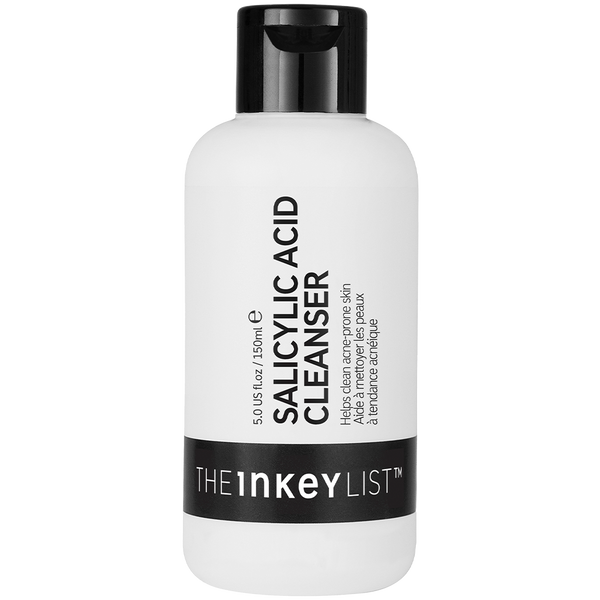
For oily and acne-prone skin, the cleanse is not optional and not interchangeable. You need a cleanser that removes excess oil and unclogs pores without stripping the skin barrier so aggressively that it triggers even more oil production. The Salicylic Acid Cleanser ($14) is the ideal starting point for this skin type. It contains 2% salicylic acid for deep pore-clearing action, 1% zinc for oil control, and 0.5% allantoin to soothe and prevent irritation. It removes the day’s buildup of sebum, SPF, pollution, and debris without leaving the skin feeling raw, so your HA serum has a clean, receptive surface to absorb into.

Step 2: Apply hyaluronic acid to damp skin.

This is the single most important application rule for hyaluronic acid, and it is especially critical in environments with low humidity. Hyaluronic acid is a water magnet. It draws moisture from wherever it can find it. When you apply it to skin that has a little moisture on the surface (from rinsing your cleanser, or a quick mist of water), it binds to that surface water and draws it into the skin. When you apply it to completely dry skin in a low-humidity environment, it can pull moisture from the deeper skin layers instead, which can actually worsen dehydration. Pat your skin mostly dry after cleansing, leave it slightly damp, and then apply the serum immediately. This one change alone can make a significant difference in how your HA serum performs.

Step 3: Use 2-3 drops and pat gently.

You do not need a lot. Two to three drops of the Hyaluronic Acid Serum is sufficient for the full face and neck. Apply in gentle pressing or patting motions rather than rubbing. Rubbing creates friction that can disrupt the film you are trying to build on the skin surface. Pat it in until it is absorbed, which should take no more than 30-60 seconds given how lightweight the formula is.

Step 4: Follow with a moisturizer.

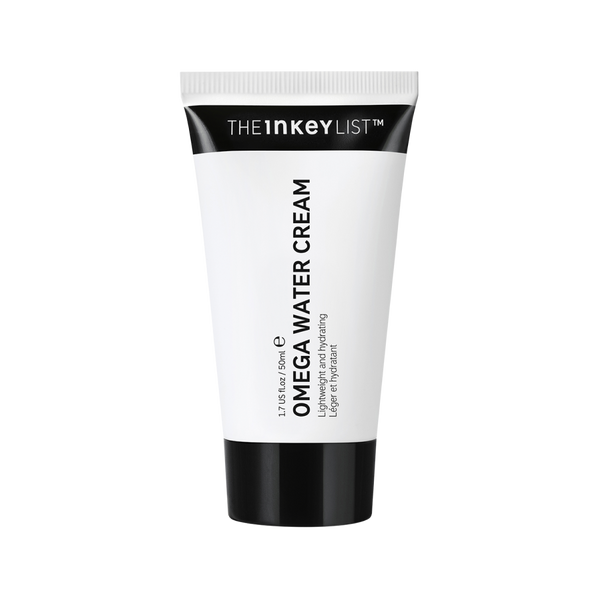
Hyaluronic acid draws moisture in, but it needs something on top to seal it there. In dry or air-conditioned environments especially, an unsupported HA layer can allow that water to evaporate from the surface before the skin gets to use it. For oily skin, the right moisturizer is the Omega Water Cream ($13), a gel-like, oil-free water cream formulated with 0.2% ceramide complex (omega 3, 6, and 9), 5% niacinamide, 5% glycerin, and 3% betaine. It clinically balances oil production and provides an appropriately lightweight seal over your HA layer. No greasiness, no heaviness, no pore-clogging. In clinical testing, 95% of users said their skin tone looked more even after 28 days of use. It is the ideal second step for oily skin after HA.

Step 5: Use morning and evening.

Hyaluronic acid is gentle enough for twice-daily use and stable enough to work alongside most other skincare ingredients. In the morning, it creates a smooth, hydrated base that helps SPF and makeup apply more evenly and last longer. In the evening, it supports overnight repair and works synergistically with treatment serums applied afterward.

The recommended layering order for oily skin:

  1. Salicylic Acid Cleanser
  2. Hyaluronic Acid Serum (on damp skin)
  3. Treatment serum (e.g., Niacinamide Serum)
  4. Omega Water Cream (oil-free moisturizer)
  5. SPF (morning only)

If you want to understand how this fits into a complete skincare framework, the Ultimate Skincare Routine Guide walks through routine building for every skin type. And if you are not sure exactly which products are right for your specific concerns, the Skincare Quiz will give you a personalized recommendation in under two minutes.

One climate-specific note: if you live somewhere particularly dry, or you spend significant time in heavily air-conditioned spaces, the moisturizer step after HA is non-negotiable. Do not skip it and hope for the best. The seal matters as much as the draw.

The routine above gives you a strong foundation. But there is one ingredient pairing that takes the oily-skin routine from solid to genuinely exceptional.


Niacinamide and Hyaluronic Acid: The Power Pairing for Oily Skin

If hyaluronic acid is the water-restoration step for oily skin, niacinamide is the oil-regulation step. Together, they tackle the two core issues of oily, acne-prone skin simultaneously, from two different biological angles. This pairing is one of the most effective, most affordable, and most accessible combinations in modern skincare, and it is particularly well-suited to the INKEY routine because both ingredients are present across multiple products in the line.

Niacinamide, also known as vitamin B3, is one of the most extensively studied ingredients in dermatology when it comes to oily and acne-prone skin. It works at the sebaceous gland level to regulate the rate of sebum production, which means it addresses the root of oiliness rather than just absorbing shine at the surface the way a mattifying powder would. Beyond oil control, niacinamide reduces the appearance of pores, calms redness and inflammation, and helps fade the post-breakout marks (post-inflammatory hyperpigmentation) that oily and acne-prone skin types frequently deal with. It is a multi-tasking, evidence-backed ingredient that belongs in almost every oily-skin routine.

Hyaluronic acid, as covered in detail throughout this guide, restores the skin’s water content and supports barrier function. When you pair these two ingredients, you are addressing oily skin from two directions at once. HA corrects the dehydration that is often silently driving excess oil production, while niacinamide actively regulates oil output at the gland level. The result is a more balanced complexion, less shine, more even skin tone, and a healthier barrier that is less susceptible to the dehydration-oil cycle in the first place.

From a formulation compatibility standpoint, this pairing could not be easier. Both ingredients are lightweight. Neither requires a specific pH range to function, which means you do not need to time them carefully the way you would with, say, vitamin C or a direct acid. They layer together easily without pilling, separation, or irritation. The application order is simple: apply the Hyaluronic Acid Serum first on damp skin, allow 30-60 seconds for it to absorb, then apply your niacinamide serum on top.

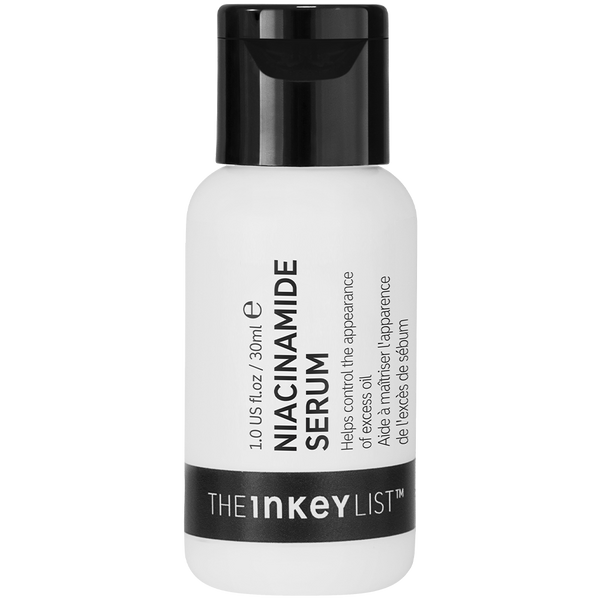
The Niacinamide Serum from INKEY ($10.50) already contains both 10% niacinamide and 1% hyaluronic acid in a single formula, which means it delivers oil control and hydration in the same step. With 4.6 stars across 774 reviews and a formula suitable for all skin types including acne-prone, it is a genuinely powerful product at a price point that removes every barrier to access. 

And here is where the INKEY oily-skin routine becomes especially well-constructed: the Omega Water Cream also contains 5% niacinamide within its formula. That means the full routine, from serum to moisturizer, naturally stacks multiple layers of niacinamide for comprehensive oil control alongside the hydration provided by hyaluronic acid. Everything is working in the same direction.

For readers who want to understand exactly how niacinamide works at the cellular and gland level, the niacinamide ingredient page goes into the full detail. And for the broader picture of how hyaluronic acid fits into this pairing, the ingredient guide covers everything you need.

With the science of the pairing established, the next question is a practical one: which specific INKEY products should oily skin be using, and why?


The Best INKEY Products for Oily Skin Featuring Hyaluronic Acid

Every product recommended below has a specific reason for being in an oily-skin routine. This is not a sweep of the catalog. These are the products that directly address the most common concerns of oily and acne-prone skin: excess sebum, dehydration, breakouts, large pores, and post-acne marks. Here is what each one does, and why it earns its place.

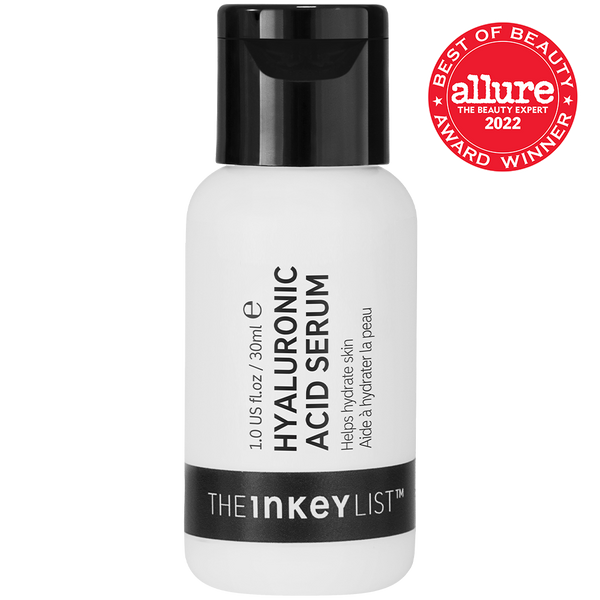
Hyaluronic Acid Serum — $10

The foundation of the routine. This is your core hydration step: lightweight, non-sticky, non-comedogenic, and formulated with 2% multi-molecular hyaluronic acid across three molecular weights for surface and deep hydration simultaneously. The addition of Matrixyl 3000 peptide complex supports skin firmness and elasticity. Clinically, 82% of users agreed skin felt firmer and smoother after four weeks, and 86% agreed the formula is quick-absorbing and non-tacky. These results speak directly to oily-skin needs: hydration without heaviness. Apply to damp skin for maximum absorption. Best for all oily and acne-prone skin types as the daily hydration step.

Niacinamide Serum — $10.50

Oil control and hydration in one step. With 10% niacinamide and 1% hyaluronic acid, this serum regulates excess sebum, reduces the appearance of pores, calms redness, and helps fade post-breakout marks, all while adding a layer of water-based hydration on top of your HA serum. Rated 4.6 stars across 774 reviews, suitable for all skin types. Best for oily skin with visible pores, persistent shine, active breakouts, or post-acne discoloration.

20% Niacinamide Serum — from $10

For oily skin with significant or persistent excess oil concerns that a standard 10% niacinamide concentration does not fully address. This higher-concentration formula provides maximum-strength sebum regulation for skin that needs a stronger intervention. Best used for skin with consistently heavy shine throughout the day, or for those who have used niacinamide for a while and want to step up the oil-control impact.

Omega Water Cream — $13

The oil-free moisturizer that seals everything in without adding any weight or greasiness. This gel-like water cream contains a 0.2% ceramide complex (omega fatty acids 3, 6, and 9) to support barrier repair, 5% niacinamide for continued oil regulation, 5% glycerin for additional humectant action, and 3% betaine to soothe. Non-comedogenic, oil-free, and clinically proven to balance oil production. In clinical testing, 95% of users reported a more even skin tone after 28 days. This is the moisturizing cap to the routine, locking in the hydration delivered by your HA serum and adding niacinamide’s oil-control benefits in one final step. Best for anyone with oily or acne-prone skin who has struggled to find a moisturizer that does not break them out.

Salicylic Acid Cleanser — $14

Before any of the above products can work, your skin needs a proper cleanse. This daily detox cleanser contains 2% salicylic acid for deep pore cleansing, 1% zinc for oil control, and 0.5% allantoin to soothe inflammation. It removes excess sebum, sunscreen, pollution, and debris without the aggressive stripping that triggers more oil production. Rated 4.6 stars across 1,335 reviews, it is one of INKEY’s most consistently loved products and the right first step for any oily or acne-prone routine. Best as the daily morning and evening cleanser for oily, acne-prone, and combination skin types.

Not sure which products are most relevant to your specific combination of concerns? The Skincare Quiz provides a personalized routine recommendation in under two minutes. It is free, fast, and accounts for your individual skin type, concerns, and goals.

With the full product range covered, there are a few more questions that come up frequently for oily-skin types considering hyaluronic acid. The FAQ section below addresses every remaining concern directly.


Frequently Asked Questions About Hyaluronic Acid for Oily Skin

Is hyaluronic acid good for oily skin?

Yes. Hyaluronic acid is a humectant that adds water to the skin, not oil. Oily skin can be dehydrated, and HA addresses that dehydration directly without contributing to sebum production or clogging pores. It is non-comedogenic, oil-free, and safe for all skin types including oily and acne-prone.

Does hyaluronic acid make skin more oily?

No. Hyaluronic acid is completely oil-free and does not stimulate the sebaceous glands. It draws water into the skin, not sebum. Research published in the Journal of Investigative Dermatology suggests HA may actually help reduce lipid synthesis in sebaceous glands over time, meaning it may support a decrease in oil production rather than an increase.

Does oily skin need hyaluronic acid?

Yes. Oily skin is not automatically well-hydrated skin. Many people with oily skin are simultaneously dehydrated due to over-cleansing, harsh products, or barrier disruption. That dehydration drives even more sebum production as the skin compensates for its water deficit. Hyaluronic acid restores the skin’s water content and can help break that dehydration-oil cycle.

Can oily skin use a hyaluronic acid serum?

Absolutely. A lightweight, water-based HA serum is the most appropriate format for oily skin, delivering meaningful hydration without weight, greasiness, or pore-clogging risk. INKEY’s Hyaluronic Acid Serum is non-comedogenic, fragrance-free, and specifically formulated to absorb quickly, making it ideal for oily and acne-prone skin types.

Is niacinamide and hyaluronic acid good for oily skin?

Yes, this is one of the most effective combinations available for oily skin. Hyaluronic acid restores the skin’s water balance and supports barrier function. Niacinamide regulates sebum production at the gland level and minimizes the appearance of pores. Both ingredients are lightweight, compatible, and safe to use together every day. They work from two different angles to make oily skin more balanced over time.

Does hyaluronic acid cause breakouts?

No. Pure hyaluronic acid is non-comedogenic and does not interact with acne-causing bacteria or sebum in a way that causes pore congestion. If breakouts occur after using a product containing HA, the cause is almost certainly another ingredient in the formula, such as fragrance, heavy emollients, or occlusive oils, not the HA itself. INKEY’s Hyaluronic Acid Serum contains no fragrance and is formulated to be safe for acne-prone skin.

Is hyaluronic acid good for oily acne-prone skin?

Yes. Hyaluronic acid hydrates without adding oil and does not clog pores, which makes it compatible with acne-prone skin. Maintaining adequate hydration is important for acne-prone skin because a dehydrated, compromised barrier is more susceptible to irritation, inflammation, and the kind of barrier disruption that worsens breakouts. HA supports barrier health without contributing to the conditions that cause acne.

What is the best hyaluronic acid serum for oily skin?

For oily skin, the best HA serum is one that is lightweight, non-comedogenic, fragrance-free, and formulated with multiple molecular weights for comprehensive hydration. INKEY’s Hyaluronic Acid Serum meets all of those criteria. It uses 2% multi-molecular HA at three different molecular weights, is clinically proven to deliver instant hydration, is quick-absorbing and non-tacky by clinical measure, and starts at $10, making it one of the most accessible and effective options available.

How do you use hyaluronic acid on oily skin?

Apply 2-3 drops to slightly damp skin immediately after cleansing. Pat the serum in gently using pressing motions rather than rubbing. Allow it to absorb for 30-60 seconds, then follow with an oil-free moisturizer to seal in the hydration. Use morning and evening for best results. In the morning, apply before SPF. In the evening, apply before any treatment serums such as niacinamide.

Should oily skin use a moisturizer after hyaluronic acid?

Yes, always. Hyaluronic acid draws moisture into the skin but requires a moisturizer on top to seal it in and prevent it from evaporating off the surface. Without that layer, especially in dry or air-conditioned environments, HA can pull moisture from deeper skin layers rather than holding it at the surface. For oily skin, an oil-free, non-comedogenic moisturizer like INKEY’s Omega Water Cream is the right choice: it locks in the hydration from HA without adding greasiness or risk of breakouts.


The Truth About Oily Skin and Hyaluronic Acid

The central truth of this guide is one that takes a little time to fully internalize, particularly if you have spent years operating under the assumption that oily skin and moisture do not belong in the same sentence. Oily skin and dehydrated skin are not mutually exclusive conditions. They coexist all the time, particularly in people who use aggressive cleansers, skip moisturizer out of fear of greasiness, or rely on drying treatments to control acne. Hyaluronic acid addresses the water deficit in the skin without contributing a single drop of oil. It is not a product for dry skin only. It is a product for healthy skin function, and oily skin deserves that too.

The most important practical takeaway from everything covered in this guide is also the simplest: apply your Hyaluronic Acid Serum to slightly damp skin, then follow with a lightweight, oil-free moisturizer like the Omega Water Cream to lock it in. Layer niacinamide on top of your HA step to address oil production from the gland level. Use the routine consistently, morning and evening. Results build with time, and four weeks of daily use is where the clinical data shows meaningful improvement in skin firmness, smoothness, and hydration.

At $10 for clinical-grade, multi-molecular hyaluronic acid, there is no barrier left between you and a more balanced complexion. This is not a complicated routine or an expensive one. It is an informed one.

If you are ready to go deeper, explore the complete oily acne-prone skin routine for the full regimen curated and ready to use. Take the Skincare Quiz for a personalized recommendation built around your specific skin concerns. Or read more about the ingredient itself on the hyaluronic acid ingredient guide to understand exactly what you are putting on your skin and why it works.


Shop the Hyaluronic Acid Serum — from $10. Clinically proven hydration for all skin types, including oily and acne-prone.

Build your full routine: