How to Tell If Your Skin Is Dehydrated: 7 Signs You Might Be Missing

01.06.2026 | Skincare

Dehydrated skin is one of the most commonly misunderstood skin conditions in skincare - and one of the easiest to misread. Unlike dry skin, which is a skin type, dehydration is a condition. It means the skin is lacking water, not oil. That distinction matters, because dehydrated skin can affect any skin type at any time - including oily skin - and its symptoms are frequently mistaken for something else entirely.

The challenge is that dehydrated skin rarely announces itself obviously. Instead, it shows up as excess shine, unexpected sensitivity, makeup that won’t sit right, fine lines that seem to appear from nowhere, or dark circles that look worse than usual. Most people do not connect these symptoms back to hydration. They treat the symptoms individually, and the underlying issue persists.

This article covers the 7 most commonly missed signs of dehydrated skin, a self-assessment checklist and pinch test you can do right now, the science of why dehydration develops, and the ingredients and routine steps that actually fix it. If you want a complete overview before diving in, the What Is Dehydrated Skin? guide covers the full picture.

Dehydration is temporary. It is correctable. And once you know what to look for, it is far easier to address than most people expect.


Dehydrated Skin vs. Dry Skin: Why the Difference Matters

Before identifying the signs of dehydrated skin, it is worth getting one foundational distinction right - because confusing these two concepts leads to the wrong products, the wrong routine, and a problem that never fully resolves.

Dehydrated skin is a condition. It occurs when the outer layers of the skin - specifically the stratum corneum - are lacking water. This can happen to anyone, at any point, regardless of their skin type. It is caused by external factors like weather, heating systems, harsh products, and over-exfoliation, as well as internal shifts in the skin’s barrier function. Because it is a condition rather than a fixed characteristic, it is also temporary and fully reversible with the right approach.

Dry skin is a skin type. It is characterized by a chronic lack of oil (sebum) production, and it is largely determined by genetics. People with dry skin produce less natural oil than other skin types, which affects their skin’s ability to stay moisturized over time. Dry skin is managed consistently over a lifetime - it is not something that appears suddenly after a stressful week or a change in weather.

The most important practical implication of this distinction? Oily skin can be dehydrated. This is the fact that surprises most people. When the skin senses that it is lacking water, it often compensates by producing more oil. The result is skin that looks shiny and feels tight or uncomfortable at the same time - a paradox that many people spend years trying to solve with oil-control products, when the actual issue is a lack of water in the skin’s outer layers.

This also means that the products used to address dry skin and dehydrated skin are not the same. Dry skin primarily benefits from richer, oil-replenishing moisturizers. Dehydrated skin needs humectants - ingredients that actively draw water into the skin - combined with a moisturizer to seal that water in. The terminology used in skincare makes this easy to confuse: “hydrating” and “moisturizing” are used interchangeably in everyday language, but they describe two different mechanisms.

Hydrating means delivering water to the skin. This is the role of humectants like Hyaluronic Acid and Ectoin.

Moisturizing means sealing that water in by slowing evaporation from the skin’s surface. This is the role of an occlusive moisturizer.

Dehydrated skin needs both steps in sequence. Applying a moisturizer without a hydrating serum underneath is the skincare equivalent of putting a lid on an empty pot - you are sealing in very little. To learn more about what dehydrated skin is and what causes it, the pillar guide goes into full detail.

Dry skin is managed. Dehydrated skin is fixed. That is the difference - and it shapes everything that follows.

With that foundation in place, it is time to look at the 7 specific signs that tell you your skin is dehydrated - including several that most people never connect to hydration at all.


7 Signs of Dehydrated Skin You Might Be Missing

This is the section most people are here for. These are the signs of dehydrated skin that frequently go unrecognized - either because they look like a different problem entirely, or because they are subtle enough to dismiss. Reading through them, you may find that several apply to your skin right now.

Sign 1: Your Skin Feels Oily and Tight at the Same Time

This is the most misunderstood sign of dehydrated skin, and one of the most common. The logic seems counterintuitive - how can skin feel greasy and uncomfortable simultaneously? The answer lies in the skin’s compensatory response to water loss.

When the skin’s outer layers become depleted of water, the skin senses the imbalance and responds by ramping up oil production. Sebum is not a perfect substitute for water, but it is the skin’s available resource. The result is a surface that produces excess shine while the deeper layers remain uncomfortable and tight. Skin feels like it needs to be blotted and soothed at the same time.

The reason this sign gets missed: most people with oily skin assume that oiliness means their skin is well-hydrated - or that their skin cannot be dehydrated at all. When they address the shine with mattifying or oil-controlling products, they are treating the symptom rather than the cause, and often stripping the skin further, making the dehydration worse.

Sign 2: Fine Lines That Appear When You Press or Scrunch Your Skin

These are dehydration lines, and they are distinct from structural wrinkles caused by collagen loss over time. Knowing the difference changes how you treat them.

Here is how to tell them apart: gently press a small area of your cheek or scrunch the skin slightly beneath your eye. Dehydration lines crinkle and bunch together under light pressure, creating a crazed or crumpled appearance. True wrinkles - which are structural changes in the skin - do not significantly change when the skin is pressed.

The good news about dehydration lines is that they respond quickly to treatment. Because they are caused by the skin lacking water rather than by the breakdown of collagen, many people notice a visible reduction within days of a consistent hydrating routine. They appear most commonly around the eyes, mouth, and forehead, where the skin is thinnest and subject to the most movement.

Understanding which ingredients target surface dehydration versus deeper barrier repair is worth looking into further. The Ectoin vs Hyaluronic Acid: What’s the Difference? guide breaks this down clearly.

Sign 3: Your Makeup Doesn’t Sit Right - It Pills, Patches, or Clings to Texture

Foundation that refuses to blend, concealer that clings to dry patches, products that pill as soon as you try to work them in - these are among the most overlooked signs of dehydrated skin, and one of the most frustrating to experience.

On a microscopic level, dehydrated skin has an uneven, rough surface. The skin’s outer layers are not properly plumped, which means makeup has nowhere smooth to adhere to. Instead, it settles into fine lines, catches on any areas of texture or flakiness, and pills when blended over a serum or moisturizer that has not fully absorbed.

Most people respond to this by changing their makeup formula, trying new primers, or reaching for setting sprays. These help temporarily - but they do not address the underlying dehydration that is creating the problem. The skin itself needs to be in better condition first.

Sign 4: Dark Circles That Look Worse Than Usual

The skin around the eyes is the thinnest on the entire face and has a lower density of oil glands than the rest of the skin. This combination makes the eye area the first place to visibly show dehydration - and the most dramatic.

When the under-eye skin is dehydrated, two things happen. First, the skin becomes more translucent, allowing the blood vessels beneath the surface to show through more prominently - which creates or deepens the appearance of dark circles. Second, the area loses volume temporarily, making shadows appear deeper and hollowing more pronounced.

This is why dark circles often fluctuate - they are not always fixed. They can worsen with poor sleep, yes, but they can also worsen significantly when the skin is dehydrated, even if the person has had plenty of rest.

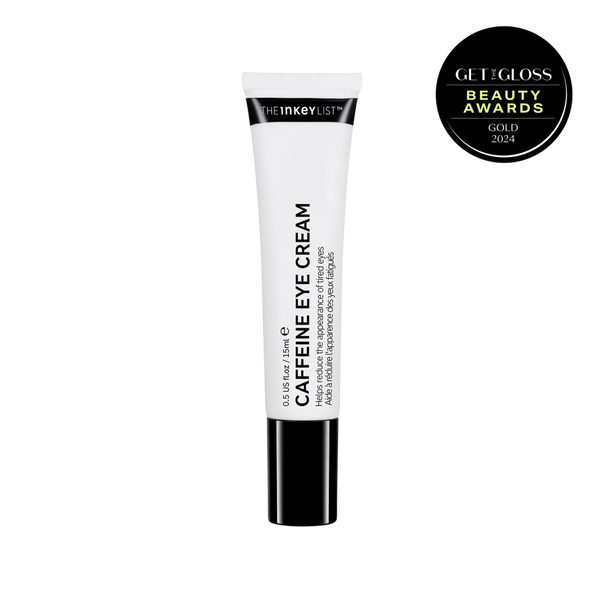
Why it gets missed: dark circles are almost universally attributed to tiredness or genetics. Skin hydration is rarely the first consideration - but for many people, it is part of the picture. Targeting this area specifically with our Caffeine Eye Cream ($12) can help - caffeine works to constrict blood vessels and address the puffiness and shadowing that dehydration makes more prominent, while the eye area works to rehydrate.

Sign 5: Products That Used to Work Now Sting or Irritate

A dehydrated skin barrier is a compromised skin barrier. The lipid matrix that holds the skin’s outer layers together - sometimes described as the “mortar” between cells - develops gaps when the skin is depleted of water. Those gaps allow irritants, active ingredients, and environmental triggers to reach the skin’s nerve endings more quickly and more directly than they should.

The result: a serum that your skin tolerated easily for months suddenly stings on application. A toner that felt refreshing now causes flushing or redness. Even a cleanser that never caused problems begins to feel uncomfortable.

This sign is easy to misattribute to a specific product - most people assume one of their products has changed, or that they have suddenly developed a sensitivity to an ingredient. But if multiple products are suddenly causing irritation simultaneously, the common variable is almost certainly the skin’s condition, not the products themselves. A compromised barrier is not selective in what it lets through.

For a full understanding of how the skin barrier functions and what happens when it is damaged, the Your Skin Barrier: What It Is, Signs It’s Damaged, and How to Repair It guide covers this in depth.

Sign 6: Your Skin Looks Dull or Flat - No Glow, Even After Cleansing

Well-hydrated skin has a natural luminosity to it. The plump, smooth surface of properly hydrated skin reflects light evenly, which is what creates the “glow” that is the goal of so many skincare routines. Dehydrated skin, by contrast, has a microscopically uneven surface. Light scatters rather than reflects, and the result is a flat, gray, one-dimensional appearance that no highlighter can fully compensate for.

This particular dullness is distinct from hyperpigmentation or uneven skin tone. It affects the whole face evenly, and it has a specific quality - a lack of dimension or life rather than patches of discoloration. If your skin looks tired or flat even after cleansing, and especially if it lacks the slight plumpness it once had, dehydration is a likely contributor.

Why it gets missed: dullness is frequently attributed to stress, tiredness, diet, or simply aging. Hydration is often the last thing considered, yet it is often the most directly impactful. Many people notice a visible difference in their skin’s luminosity within 24 to 48 hours of a properly structured hydrating routine - which is a strong indicator of just how responsive this particular symptom is to the right intervention.

Sign 7: Your Moisturizer Absorbs Instantly and Your Skin Still Feels Thirsty

If you apply moisturizer and it seems to vanish within seconds - leaving your skin feeling no different from before - or if you find yourself reapplying multiple times a day without ever feeling comfortable, this is a meaningful sign of dehydration.

The reason this happens is transepidermal water loss (TEWL) - the process by which water evaporates from the skin’s surface through a compromised barrier. The moisturizer is being applied correctly, but water is escaping through the damaged barrier faster than the moisturizer alone can compensate for.

The fix here is not a richer or heavier moisturizer. It is the sequence of application. A humectant serum applied first draws water into the skin’s outer layers. A moisturizer applied on top then slows the rate at which that water can escape. Without the humectant step, you are asking the moisturizer to do a job it was not designed to do alone.

With all seven signs on the table, the next step is turning them into a tool for self-assessment - so you can determine specifically whether your skin is dehydrated right now.


Is My Skin Dehydrated? The Pinch Test and a Self-Assessment Checklist

Recognizing the signs is one thing. Confirming them is another. These two quick tools - one physical, one observational - give you a practical way to assess your skin’s hydration status right now.

The Pinch Test

The pinch test is a simple dermatological indicator that can give you a directional read on your skin’s hydration level in under five seconds.

Here is how to do it:

  1. Choose a spot on your cheek or inner forearm.
  2. Gently pinch a small area of skin between two fingers.
  3. Hold for one second, then release.
  4. Watch how quickly the skin returns to its flat, natural position.

Well-hydrated skin snaps back immediately and smoothly, with no visible crinkle or delay.

Dehydrated skin takes a moment to return to its natural position - it may show a slight ridge or crinkle before settling, or return more slowly than expected.

One important caveat: the pinch test is a useful rough guide, not a clinical measurement. Skin laxity increases naturally with age, which can affect how quickly the skin rebounds regardless of hydration level. Treat it as a directional indicator rather than a definitive answer, and use it alongside the checklist below for a more complete picture.

Self-Assessment Checklist: How Many of These Apply to Your Skin Right Now?

Go through each of the following and note how many feel familiar:

  1. My skin feels tight or uncomfortable after cleansing
  2. My skin looks dull or flat, even after a shower
  3. I notice fine lines that seem to crinkle when I press my skin
  4. My makeup pills, patches, or does not blend smoothly
  5. My skin feels both oily and uncomfortable at the same time
  6. Dark circles under my eyes look more prominent than usual
  7. Products that used to work now sting or feel irritating
  8. My moisturizer absorbs immediately but my skin still feels thirsty
  9. My skin looks and feels better in humid weather or right after a face mask
  10. My skin feels worse in air-conditioned or centrally heated rooms

Your results:

  • 0-2 apply: Your skin hydration is likely in reasonable shape - but maintaining a consistent hydrating routine is still worthwhile prevention, especially during seasonal changes or periods of increased stress.
  • 3-5 apply: Your skin is showing clear signs of dehydration. Introducing a targeted hydrating serum as a dedicated step in your routine is recommended.
  • 6 or more apply: Your skin is likely significantly dehydrated and your barrier may be compromised. A barrier-first, hydration-focused routine is the priority right now.

If several of these signs resonated, the 5 Signs You Need Hyaluronic Acid Serum guide is a useful next read. And for a complete breakdown of what dehydrated skin is at a scientific level, What Is Dehydrated Skin? goes into the full detail.


Now that you have a way to identify and assess your dehydration, it is worth understanding why it happens - because that understanding is what makes the treatment approach make sense.


Why Your Skin Gets Dehydrated: The Science Behind the Signs

Every sign described in this article is a downstream effect of the same upstream problem: a compromised skin barrier losing water faster than the skin can replenish it. Understanding the mechanism behind this makes everything that follows - the ingredients, the routine, the order of application - logical rather than arbitrary.

The Barrier and Transepidermal Water Loss

The outermost layer of the skin, the stratum corneum, functions as a protective barrier between the body and the external environment. It is sometimes described using a brick-and-mortar analogy: skin cells (corneocytes) are the bricks, and a lipid matrix of ceramides, fatty acids, and cholesterol is the mortar that holds them together and keeps the structure sealed.

Within this structure, the skin also produces molecules collectively called the Natural Moisturizing Factor (NMF) - a group of water-binding compounds including amino acids, lactic acid, and urea that keep the outer layers hydrated from within.

When the skin barrier is compromised - whether by external aggressors, harsh products, or environmental factors - gaps develop in the lipid mortar. Water then evaporates from the skin’s surface at an elevated rate through a process called transepidermal water loss (TEWL). High TEWL equals dehydrated skin. Every sign covered in this article - the tightness, the dullness, the dehydration lines, the sudden sensitivity - is a surface expression of this underlying water loss.

What Actually Causes Dehydrated Skin

Dehydration is driven by factors that either damage the lipid barrier or accelerate water evaporation from the skin’s surface. The most common culprits include:

  • Over-cleansing or using stripping cleansers - harsh surfactants remove the lipid layer along with dirt and makeup
  • Central heating and air conditioning - low-humidity indoor environments dramatically increase the rate at which water evaporates from the skin
  • Hot showers - heat disrupts the lipid barrier and accelerates water loss
  • Over-exfoliation without barrier support - acids and physical exfoliants accelerate cell turnover, but without adequate hydration they thin the barrier
  • Using actives without hydrating steps - retinol, AHAs, and vitamin C can all increase TEWL, particularly at higher concentrations, if hydrating and barrier-supporting steps are not built around them
  • Cold weather and wind - environmental exposure that strips surface moisture and depletes the lipid layer
  • Skipping moisturizer - even one step missing in the routine creates a gap in the barrier seal

What Does NOT Cause Skin Dehydration

One persistent myth worth addressing directly: not drinking enough water does not cause dehydrated skin in the clinical sense. While systemic hydration matters for overall health, the evidence does not support the idea that drinking more water repairs dehydrated skin topically. Skin dehydration is a barrier-driven issue - the skin is losing water through its surface because the barrier is compromised, and the fix is topical, not internal.

Similarly, having oily skin does not protect against dehydration. As covered in Sign 1, oiliness and dehydration can and do coexist - and often do.

For a deeper look at how Ectoin works to both hydrate and reinforce the barrier simultaneously, the ingredient page explains the mechanism in detail.

With the science in place, the next step is the practical solution - the specific ingredients that address dehydration at its source, and the products that deliver them effectively.


How to Fix Dehydrated Skin: The Ingredients That Actually Work

Treating dehydrated skin effectively comes down to two sequential actions: draw water into the skin, then seal it there. Every product recommendation in this section follows that principle. Understanding why each ingredient works makes it far easier to use them correctly.

The Core Principle: Attract Water In, Then Lock It There

Two categories of ingredient are essential for dehydrated skin:

Humectants draw water into the outer layers of the skin. They work by attracting moisture from the environment and from deeper skin layers toward the surface. Hyaluronic Acid and Ectoin are the two most effective humectants for dehydrated skin, and they work in complementary ways.

Occlusives slow the rate of water evaporation from the skin’s surface. They form a film over the skin that acts as a temporary barrier seal, slowing TEWL and giving the humectant’s work a chance to take effect.

Application order is not optional - it is the mechanism. Humectant serum goes on first, applied to skin that is still slightly damp after cleansing. The moisturizer (occlusive) goes on second, while the skin is still slightly tacky. This sequence is what makes the routine work.

Hyaluronic Acid: The Classic Humectant

Hyaluronic Acid is naturally present in the skin and is one of the most effective moisture-binding molecules known. A single molecule can hold up to 1,000 times its own weight in water - a property that makes it exceptionally effective at plumping the skin’s outer layers.

Modern formulations use multiple molecular weights of Hyaluronic Acid to hydrate at different depths simultaneously - larger molecules work at the surface, smaller molecules penetrate more deeply into the skin’s layers. The result is more comprehensive hydration than a single-weight formula can deliver.

One critical usage note: apply Hyaluronic Acid to skin that is slightly damp, not completely dry. On very dry skin in a low-humidity environment, it can draw moisture from deeper skin layers rather than the environment, which is counterproductive. Applying immediately after cleansing while the skin is still slightly damp maximizes its effectiveness. For a full guide on whether you are using it correctly, that detail is worth reading.

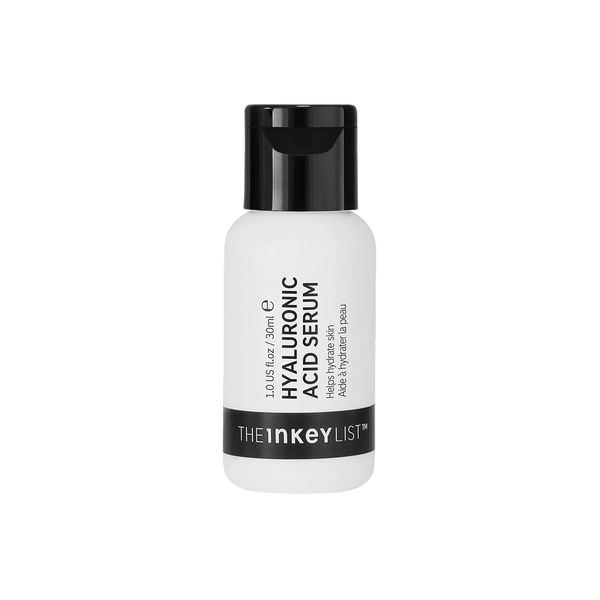
For a deeper understanding of the ingredient itself, the What Is Hyaluronic Acid? pillar page covers the full science. Our Hyaluronic Acid Serum ($10) delivers this in a lightweight, layerable formula.

Ectoin: Barrier Repair and Deep Hydration

Ectoin is a naturally derived molecule produced by extremophile bacteria - microorganisms that survive in extreme environmental conditions. The molecule works by forming protective hydration shells around skin cells, which simultaneously hydrates deeply and reinforces the barrier’s structural integrity to reduce TEWL. This dual-action mechanism is what distinguishes Ectoin from Hyaluronic Acid alone.

Clinically, Ectoin has been shown to restore skin hydration and bounce in as little as three days of consistent use. It is exceptionally well-tolerated, making it particularly valuable for skin that is both dehydrated and sensitized - the combination described in Sign 5.

For a full breakdown of what Ectoin is and how it works, the ingredient page covers the science in detail. To understand how it compares to Hyaluronic Acid and how to use both together, the Ectoin vs Hyaluronic Acid guide is the clearest resource available.

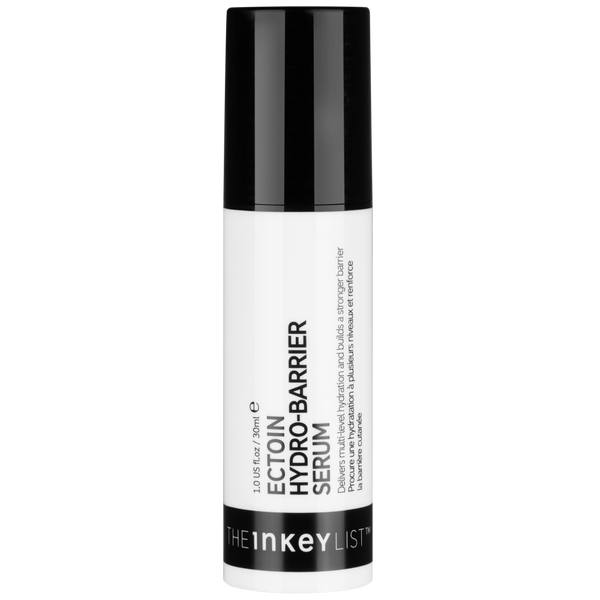
Our Ectoin Hydro-Barrier Serum ($15) is the primary barrier-repair and deep hydration step for dehydrated skin - applied first to damp skin as the foundation of the hydrating routine.

Omega Fatty Acids: A Lightweight Barrier Seal for All Skin Types

Omega 3, 6, and 9 fatty acids are structural components of the skin’s lipid matrix - the mortar in the brick-and-mortar analogy. In dehydrated skin, this lipid layer is depleted, which contributes directly to elevated TEWL. Topically applying omega fatty acids helps restore this matrix and reinforce the barrier’s sealing ability.

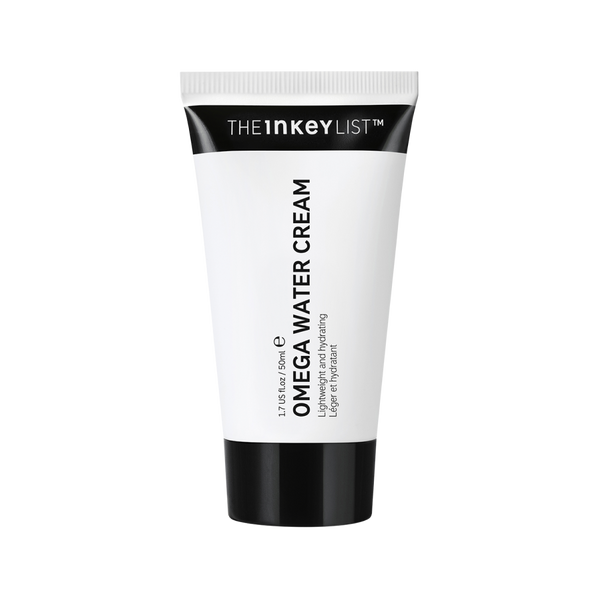
A water-cream format delivers this barrier support without heaviness - making it effective for oily, combination, and dehydrated skin types who need occlusive support without congestion or a greasy finish. Our Omega Water Cream($13) is the moisturizing seal that completes the humectant-occlusive layering sequence.

Caffeine: Targeted Support for the Eye Area

The eye area loses water faster than the rest of the face and shows the effects of dehydration more dramatically - as described in Sign 4. Addressing it with a targeted product rather than expecting a general face moisturizer to reach it adequately makes a meaningful difference.

Caffeine works by constricting blood vessels in the eye area, which reduces the shadowing and discoloration that dehydration makes more visible. Combined with a targeted hydrating formula, it addresses both the structural and visual signs of periorbital dehydration. Our Caffeine Eye Cream ($12) is applied with the ring finger using light tapping motions around the orbital bone - morning and evening.


Building Your Dehydrated Skin Routine: How to Layer for Results

Knowing which ingredients work is half the equation. The other half is knowing how to use them together - in the right sequence, at the right time, in the right way. This is the routine that addresses dehydrated skin systematically, morning and evening.

The Layering Rule: Thin to Thick, Attract Then Seal

The sequence is non-negotiable because it follows the physics of how these ingredients work. Humectant serums go on first, applied to skin that is still slightly damp from cleansing. The moisturizer goes on last, applied while skin is still slightly tacky from the serums. This order ensures the humectant has water available to draw from the environment, and the moisturizer has something to seal in.

Do not wait for skin to fully dry between steps. The window of damp skin after cleansing is the optimal moment to apply a humectant serum.

Morning Routine for Dehydrated Skin

Step 1 - Cleanse
Use a gentle, non-stripping cleanser - a balm or cream formula that rinses clean without leaving the skin feeling tight. Cleansing is where dehydration cycles often begin or worsen, so a gentle formula is important here. Do not let this step strip what you are about to replenish.

Step 2 - Hydrating Serum (apply to damp skin)
Apply 2-3 drops of our Ectoin Hydro-Barrier Serum ($15) immediately after cleansing while the skin is still slightly damp. Pat gently into the face and neck. This is the core barrier-repair and deep hydration step - the foundation of the routine.

Step 3 - Boost (optional)
Layer the Hyaluronic Acid Serum ($10) over the Ectoin serum while the skin is still slightly tacky. Stacking humectants amplifies the hydration effect - particularly useful if the skin is significantly dehydrated or during periods of low humidity. For more on when this step is worth adding, 5 Signs You Need Hyaluronic Acid Serum is a helpful guide.

Step 4 - Eye
Apply the Caffeine Eye Cream ($12) with the ring finger, using light tapping motions around the orbital bone. Do not drag or press the eye area - tap only.

Step 5 - Moisturize
Apply the Omega Water Cream ($13) while the skin is still slightly tacky from the serums. This is the sealing step - it slows water evaporation and replenishes the barrier’s lipid layer. Blend fully over the face and neck.

Evening Routine for Dehydrated Skin

Step 1 - Cleanse
A thorough but gentle cleanse to remove the day without disrupting the barrier. If you have been wearing makeup or skincare with film-forming ingredients, ensure the cleanse is complete - residue left on the skin can interfere with the absorption of what follows.

Step 2 - Hydrating Serum (apply to damp skin)
Apply our Ectoin Hydro-Barrier Serum again to damp skin. Evening application pre-conditions the barrier and supports the skin’s natural overnight repair cycle - the skin’s cell regeneration process peaks during sleep, making this an important window for barrier-focused care.

Step 3 - Boost (optional)
Apply the Hyaluronic Acid Serum as in the morning routine if additional hydration support is needed.

Step 4 - Eye
Apply the Caffeine Eye Cream as in the morning routine.

Step 5 - Moisturize
Apply the Omega Water Cream as the final step. Overnight, the skin does its most intensive repair work under occlusion. The moisturizer here is not just comfort - it is an active part of the barrier repair process.

How Quickly Can You Expect Results?

  • 24-48 hours: Reduced tightness and improved comfort are often the first things people notice. The skin starts to feel more settled.
  • 2-4 weeks: Visible improvement in dehydration lines, dullness, and overall texture becomes apparent with consistent use.
  • 28 days: The skin’s barrier completes approximately one full repair cycle. Consistency across this window matters more than the quantity of product applied. A light layer applied every day outperforms a generous application done intermittently.

What Is the Minimum Effective Routine?

Not everyone needs - or wants - a five-step routine. The minimum effective combination for dehydrated skin is our Ectoin Hydro-Barrier Serum paired with the Omega Water Cream. These two steps - applied consistently, in sequence, on damp skin - will produce noticeable results for most people.

Add the Hyaluronic Acid Serum for amplified hydration if the skin is significantly dehydrated or if you are in a particularly low-humidity environment.

Add the Caffeine Eye Cream if the eye area is showing clear signs - dark circles, dehydration lines, or puffiness that the checklist identified.


Dehydrated Skin Is Fixable - Here Is What to Do Next

Dehydrated skin does not always look the way most people expect. It shows up as excess oiliness, unexpected sensitivity, makeup that won’t cooperate, dark circles that seem worse than usual, fine lines that appear from nowhere, and a dullness that no amount of sleep seems to shift. It is one of the most common skin conditions - and one of the most frequently misread.

The good news is clear: this is a temporary condition. Unlike a fixed skin type, dehydration responds directly and relatively quickly to the right routine. The principle is straightforward - attract water into the skin with a humectant, seal it in with a moisturizer, repeat consistently. The 28-day barrier repair cycle means that commitment to the routine matters more than anything else.

If you want the full science behind what is happening in your skin, the What Is Dehydrated Skin? guide covers everything in depth. If you are not sure where to start with your routine, Take the Skincare Quiz for a personalized recommendation built around your skin’s specific needs.

Dehydrated skin is solvable. Now you know exactly what to look for - and exactly what to do about it.


Shop the Ectoin Hydro-Barrier Serum - $15
Find it here - the core barrier-repair and deep hydration step for dehydrated skin.

Shop the full dehydrated skin range
Browse the collection to find your complete routine in one place.

Get a personalized routine
Take the Skincare Quiz for expert guidance tailored to your skin.

Talk to an expert
Chat to askINKEY for personalized skincare advice from our team.