What Is TEWL (Transepidermal Water Loss) and How to Prevent It?
Published
29 May, 2026
Transepidermal water loss - TEWL - is the continuous, passive process by which water evaporates through the outer layers of your skin and disperses into the surrounding air. It happens right now, as you read this. It happened while you slept last night. It is not sweating. There are no glands involved, no signals from your nervous system, no response to heat or exertion. TEWL is entirely involuntary - an invisible diffusion of water molecules through the skin’s surface that never stops.
At a controlled rate, TEWL is completely normal. Every person experiences it. The problem begins when the rate of water loss accelerates beyond what the skin can manage - when the barrier responsible for keeping moisture locked in is no longer doing its job efficiently. At that point, the consequences show up in ways most people recognize immediately: persistent tightness, rough texture, dullness, sensitivity, and fine lines that seem to have appeared overnight.
Understanding TEWL is not just academic. It is one of the most practically useful things you can know about your skin, because it reframes what dehydrated skin actually is - not a lack of water applied to the surface, but a failure to retain the water that is already there. The solution, then, is not simply to apply more moisturizer. It is to understand and support the structure that stops water from leaving in the first place.
This blog covers the science of TEWL, the specific biological mechanisms that control it, the environmental and lifestyle factors that cause it to spike, how to recognize it in your own skin, and - critically - the ingredients and routine steps that give your barrier the support it needs. Our hero product throughout this journey is the Ectoin Hydro-Barrier Serum, a formula built around one of the most compelling barrier-active ingredients in modern skincare. More on that in detail shortly.
What Is Transepidermal Water Loss (TEWL)?
Transepidermal water loss is an objective measurement of skin integrity. Clinically, it is defined as the amount of water that passively diffuses through the stratum corneum - the outermost layer of the skin - and evaporates from the skin’s surface into the environment. It is measured in grams of water per square meter of skin per hour (g/m2/h), and it is used by dermatologists and researchers as one of the most reliable indicators of skin barrier function.
Transepidermal water loss (TEWL) is the passive diffusion of water through the skin’s outer layers into the environment. It is an invisible, continuous process that increases when the skin barrier is weakened.
The key word in that definition is passive. Unlike sweating, which is an active, gland-driven process triggered by heat, physical activity, or stress, TEWL operates without any prompting. It is the natural result of water molecules migrating from areas of higher concentration - deeper within the skin - toward areas of lower concentration - the open air around you. The stratum corneum is what stands between that migration being controlled and becoming a problem.
In healthy skin, the stratum corneum keeps TEWL at a low and manageable rate. According to clinical research published in PMC, normal TEWL rates in healthy adults range from approximately 2.3 g/m2/h to 44 g/m2/h depending on anatomical location, age, and environmental conditions. On most areas of the body, the rate sits comfortably toward the lower end of that range under standard conditions. When the barrier is compromised, however, that rate climbs - and the skin’s ability to maintain adequate hydration begins to fall apart.
It is worth being precise about what “compromised” means here, because it is not dramatic. You do not need to have eczema or a clinical skin condition for your TEWL to be elevated. Over-exfoliation, a harsh cleanser used once too often, a week of cold dry weather without adjusting your routine - any of these can nudge TEWL upward and leave your skin functioning below its best. The barrier is resilient, but it is also sensitive to disruption in ways that accumulate over time.
TEWL is measurable in clinical settings using a device called a tewameter - a non-invasive probe that detects changes in water vapor density above the skin’s surface. In everyday skincare, you will not have access to a tewameter, but you do not need one. The signs of elevated TEWL are visible and tactile, and we will cover them in detail later in this blog. For now, what matters is understanding that TEWL is the mechanism behind much of what people experience as “dehydrated skin” - and that the barrier is the place to start. For a deeper dive into what your skin barrier is and how to protect it, we have a dedicated resource that pairs well with this one.
The concept of TEWL reframes how we think about skin hydration entirely. It is not enough to put water into the skin. The skin has to be able to hold it there. That is the job of the barrier - and understanding precisely how it does that job is the foundation of everything else.
How Your Skin Barrier Controls Water Loss
Think of the skin barrier as a wall - specifically, a brick-and-mortar wall. The “bricks” are corneocytes: flattened, protein-rich dead skin cells that form the stratum corneum. The “mortar” is a precisely composed lipid matrix that fills the spaces between them, made up primarily of ceramides, cholesterol, and free fatty acids. This is not a poetic analogy - it is the model used in dermatological science to describe exactly how the stratum corneum functions as a physical barrier.
When this structure is intact, water is retained efficiently. Water molecules attempting to diffuse outward encounter the lipid matrix and are slowed. The result is a low, controlled rate of TEWL, and skin that stays hydrated, pliable, and resilient. When the lipid matrix is disrupted - by environmental insults, harsh skincare products, or biological aging - the mortar degrades. Gaps appear. Water escapes more freely. TEWL increases.
Ceramides are the most critical component of that lipid matrix. They make up approximately 50% of the stratum corneum’s total lipid content, making them the structural backbone of barrier function. Without adequate ceramide levels, the mortar cannot do its job. Water loss accelerates, and no amount of surface hydration can compensate for a structurally compromised foundation. If you want to understand more about how different forms of ceramides work in skincare, our blog on bio-active ceramides vs regular ceramides goes into precise detail.
Beyond ceramides, the stratum corneum contains another hydration system that is often overlooked: the natural moisturizing factor, or NMF. This is a collection of water-soluble compounds found inside the corneocytes themselves - amino acids, lactic acid, urea, and other hygroscopic molecules that attract and retain water within the skin cell. NMF keeps the stratum corneum hydrated from the inside, preventing the cells from becoming brittle and ineffective. As the barrier ages or is compromised, NMF levels decline alongside lipid levels, compounding the problem.
This is also a useful moment to clarify a distinction that trips people up constantly: the difference between dry skin and dehydrated skin. Dry skin is a skin type - it relates to sebum production and tends to be a chronic, inherited characteristic. Dehydrated skin is a condition - it relates to water content within the skin and can affect anyone, regardless of skin type. Elevated TEWL causes dehydration. Oily skin can be dehydrated. Combination skin can be dehydrated. Even acne-prone skin can suffer from high TEWL. Our blog on dry vs dehydrated skin unpacks this distinction further if you want to identify which category applies to you.
TEWL is also used clinically to assess the severity of skin barrier impairment. Conditions like atopic dermatitis (eczema), psoriasis, and rosacea are all associated with significantly elevated TEWL rates - measurably higher than baseline even before visible symptoms appear. This is one of the reasons TEWL measurement has become such a valuable tool in dermatological research: it reveals barrier dysfunction before it becomes a visible problem, giving researchers and clinicians a way to quantify and track improvement.
The takeaway is simple, even if the biology is not. A healthy lipid matrix means controlled TEWL. Controlled TEWL means hydrated, resilient skin. Everything in an effective barrier-supportive skincare routine - every ingredient choice, every step - should ultimately serve that goal. Understanding what threatens that balance is the next step.
What Causes Increased Transepidermal Water Loss?
TEWL does not spike randomly. There are consistent, identifiable factors that compromise the lipid matrix, deplete ceramides, and push water loss beyond the healthy threshold. Some are environmental. Some are behavioral. Some are biological realities that change over time. Most, importantly, are addressable.
Environmental Factors
- Cold, dry air - Low-humidity environments accelerate evaporation from the skin surface. The drier the air, the steeper the moisture gradient between your skin and the surrounding atmosphere - and the faster water migrates outward.
- Central heating and air conditioning - Indoor climate control is one of the most consistently underestimated contributors to elevated TEWL. Heating and cooling systems strip ambient humidity dramatically, often bringing indoor levels far below the 40-60% range at which barrier function is optimal.
- UV exposure - Ultraviolet radiation directly damages the lipid matrix of the stratum corneum and disrupts ceramide synthesis - two blows to barrier integrity that compound over time with cumulative sun exposure.
- Pollution - Research published in PMC found that all studies examining pollution’s effect on TEWL concluded that exposure to particulate matter and nitrogen dioxide increases TEWL, likely through oxidative damage to the skin’s epithelial barrier. For more on how pollution and other external stressors affect the skin, our guide on what is skin stress is worth reading.
- Wind - Like cold air, wind mechanically strips surface lipids and accelerates evaporation, particularly on exposed facial skin.
Lifestyle Factors
- Hot showers and baths - Hot water dissolves surface lipids efficiently. A long, hot shower is one of the most effective ways to temporarily compromise your skin’s lipid matrix and elevate TEWL - particularly if you do not follow up with a barrier-supportive moisturizer immediately afterward.
- Chronic stress - Elevated cortisol impairs the skin’s barrier repair mechanisms and slows the synthesis of the lipids needed to maintain an effective stratum corneum. The skin and the stress response are more connected than most people realize.
- Poor sleep - Skin barrier regeneration is a nocturnal process. The majority of cellular repair - including lipid production and corneocyte renewal - occurs during sleep. Insufficient or disrupted sleep measurably increases TEWL.
- Diet low in essential fatty acids - The lipid matrix of the stratum corneum depends on dietary fatty acids for synthesis. A diet deficient in omega-3 and omega-6 fatty acids can impair ceramide production and compromise the barrier from the inside out.
Skincare Habits
- Over-exfoliation - Aggressive or too-frequent use of AHAs, BHAs, or physical scrubs removes lipids from the stratum corneum and thins the protective layer. This is one of the most common causes of elevated TEWL in skincare enthusiasts.
- Harsh, stripping cleansers - Surfactant-heavy cleansers are formulated to dissolve oils - and they do not discriminate between the sebum you want removed and the barrier lipids you need to keep. Check out our skincare routine for dehydrated skin for guidance on building habits that protect rather than compromise your barrier.
- Skipping moisturizer - Going without an occlusive or emollient layer after cleansing removes the topical seal that slows surface evaporation. Even if you think your skin is fine without it, skipping this step accelerates TEWL throughout the day.
- Retinoids and high-concentration acids without barrier support - These actives are valuable but temporarily increase TEWL when introduced. Pairing them with barrier-supportive formulas mitigates this effect.
Biological and Medical Factors
- Aging - Ceramide production naturally declines with age - a process that begins earlier than most people expect, with measurable changes in lipid composition occurring from the late twenties onward. This is why chronically elevated TEWL and increased skin sensitivity are common in mature skin.
- Skin conditions - Eczema (atopic dermatitis), psoriasis, and rosacea are all strongly associated with significantly elevated TEWL. In these conditions, barrier dysfunction is not just a side effect - it is often a primary driver of the inflammatory cycle.
- Genetics - Some individuals are born with naturally lower ceramide concentrations and a more permeable stratum corneum, making them constitutionally more susceptible to elevated TEWL regardless of their environment or habits.
Air conditioning and central heating can reduce indoor humidity levels to below 30% - far lower than the 40-60% range at which skin barrier function is optimal. If your skin worsens in winter indoors, your environment may be a bigger factor than your skincare routine.
Recognizing the causes is the first step toward addressing them. But before you can take action, you need to be able to identify whether elevated TEWL is already affecting your skin.
Signs That Your TEWL Levels Are Too High
Your skin communicates. It is not always subtle about it. When TEWL is elevated and the barrier is struggling, the symptoms are consistent - and once you know what to look for, they are easy to identify in your own reflection.
Persistent tightness or discomfort after cleansing
That feeling of tightness immediately after washing your face - the sensation of the skin pulling or feeling smaller than it should - is a direct signal of moisture loss. In skin with a healthy barrier, this resolves quickly as the barrier equilibrates. In skin with elevated TEWL, it lingers. Some people describe it as the skin feeling uncomfortable or “squeaky” throughout the day, even after applying products.
Flakiness and rough, uneven texture
When the stratum corneum cannot retain water, corneocytes do not shed and renew properly. Dead skin cells accumulate on the surface rather than sloughing away cleanly, creating visible flaking, rough patches, and a texture that makeup sits unevenly on. This is not a signal to reach for an exfoliant - it is a signal to repair the barrier. Aggressive exfoliation at this point makes the problem significantly worse.
Dullness and a loss of radiance
Adequately hydrated skin reflects light evenly and appears luminous. Dehydrated skin - the kind caused by elevated TEWL - does neither. The surface becomes uneven at a microscopic level, scattering light rather than reflecting it, resulting in a flat, gray, or tired appearance that no amount of highlighter fully compensates for.
Increased sensitivity and reactivity
A compromised barrier is a permeable barrier. When the lipid matrix is degraded, it allows not only water to escape outward but also allows irritants, allergens, and pollutants to penetrate inward more easily. The result is skin that becomes reactive to products that previously caused no issues - stinging from serums, redness from actives, or general low-grade irritation that is difficult to pin down.
Fine lines that look more prominent
Dehydration caused by elevated TEWL causes the skin to lose its plumpness temporarily, making fine lines - particularly around the eyes and mouth - appear more defined. This is a reversible effect, but it is a clear visual cue that the barrier needs attention. Formulas that combine hydration with barrier support - like our Ectoin Hydro-Barrier Serum- address both sides of this problem simultaneously, drawing water back into the skin while reinforcing the barrier that keeps it there.
Skin that absorbs products immediately but never feels satisfied
You apply moisturizer. It sinks in instantly. Within an hour, your skin feels as though you applied nothing at all. This cycle of application without lasting comfort is one of the clearest signs of a compromised barrier - water is entering the surface but escaping before it can be properly retained. Understanding the difference between moisturizing and hydrating can help clarify what your skin actually needs in this situation.
A note worth making here: The signs above are worth addressing with targeted skincare and routine adjustments. If you are experiencing persistent symptoms - chronic redness, eczema flares, severe sensitivity that does not respond to barrier repair - those warrant assessment by a dermatologist. Skincare can support and maintain a healthy barrier; it cannot replace medical treatment for clinical skin conditions.
Once you can identify what elevated TEWL looks and feels like, the next question is clear: which ingredients are clinically proven to address it?
The Best Ingredients for Reducing Transepidermal Water Loss
Not all hydrating ingredients work the same way. When it comes to TEWL specifically, the goal is not just to deposit water on the skin’s surface - it is to create a system that draws water in, keeps it in, and fortifies the structure responsible for retaining it. That requires understanding three functional categories of ingredients and how they work together.
Humectants - Drawing Water In
Humectants attract water molecules from both the environment and the deeper layers of the skin, pulling them toward the stratum corneum. They are the first line of offense against dehydration.
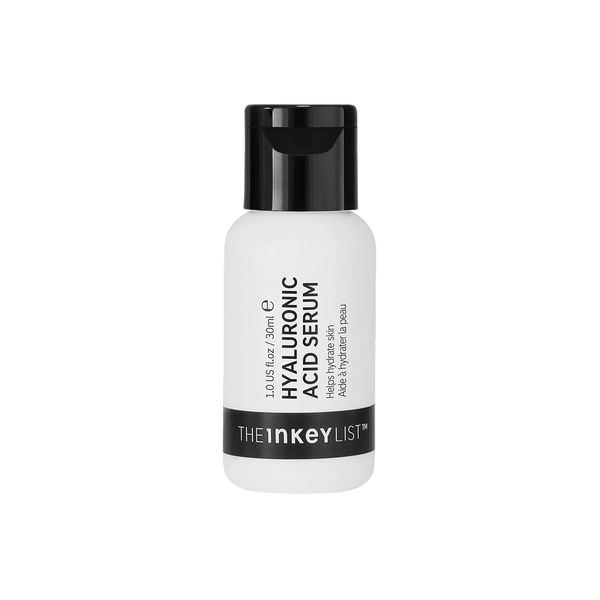
- Hyaluronic Acid is the benchmark humectant in skincare. At its most effective, it is formulated across multiple molecular weights to target hydration at different depths within the skin - from the surface down into the deeper epidermal layers. Our Hyaluronic Acid Serum ($10.00) is a reliable, straightforward delivery of this ingredient and should be applied to slightly damp skin to maximize its water-attracting capacity.
- Glycerin is one of the most researched and effective humectants available, present in a huge percentage of well-formulated skincare products. It is deeply effective and broadly tolerated.
- Polyglutamic Acid can hold significantly more moisture than hyaluronic acid by weight and forms a light film on the skin surface that additionally slows evaporation. Our Polyglutamic Acid Serum delivers this ingredient in a straightforward, accessible formula.
Occlusives - Sealing Moisture In
Occlusives form a physical seal on the skin’s surface that slows the rate of water evaporation. Without an occlusive layer, humectants draw moisture in but cannot prevent it from escaping again.
- Ceramides are the most physiologically relevant occlusive in skincare, because they directly replenish the lipid matrix of the stratum corneum rather than simply sitting on top of it. They address TEWL structurally, not just superficially.
- Plant oils and butters such as jojoba esters and shea butter provide emollient and light occlusive support as part of a well-formulated moisturizer.
Emollients - Smoothing and Strengthening
Emollients fill the microscopic gaps between skin cells, smoothing texture and reducing water loss through the impaired regions of the stratum corneum. Squalane, cetearyl alcohol, and other fatty alcohols are common examples - lightweight and effective without leaving a heavy residue.
Barrier-Active Ingredients - Repairing at a Structural Level
This is where TEWL reduction moves beyond surface management into structural repair.
- Ceramides deserve a second mention here as barrier actives specifically - not just for their occlusive properties but for their ability to replenish the stratum corneum’s own lipid composition over time. For a precise breakdown of the difference between ceramide types, our blog on bio-active ceramides vs regular ceramides is essential reading.
- Ectoin is a naturally derived extremolyte that works at the cellular level to stabilize the barrier, reduce inflammation, and prevent moisture loss simultaneously. It is the standout barrier-active ingredient in this category and deserves its own section - which follows immediately after this one. For a detailed look at the ingredient alone, the Ectoin ingredient page on our site covers the full mechanism.
- Panthenol (Vitamin B5) supports barrier repair, retains moisture within the skin layers, and soothes compromised skin - a reliable supporting ingredient in any barrier-focused formula.
The order in which you apply these ingredients matters as much as the ingredients themselves. The principle is known as the moisture sandwich method: humectants first to draw water in, barrier actives next to repair structure, occlusives and emollients last to seal everything in. Getting this sequence right determines whether your routine supports TEWL reduction or inadvertently undermines it.
Ectoin: The Barrier-Strengthening Ingredient That Targets TEWL
Ectoin is not a new discovery, but it has only recently entered mainstream skincare conversations - and for good reason. It is one of the few ingredients that addresses transepidermal water loss at a structural level, through a mechanism that goes meaningfully beyond what conventional humectants offer.
Where Ectoin Comes From
Ectoin is a naturally occurring amino acid derivative, first discovered in extremophile bacteria - microorganisms that thrive in environments hostile to almost all other life. Salt deserts. Deep-sea vents. The edges of volcanoes. These bacteria evolved Ectoin as a survival molecule: a compound that forms a structured hydration shell around their proteins and cell membranes, protecting their cellular architecture from dehydration, heat, cold, and UV damage. What evolved as a bacterial survival mechanism turns out to be remarkably effective on human skin.
How Ectoin Reduces TEWL Specifically
Most hydrating ingredients work on a single principle: they attract or deliver water to the skin. Ectoin does something more sophisticated. It forms a protective hydration complex around the proteins and lipids in the skin barrier, stabilizing them against environmental stress and preventing the structural degradation that causes TEWL to rise.
At a functional level, this means Ectoin simultaneously hydrates the skin and strengthens the barrier against water loss. It does not just fill the skin with water and hope for the best - it reinforces the structure responsible for keeping that water from escaping. This dual-action profile - hydration plus barrier repair - is what makes Ectoin particularly relevant for anyone dealing with the symptoms of elevated TEWL. It also makes it an exceptional ingredient for skin that is exposed to the environmental stressors we covered earlier. For more on how skin stress and environmental factors interact with the barrier, our guide on what is skin stress explores the overlap with Ectoin’s protective mechanism in detail.
You can read the full scientific background on Ectoin’s mechanism on the INKEY Ectoin ingredient page.
Most hydrating ingredients draw water into the skin. Ectoin does something more: it strengthens the barrier that keeps that water from escaping. That is why it is one of the most effective ingredients for addressing transepidermal water loss at a structural level.
The Ectoin Hydro-Barrier Serum
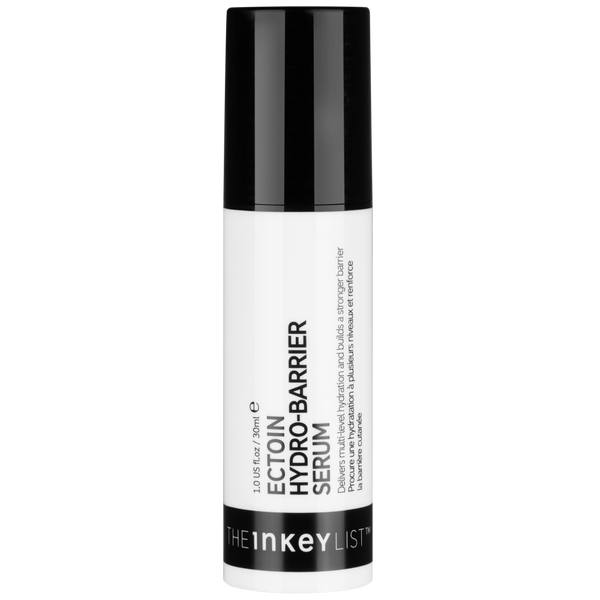
Our Ectoin Hydro-Barrier Serum ($15.00) delivers 2% Ectoin - the active concentration at which its barrier-strengthening properties have been clinically validated - alongside two equally important supporting ingredients.
The formula includes 2.5% Multi-Molecular Hyaluronic Acid, formulated across four different molecular weights to deliver hydration at multiple depths within the skin. This is not a single-layer humectant - it is a layered hydration system that works from the surface of the stratum corneum down into the deeper epidermal layers. Alongside this is a 1% Barrier Blend of three ceramides, which directly replenishes the lipid matrix and supports the structural repair that Ectoin initiates.
The result is a serum that targets TEWL from three distinct angles: drawing water in (hyaluronic acid), repairing the barrier structure (ceramides), and stabilizing the barrier against environmental damage that would cause further water loss (Ectoin). This is why it functions as the hero product for addressing TEWL - it is not a single-mechanism formula.
Clinical Results
- Clinically proven to hydrate and strengthen the skin barrier in 15 minutes*
- Visibly restores skin bounce in 3 days*
- Visibly improves 5 signs of a compromised skin barrier** - including dryness, flakiness, dullness, redness, and slackness
\Clinical study of 31 people | **4-week clinical study of 26 people*
Who Is It For?
All skin types. It is particularly beneficial for skin that is sensitive, reactive, dehydrated, or recovering from over-exfoliation or barrier disruption. Because it works at the structural level of the barrier rather than simply coating the surface, it suits everyone from those with dry, tight skin to those with combination skin that cycles between oiliness and dehydration.
How to Use It
Apply to clean, slightly damp skin - morning and evening - before additional serums and moisturizer. Because it is a barrier primer as much as a serum, it functions best at the base of your routine, preparing the skin to retain everything that follows. It pairs exceptionally well with retinoids - applied first, it provides a buffer that reduces the barrier disruption that retinoids can temporarily cause.
Understanding the ingredient is one thing. Putting it into a complete, effective routine is another - and that is exactly what the final section addresses.
How to Build a Skincare Routine That Minimizes TEWL
Every routine step either supports or undermines your barrier. Done right, a simple daily routine - morning and evening, no more than five steps - can measurably reduce TEWL, restore hydration, and keep your barrier functioning at its best. Here is how to build one.
Step 1 - Cleanse Without Stripping
Cleansing is where most TEWL problems begin. Harsh surfactants dissolve the lipid matrix along with the impurities they are supposed to remove, leaving the stratum corneum temporarily depleted and vulnerable. The fix is not to cleanse less - it is to cleanse more intelligently.
A gentle, non-stripping cleanser preserves the barrier lipids your skin needs intact. For sensitive, dry, or barrier-compromised skin, a cleansing balm is particularly effective: it removes makeup and impurities through an oil-based mechanism that does not strip the skin’s own oils.
Our Oat Cleansing Balm ($13.00) contains 1% colloidal oatmeal to soothe reactive skin and 3% oat kernel oil to actively support the skin’s moisture - two ingredients that clean while reinforcing rather than degrading the barrier. It is gentle enough for the most sensitive skin types and effective enough to remove SPF and light makeup without requiring a harsh follow-up cleanser.
Step 2 - Apply a Barrier-Strengthening Serum to Damp Skin
This is the most impactful step in your routine for TEWL reduction. Applying your serum to skin that is still slightly damp from cleansing - not soaking wet, but not fully dried - maximizes the absorption of humectant ingredients and sets up the barrier support that follows.
Our Ectoin Hydro-Barrier Serum ($15.00) goes on first - before any other active serums - because it is the foundation of your routine rather than an addition to it. It primes the barrier for everything that follows while simultaneously delivering hydration and structural support from the moment it is applied.
Step 3 - Layer Additional Hydration if Needed
For very dehydrated, sensitized, or barrier-compromised skin, a second hydrating serum layered after the Ectoin serum provides an extra reservoir of moisture for the barrier to work with. This step is optional for skin that is functioning reasonably well, but it is genuinely useful during periods of increased TEWL - cold months, times of stress, post-exfoliation recovery.
Our Hyaluronic Acid Serum ($10.00) delivers multi-molecular HA in a clean, effective formula designed to layer comfortably under moisturizer without pilling or balling up.
Step 4 - Seal with a Moisturizer Containing Barrier Lipids
A moisturizer is non-negotiable when addressing TEWL. It provides the occlusive and emollient seal that locks in the hydration delivered in steps two and three and slows the rate of surface evaporation throughout the day or night.
For dry or mature skin, our Bio-Active Ceramide Moisturizer ($21.50) delivers clinically proven barrier strengthening through Bioactive Ceramides and targets six signs of aging in 28 days - the most comprehensive barrier repair moisturizer in the range for skin that needs deeper lipid replenishment.
For oily or combination skin, our Omega Water Cream ($13.00) provides an oil-free, lightweight formula with a 0.2% ceramide complex and 5% niacinamide that balances oil while hydrating - delivering barrier support without the weight or shine of a richer formula.
Routine Habits That Reduce TEWL Over Time
The products matter, but the habits around them matter equally. These adjustments compound with every good routine choice you make:
- Apply serums to slightly damp skin. This is the moisture sandwich method in practice - it maximizes how efficiently humectants draw water into the skin.
- Switch from hot to lukewarm water for cleansing. Hot water strips barrier lipids in minutes. Lukewarm water is sufficient to cleanse without the damage.
- Use a humidifier in centrally heated or air-conditioned spaces. Bringing indoor humidity back into the 40-60% range reduces the evaporation pressure on your barrier significantly.
- Limit AHA/BHA use to 2-3 times per week maximum. If you are managing elevated TEWL, this is not the time to push exfoliation. Skin cycling is a useful framework for alternating actives with barrier recovery nights in a way that keeps exfoliation beneficial without overloading the skin.
- Never skip moisturizer, even if skin feels oily. Oily skin can have a compromised barrier. The presence of sebum does not mean TEWL is controlled.
If you are looking for a pared-back approach that covers the essentials without excess, our guide on smart skinimalismoffers a framework for simplifying your routine without sacrificing barrier support.
TEWL Is Manageable - If You Know What You Are Working With
Transepidermal water loss is not a skincare trend. It is a fundamental biological process that determines how well your skin retains moisture, resists irritation, and maintains its structural integrity over time. The science is real. The consequences of ignoring it show up on your face. And the solutions - once you understand them - are within reach.
The key takeaways are these. TEWL is a passive, continuous process that becomes a problem when the skin barrier is compromised. The barrier’s lipid matrix - primarily ceramides - is what regulates the rate of water loss, and it is sensitive to environmental damage, lifestyle factors, harsh products, and biological aging. When it weakens, the cascade is predictable: tightness, dullness, sensitivity, flakiness, and fine lines that seem to appear faster than they should.
The three-part solution is consistent. Cleanse without stripping, so the barrier enters your routine intact. Support it with targeted barrier actives - particularly Ectoin and ceramides, which address TEWL at a structural level rather than just coating the surface. And seal with a moisturizer that provides the occlusive layer the barrier needs to retain what you have built.
Our Ectoin Hydro-Barrier Serum ($15.00) is the standout product for addressing TEWL because it is built around a dual-action mechanism that most serums cannot replicate: it hydrates and strengthens the barrier in one step, with clinical proof that it works in as little as 15 minutes.
The science behind TEWL is complex. The solution does not have to be.
If you want personalized guidance on building a routine around your specific skin’s needs, the askINKEY team is available - no jargon, no judgment, just honest skincare advice from people who know their ingredients.
TEWL (Transepidermal Water Loss) - Frequently Asked Questions
Q: What does TEWL stand for?
TEWL stands for transepidermal water loss. It refers to the process by which water passively evaporates through the outer layers of the skin - specifically the stratum corneum - into the surrounding environment. It is an invisible, continuous process that occurs in all people at all times.
Q: What causes transepidermal water loss?
TEWL increases when the skin barrier is compromised. Common causes include cold or dry weather, air conditioning, UV exposure, pollution, harsh cleansers, over-exfoliation, stress, poor sleep, and the natural decline of ceramide production that comes with aging.
Q: How can transepidermal water loss be prevented?
Preventative steps include using a gentle cleanser that does not strip the lipid matrix, applying barrier-strengthening ingredients such as Ectoin and ceramides, layering a humectant serum, and sealing with an appropriate moisturizer. Building consistent protective habits - avoiding hot showers, using a humidifier, and not over-exfoliating - also significantly reduces TEWL over time.
Q: Does evaporation cause transepidermal water loss?
Yes - TEWL is the process of water evaporating from the skin’s surface via passive diffusion. A healthy, intact skin barrier slows this evaporation to a controlled rate. A damaged or compromised barrier allows water to evaporate more quickly, leading to dehydration and increased skin sensitivity.
Q: What is the difference between TEWL and sweating?
Sweating is an active process controlled by the body’s sweat glands in response to heat or physical activity. TEWL is passive - it occurs continuously and invisibly, regardless of temperature or activity level. They are entirely different biological mechanisms.
Q: What ingredients reduce TEWL?
Humectants such as hyaluronic acid and glycerin draw water into the skin. Occlusives and emollients such as ceramides and plant oils seal moisture in and slow evaporation. Barrier-active ingredients such as Ectoin directly strengthen the stratum corneum to reduce the rate of water loss at a structural level. Using these ingredient types in combination - and in the correct order - provides the most effective approach to reducing TEWL over time.
Give Your Skin Barrier the Support It Needs
Our Ectoin Hydro-Barrier Serum is clinically proven to strengthen your skin barrier and reduce water loss - starting in just 15 minutes. At $15.00, it is the no-BS barrier solution your routine needs.
Not sure which products are right for your skin? Take the INKEY Skincare Quiz and get a personalized routine in 2 minutes.
Want expert advice? The askINKEY team is available - no jargon, no judgment, just honest skincare guidance.