

What Is Skin Flooding? The Hydration Layering Method, Step by Step
Skin flooding is the art of layering lightweight hydration onto damp skin in the right order. Here is exactly how to do it, step by step.
Author
askINKEY skincare advisor
Published
06 September, 2026
Time to read
10 minutes
Skin flooding is a layering technique where you apply lightweight hydrating products onto damp skin, one thin layer at a time, in a specific order, then seal everything in with a moisturizer. That is the whole idea. It is a sequencing method, not a product.
The name went viral, which is why you are probably here. Stripped of the trend language, skin flooding is simply well-sequenced hydration layering, and the reason it works is not complicated. Most people are not short of products. They are applying them in the wrong order, or onto skin they have already towel dried.
This guide covers what skin flooding is, whether it actually works, the six-step order, which products to use at each step, who it suits and who should take care, plus the questions people ask most. Realistic outcome first: skin that looks plumper and feels more comfortable. Not a transformation.
If you suspect your routine is underperforming, it is worth reading why your daily skincare routine might not be giving you results alongside this. If plumper skin is the goal, how to get plump skin covers it directly. And if what you really want is a full routine for dehydrated skin, start there instead, because this article is about the method.
What Is Skin Flooding? A Plain English Definition
Skin flooding means applying thin layers of water-based hydrating products to damp skin, one after another, working thinnest to thickest, then locking everything in with a moisturizer. Each layer goes on before the previous one has fully dried. The moisturizer at the end is what stops all that water evaporating off your face.
Skin flooding is the practice of layering lightweight, water-based hydration onto damp skin in order, thinnest to thickest, then sealing it with a moisturizer.
The word “flooding” describes the intent. Rather than relying on one heavy cream at the end of your routine to do all the hydrating work, you are flooding the upper layers of skin with water and with ingredients that attract and hold water. More points of contact, less weight.
It is worth being clear about what skin flooding is not. It is not adding more products for the sake of it. It is not a fix for a specific skin concern, and it will not do the job of a targeted active. It is a sequencing technique, and the value sits entirely in the order and the damp skin, not in the number of bottles on your shelf.
In practice, skin flooding on the face looks like three or four lightweight layers instead of one. A mist, a hydrating serum, perhaps one treat serum, then a moisturizer. Applied quickly, one after the other, with no waiting around for anything to dry.
Layer compatibility matters as much as layer count, so it is worth knowing the skincare ingredients you should not mixbefore you start stacking. As for how to skin flood, the full six-step method is below.
Does Skin Flooding Actually Work? The Science, Simply Explained
Yes, the technique is sound. It works because it cooperates with how humectants behave rather than working against them.
Humectants are ingredients that attract and hold water. They draw moisture towards the surface of your skin and keep it there. The catch is that they need water to work with, so applying them to skin you have just scrubbed dry with a towel gives them less to hold onto. Damp skin is not a nice extra in this method. It is the mechanism.
Here are the ingredients doing the work, kept brief on purpose.
Hyaluronic acid is the best known humectant and the backbone of most flooding routines. Our Hyaluronic Acid Serumuses 2% pure hyaluronic acid at 3 molecular weights, so hydration is delivered across multiple layers of skin, and it is clinically proven to provide better hydration when applied to damp skin. For how much to use and how to layer it properly, the hyaluronic acid pillar covers it in full.
Glycerin is the quiet workhorse. It is a humectant that draws in moisture and supports skin comfort, which is why you will find it in so many hydrating formulas. More detail on the glycerin page.
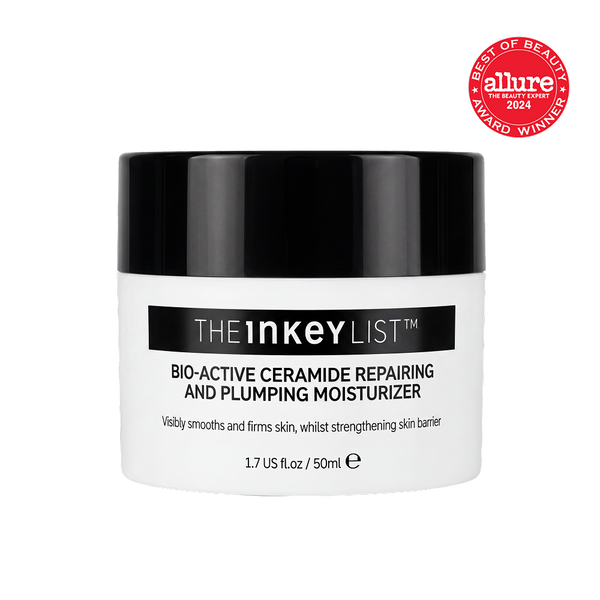
Ceramides work differently. They are part of what holds your skin barrier together, and a well-functioning barrier limits how much water escapes. That makes them the sealing side of the equation rather than the water-attracting side, and it is why the Bio-Active Ceramide Moisturizer is a strong final step. Read more on ceramides.
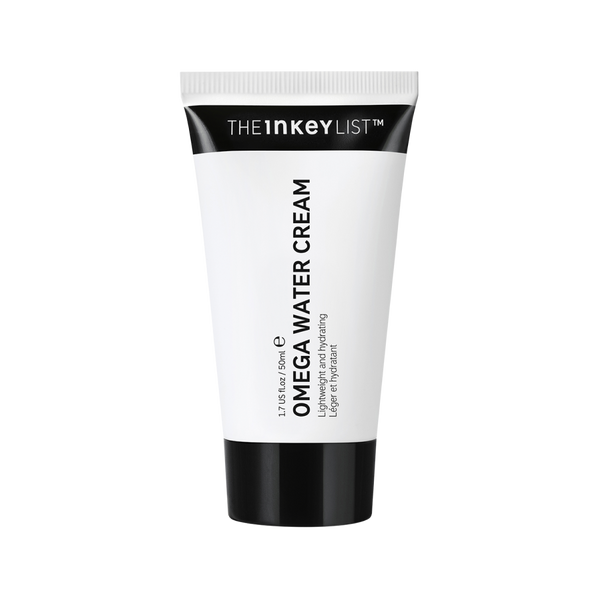
Betaine is another humectant, one that helps support skin balance and comfort alongside its hydrating role. It appears at 3% in the Omega Water Cream, which is the lightweight seal most people reach for in this routine.
Niacinamide is not a humectant, but it earns a place in a flooding routine for visible oil, visible pores and uneven-looking texture. Two or three layers in, it sits comfortably. Full detail on the niacinamide page.
Then there is the step people skip. Water-based layers evaporate. Without a moisturizer on top, you have spent five minutes applying hydration that leaves your skin within the hour, and skin can end up feeling tighter than when you started. The seal is what makes the method a method.
Be realistic about the ceiling. Skin flooding hydrates, and hydrated skin looks plumper and smoother almost immediately. It will not resurface texture, clear blemishes or replace your targeted actives. Over-application will also undo it, so it is worth knowing how much skincare you should actually use.
How To Do Skin Flooding: The 6-Step Method
Here is the exact order. Work thinnest to thickest, keep each layer light, and move quickly.
Step 1: Cleanse, and leave your skin damp
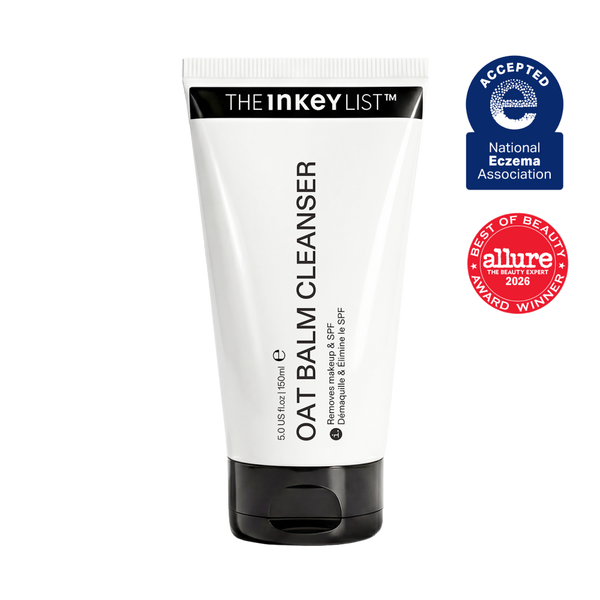
Start with the Oat Cleansing Balm. It melts away makeup, SPF and daily impurities while keeping skin soft and soothed, using 1% colloidal oatmeal to visibly reduce redness and soothe dryness, plus 3% oat kernel oil. It suits all skin types and is ideal if your skin is dry, sensitive or easily irritated.
If you have worn heavy makeup or SPF, follow with a gentle second cleanse such as the Hydrating Cream to Milk Cleanser. You can browse all cleansers if you prefer something else.
Then the single most important instruction in this article: do not towel dry. Pat lightly and leave your skin visibly damp. Everything that follows depends on it.
Step 2: Mist or tone
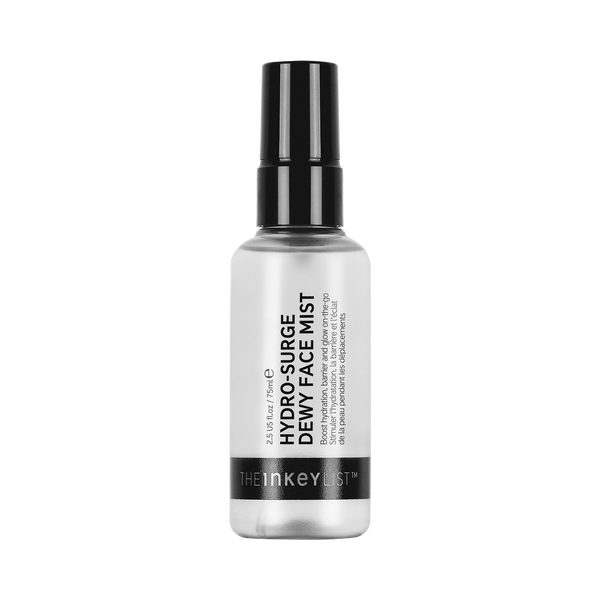
This is the layer most people miss, and it is the easiest one to add. Use the HydroSurge Dewy Face Mist. Your skin loses water all day and this puts it back, with 3% Aquaxyl to help strengthen the skin’s moisture barrier and reduce water loss, 3% Hydroviton cucumber fruit extract for instant hydration, and 2% Earth Marine Water for glow.
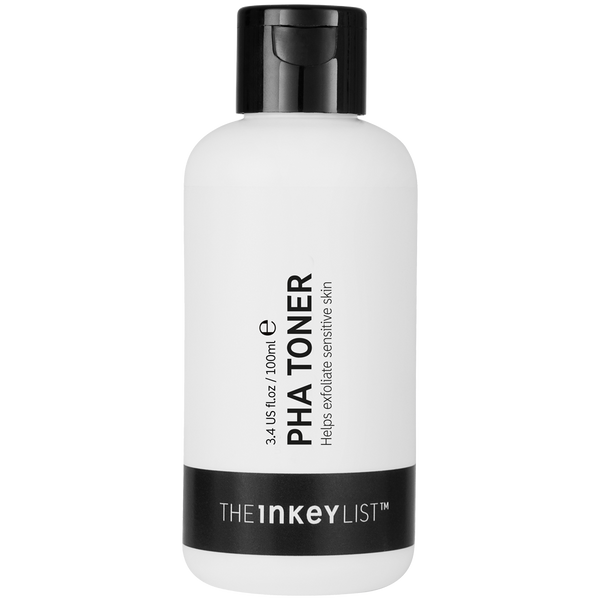
If your makeup always clings to dry patches, this is the step that changes that. Prefer a toner? The PHA Toner is the gentle alternative, and yes, skin flooding with a toner is entirely valid. Either way, do not let it dry before you move on.
Step 3: Hydrate with hyaluronic acid
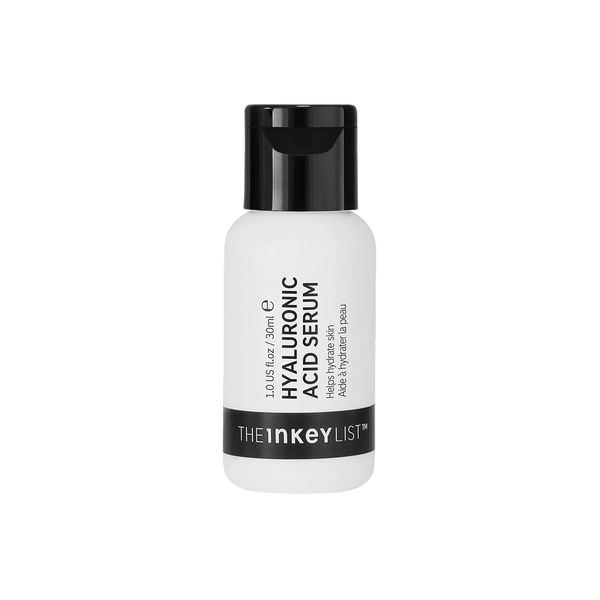
Apply the Hyaluronic Acid Serum while your skin is still damp from the previous step. It is clinically proven to deliver instant hydration, and clinically proven to provide better hydration when applied to damp skin.<sup>1</sup>
The formula uses 2% pure hyaluronic acid at 3 molecular weights, so it hydrates across multiple layers rather than sitting on the surface. Two or three drops is plenty. Press it in, do not rub.
1. 4-week independent clinical study of 22 people.
Step 4: Treat, and choose only one
Pick a single treat serum based on your main concern. Stacking all of them is the fastest route to pilling.
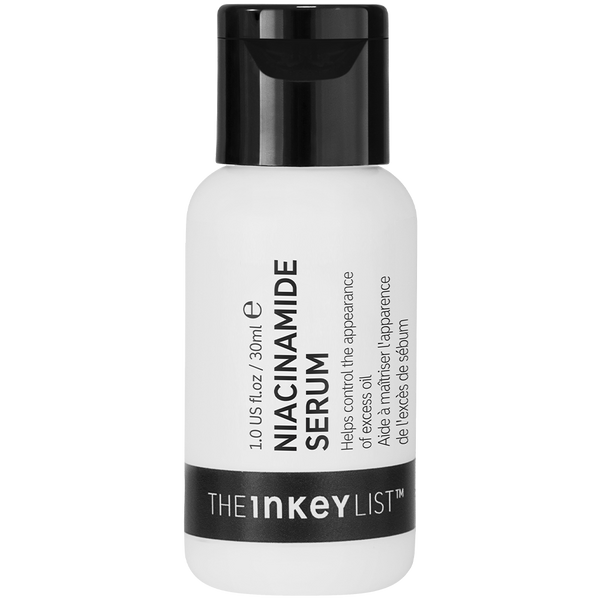
- 10% Niacinamide Serum for visible oil, visible pores, uneven texture and redness.
- Polyglutamic Acid Serum for an extra hydration layer that sits beautifully over hyaluronic acid.
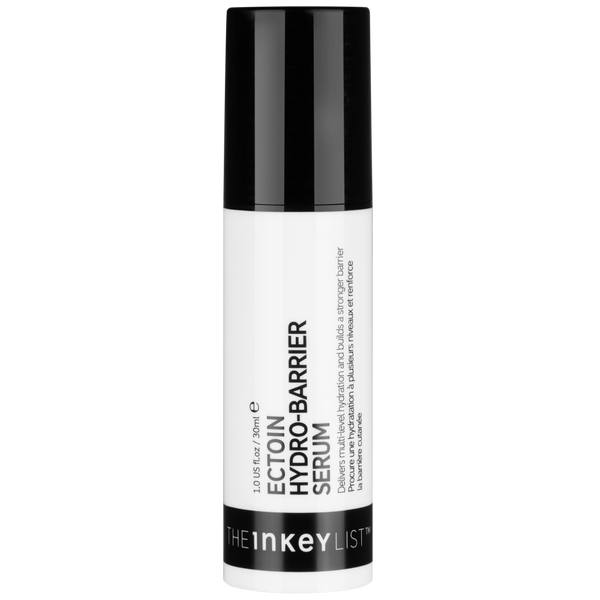
- Ectoin Hydro-Barrier Serum for sensitive, dehydrated or irritation-prone skin. It combines 2% Ectoin, 2.5% hyaluronic acid and a 1% barrier blend of 3 ceramides, and it is designed to be used straight after cleansing on damp skin, which makes it a natural fit here. It helps soothe the look of irritation.
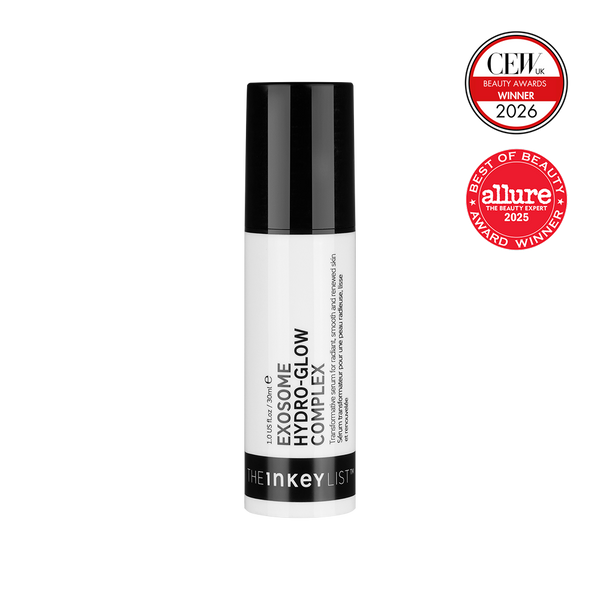
- Exosome Hydro-Glow Complex for glow and longer-lasting hydration.
The PDRN Serum is another option if glow is your priority.
Step 5: Moisturize to seal
This step is non-negotiable. Without it, the water you just layered on evaporates.
The Omega Water Cream is the lightweight default. It is oil free and water based, with a 0.2% ceramide complex rich in omegas 3, 6 and 9, plus 5% niacinamide and 3% betaine. It is clinically proven to help balance oil while deeply hydrating the skin, which makes it the sensible choice for combination, oily and blemish-prone skin.
If you want something richer and more barrier-focused, the Bio-Active Ceramide Moisturizer uses bio-active Ceramide NP to help visibly firm and smooth skin and strengthen the skin barrier.
Step 6: SPF, mornings only
In the morning, finish with a broad-spectrum sunscreen. It is the last step, it goes over your moisturizer, and it is the one that protects everything underneath. Hydrating layers sit comfortably beneath it.
More on why it matters on the SPF page. At night, skip this step and let your moisturizer be the seal. Our night skincare routine guide covers the evening version.
Three rules that apply to every step
- Work thinnest to thickest. Watery textures first, creams last, always.
- Do not let a layer fully dry. The next product goes on while the last one is still tacky.
- Use less per layer, not more. Over-application is the single biggest cause of pilling, and how to prevent pilling when applying your skincare routine is the article to read if it has happened to you before.
Skin Flooding Products: What To Use At Each Step
This is a shortlist, not a shopping list. Skin flooding needs four or five products at most, and if you already own a cleanser, a hydrating serum and a moisturizer, you own three of them.
To cleanse
- Oat Cleansing Balm - melts makeup and SPF without stripping, with colloidal oatmeal to soothe.
To mist or tone
- Dewy Face Mist - the fastest way to add a hydration layer and keep skin damp.
- PHA Toner - the gentle toner option if you prefer to apply with hands or a pad.
To hydrate
- Hyaluronic Acid Serum - the core layer, and the one to buy first.
To treat, choosing one only
- Polyglutamic Acid Serum - an additional hydration layer over hyaluronic acid.
- Niacinamide Serum - for visible oil, pores and uneven texture.
- Hydro-Barrier Serum with Ectoin - for sensitive and irritation-prone skin. More on ectoin.
- PDRN Serum - a glow-focused alternative.
To seal
- Omega Water Cream - lightweight, oil free, ideal for oily and combination skin.
- Ceramide Moisturizer - richer, barrier-focused, better for drier skin. Browse all moisturizers.
The glow option: Exosome Hydro-Glow Complex
If glow and staying power are what you are after, the Exosome Hydro-Glow Complex slots in as your treat step. It is proven to deliver up to 12-hours of hydration.<sup>2</sup> It also offers 6-in-1 skin rejuvenation: clinically proven to visibly improve radiance, hydration, tone, firmness, elasticity, and texture.<sup>3</sup>
Learn more about the ingredient on the exosomes page.
2. Clinical study of 31 people. 3. 4-week clinical study of 26 people.
You do not need all of this at once, and premium skincare should never require a premium price tag. Start with a cleanser, hyaluronic acid and a moisturizer. Add the mist next. Add a treat serum after that, once you know how your skin responds.
Who Skin Flooding Suits, And Who Should Take Care
Skin flooding suits dehydrated skin, skin that feels tight after cleansing, skin that looks dull, and anyone whose makeup clings to dry patches by lunchtime.
Oily and blemish-prone skin. Yes, this works, and the idea that oily skin does not need hydration is one of the most persistent myths in skincare. Keep every layer lightweight and oil free, and let the Omega Water Cream be your seal. The best moisturiser for blemish-prone skin covers your options.
Dry versus dehydrated skin. Dry skin lacks oil. Dehydrated skin lacks water. Flooding addresses the second, and the dehydrated skin pillar has the full routine if that is your situation.
Sensitive skin. Generally fine, but more layers means more ingredients and more opportunities to react. Build up one product at a time rather than adopting all six steps overnight. The Ectoin Hydro-Barrier Serum is designed for sensitive, dehydrated and irritation-prone skin, and the best moisturiser for sensitive skin guide is a good next read alongside the sensitive skin page.
If your skin is stinging, flaking or reacting, do not flood it. A compromised barrier needs fewer products, not more. Simplify to a gentle cleanser and one moisturizer, let things settle, and come back to this method later. Start with damaged skin barrier.
Actives and retinol. Keep them separate while you are still learning your tolerance. Flooding is your hydration routine, not the place to introduce retinol or exfoliating acids. See what not to mix with retinol and skincare ingredients you should not mix.
Whatever your skin type, patch test anything new before it joins the routine. Here is how to patch test skincare.
Skin Flooding Troubleshooting: Pilling, Frequency And How It Compares
Why your skincare is pilling
Pilling is the most common reason people give up on this method. There are three usual causes: too much product per layer, applying onto a layer that has half dried, or rubbing instead of pressing.
The fixes are simple. Use fewer drops. Press each layer in with flat palms or flat fingertips. Give each layer a few seconds, not a few minutes. How to prevent pilling goes deeper, and how much skincare you should actually useaddresses the root cause.
How often you can skin flood
Most people can do this daily, morning and evening. If skin starts to feel heavy or congested, reduce the number of layers rather than abandoning the method entirely. Four steps done well beats six done badly.
Morning versus night
Mornings finish with SPF. Evenings finish with your moisturizer, and you can go slightly richer at night if your skin wants it. See the night skincare routine guide for the full evening sequence.
Skin flooding versus slugging
Not the same thing. Slugging means sealing your routine with a heavy occlusive as the final step. Skin flooding is about the layers underneath. You can combine them, but they solve different parts of the problem.
Skin flooding versus the moisture sandwich
These are close relatives, and it is more honest to say so than to invent a distinction. A moisture sandwich is damp skin, product, then a seal. Skin flooding is essentially the extended version, with more hydrating layers in the middle.
How long until you see results
Plumper, more comfortable skin is realistic on day one. That is what hydration does. Anything beyond that comes from consistency, not from the technique itself. How to get plump skin sets realistic expectations.
The Takeaway
Damp skin. Thin layers in the right order. Seal it in. That is skin flooding, and it is genuinely all there is to it.
This is not a new invention or a miracle. It is good sequencing, and good sequencing makes the products you already own work harder, which is usually the cheapest upgrade available to any routine. You do not need a long routine, and you certainly do not need an expensive one.
Do it consistently and you can expect skin that looks plumper and feels more comfortable. If your current routine is not delivering, it might be your order rather than your products.
Ready to try it tonight? Start simple with the Hyaluronic Acid Serum and the Omega Water Cream, then add a mist or a treat serum once you have the rhythm. If you would rather see all your sealing options first, browse moisturizers, or head to dehydrated skin if you are still working out what your skin needs.
Frequently Asked Questions
Got a question?
Our askINKEY team are a friendly bunch of skincare experts with deep product knowledge and zero judgement. Whether you're an ingredient obsessive or just starting out, we'll make it make sense. No question too big. No question too small. We Give A Care, Every Day.


