

Cloud Skin Makeup: How to Get the Soft-Matte Look in 5 Steps
The soft-matte, blurred makeup look everyone's chasing - and the 5-step routine that gets you there.
Author
askINKEY skincare advisor
Published
06 September, 2026
Time to read
10 minutes
Cloud skin makeup is a soft, diffused, blurred base finish. Skin looks smooth and even rather than shiny or flat, closer to the effect of a soft-focus filter than to either a full dewy glow or a heavy powder matte.
The principle behind it is simple, and it is the part most people get wrong. Cloud skin is built on a properly hydrated base. The soft-matte finish sits on top of that hydration, it does not replace it. Skip the hydration and try to matte your way to the look, and you will usually end up with the opposite: tight skin, visible texture and shine that returns faster than before.
It suits a lot of people. If you find full dewy finishes too shiny, cloud skin makeup is the softer alternative. If you have visible texture or pores you would rather blur than cover, this finish diffuses light instead of drawing attention to the surface. And if your base tends to separate or slide by the afternoon, that is usually a prep problem rather than a foundation problem.
It also helps to clear up one misconception early. Dehydrated skin is not a skin type, it is a condition, and it affects every skin type including oily. Oily skin can be dehydrated. In fact it often is, which is part of why oil control alone rarely delivers a smooth base.
Below is the five-step routine, the products that do the work at each stage, and how to apply the makeup on top.
What Is Cloud Skin?
Cloud skin is a soft-matte, blurred, diffused complexion finish. The name does the descriptive work: skin that looks soft at the edges, even in tone, with no hard shine and no chalky flatness. You will also see it searched as soft matte skin or blurred skin makeup, and all three terms point at the same thing.
The balance at the center of it is hydrated underneath, softly matte on the surface. That is the whole trend in one sentence. It is not a dewy glow, where light bounces straight back off the skin in visible highlights. It is not a full powder matte either, which flattens the face and tends to settle into texture by lunchtime. Cloud skin sits between the two.
Understanding why it works makes it much easier to achieve. Light behaves differently depending on the surface it lands on. When skin is hydrated and even, light scatters softly and consistently across it, and the eye reads that as smooth. When skin is dry, flaky or textured, light hits those irregularities at different angles and the surface reads as uneven, no matter how much product goes on top. Blurring is not really about covering. It is about giving light a consistent surface to scatter across.
This is why hydration does the heavy lifting. Hydrated skin plumps slightly, which softens the appearance of fine lines and texture, and that plumpness is what the soft-matte finish sits on. Ingredients like glycerin are useful here for a specific reason: glycerin is a humectant, so it draws water into the upper layers of the skin and holds it there, and it does that without a heavy or occlusive feel. It hydrates without clogging pores, which is exactly what you want under a blurred base.
Now the myth worth busting, because it is the one that derails most people. Matte does not mean stripped. Using harsh cleansers, skipping moisturizer or over-powdering to reduce shine tends to backfire. Skin stripped of moisture frequently responds by producing more oil, and that excess oil is the fastest way to lose a soft-matte finish by the middle of the day. Controlling oil and removing hydration are two completely different projects, and only one of them gets you cloud skin.
This is also a current, established finish rather than a passing novelty. It has settled in as one of the standard ways people want their base to look, alongside the glowier finishes. Which raises the obvious question.
Cloud Skin vs Glass Skin: What’s the Difference?
The clearest way to separate the two is by what happens to light. Glass skin reflects it. Cloud skin diffuses it.
Glass skin is luminous, reflective and high shine. The goal is a surface so smooth and well hydrated that it looks lit from within, almost wet, with light bouncing back in clean highlights across the cheekbones, nose and brow bone. It reads as radiant and polished.
Cloud skin scatters that same light instead of returning it. The finish is soft, blurred and gently matte, with an evenness that softens the look of pores and texture rather than illuminating them. Where glass skin says polished, cloud skin says soft focus.
Here is the part worth holding on to: underneath, they are the same project. Both finishes are built on genuinely hydrated skin. Neither is achievable on a dry, tight or compromised base. The difference is entirely in the finish applied on top, not the prep beneath it, which means the routine you build serves both looks and you decide at the final step which direction to take it.
Choosing between them is mostly about your skin and your day. Oily and combination skin often prefer cloud skin, because a high-shine finish can tip over into looking greasy by the afternoon once your own oil joins in. Drier skin often prefers glass skin, since the luminosity flatters rather than fights the way dry skin behaves and there is less need for oil control. Neither is better. Plenty of people wear both depending on lighting, weather and mood.
If reading that made you realize glass skin is actually what you are after, we have a full routine for it. Our guide on how to get glass skin walks through the layering approach that finish needs. For an instant version of that lit-from-within look, PDRN is the ingredient to know, as it is used for fast, plumped, glassy radiance rather than a matte finish.
Picked your finish? If it is cloud skin, this is the routine that builds it.
The 5-Step Cloud Skin Routine
Cloud skin is prep-led. Almost everything that determines whether the finish works has already happened before you touch a base product, which is good news, because it means the look is repeatable rather than lucky. Get the base right and the finish follows.
Step 1: Cleanse
Everything else in this routine is only as good as the surface you apply it to. Leftover SPF, makeup and the day’s oil sit underneath whatever you put on next, which stops hydration absorbing properly and stops a base sitting smoothly.
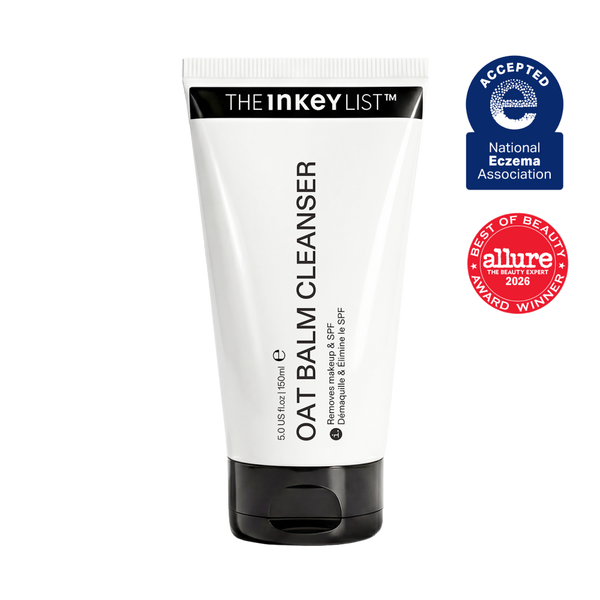
Our Oat Cleansing Balm 150ml handles this step on its own. It melts makeup and SPF in around 30 seconds, and it is gentle enough for dry, sensitive or irritated skin thanks to 1% colloidal oatmeal, which soothes as it cleanses.
If you wear heavy base or long-wear SPF, use the balm as the first step of a double cleanse and follow with your own gentle everyday cleanser. If you want the technique detail, our guide on how often you should double cleanse covers when it is worth doing and when it is not.
One reminder: cleanse for at least 60 seconds. And resist the urge to strip. Over-stripped skin overproduces oil, and that is the quickest route to losing a soft-matte finish.
Step 2: Hydrate
This is the step that makes or breaks cloud skin. Hydrated skin plumps slightly, softening the look of texture and fine lines, and that plumped surface is what gives the blurred effect something to sit on.
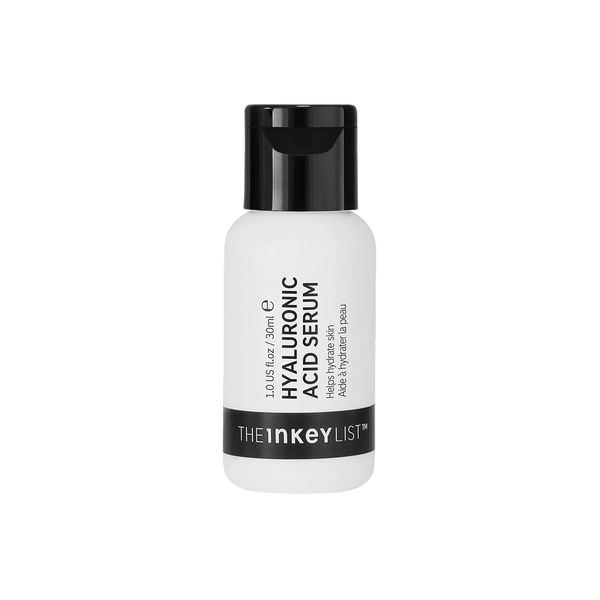
Our Hyaluronic Acid Serum uses 2% pure hyaluronic acid at three molecular weights, so hydration is delivered across multiple layers of the skin rather than only sitting at the very top. It also contains Matrixyl 3000, a peptide complex that supports a smoother-looking surface over time. For the science behind the ingredient, our hyaluronic acid guide goes deeper.
Application technique genuinely matters here, more than with most products. Apply it to damp skin. Humectants like hyaluronic acid work by drawing in the water available to them, so damp skin gives the serum considerably more to work with than dry skin does. On completely dry skin in a dry environment, a humectant has far less to pull from.
So: cleanse, do not fully dry your face, and apply while skin is still slightly damp. Press the serum in with your fingertips rather than rubbing it around, which helps it settle evenly instead of moving across the surface. Then move straight on to your next step before it dries down, so the hydration gets sealed in rather than evaporating away. Done properly, this single step is what creates the plump, bouncy base the rest of the routine builds on.
Step 3: Treat
This is where the blurring actually happens. Managing excess oil and refining the look of pores is what stops a soft-matte finish sliding into shine by mid-afternoon, and it is the difference between blurred and simply covered.
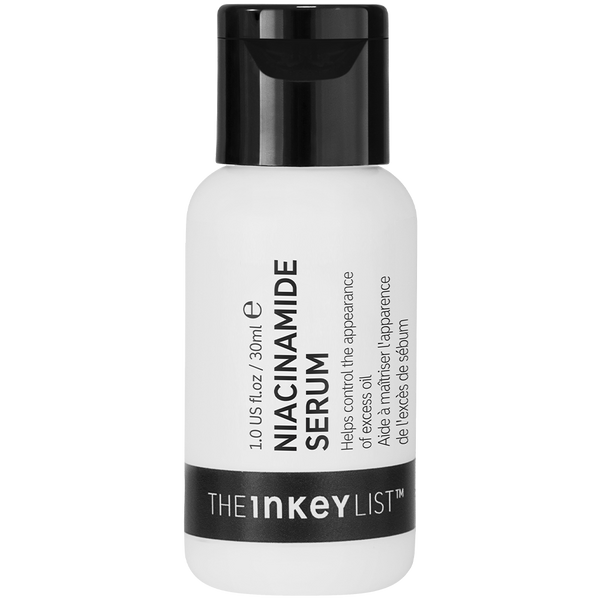
Our 10% Niacinamide Serum helps reduce excess oil, the appearance of visible redness and the look of enlarged pores, while still hydrating thanks to 1% hyaluronic acid. That combination matters. You are moderating oil, not removing moisture.
It is also a strong choice if you are acne prone. Niacinamide is well established for helping with the look of acne, breakouts and blackheads alongside oil control, which means it is doing two jobs relevant to a smooth base at once. Our niacinamide guide explains how it works and how to layer it.
Step 4: Moisturize
Locking that hydration in is what keeps the finish looking soft at 4pm rather than tight and flaky. Skip moisturizer and the hydration you applied in Step 2 has nothing holding it in place.
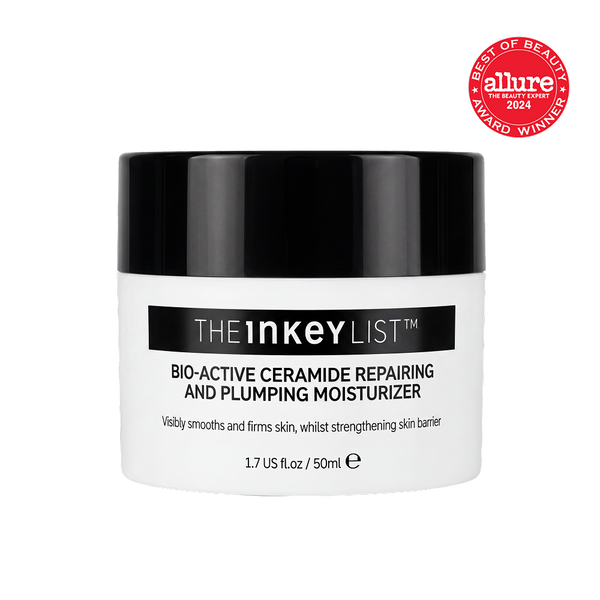
If your skin is dry or sensitive, use our Bio-Active Ceramide Moisturizer. It is clinically proven to repair and strengthen the skin barrier from first use, with 24-hour hydration for dry and sensitive skin. It also contains Gransil Blur, which instantly blurs the look of fine lines and sits beautifully under makeup, which is more or less the cloud skin brief written as an ingredient. Our ceramides guide explains why barrier support underpins a smooth surface.
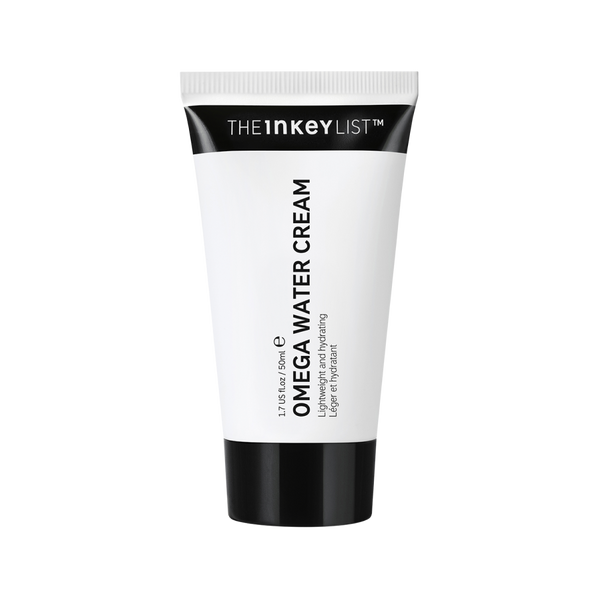
If your skin is oily or combination, use our Omega Water Cream instead. It is oil-free and water-based with 5% niacinamide, and it is clinically proven to help balance oil while hydrating, so you are not choosing between the two.
Step 5: Glow and Matte Finish
The final skincare step is what separates cloud skin from flat matte. You want a soft glow coming from underneath the surface, not sitting on top of it. That internal luminosity read through a soft-matte finish is the whole effect.
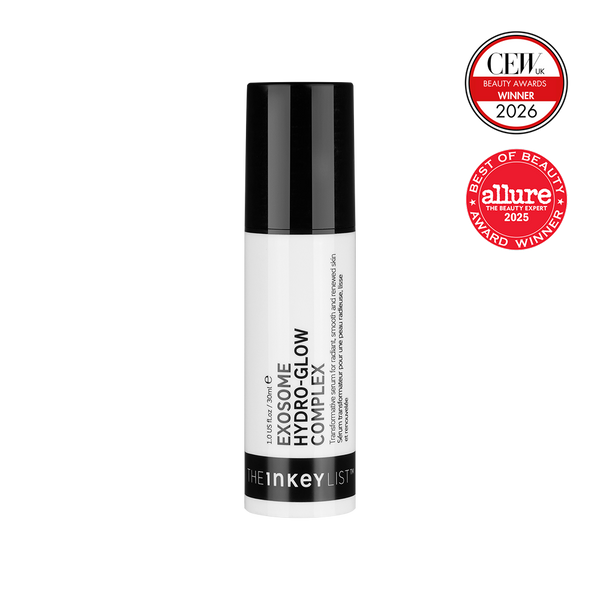
Our Exosome Hydro-Glow Complex is the glow-boosting step here. In testing, 100% saw more glowing skin, clinically proven, and it is proven to deliver up to 12-hours of hydration*, so it works as both a radiance and a hydration step. If you want the ingredient detail, our exosomes page covers it properly.
Then finish with SPF, every single day, no exceptions. Sun protection is the most effective thing you can do for the long-term look and health of your skin, and no amount of blurring makes up for skipping it. Explore our SPF options and pick a texture you will genuinely wear.
4-week clinical study of 26 people
*Clinical study of 31 people
With the base prepped, it is time for the part that turns prep into the actual look.
How to Apply Cloud Skin Makeup
Cloud skin makeup is where the prep pays off, and the technique is deliberately light-handed. The goal is diffusion, not coverage, so almost every instruction below is about doing less than you think you need to.
Start by letting your skincare absorb fully. Rushing this is the single most common reason a base pills, separates or slides off by lunchtime, and it is entirely avoidable. Give your skincare a few minutes to settle before you go near foundation. If your final step still feels tacky, it is not ready.
Then the trick worth knowing: mix a single drop of Polyglutamic Acid Serum into your foundation. Dispense your usual amount of foundation onto the back of your hand, add one drop of the serum, and blend the two together with a fingertip before applying. Polyglutamic acid holds a significant amount of water, so it thins the foundation very slightly while adding hydration into the mix. The result is a smoother, more diffused application that keeps a soft finish instead of going flat and powdery as it wears. It is the closest thing to a shortcut in this entire routine, and it costs you about five extra seconds.
Apply sheer and build only where you need it. Buff the mixture in with a damp sponge or a dense brush, starting at the center of the face and working outward so coverage naturally fades toward the perimeter. Add a second sheer layer only over redness or areas you specifically want evened out. Full-coverage everywhere is the fastest way to lose the blurred effect, because a heavy, uniform layer reflects light in one flat plane rather than scattering it.
Press powder, do not sweep it. Use a small amount, press it gently into only the areas that shine, usually the T-zone, and leave the rest of the face alone. Sweeping powder across the whole face kills the soft-focus effect and gives you flat matte, which is a different look entirely.
Use cream blush, placed high. Tap it high on the cheekbones and blend outward with fingers or a damp sponge. Cream over powder keeps the finish soft and skin-like rather than dusty, and it melts into the base instead of sitting on top of it.
Finish with a light mist. A few spritzes of HydroSurge Dewy Face Mist melts any visible powder edges back into the skin and brings everything together into one surface. Hold it at arm’s length and let it fall onto the face rather than spraying directly.
If you are deciding what to build your base around in the first place, our breakdown on choosing your glow ingredientcompares the main options. And before an event, a hydrating sheet mask is a genuinely effective 15-minute prep step that makes everything above go on more smoothly.
Technique is universal. The products underneath should change with your skin type.
Cloud Skin for Your Skin Type
Oily skin. Cloud skin is arguably the ideal finish here, because you are working with how your skin behaves instead of against it. Lead with the 10% Niacinamide Serum and the Omega Water Cream. The important thing is to control oil rather than strip it, since stripping reliably backfires and prompts more oil in return. And remember oily skin can still be dehydrated, so do not cut hydration to reduce shine.
Dry skin. More hydration, less powder. Apply the Hyaluronic Acid Serum to damp skin, then seal it with the Bio-Active Ceramide Moisturizer. If you want an extra layer, simply repeat the serum on damp skin before moisturizing rather than adding another product. Use powder only where genuinely needed, which for most dry skin is almost nowhere.
Combination skin. Treat your zones as separate problems, because they are. Use a lightweight moisturizer through the T-zone and a richer texture across the cheeks, and press powder only where shine actually appears rather than across the whole face.
Sensitive skin. Calm first, blur second. Visible redness undermines an even base more than texture does, so that is the thing to address first. Start with the Oat Cleansing Balm and a barrier-supporting moisturizer, and introduce actives one at a time rather than all at once. If your skin reacts easily, our guide to skin stress is worth reading before you build anything new.
Whatever your skin type, the sequence stays the same. If you want help putting a full routine together from scratch, start with our skincare routine guide.
The Takeaway
Cloud skin is hydration first, soft-matte second. Get the base right and the finish largely takes care of itself.
That is five steps, not fifteen, and it works across every skin type with only small adjustments. No stripping, no guesswork, no unrealistic promises. Just proven ingredients used in a sensible order, with a reason behind each one.
Not sure where to start, or want a routine built around your skin specifically? Get in touch with askINKEY and we will help you build it.
Because at The INKEY List, We Give A Care.
Frequently Asked Questions
Got a question?
Our askINKEY team are a friendly bunch of skincare experts with deep product knowledge and zero judgement. Whether you're an ingredient obsessive or just starting out, we'll make it make sense. No question too big. No question too small. We Give A Care, Every Day.


