



How to Use Ectoin with Retinol and Other Actives
A complete layering guide to using ectoin with retinol and your other actives, so you get all the benefits with none of the irritation.
Author
askINKEY skincare advisor
Published
31 May, 2026
Time to read
15 minutes
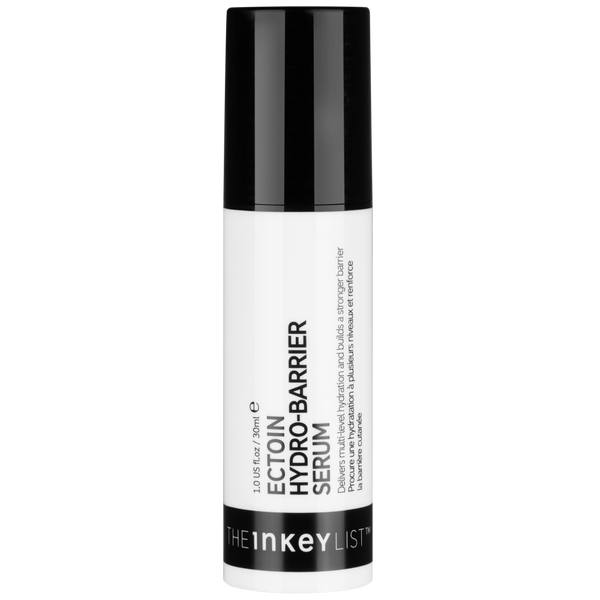
This guide is for anyone currently using retinol, about to start, or trying to figure out how ectoin fits into a routine that already includes actives like niacinamide, vitamin C, hyaluronic acid, AHAs, BHAs, or peptides. We built this around one product, the Ectoin Hydro-Barrier Serum ($17), because it is the clearest example of how this ingredient behaves in a real routine, not just in a lab.
Here is the short version before we get into the details: ectoin is compatible with virtually every active ingredient in your routine. It goes first, every time, morning and night. Its job is to stabilize and hydrate the skin barrier before anything else is applied, which means everything you layer on top of it, including retinol, tends to work better and feel more comfortable while it does.
This article covers what ectoin actually does, the exact steps for layering it with retinol, and how it behaves alongside niacinamide, vitamin C, hyaluronic acid, AHAs/BHAs, and peptides. If you want the deeper ingredient science behind any of this, the ectoin ingredient page and the retinol ingredient page both go further than we will here. Consider this the practical briefing, and those two pages the textbook.
With the short answer out of the way, it helps to understand what ectoin is actually doing in your skin before we get into how to use it, because the layering logic only makes sense once you understand the mechanism behind it.
What Ectoin Actually Does in Your Skin Care Routine
Ectoin was not invented in a lab for skin care. It was discovered as a survival molecule, produced by extremophile bacteria that live in some of the most hostile environments on Earth: hypersaline salt lakes, volcanic hot springs, and parched desert soil. These organisms needed a way to prevent their own cells from drying out or breaking down under extreme heat, salinity, and UV exposure, and ectoin is the compound they evolved to do it. It works as a kind of internal shield, protecting proteins and cell membranes from the stress of a hostile outside environment.
When that same molecule is formulated into skin care, the mechanism translates surprisingly directly. Instead of acting like a typical humectant that pulls water toward the surface of the skin, ectoin forms a protective hydration shell around individual skin cells. That distinction matters. A standard humectant increases surface moisture, which is useful but somewhat superficial. Ectoin works at a more foundational level, helping cells themselves retain structure and hydration even when the skin is under stress, whether that stress comes from weather, pollution, or an active ingredient like retinol.
The Ectoin Hydro-Barrier Serum ($17) is built around that mechanism directly. It contains 2% ectoin, which sits comfortably within the clinically validated range of 1 to 7%, combined with 2.5% Multi-Molecular Hyaluronic Acid for multi-depth hydration and a 1% Barrier Blend of three ceramides to reinforce the skin’s lipid barrier. That combination is not arbitrary. Ectoin protects at the cellular level, hyaluronic acid hydrates across multiple skin depths, and ceramides rebuild the physical barrier structure. Together, they address hydration and barrier health from three different angles instead of just one.
The clinical results are specific enough to be useful rather than vague. The formula is proven to strengthen the skin barrierin as little as 15 minutes, and to restore visible skin bounce within 3 days of consistent use. For a reader deciding whether this is worth adding to a routine that might already feel crowded, those numbers are the difference between a theoretical benefit and a reason to actually use it daily.
What makes ectoin particularly useful as a foundational step is what it does not do. It carries no photosensitivity risk, so there is no need to worry about sun exposure the way you would with retinol or certain acids. It requires no adjustment period, meaning you can start using it at full strength on day one without easing in. It is considered suitable for all skin types, including sensitive and rosacea-prone skin, and it is generally considered safe for use during pregnancy, a point we will return to directly in the FAQ section later in this guide.
Independent coverage backs up what the lab data suggests. Allure has reported on ectoin’s rise as a barrier-protective ingredient gaining traction for its ability to shield skin cells from environmental and formulation-related stress, which is a useful signal that this is not just a brand talking point but a genuinely well-regarded ingredient in the wider skin care conversation. If you want the full clinical and formulation breakdown, the ectoin ingredient page covers it in more depth than we have room for here.
With the mechanism established, the next logical question is why this particular ingredient pairs so well with retinol specifically, which is exactly what the next section answers.
Why Ectoin and Retinol Make Such a Logical Pair
Retinol is one of the most well-studied actives in skin care for a reason. It accelerates cell turnover, smooths the appearance of fine lines, evens out tone, refines texture over time, and supports long-term collagen production. It is also strictly a PM-only ingredient, since UV exposure degrades it and reduces its effectiveness, which is exactly why it has no business being anywhere near a morning routine.
The tradeoff most people run into is the adjustment period. In the first four to six weeks of introducing retinol, it is common to experience dryness, flaking, redness, and general sensitivity. This happens because retinol temporarily increases transepidermal water loss, often abbreviated as TEWL, while the skin barrier adjusts to the increased cell turnover. In plain terms, the skin is losing water faster than usual while it gets used to a more active ingredient, and that combination is what shows up on the surface as irritation.
This is precisely the problem ectoin is suited to address, because it works on the two variables that make retinol uncomfortable in the first place: it reduces TEWL and it calms reactive sensitivity, creating a more resilient, already-hydrated base before retinol is even applied. Instead of retinol hitting unprotected skin, it is absorbed into skin that has already had its moisture barrier reinforced.
To make the distinction clear, here is what each ingredient does on its own and what changes when they are used together:
- Retinol alone: Increases cell turnover, improves texture and tone over time, but temporarily raises TEWL and can compromise barrier comfort during the adjustment period.
- Ectoin alone: Forms a protective hydration shell around skin cells, reduces TEWL, and reinforces the skin barrier, with no adjustment period of its own.
- Ectoin and retinol together: Retinol’s renewal benefits continue uninterrupted, while ectoin actively works against the two mechanisms, TEWL and barrier disruption, that normally cause discomfort during the retinol adjustment period.
Three groups benefit most clearly from this pairing. The first is retinol beginners currently in that four-to-six-week adjustment window who want a smoother start. The second is people who tried retinol previously, found the sensitivity too much, and gave up on it entirely, since ectoin addresses the exact reason most people quit. The third is experienced retinol users who have moved past the adjustment period but still want to protect long-term barrier health, since barrier support remains valuable well beyond the first month.
It is also worth being direct about what ectoin does not do. It does not interfere with or slow down retinol’s mechanism of action in any way. It simply changes the environment retinol is working in. That is also why you will not find ectoin anywhere on our list of ingredients not to mix with retinol, because there is genuinely no conflict to flag. For a deeper comparison of retinol and its close relative retinal, the retinol vs retinal breakdown is worth a read if you are deciding which form is right for you.
Think of ectoin as the foundation your routine is built on, not just another layer in the stack. Every active applied after it works in a more stable, more comfortable environment because ectoin has already prepared the ground.
Once you understand why this pairing works, the next step is simply learning the mechanics of applying both products together, in the right order and with the right timing.
How to Layer Ectoin with Retinol: Step by Step
Here is the single most important rule in this entire guide: ectoin always goes first. After cleansing, before any other serum or active touches your skin, not after a toner, not as a second step. First, every time.
The reasoning is straightforward once you understand the mechanism from the previous section. Applying ectoin to clean, slightly damp skin creates a stable, hydrated base before any disruptive active makes contact. Retinol, by nature, is a more aggressive ingredient that temporarily challenges the barrier. Giving that barrier a head start with ectoin means retinol is working with a stronger foundation rather than against a compromised one.
Here is the full PM routine, step by step:
- Cleanse. On retinol nights, a double cleanse is recommended to make sure all makeup, sunscreen, and daily buildup are fully removed before actives go on.
- Apply Ectoin Hydro-Barrier Serum ($17) to damp skin.
- Wait 30 seconds to let the serum settle before moving to the next step.
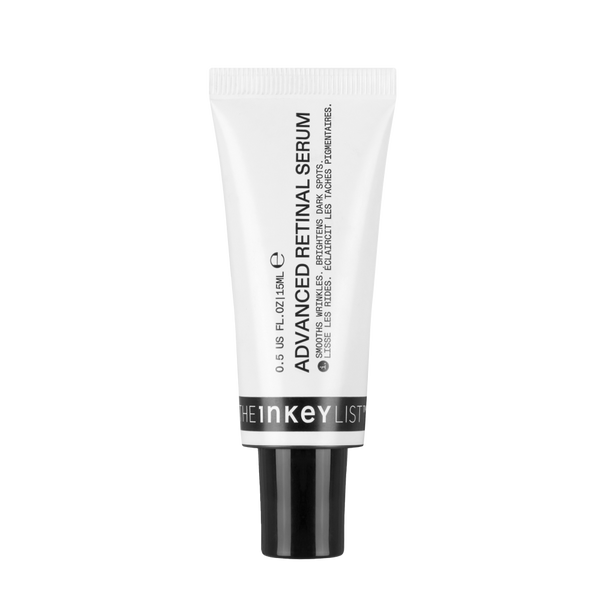
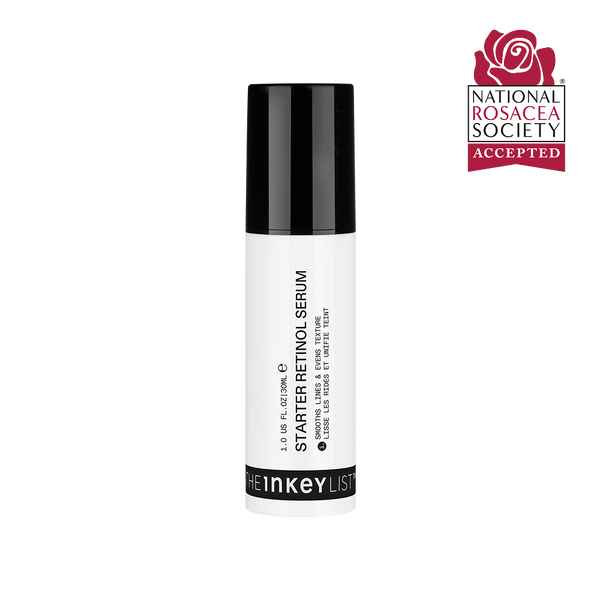
- Apply Starter Retinol Serum ($15) if you are new to retinol, or Advanced 0.2% Retinal Serum ($22) if you are an experienced retinoid user.
- Apply Retinol Eye Cream ($15) to target fine lines around the eye contour.
- Seal everything in with Bio-Active Ceramide Moisturizer ($22).
A few common mistakes are worth calling out directly, because they undo most of the benefit of this routine if they happen. Applying retinol before ectoin defeats the entire purpose of barrier-first layering. Skipping the 30-second wait means the two products can mix on the skin’s surface rather than absorbing in sequence. Applying retinol to fully dry skin without ectoin first increases the likelihood of irritation. And using ectoin only at night, while skipping it in the morning, misses half of its value, since its barrier-supporting benefits are just as relevant during the day as they are overnight.
That last point matters enough to repeat: ectoin’s job does not end once your retinol routine is done for the night. It belongs in your morning routine too, which is exactly what the next section on broader active compatibility will get into.
If you are building a more complex routine with additional steps beyond ectoin and retinol, our full guide on how to layer skin care products covers the broader sequencing logic. With the retinol-specific routine covered, it is time to widen the lens and look at how ectoin behaves with every other major active category.
Can You Use Ectoin with Other Actives?
Ectoin’s role as a barrier-first step is not limited to retinol. It is designed to work as the opening move in almost any routine, which is why it is worth walking through how it interacts with each of the other major active categories you are likely already using.
Ectoin and Niacinamide
This pairing is particularly well suited to oily and combination skin types. Apply Ectoin Hydro-Barrier Serum ($17) first, then follow with 10% Niacinamide Serum ($13). This combination is safe to use in the morning or evening, and it also works well as part of a three-step PM stack alongside retinol, with ectoin first, niacinamide second, and retinol or retinal last. For more on how niacinamide functions on its own, the niacinamide ingredient page has the full picture.
Ectoin and Vitamin C
This is strictly an AM-only pairing, since vitamin C and retinol should never be used in the same routine. Apply ectoin first, then 15% Vitamin C + EGF Serum ($20). It is worth noting that INKEY’s vitamin C formula uses ascorbyl glucoside, a more stable and gentler form of vitamin C compared to pure L-ascorbic acid, which makes it a reasonable choice for people who have found other vitamin C formulations irritating. The vitamin C ingredient page goes into more detail on why that stability matters.
Ectoin and Hyaluronic Acid
These two ingredients hydrate skin through genuinely different mechanisms, which is why they complement each other rather than overlap. Hyaluronic acid attracts water toward the surface of the skin, while ectoin anchors that hydration at a cellular level and reinforces the barrier that holds it in. The Ectoin Hydro-Barrier Serum ($17) already contains both ingredients in one formula, but if you want an extra plumping effect, a dedicated Hyaluronic Acid Serum ($13) can be layered afterward. The hyaluronic acid ingredient page explains the mechanism in more depth if you want to understand exactly how the two differ.
Ectoin and AHAs/BHAs
Ectoin helps build a more resilient skin barrier before exfoliation, which makes acid nights more comfortable overall. That said, retinol and exfoliating acids should never be used on the same night under any circumstances, since combining two potent renewal actives significantly increases the risk of irritation. Instead, alternate nights between the two. On acid nights, Beta Hydroxy Acid Serum ($14) is a solid BHA reference point to build around.
Ectoin and Peptides
This is one of the lowest-friction pairings in the entire guide. There are no conflicts and no timing restrictions between ectoin and peptides, which makes it a strong long-game PM combination for anyone focused on visible signs of aging, or a smart option specifically on retinol rest nights. Pairing ectoin and peptides with Bio-Active Ceramide Moisturizer ($22) to seal everything in rounds out a simple but effective evening routine. The peptides ingredient page covers how peptides function if you want the fuller picture.
Ectoin Compatibility at a Glance
- Retinol/retinal: Fully compatible, ectoin goes first to reduce irritation during the adjustment period.
- Niacinamide: Fully compatible, works AM or PM, and slots neatly into a three-step PM retinol stack.
- Vitamin C: Compatible in AM-only routines, never combined with retinol in the same routine.
- Hyaluronic acid: Fully compatible, complementary hydration mechanisms, already combined in one formula.
- AHAs/BHAs: Compatible on alternating nights, never the same night as retinol.
- Peptides: Fully compatible, no timing restrictions, strong option for rest nights or long-term anti-aging goals.
With compatibility fully mapped out, it is worth flagging a handful of genuine cautions so this information gets applied correctly, along with one optional addition that fits naturally into the same routine.
What to Be Mindful of When Layering Multiple Actives (Plus the Exosome Glow Serum Option)
Compatibility is not the same thing as “use everything at once.” A few rules are worth stating plainly so this guide does not get misapplied.
Do not use retinol and AHAs or BHAs on the same night. Alternate nights instead, giving your skin a full day of recovery between the two. Do not use vitamin C and retinol in the same routine at all. Vitamin C belongs in your morning routine, retinol belongs in your evening routine, and there is no version of layering that changes that rule.
If you are introducing more than one new active at a time, it becomes much harder to trace a reaction back to its source if something feels off. The more sensible approach is to introduce one new active at a time, give it a few weeks, and then layer in the next.
It is also worth setting expectations around retinol specifically. A temporary purging period is a normal part of starting retinol, and while ectoin can help manage the discomfort that comes with it, it cannot eliminate the adjustment process entirely, since that process is simply part of how retinol works. Give it 6 to 8 weeks of consistent use before judging results one way or the other. If you are using a prescription retinoid or any medicated skin care product, check with a dermatologist before adding new over-the-counter actives into the mix, since prescription-strength formulas carry a different risk profile than over-the-counter versions.
For readers who want to understand the broader concept of what happens when skin is overloaded with too many actives at once, our piece on what skin stress actually is is a useful companion read, as is the full list of what not to mix with retinol.
An Optional Addition: Exosome Glow Serum
If you are looking for an additional glow-focused step in your PM routine, the Exosome Glow Serum ($24) is worth considering as an optional, not required, addition. In clinical testing, 100% of participants saw more glowing skin, clinically proven, and the formula delivered clinic worthy rejuvenated skin in 14 days. Separate in-vitro testing showed a 55% reduction in visible signs of skin stress, including redness, puffiness, and visible irritation, along with a 63% increase in skin renewal activity within 8 hours. The formula is described as a 6-in-1 skin rejuvenation treatment, clinically proven to visibly improve radiance, hydration, tone, firmness, elasticity, and texture, and it is proven to deliver up to 12 hours of hydration*. It also helps support natural collagen production and offers a glow boosting effect as part of a broader PM routine.
4-week clinical study of 26 people
Clinical study of 31 people In-vitro testing of Cica Exosomes showed a 55% reduction in pro-inflammatory markers and a 63% increase in markers associated with skin renewal after 8 hours.
If you want the full science behind exosomes before adding this to your routine, the exosomes ingredient page is the right place to start.
With the cautions covered and the optional glow step introduced, it is time to pull everything together into complete, ready-to-follow routines.
Sample AM and PM Routines Using Ectoin
Rather than leaving you to piece together every step from the sections above, here are four complete routines built around the principles covered so far.
Morning Routine, All Skin Types
- Cleanse.
- Apply Ectoin Hydro-Barrier Serum ($17) to damp skin.
- Optional: 10% Niacinamide Serum ($13) for oily or combination skin, or 15% Vitamin C + EGF Serum ($20) for dullness.
- Moisturizer.
- SPF.
PM Routine, Retinol Beginner (2 to 3 Nights Per Week)
- Cleanse.
- Apply Ectoin Hydro-Barrier Serum ($17).
- Wait 30 seconds.
- Apply Starter Retinol Serum ($15).
- Apply Retinol Eye Cream ($15).
- Seal with Bio-Active Ceramide Moisturizer ($22).
PM Routine, Retinol and Niacinamide for Experienced Users
- Cleanse.
- Apply ectoin.
- Apply niacinamide.
- Apply retinol or retinal.
- Apply eye cream.
- Seal with moisturizer.
PM Routine, Acid Night (Alternating with Retinol Nights)
- Cleanse.
- Apply ectoin.
- Apply Beta Hydroxy Acid Serum ($14).
- Seal with moisturizer.
A few principles tie all four of these together. Ectoin is the one constant, appearing in every single routine, AM and PM. Retinol stays strictly PM only, starting at 2 to 3 nights per week before building up gradually. Acid nights and retinol nights never overlap under any circumstances. Every PM routine ends with moisturizer to seal everything in, and every AM routine ends with SPF, no exceptions.
If you are still unsure which retinol strength makes sense for where you are starting from, taking the Skin Quiz gives you a personalized recommendation in about 2 minutes. With your routine fully mapped out, the last practical step is having one consolidated shopping list for everything mentioned so far.
Shop the Routine
Here is every product covered in this guide, listed in the order you would actually use them, along with a one-line purpose and timing for each.
- Ectoin Hydro-Barrier Serum ($17): barrier support and deep cellular hydration, first step after cleansing, AM and PM.
- 10% Niacinamide Serum ($13): oil control and visible pore reduction, AM or PM after ectoin.
- 15% Vitamin C + EGF Serum ($20): brightening and antioxidant protection, AM only after ectoin.
- Starter Retinol Serum ($15): gentle cellular renewal for retinol beginners, PM 2 to 3 nights per week.
- Advanced 0.2% Retinal Serum ($22): faster renewal for experienced retinoid users, PM.
- Retinol Eye Cream ($15): targets fine lines around the eye contour, PM after retinol serum.
- Bio-Active Ceramide Moisturizer ($22): seals and supports the barrier overnight, last PM step.
- Exosome Glow Serum ($24): optional glow boosting addition for PM routines.
If you are still unsure where to start, taking the Skin Quiz will walk you through a personalized routine in about 2 minutes rather than leaving you to guess.
Conclusion
Ectoin is not complicated. It goes first, every morning and every evening, and it makes every active you apply after it more effective and more comfortable to use. That is the entire principle this guide has been building toward.
Paired specifically with retinol, ectoin reduces transepidermal water loss and calms the sensitivity that typically defines the first four to six weeks of starting a retinoid. That is not a workaround for retinol’s side effects, it is a smarter, more deliberate way to use retinol in the first place, one that respects what the ingredient needs to work well rather than just tolerating the discomfort as an unavoidable cost.
That same pattern holds across the rest of your routine. Niacinamide, vitamin C, exfoliating acids, and peptides all perform better when ectoin has already prepared the skin to receive them. None of this requires a complicated eight-step routine or a shelf full of products used all at once. It requires one consistent first step, used daily, and the patience to let your other actives do their job in a more stable environment.
Consistency outperforms complexity, every time. Start simple, build gradually, and let the fundamentals do the work. For more on the ingredient science behind everything in this guide, the ectoin ingredient page and retinol ingredient page are the two best places to go deeper.
If you are ready to put this into practice, the Ectoin Hydro-Barrier Serum ($17) is the product this entire guide was built around, and it is the easiest place to start. If you are not sure exactly where your routine should begin, take the Skin Quizfor a personalized recommendation in about 2 minutes. And if you still have questions after all of this, reach out to askINKEY for judgment-free skin care advice, because at The INKEY List, we give a care.
Frequently Asked Questions
Got a question?
Our askINKEY team are a friendly bunch of skincare experts with deep product knowledge and zero judgement. Whether you're an ingredient obsessive or just starting out, we'll make it make sense. No question too big. No question too small. We Give A Care, Every Day.


