


How to Hydrate Sensitive Skin Without Causing Irritation
If your sensitive skin feels tight, stingy or dehydrated no matter what you use, this guide explains why — and the simple barrier-first routine that actually fixes it.
Author
askINKEY skincare advisor
Published
01 June, 2026
Time to read
19 minutes
If your skin feels tight within an hour of moisturizing, stings when you apply serum, or flakes no matter how many “hydrating” products you layer on, you are not imagining it and you are not doing it wrong. You are dealing with a problem that more product cannot fix.
Most people respond to dehydrated, reactive skin by adding. Another serum. A richer cream. A mist to use between steps. But if your skin barrier is compromised, none of that hydration can actually do its job. It sits on the surface, stings going in, or evaporates before it has a chance to work. This is the pattern that brings so many people searching for answers, convinced their skin is simply “difficult,” when the real issue is far more specific and far more fixable.
The root cause is usually a weakened or damaged skin barrier, not a lack of hydrating ingredients. Skin barrier repair has to happen first. Once the barrier is functioning properly again, hydration finally has somewhere to go and something to hold onto.
This guide walks through why sensitive skin struggles to stay hydrated in the first place, which ingredients genuinely support barrier repair, and how to sequence a simple, gentle AM/PM routine that works with your skin instead of against it. We will also cover the everyday triggers that throw sensitive skin off balance and answer the questions people ask most often about hydrating skin that reacts easily.
If you already know your skin falls into the sensitive skin category, meaning it reacts quickly to products, weather, or touch with redness, stinging, or tightness, this will all feel familiar. And if your barrier has been compromised for a while, whether from over-exfoliating, harsh weather, or one too many active ingredients introduced at once, the damaged skin barrier resource is where the real fix begins.
The good news is that none of this requires an overhaul. It requires the right few steps, in the right order, used consistently. Let’s start with the biology, because understanding why your skin behaves this way makes every decision after this one much easier.
Why Sensitive Skin Struggles to Stay Hydrated
To understand why hydration keeps failing, it helps to understand what the skin barrier is actually supposed to do. The outermost layer of skin, known as the stratum corneum, works like a brick wall. Skin cells are the bricks, and lipids such as ceramides, cholesterol, and fatty acids are the mortar holding everything together. When this structure is intact, it does two jobs at once: it locks moisture in, and it keeps irritants, allergens, and bacteria out.
When that barrier is compromised, both of those functions fail simultaneously. Gaps open up between skin cells, which means water escapes more easily through a process called transepidermal water loss, often shortened to TEWL. In plain terms, TEWL is simply water evaporating out of the skin faster than it should, because the barrier that normally traps it is no longer doing its job. At the same time, those same gaps let irritants in more easily, which is why sensitive skin so often feels dry and reactive at the same time. It is not a coincidence. It is the same underlying mechanism showing up in two different ways.
This is also where a common mix-up happens. Dry skin and dehydrated skin sound similar, but they are not the same thing. Dry skin is a skin type, meaning it produces less natural oil and tends to need richer textures as a baseline. Dehydrated skin, on the other hand, is a temporary, water-deficient state that can affect any skin type, including oily skin. Sensitive skin can experience either dryness, dehydration, or both at once, which is part of why it can feel so unpredictable. If you are unsure which one applies to you, this breakdown of dry vs dehydrated skin is worth reading before changing anything in your routine, since the fix for each is slightly different.
Several everyday habits make barrier damage worse without most people realizing it is happening gradually. These include:
- Over-cleansing, especially with foaming or stripping formulas used twice a day
- Harsh actives introduced too quickly or layered without enough recovery time
- Sudden weather changes, particularly cold, dry air or strong wind
- Hot showers and hot water on the face, which strip natural oils faster than lukewarm water
- Heavily fragranced products, which can irritate an already reactive barrier
None of these are dramatic mistakes. They are small, normal parts of a daily routine that quietly add up. That is usually the most frustrating part for people dealing with reactive skin: nothing about their routine feels extreme, yet their skin still behaves as if it is under attack.
This is also why redness, stinging, and a persistent feeling of tightness should not automatically be written off as “just how my skin is.” These are often signs of barrier stress specifically, not a fixed personality trait of your skin. Redness in particular is one of the clearest visible signals that the barrier is under pressure and reacting defensively. The skin is not malfunctioning. It is responding exactly as it should to a structure that needs support.
Once you understand that the barrier, not the skin itself, is the thing that is struggling, the next logical question becomes obvious: why does fixing that barrier have to happen before adding more hydration, rather than alongside it?
Barrier Repair Comes Before Hydration
Here is the part that changes everything once it clicks: applying hydrating products to a damaged barrier often does not work the way it is supposed to. Serums sting going on. Moisturizers seem to sit on top of the skin instead of sinking in. Some products even pill up on the surface. This is not a sign the product is wrong. It is a sign the skin underneath has not been given the chance to repair itself first.
Think of it this way. A hydrating serum is designed to deliver water into skin and help it stay there. But if the barrier is full of gaps, water moves straight through and evaporates out just as quickly as it went in, sometimes faster, because a compromised barrier increases transepidermal water loss rather than reducing it. You end up in a frustrating loop: more product, same tight, dry, reactive feeling.
Skin barrier repair actually involves a fairly simple shift in approach, even though it sounds technical. It generally means three things happening at once:
- Temporarily reducing harsh actives, such as strong exfoliating acids or high-strength retinoids, to give the barrier room to recover
- Reintroducing lipids, particularly ceramides, which rebuild the “mortar” between skin cells that a damaged barrier has lost
- Calming active inflammation and visible reactivity before reintroducing stronger hydrating or active ingredients
This is also where one of the most common skincare misconceptions needs addressing directly. More serums do not equal more hydration. In fact, for someone with a compromised barrier, simplifying the routine down to a handful of gentle, purposeful products often helps barrier repair happen faster than stacking on five or six “hydrating” steps. Skincare has, in many ways, become needlessly complicated. Multi-step routines, trend-driven ingredient stacking, and the pressure to use every new serum on the market have made it harder, not easier, for people to figure out what their skin actually needs. Clarity works better than quantity, especially for skin that is already under strain. If you are looking for a broader explanation of which ingredients support this kind of repair without overwhelming the skin, the damaged skin barrier page breaks this down further.
It is also fair to set honest expectations here, because barrier repair is a process, not an overnight fix. With consistent, gentle use, many people notice visible improvement within a few weeks, though the exact timeline depends on how compromised the barrier was to begin with and how consistently a simplified routine is followed. For a deeper look at realistic timeframes across different skincare goals, how long does skincare take to work is a useful companion read. The short version: patience pays off here, and chasing faster results by adding more product usually backfires.
It is also worth noting which skin types tend to experience this issue most often. Sensitive skin is particularly prone to barrier disruption, simply because it reacts more quickly and more visibly to the everyday triggers mentioned earlier. That reactivity is not a flaw. It is useful information, because it tells you clearly when something in your routine needs to change before damage accumulates further.
Once the goal shifts from “add more hydration” to “repair the barrier so hydration can actually work,” the next question becomes practical: which specific ingredients genuinely support that process, and which ones should you be looking for on an ingredient label?
The Ingredients That Actually Help (And Why)
Not every ingredient marketed as “hydrating” is doing the same job, and for sensitive skin specifically, the difference matters. Some ingredients draw water into the skin. Others help rebuild the barrier structure itself. The most effective routines usually combine both, rather than relying on a single star ingredient to do everything.
Hyaluronic acid is often the first ingredient people think of when they hear the word “hydrating,” and for good reason. It works as a humectant, meaning it draws moisture in and holds onto it, and when formulated with multiple molecular weights, it can hydrate across several layers of skin rather than sitting purely on the surface. For sensitive skin, this makes it a strong foundational hydrator, as long as it is formulated gently and without added irritants. The hyaluronic acid page goes further into how this ingredient behaves across different skin types and concerns.
Ectoin is less well known but particularly valuable for reactive skin specifically. Originally studied for its ability to help organisms survive in extreme environments, ectoin works by both drawing in moisture and physically reinforcing the barrier itself, essentially doing two jobs that are normally split between separate ingredients. This dual action is exactly why it tends to suit easily irritated skin so well: it hydrates while actively supporting the structure that keeps that hydration in place.
Ceramides play a different but equally important role. Rather than pulling water into the skin, ceramides replenish the lipids that a damaged barrier has physically lost. Remember the “brick wall” structure mentioned earlier, where skin cells are bricks and lipids are the mortar holding them together. Ceramides are part of that mortar. Without enough of them, the wall develops gaps, which is exactly the barrier breakdown discussed earlier in this guide.
Niacinamide brings a slightly different benefit to the table. It is well tolerated by most sensitive skin types and offers calming, oil-balancing properties, which makes it particularly useful for anyone whose sensitive skin also deals with occasional redness or congestion. It supports overall skin resilience without being an aggressive or exfoliating ingredient.
Oat extract, specifically colloidal oatmeal, has one of the longest track records of any skin-soothing ingredient. It is widely recognized for calming visible redness and reducing the feeling of reactivity, which makes it a natural fit for anyone whose skin flares up easily in response to weather, stress, or new products.
Put together, these five ingredients represent two complementary categories: humectants that draw water in, like hyaluronic acid and ectoin, and barrier-replenishing or calming ingredients, like ceramides, niacinamide, and oat extract. A genuinely effective hydrating serum for sensitive skin usually leans on this combination rather than relying on a single trendy ingredient. The goal is a formula that supports the barrier rather than challenging it, which is a very different standard than simply “hydrating” in the broadest sense.
It is also worth thinking about hydration as something that can be topped up throughout the day, not just applied once in the morning and once at night. A lightweight mist can help refresh moisture levels without disrupting makeup or layering products underneath. For more on what to look for in that kind of product, what to look for in a hydrating face mist covers the specifics in more depth.
With the ingredient science established, the next step is turning this knowledge into something usable: an actual step-by-step routine, in the right order, using formulas built around these principles.
A Gentle AM/PM Routine for Sensitive, Dehydrated Skin
Knowing which ingredients help is only useful once you know how to sequence them. Order matters here, particularly for skin that is already under strain, because applying products in the wrong order can undo the benefit of even the gentlest formula. Here is a straightforward routine built specifically around barrier support and gradual rehydration.
Morning Routine
Start with a gentle, non-stripping cleanse. The goal in the morning is to remove overnight buildup without disturbing the skin’s natural oils, since skin is typically less soiled in the morning than at night. Follow with a hydrating serum to draw moisture into the skin, then finish with a barrier-supporting moisturizer suited to how your skin feels that day. This order, cleanse, hydrate, seal, gives each step the chance to do its job properly rather than competing with the one before it.
Evening Routine
At night, double cleanse if you have worn makeup or sunscreen during the day, since a single cleanse often is not enough to fully remove these without resorting to harsher, stripping formulas. Follow with a barrier-repair serum, then seal everything in with a richer moisturizer than you might use during the day. Night is when skin does much of its natural repair work, so giving it slightly heavier support at this stage tends to pay off by morning.
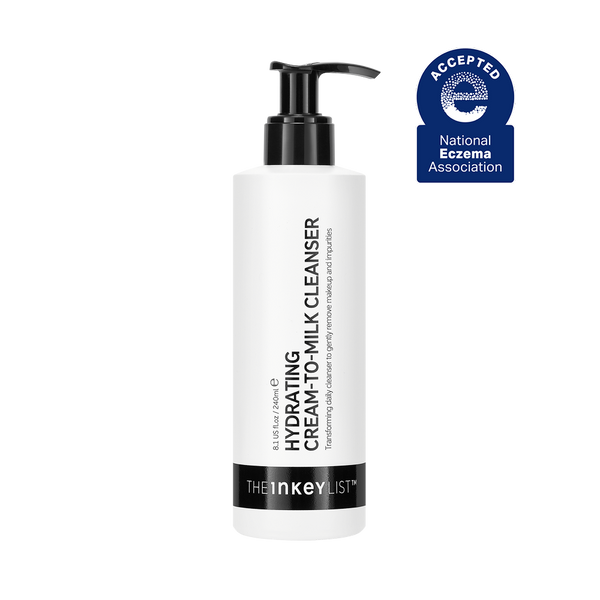
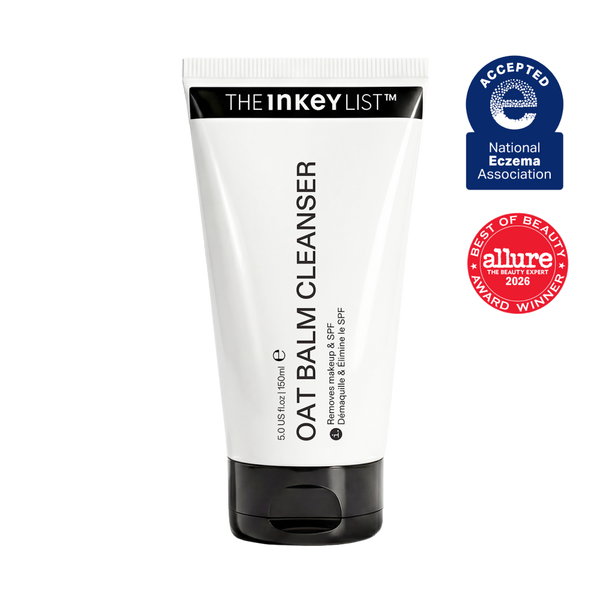
Cleanser options. For dry, sensitive, or makeup-heavy days, the Oat Cleansing Balm ($17) offers a gentle, non-foaming way to remove makeup and daily buildup without stripping the skin, thanks to its oat-based, soothing formula. For a lighter everyday option, the Milk Cleanser ($20) provides gentle, hydrating cleansing that works well both morning and night. Both are formulated as a genuinely gentle hydrating cleanser for sensitive skin, meaning they clean without compromising the barrier in the process. For a more detailed breakdown of cleanser choice, best cleanser for sensitive skin is worth a read.
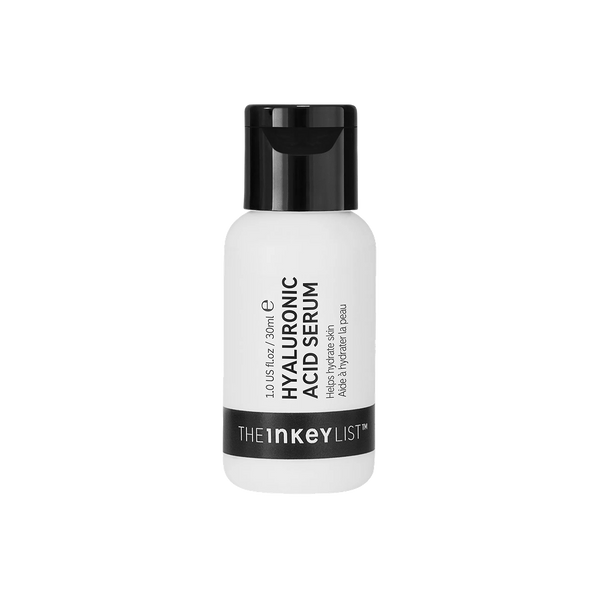
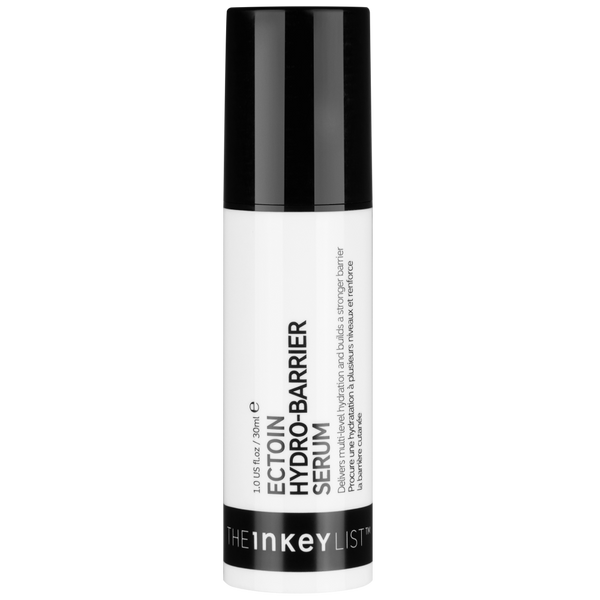
Serum layer. For lightweight daily hydration, the Hyaluronic Acid Serum ($13) delivers the multi-layer hydration discussed earlier in this guide. On days when the barrier feels especially compromised, reactive, or tight, the Ectoin HydroBarrier Serum ($17) is formulated specifically to hydrate while reinforcing the barrier itself, making it a strong option during flare-ups or periods of visible sensitivity.
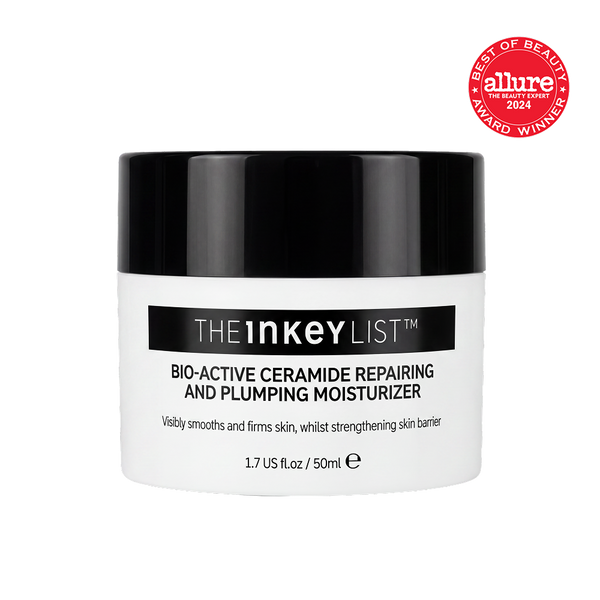
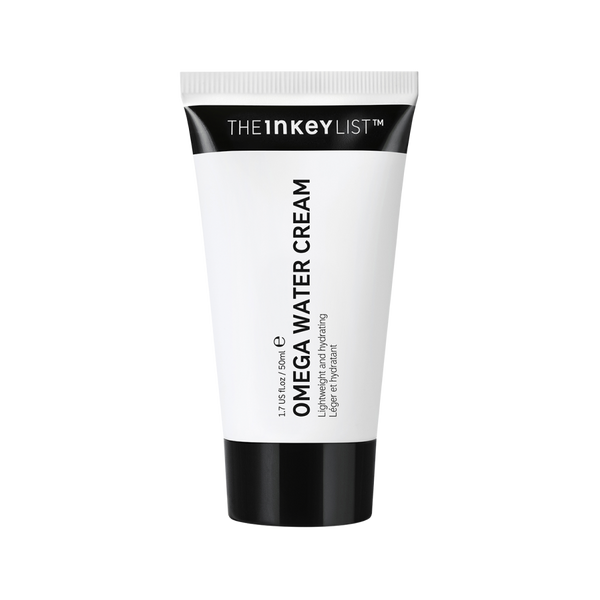
Moisturizer layer. For stronger barrier support, particularly for skin that leans dry or has been through recent barrier stress, the Bio-Active Ceramide Moisturiser ($22) replenishes the lipids discussed earlier. For a lighter, oil-free option better suited to more balanced or combination-leaning sensitive skin, the Omega Water Cream ($15) provides hydration without a heavier feel. Choosing between the two often comes down to how your skin leans day to day, and this comparison of dry skin versus more balanced sensitive skin textures can help clarify which direction to go.For more detail on choosing the right one, best moisturiser for sensitive skin goes further into the decision.
Eye area. The skin around the eyes is thinner and often shows signs of dehydration and puffiness first. The Caffeine Eye Cream ($12) offers lightweight hydration alongside a depuffing effect, making it a gentle addition to either the morning or evening routine.
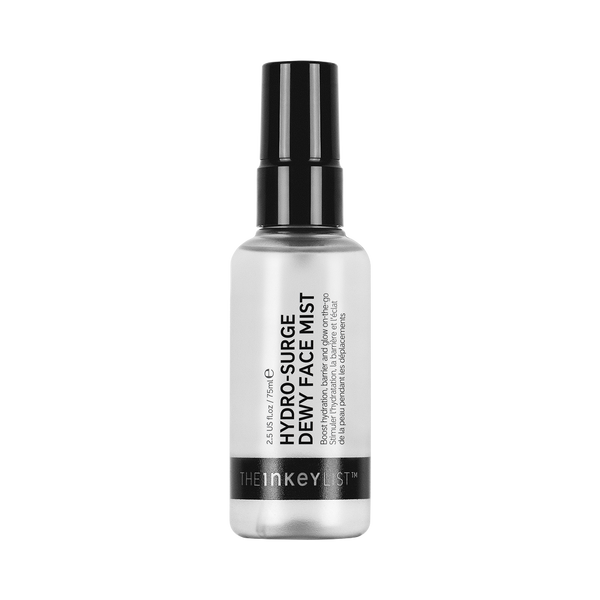
Optional hydration top-up. On particularly dry days, or in the middle of a long day at a desk under air conditioning or heating, the HydroSurge Dewy Face Mist can be used over makeup or SPF to refresh hydration without disrupting either.
A final, important reminder: always patch test new products, especially while the barrier is actively healing, and introduce any new active ingredient slowly rather than all at once. Sensitive skin generally responds better to one new product at a time, given a week or two to settle in, rather than several changes introduced simultaneously. This single habit prevents a huge number of avoidable flare-ups.
With a workable daily routine in place, it helps to address the situations that commonly throw even a well-built routine off course, so you know how to adapt rather than panic when they happen.
Everyday Triggers and Flare-Ups to Watch For
Even a well-designed routine will occasionally meet real-world situations that test it. Understanding these common disruptors in advance makes them far less stressful to deal with when they show up, and far easier to resolve quickly rather than letting them spiral into a full flare-up.
Dry patches around the nose and mouth are one of the most common complaints, and they are frequently mistaken for a completely different skin type. Someone with otherwise balanced or even oily skin can develop flaky, tight patches in these areas, particularly during colder months, simply because this area tends to lose moisture faster than the rest of the face. This guide on dry skin around the nose addresses this specific pattern directly.
Redness that flares with temperature changes, stress, or new products is another near-universal experience for sensitive skin. The instinct is often to add more products to calm it down, but the better approach is usually the opposite: simplify temporarily, lean on barrier-supportive ingredients like ectoin and ceramides, and give the skin time to settle before reintroducing anything new. For practical steps, how to reduce redness on your face covers this in more depth.
Occasional breakouts on otherwise sensitive skin confuse a lot of people, because the instinct is to reach for something stronger to clear the congestion. This usually backfires, since harsher products tend to compromise the barrier further and can make both the sensitivity and the breakouts worse over time. The better path is maintaining barrier support while addressing congestion gently, which sensitive skin and breakouts explains in more detail.
Introducing actives like retinol does not have to mean avoiding them altogether, even with a history of sensitivity. The key is easing in slowly, starting with lower frequency, and only introducing retinol once the barrier is in a stable place, not during an active flare-up. Retinol for sensitive skin lays out a gradual approach that minimizes irritation while still allowing access to retinol’s benefits over time.
Hormonal shifts, particularly during perimenopause, can catch people off guard because skin that has behaved consistently for years can suddenly become drier, more reactive, or both. This is a real physiological shift, not a sign that a long-standing routine has stopped working correctly. Perimenopause and your skin explains why this happens and how to adjust a routine in response.
The thread running through all five of these situations is the same one that has run through this entire guide: when something changes or flares, the answer is rarely “add more.” It is almost always “support the barrier, simplify temporarily, and give the skin time to stabilize.” Recognizing a trigger early, and responding with restraint rather than reaction, is often the difference between a brief flare-up and a weeks-long setback.
With the common disruptors covered, it is worth answering some of the specific questions people ask most often when trying to hydrate sensitive skin without triggering a reaction.
Bringing It All Together
The core shift this guide has walked through is a simple one, even if it goes against the instinct to add more product when skin feels off: hydration works best once the barrier is supported, not before. Sensitive, dehydrated skin does not need a longer routine. It needs the right few steps, used in the right order, given time to actually work.
Small, consistent choices add up faster than most people expect. A gentle cleanse that does not strip the skin. A barrier-supportive serum instead of five competing actives. A moisturizer that matches how your skin actually feels that day, not just what is trending. None of these individual choices feel dramatic in the moment, but together they are what rebuild a barrier that has been under strain, and what finally let hydration do the job it was always meant to do.
This is the thinking behind every product mentioned in this guide: clear reasoning, proven ingredients, and routines built around what skin genuinely needs rather than what sells the most serums. For anyone who wants to go deeper into the science behind barrier repair specifically, the damaged skin barrier resource is the natural next step.
If you are ready to put any of this into practice, start small. Explore the full sensitive skin hub for more guidance tailored to how your skin behaves day to day, or simply introduce one new step at a time, such as the Hyaluronic Acid Serum ($13) for everyday hydration or the Ectoin HydroBarrier Serum ($17) when your barrier needs extra support. There is no need to overhaul your entire shelf overnight. Give your skin the chance to repair first, and the rest tends to follow.
Frequently Asked Questions
Got a question?
Our askINKEY team are a friendly bunch of skincare experts with deep product knowledge and zero judgement. Whether you're an ingredient obsessive or just starting out, we'll make it make sense. No question too big. No question too small. We Give A Care, Every Day.


