

The Retinol Purge: Is It Real, How Long Does It Last and What to Do
Experiencing breakouts after starting retinol? Learn the difference between a temporary retinol purge and irritation, how long purging lasts, and the best ways to support your skin through the adjustment period.
Author
askINKEY skincare advisor
Published
18 July, 2026
Time to read
8 minutes
If your skin has broken out after starting retinol, there is a name for it: retinol purging. It is a recognised, temporary skin response that some people experience in the first weeks of using a retinoid, and it is one of the most searched — and most misunderstood — topics in skincare. The retinol purge is real. It is not a sign that retinol is wrong for your skin. It is not an allergy. And with the right approach, it is entirely manageable.
This blog covers everything you need to know: what the retinol purge is, why it happens specifically with retinol, what it looks like, how long it lasts, how to tell it apart from a genuine reaction, and exactly what to do about it. For a broader understanding of how retinol works and the full retinoid spectrum, visit our complete retinol guide. If you want to start retinol in a way that is specifically designed to minimise the adjustment period, our Starter Retinol Serum ($15) was formulated with that goal in mind — clinically proven to deliver results with zero irritation in 95% of users.
If you are also using other actives alongside retinol and want to understand purging more broadly, our complete skin purging guide covers that in full.
What Is the Retinol Purge and Why Does It Happen?
The retinol purge is a real, documented skin response. It is not a myth, and it is not caused by a bad product. It happens because of exactly what retinol is designed to do — and understanding the mechanism behind it is the clearest way to make sense of why your skin behaves the way it does in the first weeks of use.
The Science Behind the Purge
Retinol is a derivative of Vitamin A. To understand our complete retinol guide, the core function of retinol is straightforward: it accelerates the rate at which your skin cells renew themselves. In untreated skin, this natural cycle of cell turnover takes approximately 28 days. Retinol speeds that process up significantly, prompting older, dead cells to shed faster and newer cells to reach the surface more quickly.
That acceleration is precisely what makes retinol effective for fine lines, uneven texture, and skin tone over time. But in the short term, it creates a specific situation that explains everything about the purge.
Beneath the surface of most people’s skin — particularly those with oily or combination skin — there exists a backlog of congestion. These are microcomedones: tiny blocked pores that are not yet visible on the skin’s surface. They have not erupted into whiteheads or blackheads yet. Under normal conditions, this congestion would make its way to the surface gradually, over weeks. When retinol is introduced, that process is compressed. The congestion that would have surfaced over the course of a month is pushed to the top much faster — all at once, or in rapid succession.
The result is what people experience as the retinol purge: an initial worsening of breakouts and acne in the early weeks of retinol use, concentrated in areas where congestion was already lurking beneath the surface. It looks like things are getting worse. In reality, the skin is clearing out a backlog it already had — just at a faster rate than it would have done naturally.
Why It Is a One-Time Event
This is a critical point that is often missed. The retinol purge is not a recurring pattern. It is not something that continues indefinitely. Once the existing backlog of congestion has been cleared from beneath the skin’s surface, there is no longer a reservoir of blocked pores for retinol to push through. The purge ends. What follows — with consistent use — is progressively clearer, smoother, and more even-toned skin.
That is why the guidance to push through the purge period, provided symptoms are consistent with purging and not genuine irritation, is grounded in science. Stopping and restarting retinol simply restarts the clock on that initial clearing phase.
The Dose-Response Relationship
Not all retinoids are equal, and the intensity of any purge response is directly tied to how aggressively a retinoid accelerates cell turnover. This is worth understanding before you choose a formulation.
Over-the-counter retinol — the kind found in most skincare serums — requires two conversion steps within the skin before it reaches retinoic acid, which is the biologically active form that drives the changes at a cellular level. Retinal (retinaldehyde) requires only one conversion step. Prescription retinoids like tretinoin are already in the active retinoic acid form, requiring no conversion at all. This is why tretinoin tends to produce a more intense initial response than over-the-counter retinol — it is working faster and more directly. For a detailed breakdown of where different retinoids sit on this spectrum, see our Retinol vs Retinal guide.
The implication for purging is straightforward: the stronger and more direct the retinoid, the more aggressive the acceleration of cell turnover, and the higher the likelihood and intensity of purging. Slow-release, encapsulated retinol formulations — which deliver the active ingredient gradually rather than all at once — typically produce a milder purging response because they accelerate cell turnover at a pace the skin can manage more comfortably.
The existence of retinoid-induced flaring as a real and documented phenomenon has been confirmed in clinical literature, including research published in the Journal of Clinical and Aesthetic Dermatology (2008), which documented retinoid-induced acne flaring as a recognised, temporary adjustment response.
It is also worth noting clearly: not everyone who uses retinol will experience a visible purge. The presence or absence of a purge depends largely on how much subsurface congestion was already present, how sensitive the skin is, and how gradually the retinol was introduced. A lack of purging does not mean retinol is not working. It may simply mean there was less backlog to clear in the first place.
Understanding the mechanism behind the purge is the foundation for everything that follows. Now that you know what is happening beneath the surface, the next logical question is: what does this actually look like on the skin?
Retinol Purging: What It Looks Like and What the “Retinol Uglies” Actually Are
One of the most searched questions about the retinol purge is a simple one: what does it actually look like? This section answers that with specificity, because the visual presentation of a retinol purge is meaningfully different from other types of skin reactions — and knowing the difference is what allows you to interpret what is happening with confidence rather than panic.
The Visual Characteristics of a Retinol Purge
A retinol purge does not look like one dramatic event. It typically presents as a cluster of smaller eruptions appearing across areas where congestion was already brewing beneath the skin. Here is what to look for:
- Small whiteheads and blackheads appearing in clusters, particularly across the forehead, nose, chin, and jawline — the classic congestion-prone zones
- Papules — raised, red bumps without a visible head — that may appear individually or in small groups across areas of existing congestion
- Increased surface breakouts and acne in areas that already had a tendency toward congestion, even if they were previously clear on the surface
- Skin that appears temporarily more textured or bumpy as subsurface congestion pushes upward
- Mild dryness, flaking, or a sensation of tightness as the skin adjusts to the accelerated rate of cell turnover — this is a separate effect from purging itself, but it commonly accompanies the adjustment period
What you are seeing during a retinol purge is essentially the skin processing a backlog at speed. The breakouts and acne that emerge are not new problems created by retinol — they are existing congestion being surfaced faster than the skin would have done naturally.
What Retinol Purging Does Not Look Like
Equally important is knowing what a retinol purge should not look like — because these signs point to something different, and they matter.
A retinol purge does not look like widespread, angry redness spreading across the entire face. It does not involve hives, welts, or swelling. It does not produce raw or broken skin, and it does not cause severe peeling that feels painful. Critically, a purge does not appear in areas of the face that have never had congestion — if new breakouts or acne are appearing in zones that were previously completely clear, that is worth paying attention to.
The Week-by-Week Progression
Understanding the typical stages of a retinol purge can make the process feel far more manageable. Rather than experiencing it as a shapeless ordeal, think of it as a predictable sequence with a known endpoint.
- Weeks 1 to 2: Surface breakouts and acne begin to increase. Skin may feel slightly drier or more sensitive than usual. This is the beginning of the purge.
- Weeks 2 to 4: The peak purging phase. Existing congestion continues to surface. This is typically when the skin looks at its worst before it begins to improve.
- Weeks 4 to 6: Visible clearing begins. Fewer new breakouts are forming, and the skin starts to settle. Texture improvements may start to become noticeable.
- Week 6 and beyond: The skin has largely cleared its backlog. Retinol’s long-term benefits — smoother texture, more refined pores, more even tone — begin to emerge with continued use.
This progression is retinol-specific and is tied directly to the accelerated cell turnover mechanism. It has a clear arc: a peak, a plateau, and a resolution.
The “Retinol Uglies”: What This Term Actually Means
If you have spent any time on TikTok or Reddit reading about retinol, you have almost certainly encountered the phrase “retinol uglies.” It is widely used in skincare communities to describe the initial worsening phase that some people experience when they first introduce retinol — and it is a term worth addressing directly, because it captures something real.
The “retinol uglies” refers to the same underlying phenomenon as retinol purging — accelerated cell turnover pushing subsurface congestion to the surface — but the term tends to be used more broadly to encompass the entire adjustment period. That includes not just the increase in breakouts and acne, but also the accompanying effects: dryness, flaking, and a temporary increase in skin sensitivity that can make the skin look and feel noticeably different from its baseline.
The term emerged organically from people sharing their early retinol experiences and finding that “my skin got worse before it got better” was a common thread. It is not a clinical term, but it maps accurately onto a real and well-understood skin response. Acknowledging it honestly matters: if you are currently in this phase, knowing that it has a name, a mechanism, and a known end point is genuinely useful information.
The retinol uglies are temporary. They are not a permanent state. They are not evidence that retinol is wrong for your skin. For most people, this phase resolves within four to six weeks with the right approach — which brings us to the next critical question: exactly when does this start, and how long does it last?
When Does the Retinol Purge Start and How Long Does It Last?
This is the section of the blog that most people are searching for — and it deserves the most specific, grounded answers possible. Vague timelines do not help someone who is currently two weeks into using retinol and wondering whether what they are experiencing is normal.
When Does the Retinol Purge Start?
For most people, the retinol purge begins within two to four weeks of starting retinol use. This delay exists because retinol does not produce an immediate visible response on day one. It takes time for the accelerated cell turnover to work through the skin’s layers and push subsurface congestion to the surface.
For slower-release or very gently formulated retinol products, the onset may be later — around weeks three to four — because the retinoid is being delivered to the skin at a more gradual pace.
If a reaction appears within the first one to two days of starting retinol — sudden redness, stinging, or a breakout that appears almost immediately after the first application — that is not a purge. Purging is a process that unfolds over weeks. An immediate reaction is more likely to be skin irritation or sensitivity, and the two require very different responses.
How Long Does the Retinol Purge Last?
For most people using an over-the-counter retinol product, the purge lasts between four and six weeks. This is the most commonly cited clinical timeframe, and it aligns with what is consistently reported in real-world use.
In some cases — particularly for people with oilier, more congestion-prone skin, or those who had a significant backlog of blocked pores before starting retinol — the purge can extend to eight or twelve weeks. This is not unusual, and it is not a cause for alarm, provided the skin is showing a clear trajectory of improvement.
The practical guideline worth keeping in mind is this: if your skin is visibly improving by week six, you are most likely purging and on the right track. Continue at a consistent, sustainable frequency and trust the process. If your skin is not showing any signs of improvement by weeks six to eight — or if it is actively worsening — that warrants a reassessment. It may mean the frequency or concentration needs adjustment, or that what you are experiencing is something other than a purge.
Does the Purge Mean Retinol Is Working?
In a sense, yes. The purge is evidence that retinol is actively accelerating cell turnover in the skin. That said, the absence of a purge absolutely does not mean retinol is not working. People with drier, less congested skin may experience very little visible purging while still benefiting from all of retinol’s long-term effects on texture, tone, and fine lines.
The purge is simply one possible visible expression of retinol doing its job — not a mandatory milestone or a measure of efficacy.
Who Is More Likely to Experience the Retinol Purge?
Not everyone purges, and the likelihood depends on a combination of factors:
- People with oily or combination skin are more prone to purging, because they tend to have more active sebaceous glands and a higher baseline of subsurface congestion
- Those with congestion-prone skin — frequent blackheads, closed comedones, or recurring breakouts — are more likely to have an existing backlog for retinol to push through
- People who are completely new to retinoids and introducing retinol for the first time
- Those who introduce retinol at a higher frequency or concentration than their skin is ready for
Those less likely to experience a significant visible purge include people with drier, less congestion-prone skin, and those who introduce retinol very gradually — starting at two to three nights per week rather than every night.
Does a Gentler Formula Mean Less Purging?
Yes. A slow-release, encapsulated retinol formula delivers the active ingredient to the skin gradually rather than in a concentrated burst. This means cell turnover is accelerated at a more controlled pace — one the skin can manage without the acute congestion rush that faster-acting retinoids can trigger.
This is one of the core reasons our Starter Retinol Serum ($15) uses an encapsulated dual-retinoid delivery system — it is designed to give the skin the proven benefits of retinol while reducing the intensity of the adjustment period. For those with more reactive or sensitive skin, our guide to retinol and sensitive skin offers additional guidance on introducing retinol safely.
Understanding the timeline is essential — but so is knowing how to accurately read what your skin is telling you. The next step is learning to distinguish a genuine purge from a reaction that may require a different response.
Retinol Purge vs. Skin Reaction: How to Tell the Difference and When to Stop
This is the most practically important section for anyone who is currently using retinol and unsure whether what they are experiencing is normal. Getting this distinction right determines everything: whether to continue, slow down, or stop entirely.
The Fundamental Difference
A retinol purge and a retinol irritation reaction can look superficially similar, but they behave differently in three key ways: where they appear, how they progress, and how they feel.
A retinol purge:
- Appears in areas where you already had congestion or a history of breakouts and acne
- Consists of small whiteheads, blackheads, and papules
- Does not typically cause significant burning or stinging that persists after application
- Improves progressively over time — skin gets visibly better week by week once the peak phase has passed
- Resolves within four to eight weeks with continued, consistent use
A retinol reaction or irritation:
- Can appear anywhere on the face, including areas that were previously completely clear
- May involve widespread redness, a persistent burning or stinging sensation, hives, or swelling
- Does not follow the characteristic arc of purging — it does not improve progressively, and may worsen with each application
- Is not limited to congestion-prone zones
The key diagnostic question to ask yourself: Is my skin getting progressively better over a period of weeks, even if it looked worse at the start? If the answer is yes, you are most likely purging. If the answer is no — if the skin is staying the same or worsening beyond the six to eight week mark — a reassessment is warranted.
Three Reliable Signals to Read Your Skin
When you are in the middle of an adjustment period and finding it hard to objectively assess your skin, these three signals can help cut through the uncertainty:
-
Location. Purging occurs where you already had congestion — the forehead, chin, nose, jawline. If breakouts or acne are appearing in zones that were previously completely clear, that points toward irritation rather than purging.
-
Progression. A purge follows a clear arc: it peaks, then it resolves. Skin gets visibly better week by week once it has passed the peak phase. Irritation does not follow this pattern — it either stays the same or worsens with continued exposure.
-
Sensation. Purging is not typically painful. Some mild sensitivity or tightness during the adjustment period is normal, but persistent burning or stinging that does not settle within twenty to thirty minutes of application is a signal that should not be ignored.
A Note on Prescription Retinoids
Readers searching “tretinoin purge” will find this section relevant. Prescription retinoids like tretinoin work on exactly the same mechanism as over-the-counter retinol — accelerated cell turnover pushing congestion to the surface — but because they are already in the active retinoic acid form and require no conversion in the skin, they tend to produce a more intense and sometimes longer-lasting purge. If you are using a prescription retinoid and experiencing a significant adjustment response, the same principles apply, but the timeline may extend further. This blog is focused on over-the-counter retinol.
Also worth noting: combining retinol with other exfoliating actives can amplify skin irritation significantly. If you are layering retinol with acids or other potent ingredients on the same nights, this is worth reviewing. Our guide on what not to layer with retinol covers the specific combinations to avoid.
For those with more reactive skin types, our guide to retinol and sensitive skin provides tailored advice on introducing retinol with the lowest possible risk of reaction.
The Red Flags: When to Stop Using Retinol
Stopping retinol is the right call if you experience any of the following:
- Persistent burning or stinging that does not settle within twenty to thirty minutes of application
- Worsening skin inflammation spreading across the face rather than in isolated, congested zones
- Skin showing no improvement whatsoever after eight to ten weeks of consistent use
- Development of a rash, hives, or swelling
- Any reaction that is interfering significantly with daily comfort
- Pregnancy or breastfeeding — retinol should not be used during pregnancy or breastfeeding. Always consult your doctor or dermatologist before using any retinoid if this applies to you.
If you are uncertain whether to continue, reducing frequency to once per week — rather than stopping entirely — is a reasonable middle step. Patch testing is also advisable if you are restarting after a break. When in any doubt, consulting a doctor or dermatologist is always the right move.
If you are using other actives like AHAs, BHAs, or Vitamin C alongside retinol and want to understand how their purging behavior differs from retinol’s, our complete skin purging guide covers all of that in detail.
Now that you can accurately read what your skin is doing, the next step is knowing exactly what to do about it — and how to build a routine that supports the skin through the adjustment period as effectively as possible.
What to Do During a Retinol Purge — and How to Minimise It
If you have identified that what you are experiencing is a purge rather than a reaction, there is a clear, practical set of actions you can take. The good news is that the right routine approach can meaningfully reduce the intensity and duration of the purge — without requiring you to stop retinol altogether.
The Core Principle: Do Not Quit
The most common mistake people make during a retinol purge is abandoning retinol entirely at the first sign of breakouts or acne. This is understandable — when your skin looks worse, the instinct is to remove whatever is causing the change. But if the symptoms are consistent with purging rather than irritation, stopping retinol and then restarting it later simply resets the clock. The purge will begin again when you reintroduce it.
Continuing at a low, sustainable frequency is almost always the better course of action. The purge resolves because the backlog of congestion has been cleared — and that only happens through consistent use.
Adjust Frequency, Not Actives
If the purge feels intense, the answer is to reduce frequency rather than to abandon retinol entirely. Pull back to one to two nights per week rather than three, then build back up gradually as the skin settles. The goal is to keep the cell turnover process moving — just at a pace that the skin can manage without becoming overwhelmed.
The recommended starting frequency for retinol is two to three nights per week, not every night. If you started at a higher frequency and are now in a significant purge, scaling back is a sensible adjustment.
Support Your Skin Barrier Throughout
The barrier is everything during the retinol adjustment period. A compromised barrier amplifies every other symptom — dryness, sensitivity, breakouts. Supporting it actively through this phase is not optional; it is the single most important thing you can do alongside continued retinol use.
Here is a structured approach:
Step 1 - Cleanse gently. Use a non-stripping cleanser that does not disturb the skin’s natural moisture balance. This is not the time for foaming cleansers with high pH or any harsh surfactants.
Step 2 - Apply Hyaluronic Acid to damp skin. Our Hyaluronic Acid Serum ($13) draws moisture into the skin and creates a hydrated base before retinol application. Apply to slightly damp skin and allow it to absorb. Hyaluronic acid is a foundational hydrating ingredient — for more on how it works, see our hyaluronic acid guide.
Step 3 - Apply the Niacinamide buffer (optional but highly effective). Our Niacinamide Serum ($13) applied before retinol in the PM routine provides meaningful support during the purge phase. Niacinamide strengthens the skin barrier, actively calms sensitivity, and helps regulate excess sebum — all of which are directly relevant during a retinol adjustment period. For more on this ingredient, see our niacinamide guide.
Step 4 - Apply retinol. A pea-sized amount across the face and neck is sufficient. More product does not mean more results — it means more irritation risk.
Step 5 - Seal with a ceramide-rich moisturizer. Our Bio-Active Ceramide Moisturizer ($22) is formulated with Bioactive Ceramide NP to actively strengthen and repair the skin barrier. Applying it immediately after retinol locks in moisture and helps buffer the adjustment-period effects. This step is non-negotiable.
The Moisture Sandwich Method
If you have sensitive or drier skin and are experiencing purging alongside significant dryness and flaking, the moisture sandwich method is worth implementing from the start. Apply a thin layer of moisturizer first, then your retinol, then a second layer of moisturizer on top. This approach buffers the delivery of retinol to the skin, reducing the intensity of the adjustment period without meaningfully reducing efficacy.
The product pages on theinkeylist.com specifically recommend this method for those who are new to retinol or have sensitive skin — it is not a workaround, it is a legitimate technique.
SPF Every Morning — Without Exception
Retinol accelerates cell turnover and increases the skin’s sensitivity to UV radiation. The morning after every retinol application, applying a broad-spectrum SPF is non-negotiable. This applies regardless of whether you are purging. Skipping SPF while using retinol is one of the fastest ways to undermine everything the ingredient is doing for your skin.
Keep the Routine Simple
During the purge phase, the instinct to add more products — to fix the breakouts and acne with additional actives — is one to actively resist. A stripped-back, barrier-focused routine is more effective than a complex one. Specifically:
- Avoid chemical exfoliants (AHAs, BHAs) on the same nights as retinol — see what not to layer with retinol for a clear guide to what to keep separate
- Avoid physical scrubs entirely during the purge phase
- Avoid introducing new or unfamiliar skincare products until the skin has settled
- Avoid very hot water on the face — it strips the barrier and worsens sensitivity
How to Minimise the Retinol Purge Before It Starts
If you have not yet begun retinol, or if you are restarting after a break, there are steps you can take from day one to reduce the likelihood and intensity of a purge:
- Choose a slow-release, encapsulated retinol formulation — not the highest concentration you can find
- Start at two to three nights per week maximum — resist the urge to use it every night
- Apply Hyaluronic Acid before and a ceramide moisturizer after every single time
- Do not layer retinol with other exfoliating actives on the same nights
- Do not increase frequency until the skin has fully adjusted for at least four to six weeks
The formulation you choose at the start is one of the biggest variables in how intensely you experience the purge — which leads naturally into the question of which retinol to use in the first place.
Choosing the Right Retinol to Minimise Purging: Our Retinol Range Explained
The decision about which retinol to start with is not just a matter of preference — it directly influences whether and how intensely you purge. The delivery mechanism, concentration, and supporting ingredients all play a role. Here is an honest breakdown of our three retinol formulations and who each one is right for.
The Formulation Principle That Matters Most
Slow-release, encapsulated retinol delivers the active ingredient to the skin gradually, over time, rather than all at once. This matters for purging because it means cell turnover is accelerated at a pace the skin can manage — rather than being hit with a concentrated burst that pushes congestion to the surface in a rapid wave. Encapsulation also protects the retinoid from degrading before it reaches the skin, which means more of the active ingredient is actually doing its job.
This is not a marketing claim — it is the reason why formulation matters more than percentage when it comes to retinol. As we explore in our piece on why higher percentage does not mean better results, a lower concentration delivered via a sophisticated encapsulated system will consistently outperform a crude high-percentage formula for both efficacy and tolerability.
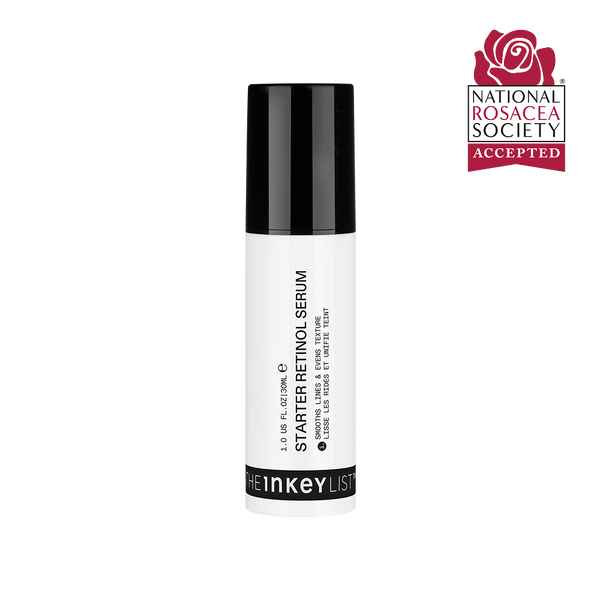
Our Starter Retinol Serum ($15) - The Right Starting Point
Our Starter Retinol Serum is the recommended starting point for anyone new to retinol, anyone who has previously experienced irritation or a difficult purge with retinol, or anyone with sensitive skin.
The formula uses a dual-retinoid complex: slow-release encapsulated Granactive Retinoid combined with a low concentration of Retinal (retinaldehyde). This combination delivers proven retinoid activity while the encapsulation system controls the rate of delivery — meaning the skin receives the active ingredient gradually rather than in a concentrated hit. In independent in vitro testing, this approach was shown to be 2x more effective than standard retinol.
What makes this formula specifically designed to reduce the adjustment period is the additional supporting actives:
- 0.2% SymRelief: An active calming complex that works directly to reduce sensitivity during the adjustment period
- 0.5% Amisol Trio: A lipid complex that supports the skin barrier and counteracts the dryness that retinoids can cause
In clinical testing, 95% of users experienced zero irritation or redness. For a beginner retinol, that is a significant figure — and it is a direct result of the formulation being engineered with the adjustment period in mind.
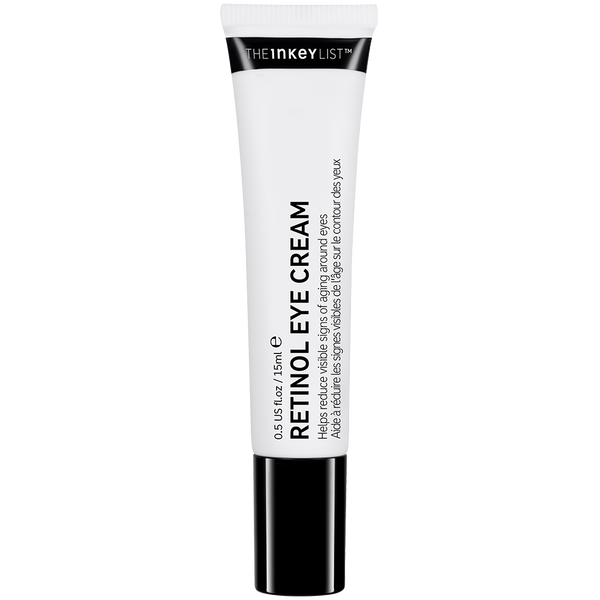
Our Retinol Eye Cream ($15) - For the Eye Contour
Our Retinol Eye Cream is formulated for the delicate skin around the eye area — an area where a standard retinol serum is too concentrated and potentially too irritating.
The active ingredient is 3% Vitalease, a stabilised, slow-release retinoid compound specifically developed for the thin, sensitive skin of the eye contour. This is not a diluted version of a face retinol; it is a formula engineered specifically for the needs of the eye area, where the goal is controlled retinoid activity with the lowest possible risk of irritation.
The eye area rarely purges in the way facial skin does — it simply does not have the same density of sebaceous glands and pores. However, it may experience dryness or mild sensitivity as it adjusts to retinoid use, which is why the supporting ingredients in this formula prioritise comfort and hydration.
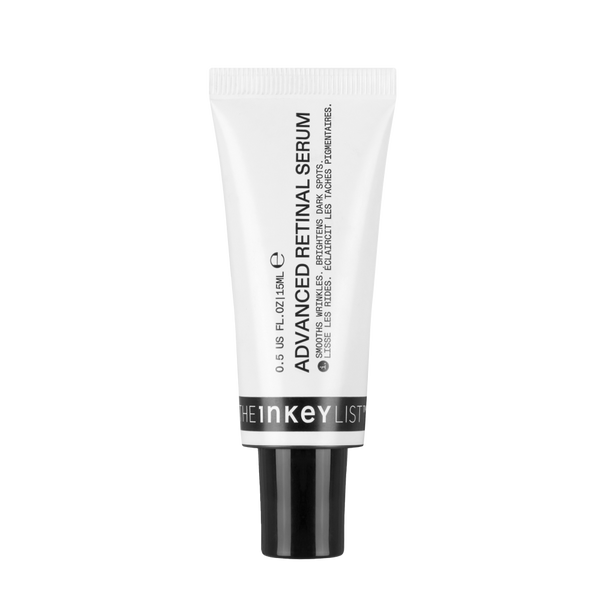
Our Advanced Retinal Serum ($22) - For Experienced Users Ready to Step Up
Our Advanced Retinal Serum is not a starter product, and it is important to say that clearly. It is formulated for people who have already been using retinol consistently for three or more months, whose skin has fully adjusted, and who are ready for faster and more intensive results.
The active is 0.2% encapsulated Retinal (retinaldehyde) — one conversion step closer to retinoic acid than standard retinol, and clinically proven to deliver results up to 11x faster than standard retinol. The encapsulation system brings controlled delivery even at this higher-performance level.
Because retinal is faster-acting than retinol, it is more likely to trigger a visible purge in those who are new to retinoids. It is not recommended as a starting point. However, for skin that has already built tolerance to retinol and is ready to advance, it is the logical and clinically supported next step.
Which Retinol Should You Choose?
The decision is straightforward:
- New to retinol, or had a bad experience with retinol before? Start with the Starter Retinol Serum.
- Already using retinol consistently for 3+ months and tolerating it well? The Advanced Retinal Serum is the right step up.
- Eye area, regardless of experience level? Retinol Eye Cream.
You can explore the full retinol range at /collections/skin/retinol.
The Retinol Purge Is Manageable — Here Is the Takeaway
The retinol purge is a temporary adjustment response, not a warning sign. For most people it resolves within four to six weeks. The skin that comes out the other side — once the congestion backlog has cleared and retinol’s long-term effects begin to take hold — is consistently smoother, clearer, and more even in tone and texture.
The formula you start with matters. A slow-release, encapsulated retinol reduces the intensity of the adjustment period without compromising on results. The routine support you provide during those first weeks — barrier hydration, ceramides, a simplified routine, and consistent SPF the morning after — determines how comfortably you get through the purge phase.
The retinol purge has a beginning and an end. Knowing that, and knowing exactly what to do about it, is the difference between giving up too soon and getting to the skin that consistent retinol use makes possible.
Ready to start retinol the right way? Our Starter Retinol Serum ($15) is formulated with a slow-release, encapsulated dual-retinoid complex and active calming ingredients — clinically proven to deliver results with zero irritation in 95% of users. It is the starting point that is designed to get you through the adjustment period and into the results.
Frequently Asked Questions
Got a question?
Our askINKEY team are a friendly bunch of skincare experts with deep product knowledge and zero judgement. Whether you're an ingredient obsessive or just starting out, we'll make it make sense. No question too big. No question too small. We Give A Care, Every Day.


