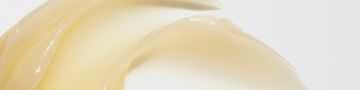


Why Is Retinol Yellow? The Science Behind the Color
Retinol's golden color isn't a flaw - it's science. Here's why vitamin A is naturally yellow, when to be concerned, and what INKEY's new retinol range means for your skin.
Author
askINKEY skincare advisor
Published
08 January, 2026
Time to read
11 minutes
You've just opened your brand-new retinol serum, and there it is — a distinctly golden-yellow liquid staring back at you. If your first thought was "has this gone bad?", you're not alone. It's one of the most common questions we get asked, and the answer is far more reassuring (and more interesting) than you might expect.
The short version? Retinol is supposed to be yellow. That golden hue isn't a flaw, a sign of expiration, or something to worry about — it's chemistry doing exactly what it should. Here's the science behind the color, how to tell the difference between a healthy retinol and one that's past its best, and everything else you've wondered about that yellow tint.
The Science: Why Vitamin A Is Naturally Yellow
Retinol is a form of vitamin A, and vitamin A molecules have a very particular structure: a long chain of alternating single and double carbon bonds, known as conjugated double bonds.
Here's where it gets interesting. This conjugated structure interacts with visible light in a specific way — it absorbs light at the blue end of the spectrum and reflects the rest back to your eye. When blue light is absorbed and removed from what you see, what remains appears yellow. It's the same fundamental chemistry that makes carrots orange (beta-carotene, a vitamin A precursor, shares this structure) and egg yolks golden.
In other words, the yellow color of your retinol is a direct, visible signature of genuine vitamin A content. If your retinol serum has a golden tint, that's the active ingredient itself announcing its presence.
Retinoids are among the most researched ingredients in all of skincare, with decades of clinical studies supporting their role in improving skin texture, fine lines, and tone. The color comes with the territory — it's part of what makes retinol, retinol.
Myth-Busting: What Yellow Retinol Does NOT Mean
Myth 1: Yellow means it's oxidized. Not true. A stable, consistent golden yellow is the natural state of retinol. Oxidization shows itself differently — more on that below.
Myth 2: Yellow means it's expired. Also false. A fresh, newly manufactured retinol will be yellow from day one. Color alone doesn't tell you anything about expiration — always check the period-after-opening symbol and expiration date on your packaging.
Myth 3: Yellow retinol will turn your skin yellow. The answer is a clear no. Retinol does not stain or discolor your skin. Once applied, the product absorbs and the trace of color disappears. In fact, retinol does the opposite over time — it's one of the best-studied ingredients for improving overall skin tone and reducing hyperpigmentation, helping skin look more even and radiant, not more yellow.
How to Tell the Difference: Fresh Retinol vs Oxidized Retinol
Knowing whether your retinol's color is normal or a warning sign comes down to a few key characteristics.
Fresh, high-quality retinol displays a consistent, even yellow throughout the formula. The texture is smooth and uniform with no visible particles, there's no unusual chemical smell, and the color remains stable over time. This is exactly what your retinol should look like.
Oxidized retinol tells a different story. Oxidization typically shows as a progressive shift from yellow toward brown, amber, or dark orange. The texture may become thicker or gritty, and you may notice visible particles or separation. An unusual rancid or sharp chemical odor is another clear sign. If you notice these changes, it's time to replace your product — oxidized retinol loses potency and won't deliver the results you're expecting.
The key difference to remember: a stable golden yellow is normal and expected. A darkening, brown-amber color shift accompanied by texture or odor changes is not.
To keep your retinol fresher for longer, store it away from direct sunlight and heat, keep the lid tightly closed, and use it within the recommended period after opening.
Which Retinol Is Right for You?
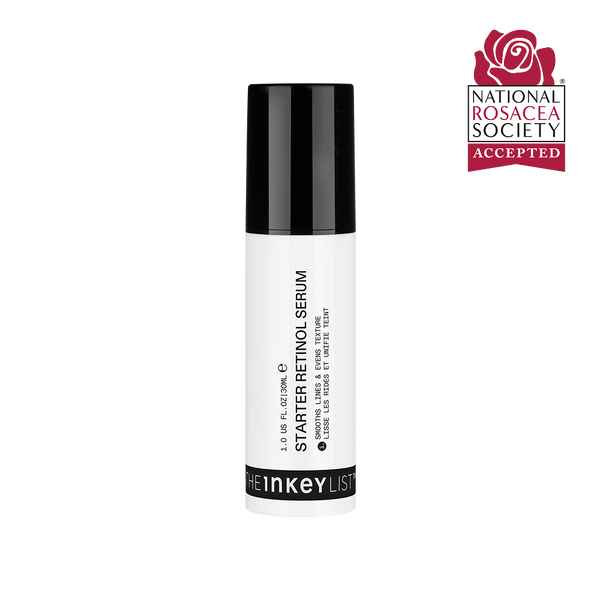
New to retinol? Starter Retinol is formulated to introduce your skin to vitamin A gently, with a lower concentration that minimizes the risk of irritation. If you're just beginning, our guide on how to start retinol without irritating your skin walks you through it step by step — and if your skin is reactive, our retinol for sensitive skin guide has you covered.
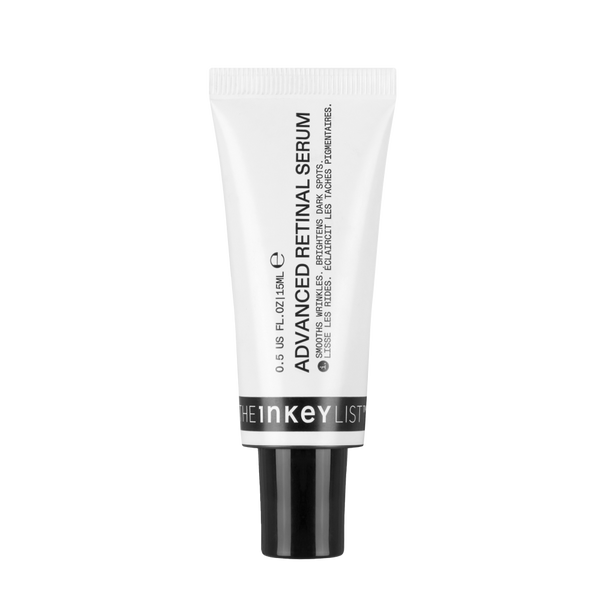
Ready to level up? Advanced 0.2% Retinal uses retinal — a step closer to the active form of vitamin A — for faster visible results. You'll notice its color is a more intense golden hue; that's the higher retinal concentration at work, and it's completely normal. Curious about the difference between the two? Read Retinol vs Retinal: Which Vitamin A Is Right for You?
For the delicate eye area, Retinol Eye Cream delivers vitamin A benefits in a formula designed specifically for the thinner skin around your eyes.
Explore the full range in our retinol collection.
What to Use Alongside Your Retinol
Retinol works best as part of a supportive routine:
- Moisturizer is non-negotiable. Following retinol with a barrier-supporting moisturizer like Bio-Active Ceramide Moisturizer helps buffer potential dryness. Ceramides are your skin barrier's building blocks — exactly what your skin needs while adjusting to vitamin A. If your barrier is feeling compromised, our guide to a damaged skin barrier explains how to repair it.
- SPF every morning after. Retinol can increase your skin's sensitivity to the sun, so daily SPF is essential — try Dewy Sunscreen SPF 30.
- Niacinamide plays well with retinol. Niacinamide supports the barrier and calms skin — here's how to use niacinamide with retinol.
- Vitamin C — timing matters. Vitamin C in the morning, retinol at night is the classic pairing. Full details in Can You Use Vitamin C and Retinol Together?
- Prefer a plant-based route? Bakuchiol offers retinol-like benefits with a gentler profile — explore our natural alternatives to retinol.
And before you layer anything else, check what not to mix with retinol.
The Bottom Line
That golden-yellow glow in your retinol bottle is chemistry, not a red flag. It's the visible signature of vitamin A doing what it does best. Keep an eye out for genuine warning signs — browning, texture changes, off smells — but otherwise, embrace the yellow.
Just starting out? Don't panic if your skin goes through an adjustment period — the retinol purge is real, and temporary. And remember: an effective retinol doesn't have to cost a fortune — we've busted that myth too.
Want to go deeper on everything vitamin A? Visit our complete retinol guide or shop the full retinol collection.
Frequently Asked Questions
Got a question?
Our askINKEY team are a friendly bunch of skincare experts with deep product knowledge and zero judgement. Whether you're an ingredient obsessive or just starting out, we'll make it make sense. No question too big. No question too small. We Give A Care, Every Day.


