
Your Skin Barrier: What It Is, Signs It’s Damaged, and How to Repair It

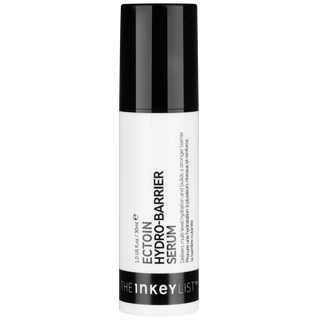
This guide covers everything you need to know about your skin barrier - what it is, how to tell when it is damaged, what causes damage in the first place, which ingredients repair it, how to build a step-by-step routine, what to stop doing during recovery, and how long the process takes. Whether you are dealing with persistent dryness, reactive skin, or unexplained breakouts, understanding your barrier is the most direct path to lasting skin health. The Ectoin Hydro-Barrier Serum ($15) is a clinically proven barrier repair serum that will be referenced throughout this guide as the foundation of any effective repair routine. If you already know your skin barrier is compromised, you can browse all barrier-repair products and start there. For everyone else, read on - this guide covers both identification and action.
The Architecture of Healthy Skin: What Your Skin Barrier Actually Is
Most people think of skin as a surface. In reality, it is an organ - and its outermost functional layer, known as the stratum corneum, is one of the most sophisticated defense systems the human body has. Understanding how it works is the first step to understanding what happens when it breaks down.
The Bricks-and-Mortar Model
Dermatologists and skincare scientists frequently describe the structure of the stratum corneum using a bricks-and-mortar analogy - and for good reason. The “bricks” are flattened, protein-rich skin cells called corneocytes. The “mortar” that holds them together is a precise mixture of lipids, primarily ceramides - the lipids responsible for the barrier’s structural integrity, alongside fatty acids and cholesterol. These lipid layers are arranged in a highly organized bilayer structure that is anything but simple.
This lipid bilayer does two things simultaneously and continuously: it keeps water in and keeps the outside world out. Every time you apply water to your skin, sweat, or breathe, your barrier is managing moisture exchange. Every time you walk outside, encounter pollution, UV radiation, or airborne bacteria, your barrier is filtering and blocking. The structural arrangement of the mortar - the lipid bilayer - is what makes both functions possible. When the lipid composition is healthy and intact, the barrier performs both roles efficiently. When it is not, both functions suffer at once.
Transepidermal Water Loss - What It Is and Why It Matters
One of the most important concepts in skin barrier science is transepidermal water loss, abbreviated as TEWL. TEWL refers to the passive movement of water through the skin and out into the surrounding environment. A certain baseline level of TEWL is entirely normal - the skin is not completely impermeable. However, when the barrier is compromised, the rate of TEWL increases significantly. The skin loses moisture faster than it can retain it, leading to the cascade of dryness, tightness, sensitivity, and irritation that characterizes a damaged barrier.
Research published on PubMed has documented the direct relationship between barrier function and TEWL, confirming that measuring TEWL is one of the most reliable ways clinicians assess barrier integrity. When TEWL is high, the skin’s ability to defend itself is reduced - irritants penetrate more easily, hydration depletes faster, and the skin’s natural repair mechanisms struggle to keep pace.
This is why barrier repair is not just about moisturizing. It is about restoring the structural lipid environment that controls TEWL in the first place. Ingredients like ectoin - which forms protective hydration shells around skin cells to reduce transepidermal water loss - work at the cellular level to stabilize the lipid bilayer and slow that moisture loss directly at the source.
Ceramides and the Natural Depletion Problem
Ceramides deserve special attention because they make up approximately 50% of the lipid composition in the stratum corneum. They are not just structural components - they are the primary molecular gatekeepers of barrier integrity. Without adequate ceramide levels, the lipid bilayer becomes disorganized, the bricks-and-mortar structure weakens, and the skin becomes increasingly permeable.
The problem is that ceramide levels naturally decline with age. Studies consistently show that the skin produces fewer ceramides as we get older, which is one of the reasons mature skin tends to be drier and more reactive. Environmental exposure - particularly UV radiation and pollution - also degrades ceramide levels over time, compounding the age-related decline. This is not a minor inconvenience. It is a structural change that directly alters the skin’s ability to function.
Understanding this decline is central to understanding why barrier repair is an ongoing practice, not a one-time fix. It is also why building a routine around ceramide-replenishing ingredients matters beyond short-term symptom relief.
The skin barrier is not just a passive surface - it is an active, dynamic system that requires specific molecular inputs to maintain its structure and function.
A healthy barrier does the following: regulates water retention, filters out environmental pollutants, blocks UV-induced damage at the surface level, prevents the penetration of bacteria and allergens, and maintains the skin’s natural pH balance. A compromised barrier does the opposite on every count - it allows moisture to escape, lets irritants in, and triggers the chain of reactive symptoms that most people recognize as sensitive, stressed, or damaged skin.
With a clear picture of how the barrier is built and what it does, the next step is recognizing when something has gone wrong - because a damaged barrier does not always look the way people expect.
Recognizing a Compromised Barrier: Signs Your Skin Is Telling You Something
A compromised skin barrier is not always obvious. Some of the most common signs are easily mistaken for dehydration, aging, or simply “having sensitive skin.” The distinction matters because the solution to a damaged barrier is specific - and applying the wrong products can make things significantly worse. Here are the seven primary signs to recognize, and why each one occurs.
Persistent Dryness and Flakiness
When the lipid bilayer is weakened, the skin cannot retain moisture efficiently. TEWL increases, water evaporates from the surface faster than it can be replenished, and the result is visible dryness that does not respond to standard moisturizing. The flakiness is the shedding of corneocytes that have lost cohesion because the lipid mortar holding them in place has been compromised. If your skin feels dry regardless of how much moisturizer you apply, the barrier - not the moisturizer - is likely the issue.
Tightness After Cleansing
Healthy skin feels comfortable and relatively balanced after cleansing. If your skin feels tight, stretched, or uncomfortable within minutes of washing your face, this is a reliable indicator that the cleansing process is stripping lipids from the barrier rather than simply removing surface debris. Harsh surfactants interact with the skin’s lipid mortar and partially dissolve it with each wash. Over time, and sometimes quite rapidly, this mechanical disruption depletes the barrier’s structural integrity.
Redness and Blotchiness
When the barrier is compromised, the skin becomes more permeable - not just to moisture, but to environmental triggers including UV, pollution particles, fragrance molecules, and topical ingredients. Increased permeability allows these triggers to penetrate deeper into the skin than they should, causing an inflammatory response that presents as redness and blotchiness. The pattern is often diffuse rather than localized, affecting broad areas of the face rather than specific spots.
Increased Sensitivity and Stinging
This is one of the most telling signs of barrier damage. Products that previously caused no reaction - a vitamin C serum, a toner, even a gentle moisturizer - suddenly sting or burn on application. This happens because the barrier can no longer buffer the skin from the chemical activity of topical ingredients. When the lipid layers are intact, they regulate how much of any given ingredient penetrates and at what rate. When they are not, ingredients reach nerve endings in the skin too quickly and at too high a concentration, triggering the stinging sensation.
Rough or Uneven Texture
Texture changes are often attributed to a buildup of dead skin cells, and the instinctive response is to exfoliate. With a damaged barrier, that instinct is counterproductive. The rough, uneven texture is frequently the result of the skin’s impaired ability to shed and renew itself normally - a process that depends on the organized lipid environment of the stratum corneum. Adding exfoliation to an already stressed barrier accelerates damage rather than resolving it.
Frequent Breakouts and Blemishes
A compromised barrier allows bacteria and environmental impurities to penetrate more easily, which can increase the frequency of breakouts. Additionally, when the skin becomes inflamed due to barrier disruption, the resulting immune response can trigger the chain of events that leads to blemishes. This is why people experiencing a damaged barrier often see more frequent and more unpredictable breakouts, even if their skin was not previously prone to them.
Dullness and Lack of Glow
A functioning barrier reflects light differently than a compromised one. When the surface of the stratum corneum is smooth and well-organized, it reflects light more evenly, contributing to the appearance of brightness and radiance. When the barrier is disrupted, the surface becomes irregular - microscopically rough and uneven - which scatters light and creates a flat, dull appearance. No amount of highlighter compensates for barrier-level dullness.
If several of these signs are present simultaneously, there is a strong likelihood that barrier damage is the underlying issue. The Ectoin Hydro-Barrier Serum ($15) is clinically proven to visibly improve 5 signs of a compromised barrier in as little as 15 minutes.* It is worth knowing that not all dryness signals a damaged barrier - there is a meaningful difference between dry skin and dehydrated skin. Understanding the difference between dry and dehydrated skin can help you determine whether you need to address the barrier structurally or simply increase hydration. When both issues are present, however, barrier repair takes priority. You can also read the full ectoin ingredient guide for a deeper look at how the hero ingredient in this serum works.
These signs are well-understood and - importantly - the barrier can be repaired. The process is direct, evidence-based, and accessible. The next step is identifying what caused the damage in the first place.
What Damages the Skin Barrier? External and Lifestyle Causes
Understanding what damages your skin barrier is as important as knowing how to fix it. In many cases, the repair process stalls not because the right products are absent, but because the damaging inputs are still ongoing. Skin barrier damage has two primary categories of cause: external environmental factors and skincare or lifestyle behaviors.
External Causes of Skin Barrier Damage
UV exposure is one of the most significant and consistent drivers of barrier damage. Ultraviolet radiation degrades the lipid structure of the stratum corneum, reduces ceramide synthesis, and contributes to the breakdown of the organized bilayer that keeps moisture in and irritants out. Cumulative UV exposure is not just a concern for visible aging - it has a direct and measurable impact on barrier function at the cellular level.
Environmental pollution is an increasingly well-documented barrier stressor. Fine particulate matter and airborne pollutants penetrate the lipid bilayer, generating oxidative stress that disrupts the structural integrity of the barrier. Urban environments with high pollution loads are consistently associated with higher rates of skin barrier compromise and inflammatory skin conditions. This is one reason why ectoin is particularly well-suited to protecting against environmental stressors - it works by stabilizing the lipid membranes that pollution and other stressors target.
Climate extremes affect the barrier in different ways depending on the direction of stress. Cold, dry, and windy weather dramatically increases TEWL by pulling moisture from the surface of the skin and depleting the protective lipid layer over time. Conversely, central heating and air conditioning create artificially dry indoor environments that have a similar dehydrating effect on the skin, even without the wind. People who live in cold climates or spend significant time in heated or air-conditioned spaces are at elevated risk of chronic barrier compromise simply due to the ambient environment.
Skincare and Lifestyle Causes of Skin Barrier Damage
Over-exfoliation is one of the most common self-inflicted causes of barrier damage - and one of the most underappreciated. Chemical exfoliants like AHAs and BHAs work by dissolving the adhesive bonds between corneocytes, which is effective for cell turnover but disruptive to barrier integrity when used too frequently. Physical scrubs add mechanical disruption on top of chemical. Using either type more than recommended, or combining both, accelerates the depletion of the lipid layer faster than the skin can rebuild it.
Harsh cleansers are another widespread culprit. Many cleansers - including some marketed as “clarifying” or “deep cleaning” - use sulfate-based surfactants that strip the skin’s natural lipids along with surface debris. Each wash removes a small amount of the lipid mortar. Done twice daily with an aggressive cleanser, the cumulative effect is significant.
Layering too many active ingredients simultaneously is a pattern that has become increasingly common as skincare routines have grown more elaborate. Retinoids, AHAs, BHAs, and high-concentration vitamin C all have the potential to disrupt the barrier when used in excess or in combination without appropriate support. The skin has a finite capacity to process actives, and exceeding that capacity triggers inflammation and barrier breakdown.
Fragranced products are a frequently overlooked source of barrier stress. Fragrance - both synthetic and natural - is one of the most common contact allergens in skincare. Even when an immediate reaction does not occur, repeated exposure to fragrance ingredients can cause low-level chronic inflammation that gradually depletes barrier integrity.
Stress has a direct physiological impact on the skin. The body’s stress response increases cortisol levels, which in turn disrupts the normal lipid synthesis process in the stratum corneum and slows the skin’s natural repair mechanisms. Understanding how stress affects your skin barrier is important because no topical routine can fully compensate for chronically elevated stress levels.
Sleep deprivation operates through a similar mechanism. The skin’s repair processes are most active during sleep - including the synthesis of ceramides and other barrier lipids. Consistently poor sleep limits the window during which the skin can rebuild itself, making barrier damage both more likely and slower to resolve.
Poor diet - specifically, diets low in essential fatty acids - can reduce the skin’s ability to produce the lipids it needs for barrier maintenance. Omega-3 and omega-6 fatty acids are structural components of the skin’s lipid bilayer, and their absence from the diet has a measurable impact on barrier function over time.
With the causes clearly mapped, the practical question becomes: which ingredients actually fix this - and which products deliver them effectively?
Barrier Repair Ingredients and the Products That Deliver Them
Not all moisturizing ingredients repair the skin barrier. Hydration and repair are related but distinct functions. A humectant draws water into the skin - that is hydration. A barrier repair ingredient restores the structural lipid environment that prevents water from leaving. Both matter, but in the context of a damaged barrier, structural repair takes precedence. Here is a breakdown of the key ingredients and how they work.
Ectoin - The Hero Ingredient for Barrier Repair
Ectoin is a naturally occurring cyclic amino acid first identified in extremophile bacteria - microorganisms that survive conditions of extreme heat, dryness, salinity, and UV irradiation. In those environments, ectoin protects the bacteria’s cells by forming hydration shells around proteins and lipid membranes, stabilizing them against extreme stress. Applied to human skin, it performs the same function - forming a protective hydration complex around skin cells that stabilizes the lipid bilayer and reduces TEWL.
What makes ectoin particularly valuable for barrier repair is the speed and specificity of its action. Read the complete guide to ectoin for the full science - but at a clinical level, the data is significant. A systematic review published in Dermatology and Therapy by Kauth and Trusova (2022) reviewed six clinical studies and confirmed that topical ectoine-containing formulations consistently improved skin dryness, reduced TEWL, and improved barrier-related inflammatory symptoms across a range of skin conditions. The authors found that ectoine formulations were well-tolerated across all age groups and in some cases reduced the need for pharmacological intervention when used as an adjunct to other treatments.
Product: The Ectoin Hydro-Barrier Serum ($15, 30ml) delivers 2% ectoin alongside 2.5% multi-molecular hyaluronic acid and a 1% ceramide barrier blend. Clinically, the formula is proven to visibly strengthen the barrier in as little as 15 minutes and improve skin resilience in as little as 3 days.* It is the most targeted barrier repair option in the range and the product that should anchor any serious repair routine. For the full science behind this ingredient, read the complete guide to ectoin.
Ceramides - Structural Rebuild from the Inside Out
If ectoin stabilizes the environment, ceramides do the physical rebuilding. As the primary lipid component of the skin’s mortar layer, ceramides are the most direct structural ingredient available for barrier repair. They integrate directly into the lipid bilayer, filling the gaps left by depletion and restoring the organized architecture that controls permeability.
The skin’s natural ceramide production declines with age and environmental damage, which means that replenishing ceramides topically is not a temporary fix - it is an ongoing maintenance requirement that becomes more important over time. Learn how ceramides work in your barrier for a deeper understanding of why they are non-negotiable in a barrier-focused routine.
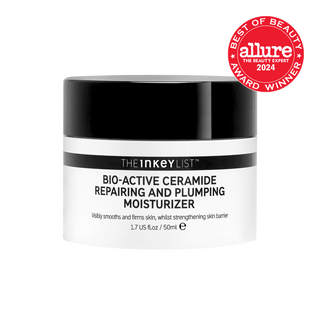
Product: The Bio-Active Ceramide Moisturizer ($21.50, 50ml) delivers Bio-Active Ceramide NP to visibly firm, smooth, and strengthen the barrier. Used as the moisturizing step after your barrier serum, it seals in the serum’s work and provides the structural ceramide inputs the skin needs for lasting repair.
Hyaluronic Acid - Hydration at Multiple Depths
Hyaluronic acid (HA) is a humectant - it attracts and binds water molecules, dramatically increasing the skin’s water content at different depths depending on the molecular weight of the HA being used. Multi-molecular formulations that deliver HA at varying molecular weights are particularly effective because they address hydration both at the surface and in the deeper layers of the epidermis.
One important caveat: hyaluronic acid hydrates, but it does not on its own repair the structural lipid barrier. It is an essential supporting ingredient - particularly during barrier repair, when the skin is losing moisture faster than usual - but it should be used alongside structural repair ingredients rather than as a substitute for them.
Product: The Hyaluronic Acid Serum ($10, 30ml) delivers 2% hyaluronic acid at three molecular weights alongside Matrixyl 3000 peptide, making it an excellent supporting step to layer after the Ectoin Hydro-Barrier Serum.
Niacinamide - Barrier Support and Oil Control
Niacinamide, or vitamin B3, is one of the most versatile barrier-supporting ingredients available. It works by stimulating the skin’s own ceramide synthesis - meaning it does not just deliver ceramides from the outside, it helps the skin produce more of them internally. It also reduces redness and blotchiness by calming inflammatory pathways in the skin, and it helps regulate excess oil production, which is relevant for those whose breakouts worsen during periods of barrier compromise.
Product: The Niacinamide Serum ($10.50, 30ml) delivers 10% niacinamide and 1% hyaluronic acid. During an active repair phase, it works best as an optional supporting step applied after the Ectoin Hydro-Barrier Serum once the skin has begun to stabilize.
Cleansing as Barrier Protection
The cleansing step is often overlooked in barrier repair conversations, but it is foundational. If your cleanser strips lipids from the skin with every wash, no amount of serum or moisturizer applied afterward can fully compensate for that ongoing depletion. A non-stripping cleanser that removes surface debris without disrupting the lipid mortar is not optional during barrier repair - it is the prerequisite for everything else to work.
Product: The Oat Cleansing Balm 150ml delivers 1% colloidal oatmeal and 3% oat kernel oil. Colloidal oatmeal is a well-established skin-soothing ingredient with documented barrier-supportive properties. The balm format means it lifts makeup and environmental buildup without the high-surfactant formulation that disrupts the lipid barrier. Massage in for at least 60 seconds to ensure thorough, gentle removal.
Building Your Repair Routine: Step-by-Step for Morning and Evening
Repairing a damaged skin barrier requires two things working together: removing the inputs that caused or continue to cause damage, and consistently applying the right ingredients in the right order. The routine below is designed around barrier repair as the primary objective. Keep it simple - this is not the time for a 10-step routine.
When the skin barrier is compromised, less is more. Simplifying your routine removes stressors, and targeted barrier ingredients do the rebuilding.
Morning Routine for Barrier Repair
Step 1 - Cleanse: Begin with the Oat Cleansing Balm 150ml. Even in the morning, a gentle cleanse removes overnight buildup without stripping. Massage in for a full 60 seconds, then rinse thoroughly with lukewarm - not hot - water.
Step 2 - Barrier Serum: Apply 2 to 3 drops of the Ectoin Hydro-Barrier Serum ($15) to slightly damp skin. The damp skin application is intentional - ectoin works optimally when the skin surface is hydrated. Pat gently into the face and neck. Do not rub.
Step 3 - Supporting Serum (Optional): If your skin needs additional hydration support, apply the Hyaluronic Acid Serum ($10) after the ectoin serum has absorbed. If redness or excess oil is a concern, the Niacinamide Serum ($10.50) can also be layered at this step. During the acute repair phase, choose one supporting serum maximum - do not layer multiple actives.
Step 4 - Moisturize: Apply the Bio-Active Ceramide Moisturizer ($21.50) to seal in the barrier work done by the serum and deliver structural ceramide repair to the lipid bilayer. Press gently into the skin rather than rubbing.
Step 5 - SPF: Finish your morning routine with a broad-spectrum SPF. UV exposure is one of the most significant ongoing causes of skin barrier damage, and protecting the barrier from further UV stress is essential to any repair protocol. Choose a formula that suits your skin type.
Evening Routine for Barrier Repair
Step 1 - First Cleanse: Use the Oat Cleansing Balm 150ml to lift makeup, SPF, and daily environmental buildup. The balm formula is effective for double-cleansing when needed, without stripping the skin.
Step 2 - Barrier Serum: Apply the Ectoin Hydro-Barrier Serum to slightly damp skin. Pat gently into the face and neck. The evening application is particularly valuable because the skin’s natural repair processes are most active overnight.
Step 3 - Optional Treatment: Once the barrier has begun to stabilize - not during the acute repair phase - the Niacinamide Serum ($10.50) can be added after the ectoin serum to support ceramide synthesis and manage redness or oiliness.
Step 4 - Moisturize: Apply the Bio-Active Ceramide Moisturizer ($21.50) as the final step. Overnight, it seals in the ectoin serum’s work and delivers ceramide repair to the barrier while the skin goes through its natural renewal cycle.
Application tip: Always apply the Ectoin Hydro-Barrier Serum to slightly damp skin, and always pat rather than rub. Rubbing creates friction that can further stress a compromised barrier. Pat the product in gently and allow it to absorb before moving to the next step.
Not sure which routine is right for your specific skin concerns? Take the skincare quiz for a personalized recommendation, or chat with askINKEY for direct ingredient guidance.
What to Avoid When Your Skin Barrier Is Damaged
Knowing what to stop doing is as critical as knowing what to start. During the repair phase, several common skincare behaviors actively work against recovery. Removing these stressors is not optional - it is part of the protocol.
Stop Over-Exfoliating
Remove AHAs, BHAs, and physical scrubs from your routine entirely during the repair phase. Exfoliants accelerate the loss of the lipid mortar that the barrier needs to rebuild. There is no benefit to exfoliation when the skin is already shedding its structural integrity faster than it can repair it. Reintroduce chemical exfoliants very gradually once the barrier has stabilized - typically after four to six weeks of consistent barrier-focused care.
Pause High-Percentage Retinoids
Retinoids are powerful actives that increase cellular turnover - a process that inherently stresses the barrier. During active repair, pause retinoid use entirely. When you reintroduce them, do so slowly and buffer the application by applying the Ectoin Hydro-Barrier Serum first. This creates a stabilizing layer that can reduce the irritation response associated with retinoid reintroduction.
Avoid Fragranced Products
Fragrance - including essential oils - is one of the most common aggravators of a stressed skin barrier. During the repair phase, switch to fragrance-free formulations across all steps of your routine. The formulations referenced in this guide are fragrance-free by design.
Use Lukewarm Water Only
Hot water disrupts the lipid bilayer in much the same way that harsh cleansers do - by dissolving the lipid mortar at the surface. Use lukewarm water to rinse the face during both cleanse steps, morning and evening. This single behavioral change reduces the rate at which you deplete the very layer you are trying to rebuild.
Limit Cleansing to Twice Daily
Over-cleansing is a significant and often overlooked barrier stressor. Cleansing more than twice a day - morning and evening - removes lipids from the barrier faster than they can be replenished. If you feel the need to refresh midday, rinse with plain lukewarm water rather than using a cleanser.
Simplify and Stop Layering Actives
One of the most effective things you can do for a damaged barrier is dramatically simplify your routine. The goal during the repair phase is to reduce the total chemical load on the skin. Stick to the steps in this guide. Strip back everything else. Understanding how stress affects your skin barrier - including the stress of too many active ingredients - is central to approaching repair effectively.
How Long Does Skin Barrier Repair Take? Timeline and FAQs
Understanding the Repair Timeline
Recovery time depends on the severity of the damage and the consistency of the repair protocol. Here is a realistic framework:
Mild barrier damage (1 to 2 weeks): For cases of mild, recent damage - such as over-exfoliation from a single period of misuse or a reaction to a new product - clinical data shows that barrier strengthening can begin in as little as 15 minutes with the right ingredients. Meaningful resilience improvements are measurable within 3 days of consistent use of the Ectoin Hydro-Barrier Serum. Full recovery from mild damage typically occurs within one to two weeks of consistent barrier-focused care.
Moderate barrier damage (4 to 6 weeks): For more established damage - such as skin that has been reactive, flaky, or sensitive for several weeks - the timeline extends to approximately four to six weeks. This aligns with the skin’s natural cell renewal cycle, which operates on approximately a 28-day rhythm. Giving the skin one full cycle of consistent barrier support allows the stratum corneum to progressively rebuild its lipid architecture.
Severe or chronic barrier damage (6 to 12 weeks or longer): For skin that has been compromised for months or years - including those with chronic dryness, persistent redness, or long-term reactivity - recovery requires extended, consistent commitment and may take anywhere from six weeks to several months. In cases of severe or persistent barrier compromise, the American Academy of Dermatology provides guidance on persistent skin conditions and can connect you with a board-certified dermatologist for professional evaluation.
Frequently Asked Questions About Skin Barrier Repair
Can a damaged skin barrier be repaired?
Yes. The skin barrier is dynamic - it is continuously being broken down and rebuilt as part of normal skin function. When damage outpaces repair, the barrier becomes compromised. Restoring the balance - by removing stressors, applying structural lipid ingredients like ectoin and ceramides, and giving the skin time - allows the stratum corneum to rebuild. The process is well-understood and, for most people, entirely achievable with consistent at-home care.
How do I know if my skin barrier is damaged?
The most common signs of a damaged skin barrier include: persistent dryness that does not respond to moisturizer, tightness after cleansing, redness and blotchiness, increased sensitivity or stinging when applying products, rough or uneven texture, more frequent breakouts or blemishes, and a dull or flat complexion. If several of these signs are present at the same time, barrier damage is a likely underlying cause. The Ectoin Hydro-Barrier Serum is formulated to address these signs directly.
How to repair a damaged skin barrier naturally?
Supporting the skin barrier does not require complex or synthetic formulations. Some of the most effective barrier-supporting inputs are naturally derived: ectoin (from extremophile bacteria), ceramides (identical in structure to those found in the skin), colloidal oatmeal (from oats), and oat kernel oil are all naturally derived ingredients with strong evidence behind them. Beyond topical ingredients, reducing environmental stressors - UV exposure, pollution, extremes of temperature - and supporting the skin’s overnight repair cycle with adequate sleep are meaningful natural contributions to barrier recovery.
Why is my skin barrier always damaged?
If your skin barrier seems perpetually compromised, the likely causes are one or more of the following: ongoing use of harsh or stripping products, over-exfoliation, chronic exposure to climate extremes, elevated stress levels, poor sleep, or a diet low in essential fatty acids. It is also worth considering that some skin types and conditions are intrinsically more prone to barrier depletion. Keeping a simplified routine centered on barrier-focused products and consistently using ectoin and ceramide-based ingredients is the most reliable approach for chronically compromised skin.
How to repair the skin barrier on the face?
The face is typically the most exposed and most reactive area of the skin, which makes barrier repair there both the most important and, often, the most visible in terms of results. The step-by-step morning and evening routine outlined above is designed specifically for the face. The core sequence - non-stripping cleanse, ectoin barrier serum on damp skin, optional supporting serum, ceramide moisturizer, and broad-spectrum SPF in the morning - addresses every layer of the repair process. For personalized guidance, chat with askINKEY or take the skincare quiz.
How long until I see results from repairing my skin barrier?
Clinical data on the Ectoin Hydro-Barrier Serum shows visible improvement in 5 signs of a compromised barrier beginning in as little as 15 minutes, with barrier resilience improving within 3 days. For the full resolution of established barrier damage, the timeline depends on severity - typically one to two weeks for mild cases, four to six weeks for moderate damage, and six weeks or more for chronic or severe compromise. Consistency is the single most important factor in determining how quickly results appear.
What is the best serum for repairing the skin barrier?
The Ectoin Hydro-Barrier Serum ($15) is formulated specifically for barrier repair. It delivers 2% ectoin - a clinically validated barrier-stabilizing ingredient - alongside 2.5% multi-molecular hyaluronic acid and a 1% ceramide barrier blend.* Ectoin’s mechanism of action, forming hydration shells around skin cells and stabilizing the lipid bilayer, makes it one of the most directly targeted barrier repair ingredients available. Read the ectoin ingredient guide for the full clinical background.
Healthy Skin Starts at the Barrier
The skin barrier is not a skincare trend. It is the structural foundation on which every other aspect of skin health depends. Without it, hydrating serums have nothing to hold moisture in. Brightening ingredients have no smooth surface to work from. Even the most sophisticated actives lose their effectiveness when the barrier cannot regulate their penetration.
The path to repair is straightforward: remove the stressors that caused the damage, apply barrier-supporting ingredients consistently - ectoin, ceramides, hyaluronic acid - and protect the skin daily from the UV exposure that is one of the most consistent ongoing sources of barrier depletion. The full science behind ectoin and how it stabilizes the lipid barrier at the cellular level is worth understanding if you want to make the most informed choices for your skin.
The barrier repairs itself. It needs the right conditions and the right inputs to do so. Simplify, be consistent, and give it time.
Start Repairing Your Skin Barrier Today
Shop the Ectoin Hydro-Barrier Serum - $15
Clinically proven to visibly address 5 signs of a compromised barrier, with results beginning in as little as 15 minutes.*
Shop All Damaged Skin Barrier Products
Browse the full range of barrier-repair formulas.
Take the Skincare Quiz or Chat with askINKEY for personalized guidance on building the right barrier routine for your skin.
\Based on clinical studies - see product page for full details.*