



How to Remove Sunscreen Properly: Why Double Cleansing Matters
Applying SPF is only half the job. Here is the science-backed way to remove it properly every evening.
Author
askINKEY skincare advisor
Published
06 June, 2026
Time to read
11 minutes
Applying SPF Is Only Half the Job
Sunscreen is the single most evidence-backed step in any daily routine. If you take one habit seriously, it should be this one. But here is the part that gets far less attention: how you remove sunscreen matters just as much as how you apply it.
Most people wash their face once in the evening with a water-based cleanser, feel that familiar tightness, and assume the job is done. It usually is not. If you have worn a good SPF all day, there is a strong chance a thin film of it is still sitting on your skin after that single wash. You cannot always see it, but your pores can feel it.
This is a practical, chemistry-led guide, not a general routine overview. We are going to explain why sunscreen resists a normal cleanser in the first place, what happens to your skin when residue is left on overnight, and why double cleansing is the science-backed fix rather than a passing trend. If you want the foundational context on what SPF is and why you need it, start there, then come back. If you would rather shop the method directly, browse our double cleanse duos.
Learning how to remove sunscreen properly is not about scrubbing harder or buying more products. It is about using the right chemistry in the right order.
Featured products in this guide: Oat Cleansing Balm 150ml ($17), Salicylic Acid Cleanser 150ml ($15), Milk Cleanser 240ml ($20), Fulvic Acid Cleanser 150ml ($15), and Dewy Sunscreen SPF 30 ($16).
Before we reach the how, let us explain exactly why sunscreen puts up such a fight against an ordinary cleanser.
Why Sunscreen Is So Hard to Remove With a Regular Cleanser
Here is the reframe that changes everything: removing sunscreen is a chemistry problem, not an effort problem. If you have ever felt like your face still is not clean no matter how long you wash, you were not imagining it, and you were not doing it wrong.
SPF is engineered to stay put. Whether you use a mineral filter, a chemical filter, or a hybrid of both, the entire purpose of a sunscreen is to resist water, sweat, and friction so it keeps protecting you through a sweaty commute, a lunchtime walk, or a swim. That staying power is a feature, not a flaw. Unfortunately, the same durability that makes SPF effective on the beach is exactly what makes it stubborn at the sink.
Most sunscreens create a thin, film-forming, hydrophobic layer across the surface of the skin. Mineral filters such as zinc oxide and titanium dioxide largely sit on top of the skin and reflect light. Chemical filters absorb into the upper layers and convert UV into heat. Waterproof, water-resistant, and sport formulas are designed to cling even harder, often using film formers and silicones that laugh at a splash of water. The difference between mineral and chemical filters is worth understanding, and we break it down in our guide to mineral vs chemical sunscreen.
Now for the principle that explains all of it: like dissolves like. It is one of the most reliable rules in chemistry. Oil-soluble substances are dissolved by oil-soluble solvents, and water-soluble substances are dissolved by water. Sunscreen film is oil-soluble and hydrophobic by design. A standard water-based cleanser is, well, water based. It is simply the wrong chemistry for the job. Water and a foaming surfactant can lift away sweat and surface grime, but they slide right over an oily SPF film without properly breaking it down.
This is why scrubbing harder does not help. Neither does using twice as much product. You cannot muscle your way through a chemistry mismatch. What often happens instead is that people over-wash, turn up the water temperature, and irritate their skin, all while the sunscreen film stays largely intact underneath. Effort is not the missing ingredient. The right solvent is.
Cleveland Clinic makes the same point plainly, recommending an oil-based product as the essential first step precisely because it dissolves what water cannot. As the clinic explains in its overview of double cleansing, starting with an oil-based cleanser is what allows a water-based cleanser to actually do its job afterwards.
Understanding the problem is the easy part. The reason it matters becomes obvious once you see what leftover sunscreen actually does to skin over time.
What Happens to Your Skin When Sunscreen Isn’t Fully Removed
Leaving sunscreen on overnight rarely causes a dramatic overnight reaction. That is exactly why it is so easy to ignore. The consequences build quietly, day after day, until one morning your skin looks congested, dull, or irritated and you cannot quite work out why.
The first and most common issue is pore congestion, breakouts, and acne. When SPF residue is not fully removed, it mingles with the sebum your skin produces overnight, dead skin cells, and the airborne pollution that settled on your face during the day. That mixture has hours to sit undisturbed while you sleep, and it compounds. A little residue on Monday is not a crisis. Residue every night for two weeks is how you end up with clogged pores, blackheads, and the kind of stubborn acne and breakouts that seem to appear from nowhere.
The second consequence is dullness and uneven skin tone. A film of residue acts like a veil over the skin. It scatters light instead of letting it reflect cleanly, which is why properly cleansed skin looks brighter almost immediately. That same barrier quietly undermines your brightening products, and over time it can make existing hyperpigmentation and post-breakout marks and acne scars look more pronounced rather than less.
Third, leftover SPF means reduced efficacy of everything you apply afterwards. Your serums, retinoids, and moisturizers are formulated to work on skin, not on a layer of sunscreen. If your actives cannot make proper contact with the skin surface, you are paying for ingredients that never get the chance to perform. On a genuinely clean canvas, the same products suddenly seem to work better, because they finally can.
Finally, there is the irony of barrier disruption caused by trying too hard. When a single cleanse does not leave skin feeling clean, the instinct is to scrub, to use hotter water, or to wash again with a stronger foaming cleanser. All three stress the skin barrier. Over-cleansing strips the natural lipids that keep skin comfortable and resilient, which can leave you with tightness, redness, and sensitivity. If your skin already leans reactive, this matters even more. You can read our guidance on protecting a damaged skin barrier, on caring for sensitive skin, and on choosing sunscreen for sensitive skin that is easier to remove gently.
The reassuring news is that every one of these outcomes is preventable, and the fix is not complicated. If you are not sure which cleanser suits your skin, our guide to how to choose the right cleanser is a good place to start.
So how do you actually break that stubborn film without stressing your skin? That is where double cleansing comes in, and it is far more logical than it sounds.
Why Double Cleansing Is the Most Effective Way to Remove Sunscreen
Double cleansing has a reputation as a fussy, ten-step indulgence. In reality it is applied chemistry, and once you understand the logic it stops feeling like an extra step and starts feeling like the obvious one.
Return to our golden rule: like dissolves like. Double cleansing simply uses that rule twice, in the correct order. The first cleanse is oil-based. Its job is to bind to and lift away everything oil-soluble that a water cleanser cannot touch: the SPF film, excess sebum, and oil-soluble pollution. Because the first cleanse speaks the same chemical language as your sunscreen, it dissolves the film instead of sliding over it.
The second cleanse is water-based. Now that the oily film is gone, a water-based cleanser can finally do what it does best: remove sweat, water-soluble impurities, and the last of the emulsified residue left behind by the first step. Neither step alone is enough. Oil cleansing without a second cleanse can leave a faint residue of its own. Water cleansing without an oil first step never breaks the film. Together, they cover the entire spectrum of what ends up on your face in a day.
This is the point people miss when they hunt for a single miracle cleanser. No amount of ingredient quality can overcome the chemistry limit of a single product trying to do two opposite jobs. A brilliant water-based cleanser is still water based. A brilliant oil cleanser is still oil based. The magic is in the sequence, not in one hero formula.
“Oil-based cleansers help dissolve and remove oily impurities from the skin, such as sunscreen, complexion makeup products, and excess sebum. Meanwhile, water-based cleansers remove water-soluble impurities, such as sweat, dirt, and debris, and help wash away oily residue remaining on the skin surface after the oil-based cleansing step.” - Valerie Aparovich, biochemist and cosmetologist-aesthetician, quoted by Healthline.
Now, the myth that trips up so many people: “I have oily skin, so I should avoid oil cleansers.” The opposite is true. Oil dissolves oil. An oil-based first cleanse is one of the most effective ways to clear excess sebum without stripping. Harsh, stripping foaming cleansers do the reverse of what you want. They leave skin feeling squeaky and tight, and in response the skin often produces even more oil to compensate, a rebound effect that keeps oily skin stuck in a cycle. Gentle, complete removal calms that cycle rather than feeding it.
One important boundary: double cleansing is an evening method only. Overnight your skin has produced nothing that requires a two-step routine to remove. A single gentle cleanse, or even just water, is all your morning needs. Save the full double cleanse for the end of the day when you actually have SPF and pollution to remove. And if you tend to reach for stronger SPF, be aware that higher, water-resistant formulas can be even more tenacious to remove, as we discuss in SPF 30 vs SPF 50. To shop the method by concern, browse our double cleanse duos or revisit the foundational context on our SPF page.
You understand the why. Now here is the exact how, step by step.
How to Double Cleanse to Remove Sunscreen: A Step-by-Step Guide
The method is genuinely simple once you learn a few small technique details that make a big difference. Follow these two steps every evening and residual SPF stops being a problem you have to think about.
Step 1 - The First Cleanse: Oil-Based
The single most important detail here is the one most people get wrong: start with dry hands on a dry face. Water deactivates an oil cleanse before it has a chance to work, because it triggers the balm or oil to emulsify too early. Dry skin lets the oil phase bind to the oily SPF film first, which is the whole point.
Warm a generous amount of an oil-based cleanser between dry fingertips and massage it over dry skin for 30 to 60 seconds as a standard, or 60 to 90 seconds if you have applied heavy or water-resistant SPF. Do not rush past the edges. Cover the hairline, the jaw, and the sides of the nose, which are the exact spots where sunscreen tends to be missed at removal and where congestion loves to gather. Only then do you add a little warm water to your fingertips and keep massaging, so the balm emulsifies into a light, milky texture. Rinse with lukewarm water, never hot, because heat is one of the fastest ways to compromise your barrier.
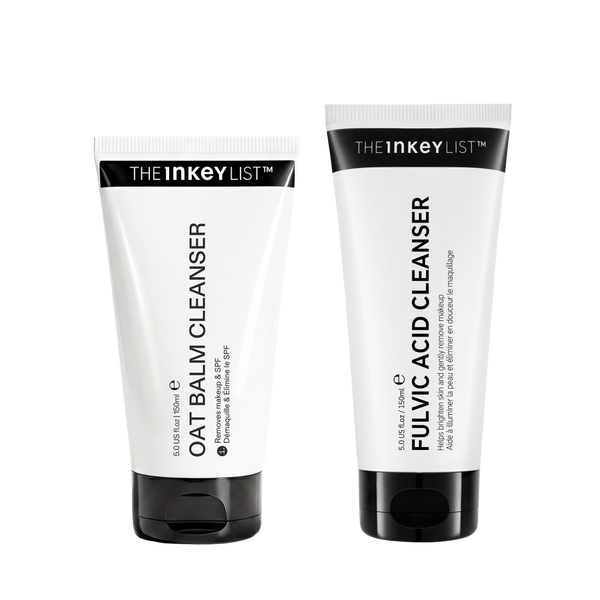
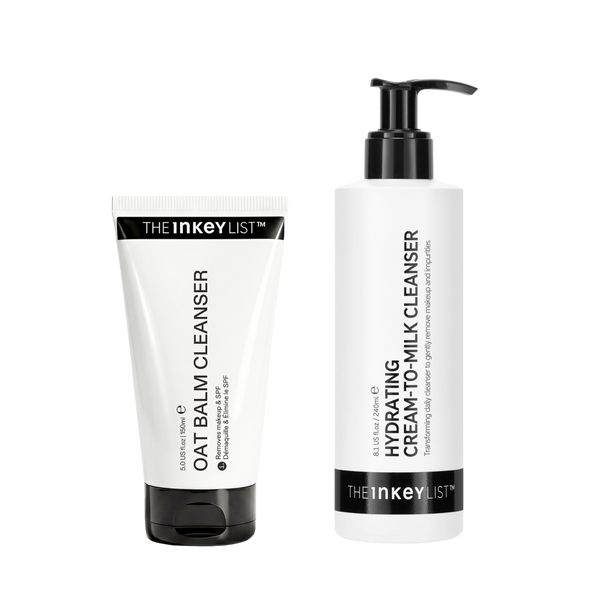
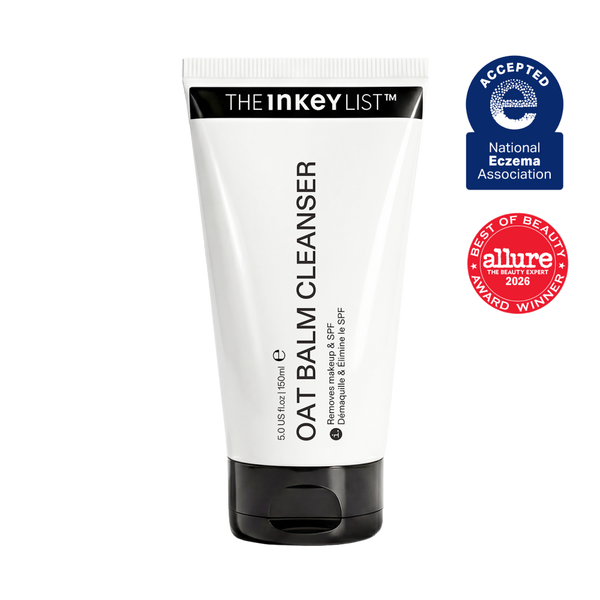
Our Oat Cleansing Balm ($17) is built for exactly this step. It melts makeup and SPF and is suitable for all skin types. It contains oat kernel oil, which offers ceramide support to keep the barrier comfortable, and sea buckthorn oil, which is soothing and sits well even on oily and acne-prone skin.
Step 2 - The Second Cleanse: Water-Based, Matched to Your Skin
Now that the SPF film is lifted, apply a water-based cleanser to damp skin, massage for 60 seconds or more, rinse with lukewarm water, and pat dry gently. This is the step where you can tailor the routine to your specific skin concern, because the first cleanse is universal but the second is where personalization happens.
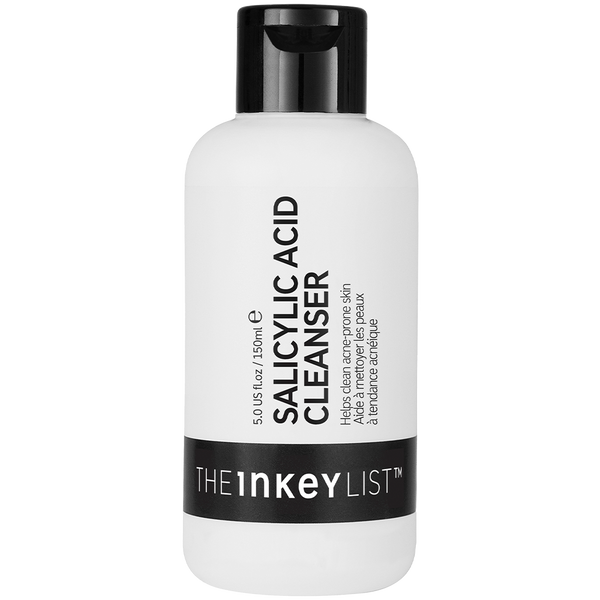
If your skin is oily or acne-prone, reach for our Salicylic Acid Cleanser ($15). Salicylic acid is a BHA that works inside the pore, and it can only reach the pore properly once the SPF film is gone, which is why it belongs in the second position. In a 4-week independent consumer trial of 66 people, 90% agreed skin looked visibly clearer after 3 days, 93% said skin instantly looked less oily, and 92% said skin did not feel tight or stripped. Learn more about the ingredient on our salicylic acid page, and read up on how it works in our guide to salicylic acid for blackheads.
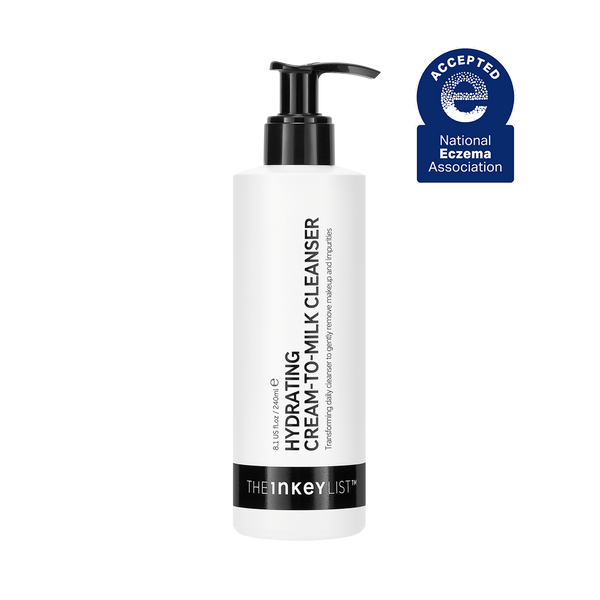
If your skin is dry, dehydrated, or sensitive, choose the Milk Cleanser ($20, 240ml). It is clinically proven to hydrate for 24 hours and is gentle enough for sensitive and eczema-prone skin, so you get a thorough second cleanse without any tight, stripped feeling. It pairs well with our advice on dry skin, dehydrated skin, and sensitive skin.
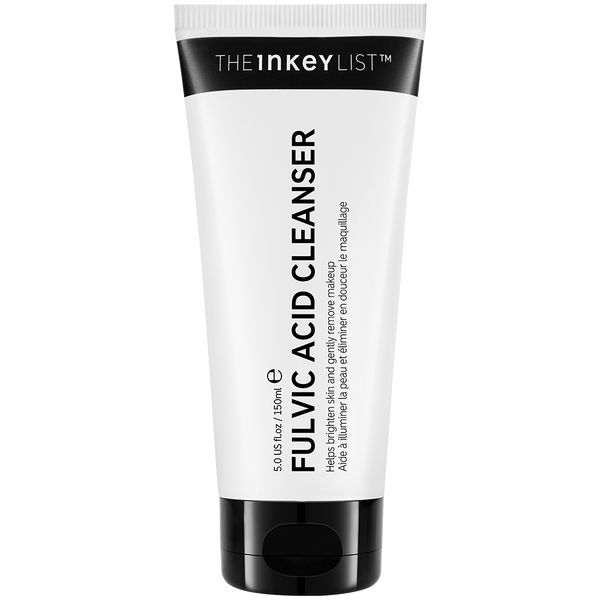
If your main concern is dullness or uneven tone, the Fulvic Acid Cleanser ($15) gently brightens as it cleanses, working best on the genuinely clean surface the first cleanse leaves behind.
Once both cleanses are done, apply your serums and treatments to slightly damp skin, then follow the rest of your evening routine. For sequencing, our skincare routine guide lays out the order. On a genuinely clean canvas, a glow-boosting step like the Exosome Glow Serum ($24) can also work as intended, since actives always perform best on properly cleansed skin.
The universal method is the same for everyone. Choosing the right pair for your skin is what makes it feel effortless, so let us match you.
Which Double Cleanse Duo Is Right for Your Skin?
The beauty of this system is that half of it never changes. The first cleanse is universal. The second cleanse is where you personalize. That means picking a duo is genuinely straightforward.
Everyone starts with the same first step: the Oat Cleansing Balm ($17). It suits every skin type, melts SPF and makeup, and leaves the barrier supported rather than stripped thanks to its oat kernel oil and soothing sea buckthorn oil.
If your skin is oily or acne-prone, pair the balm with the Salicylic Acid Cleanser ($15). The sea buckthorn oil in the balm sits comfortably on oilier skin, and the 2% BHA in the second cleanse can finally work in-pore once the SPF film has been dissolved away. It is the combination that makes clarifying ingredients actually earn their keep.
If your skin is dry, sensitive, or dehydrated, pair the balm with the Milk Cleanser ($20, 240ml). You get thorough removal with 24-hour hydration and a formula gentle enough for sensitive and eczema-prone skin.
If your skin is dull or uneven, pair the balm with the Fulvic Acid Cleanser ($15) to brighten on a clean surface.
Prefer to have the pairing chosen for you? Shop the Acne Duo for oily and acne-prone skin, browse the full Double Cleanse Duos collection, or explore all cleansers. Still deciding? Our guide to how to choose the right cleanser walks you through it.
Removing SPF Properly Is the Foundation of Everything Else
Here is the takeaway to hold on to: the benefit of sunscreen depends equally on consistent application and thorough removal. You can wear the best SPF in the world every single day, but if you leave it on your skin overnight, you undermine the very skin you are protecting.
Double cleansing is not a trend or a ritual for its own sake. It is two targeted steps, each doing precisely what the other cannot. The oil-based first cleanse dissolves the SPF film. The water-based second cleanse clears everything left behind. Get the right duo for your skin type and the whole thing becomes a thirty-second habit you never have to overthink again. And on a genuinely clean canvas, a glow-boosting step like the Exosome Glow Serum ($24) can finally work as intended.
Ready to make it effortless? Shop our Double Cleanse Duos to get the right pairing for your skin, explore all cleansers, or take our skincare quiz for a personalized recommendation. Want to go deeper on the method? Start with our SPF page for the science behind why removal matters. And to complete the cycle, pair your daily Dewy Sunscreen SPF 30($16) with the Oat Cleansing Balm, so the SPF you apply every morning comes off cleanly every night. Because we give a care about the skin you are in.
Frequently Asked Questions
Got a question?
Our askINKEY team are a friendly bunch of skincare experts with deep product knowledge and zero judgement. Whether you're an ingredient obsessive or just starting out, we'll make it make sense. No question too big. No question too small. We Give A Care, Every Day.


