



Pre & Post Workout Skincare Routine: The Complete Guide
A step-by-step guide to protecting your skin before and after exercise — covering face, body, timing, and the mistakes that cause post-workout breakouts.
Author
askINKEY skincare advisor
Published
06 October, 2026
Time to read
10 minutes
Exercise is genuinely good for your skin. It is also, for a few hours at a time, genuinely hard on it. Increased heat, sweat, friction, and the odd bit of hand-to-face contact on the gym floor all create short-term conditions that can lead to congestion, breakouts, and irritation if they are not managed properly. This guide sets out a clear, two-part system for skincare for athletes and anyone who trains regularly: a minimal routine before you work out, and a complete routine after, covering both face and body.
This applies whether you train indoors or outdoors, first thing in the morning or last thing at night. Most post-gym breakouts are not a willpower problem or a hygiene failing - they are a timing and ingredient problem, and both are entirely fixable once you understand what is actually happening to your skin during a session. We will also cover body acne after the gym, which is just as common as facial breakouts but gets a fraction of the attention.
If you already know your skin type and want to build a kit around it, you can head straight to Build Your Own Routine. If you want the broader foundations first, The Complete Skincare Guide is a good place to start before coming back here. For everyone else, we will begin with the science: what exercise actually does to your skin, good and bad, before moving into the step-by-step routines.
What Exercise Does to Your Skin
It is worth starting with the genuinely good news, because most skincare content aimed at gym-goers jumps straight to damage control. Exercise increases blood flow, and that increased circulation delivers more oxygen and nutrients to skin cells, which supports repair and renewal processes that keep skin looking healthy over time. A narrative review published in JMIR Dermatology looked specifically at the relationship between physical activity and skin health, and found supporting evidence that regular exercise is associated with improved skin blood flow, temperature regulation, and even hydration levels over the longer term. This is not a controversial claim in dermatology circles - it is one of the more consistent findings in the field.
There is also a stress-related benefit that is easy to overlook. Exercise plays a meaningful role in regulating cortisol, the hormone most associated with the body’s stress response. According to the American Academy of Dermatology’s guidance on how workouts affect skin, elevated cortisol is linked to increased oil production and heightened skin sensitivity, so bringing cortisol down through regular movement can translate into calmer, clearer skin over weeks and months. If you deal with persistently oily skin, a consistent exercise habit is genuinely one of the lifestyle factors worth paying attention to, alongside your actual skincare routine.
Now, the honest part, because a guide that only tells you the good news is not much use to you when you are staring at a new breakout after leg day. Heat, sweat, friction, and hand-to-face contact all create short-term conditions that favor congestion. None of these are reasons to stop training - they are simply reasons to adjust a few habits around training.
Does Sweat Cause Acne?
This is one of the most searched questions on this topic, and the honest answer is: not directly. Sweat itself is mostly water and salt. It is not, on its own, the thing clogging your pores. The real issue is what sweat does when it is left sitting on skin - it mixes with the oil (sebum) your skin naturally produces, with bacteria that live on the skin’s surface, and with any product residue, makeup, or SPF already on your face. That combination, left on warm, flushed skin for an extended period, is what creates the conditions for congestion and breakouts. This is also why the timing of your cleanse matters so much more than people assume, which we will cover properly in the post-workout section.
Friction deserves its own mention here too, because it is frequently mistaken for a breakout when it is actually something else entirely. Headbands, tight straps, helmet padding, and snug gym kit can all cause a type of mechanical irritation - sometimes called friction acne or acne mechanica - that looks similar to a breakout but has a completely different root cause. Recognizing the difference matters, because the fix is not usually a stronger spot treatment, it is simply loosening or rotating the gear that is rubbing against your skin.
If you want to understand how these mechanisms connect to broader skin concerns, the Complete Skincare Concerns Guide is a useful companion resource. With the “why” established, it’s time to get practical - starting with what to do, and just as importantly, what not to do, before you even start your workout.
Your Pre-Workout Skincare Routine (Face)
The guiding principle here is simple: pre-workout skincare should be minimal. The goal is a clean, protected base, not a full regimen that is just going to mix with sweat and heat for the next hour. If you are asking “should I do skincare before or after a workout?” - the short answer is that the heavy lifting (so to speak) happens afterward. Before training, you want three things at most, and often fewer.
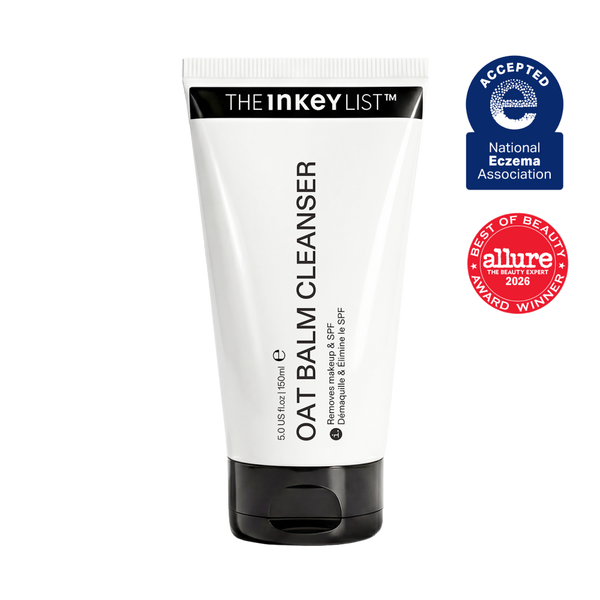
- Cleanse, but only if needed. If you are wearing makeup, SPF, or any leftover product from earlier in the day, cleanse before you train. A double cleanse approach, starting with a balm or oil-based cleanser, is the most effective way to properly dissolve makeup and sunscreen without scrubbing at your skin. The Oat Cleansing Balm ($13) is designed exactly for this - it melts away makeup, SPF, and daily grime, leaving a genuinely clean base rather than one that just looks clean.
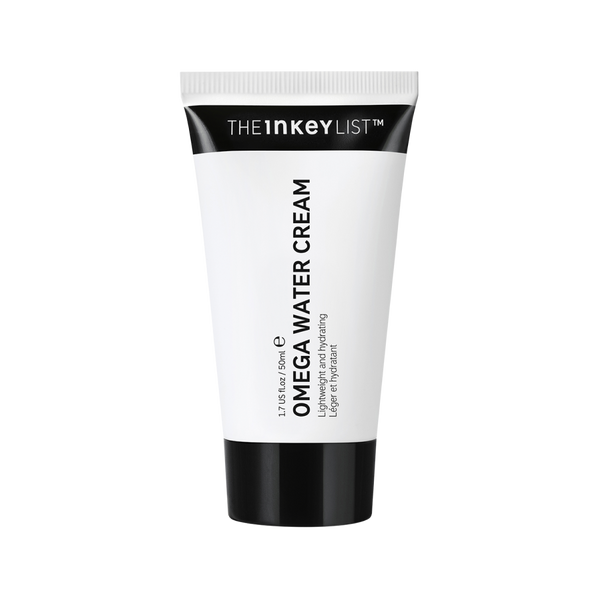
- Hydrate lightly, only if your skin needs it. You do not need a heavy, occlusive moisturizer before a sweaty session - in fact, it will likely just sit on the surface and contribute to congestion. A lightweight option like the Omega Water Cream ($15) is enough to stop skin feeling tight without layering on anything heavy. If your skin tends toward dehydration generally, this light step still matters, even pre-workout, because dehydrated skin can overcompensate by producing more oil.
- SPF, always, for outdoor sessions. Even short runs, even cloudy days - if you are training outside, a broad-spectrum SPF 30 or higher is non-negotiable. We go into this in more depth in the timing and environment section, but the SPF pillar page is worth bookmarking for guidance on choosing and applying the right formula for your skin.
One more thing worth stating plainly: save your heavy actives for later. Retinol, strong exfoliating acids, and high-strength vitamin C should not go on before a workout. Heat and sweat increase skin sensitivity, and layering potent actives underneath that is more likely to cause irritation than deliver any benefit. Keep those for your post-workout or evening routine instead.
And if you are wondering “can I work out after applying skincare?” - yes, absolutely, just give your products a minute or two to properly absorb first rather than heading straight into a sweaty session with wet product still sitting on the surface. If your skin reacts easily, our guide to the best cleanser for sensitive skin is worth a look before you settle on a pre-workout cleanse.
Body prep follows exactly the same “keep it minimal” logic before you train, which we will touch on shortly. But the real work - the part of this guide that actually prevents post-gym breakouts - happens once the session is over.
Your Post-Workout Skincare Routine (Face)
Let’s answer the big question directly: should you wash your face after working out? Yes, always. Sweat left to dry on the skin mixes with oil, bacteria, and any residual product, and this combination is a primary driver of what gets called “post-gym breakouts.” This section is the core of the guide, because it is where the actual prevention happens - not through complicated products, but through the right steps, in the right order, done consistently.
- Cleanse. If you are oily or breakout-prone, reach for a Salicylic Acid Cleanser ($15). Salicylic acid is oil-soluble, which means it can get into the pore itself to clear out the exact combination of sweat, sebum, and residue that causes post-workout congestion - you can read more on the salicylic acid pillar page. If your skin leans normal, dry, or sensitive, a gentler cleanse is more appropriate immediately post-exercise, when skin is already slightly more reactive from heat and increased blood flow.
- Replenish hydration. Apply a Hyaluronic Acid Serum ($23) to damp skin immediately after cleansing. Hyaluronic acid is a humectant, meaning it draws water into the skin, and applying it to damp skin helps lock in that hydration rather than letting it evaporate. You can learn more about how this works on the hyaluronic acid pillar page.
- Control oil and calm redness. A 10% Niacinamide Serum ($13) is excellent here, addressing shine, the appearance of visible pores, and redness that often follows an intense session. Niacinamide has a well-documented role in supporting a balanced complexion - see our niacinamide pillar page and our deeper dive on whether niacinamide helps with acne if you want the full ingredient breakdown.
- Moisturize. Finish with something lightweight and fast-absorbing - warm, post-exercise skin does not need a thick, heavy layer. The Omega Water Cream ($15) is formulated to hydrate the skin barrier without feeling greasy, which makes it genuinely wearable straight after a shower.
- Optional - the glow step. For anyone chasing extra radiance and hydration after training, the Exosome Hydro-Glow Complex ($24) can be layered in as a finishing step. In a 4-week clinical study, 100% of participants saw more glowing skin, and it helps support natural collagen production as part of its wider skin-renewal profile.* You can find the full science on the exosomes pillar page.
- Optional - eye care. Early morning sessions or particularly intense training can leave the eye area looking puffy and tired. A Caffeine Eye Cream ($14) is a quick, targeted way to address this before you head into the rest of your day.
“The goal of a post-workout routine isn’t to add more steps than your morning or evening routine - it’s to cleanse properly, replace what sweat strips away, and calm what heat has stirred up.” - this is the operating principle behind every product recommendation in this guide.
One small but genuinely important detail: always pat your skin dry with a clean towel, never a shared gym towel, before applying anything. Shared towels can harbor bacteria that undo the good work your cleanse just did.
As for when you will start to see the benefits of a consistent post-workout routine, that depends on the specific concern you are addressing - our guide on how long skincare takes to work sets realistic expectations rather than promising overnight transformations.
With the face routine complete, it’s time to turn to the body, which faces the same conditions during a workout - often more intensely, thanks to tighter fabric and larger areas of trapped heat.
*4-week clinical study of 26 people.
Post-Workout Body Skincare: Preventing Body & Back Breakouts After the Gym
Body breakouts after exercise are extremely common, and yet they get a fraction of the attention that facial breakouts do. The causes are almost identical to what happens on the face: sweat, friction from waistbands, sports bras, and backpack or strap placement, combined with tight fabric that traps heat against the chest, back, and shoulders. These areas also have a higher concentration of larger pores and more robust oil glands than much of the face, which is part of why congestion here can be particularly stubborn.
The single most important habit for preventing this is also the simplest: shower and change out of gym clothes as soon as realistically possible after a session. Sitting in sweat-soaked gear for an hour after training - because you are rushing to the next meeting or simply putting it off - is one of the biggest contributors to body and back breakouts, far more than any product choice.
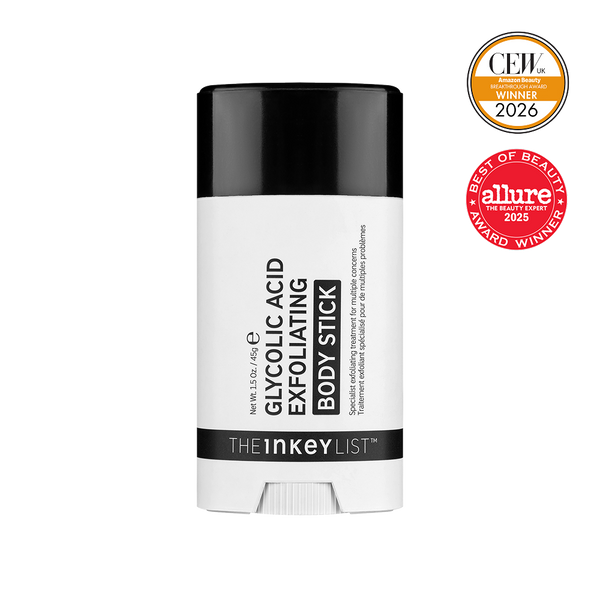
- Exfoliate in the shower. Regular exfoliation addresses rough texture and clogged pores before they become visible breakouts. The Glycolic Acid Exfoliating Body Stick ($20) is a convenient, targeted option for areas like the back and shoulders that are hard to reach, and you can read more about how glycolic acid works on the glycolic acid pillar page.
- Apply a leave-on targeted treatment. For areas particularly prone to breakouts - upper arms, chest, back, shoulders - a leave-on exfoliating or treatment step after the shower can help keep pores clear between gym sessions, not just immediately after one.
- Hydrate without weighing skin down. The PHA Body Water Cream ($15) supports the skin barrier without feeling heavy or greasy, which matters a great deal on warm, post-shower skin. You can find more on the gentler PHA family of acids on the PHA pillar page.
- Double up where useful. If you are particularly prone to chest and back breakouts, the Salicylic Acid Cleanser($15) can double as a targeted body wash for those specific areas, working the same way it does on the face by getting into the pore to clear congestion.
If body acne is a persistent concern rather than an occasional annoyance, our dedicated back acne pillar page goes much deeper into causes and treatment options, and our blog on what causes back acne in females covers hormonal and lifestyle triggers that go beyond exercise alone. For ingredient-level detail on why exfoliation helps, is glycolic acid good for acne is worth a read. And for the fuller picture on breakouts generally, the acne pillar page is a good broad resource.
It is worth saying plainly: body breakouts after exercise are not a sign that something is wrong with you or your routine - they are a predictable, fixable response to heat, friction, and sweat, and a few consistent habits make a real difference. There is no need for alarm, just a slightly more deliberate shower routine.
Now that both face and body are covered, the next variable to get right is timing - because a 6am session and an 8pm session call for slightly different approaches.
Morning vs Evening Workouts, and Outdoor SPF Considerations
Consistency matters more than perfection, and the good news is that this routine adapts easily to whatever time of day actually works for your schedule.
Morning workouts are relatively straightforward. Keep the pre-workout step minimal, as covered earlier, and let your post-workout routine double as your full morning routine - there is no need to do a separate AM routine afterward. The one thing to add before walking out the door: sunscreen. If you are training outdoors in the morning, finish your post-workout routine with a broad-spectrum SPF 30 or higher before you head into the rest of your day.
Evening workouts work slightly differently. A thorough post-workout cleanse in the evening often doubles as your usual PM cleanse, which is convenient. This is also the natural home for heavier actives - retinol, stronger exfoliating acids, anything more potent - applied after you have cleansed and calmed the skin, never before a sweaty session. Evening is, generally, the better slot for these ingredients regardless of exercise, since most strong actives increase sun sensitivity.
Outdoor training, at any time of day, requires broad-spectrum SPF 30 or higher, reapplied roughly every two hours or immediately after heavy sweating. One of the most persistent myths in skincare is that cloudy days do not require sunscreen - they do. UV radiation passes through cloud cover, which means overcast runs and rides still carry real UV exposure. For guidance on choosing and applying the right formula, the SPF pillar page covers formula types, textures, and application in depth.
It is also worth mentioning indoor training near windows. Longer sessions on a treadmill or bike positioned near a sunny window still carry some UV exposure, so it is worth considering SPF even for indoor workouts if you are consistently training in direct natural light for extended periods.
If you deal with oily or breakout-prone skin and have struggled to find an SPF formula that does not feel heavy or greasy during exercise, sunscreen for oily, blemish-prone skin is a dedicated resource worth reading. And if you train outdoors through the warmer months, oily skin in summer: how to keep shine under control is a useful seasonal companion to this guide.
With timing and environment covered, let’s pull together the habits that most commonly undo an otherwise solid routine - because small, repeated mistakes are usually the real culprit behind persistent post-gym breakouts.
Common Workout Skincare Mistakes to Avoid
Most post-workout breakouts trace back to a small handful of habits, and recognizing them is often the fastest route to clearer skin. None of these are judgments - they are simply common, fixable patterns.
- Training in a full face of makeup. Makeup mixed with sweat and heat is one of the most reliable ways to clog pores during a session. If you want coverage, keep it minimal, or cleanse beforehand using an approach like the Oat Cleansing Balm.
- Skipping the post-workout cleanse. Letting sweat air-dry on the skin rather than cleansing promptly is one of the single biggest contributors to post-gym breakouts, as covered in detail above.
- Using an overly harsh cleanser immediately post-workout. Skin is already mildly stressed from heat and increased blood flow - a stripping, high-foam cleanser can do more harm than good at this exact moment.
- Applying heavy actives before a sweaty session. Retinol, strong exfoliants, and high-strength vitamin C belong after your workout, not before, when heat and sweat have already increased sensitivity.
- Touching your face during exercise. Gym equipment carries a lot of bacteria, and repeated hand-to-face contact during a session is an easy, often unconscious way to transfer it directly onto your skin.
- Skipping SPF on overcast days or for “short” sessions. As covered above, cloud cover does not block UV, and even brief exposure adds up over time.
- Focusing entirely on the face and neglecting the body. Chest, back, and shoulder breakouts are just as common as facial ones, and just as preventable with the right shower routine.
If pore congestion from makeup or residue is a recurring issue for you specifically, how to prevent blackheads long-term is a useful next read, and if oily or combination skin is part of the picture, the oily skin pillar page explains why the cleanse step deserves a little extra attention in your case.
Conclusion: A Consistent Habit Beats a Complex Routine
The entire system in this guide comes down to two parts: minimal before, complete after, for both face and body. It is not about having more products or more steps - it is about applying the right ingredients, in the right order, at the right time relative to your workout. A salicylic acid cleanse after training does more for preventing post-gym breakouts than any amount of pre-workout product ever could, and a light hydrating step before training protects skin without giving sweat anything extra to mix with.
The routine that actually works is the one that fits into your real schedule - whether that’s a 6am run, a lunchtime gym session, or an evening class. Skin type and workout intensity will shape some of the finer details, which is exactly why personalized guidance is worth exploring if you want to fine-tune things further. If you are ready to build out a fuller daily routine beyond workout-specific steps, The Complete Skincare Guide is the natural next stop.
Your Next Step
If you are still figuring out exactly which products suit your skin type and training schedule, take our Skincare Quiz for a personalized routine built around you. If you already know what you need, you can Build Your Own Routine and save when you bundle your workout skincare kit together. And if post-workout breakouts have been a persistent, ongoing frustration rather than an occasional one, Acne Analyzer Pro offers AI-powered, dermatologist-backed analysis to help you troubleshoot what’s actually going on with your skin.
4-week clinical study of 26 people. Clinical study of 31 people. In-vitro testing of Cica Exosomes showed a 55% reduction in pro-inflammatory markers and a 63% increase in markers associated with skin renewal after 8 hours.
Frequently Asked Questions
Got a question?
Our askINKEY team are a friendly bunch of skincare experts with deep product knowledge and zero judgement. Whether you're an ingredient obsessive or just starting out, we'll make it make sense. No question too big. No question too small. We Give A Care, Every Day.


