What Is Skin Stress - And How Do You Treat It?

26.05.2026 | Skincare

Skin stress is not a wellness buzzword. It is a real, physiological state in which the skin’s normal barrier function and cellular renewal processes are disrupted or overwhelmed - triggered by a combination of internal and external factors, from cortisol to cold weather to a broken sleep routine. And it is far more common than most people realize. The symptoms - redness, dullness, dryness, increased sensitivity, acne and breakouts - are frequently mistaken for other conditions, or dismissed entirely. Understanding what is actually happening at a skin biology level changes how you approach treatment.

This blog covers everything you need to know: what skin stress is, what causes it, how to recognize the signs, how it damages the skin barrier, and - most importantly - which ingredients and products actually help. The ingredient-led solutions covered here include our Exosome Glow Serum, Ectoin Hydro-Barrier Serum, PDRN Serum, and Bio-Active Ceramide Moisturizer - each selected for their specific, evidence-backed roles in repairing and restoring stressed skin.


What Is Skin Stress?

Skin stress is the state in which the skin’s protective barrier and cellular renewal processes are disrupted or overwhelmed by triggers - either from within the body or from the environment around it. It is not the same as having sensitive skin or reactive skin as a baseline. It is a response state. It can affect anyone, at any point, regardless of their skin type or history.

The skin is the body’s largest organ. It is the outermost interface between the body and the world, which makes it uniquely exposed - more so than any other organ - to environmental stressors. UV radiation, pollution, temperature extremes, and airborne irritants all interact with the skin’s surface continuously. Add psychological stress, disrupted sleep, a compromised routine, or internal hormonal fluctuations, and the cumulative load on the skin becomes significant.

What breaks down under that load? Two things, primarily. First, barrier function - the skin’s ability to lock moisture in and keep irritants and microbes out. Second, cellular renewal - the ongoing process by which the skin repairs, regenerates, and sheds old cells to reveal healthier ones beneath. When both processes are compromised simultaneously, the visible result is what we call stressed skin.

One of the most important things to understand about skin stress is that it operates in a cycle. It is not one-directional. According to Dr. Neera Nathan, dermatologist and researcher at Massachusetts General Hospital, writing for Harvard Health, “the brain-skin axis is an interconnected, bidirectional pathway that can translate psychological stress from the brain to the skin and vice versa.” This means that psychological stress triggers a cascade of skin responses - and crucially, the skin then sends its own stress signals back to the brain, perpetuating the cycle.

The cycle matters because it means stressed skin does not automatically resolve when the initial trigger passes. The skin itself becomes a source of ongoing stress signal - which is why targeted, ingredient-led intervention is so important.

When the body is under psychological stress, the hypothalamus-pituitary-adrenal (HPA) axis is activated. This triggers the release of cortisol and other pro-inflammatory hormones, which direct immune cells into the skin and stimulate inflammatory skin cells. The result is visible, measurable disruption across multiple skin functions - not just a passing flush.

Our Exosome Glow Serum was clinically tested specifically with stressed skin as a primary outcome - in vitro testing demonstrated a 55% reduction in visible signs of skin stress. That figure is not incidental; it reflects how significant a role the stress response plays in visible skin condition. To understand the science behind the ingredient, read our full guide to exosomes.

With the definition established, the next question is: what actually causes skin stress in the first place?


What Causes Skin Stress?

Skin stress has multiple, overlapping origins. Understanding the different categories of triggers makes it easier to identify what might be driving your own skin’s response - and to address it more precisely.

Psychological Stress and Cortisol

When the body experiences psychological stress - whether from work, relationships, illness, or prolonged anxiety - the HPA axis responds by releasing cortisol, the body’s primary stress hormone. Cortisol is essential in short bursts; it is part of the fight-or-flight response and helps the body manage acute threats. But when cortisol levels remain elevated over days, weeks, or months, its effects on the skin become cumulative and damaging.

According to Harvard Health, stress triggers the HPA axis and produces “pro-inflammatory factors, such as cortisol… which can direct immune cells from the bloodstream into the skin.” In the skin, elevated cortisol does several things simultaneously:

  • Reduces ceramide synthesis - ceramides are the essential lipids that hold the skin barrier together; without sufficient ceramides, the barrier becomes permeable
  • Increases sebum production - elevated oil production can lead to congestion, acne flares, and breakouts
  • Triggers inflammatory responses - causing visible redness, flushing, and increased sensitivity
  • Accelerates collagen breakdown - leading to a gradual loss of firmness and resilience over time

One of the most common questions people ask is: can stress cause dry skin? The answer is yes - directly. Cortisol’s suppression of ceramide production impairs the skin barrier’s ability to retain moisture, leading to increased transepidermal water loss (TEWL). The result is skin that feels tight, parched, and dehydrated. If you’re unsure whether your skin is dry or dehydrated, our guide breaks down the difference.

Chronic stress is significantly more damaging than short-term acute stress, precisely because it maintains elevated cortisol levels over an extended period - never allowing the skin’s recovery mechanisms to fully activate.

Environmental Stressors

The skin faces external stressors constantly, even in the absence of psychological pressure. Several of the most impactful environmental triggers for stressed skin include:

  • UV radiation - the skin produces its own stress hormones in response to UV light, and UV exposure accelerates barrier damage and collagen breakdown. This is one of the reasons daily SPF is a non-negotiable step in a stressed skin routine.
  • Pollution and free radicals - particulate matter and oxidative stress damage the skin barrier at the surface and trigger inflammatory responses within skin cells
  • Extreme temperatures - cold air strips moisture from the surface, while heat increases TEWL and compromises barrier lipids
  • Blue light - prolonged screen exposure contributes to oxidative stress at the skin’s surface, a factor that has become increasingly relevant with modern lifestyle habits

Environmental stressors can also trigger rash-like inflammatory reactions. While stress does not cause rashes in the traditional sense, it activates mast cells in the skin - a key pro-inflammatory cell type - which release histamine and other compounds that create visible, reactive skin responses. Explore the damaged skin barrier collection if environmental damage is a primary concern.

Lifestyle Triggers

Beyond psychology and environment, a number of lifestyle-related factors compound skin stress in ways that are often overlooked:

  • Poor sleep - the skin’s most active repair phase happens overnight. Reduce sleep and you reduce repair time - leading to dull, depleted skin that struggles to recover
  • Diet - high glycemic foods and excess processed sugar drive systemic inflammation; a lack of dietary antioxidants depletes the skin’s natural defenses
  • Over-exfoliation and harsh skincare - using too many actives simultaneously, applying acids or retinol incorrectly, or cleansing too aggressively strips the barrier and compounds stress rather than treating it
  • Travel - altitude, recycled cabin air on flights, and rapid climate changes all deliver acute stress to the skin, often all at once

The good news is that lifestyle triggers are among the most addressable. Adjusting your routine - simplifying actives, improving sleep hygiene, and choosing barrier-supportive ingredients - can meaningfully reduce the skin’s overall stress load.

Understanding the triggers is useful, but the more pressing question for most people is: what does stressed skin actually look like?


What Does Stressed Skin Look Like? Signs and Symptoms

Stressed skin has a recognizable set of signs - though they are frequently attributed to other causes. Rosacea, sensitivity, hormonal fluctuations, aging: many of these explanations may have a role, but stress is often the underlying driver or amplifier. Recognizing the specific symptoms of stressed skin helps to target treatment more effectively. Healthline’s overview of stress-related physical symptoms also confirms the wide-ranging physical impact of sustained stress on the body.

Redness and Inflammation

Redness is one of the most immediate and visible responses to skin stress. Cortisol triggers the activation of mast cells in the skin, which release histamine and pro-inflammatory compounds. The result is persistent redness, blotchiness, visible flushing, and skin that feels warm or unusually reactive. It can be easily mistaken for rosacea or a generalized sensitivity - but the stress connection is frequently missed.

If redness is one of your primary concerns alongside a broader picture of skin stress, explore our redness collection and read our guide on how to reduce and prevent redness for a more targeted approach.

Dryness and Dehydration

Stressed skin is often dry skin - and there is a clear biological reason for this. Elevated cortisol reduces ceramide synthesis in the skin. Ceramides are the essential lipid molecules that form approximately 50% of the barrier’s lipid matrix; they are the structural mortar that keeps the barrier sealed. Without sufficient ceramides, the barrier becomes permeable: water escapes through the surface (transepidermal water loss), and external irritants are able to get in.

The result is skin that feels tight, dry, flaky, or rough - and looks dull or lacking in vitality. To understand why ceramides are so central to barrier health, read our complete guide to ceramides. For the broader question of whether stress causes dry skin, the answer is direct: yes. Cortisol’s suppression of ceramide production is one of the most well-established mechanisms linking the stress response to skin dehydration. Our dry vs dehydrated skin guide can help you identify exactly what you are experiencing.

Dullness and Uneven Texture

Dull skin - skin that lacks glow, looks flat, or has an uneven texture - is often a sign that the skin’s renewal cycle has slowed. Under chronic stress, cellular turnover decreases. Old, dead skin cells accumulate on the surface instead of being shed efficiently, leaving the complexion looking lackluster and feeling rough.

This is one of the areas where next-generation ingredients like Exosomes and PDRN are most relevant - they work directly at the cellular level to stimulate renewal and restore the skin’s ability to regenerate. More on this in the treatment section.

Acne and Breakouts

Stress-induced breakouts are extremely common, and extremely misunderstood. Cortisol increases sebum production in the skin’s oil glands. Excess sebum can mix with dead skin cells and block pores - leading to congestion, blackheads, and acne flares. Many people treat breakouts topically without addressing the underlying stress trigger, which means the cycle continues.

This is also where niacinamide becomes a valuable ingredient: it works to regulate sebum production, reduce visible redness associated with breakouts, and support barrier integrity simultaneously. Read our complete guide to niacinamide to understand exactly how it works and why it is so relevant for stress-related congestion and acne.

Increased Sensitivity and Itching

Can stress cause itchy skin? Yes - and the mechanism is well-documented. As Harvard Health notes, “mast cells respond to the hormone cortisol through receptor signalling, and directly contribute to a number of skin conditions, including itch.” A compromised barrier compounds this further - when the barrier is permeable, irritants and environmental triggers can penetrate more easily, making the skin hyper-reactive.

Many people find that when their skin is stressed, products they previously tolerated well suddenly cause stinging, tingling, or discomfort. This is not imagined - it is a direct result of increased barrier permeability and heightened mast cell activity. Fragrance, temperature changes, and even touch can become triggers during a stress episode.

Puffiness

Puffiness is a less discussed but very real symptom of stressed skin. Elevated cortisol is associated with fluid retention and increased inflammatory activity, both of which can cause visible swelling - particularly around the eyes and cheeks. Poor sleep, which frequently accompanies periods of psychological stress, further reduces the lymphatic drainage that normally occurs during overnight rest.

Each of these symptoms has a clear physiological explanation. Understanding the why helps to address the how - and that starts with the skin barrier.


How Stress Damages the Skin Barrier

Of all the mechanisms through which stress affects the skin, barrier damage is the most central. It is both the cause of many visible symptoms and the reason stressed skin becomes harder to treat over time. Understanding how the barrier works - and how cortisol compromises it - is the foundation for everything that follows.

What Is the Skin Barrier?

The skin barrier - also called the epidermal barrier or stratum corneum - is the outermost layer of the skin. Structurally, it is made up of flattened skin cells called corneocytes, held together by a matrix of lipids: ceramides, fatty acids, and cholesterol. The most useful analogy is bricks and mortar. The corneocytes are the bricks; the lipid matrix is the mortar. When the mortar is intact, the wall holds - moisture stays in, and external aggressors stay out. When the mortar breaks down, the structure becomes porous and reactive.

A healthy skin barrier looks like hydrated, plump, even-toned skin. A damaged barrier looks like tight, dry, reactive, breakout-prone skin with uneven texture and heightened sensitivity. The barrier is not a cosmetic consideration - it is a functional organ layer with a critical protective role. For a full breakdown of how it works and how to protect it, read our complete skin barrier guide.

Ceramides are the most important single component of the lipid matrix. They make up approximately 50% of the barrier’s lipid content and are essential to its sealing function. When ceramide levels fall, the barrier’s ability to retain moisture and exclude irritants falls with them. Our complete ceramide guide explains their role in depth - and why replenishing them is one of the most direct and effective ways to support barrier repair.

The Cortisol-Barrier Connection

This is where the science of skin stress becomes most specific - and most actionable. Cortisol damages the skin barrier through four distinct mechanisms:

  1. Ceramide depletion - cortisol suppresses the skin’s synthesis of ceramides, directly reducing the structural integrity of the barrier lipid matrix. With approximately 50% of the barrier’s lipid content dependent on ceramides, even a moderate reduction in production creates measurable permeability. Understanding ceramidesmakes clear why this is the most critical pathway to address.

  2. Prolonged barrier repair - according to Harvard Health, “psychological stress can disrupt the epidermal barrier… and prolong its repair, according to clinical studies in healthy people.” The skin has a natural barrier repair cycle, but cortisol actively slows this process - meaning damaged skin stays damaged for longer.

  3. Excess sebum production - cortisol stimulates the sebaceous glands to produce more oil. This disrupts the skin’s surface pH balance and contributes to pore congestion, creating additional surface-level compromise on top of barrier structural damage.

  4. Inflammatory collagen breakdown - cortisol activates inflammatory mediators that accelerate the breakdown of collagen - the structural protein that maintains skin firmness and resilience. Over time, chronic cortisol elevation contributes to a loss of elasticity and density that goes well beyond surface dryness.

What makes this especially problematic under chronic stress is the self-reinforcing loop it creates. Cortisol damages the barrier; the damaged barrier allows more irritants to penetrate; those irritants provoke further inflammation; inflammation generates more stress signals - which maintain cortisol elevation. The cycle does not break without intervention. Medical News Today’s overview of cortisol’s physiological effects provides useful additional context on the broader systemic impact of chronic cortisol elevation.

Why a Damaged Barrier Makes Everything Worse

A damaged skin barrier is not a contained problem - it compounds every other skin concern, and it makes treating those concerns harder.

When the barrier is compromised, skincare products are less able to perform as intended. Actives struggle to penetrate and deliver their benefits effectively. Ingredients like retinol, AHAs, and BHAs - which require a functioning barrier to tolerate properly - become more likely to cause irritation, stinging, or flaking when the barrier is already depleted. This is one of the most common reasons people experience a sudden intolerance to products they have used for years: an episode of skin stress has compromised the barrier, and the barrier can no longer buffer the actives.

A damaged barrier is also slower to recover on its own. Without targeted support, stressed skin can remain in a compromised state for weeks - especially if lifestyle and environmental stressors are ongoing. This is why skin barrier repair should not be treated as a single step in a routine. It is the foundation of any effective stressed skin approach. Explore our damaged skin barrier collection to find the right combination of barrier-repair products for your routine.

With the mechanism fully understood, the path to treating stressed skin becomes clear: support the barrier first, then address cellular renewal.


How to Treat Stressed Skin - The Ingredients That Actually Work

Treating stressed skin effectively requires understanding which ingredients address the specific mechanisms of skin stress - not just the visible symptoms. The most effective approach targets two things simultaneously: barrier repair and cellular renewal. Here is a full breakdown of each key ingredient, why it works, and which product to look for it in.

Exosomes - Clinically Proven to Reduce Visible Signs of Skin Stress

Exosomes are the standout ingredient for stressed skin - and the clinical evidence behind them is specific and compelling. Exosomes are biological messenger particles, approximately 300 times smaller than a single pore, that communicate directly with skin cells to trigger renewal, repair inflammatory damage, and stimulate regenerative activity. They are not simply a hydrating or soothing ingredient; they actively instruct the skin’s own biology to respond differently.

For stressed skin specifically, the key clinical outcome is this: Cica Exosomes reduce visible signs of skin stress - including redness, puffiness, and irritation - by 55% in vitro. That figure directly addresses the core visible presentation of skin stress. Beyond that headline, the supporting data is equally significant: a 63% increase in skin renewal activity within 8 hours (in vitro), approximately 300% increase in collagen-related gene expression (in vitro), and in a clinical study of 26 people, 100% saw more glowing skin within 14 days.

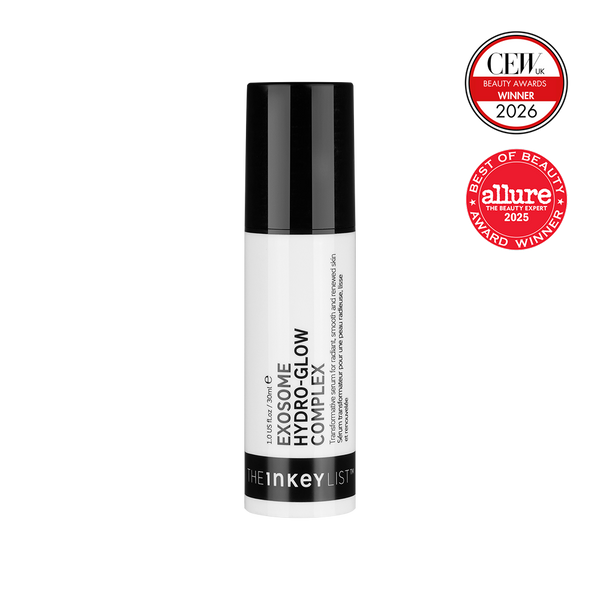
Our Exosome Glow Serum ($22) contains 1% Cica Exosome complex alongside 1% Hyaluronic Acid, 1% Ectoin, 1% Kollaren peptide, Prickly Pear Extract, and Q10. This combination targets stressed skin across multiple dimensions: reducing inflammation, stimulating renewal, restoring hydration, and rebuilding structural proteins. Apply to damp skin immediately after cleansing, both morning and evening. To understand the full science behind the ingredient, read our complete guide to exosomes.

This is the hero product for treating stressed skin. Give it the time it needs - results from the clinical study appeared at 14 days of consistent use, not overnight.

PDRN - Cellular Renewal for Stressed Skin

PDRN - Polydeoxyribonucleotide - is a DNA-based ingredient that works by activating the skin’s own cellular repair machinery. Specifically, it activates adenosine A2A receptors, which stimulate fibroblast proliferation - encouraging the skin’s own cells to produce collagen and hyaluronic acid internally. Under chronic stress, collagen breaks down and cellular renewal slows significantly. PDRN addresses both of these directly, from the inside out.

Our formulation contains 20,000 PPM (2%) INJIN Vegan PDRN, derived from the plant source Artemisia capillaris - making it 100% vegan. Alongside the cellular renewal activity, the formula delivers a visible, immediate glass-skin glow through an 18% emollient blend. The glow is not cosmetic trickery - it reflects a genuine improvement in surface skin quality as the cellular environment begins to respond to the ingredient.

Our PDRN Serum ($18) works particularly well when layered with the Exosome Glow Serum: apply the Exosome Glow Serum to damp skin first, then layer the PDRN Serum on top. Together, they target skin renewal from the signalling level (Exosomes) and the structural level (PDRN), delivering a comprehensive cellular response. Read our complete guide to PDRN for a deeper understanding of how the ingredient works and the science behind it.

Ectoin - The Barrier-Strengthening Stress Shield

Ectoin is derived from extremophile microorganisms - microscopic organisms that have evolved to survive in extreme environments, from volcanic hot springs to salt flats. Their secret is Ectoin: a molecule that forms a protective shell of ordered water molecules around biological structures, shielding them from environmental damage. Applied to skin, it works in the same way - forming a protective shield around skin cells against the environmental and physiological stressors that cause and compound skin stress.

For stressed skin, Ectoin is particularly relevant because it addresses the environmental trigger category directly. It protects the skin barrier against UV stress, pollution, temperature extremes, and dryness - all of the environmental stressors that initiate and worsen the skin stress cycle.

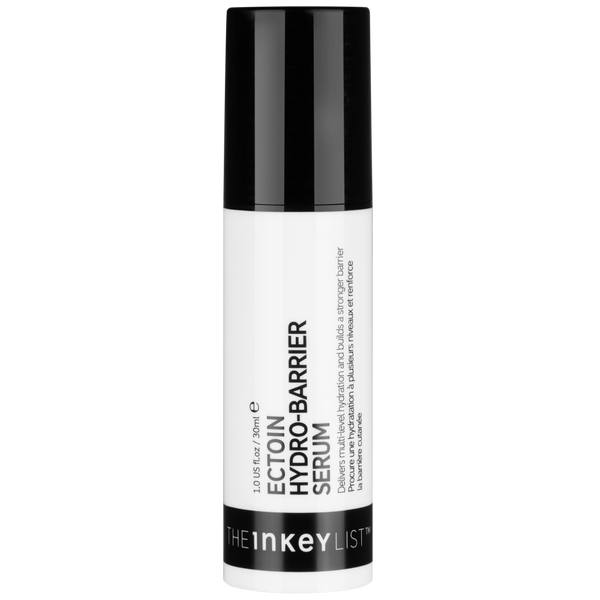
Our Ectoin Hydro-Barrier Serum ($15) delivers 2% Ectoin alongside 2.5% multi-molecular Hyaluronic Acid and a 1% ceramide barrier blend. This combination simultaneously shields the barrier, replenishes structural lipids, and restores hydration at multiple depths within the skin. Ectoin is also a component of the Exosome Glow Serum formula, where it contributes to the product’s clinically confirmed up-to-12-hours hydration. For a deeper look at the ingredient, read our dedicated Ectoin guide.

Ceramides - Rebuilding What Stress Breaks Down

The link between cortisol and ceramide depletion is one of the clearest, most direct mechanisms in skin stress biology. Cortisol suppresses ceramide synthesis - and ceramides make up approximately 50% of the skin barrier’s lipid matrix. Replenishing ceramides is therefore not a general skincare step; it is a targeted, scientifically grounded response to one of the primary ways that stress damages the skin.

Ceramides act as the mortar between skin cells - when their levels are adequate, the barrier is sealed, moisture is retained, and irritants are excluded. When they are depleted by cortisol, that seal breaks. The skin becomes permeable, reactive, and visibly compromised. Our complete ceramide guide explains exactly how ceramides function and why they are the foundational ingredient for any barrier repair approach.

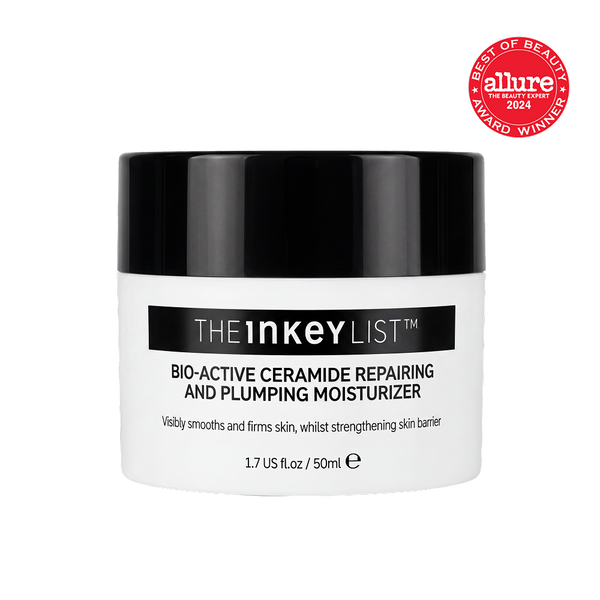
Our Bio-Active Ceramide Moisturizer ($21.50) contains Bioactive Ceramide NP to visibly firm, smooth, and strengthen the skin barrier, alongside Gransil Blur for immediate line-softening and Shea Butter for soothing comfort. It is clinically proven to firm, plump, and reduce six signs of aging in 28 days - a product that works across both the immediate stress response and the longer-term structural damage that chronic stress causes.

Hyaluronic Acid - Restoring Hydration to Stressed Skin

Stressed skin loses water faster than healthy skin - a direct consequence of barrier permeability. Hyaluronic acid (HA) is the most effective humectant for rapidly restoring surface hydration. It is a naturally occurring molecule within the skin that holds up to 1,000 times its own weight in water. When the barrier is compromised and TEWL increases, topical HA helps to replenish surface moisture levels quickly, improving the feel and appearance of dehydrated skin while the barrier repair work happens beneath.

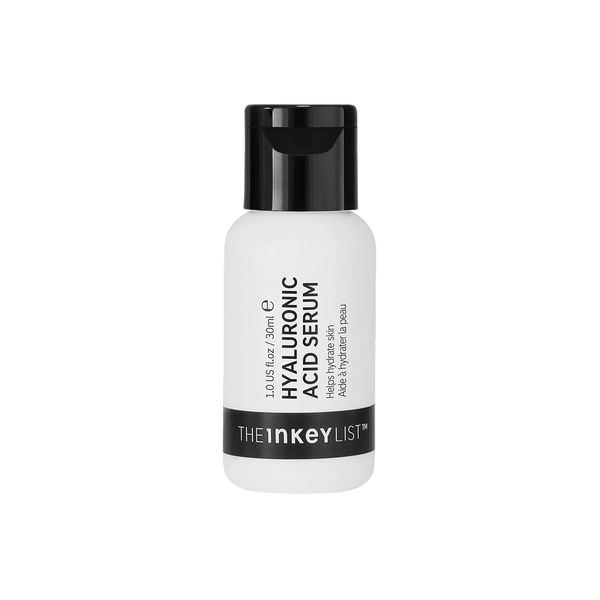
Our formula uses HA at three molecular weights - small, medium, and large - to deliver hydration at multiple layers, from the surface down to the deeper epidermal layers, rather than sitting on top of the skin. Read our complete guide to hyaluronic acid to understand how the different molecular weights work and why formulation matters.

Our Hyaluronic Acid Serum ($10) should always be applied to damp skin - this is not an aesthetic preference but a functional recommendation. HA draws moisture from its environment to plump the skin; on damp skin, it draws from the water already present on the surface, delivering deeper and longer-lasting hydration than when applied to dry skin. For more on the science of skin hydration, our hydration guide covers the topic comprehensively.

Niacinamide - Calming Redness and Balancing Oil

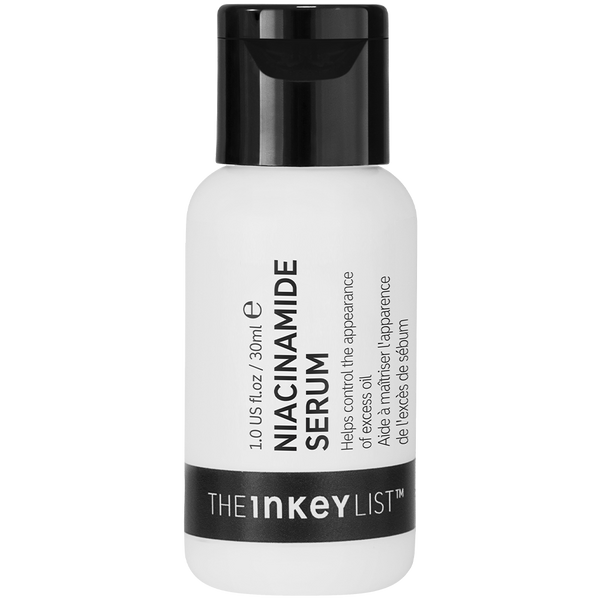
Niacinamide (Vitamin B3) is one of the most versatile and well-researched skincare actives available - and it addresses two of the most visible and disruptive signs of stressed skin: excess sebum and redness. At 10%, it inhibits the transfer of melanin to the skin’s surface (reducing uneven tone and post-breakout marks), reduces transepidermal water loss (supporting barrier function), and regulates sebum production - all of which are directly relevant to the cortisol-driven skin stress state.

It also helps to minimize the appearance of pores and supports an overall calming of reactive skin. For anyone dealing with stress-related congestion, acne, or shine, niacinamide is one of the most targeted ingredients available. Read our complete guide to niacinamide for a full breakdown of how it works and how to incorporate it effectively.

Our Niacinamide Serum can be used as a targeted treatment step in both the morning and evening routine. Please verify the current price on our site before purchasing.

Gentle Cleansing - The Foundation Step

When skin is stressed, how you cleanse matters as much as what you apply afterwards. Harsh cleansers - those with strong surfactants, high-pH formulations, or stripping ingredients - compound barrier damage. They remove the protective lipids the barrier needs to function, leaving skin more vulnerable immediately before you apply your treatment products.

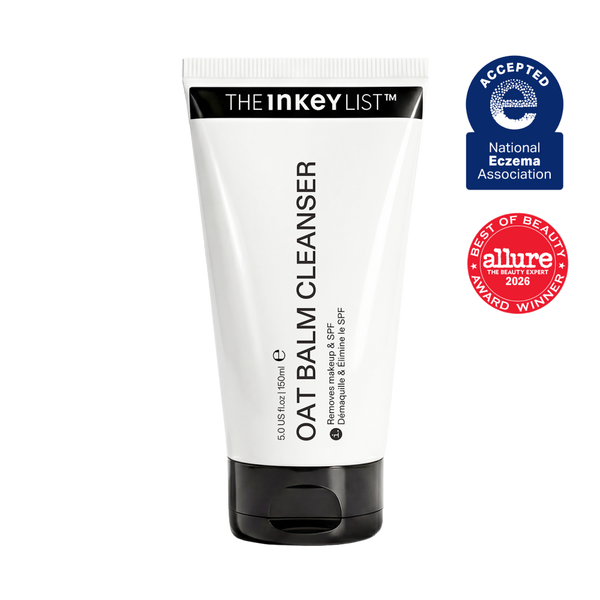
Our Oat Cleansing Balm is specifically suited to stressed skin. It contains 1% colloidal oatmeal to visibly reduce redness and calm reactive skin, and 3% oat kernel oil to support moisture retention while removing impurities, SPF, and makeup without stripping the barrier. It can also be used as a 10-minute calming mask on days when skin is acutely sensitized - applying it to dry skin, leaving it for ten minutes, then rinsing off. For glowing skin guidance beyond just stress recovery, our complete glow guide offers a broader framework.

These seven ingredients represent a comprehensive, evidence-led response to the mechanisms of skin stress. The next step is turning that knowledge into a practical, daily routine.


A Simple Stressed Skin Routine - Morning and Evening

Knowing which ingredients work is only half of the equation. Understanding how to layer them - and in what order - determines whether you actually get the results they are capable of delivering. Here is a clear, step-by-step routine for both morning and evening, built specifically for stressed skin.

Morning Routine for Stressed Skin

Step 1 - Cleanse
Begin with our Oat Cleansing Balm to remove overnight buildup without stripping the barrier. Take a full 60 seconds to cleanse - this is enough time for the colloidal oatmeal and oat kernel oil to work while the product is on the skin, and enough time to ensure thorough but gentle removal.

Step 2 - Exosome Serum (Core Treatment)
Apply our Exosome Glow Serum ($22) to damp skin - this is the central treatment step for stressed skin. Damp skin improves absorption and enhances hydration delivery. This step targets the visible signs of skin stress at a cellular level, and delivers up to 12 hours of hydration throughout the day.

Step 3 - Targeted Treatment (Optional)
Layer our PDRN Serum ($18) over the Exosome Glow Serum for enhanced cellular renewal and an immediate glass-skin finish. Alternatively, if redness or excess oil is your primary concern, apply our Niacinamide Serum as your targeted treatment step at this point.

Step 4 - Moisturize
Apply our Bio-Active Ceramide Moisturizer ($21.50) to seal in the serum layers, replenish barrier ceramides, and provide the structural support the skin needs throughout the day. This is a non-negotiable step in a stressed skin routine - the ceramide replenishment it delivers directly counteracts cortisol-induced ceramide depletion.

Step 5 - SPF
Finish with a broad-spectrum SPF as the final morning step. UV radiation is one of the most significant and consistent environmental stressors for the skin - protecting against it daily prevents compounding the damage that stress has already caused.

Evening Routine for Stressed Skin

Step 1 - Double Cleanse
Begin with our Oat Cleansing Balm to melt away SPF, makeup, pollution, and the day’s accumulated buildup. A thorough first cleanse at the end of the day is particularly important for stressed skin - it removes the day’s environmental stressors before overnight recovery begins. Follow with a gentle second cleanse if needed.

Step 2 - Barrier Serum
Apply our Ectoin Hydro-Barrier Serum ($15) to damp skin. Ectoin’s protective shielding function and multi-molecular Hyaluronic Acid delivery make this the ideal first-treatment step in the evening - it prepares the barrier and deeply hydrates so that the renewal ingredients layered on top can work optimally.

Step 3 - Renewal Serum
Apply our Exosome Glow Serum ($22) or our PDRN Serum ($18) - or both. If using both, apply the Exosome Glow Serum first and layer the PDRN Serum on top. The evening is when the skin does its most intensive repair work - cellular turnover, collagen synthesis, and barrier regeneration all peak overnight. Applying renewal ingredients at this point means they work in alignment with the skin’s own biological rhythm.

Step 4 - Moisturize
Seal everything in with our Bio-Active Ceramide Moisturizer ($21.50). This final step locks in the treatment layers, replenishes the ceramide content of the barrier, and provides the overnight environment in which barrier recovery can take place most effectively.

Additional Tips for Stressed Skin

Simplify before you add. If your skin is acutely stressed and reactive, the instinct to treat with multiple actives can make things worse. Retinol, AHAs, and BHAs all require a functioning barrier to tolerate properly. Pause them temporarily and focus on barrier repair first. Once the barrier is stable and skin is less reactive, you can reintroduce them gradually. Read our complete retinol guide for specific advice on how to safely reintroduce retinol once the barrier is stabilized.

Apply serums to damp skin where instructed. The Exosome Glow Serum and our Hyaluronic Acid Serum ($10) are both more effective when applied to damp skin. This is not a minor detail - it significantly affects how deeply and for how long the hydrating ingredients perform. Our full hyaluronic acid guide explains the mechanism in full.

Patch test any new products. When skin is stressed, its reactivity threshold is lower than usual. Products that are safe for normal skin may cause reactions on a compromised barrier. A 48-hour patch test on the inner arm before full application is always recommended when the skin is in a stressed state.

Be consistent - and be patient. The clinical evidence behind our hero products requires consistent daily use to deliver its results. The 14-day outcome from the Exosome Glow Serum clinical study - 100% of participants saw more glowing skin - was achieved through regular application. One or two uses will not resolve chronic barrier stress; a committed daily routine will.

For a personalized recommendation based on your specific skin needs and concerns, take our skincare quiz. Alternatively, explore our full range of skin concerns to find the most relevant products for your skin.


Frequently Asked Questions About Stressed Skin

What is stressed skin?

Stressed skin is a physiological state in which the skin’s protective barrier function and cellular renewal processes are disrupted or overwhelmed by internal and external triggers. It is not a skin type or a permanent condition - it is a response state that can affect anyone. Triggers include psychological stress, elevated cortisol, environmental aggressors, poor sleep, and overly harsh skincare. The result is a set of visible symptoms including redness, dullness, dryness, acne and breakouts, increased sensitivity, and puffiness.

What does stressed skin look like?

The most common signs of stressed skin include: persistent redness or blotchiness, dryness or dehydration, dull and flat-looking skin with uneven texture, acne flares and congestion, increased sensitivity or itching, and visible puffiness - particularly around the eyes. These symptoms often appear together during or after a high-stress period and can be mistaken for other conditions. The Signs and Symptoms section of this blog covers each in detail.

Can stress cause dry skin?

Yes - directly. Elevated cortisol reduces the skin’s synthesis of ceramides, which make up approximately 50% of the barrier’s lipid matrix. Without sufficient ceramides, the barrier becomes permeable and loses moisture through the surface (transepidermal water loss). The result is skin that feels tight, dry, or dehydrated. Our ceramide guide explains this mechanism fully, and our dry vs dehydrated skin guide can help you identify exactly what you are experiencing.

Can stress cause itchy skin?

Yes. As confirmed by Harvard Health, mast cells in the skin respond to cortisol through receptor signalling and directly contribute to itch. A compromised skin barrier compounds this by allowing environmental irritants and allergens to penetrate more easily - both the itch signal and the barrier permeability are stress-driven. If itching is persistent or severe, consult a dermatologist.

Does stress cause skin rashes?

Stress does not cause rashes directly, but it can trigger inflammatory skin responses that look and feel similar to a rash. Cortisol activates mast cells that release histamine, which creates redness, swelling, and reactive responses at the surface. Stress can also exacerbate existing skin conditions - including eczema and psoriasis - causing flare-ups that present as rash-like reactions. If a rash persists or is severe, seek advice from a board-certified dermatologist.

How do I treat stressed skin?

Start with barrier repair. Apply ceramide-rich products - such as our Bio-Active Ceramide Moisturizer ($21.50) - to replenish the structural lipids stress has depleted. Use ceramide-focused skincare as your foundation. Layer in cellular renewal ingredients like Exosomes and PDRN - our Exosome Glow Serum ($22) was specifically tested for stressed skin outcomes, with a 55% reduction in visible signs of skin stress in vitro. Temporarily pause harsh actives, simplify your routine, and focus on gentle cleansing. Consistent daily use of hyaluronic acid helps restore hydration while the barrier recovers. Read our complete exosome guide for more on how the ingredient works.

How long does stressed skin take to recover?

Recovery time depends on the severity and duration of the stress episode. For visible improvement, our Exosome Glow Serum ($22) delivered measurable results in 14 days in a clinical study. Barrier recovery from more chronic or severe stress damage may take four to eight weeks of consistent, barrier-focused care. The key factor is consistency - daily application of the right ingredients produces cumulative improvement that single-use applications cannot replicate.

What is skin barrier repair?

Skin barrier repair is the process of restoring the structural integrity and lipid composition of the skin’s outer protective layer - specifically, replenishing the ceramides, fatty acids, and cholesterol that form the barrier’s lipid matrix. When the barrier is damaged, moisture escapes and irritants penetrate; repairing it reverses both. Our complete skin barrier guideexplains how the barrier works in full detail, and our ceramide guide covers the most important barrier lipid in depth.


Stressed Skin Is Treatable - And You Have the Right Tools

Stressed skin is not a sign of poor skin health, a skin type you are stuck with, or a condition without solutions. It is a physiological response to a set of measurable triggers - and once those triggers are understood, the treatment approach becomes clear and logical.

The core principle is this: repair the barrier first, then support cellular renewal. Replenishing ceramides addresses one of the most direct effects of cortisol on the skin. Shielding the barrier with Ectoin prevents further environmental damage. Stimulating renewal with Exosomes and PDRN addresses the dullness, loss of firmness, and slowed repair that chronic stress causes at a cellular level. And gentle, consistent daily habits - clean-formula cleansing, damp-skin application, simplified actives - give the barrier the conditions it needs to recover.

Results take time, but they are achievable. In a clinical study, 100% of participants saw more glowing skin within 14 days of using our Exosome Glow Serum. That is not a dramatic overhaul - it is consistent, targeted care, applied correctly.


Start Treating Stressed Skin Today

Ready to treat stressed skin? Start with our Exosome Glow Serum ($22) - clinically proven to reduce visible signs of skin stress by 55% in vitro and deliver a visible glow in 14 days. Pair it with our Bio-Active Ceramide Moisturizer ($21.50) for complete barrier support and structural repair.

Not sure where to start? Take our skincare quiz for a personalized routine based on your skin’s specific needs and concerns.

Want to go deeper on the science?

Further reading: