



What Are NAD+ Levels and Why Do They Change Over Time?
NAD+ levels are simply how much NAD+ your cells have to work with, and here is what they are, why they fall with age and what any of it actually means for your skin.
Author
askINKEY skincare advisor
Published
18 October, 2026
Time to read
11 minutes
NAD+ levels are simply how much NAD+ your cells have available to work with, and this page explains exactly what that means, why those levels change over time, and what any of it actually means for your skin. If you have been wondering what are NAD+ levels and whether you should care, you are in the right place. We are going to keep this clear, honest, and jargon-light from the first sentence to the last.
First, one honest heads-up. A lot of people searching for NAD+ levels are really looking at supplements, IV drips, or medical blood tests. Those are a completely separate world, and we are not covering them here. This page stays focused on skin and ingredient science, which is where we can be genuinely useful and genuinely truthful. If your question is medical, a qualified clinician is the right call, not a skincare blog.
Want the shortcut? Here it is. You cannot chase a NAD+ number through skincare, but you can support healthy, resilient-looking skin with proven ingredients used consistently. Browse our proven, clearly explained ingredientswhenever you are ready. No pressure, no hype.
This article is a focused companion to our bigger explainer. For the full “what is NAD+” story, including the deeper biology, head to our full NAD+ explainer. Here, we are zooming in on one narrow question the pillar does not drill into: levels, and why they drift over time.
In this guide:
- What NAD+ levels actually are, in plain English
- Why NAD+ levels change over time, including the role of age
- The everyday stressors that add to the picture
- Whether you can test or measure your NAD+ levels
- What changing NAD+ levels realistically mean for your skin
- A simple, proven skincare takeaway you can actually use
Scope set. Let us start with the simplest possible definition, so nobody feels lost before the detail begins.
What Are NAD+ Levels, in Plain English?
Here is the one-line working definition. NAD+ (nicotinamide adenine dinucleotide) is a coenzyme found in every living cell, and a coenzyme is just a helper molecule that lets your cells carry out their chemical reactions. Your “NAD+ levels” are simply the amount of that helper your cells have available to do their everyday work.
NAD+ levels are how much NAD+ your cells have to work with. Nothing more mysterious than that.
What is that everyday work? At the highest level, NAD+ helps your cells turn food into energy and keep running smoothly. Cleveland Clinic’s overview of NAD describes it as a small but powerful molecule found in every cell that helps carry electrons from one reaction to another, powering nearly everything your body does. That is the headline. We will not unpack the full biochemistry here, because that is exactly what the pillar is for.
When people type “NAD+ levels in the body” into a search bar, they usually mean the overall supply across their cells and tissues, including skin cells. It is not a single reading in one place. Think of it as the general availability of a resource spread across billions of cells, each quietly using it to keep the lights on.
For the complete breakdown of what NAD+ is and how it works, including its two forms and how your body makes it, read what NAD+ is and how it works. We deliberately keep that detail on the hub so this page can stay narrow and useful.
One last reassurance. This is not a trend, a fad, or a buzzword invented to sell you something. NAD+ is ordinary, universal cell biology. Everyone has it. Every living thing has it. The marketing around it may be new and loud, but the molecule itself has been quietly doing its job for as long as cells have existed.
Now that we know what levels are, the obvious next question is why they do not stay the same forever.
Why NAD+ Levels Change Over Time
Here is the honest headline fact: research consistently shows that NAD+ levels tend to decline gradually as we age. This is one of the more reliable observations in the entire field, and it is best understood as a normal, universal part of getting older rather than a problem to panic about. Everybody experiences it. It is biology, not a personal failing and not a sign something has gone wrong.
So how do NAD+ levels change over time in practice? Think of it as a slow, steady drift downward across adulthood rather than a sudden cliff edge. The pace is not identical for everyone, and it is not even identical across different tissues within the same person. Some tissues seem to see sharper changes than others, and researchers are still refining the finer detail of the curve. A broad review of NAD+ metabolism and aging frames this decline as a consistent feature of the aging process, while age-related NAD+ decline research looks closely at the mechanisms behind why the supply tends to fall. Cleveland Clinic on NAD and aging echoes the same point for a general audience: NAD levels naturally decline as you age.
We want to be careful with language here. Saying “levels tend to decline with age” describes what studies observe. It is not a diagnosis, a disease label, or a promise that anything can reverse it. We are going to stay on the right side of that line throughout, because overclaiming would be both dishonest and unhelpful.
Why Do NAD+ Levels Change With Age?
The short version: as cells age, some of them appear to use NAD+ faster than the body comfortably replaces it, which gradually lowers the overall supply. The longer version involves enzymes, recycling pathways, and cellular wear and tear, and that is exactly the kind of deep mechanism we keep on the pillar rather than repeating here. For most readers, the shape is what matters: a gentle, cumulative shift rather than an overnight change.
Skin deserves a special mention, because skin is one of the tissues where NAD+ matters and where researchers are actively looking. Skin-aging research is an energetic, emerging field, and studies such as this one exploring NAD+ in skin aging are part of a growing body of work trying to understand the relationship. Notice the word emerging. We use it on purpose. The role of NAD+ in cells generally is well established, but the specifics of NAD+ in skin aging are still being worked out.
To keep this transparent, here is the honest split between what the research broadly agrees on and what is still being studied:
- What research broadly agrees on: NAD+ is essential to normal cell function, and NAD+ levels tend to decline gradually as we age.
- What is still being studied: the exact numbers, the precise pace per person and per tissue, and the detailed picture of how NAD+ specifically relates to visible skin aging.
We would rather tell you some of this is still being figured out than pretend the science is tidier than it is. That honesty is the whole point of how we talk about ingredients.
Age is the baseline, but it is not the whole picture, so next we look at the everyday factors that add to it.
Everyday Stressors That Add to the Picture
Age sets the backdrop, but your skin also lives in the real world, and the real world is full of daily stressors. Research links several everyday factors to extra strain on skin over time: UV exposure from the sun, environmental pollution, and general day-to-day stress all show up regularly in the conversation about what wears skin down.
A quick but important clarification. These are factors that stress skin over time. We are not claiming that avoiding them resets your NAD+ levels, because that would be an overreach. The honest framing is simpler and more useful: fewer stressors give your skin an easier ride, which is always a smart goal.
The empowering part is that many of these stressors are things you can actually influence. You do not need an expensive gadget or a lab result to make a difference. A steady, simple routine beats chasing miracle fixes every time.
Here are a few daily habits that help your skin cope:
- Make daily sun protection a habit. Consistent sun protection is one of the smartest everyday things you can do for your skin.
- Do not sweat the small stuff. General stress is part of the stressor story, so looking after your overall wellbeing is looking after your skin.
- Keep your routine simple and consistent. A few proven products used regularly beat a bathroom shelf full of half-finished jars.
Want to go deeper? We have a whole piece on what skin stress actually is that unpacks these factors properly. It pairs well with this one.
This all ties back to a belief we hold firmly: you do not need more products, you need clarity and consistency. Once people understand what drives the change, the very next thing they Google is whether they can actually measure it, so let us tackle that head on.
Can You Test or Measure Your NAD+ Levels?
Straight answer first, because that is what you came for. Can you measure NAD+ levels? Yes, NAD+ can be measured in a laboratory setting, for example in blood. It is a real thing that can be quantified with the right equipment. But here is the crucial caveat: that kind of measurement sits firmly in the supplement, wellness, and medical world, which is outside the scope of skincare.
We are not going to pretend this search does not happen. Plenty of people genuinely want to put a number on their NAD+, and ignoring that would be dodging the question. Telling the truth means acknowledging it openly, then being honest about what it does and does not mean for a skincare routine.
Is there an at-home or skincare way to measure my own NAD+ levels? No, not meaningfully. There is no skincare product, device, or ritual that gives you a reliable personal NAD+ reading, and there is no at-home skin test that tells you anything useful about your levels. Because of that, chasing a number is simply not a sensible goal for a skincare routine. You would be optimizing for a figure you cannot see, cannot verify, and cannot act on through skincare.
So what is the useful question instead? For skin, the practical thing to ask is not “what is my NAD+ number” but “what can I do to support healthy, resilient-looking skin over time.” That is a question you can actually answer with your daily choices, and it is exactly what the rest of this article is about.
If you still want the broader context around measurement and the wider NAD+ story, the full NAD+ picture on our pillar is the place to go. And if you only landed here looking for testing information, this is your polite signpost: the supplement, IV, and medical-testing side of NAD+ is a separate topic we do not cover, so a medical professional is the better next step.
With testing set aside, we can focus on the question that genuinely matters for a skincare reader: what any of this means for your skin.
What Changing NAD+ Levels Realistically Mean for Your Skin
Let us set realistic expectations right away, because this is where a lot of marketing goes off the rails. Do NAD+ levels affect your skin? NAD+ matters in skin cells, as it does in cells throughout the body. But skin aging is enormously complex, driven by genetics, sun exposure, lifestyle, hydration, collagen changes, and much more. NAD+ is one piece of a very large puzzle, not the master switch.
That means the popular idea that “low NAD+ is the reason skin ages” is an oversimplification. Is low NAD+ the reason skin ages? No single factor causes skin aging, and treating NAD+ as the one cause ignores everything else that genuinely influences how skin looks and feels over the years. Be a little wary of anyone who reduces something this complicated to a single villain.
So what can we honestly say about skin over time? As skin ages, it can look less bright, less plump, and show more visible texture and fine lines. These are appearance-based changes most people recognize in the mirror, and supporting your skin’s overall resilience is a sensible, achievable goal. Notice what we are not doing: we are not promising to reverse the clock or rewrite your biology.
It helps to separate what is established from what is emerging:
What we can reasonably say:
- NAD+ plays a genuine role in normal cell function, and that is well established.
- Skin changes in appearance over time, and supporting resilient-looking skin is a worthwhile aim.
- A consistent, proven routine is a sensible way to care for your skin as the years pass.
What we will not claim:
- That low NAD+ is the single reason your skin ages.
- That a skincare product changes your skin’s NAD+ levels.
- That any routine reverses aging or restores a specific NAD+ number.
On the skin side specifically, the science is still developing. Research such as this work on NAD+ in skin aging is part of an active, emerging area, and we treat it as exactly that. The role of NAD+ inside cells is well established; using skincare to influence your skin’s NAD+ is still an emerging topic, so we do not promise it.
For us, the honest takeaway is about supporting energized, resilient-looking skin over time through consistent care, not chasing a number or a miracle. Caveats like these are not us hedging. They are us respecting your intelligence.
If you are thinking about skin over the long term, our guide to skin longevity is the natural next read, and it keeps the same appearance-first, honest framing. If we cannot chase a number, the useful move is a smart, consistent routine with proven ingredients, which is exactly where we go next.
The Skincare Takeaway: Supporting Energized, Resilient-Looking Skin
Let us answer the toughest question in the whole article as directly as we can. Can skincare raise your NAD+ levels?No. No skincare product can be claimed to raise your NAD+ levels, and anyone promising that is overreaching. If you see that claim on a label, treat it as a red flag, not a selling point. What you genuinely can do is use proven ingredients consistently to support healthy, resilient, energized-looking skin. That is where the real value lives.
A sensible, proven approach does not need to be complicated. In fact, the simpler it is, the more likely you are to stick with it, and consistency is where results come from.
A simple, proven approach looks like this:
- Gentle consistency: a steady routine you can actually keep up, instead of a dozen products you abandon by week three.
- Proven actives: a few well-researched ingredients doing clearly defined jobs.
- Daily sun protection as a habit: making sun protection part of your everyday routine, every day, not just on vacation.
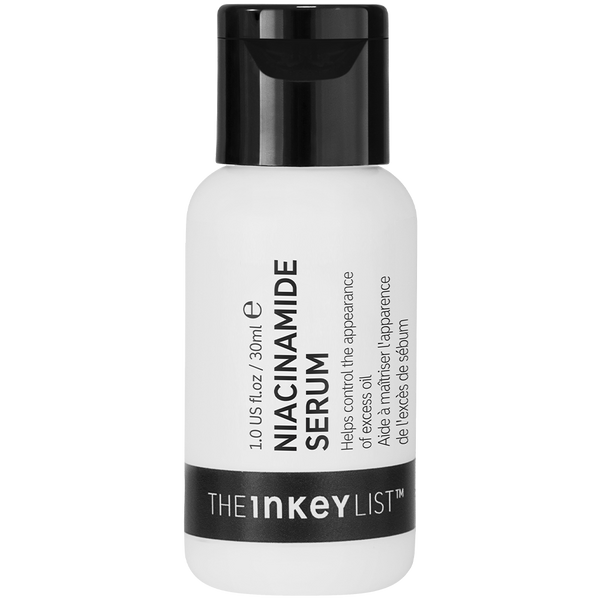
On the ingredient front, vitamin B3 deserves a mention, because this is where a lot of the NAD+ confusion starts. Niacinamide is a well-researched form of vitamin B3, and it belongs to the same broad vitamin B3 family that the body naturally uses. That family connection is useful context, and it is one reason niacinamide is such a sensible, proven everyday ingredient. To be completely clear, that is an ingredient-science point, not a claim that niacinamide raises your NAD+ levels. Our 10% Niacinamide Serum ($13) is an easy, affordable place to start if you want a dependable vitamin B3 ingredient in your routine.
Because the niacinamide-and-NAD+ relationship comes up so often, we wrote a dedicated piece on it rather than repeating it here. For how the two actually relate, read how NAD+ and niacinamide relate. And if you just want the full story on the ingredient itself, what niacinamide is is our ingredient hub.
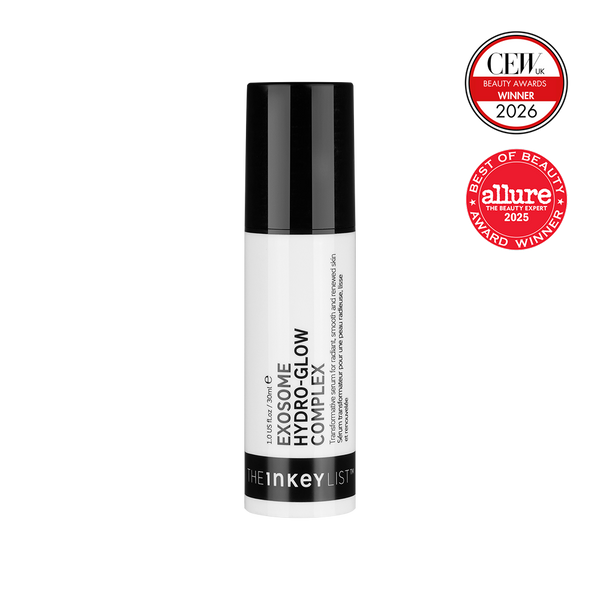
If glow and overall rejuvenation are your focus, our Exosome Hydro-Glow Complex ($24) is worth a look. It supports your skin’s natural collagen production and offers 6-in-1 skin rejuvenation that is clinically proven to visibly improve radiance, hydration, tone, firmness, elasticity, and texture, for clinic-worthy rejuvenated skin in 14 days, with 100% of users seeing more glowing skin. For the approved background on the ingredient, see the science behind exosomes.
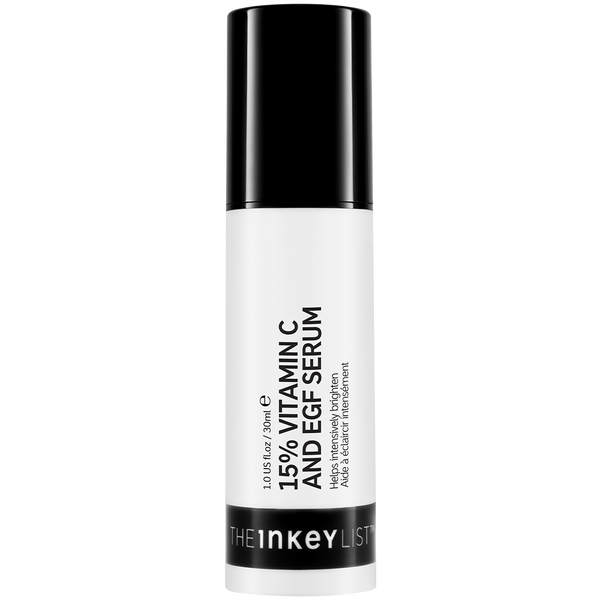
If your main goal is brightness, our 15% Vitamin C + EGF Serum ($20) is a supporting option aimed at visibly brighter, more even-looking skin.
Two final housekeeping points that matter more than any product. First, proven ingredients used consistently beat chasing trends, period. Second, always patch test new products before you commit them to your face, because your skin deserves that bit of care. Here is why patch testing matters if you want the quick how-to. And keep daily sun protection as a habit, every single day.
With a practical routine in hand, we can pull the whole picture together and restate the one honest message that matters.
Conclusion
Let us bring it home in three simple beats. First, NAD+ levels are how much NAD+ your cells have to work with. Second, those levels tend to decline gradually with age and are nudged along by everyday stressors like UV, pollution, and general stress. Third, all of that is normal biology, not cause for alarm.
One last reminder on scope, because it matters. Supplements, IV drips, and medical blood testing are a separate world, and they were not the focus here. This was always about your skin.
Our honest position has not wavered across the whole article. The body science is well established, the topical and skin side is still emerging, and no product can be claimed to raise your NAD+ levels. What works is unglamorous and reliable: clear guidance, proven ingredients, real results. Keep it simple, keep it consistent, and let the science earn its place in your routine instead of the hype.
Keep Exploring the Ingredient Story
If this was useful, here are a few genuinely relevant next reads, each with a reason to click:
- NAD+ explained in full - the complete overview, for anyone who wants the whole picture in one place.
- Is NAD+ a peptide? - clears up a common point of confusion in a couple of minutes.
- NAD+ vs niacinamide - the direct comparison, so you know exactly how the two differ.
- All our ingredients, clearly explained - browse the proven actives we actually recommend.
- Build your routine with our skincare quiz - a quick, helpful way to turn all this into a plan that fits your skin.
Frequently Asked Questions
Got a question?
Our askINKEY team are a friendly bunch of skincare experts with deep product knowledge and zero judgement. Whether you're an ingredient obsessive or just starting out, we'll make it make sense. No question too big. No question too small. We Give A Care, Every Day.


