


5 Things You Need To Know Before Using Retinol
Everything a first-time retinol user needs to know — how to start, how often to apply it, and what's normal along the way.
Author
askINKEY skincare advisor
Published
20 April, 2023
Time to read
15 minutes
Retinol has a reputation. It's the ingredient people are most excited to try and most nervous to start — and usually for the same reason: they've heard it works, and they've heard it can be uncomfortable.
Both can be true. But the discomfort isn't a rite of passage. Most of it comes down to starting too strong, too fast, or without the right support around it. Get those three things right and retinol becomes one of the most straightforward steps in your routine.
Here's what to know before your first application.
1. Start Low and Go Slow — Frequency Matters More Than Strength
The most common beginner mistake isn't picking the wrong product. It's using the right product too often.
Skin needs time to adapt to retinoids. Start with two to three nights a week, and only increase once your skin is comfortable at that frequency. For most people that means staying at two to three nights for at least two to four weeks before moving to alternate nights. Some people settle at four nights a week and never go further — that's a perfectly good place to land.
If your skin feels tight, looks flushed, or starts flaking, don't push through. Drop back a night and hold there.
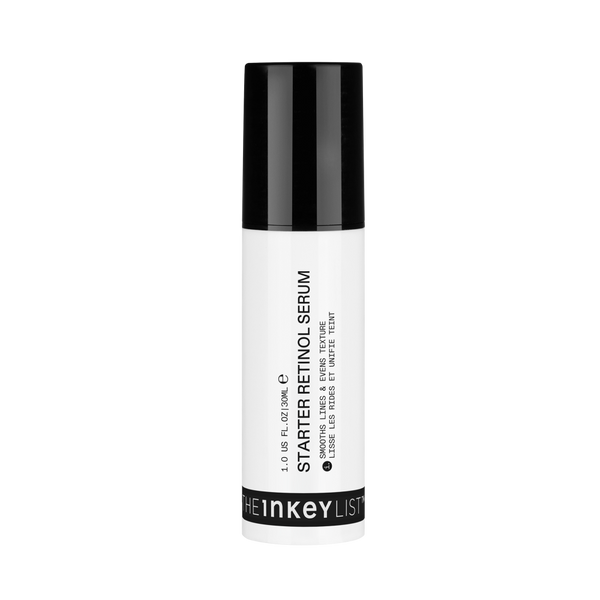
Our Starter Retinol ($15.00, 30ml) is built for exactly this stage. It uses a Dual-Retinoid Complex — 1% Granactive Pro+ and 0.01% Retinal — alongside 0.5% Amisol Trio and 0.2% SymRelief®, so you get visible results without the harsh introduction.
The clinical results back that up:
- Smooths fine lines from 7 days, without irritation*
- 95% experienced zero irritation or redness**
- 90% saw significant clinical improvement in wrinkles in 4 weeks***
- 2x more effective than standard retinol**
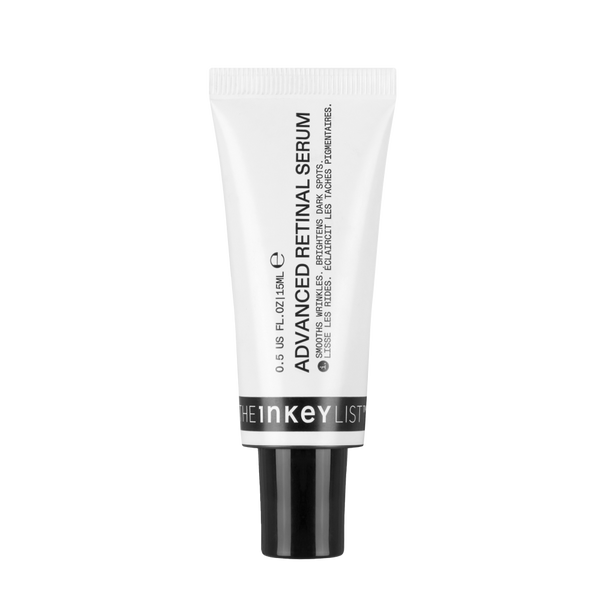
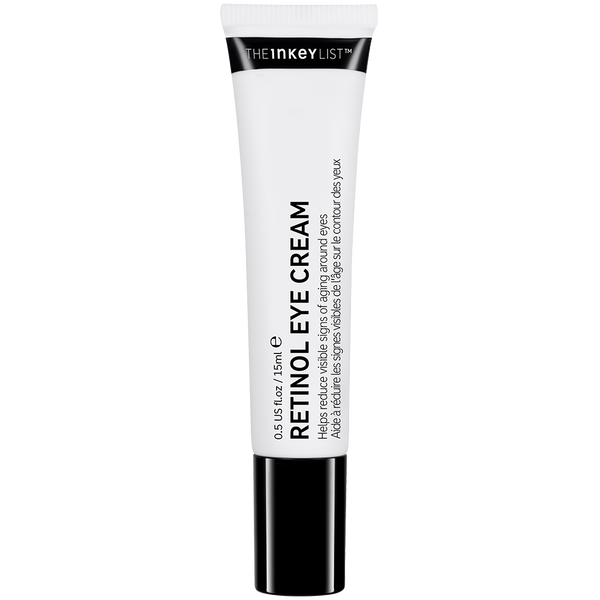
Once your skin is comfortable, Advanced Retinol 0.2% Retinal Serum ($22.00, 15ml) is the natural next step. For the eye area specifically, Retinol Eye Cream ($15.00, 15ml) is formulated at a gentler level for thinner skin.
2. Apply It at Night, to Dry Skin, and Less Than You Think
Retinol goes on in the evening. Cleanse, let your skin dry completely, then apply a pea-sized amount to your whole face — not a targeted dab on problem areas.
Damp skin increases absorption, which sounds good but usually just increases irritation. Give it a couple of minutes after cleansing.
If your skin is sensitive, try the sandwich method: a thin layer of moisturizer, then your retinol, then moisturizer again. It slows delivery slightly and takes the edge off the adjustment period without meaningfully reducing results.
For that, Bio-Active Ceramide Moisturizer ($22.00) works well — ceramides help support the skin barrier, which is precisely what's under pressure when you're introducing a retinoid.
Avoid the immediate eye area unless you're using a product formulated for it, and skip the corners of the nose and mouth, where product tends to collect.
3. Daily SPF Isn't Optional
Retinol increases skin's sensitivity to UV. Using it without daily sun protection undermines the results you're working toward and raises your risk of irritation and hyperpigmentation.
Wear broad-spectrum SPF every morning, all year. Not just on sunny days, not just in summer. This is the single rule with no flexibility in it.
4. Know What to Layer — and What to Leave for Another Night
Retinol doesn't need a complicated routine around it. It needs a calm one.
Pairs well:
- Hyaluronic acid — hydration support, useful for dehydrated skin
- Niacinamide — helps support the barrier
- Ceramides — barrier support
- Glycerin — humectant hydration
Use on separate nights:
- Glycolic acid and other AHAs
- Salicylic acid and other BHAs
- High-strength vitamin C — most people find vitamin C in the morning and retinol at night works best
- Benzoyl peroxide
Stacking actives is the fastest route to a compromised barrier. If you're already dealing with a damaged skin barrier get that settled before introducing retinol at all.
More detail here:
- What Not to Mix With Retinol
- Can You Use Glycolic Acid With Retinol?
- Hyaluronic Acid and Retinol: Can You Use Them Together?
5. The Adjustment Period Is Real — Here's What's Normal
In the first few weeks you may notice mild dryness, some flaking, or a little redness. That's typical, and it usually settles within two to six weeks.
You may also see a temporary increase in breakouts as cell turnover speeds up — often called purging. It tends to appear in areas where you normally break out, and it passes. Spots in brand new areas are more likely a reaction than a purge. See What Is Skin Purging? and, if congestion is your main concern, Non-Comedogenic Skincare: What It Means and Why It Matters.
What isn't normal: persistent stinging, burning, swelling, or raw and peeling skin. Stop, let your skin recover fully, and restart at a lower frequency.
If you want extra support for radiance and hydration while your skin settles, Exosome Hydro-Glow Complex ($24.00) is a glow-boosting option — clinically proven to deliver 6-in-1 skin rejuvenation, visibly improving radiance, hydration, tone, firmness, elasticity and texture*, with 100% seeing more glowing skin, clinically proven*. It's proven to deliver up to 12 hours of hydration**, and in-vitro testing of Cica Exosomes showed a 55% reduction in visible signs of skin stress — redness, puffiness, visible irritation — and a 63% increase in skin renewal activity in 8 hours***.
Storage: Yes, Retinol Expires
Retinol degrades with exposure to light, air and heat. Keep it capped, out of direct sunlight, and away from the steam and temperature swings of a bathroom shelf if you can.
Check the expiry date and the period-after-opening symbol. Oxidised retinol is less effective, and a product that's changed colour or smell has likely passed its best.
*4-week clinical study of 30 participants
**4-week in-vitro study
***12-week consumer study of 130 participants
Exosome Hydro-Glow Complex claims: *4-week clinical study of 26 people. **Clinical study of 31 people. ***In-vitro testing of Cica Exosomes showed a 55% reduction in pro-inflammatory markers and a 63% increase in markers associated with skin renewal after 8 hours.