

Are Face Wipes Bad For Your Skin? Try This Instead
Face wipes feel quick and easy, but they leave residue, irritate skin, and harm the environment - here's the simple swap that does the job properly.
Author
askINKEY skincare advisor
Published
01 June, 2026
Time to read
8 minutes
It’s the end of a long day, your makeup has been on since 7 a.m., and the idea of standing at a sink doing a full cleansing routine feels like one task too many. So you reach for a wipe. It feels easy. It feels fast. It feels like it’s doing the job.
Here’s the direct answer: are face wipes bad for your skin? Yes. And are makeup wipes bad for your skin specifically when it comes to removing SPF, foundation, and daily grime? Also yes, for reasons that are more mechanical than emotional. This isn’t about guilt or fear-mongering. It’s about understanding what’s actually happening on your skin’s surface every time you use one, and what to do instead that takes roughly the same amount of time.
This piece breaks down exactly what wipes do (and don’t do) to your skin, why they’ve become a bigger environmental conversation than most people realize, and the simple rinse-off swap, the Oat Cleansing Balm, that solves the problem without adding a single extra step to your evening.
To understand why the swap matters, you first need to understand exactly what’s happening to your skin every time you use a wipe.
What Face Wipes Are Actually Doing to Your Skin
The core issue with face wipes isn’t the concept, it’s the missing step. A proper cleanse works in two parts: something lifts the makeup, SPF, dirt, and excess sebum off your skin, and then water rinses all of it away. Wipes only do the first half of that job. There is no rinse step, which means instead of removing impurities, a wipe is really just dragging them around your face and redistributing them into fresh areas of skin, or pressing them back in with friction. You end up with a face that looks clean in the mirror but still has a thin film of makeup, SPF filters, and oil sitting on it.
This matters more than it sounds like it should. Removing makeup properly is foundational to every other step in a skincare routine, because serums, moisturizers, and treatments are designed to absorb into clean skin, not to layer on top of leftover residue. When that residue stays put, you’re not just skipping a step, you’re undermining the rest of your routine too.
There’s also the ingredient issue to consider. Wipes aren’t just damp cloth, they’re damp cloth soaked in a formula, and that formula typically includes preservatives (to stop the wipe from growing bacteria while it sits in the packet), alcohol (to help it dry faster and feel less greasy), and synthetic fragrance (to make the whole experience feel more pleasant). None of that is inherently dangerous in isolation, but with no rinse step, all of it stays directly on your skin after you’ve finished wiping. There’s nowhere for it to go. It just sits there, potentially for hours, continuing to interact with your skin barrier while you sleep.
Then there’s the physical side of the equation, which is arguably the most underrated part of the problem. Using a wipe means pulling, dragging, and rubbing a textured material across your face, often with more pressure than you’d use with your fingertips and a proper cleanser. This is especially true around the eye area, where skin is thinner and more delicate than almost anywhere else on the body. Repeated friction in this zone causes micro-inflammation that most people don’t notice day to day, but which adds up over time. It’s a slow erosion rather than a dramatic one, and that’s exactly why it’s easy to underestimate.
Put these three factors together, residue left behind, irritating ingredients with no way to rinse off, and repeated physical friction, and the outcomes start to make sense. Congested pores from trapped residue and oil. A compromised skin barrierfrom repeated mechanical stress. Ongoing dehydration because a healthy barrier is what keeps moisture locked in, and a disrupted one leaks it out. And for anyone with sensitive skin, these effects tend to be amplified rather than occasional, which is part of why dermatologists so often ask this specific question: are makeup wipes bad for your face if you already deal with reactivity? The honest answer is that they tend to be worse for sensitive skin types precisely because there’s less margin for irritation before visible symptoms show up. If you’re looking for more tailored direction here, the best face wash for sensitive skin is a useful next read.
It’s worth a brief note on a related but different question: can you use baby wipes to remove makeup? Baby wipes are formulated for a completely different job, gentle cleanup of skin that isn’t wearing makeup or SPF, not dissolving long-wear foundation or broad-spectrum sunscreen. They carry many of the same drawbacks as face wipes, including residue left behind and friction from wiping, without being formulated to actually break down makeup in the first place. So while they might feel gentler, they don’t solve the underlying problem.
None of this means your skin is doomed if you’ve relied on wipes for years. It just means there’s a mechanical gap in the routine that’s worth closing. And once you start looking at the problem through a wider lens, there’s a second reason to make the switch that has nothing to do with your skin at all.
The Bigger Picture: Face Wipes and the Environment
Skin health is one side of the wipes conversation. The other side is bigger than any single bathroom cabinet, and it’s one that’s increasingly hard to ignore: what happens to a wipe after you’ve used it.
Most disposable wipes, including the majority of face and makeup wipes on the market, are made with plastic fibers blended into the material. That plastic content is exactly why these wipes don’t break down the way paper or cotton would. They don’t biodegrade on any meaningful timeline, which means every wipe that goes into a landfill is likely to stay there, largely intact, for a very long time. And when wipes are flushed instead of binned, which still happens often despite packaging warnings, that same plastic content is a major contributor to clogged pipes and strained municipal wastewater systems.
This isn’t a fringe concern anymore, it’s become a legislative one. In the United States, the bipartisan WIPPES Act passed through the U.S. House in 2025, a direct response to the scale of the problem. The legislation requires manufacturers of non-flushable, plastic-containing wipes to clearly label their products “Do Not Flush,” specifically to protect wastewater infrastructure from the blockages and damage these products cause when they enter sewer systems. The fact that this needed federal legislation at all tells you how significant the issue has become, not an isolated complaint but a widespread, costly, and preventable strain on public systems.
This kind of scrutiny isn’t limited to one bill, either. It reflects a broader pattern across US states and municipalities, where regulators and utilities are increasingly examining wipe labeling, plastic content, and flushability claims more closely than they have in the past. It mirrors similar regulatory momentum happening globally, a sign that this isn’t a niche American issue but part of a wider reckoning with single-use plastic products that were designed for convenience without much thought for what happens after use.
None of this is meant to guilt anyone over a bathroom habit. It’s simply useful context. Every face wipe used is a small, individual decision, but multiplied across millions of daily users, it becomes an infrastructure-level issue with a real cost attached, both financial (wastewater systems aren’t cheap to repair) and environmental (plastic that doesn’t break down has to go somewhere).
The good news is that this is one of those rare situations where the better choice for your skin and the better choice for shared infrastructure happen to be exactly the same choice. Switching to a rinse-off, wipe-free cleansing step doesn’t ask you to compromise on convenience to do the “responsible” thing. It simply removes the need for a disposable product altogether, since everything happens at your sink and goes down the drain as water, not as plastic fiber.
With both the skin case and the environmental case laid out, the natural next question is simple: what should you actually use instead?
Meet the Oat Cleansing Balm: Your Rinse-Off Alternative
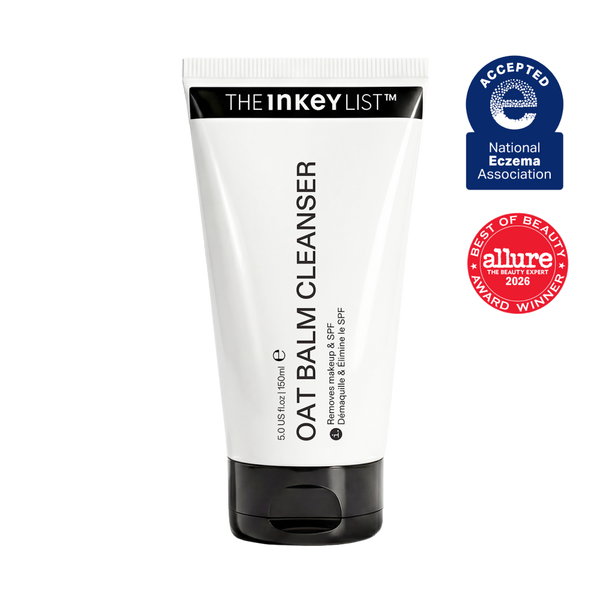
The Oat Cleansing Balm exists to answer exactly the problem outlined above: a gentle, effective, rinse-off first cleanser built specifically to remove makeup and SPF without the residue, friction, or environmental cost that come with a wipe.
The formula’s hero ingredient is Oat Kernel Oil, and it’s worth understanding why this particular ingredient was chosen rather than a generic oil base. Oat Kernel Oil is naturally rich in skin-identical ceramides, the same lipid molecules your skin barrier relies on to stay intact and hold onto moisture. This dual function is what makes the balm fundamentally different from both a wipe and a standard oil cleanser: it works to dissolve makeup and SPF on contact, while simultaneously supporting the moisture barrier it’s cleansing. If you want a deeper understanding of why ceramidesmatter so much to barrier health, that’s worth a closer read, since so much of what goes wrong with over-wiped, over-stripped skin traces back to compromised ceramide levels.
Alongside Oat Kernel Oil, the formula includes Colloidal Oatmeal, an ingredient with a long, well-documented history of visibly reducing redness and soothing both dryness and sensitivity. This is part of what makes the Oat Cleansing Balm suitable even for reactive skin types that would normally struggle with a cleansing product, let alone a wipe. Where wipes tend to be a gamble for anyone prone to irritation, this formula was built with that exact skin type in mind.
The best skincare routines aren’t the most complicated ones, they’re the ones people can actually stick to. This is a guiding principle behind formulating a rinse-off alternative that takes roughly the same effort as a wipe, while doing a fundamentally better job.
The format itself is the other half of the story. Unlike a wipe, which stays as a solid, residue-coated cloth for its entire use, the Oat Cleansing Balm transforms. Applied to dry skin, it starts as a rich, melt-in balm. Add water, and it emulsifies into a creamy, milky texture that rinses away completely, taking dissolved makeup, SPF, and daily buildup with it. Nothing is left behind. There’s no film, no residue, no lingering preservatives or fragrance sitting on the skin after you’ve finished, because the entire formula is designed to be rinsed off, not wiped off.
It’s worth being clear about what this product is not. It isn’t simply “another cleanser” added to a crowded shelf of options. It was built as a direct, intentional alternative to the wipe habit itself, engineered to solve the specific mechanical and ingredient issues that make wipes problematic in the first place, while still delivering the same speed and ease that made wipes appealing to begin with. That combination, genuinely effective and genuinely fast, is the entire point.
Knowing a better option exists is only useful if you know exactly how to use it to get the full benefit, which is exactly what comes next.
How to Use It: A Simple Swap, Not a Harder Routine
One of the biggest hesitations people have about moving away from wipes is the assumption that anything better must also be more time-consuming. It isn’t, and that’s the entire premise behind building a rinse-off alternative that fits into the same window of time a wipe would take.
Here’s the full process, broken down into simple steps:
- Apply to dry skin. Take a small amount of the Oat Cleansing Balm and massage it over your entire face, including closed eyes, for around 60 seconds. This dry application is important, it gives the oil-based formula time to properly dissolve makeup, SPF, and the day’s buildup before any water is introduced.
- Add warm water and emulsify. Wet your hands and continue massaging. The balm will transform from a solid texture into a creamy, milky consistency right on your skin. This emulsification step is the part a wipe simply cannot offer, since a wipe has no mechanism for turning residue into something that can be fully rinsed away.
- Rinse thoroughly. Once the balm has emulsified, rinse with warm water until your skin feels clean, with nothing to wipe, dab, or pat away. This is the step that actually removes everything the first step dissolved, rather than redistributing it.
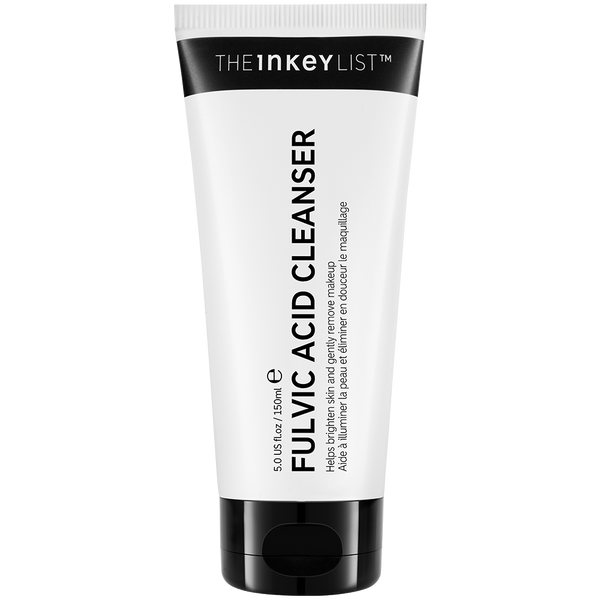
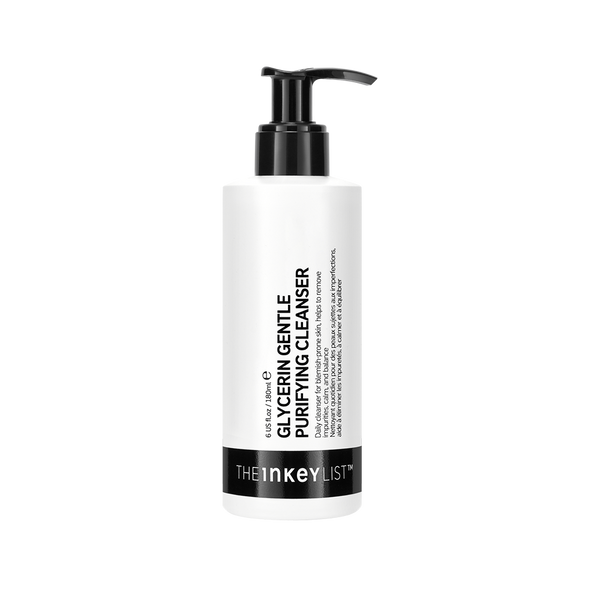
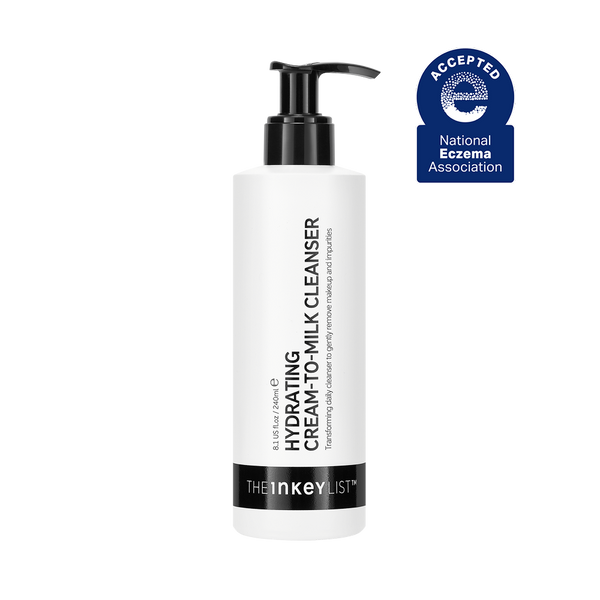
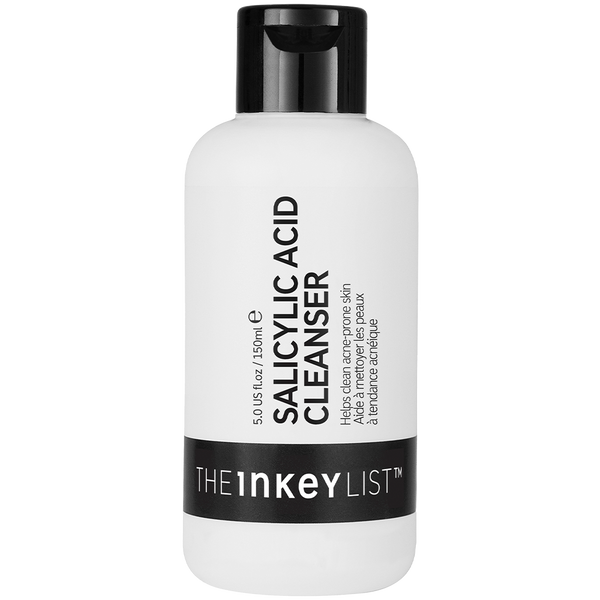
For a complete evening routine, this first cleanse is best followed by a second, water-based cleanser suited to your skin type, a method widely known as double cleansing. The complete guide to double cleansing covers the method in full detail, but the short version is straightforward. If your skin leans dry or normal and wants extra hydration, the Milk Cleanser is a natural second step. If your skin is oilier or more blemish-prone and benefits from a deeper, pore-clearing finish, the Salicylic Acid Cleanser is the better fit.
There’s also a bonus use worth knowing about: on dry or dull-looking skin days, the Oat Cleansing Balm can double as a 10-minute hydrating face mask instead of a quick cleanse. Leaving it on the skin for longer allows the ceramide-rich Oat Kernel Oil and soothing Colloidal Oatmeal more time to work, which is exactly the kind of dual-purpose flexibility a wipe could never offer. The full method is laid out in the Oat Cleansing Balm face mask hack, worth bookmarking for the days your skin needs a little more than a standard cleanse.
For anyone who wants to try the format before committing fully, the Mini Oat Cleansing Balm at 50ml for $9.00 is a genuinely low-commitment way to experience the swap without needing to buy the full 150ml size first. And for readers thinking about this in terms of long-term cost rather than just upfront price, the cost-per-cleanse breakdown lays out exactly why a single $17.00 tube tends to outperform a constant cycle of wipe repurchases, both in cost and in what it’s actually doing for your skin.
Now that the process itself is clear, and it’s clear that it isn’t any harder than reaching for a wipe, it’s worth putting the two options side by side and looking at exactly where they differ.
Face Wipes vs. the Oat Cleansing Balm: The Real Difference
Laid out directly, the differences between a wipe and a rinse-off balm aren’t subtle. They touch nearly every part of what a cleansing step is supposed to accomplish.
On makeup and SPF removal: wipes redistribute makeup and SPF across the skin rather than genuinely removing it, since there’s no rinse step to carry dissolved product away. The Oat Cleansing Balm, by contrast, is formulated specifically to dissolve both makeup and SPF and then rinse them away completely, so what comes off the skin actually leaves the skin.
On residue: wipes leave behind preservatives, alcohol, and synthetic fragrance sitting directly on the skin, with nowhere for any of it to go once you’ve finished wiping. The balm rinses completely clean, leaving no film or lingering ingredient residue behind once the final rinse is done.
On skin barrier support: wipes compromise the skin barrier through repeated friction, stripping, and the cumulative effects of leftover residue. The balm is formulated to actively support the barrier while cleansing, thanks to the ceramide-rich Oat Kernel Oil at its core, meaning the cleansing step works with your skin’s natural defenses rather than against them.
On sensitivity: wipes introduce friction and often contain ingredients that can aggravate already-reactive skin, with no way to rinse potential irritants away. The balm is non-comedogenic and suitable for all skin types, including sensitive and blemish-prone skin, due to the inclusion of soothing Colloidal Oatmeal alongside the barrier-supporting oil base.
On sustainability: wipes contribute to plastic waste that doesn’t break down and, when flushed, strain wastewater infrastructure badly enough to prompt the WIPPES Act’s new labeling requirements. The balm’s rinse-off format sidesteps single-use plastic waste entirely, since nothing disposable is involved in the process.
On value: wipes represent an ongoing repeat purchase that offers no skin benefit beyond surface-level removal, meaning every pack bought is simply more of the same limited function. The balm delivers a multi-use, dual-purpose product, both a daily first cleanser and an occasional hydrating mask, for $17.00 per 150ml tube, with a $9.00 mini size available for anyone who wants to try it first.
Where wipes leave residue behind, the balm rinses completely clean. Where wipes strip and aggravate, the balm supports and soothes. Where wipes create ongoing plastic waste, the balm eliminates that waste stream altogether. Set side by side like this, the case stops being a matter of opinion and starts looking like simple cause and effect.
The Bottom Line on Face Wipes
The case against wipes comes down to two straightforward points. They compromise skin health by leaving residue behind and stressing the skin barrier through repeated friction, and they contribute to a genuine environmental problem through plastic content that doesn’t break down and strains shared wastewater infrastructure. A rinse-off balm solves both issues at once, without asking you to add complexity to your routine.
Switching doesn’t mean a harder routine. It means spending roughly the same 60 seconds you’d spend on a wipe, just doing something that actually works while you do it. That’s really the whole philosophy behind this approach to skincare: clear guidance, proven ingredients, and real results, without unnecessary steps or confusing claims standing in the way.
If the case for leaving wipes behind makes sense to you, the next step is simple. Shop the Oat Cleansing Balm and make the swap tonight. If you’re still working out the right cleanser for your specific skin type and goals, how to choose the right cleanser is a useful next stop, or if you’d rather get a fully personalized recommendation, you can take the skincare quiz and let your answers do the work for you.
Either way, the shift away from wipes isn’t about overhauling your routine. It’s about replacing one quick step with a slightly different quick step that actually delivers on what it promises.
Frequently Asked Questions
Got a question?
Our askINKEY team are a friendly bunch of skincare experts with deep product knowledge and zero judgement. Whether you're an ingredient obsessive or just starting out, we'll make it make sense. No question too big. No question too small. We Give A Care, Every Day.


