

Why 17¢ Per Cleanse Makes the INKEY Oat Cleansing Balm the Smartest Skincare Buy
Here's the real math behind why 17 cents per cleanse — not the $17 price tag — makes this balm one of the smartest buys in your routine.
Author
askINKEY skincare advisor
Published
01 June, 2026
Time to read
11 minutes
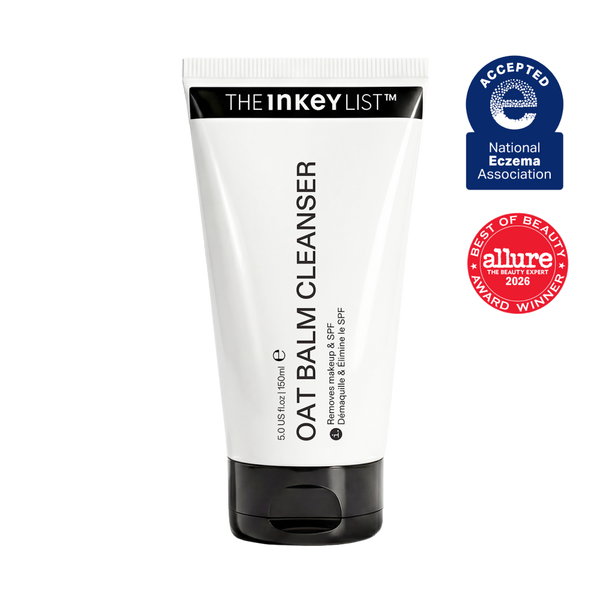
The INKEY List Oat Cleansing Balm costs $17 for a 150ml tube. That number alone tells you almost nothing useful. What matters is this: one tube delivers roughly 100 cleanses, which brings the real cost down to about 17 cents per use. That is the number worth paying attention to, and it is the entire argument of this blog.
Most skincare shopping happens the wrong way. Shoppers stand in front of a shelf, or scroll through a product grid, and compare prices the same way they’d compare two cartons of eggs: bigger number bad, smaller number good. But skincare isn’t sold by the gram the way groceries are, and a cleanser’s true cost depends on how much product you actually use each time and how many times that bottle lasts you. A $9 cleanser that requires three times the product per wash can easily cost more per use than a $17 one that requires far less. Shelf price tells you what you pay today. Cost-per-use tells you what you’re actually paying for, over time, every single day you use the product.
This is where a balm cleanser like this one tends to get misjudged. A jar of balm or an oil-based cleanser often looks more expensive at first glance than a foaming face wash sitting next to it. But balm cleansers are typically used in smaller amounts, melt effectively into makeup and SPF without needing a second scrub, and last longer than their price tag suggests. Once you actually run the math, instead of eyeballing the price sticker, the picture changes considerably.
This blog is going to walk through that math in detail, then explain what’s actually formulated into the Oat Cleansing Balm that justifies even that modest 17-cent cost, who this product is genuinely built for across skin types, how to use it correctly inside a full routine, and how to get every one of those 100 uses out of a single tube. If you want the full story on the current formula and what changed in the most recent update, The New Oat Cleansing Balm: What’s Changed and Why covers that in detail and is worth a read alongside this one.
To be clear about what this blog is and isn’t: this is not a sales pitch dressed up as an article. It’s a straightforward explanation of how value should actually be calculated in skincare, using this product as the working example. Consider it the kind of breakdown a knowledgeable friend would give you if you asked, “is this actually worth it?” No dramatics, no urgency tactics, just the numbers and the reasoning behind them.
Let’s start with how that 17-cent figure was actually calculated, because the math is the foundation everything else in this blog builds on.
The Real Math: How We Got to 17¢ Per Cleanse
Here is the calculation in full, with nothing hidden.
The Oat Cleansing Balm retails for $17 for a 150ml tube. A single application, enough to properly dissolve a full face of makeup, SPF, and the day’s grime, is roughly a raspberry-sized amount. Based on that application size, a 150ml tube yields approximately 100 uses before it’s empty.
$17 ÷ 100 uses = $0.17 per cleanse
That’s 17 cents. Every time you use this balm to take your face from “end of day” to “clean and ready for the next step,” you’re spending less than a quarter. For context, that’s less than the cost of a single piece of penny candy from a corner store, and you’re getting a full cleanse and makeup removal step out of it.
Now compare that to the alternative shopping approach most people default to: picking the cheapest bottle on the shelf. Say a $6 foaming cleanser requires a full pump, or two, to work up a lather that actually removes makeup, and the bottle runs out in half the time because the formula is thinner and gets used more liberally per wash. Do that math and the “cheap” option can easily land at 20, 25, even 30 cents per use, sometimes more, once you account for how much product people actually use and how quickly thinner formulas get used up. The shelf price was lower. The real cost wasn’t.
This is the core problem with shopping by price-per-bottle or price-per-ounce instead of cost-per-use. Price-per-ounce assumes every formula is used in identical amounts and lasts the same number of applications, which is almost never true in practice. A rich, concentrated balm that only needs a small amount per use can be meaningfully cheaper over time than a watery, diluted formula that requires a heavier hand just to feel like it’s working. Cost-per-use is the more honest number because it accounts for how the product actually performs in your routine, not just what’s printed on the shelf tag.
This reasoning doesn’t just apply to this one product. It’s worth applying the same math to every cleanser, moisturizer, and serum in your routine. Divide the price by a realistic estimate of uses per bottle, based on how much product you actually need per application, and you’ll often find that the “expensive-looking” option is the smarter long-term buy. It’s a simple habit, but it changes how you shop for skincare permanently, and once you start doing it, it’s hard to go back to judging products by price tag alone.
None of this math matters, though, if the formula itself doesn’t perform. A low cost-per-use on a mediocre cleanser is still a bad deal. So the next logical question is: what’s actually inside this balm that makes the 17 cents worth spending in the first place?
What’s Actually in the Formula (and Why It Works)
A cleanser’s price only matters if the formula earns it, so here’s what’s actually doing the work inside this tube.
The Oat Cleansing Balm is formulated with 5% Oat Kernel Oil alongside colloidal oatmeal, two ingredients chosen for very specific, complementary reasons rather than for marketing appeal. Oat Kernel Oil is an emollient-rich oil that helps dissolve makeup, SPF, and surface buildup on contact, which is the mechanical part of cleansing. Colloidal oatmeal, separately, is widely recognized for its calming and skin-soothing properties, helping to support the skin while it’s being cleansed rather than after the fact.
Put simply: the oil melts things away, and the oatmeal calms the skin while that happens. That combination is what allows this to function as a genuine makeup remover balm rather than just a cleanser that happens to be balm-textured. There’s a meaningful difference between a product that merely cleans skin and one that’s actually built to break down stubborn makeup and SPF without requiring aggressive rubbing or a harsh second scrub to finish the job.
On the brand’s product pages, this formula carries claims around removing impurities in approximately 30 seconds and supporting the skin’s barrier function during cleansing, claims that reflect testing already backing the current formulation rather than new or exaggerated marketing language. That distinction matters. A cleanser that strips the skin in the name of feeling “squeaky clean” is working against your skin barrier, not with it. One of the most common skincare mistakes is treating cleansing as a purely cosmetic step, when in reality it’s one of the few steps you do twice a day, every day, which means its impact on your barrier compounds over time.
That barrier-support angle connects directly to ceramides, the lipids that make up a significant portion of your skin’s outer barrier and help it retain moisture while keeping irritants and environmental stressors out. A cleanser that’s formulated with barrier health in mind, rather than against it, helps preserve those ceramides instead of stripping them away with every wash. If you want a deeper explanation of how ceramides function and why barrier support matters across an entire routine, not just at the cleansing step, that pillar page is worth bookmarking.
It’s also worth noting that the current formula reflects an increased oat kernel oil concentration from a previous version, a change covered in full in The New Oat Cleansing Balm: What’s Changed and Why. That update is relevant here because it directly affects how little product you need per use, and by extension, how the cost-per-use math plays out. A more concentrated, effective formula generally means less product is needed to get the job done, which is part of what keeps that 17-cent figure realistic rather than optimistic.
What makes this formulation particularly notable is that it isn’t narrowly built for one skin type. A lot of balm cleansers are marketed almost exclusively toward dry skin, on the assumption that anything balm-textured must be heavy or occlusive. This one is formulated to be gentle and effective enough to work broadly, which raises the obvious next question: who is this balm actually built for, and does it genuinely work for skin types beyond dry?
Who This Balm Cleanser Is Really For: Oily, Sensitive, Dry, and Dehydrated Skin
There’s a persistent myth in skincare that balm cleansers are only for dry skin. That assumption costs a lot of people a genuinely effective cleanse, so it’s worth addressing directly.
Oily and combination skin. It sounds counterintuitive, but oily skin often benefits from a gentle, non-stripping cleanse more than people expect. Many oily skin routines lean on harsh, foaming cleansers in an attempt to cut through oil, which can actually backfire by stripping the skin and triggering it to overproduce oil in response. A balm that dissolves excess sebum, makeup, and SPF without stripping the skin barrier can help regulate oil production more effectively over time than an aggressive foaming wash. It’s also worth understanding that oily skin can be dehydrated underneath the surface oil, a combination that’s more common than most people realize and one that a stripping cleanser actively makes worse. For the full mechanism behind that, Why Oily Skin Gets Dehydrated Too breaks it down in detail, and it’s genuinely useful context if you’ve ever felt confused about why your “oily” skin also feels tight. If this applies to you, it’s also worth understanding dehydrated skin as a separate concern from oiliness entirely, since the two aren’t mutually exclusive.
Sensitive and reactive skin. This is where colloidal oatmeal does some of its most important work. Its soothing, calming properties make this a legitimate option as a cleansing balm for sensitive skin, including skin that’s prone to redness, occasional flare-ups, or general reactivity. That said, “formulated to be gentle” doesn’t mean “guaranteed to agree with every single person’s skin.” Anyone managing sensitivity, or a damaged skin barrier, should patch test before introducing any new cleanser into a routine, including this one. If you’ve never patch tested a product before or aren’t sure how, Why Do I Need to Do a Patch Test walks through exactly how and why it matters, particularly for compromised or reactive skin that can’t afford a bad reaction.
Dry skin. This is the most intuitive fit, and for good reason. Traditional foaming cleansers are notorious for leaving dry skin feeling tight, stripped, and uncomfortable almost immediately after rinsing. A balm cleanser avoids that entirely by cleansing through emollients rather than surfactant-heavy foam, which means dry skin finishes the cleanse feeling comfortable rather than tight and in need of immediate rescue.
Here’s a quick way to think about where you fit:
- If your skin gets shiny by midday but also feels tight after washing - you likely have oily, dehydrated skin, and this balm’s non-stripping cleanse can help.
- If your skin reacts easily to new products, gets red, or feels irritated often - this balm’s calming formulation is worth trying, with a patch test first.
- If your skin feels tight, flaky, or uncomfortable after cleansing - this is a straightforward, comfortable fit.
- If you’re not sure which category you fall into - that’s worth figuring out first, because understanding your actual skin type and concern is the real first step in building any effective routine, before you even get to picking a cleanser.
The throughline here is that this isn’t a one-size-fits-all pitch. It’s formulated with a wide range of skin types and concerns genuinely in mind, which is a meaningfully different approach than a product that happens to work for multiple skin types by accident.
Knowing this balm fits your skin is only half the picture, though. The other half is knowing how to actually use it correctly inside a full routine, which is where double cleansing comes in.
How It Fits Into Your Routine: Double Cleansing and Smart Pairings
A cleanser is only as good as how it’s used, so here’s exactly how this one is meant to function inside a real routine.
The Oat Cleansing Balm is designed as the first step in a double cleanse. Double cleansing means using an oil- or balm-based cleanser first to dissolve makeup, SPF, and the day’s buildup, followed by a second, water-based cleanser suited to your skin’s specific needs. The balm handles the heavy lifting of breaking down what’s sitting on the surface of your skin, and the second cleanser finishes the job, addressing your skin’s actual concerns underneath.
Why does this two-step approach matter so much, especially around SPF? Because sunscreen, particularly the kind designed to stay put through sweat and water, is formulated to resist being rinsed away easily. That’s the entire point of a good SPF. But it means a single rinse-off cleanser often isn’t enough to fully break it down, leaving residue on the skin that can contribute to clogged pores or dullness over time. How to Remove Sunscreen Properly covers the full method for why this matters and how to do it right, and it reinforces exactly why a dedicated makeup remover balm step isn’t optional if you wear SPF daily, which you should be.
So what should that second step actually be? It depends on your skin.
For oily, combination, or blemish-prone skin, the Salicylic Acid Cleanser is a smart second-step pairing. Once the balm has removed the day’s makeup, SPF, and surface buildup, the salicylic acid cleanser can get to work on pores and congestion without having to fight through a layer of makeup residue first. For a deeper look at how to build out this kind of routine further, Salicylic Acid and Niacinamide: The Best Duo for Oily, Acne-Prone Skin is a useful next read if you’re managing breakouts or excess oil as an ongoing concern.
For those who want extra hydration and comfort as a follow-up, the Milk Cleanser (240ml) is the gentler alternative. It works well as a calmer second step for sensitive or dry skin types who want their routine to finish on a soothing note rather than anything that feels remotely stripping. Pairing the balm’s thorough first cleanse with the milk cleanser’s gentle finish gives dry and sensitive skin types a complete routine that never feels harsh at any stage.
There’s also a practical format detail worth mentioning here, because it ties back to the value conversation from earlier in this blog. The tube format plays a real role in hygienic, controlled dispensing. Unlike a pot that requires dipping fingers in repeatedly, a tube lets you dispense a consistent, measured amount each time, which protects the integrity of the formula over time and directly supports getting the full 100 uses the cost-per-use math depends on. That detail might seem minor, but it’s actually foundational to whether the 17-cent figure holds up in real-world use or not.
Understanding the routine is one thing. Actually executing it in a way that protects your tube’s value day after day is another, which is exactly what the next section covers.
Getting the Most Out of Every Tube: Format, Hygiene, and Value
Knowing the math is one thing. Actually hitting that 17-cent-per-use outcome in your bathroom every single day is another, and it comes down to a few practical habits.
First, the tube format itself matters more than people assume. A tube allows for controlled, consistent dispensing, which means you can reliably squeeze out roughly the same amount every time rather than guessing. This consistency is a big part of why the 100-use estimate holds up in practice rather than being a theoretical best-case number. Compare that to a pot, where it’s easy to over-scoop without realizing it, especially with a product that doesn’t have a built-in portion control mechanism.
Second, balm consistency can shift with temperature, which is a fair and common point of confusion. In a colder bathroom, the balm may feel firmer and slightly harder to dispense or spread. In a warmer environment, it softens and glides more easily. This isn’t a flaw in the formula, it’s simply how balm textures behave physically. The fix is simple: warm a small amount between your palms or fingertips for a few seconds before applying it to your face. This restores the smooth, melt-into-oil texture the formula is designed to have and makes application noticeably easier.
Third, and most directly tied to the value argument running through this entire blog, is portion control. A raspberry-sized amount is genuinely sufficient for a full cleanse, including makeup and SPF removal. Using more than that doesn’t improve the cleanse, it simply burns through the tube faster and quietly erodes the cost-per-use math that makes this such a smart buy in the first place. If you find yourself reaching for noticeably more than that each time, that’s worth paying attention to, because it’s the single easiest way to accidentally turn a 17-cent cleanse into something closer to 30 or 40 cents without realizing it.
This combination of factors, concentrated formula, controlled dispensing format, and correct portion sizing, is exactly what makes this a genuinely strong contender when you’re searching for the best cleansing balm by actual value, rather than by brand recognition or how nice the packaging looks on a shelf. Value isn’t about what a product costs to buy. It’s about what it costs you every single time you reach for it, multiplied by how often you’ll reach for it.
There’s one more hygiene point worth raising plainly, because it affects both product integrity and skin health. Pot-based formats that require repeated finger-dipping introduce an obvious bacteria risk. Every time a finger goes into an open pot, it introduces whatever is on that finger into the product, which then sits in the formula until the next use. Over time, that can compromise both the formula itself and, more importantly, what’s coming into contact with your skin. A tube format sidesteps this entirely, which is a hygiene consideration as much as it is a value one.
With the practical side of maximizing value fully covered, it’s worth stepping back and tying the entire argument together.
The Bottom Line on Cost-Per-Use Skincare
The headline fact bears repeating plainly: $17 for roughly 100 cleanses works out to 17 cents per use. Once you look past the shelf price and do the actual math, that makes this a genuinely smart buy, not because it’s cheap, but because it’s efficient.
That efficiency isn’t an accident or a marketing trick. It’s backed by a formula built around 5% Oat Kernel Oil and colloidal oatmeal, ingredients chosen to dissolve makeup and SPF effectively while supporting the skin’s barrier rather than working against it. The cost holds up because the formula performs, and the formula performs because it was built with a clear purpose rather than assembled around a price point.
This balm cleanser also isn’t narrowly built for one skin type sitting in a corner of the market. It works across oily, sensitive, dry, and dehydrated skin when used correctly and paired thoughtfully with the right second cleanser in a double cleanse routine. That versatility is part of what makes the value argument hold up across such a wide range of readers, rather than applying to only a narrow slice of them.
The real takeaway here goes beyond this one tube, though. The next time you’re standing in front of two cleansers trying to decide which one is the better buy, don’t just look at the price tag. Divide the price by a realistic number of uses, based on how much product you actually need per application, and compare that number instead. That simple habit will change how you shop for skincare, permanently, and for the better.
Try It for Yourself
If you want to see the math play out in your own routine, the Oat Cleansing Balm is available directly, or you can explore the full range of cleansers to find the pairing that fits your skin best. No pressure, no urgency, just the option to do your own cost-per-use comparison and see where it lands.
Frequently Asked Questions
Got a question?
Our askINKEY team are a friendly bunch of skincare experts with deep product knowledge and zero judgement. Whether you're an ingredient obsessive or just starting out, we'll make it make sense. No question too big. No question too small. We Give A Care, Every Day.


